 Spotify
 Apple Podcasts
 Podcast Addict
 Overcast
 Podcast RSS
Artemis 2 astronauts arrive at Kennedy Space Center ahead of NASA's historic launch around the moon
Original Publication Date: 2026-03-27 20:36
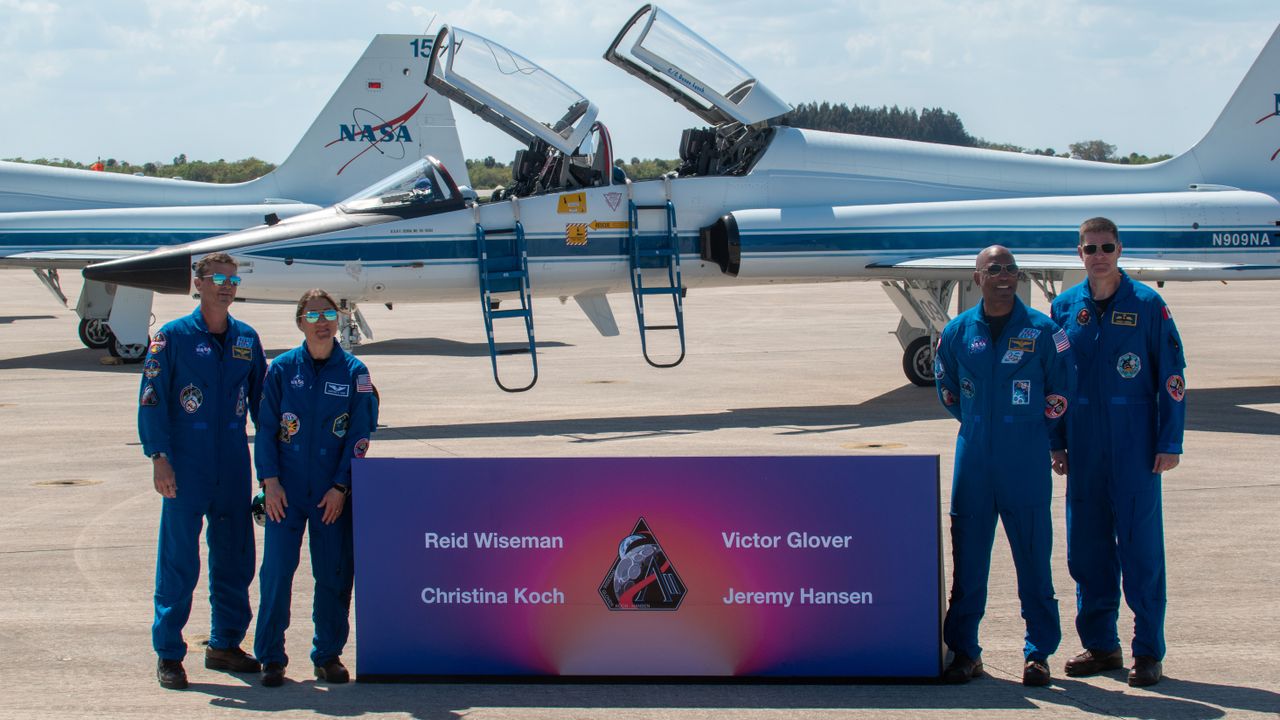
NASA’s Artemis 2 crew—Reid Wiseman, Victor Glover, Christina Koch and Canadian astronaut Jeremy Hansen—have landed at Kennedy Space Center after a T‑38 flight from Houston, ready to launch the Space Launch System on April 1. The 10‑day mission will circle the far side of the moon on a free‑return trajectory, testing Orion’s life‑support systems with astronauts aboard for the first time. It marks the first crewed lunar visit since Apollo 17 in 1972 and a critical step toward a sustained human presence on the Moon. If the launch window opens on schedule, the crew will remain in quarantine until the mission’s completion, paving the way for future landings and lunar habitats.
Commercial Space Federation (CSF) Welcomes Two New Associate Members
Original Publication Date: 2026-03-27 19:00
The Commercial Space Federation has welcomed two new associate members, Astrolab and Zeno Power, both pioneers in planetary mobility and reliable energy solutions for extreme environments. Astrolab focuses on autonomous vehicle technology for planetary exploration, while Zeno Power specializes in robust power systems for harsh conditions. The federation’s expansion underscores its commitment to advancing space infrastructure and supporting emerging companies in the commercial space sector. This move strengthens the network of innovators driving the next generation of space missions.
ESA to decide by June on Europe’s Gateway contributions
Original Publication Date: 2026-03-27 18:55
NASA halted work on the lunar Gateway on March 24, sparking uncertainty about its future role in U.S. Artemis missions. Europe now faces the challenge of redefining its contributions, with ESA scheduled to decide by June.
India’s Bellatrix raises $20 million following overseas expansion drive
Original Publication Date: 2026-03-27 17:20
India‑based Bellatrix Aerospace announced on March 27 that it has raised $20 million to scale up production of its satellite propulsion systems. The funding comes after the company secured its first major commercial customer outside India, a milestone that signals its entry into the global market. Bellatrix plans to use the capital to expand manufacturing capacity and meet rising demand from international clients. This move underscores the growing prominence of Indian aerospace firms in the satellite industry.
Building a hypersonic pathway to orbit with Mark Bigham
Original Publication Date: 2026-03-27 14:30
On this episode of Space Minds, host David Ariosto sits down with Mark Bigham, Vice President of Defense Programs at Longshot Space Technologies, a startup pioneering hypersonic launch technology. Bigham outlines a new approach that could propel mass at hypersonic speeds, potentially increasing launch cadence from a few times a week to hundreds per day.
Blackwave Expands COPV Production to the United States
Original Publication Date: 2026-03-27 22:12

On March 24, 2026, Munich‑based aerospace firm Blackwave announced its strategic expansion into the United States at the SATELLITE 2026 conference in Washington, D.
SES jumps deeper into MEO
Original Publication Date: 2026-03-27 20:56

In 2012, Chris Forrester interviewed Roman Bausch, the former CEO of SES, who revealed that the company would not invest in a major satellite project at that time. Bausch explained that strategic priorities and market conditions led SES to focus resources elsewhere. The interview shed light on the company’s cautious approach to expansion during the early 2010s. This decision ultimately influenced SES’s subsequent investment strategy and market positioning.
Defense Economics and the European SmallSat Market
Original Publication Date: 2026-03-27 18:40
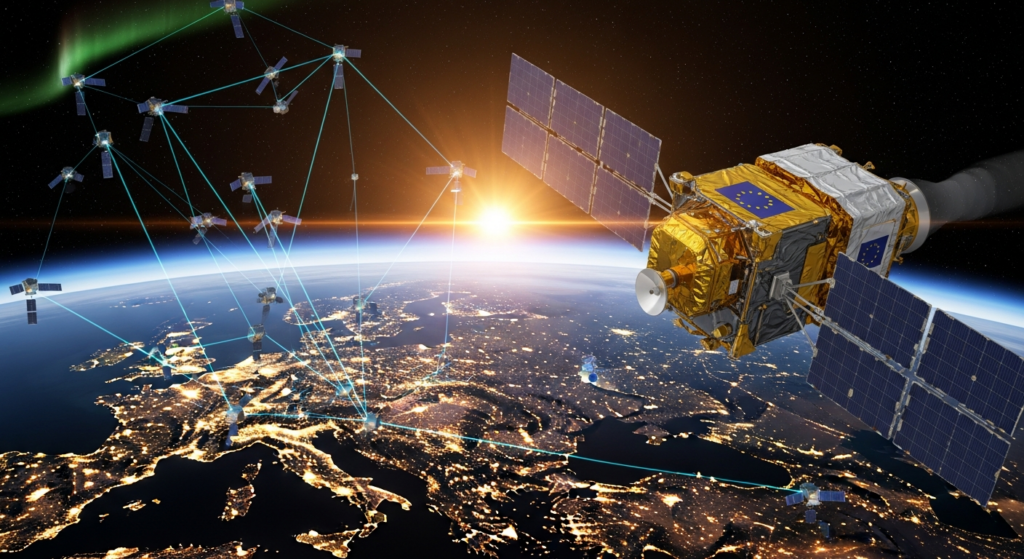
Europe is the only major space power building its smallsat sector through defense procurement rather than venture capital or state industrial policy. The demand is institutional, contract‑based, and accelerating. This procurement‑led model signals a steady, growing need for small satellites across European defense agencies. As a result, Europe’s smallsat market is poised for sustained expansion.
The FCC Must Choose: Enforce the Rules or Preserve LEO Competition
Original Publication Date: 2026-03-27 16:23

The Federal Communications Commission is at a pivotal crossroads as it considers new rules for commercial satellite services, echoing the historic Starlink licensing decision. This regulatory shift could reshape how satellite operators deploy and manage their constellations across the United States. Industry stakeholders are watching closely, as the outcome may dictate market access, spectrum allocation, and competition dynamics. The FCC’s upcoming guidance will set the tone for the next era of space‑based connectivity.
Syntiant and Novi Space Successfully Demonstrate Low-Power AI Inference in Orbit
Original Publication Date: 2026-03-27 15:39
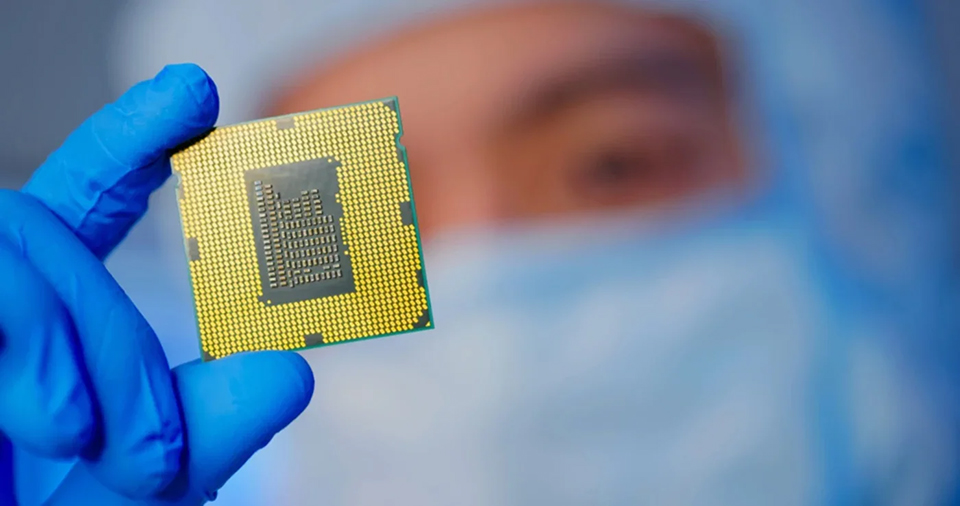
On March 26, 2026, Syntiant Corp. And Novi Space revealed a breakthrough: a commercial satellite performed real‑time AI object detection in orbit. The test confirmed that Syntiant’s ultra‑low‑power, quantized neural‑network chips can run complex vision tasks on space hardware. By demonstrating this capability, the partnership showcases a new frontier for satellite autonomy and data processing. The demonstration marks a pivotal step toward smarter, more efficient space missions.
I Am Artemis: Erik Richards
Original Publication Date: 2026-03-27 21:30
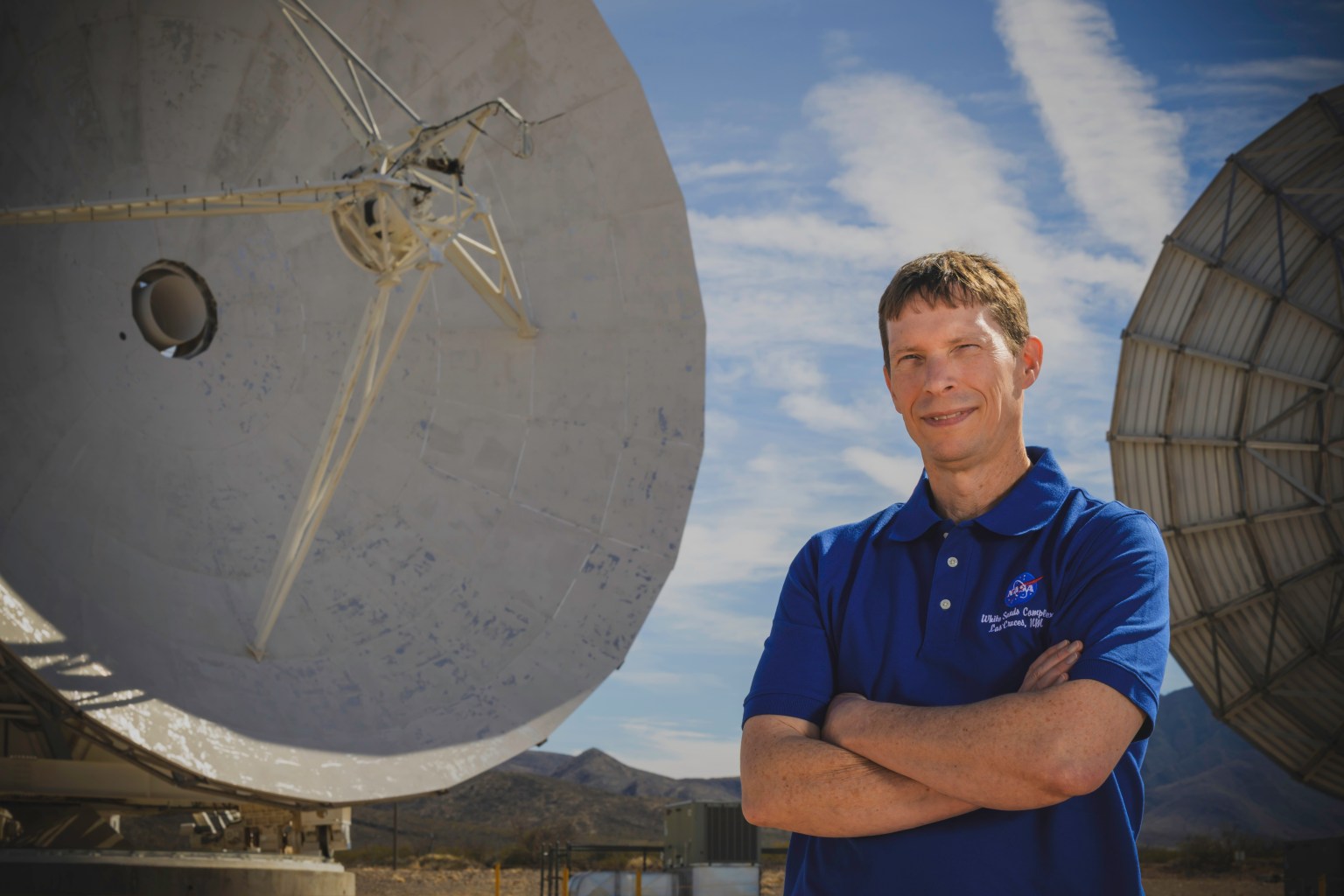
Erik Richards, mission manager for NASA’s Near Space Network, is ensuring that the Artemis II crew and Orion spacecraft stay in contact with Earth during launch, orbit, re‑entry, and splashdown. His job involves coordinating more than 40 ground stations and a global satellite relay system that together keep the four astronauts connected for the roughly 10‑day mission. Richards’ career, which began at Antarctica’s McMurdo Station and led him to Goddard Space Flight Center, has been built around keeping this invisible yet critical “telephone network” running smoothly. With Artemis II’s success paving the way for a sustained lunar presence, Richards says that anyone can contribute to humanity’s future in space, even without becoming an astronaut.
NASA Selects Intuitive Machines to Deliver Artemis Science, Tech to Moon
Original Publication Date: 2026-03-27 21:12
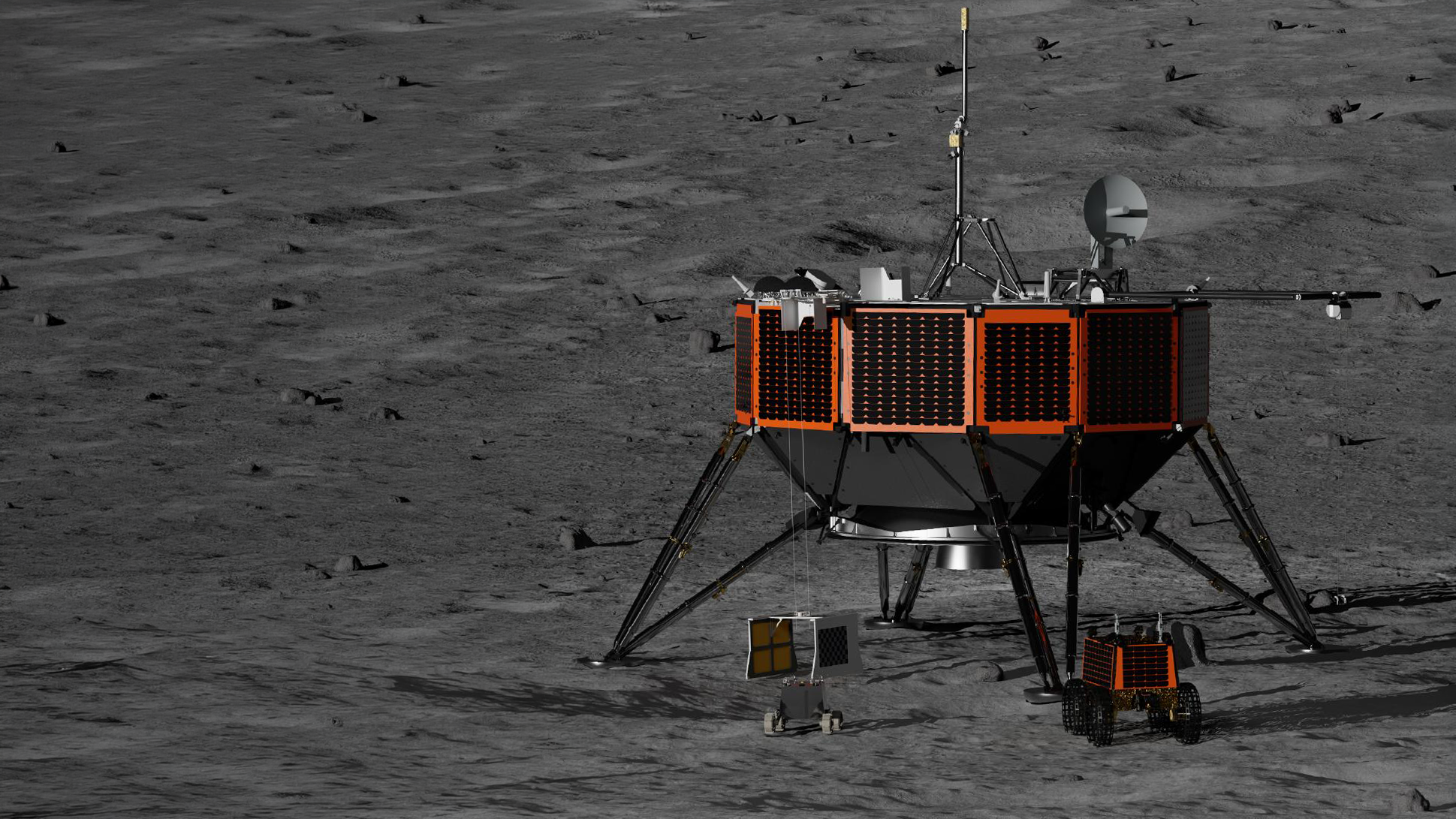
NASA has awarded Intuitive Machines $180.4 million to deliver seven payloads to the Moon’s South Pole as part of its Commercial Lunar Payload Services program, with a planned 2030 landing. The payload suite includes advanced imaging, spectroscopy, mass spectrometry, radiation detectors, and a nanosensor platform to map regolith composition, detect volatiles and ice, study plume‑surface interactions, and measure radiation exposure for future human missions.
NASA’s Environment and Energy “Blue Marble” Awards Categories
Original Publication Date: 2026-03-27 19:27

NASA is preparing for its next moonwalk simulations, including innovative underwater training to mimic lunar conditions as part of the Artemis program. The agency is also spotlighting its environmental stewardship through a series of awards that honor excellence in environmental management, project execution, energy and water efficiency, site remediation, and leadership. These efforts highlight NASA’s commitment to both mission readiness and sustainable practices.
NISAR’s View of Mount Rainier
Original Publication Date: 2026-03-27 18:32

On November 10, 2025, the U.S.-Indian NISAR satellite captured a cloud‑piercing radar image of Washington’s Mount Rainier, revealing details from the summit to its forested base. The L‑band SAR shows distinct color patterns—magenta highlights flat surfaces like roads, yellow‑green marks vegetation, and dark blue indicates clearings—while purple squares near the foot hint at human‑altered forest areas.
NISAR Views Mount St. Helens
Original Publication Date: 2026-03-27 18:29

Image captured by U.S.-Indian Earth satellite NISAR on Nov. 10, 2025, shows Washington’s Mount St. Helens. The image is cropped from a much larger swath spanning the Pacific Northwest on a cloudy day. NISAR launched in July 2025 from Satish Dhawan Space Centre on India’s southeastern coast.
Xona Space Systems Raises $170M Series C to Scale Private GPS
Original Publication Date: 2026-03-27 12:42
California-based Xona Space Systems has secured $170 million in a Series C round to accelerate its Pulsar GPS constellation, a commercial alternative to traditional satellite navigation that promises stronger, more accurate, and tamper‑resistant positioning signals. The funding, led by Mohari Ventures and Natural Capital and joined by Craft Ventures, ICONIQ, Woven Capital, NGP Capital, Samsung Next, and Hexagon, follows a $92 million Series B and will help launch the first 258‑satellite network, with U.S. Launches slated for this year.
Jared Isaacman Hits 100 Days In Office With a Bang
Original Publication Date: 2026-03-27 12:00

NASA Administrator Jared Isaacman has announced a bold new direction for the agency, focusing on a faster Artemis timeline, a lunar base, and a shift away from contractors. In his first 100 days, he delivered a “listen‑then‑reshape” tour across Washington, pitching his vision to industry, Silicon Valley execs, and global partners while emphasizing national security and soft power. The sweeping changes have sparked mixed reactions—some see urgency and opportunity, while others worry about abrupt program cuts and budget uncertainties. Isaacman’s next test will come with the FY2027 budget request, which will determine how much of his Moon‑base ambition can become reality.
Artemis 2 astronauts are launching to the moon on April 1: Watch it live
Original Publication Date: 2026-03-28 10:00
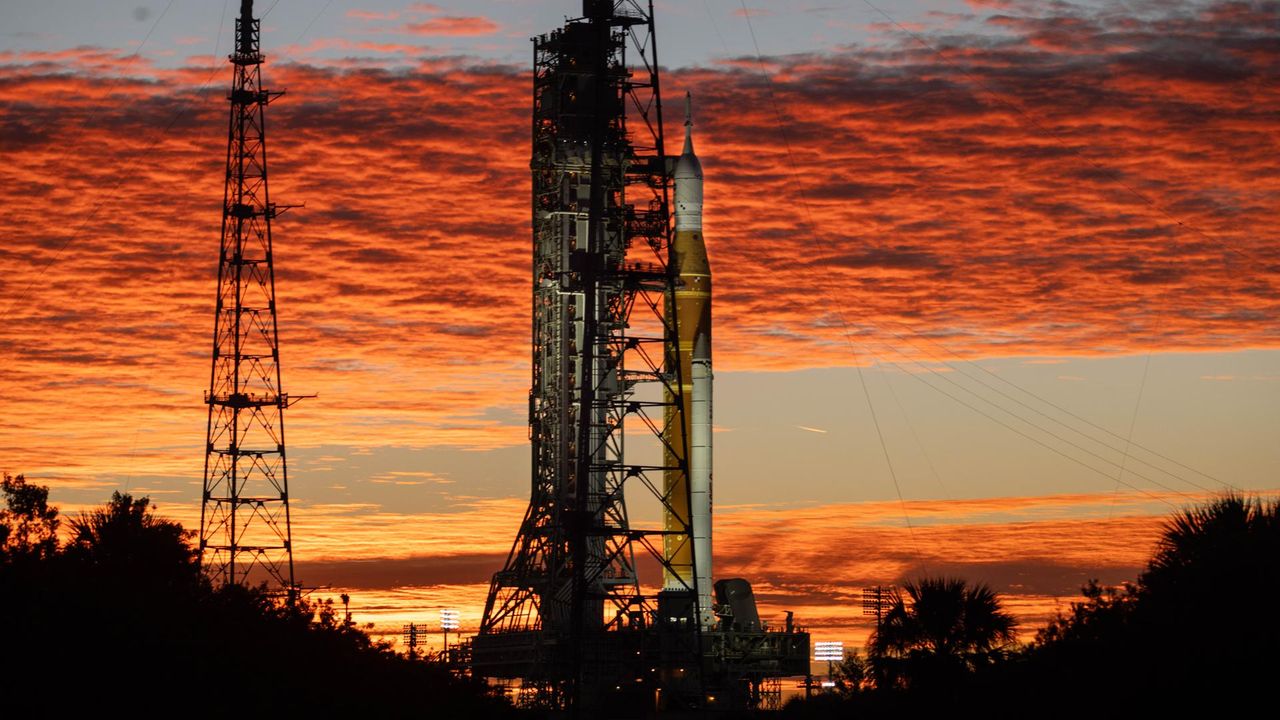
NASA’s Artemis 2 will lift off on April 1, 2026, carrying four astronauts for the first crewed lunar visit in more than 50 years.
What time is NASA's Artemis 2 moon launch on April 1?
Original Publication Date: 2026-03-27 20:30
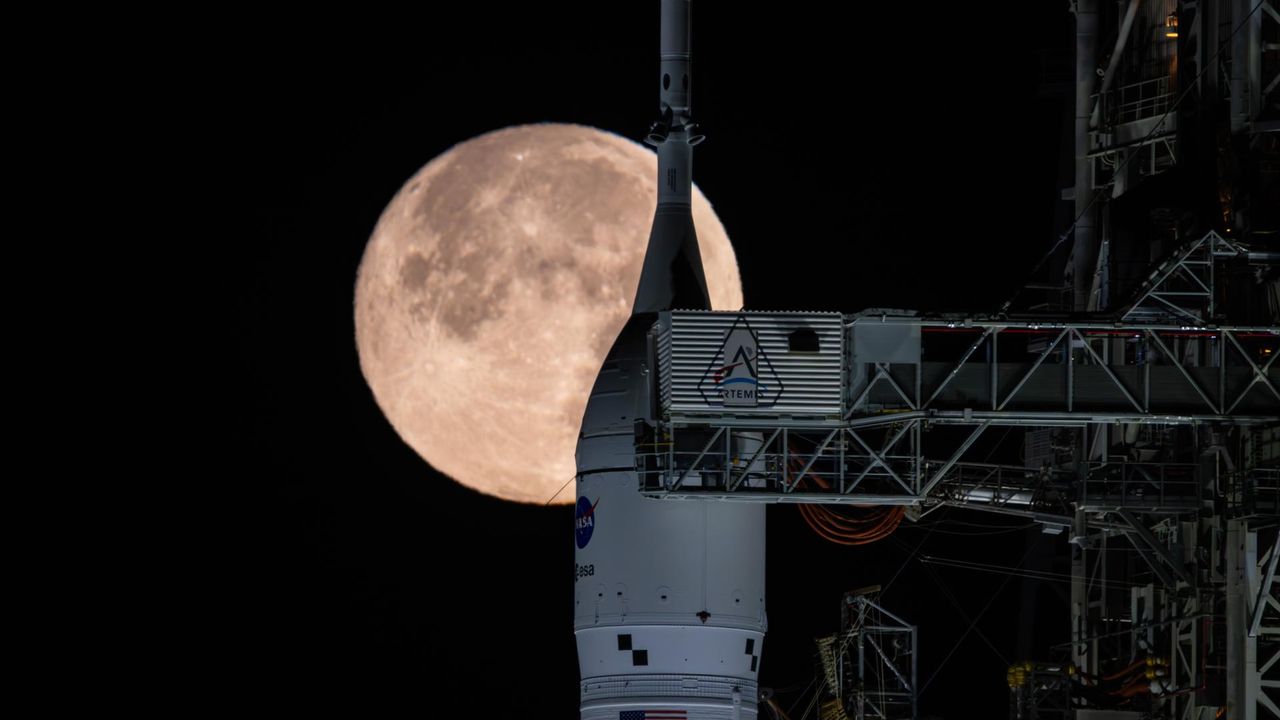
NASA’s Artemis 2, the first crewed lunar fly‑by in more than 50 years, is slated to lift off from Kennedy Space Center on April 1 at 6:24 p.m. EDT, with a two‑hour launch window that could extend to 8:24 p.m. EDT. The four‑astronaut crew will travel aboard the Orion capsule on a roughly ten‑day mission around the moon before returning to Earth. Viewers can follow the launch live on NASA’s YouTube channel, its website, and streaming services like Netflix and Amazon Prime, with pre‑launch coverage beginning at 7:45 a.m. EDT and a full countdown starting at 12:50 p.m. EDT. The launch window remains open through April 6, giving fans multiple opportunities to witness history.
Can humans have babies in space? It may be harder than expected
Original Publication Date: 2026-03-27 19:00

New research from the University of Adelaide shows that sperm from humans, mice and pigs struggle to navigate to eggs in microgravity, with about 30 % fewer reaching the target. Even when fertilization succeeds, embryos formed under these conditions grow more slowly than those raised in normal gravity. The study suggests that the space environment could seriously hinder mammalian reproduction, raising doubts about the feasibility of long‑term human settlements beyond Earth. Without addressing these biological hurdles, sustaining self‑contained colonies may remain a distant dream.
Are Saturn's rings made of a lost, shattered moon? New evidence arises for the case
Original Publication Date: 2026-03-27 16:00
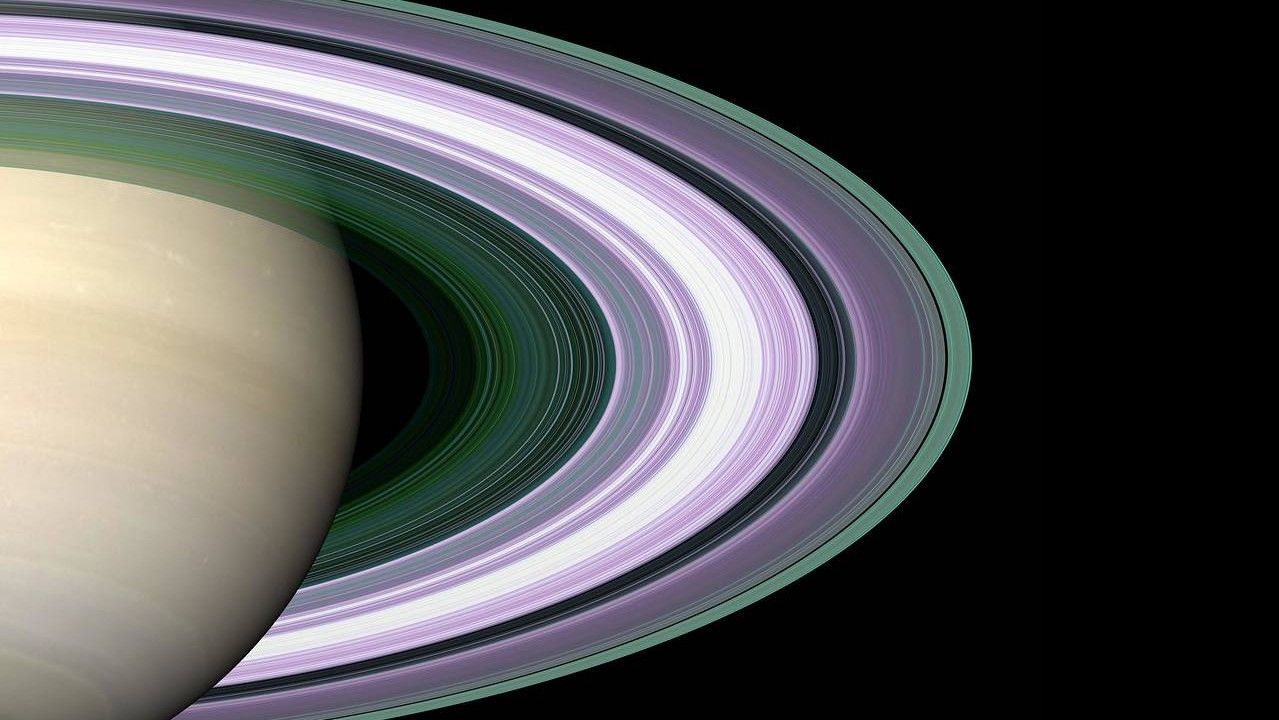
New research suggests Saturn’s rings are the icy remains of a shattered moon, possibly named Chrysalis, that broke apart roughly 100 million years ago. Computer simulations show tidal forces stripped its ice while leaving a rocky core, and the debris spread into the rings we see today. The event may also explain Saturn’s 26.7‑degree tilt, which had been linked to a past resonance with Neptune. This study, presented at the Lunar and Planetary Science Conference, offers a compelling solution to why the rings appear far younger than the planet itself.
Rocket Report: Russia reopens gateway to ISS; Cape Canaveral hosts missile test
Original Publication Date: 2026-03-27 12:35
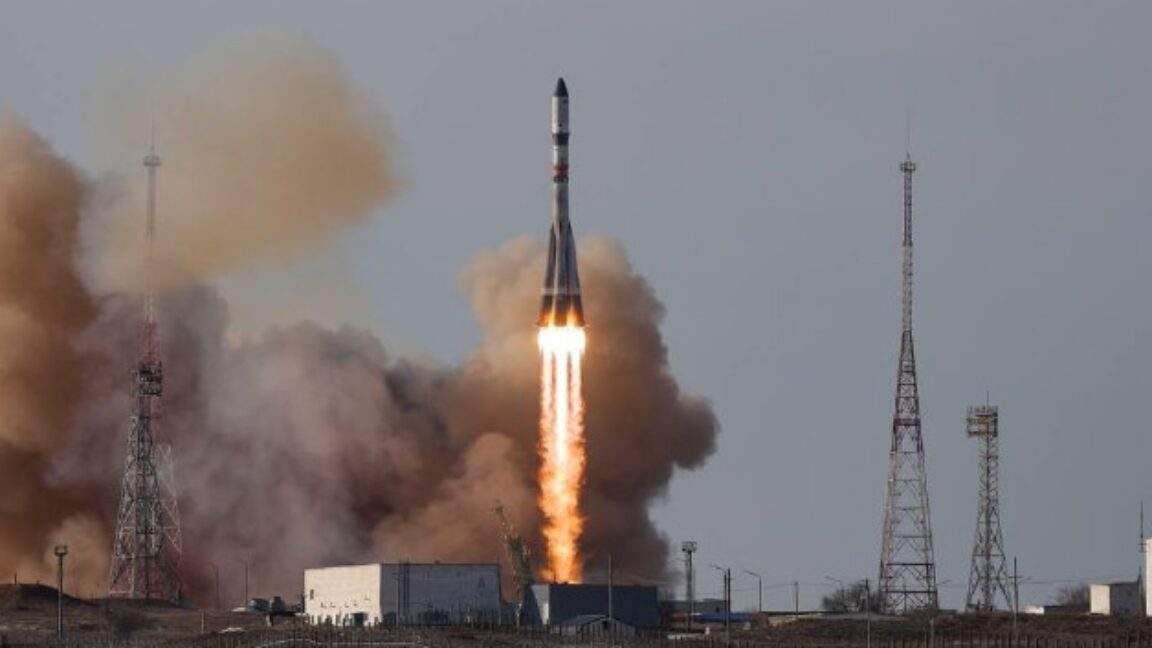
NASA is reshuffling its exploration priorities, announcing plans for a lunar surface base and a nuclear‑powered rocket to Mars while putting the Gateway lunar space station on hold. The agency is also repurposing the Power and Propulsion Element of the Gateway for a deep‑space nuclear‑electric propulsion demonstration. Meanwhile, Artemis II, a crewed circumlunar flight with four astronauts, is set to launch in just one week, prompting a temporary shift in coverage. These bold moves underscore NASA’s pivot toward deeper space ambitions while reconfiguring existing hardware for future missions.