 Spotify
 Apple Podcasts
 Podcast Addict
 Overcast
 Podcast RSS
Officina Stellare wins $2 million contract for lasercom ground station in Spain
Original Publication Date: 2026-03-20 21:49
Italian firm Officina Stellare has secured a €1.84 million contract from the Institute of Photonic Sciences in Barcelona to design and build an optical ground station for future laser and quantum‑encrypted space‑to‑Earth communications. The project will establish a cutting‑edge infrastructure in Spain that will enable secure, high‑bandwidth data links between satellites and ground networks. Officina Stellare’s expertise in advanced opto‑mechanical systems positions it as a key player in the growing field of lasercom. This deal marks a significant step forward for Spain’s ambitions in quantum‑secure space communications.
Rocket Lab launches eighth Synspective radar imaging satellite
Original Publication Date: 2026-03-20 21:15
Rocket Lab’s Electron rocket lifted off from New Zealand on March 20, deploying Synspective’s StriX satellite to a 573‑kilometer orbit, marking the company’s eighth launch. Synspective, a Japanese SAR‑imaging firm, is building a 30‑satellite constellation expected to be complete by 2028, with most launches on Electron and a new contract for ten additional flights in September 2025. The company also has a launch agreement with SpaceX for five satellites and plans to produce 12 satellites per year starting in 2026, aiming for 10 operational units by the end of 2026. Synspective’s revenue doubled in 2025 thanks largely to government subsidies, and it is expanding into Europe with a partnership with Airbus and a new Munich subsidiary.
Another GPS launch shifts from ULA to SpaceX as Vulcan investigation continues
Also covered by: Space.com, Ars Technica
Original Publication Date: 2026-03-20 20:42
The U.S. Space Force has moved the GPS III SV‑10 satellite launch from United Launch Alliance to SpaceX, marking the fourth consecutive switch between the two providers. The satellite, originally slated for a Vulcan Centaur rocket, will now launch no earlier than late April from Cape Canaveral’s Space Launch Complex 40. The shift follows a solid‑rocket‑booster anomaly on the Feb. 12 USSF‑87 mission, prompting a pause in Vulcan operations and the need to keep GPS deployment on schedule. This move underscores the Space Force’s commitment to reliable launch capabilities and highlights the temporary loss of redundancy in the National Security Space Launch program.
OHB Sweden wins €248 million contract to build EPS-Sterna constellation
Original Publication Date: 2026-03-20 18:28
OHB Sweden has secured a record 248‑million‑euro contract to build 20 small satellites for the European Space Agency’s EUMETSAT Polar System – Sterna program, marking Sweden’s largest single satellite deal.
Holistic space observation: the shift from SSA to SDA
Original Publication Date: 2026-03-20 13:00
SpaceX is proposing to launch up to a million satellites into low‑Earth orbit, paired with AI‑driven autonomous orbital infrastructure, marking a pivotal shift for the space industry. This plan underscores a broader trend toward larger, more automated, and strategically integrated space operations. It signals a move from traditional space situational awareness to a more comprehensive space domain awareness framework. SpaceNews reports that whether the full million count is achieved, the direction toward unprecedented scale and autonomy is unmistakable.
SpaceX launches 25 Starlink satellites on Falcon 9 rocket from Vandenberg SFB
Original Publication Date: 2026-03-20 13:54
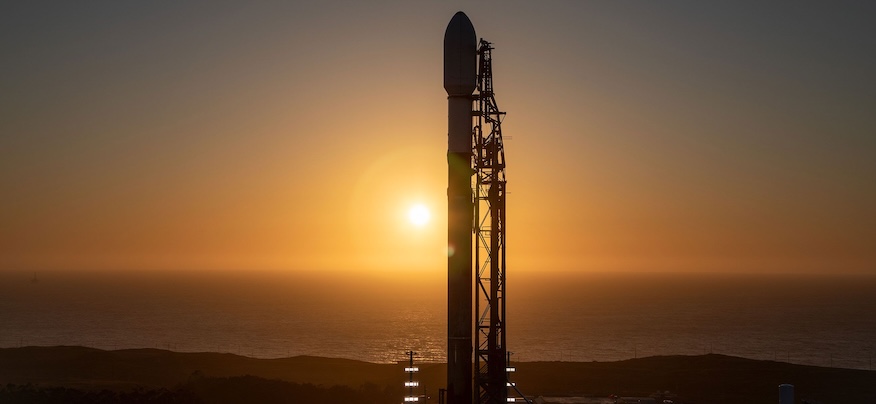
SpaceX launched its 30th Starlink batch this year with a Falcon 9 rocket from Vandenberg Space Force Base on Friday afternoon. The launch, timed at 2:51 p.m. PDT, carried 25 Starlink V2 Mini Optimized satellites into low‑Earth orbit on a southerly trajectory. The first‑stage booster, B1100, returned to the drone ship “Of Course I Still Love You” after just over eight minutes in flight. This successful landing marked the 185th on that vessel and the 589th booster touchdown for SpaceX to date.
The Pentagon’s SmallSats Have An Amnesia Problem
Original Publication Date: 2026-03-20 22:09
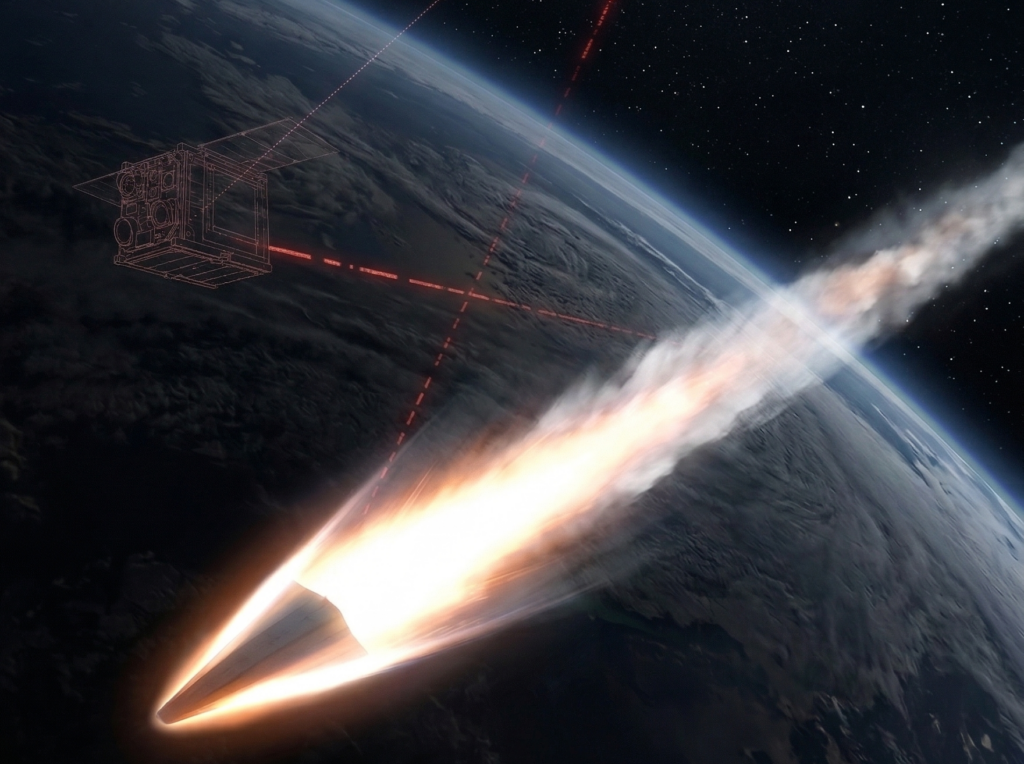
The aerospace and defense sector now agrees that orbital superiority will come from software‑defined constellations. The Space Development Agency, backed by the Defense Innovation Unit, is calling for a shift away from fragile “battlestars” toward agile, interconnected low‑Earth‑orbit data networks. Yet the hardware foundation for these networks remains locked in a risky compromise. This disconnect could undermine the reliability and resilience of future space capabilities.
Eutelsat Group Leadership and 2026 Strategic Roadmap
Original Publication Date: 2026-03-19 21:08

SatNews has issued a correction after mistakenly naming Eva Berneke as the current CEO of Eutelsat Group. In reality, Jean‑François Fallacher took over the role on June 1, 2025, succeeding Berneke. The change marks a new chapter for the satellite communications giant. This update clarifies the leadership transition at Eutelsat.
NASA’s X-59 Experimental Supersonic Aircraft Makes Second Flight
Original Publication Date: 2026-03-20 23:27
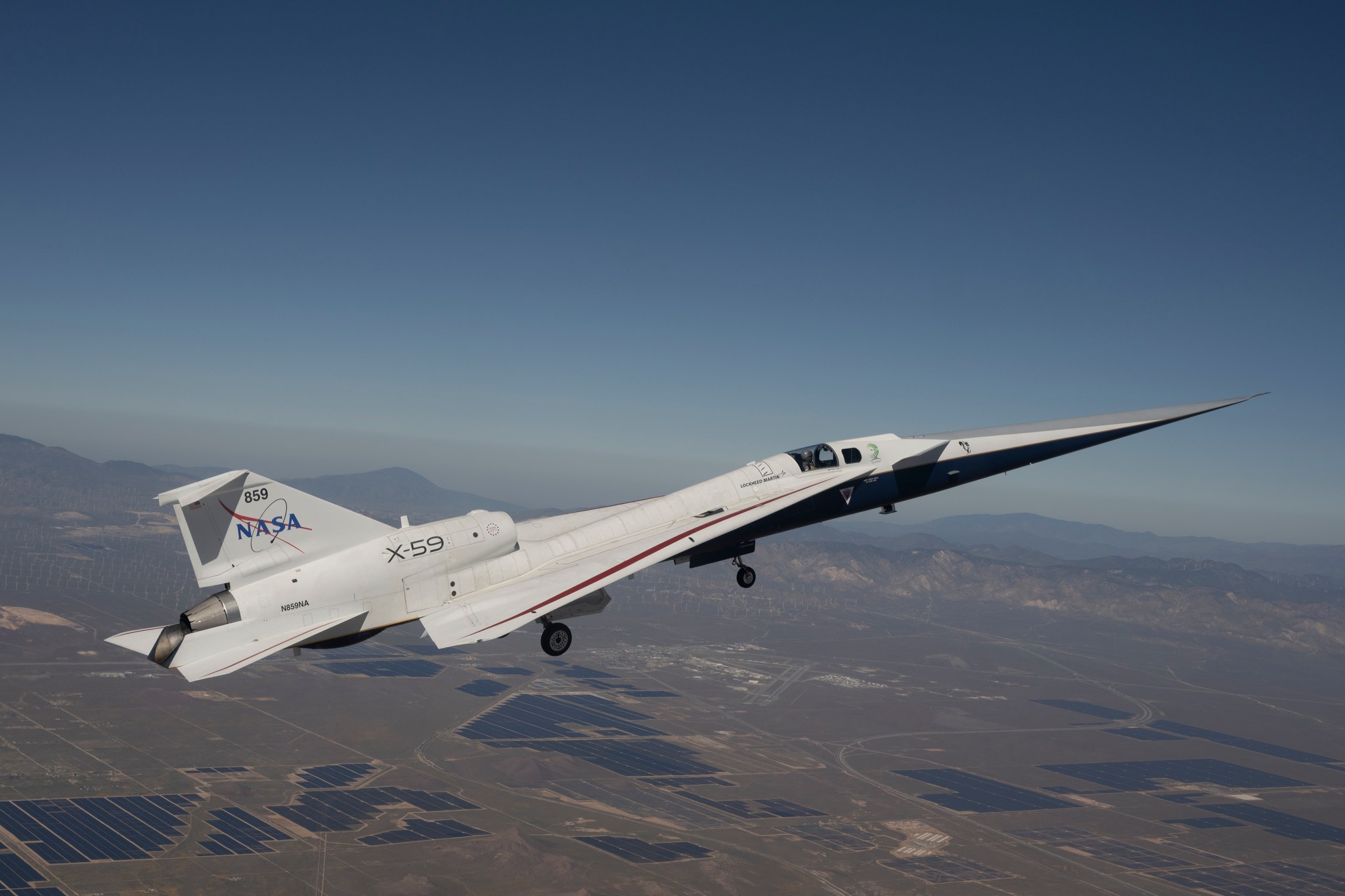
NASA’s quiet supersonic X‑59 completed its second flight on March 20, 2026 at Edwards Air Force Base, but a technical issue forced an early return to the runway. Despite the abbreviated flight, the crew gathered valuable data and the pilot landed safely, with project manager Cathy Bahm calling the day a success. The X‑59, the centerpiece of NASA’s Quesst mission, is designed to fly supersonic while producing a low‑boom sound, a key step toward future commercial supersonic travel. The team is already preparing for the next series of tests in 2026.
Hangar One Restoration Project
Original Publication Date: 2026-03-20 20:53
In December 2025, Planetary Ventures finished a full restoration of Hangar One, the 90‑year‑old aviation landmark at NASA’s Moffett Federal Airfield in California’s Silicon Valley. The project removed toxic contaminants—including PCBs, asbestos and lead—encasing the structure, cleaning, and safely disposing of hazardous materials.
NASA Selects University Finalists for Technology Concepts Competition
Original Publication Date: 2026-03-20 19:30
NASA has named 14 university teams as finalists in its 2026 Revolutionary Aerospace Systems Concepts – Academic Linkage (RASC‑AL) competition. The teams are crafting technically rigorous proposals to advance lunar surface power, sample return, and communications architectures that align with the Artemis program and future Mars missions.
How Open NASA Data on Comet 3I/ATLAS Will Power Tomorrow’s Discoveries
Original Publication Date: 2026-03-20 19:06
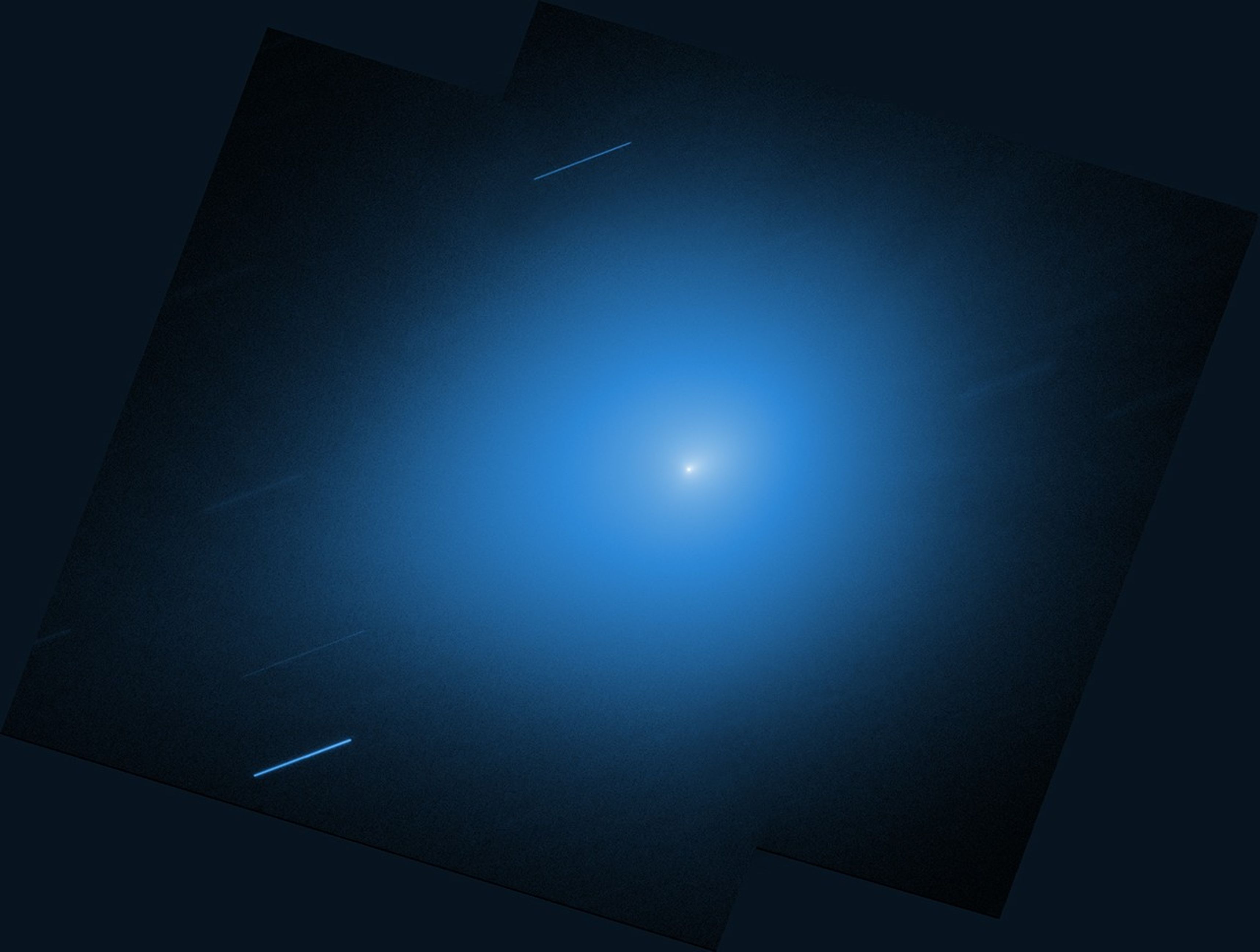
NASA’s open data archives are unlocking the secrets of interstellar comet 3I/ATLAS, which will leave our solar system after its brief visit in 2025. The comet was first spotted by NASA’s ATLAS survey in Chile, but earlier images from TESS and other missions such as Hubble, MAVEN, JWST, and SPHEREx now provide a wealth of observations. Scientists have already found that 3I/ATLAS produces water, CO₂, and CO at rates unlike typical solar‑system comets, offering clues about its alien origins.
Smiles and Spacesuits
Original Publication Date: 2026-03-20 18:27
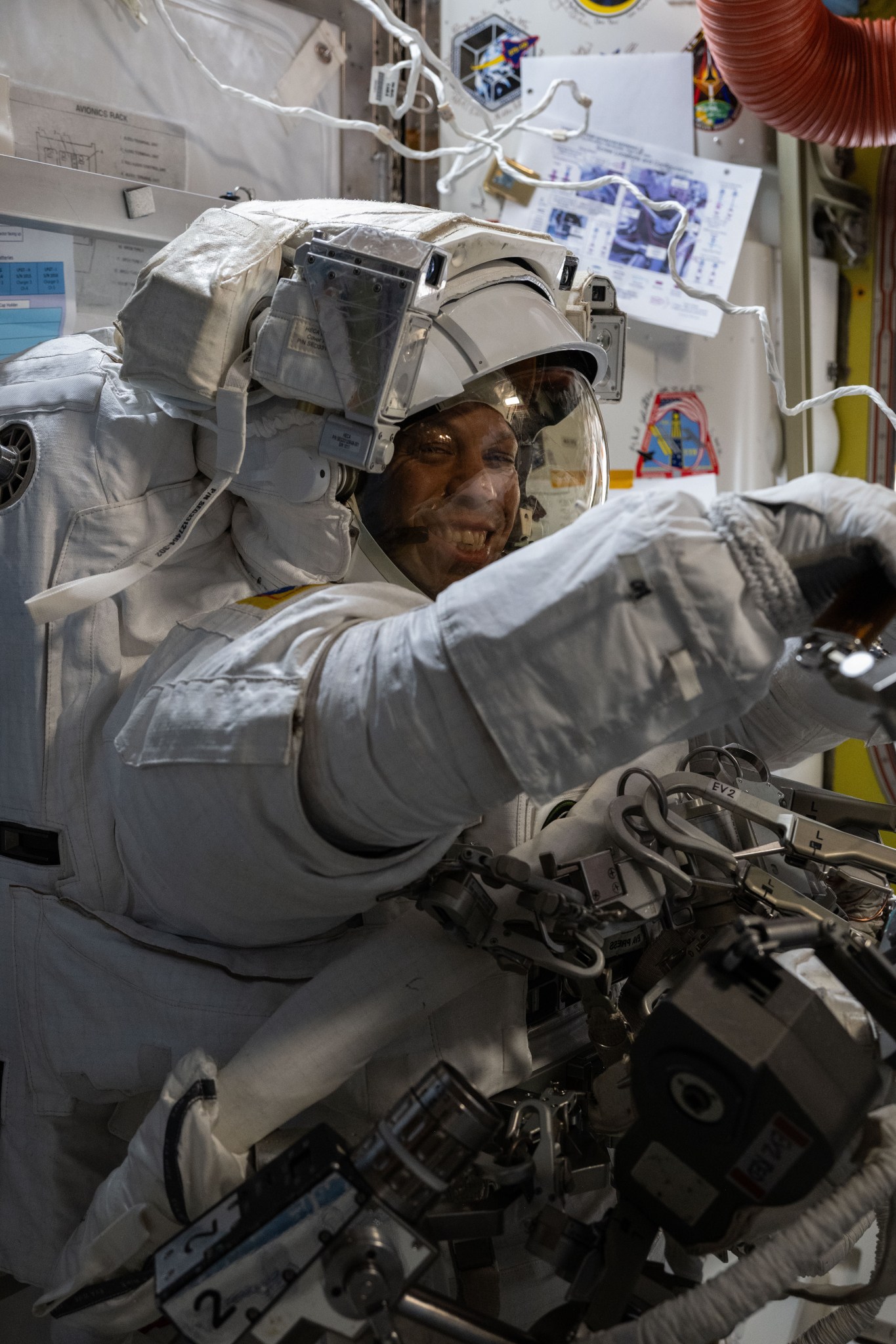
NASA astronaut Chris Williams is preparing for a spacewalk on the International Space Station, checking his spacesuit’s airtightness and comfort inside the Quest airlock. He and fellow astronaut Jessica Meir completed a seven‑hour, two‑minute EVA on March 18, 2026, performing tasks that will enable the installation of roll‑out solar arrays. These new arrays will supply additional power to the ISS, supporting critical systems and aiding its planned safe, controlled deorbit. For more details, visit the ISS blog.
SLS enters pad flow ahead of historic Artemis II mission
Also covered by: Spaceflight Now
Original Publication Date: 2026-03-20 22:45

NASA’s Artemis II Space Launch System and Orion spacecraft completed a 12‑hour rollout to Launch Pad 39B on March 20, 2026, arriving at 11:21 a.m. EDT after a brief high‑wind delay.
Kayhan Space Launches Satcat Terminal
Original Publication Date: 2026-03-20 12:59

Kayhan Space has unveiled Satcat Terminal, a Bloomberg‑style interface that turns its 36,000‑plus orbital data catalogue into an accessible tool for non‑engineers, from analysts to journalists. The terminal uses a large‑language‑model to answer questions like “Which companies have the most satellite losses this year?” and offers real‑time dashboards of trajectories, debris, weather, and close‑approach events. Designed for finance, insurance, and media professionals, it lets users monitor constellations, assess congestion risks, and analyze mission safety before launch or after a claim. This new product aims to bring space‑industry insights to those who need them without a technical background.
Astronomers keep finding new moons of Jupiter and Saturn
Original Publication Date: 2026-03-20 21:00
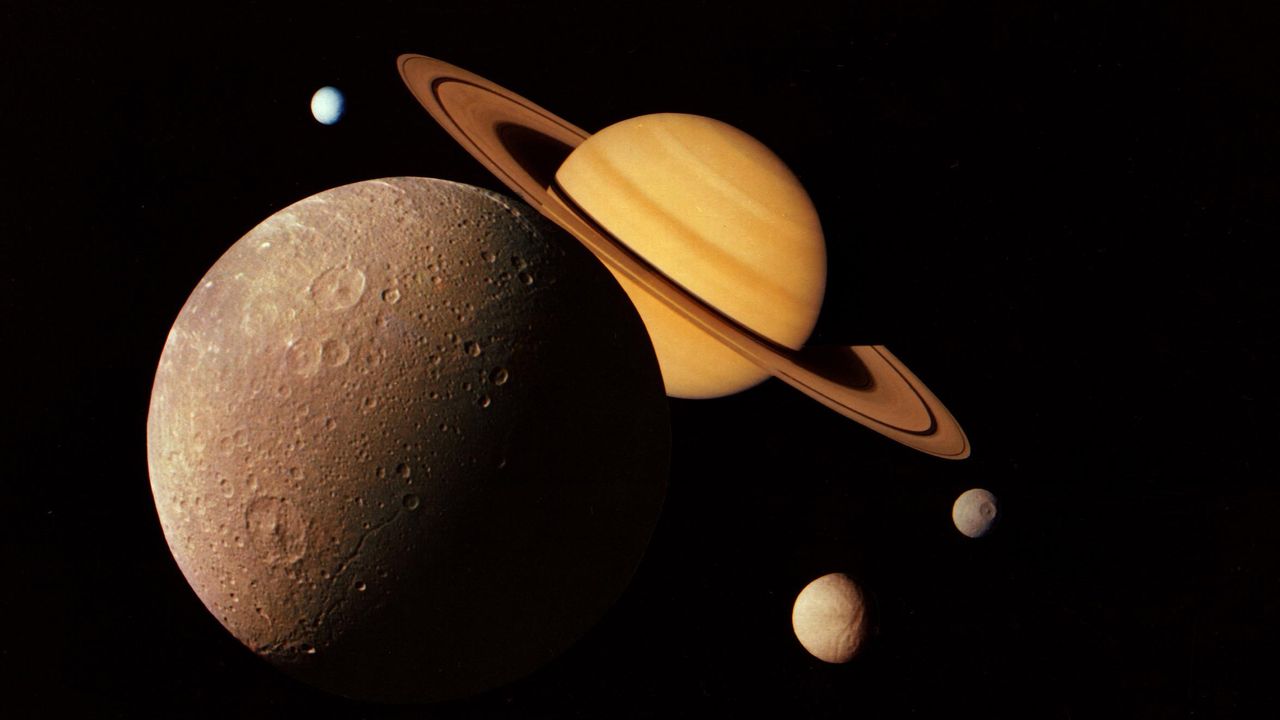
Astronomers have added 15 tiny moons to the solar system’s inventory, raising Jupiter’s count to 101 and Saturn’s to 285. The four new Jovian moons, each about 3 km across, were found with Chile’s Magellan–Baade and Hawaii’s Subaru telescopes, while 11 faint Saturnian moons were revealed by a Taiwan team using Mauna Kea’s Canada–France–Hawaii Telescope. All orbit far from their planets and are too dim for backyard telescopes, with magnitudes 25–27. This brings the total known moons of planets and dwarf planets to 442, a record that may shift again when Jupiter missions arrive in the 2030s.
Hubble Space Telescope accidentally witnesses comet C/2025 K1 (ATLAS) breaking apart
Original Publication Date: 2026-03-20 18:00
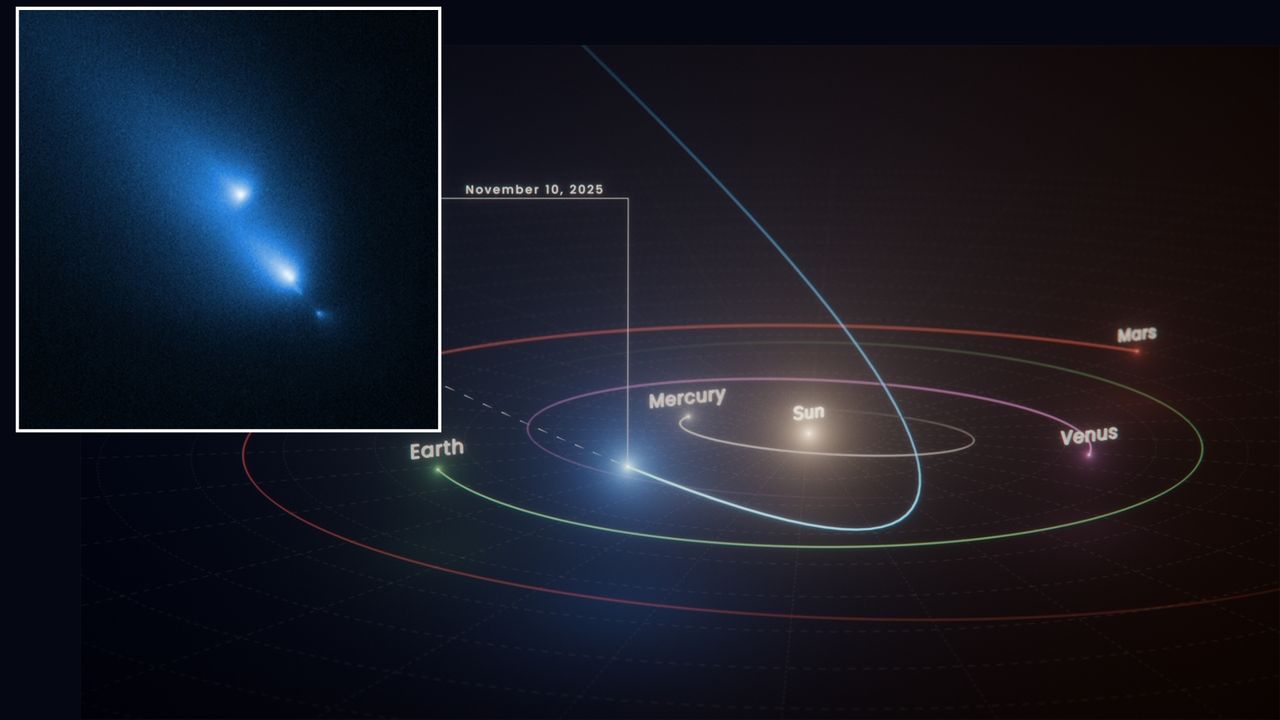
NASA’s Hubble Space Telescope unexpectedly caught comet C/2025 K1 (ATLAS) shattering into fragments in real time during routine imaging in November 2025. The 5‑mile‑wide comet, a long‑period visitor from the Oort Cloud, began breaking apart a week after its close solar approach, with Hubble recording at least four pieces—one of which split again—each surrounded by its own glowing coma.
Rocket Lab scores $190 million launch deal to test hypersonic tech for US military
Original Publication Date: 2026-03-20 16:00
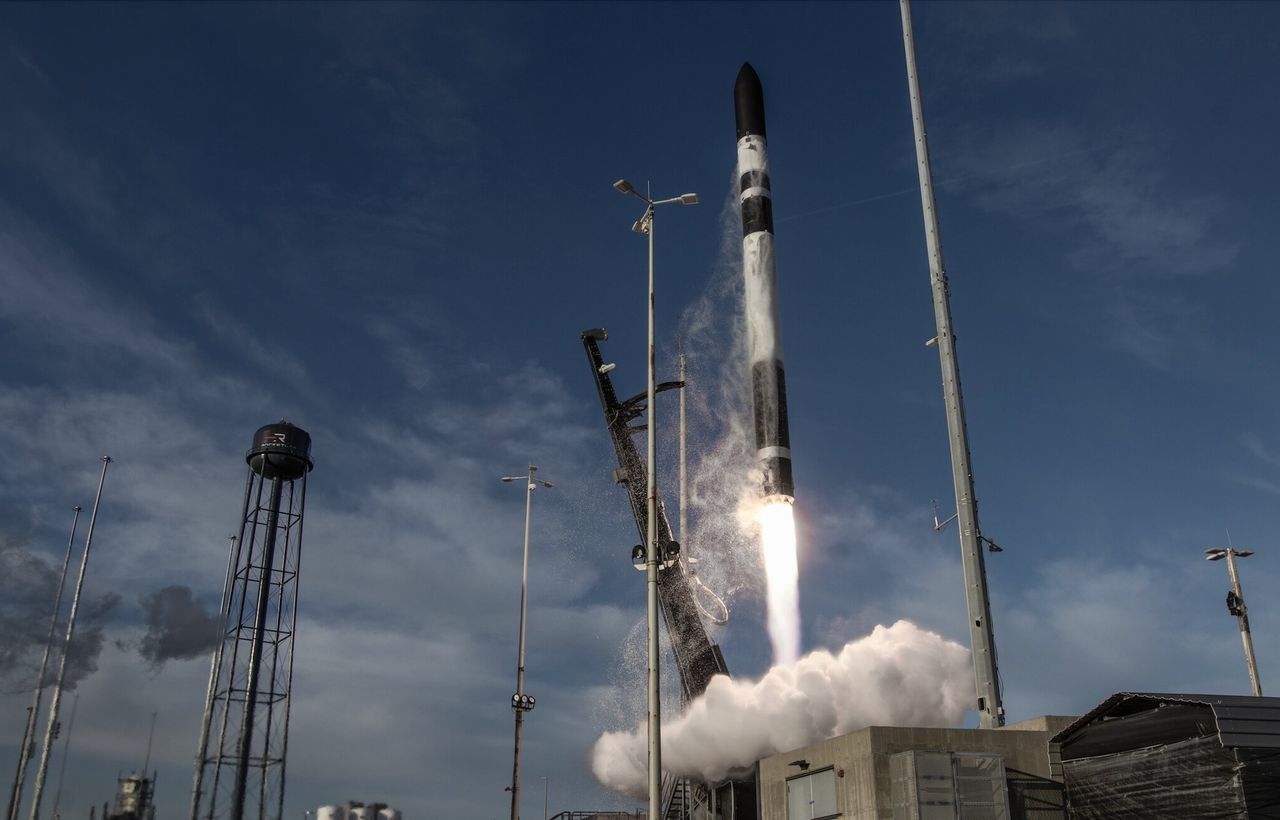
Rocket Lab has secured its biggest launch deal to date, a $190 million contract from the U.S. Department of Defense for 20 hypersonic test flights aboard its HASTE vehicle. The HASTE suborbital variant of the Electron rocket will serve as the primary test platform for the DoD’s TRMC MACH‑TB 2.0 program, aiming to accelerate hypersonic flight tests and advanced aerospace technologies. The contract covers 20 missions over four years, with the first round of launches slated to launch within months of signing. This deal boosts Rocket Lab’s launch schedule to more than 70 missions and underscores the U.
Artemis 2 moon rocket rolls back to launch pad | Space photo of the day for March 20, 2026
Original Publication Date: 2026-03-20 15:40
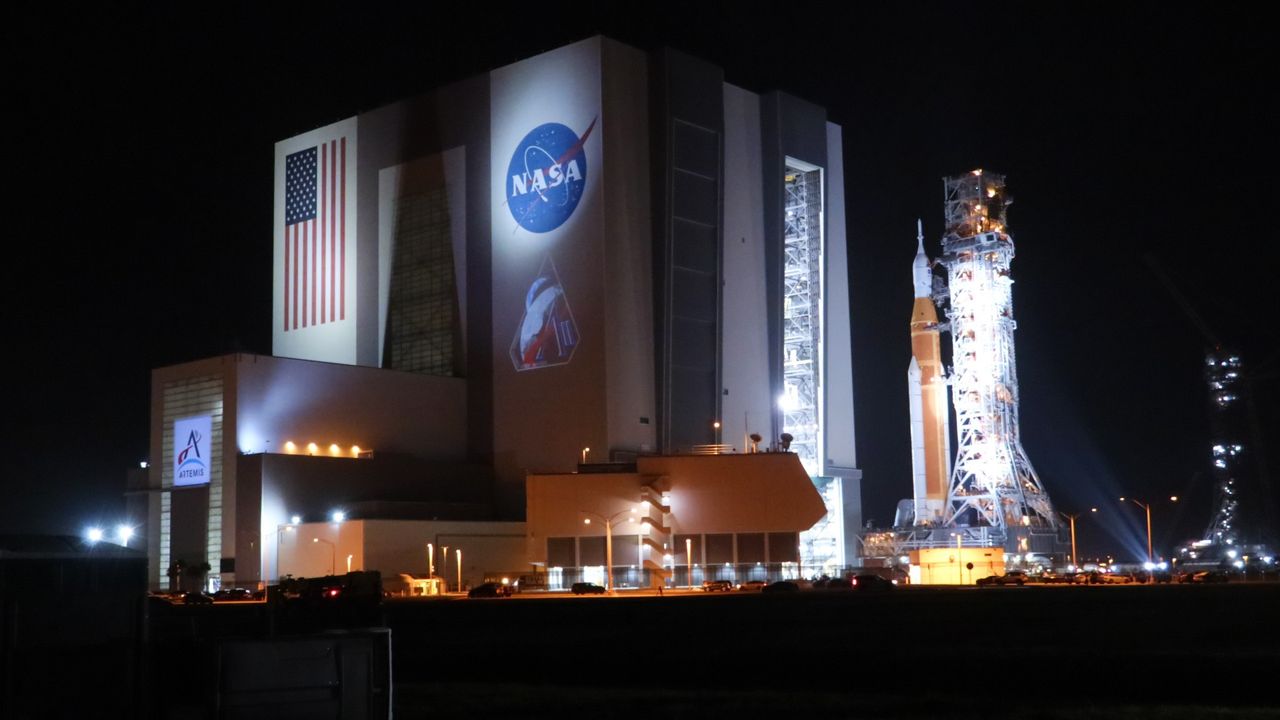
NASA’s Space Launch System rolled out of the Vehicle Assembly Building to Launch Pad 39B on March 20, 2026, marking the second time the Artemis 2 rocket has been moved to the pad after earlier technical fixes. The 4‑mile journey took about 12 hours, setting the stage for the first crewed mission to the moon.
Perseverance’s radar revealed ancient subsurface river delta on Mars
Original Publication Date: 2026-03-20 17:18

NASA’s Perseverance rover, which landed in Jezero Crater in 2021, has uncovered evidence of a buried river delta older than the crater’s famous Western Delta. Using its ground‑penetrating radar, RIMFAX detected a subsurface layer of sediment that could be tens of meters below the surface, suggesting an ancient river system that predated the lakebed. Astrobiologist Emily L. Cardarelli says the hidden delta is a promising target for searching for biosignatures, as microbial life might have thrived in such environments. The discovery underscores Perseverance’s role in probing Mars' past for clues to early life.
NASA wants to know how the launch industry's chic new rocket fuel explodes
Original Publication Date: 2026-03-20 17:18
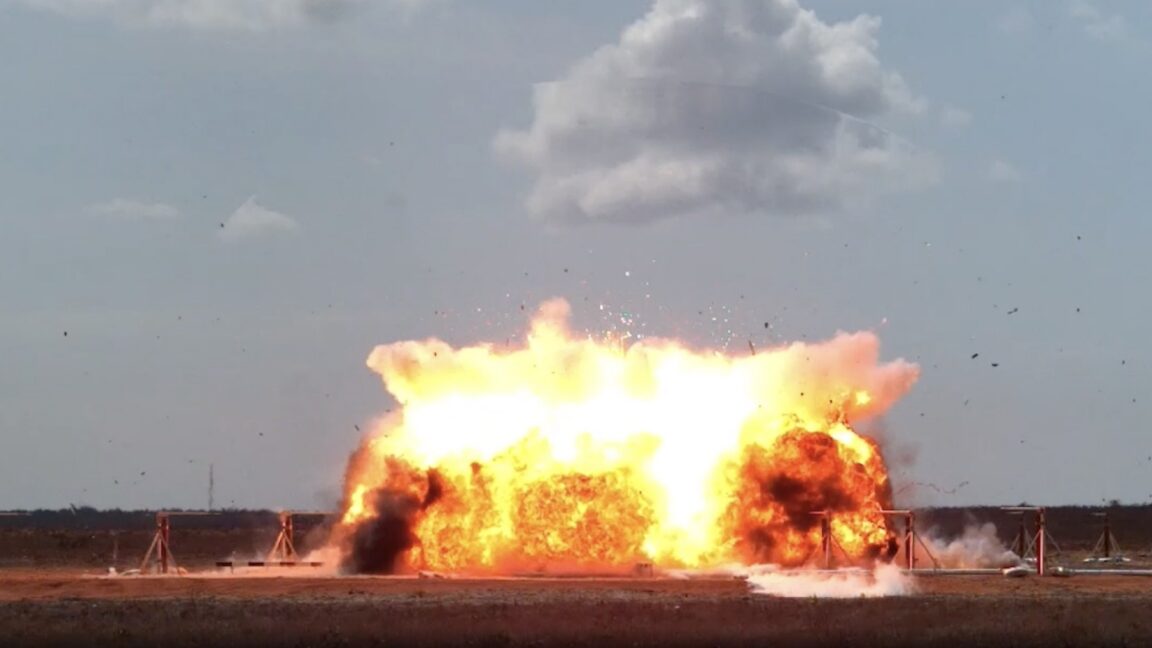
After decades of relying on kerosene, hydrazine, hydrogen, and solid propellants, the launch industry has turned to methane‑fueled engines, with SpaceX's Raptor and Blue Origin's BE‑4 each delivering over half a million pounds of thrust. Starship’s 39 Raptors power its massive booster, while New Glenn and ULA’s Vulcan use a smaller number of BE‑4s on their boosters. Methane’s cleaner combustion, easier handling, and compatible cryogenic temperature make it ideal for reusable rockets, offering less soot than kerosene and a warmer, less hazardous storage point than liquid hydrogen. This shift to methalox engines signals a new era of more efficient and sustainable spaceflight.