 Spotify
 Apple Podcasts
 Podcast Addict
 Overcast
 Podcast RSS
iMetalX emerges from stealth with technology to model resident space objects
Original Publication Date: 2026-03-13 23:32
Northern California startup iMetalX has emerged from stealth mode, announcing a partnership with Virginia‑based Psionic to combine its Asgard data and simulation platform with Psionic’s Space Navigation Dopper LiDAR. The collaboration will enable customers to generate precise 3D models of resident space objects, improving situational awareness in GPS‑denied environments. By leveraging the Dopper’s autonomous navigation capabilities, the joint solution promises enhanced mapping accuracy for satellite operators and defense agencies. This move positions iMetalX as a key player in the growing space situational awareness market.
Astroscale selects Isar Aerospace to launch ELSA-M mission
Original Publication Date: 2026-03-13 21:20
Japanese satellite‑servicing firm Astroscale has chosen German launch provider Isar Aerospace to launch its ELSA‑M deorbiting spacecraft on a Spectrum rocket, with the flight scheduled for the company’s 2028 fiscal year that begins in May 2027. The ELSA‑M mission will demonstrate the ability to dock with a defunct OneWeb satellite and lower its orbit for a controlled re‑entry, and is backed by the European Space Agency. Although the contract value remains undisclosed, the partnership underscores Europe’s push for independent space capabilities as Isar’s Spectrum rocket prepares for a second launch in March. Astroscale, which reported a 52‑million‑dollar income but a 7.
China is developing low-cost lunar cargo options for its expanding moon program
Original Publication Date: 2026-03-13 20:03
China’s state‑owned Shanghai Academy of Spaceflight Technology unveiled a concept for an economical lunar cargo transport system at CACE 2026. The cylindrical lander, powered by methane‑liquid oxygen engines, can carry 120 kg to 5,000 kg and has already completed liftoff, hover and landing tests. The design signals a shift toward regular cargo deliveries to support the planned International Lunar Research Station and other lunar infrastructure. This move could spark a competitive procurement model similar to NASA’s CLPS, opening the door for commercial and state actors to supply China’s lunar logistics program.
Ukraine will host first test for Leonardo’s Michelangelo security dome
Original Publication Date: 2026-03-13 18:20
Leonardo announced that its new Michelangelo security dome will be field‑tested in Ukraine by the end of 2026. The dome is an integrated multi‑domain system covering air, land, sea, and space, designed for interoperability between platforms. First revealed last November, Michelangelo aims to provide a comprehensive defensive architecture for national security. Ukraine will be the first country to host the test, marking a milestone in the system's development.
Eutelsat exits two Russian capacity leases after satellite failure
Original Publication Date: 2026-03-13 16:35
Eutelsat has terminated capacity leases on two Russian spacecraft after one satellite failed in orbit and the other is set to relocate. The move lets the company sidestep contracts hit by Western sanctions and the shrinking demand for GEO TV broadcasts. By ending these leases, Eutelsat aims to adapt to the evolving satellite market and regulatory environment. The decision was first reported by SpaceNews.
NASA ready for another shot at launching Artemis 2 moon mission
Original Publication Date: 2026-03-13 20:34
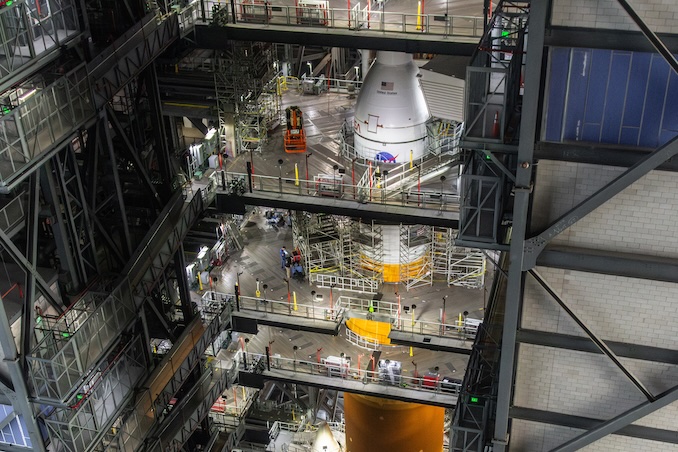
NASA has cleared its Artemis 2 crewed lunar flyby for an April 1 launch after fixing hydrogen leaks and a helium pressurization issue that forced the Space Launch System back to the Vehicle Assembly Building. The four‑astronaut crew—Reid Wiseman, Victor Glover, Christina Koch and Jeremy Hansen—will orbit the moon for nine days before splashing down in the Pacific. Despite the delays, NASA says the mission risk is acceptable, though it remains higher than routine flights due to the SLS’s limited flight history. The successful launch would mark the first piloted test of the SLS and Orion, paving the way for a 2028 lunar landing.
SpaceX launches 25 Starlink satellites on Falcon 9 rocket from Vandenberg Space Force Base
Original Publication Date: 2026-03-13 02:57
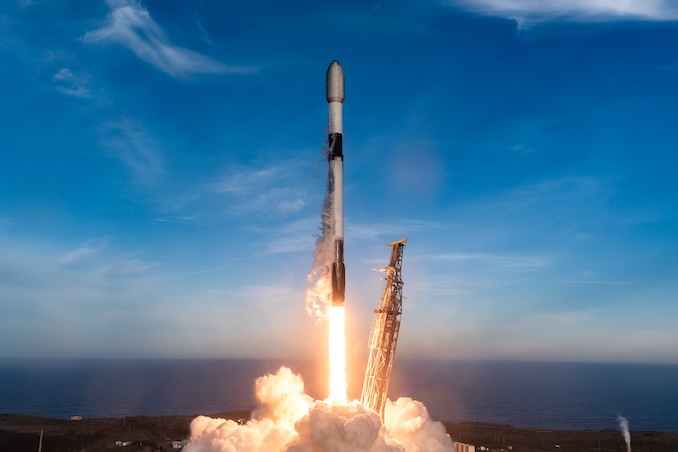
SpaceX launched a Falcon 9 rocket from Vandenberg Space Force Base on March 13, 2026, carrying 25 Starlink satellites for its low‑Earth‑orbit constellation. The launch, which occurred at 6:57 a.m. PDT, marked the company’s 25th mission of the year and used first‑stage booster B1071, which successfully landed on the drone ship “Of Course I Still Love You” after 8½ minutes. Satellite deployment followed an hour later, bringing the total number of Starlink satellites launched in 2026 to 674. This flight adds to SpaceX’s growing record of rapid, repeatable launches and precise landings.
Volunteers Find Oddly High Solar Flare Rates
Original Publication Date: 2026-03-13 22:07

NASA volunteers, through the Solar Active Region Spotter project, helped scientists discover that long‑lived patches of the Sun’s magnetic fields produce far more solar flares than short‑lived ones. These regions, which persist for at least a month, are 3 to 6 times more likely to generate the most powerful flares, according to the study. The findings underscore the critical role of enduring active regions in forecasting space weather and probing the Sun’s interior magnetic fields. Citizen science continues to be a vital tool for advancing our understanding of the dynamic Sun.
Extra Extra! Extra Data Stream Added to the Daily Minor Planet!
Original Publication Date: 2026-03-13 21:42

The Daily Minor Planet citizen science project has added a new data stream from the Bok 2.3‑meter telescope at Kitt Peak National Observatory, in addition to its nightly Catalina Sky Survey feeds. The Bok telescope probes deeper, detecting asteroids two to three times fainter than those seen from Mt. Lemmon, and focuses on the ecliptic where most near‑Earth and main‑belt asteroids travel. This deeper, ecliptic‑focused coverage is expected to boost the number of recovered main‑belt asteroids and generate fresh near‑Earth asteroid candidates. Volunteers can join the Zooniverse project from any laptop or smartphone and help hunt for these faint space rocks.
NASA Selects Finalists in Student Aircraft Maintenance Competition
Original Publication Date: 2026-03-13 19:17

NASA has named eight student teams finalists in its 2026 Gateways to Blue Skies competition, spotlighting fresh solutions to the aviation industry's maintenance crunch. The RepAir challenge seeks innovations that can boost safety, cut costs, and keep planes flying longer—ideas ranging from robotic inspections to augmented‑reality smart glasses. Finalists will receive a $9,000 prize, advance to a public forum at Langley Research Center, and could earn internships with NASA Aeronautics. These projects aim to shape a safer, more efficient aviation future by 2035.
NASA Armstrong to Host Partnership Days April 15-16
Original Publication Date: 2026-03-13 17:33
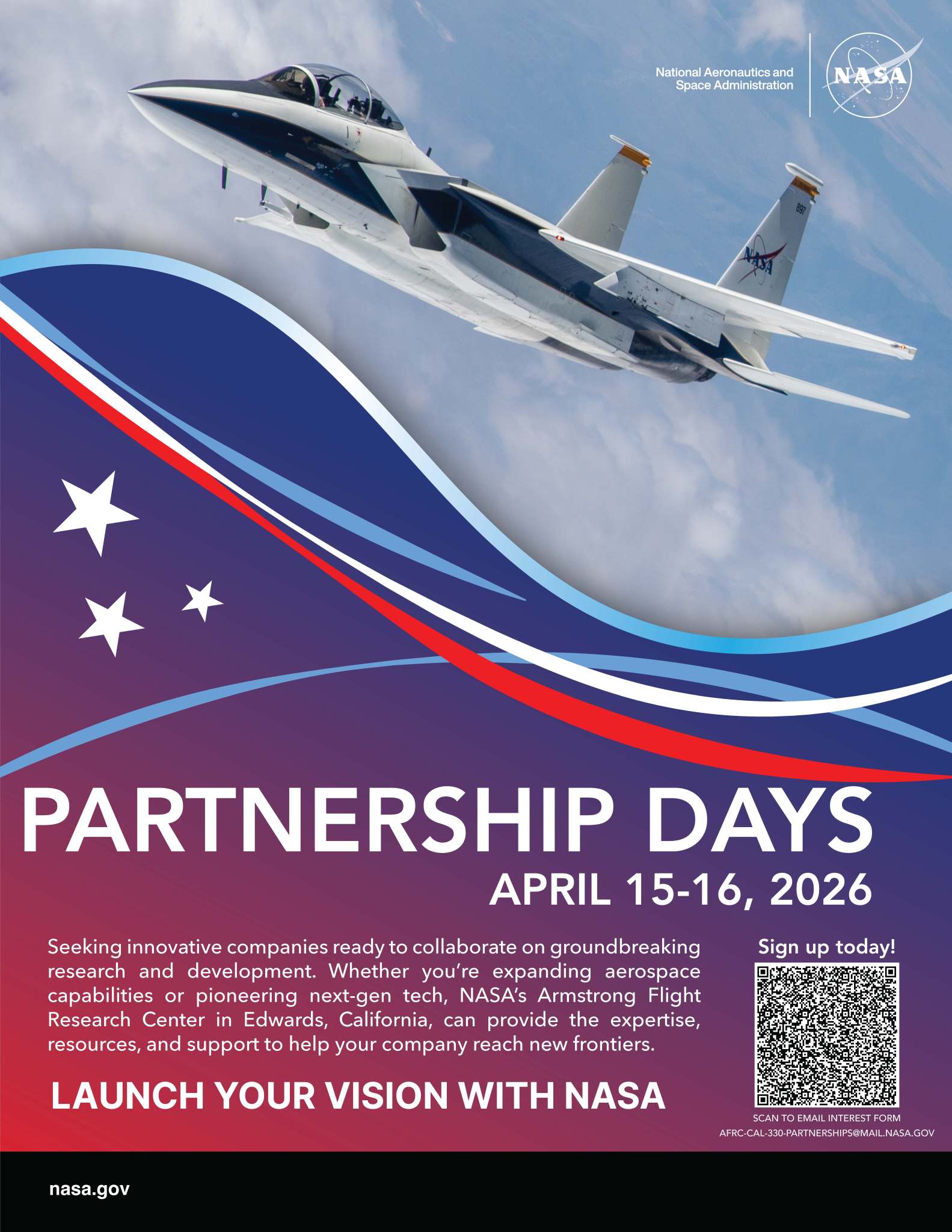
NASA’s Armstrong Flight Research Center in Edwards, California, is hosting its annual Partnership Days on April 15‑16, 2026, inviting industry leaders, government agencies and innovators to explore collaboration in aerospace, autonomy and sustainability. The event runs from 8 a.m. To 4 p.m. On Wednesday and 10:30 a.m. To 5 p.m. On Thursday, offering attendees the chance to engage with NASA experts and learn how Armstrong’s capabilities can accelerate breakthrough technologies.
USBR Crack the Case Challenge
Original Publication Date: 2026-03-13 17:13
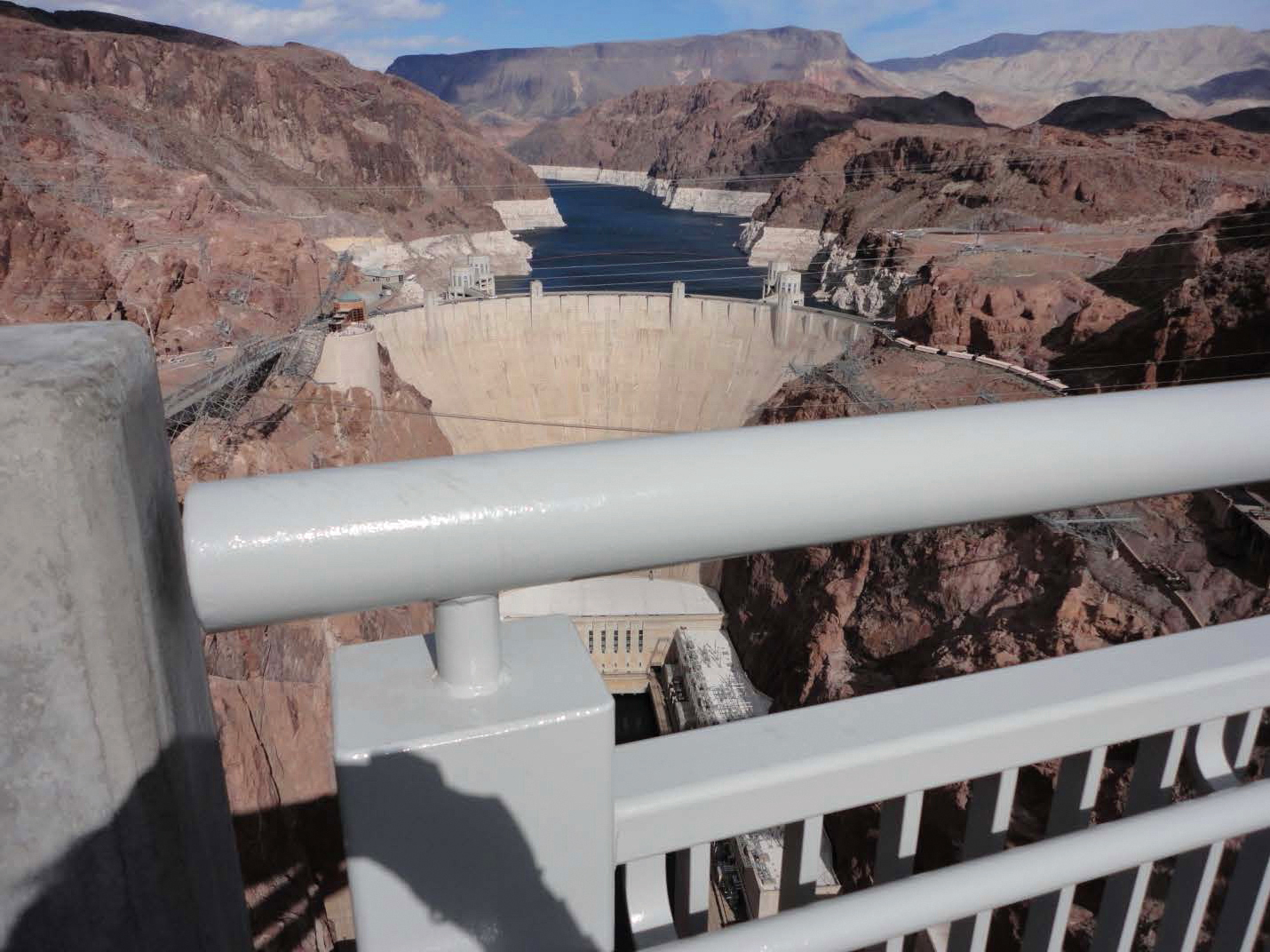
NASA’s Center of Excellence for Collaborative Innovation is launching a $400,000 crowdsourced challenge to develop new methods for detecting subsurface cracks in embank
From Steel Rolls to Starship at the Starfactory
Original Publication Date: 2026-03-13 20:53

SpaceX has upgraded its Texas Starbase with the new Starfactory and GigaBay, moving from temporary tents to a permanent, high‑volume manufacturing hub. The Starfactory now houses advanced robotics that cut, weld, and install stainless steel and TPS tiles, enabling the rapid build of Block 3 Starship components, including nosecones and header tanks. Parallel production lines inside the factory split work between Super Heavy booster parts and Starship upper‑stage sections, streamlining throughput as the company ramps toward higher flight cadences.
Viasat’s HaloNet: The Innovation of Reprogrammable Space Crypto
Original Publication Date: 2026-03-14 03:30

Viasat has introduced a reprogrammable space cryptography system for its HaloNet network, tackling the twin challenges of a crowded satellite environment and fast‑evolving cyber threats. Unlike traditional fixed crypto engines, the new module can be updated in orbit with new algorithms, quantum‑resistant protections, and mission‑specific functions without replacing hardware. It is network‑agnostic, securing telemetry, command links, and high‑throughput optical communications across S, L, Ka, and optical bands. By enabling on‑orbit upgrades, Viasat aims to future‑proof satellite security for large constellations and multi‑vendor interoperability in contested orbital environments.
A Recap of Payload’s Space Stage
Original Publication Date: 2026-03-13 12:45

At this year’s Tectonic Defense Summit in Austin, the new Payload Space Stage drew nine panels and two dozen speakers to spotlight national‑security space trends. CisLunar Industries announced the closing of its seed round, marking a pivotal shift from prototype to real manufacturing of lunar infrastructure hardware.
Who’s Working With China on Space?
Original Publication Date: 2026-03-13 12:30

China is rapidly expanding its international space network, offering low‑cost turnkey satellite packages that include design, launch, testing, insurance and training, and bundling them with non‑space infrastructure deals in Africa and Latin America. While the U.S. And Europe still maintain diplomatic footholds, experts warn that many emerging space‑capable nations are not choosing sides, instead adopting a “purple” mix of providers.
Hubble and NASA space telescopes track 'game-changing' gamma-ray burst back to neutron star collision in 'forbidden' region of the universe
Original Publication Date: 2026-03-13 21:00

NASA telescopes—including Chandra, Fermi, Swift, and Hubble—have pinpointed the source of gamma‑ray burst GRB 230906A to a neutron‑star merger in a tiny galaxy embedded in a 600,000‑light‑year gas stream.
Russia aims to reclaim Soviet space glory with 2036 launch of ambitious Venus mission
Original Publication Date: 2026-03-13 19:00
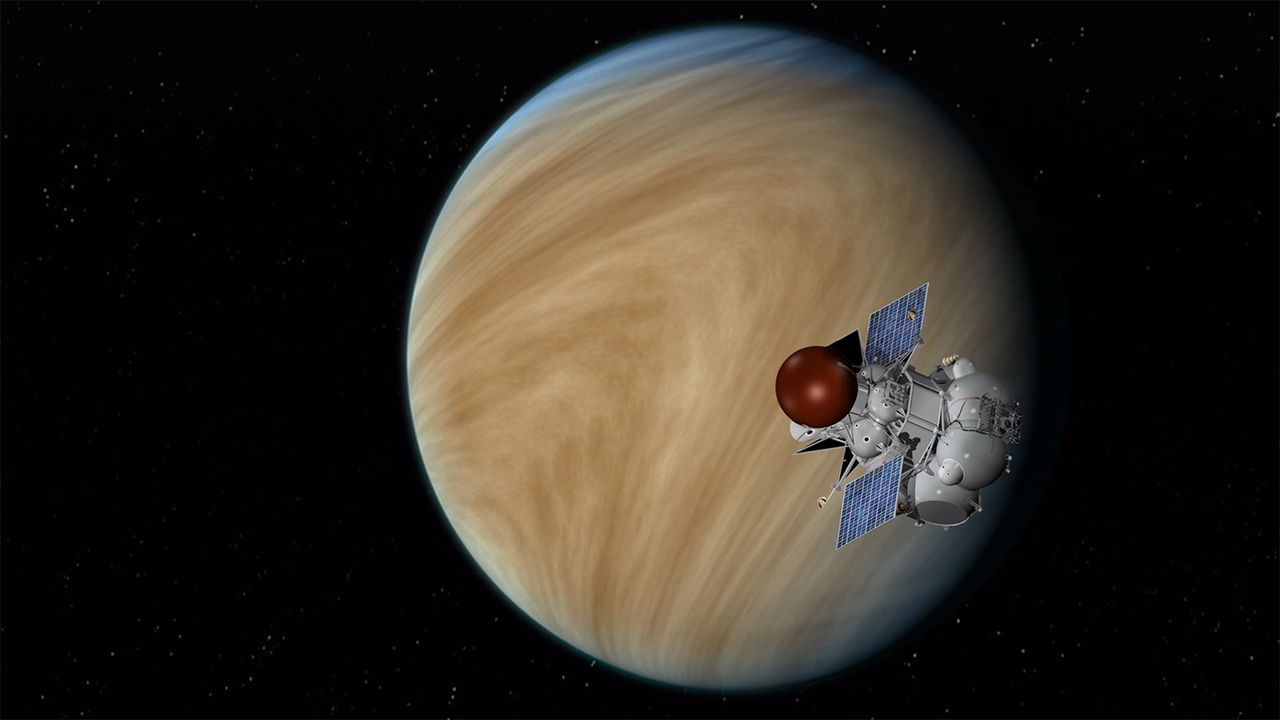
Russia is gearing up to launch a new multi‑vehicle mission, Venera‑D, to Venus in 2036, reviving its historic space legacy. The package will include a lander, a high‑altitude balloon, and an orbiter, all designed to probe Venus’s harsh surface and cloud chemistry. One of the mission’s key goals is to search for microbial life in the planet’s clouds, following recent hints of phosphine and ammonia that could be biomarkers.
Satellite spies an erupting volcano | Space photo of the day for March 13, 2026
Original Publication Date: 2026-03-13 14:00

NASA’s Landsat 8 satellite captured a rare, vivid color image of Mayon volcano erupting on Feb. 26, 2026, showing bright red lava, ash, and gases pouring from its crater. The eruption, which began in January, has displaced hundreds of families and underscored Mayon’s status as the Philippines’ most active volcano. The image combines visible and near‑infrared data, making the red lava stand out against lush green vegetation. This snapshot offers scientists and the public a unique view of volcanic activity from space.
NASA begins building nuclear-powered Dragonfly drone for 2028 launch to Saturn moon Titan
Original Publication Date: 2026-03-13 13:00
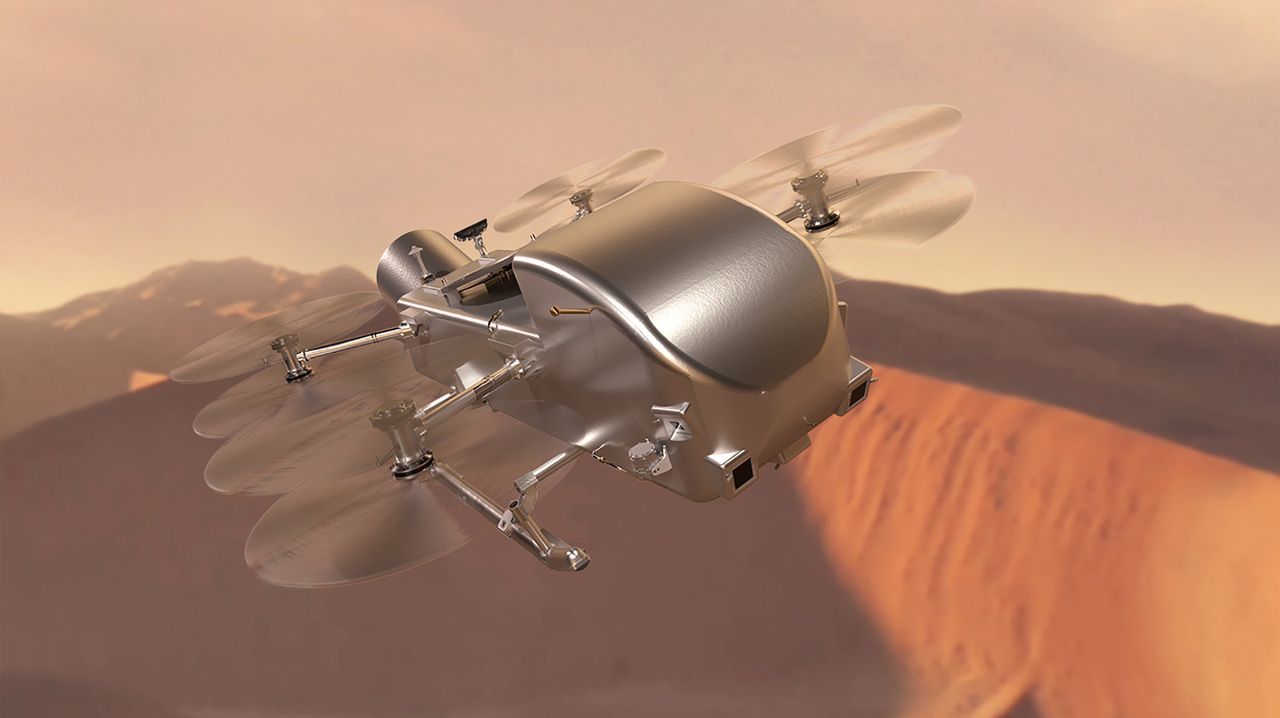
NASA’s Johns Hopkins Applied Physics Laboratory has begun building and testing the nuclear‑powered Dragonfly rotorcraft, scheduled for a 2028 launch toward Saturn’s moon Titan. The car‑sized drone will use a small reactor instead of solar panels, allowing it to fly for up to 12 years while exploring Titan’s thick atmosphere and surface chemistry. The $3.35 billion mission will launch on a SpaceX Falcon Heavy from Kennedy Space Center after extensive ground and space‑environment testing. Dragonfly aims to map diverse sites on Titan, probing the moon’s prebiotic chemistry and advancing our understanding of life's origins.
How risky is the Artemis 2 astronaut launch to the moon? NASA would rather not say
Original Publication Date: 2026-03-13 12:00
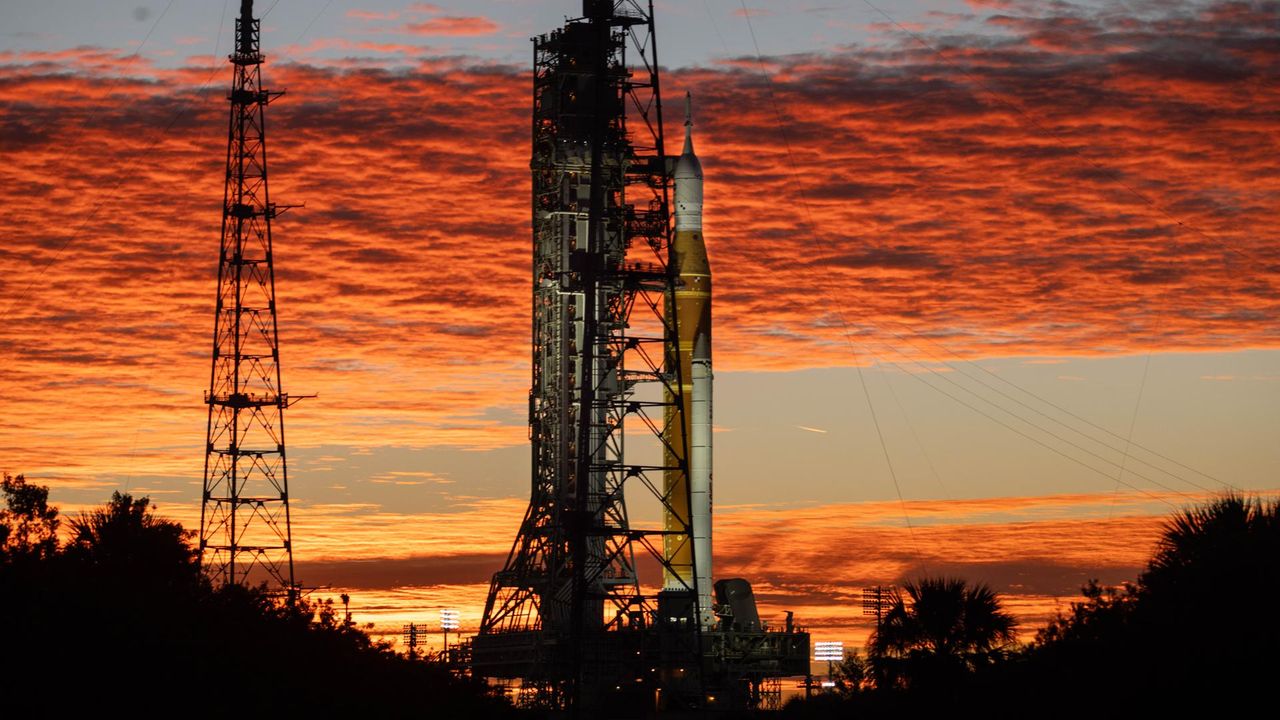
NASA is targeting April 1 for Artemis 2, the first crewed flight of its new lunar program, sending four astronauts on a 10‑day tour around the moon before returning to Earth. Because this is only the second Artemis mission and the first to carry people, officials are reluctant to give precise probability figures, citing limited data. An Office of Inspector General report estimates about a 1‑in‑30 chance of overall failure and a 1‑in‑40 risk during the lunar operations phase—roughly half the risk of the Apollo moon missions but higher than the 1‑in‑200 odds of a commercial crew flight to the ISS. As launch day approaches, NASA remains cautious but optimistic that the mission will proceed safely.
Magnetars drag spacetime to power superluminous supernovae
Original Publication Date: 2026-03-13 15:59
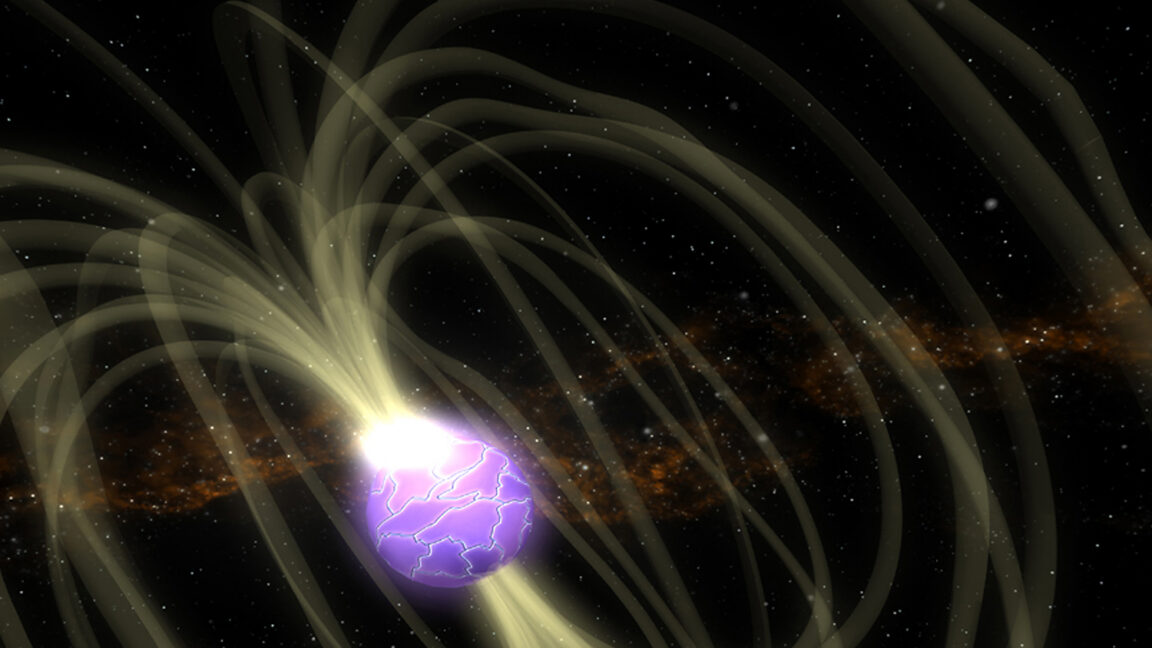
Type I superluminous supernovae rank among the brightest explosions in the universe. Astrophysicist Joseph Farah and colleagues now point to rapidly spinning magnetars—ultra‑magnetized neutron stars—as the engine powering these cosmic fireworks. Born from the collapse of massive stars, magnetars transfer their rotational energy to the expanding stellar debris through magnetic dipole radiation. This mechanism explains the extraordinary luminosity of superluminous supernovae and may resolve a long‑standing astrophysical mystery.