 Spotify
 Apple Podcasts
 Podcast Addict
 Overcast
 Podcast RSS
NASA selects Centaur for new SLS upper stage
Also covered by: Spaceflight Now
Original Publication Date: 2026-03-06 23:42
NASA has selected United Launch Alliance’s Centaur 5 upper stage for the Space Launch System, replacing the planned Exploration Upper Stage, and will use it on Artemis 4 (early 2028) and Artemis 5, with a flight spare available. The agency’s March 6 filing authorizes a sole‑source contract, allowing the Centaur to be integrated into the Mobile Launcher interfaces already in use for SLS. NASA evaluated alternatives such as Blue Origin’s New Glenn stage but chose Centaur for its proven RL10 engines, existing infrastructure, and the fact that four successful Vulcan flights have already demonstrated its reliability. The decision is expected to shorten development time and reduce costs by leveraging current ground systems and proven performance.
Eutelsat completes $5.8 billion refinancing plan
Original Publication Date: 2026-03-06 17:16
Eutelsat has completed the final phase of a €5 billion ($5.8 billion) refinancing plan aimed at modernising its OneWeb satellite constellation and backing Europe’s IRIS² sovereign connectivity program. The French operator announced the milestone on March 6, marking a key step in strengthening its global communications infrastructure. This financing will enable upgrades and expansion of the OneWeb fleet, positioning Eutelsat to enhance its market presence. The refinancing provides the capital needed to support Europe's strategic connectivity goals.
Commercial Space Federation (CSF) Welcomes New Members
Original Publication Date: 2026-03-06 16:00
The Commercial Space Federation announced on March 6 that it has welcomed three new partners: Leolabs, the American Society for Gravitational and Space Research, and SurgeStreams. These additions are expected to broaden the federation’s reach into cutting‑edge research and technology development. By bringing together industry, academia, and innovation labs, CSF aims to accelerate collaboration across the commercial space sector. The move underscores the federation’s commitment to fostering a robust, interconnected space ecosystem.
Hyperscalers are coming to an orbit near you. Power will decide the winners.
Original Publication Date: 2026-03-06 14:00
The space sector is accelerating rapidly, driven by telecom megaconstellations, orbital data centers, and next‑generation payloads. Companies are filing plans for satellite swarms that range from tens of thousands to over a million. The race to dominate this frontier will hinge on power, with hyperscalers poised to shape the market. The outcome will lock in winners and reshape how we use space.
Rocket Lab launches satellite for undisclosed customer
Original Publication Date: 2026-03-06 12:45
Rocket Lab fired its Electron rocket from New Zealand on March 5, delivering a single satellite to a 470‑kilometer orbit for a confidential client, most likely Earth‑observation firm BlackSky. The launch, dubbed “Insight At Speed Is A Friend Indeed,” was announced only five hours before liftoff and was deemed a success a little over an hour later. BlackSky later confirmed the mission as a Gen‑3 satellite, adding it to a growing constellation that the company plans to expand to eight or nine spacecraft by year‑end. Rocket Lab’s 21 Electron launches in 2025 set the stage for a projected 20 % increase in 2026, underscoring the company’s rapid growth in the commercial launch market.
ARMD Research Solicitations (Updated March 6)
Original Publication Date: 2026-03-06 22:00

NASA is launching the Aerospace Skilled Technical Workforce Hubs initiative to build state and regional centers that align education, training, and employment with the aerospace industry’s needs. The call for proposals is open until March 23, 2026, with awards expected in June, and it invites a wide range of partners from governments to small businesses.
NASA Invites Media to Northrop Grumman CRS-24 Station Resupply Launch
Original Publication Date: 2026-03-06 21:36
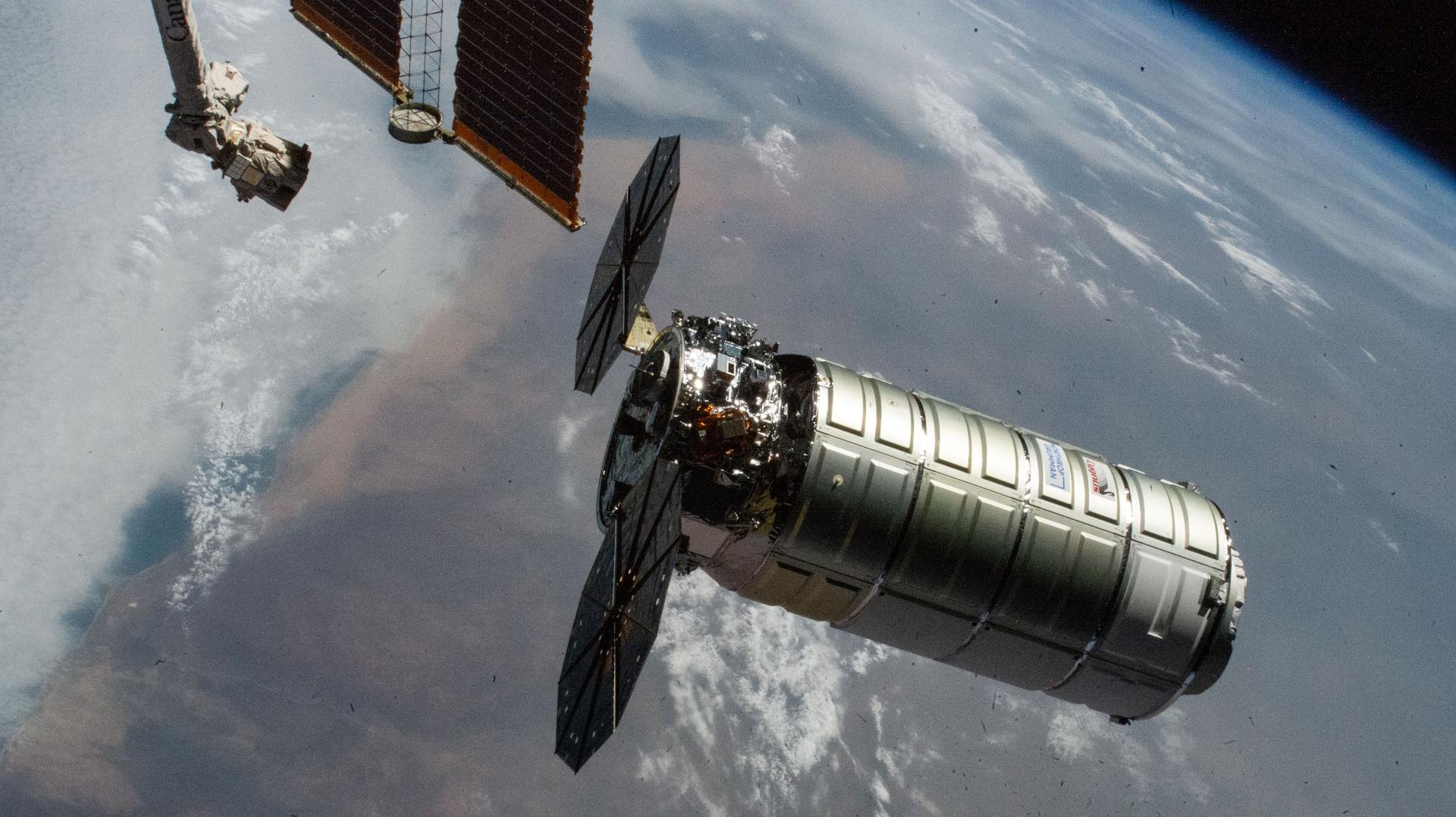
Northrop Grumman’s enlarged Cygnus XL cargo spacecraft, loaded with over 11,000 pounds of science experiments and supplies, is set to launch on a SpaceX Falcon 9 on or after April 8 from Cape Canaveral. The vehicle will rendezvous with the International Space Station, where the Canadarm2 will capture it and berth it to the Unity module’s Earth‑facing port for unloading. The resupply mission, CRS‑24, will deliver research modules for quantum science, stem‑cell production, gut‑microbiome studies, a space‑weather receiver, and other supplies, and will remain docked until October. U.S. Media can apply for accreditation by March 18 to cover pre‑launch and launch activities.
NASA’s DART Mission Changed Orbit of Asteroid Didymos Around Sun
Also covered by: Ars Technica
Original Publication Date: 2026-03-06 19:00
On September 26 2022 NASA’s DART spacecraft deliberately collided with Dimorphos, the 160‑meter moonlet of the binary asteroid Didymos, proving that kinetic‑impact planetary defense works. The impact shortened Dimorphos’s 12‑hour orbit around Didymos by 33 minutes and, through the ejected debris that doubled the spacecraft’s momentum, nudged the entire binary system’s 770‑day heliocentric orbit by a fraction of a second. Precise ground‑based radar, stellar occultations and volunteer observations detected a measurable 0.15‑second change in the system’s solar‑orbit speed of 11.7 µm s⁻¹, marking the first time a human‑made object has altered its path around the Sun. This tiny but measurable shift confirms the effectiveness of kinetic‑impact deflection for planetary defense.
Track NASA’s Artemis II Mission in Real Time
Original Publication Date: 2026-03-06 16:40
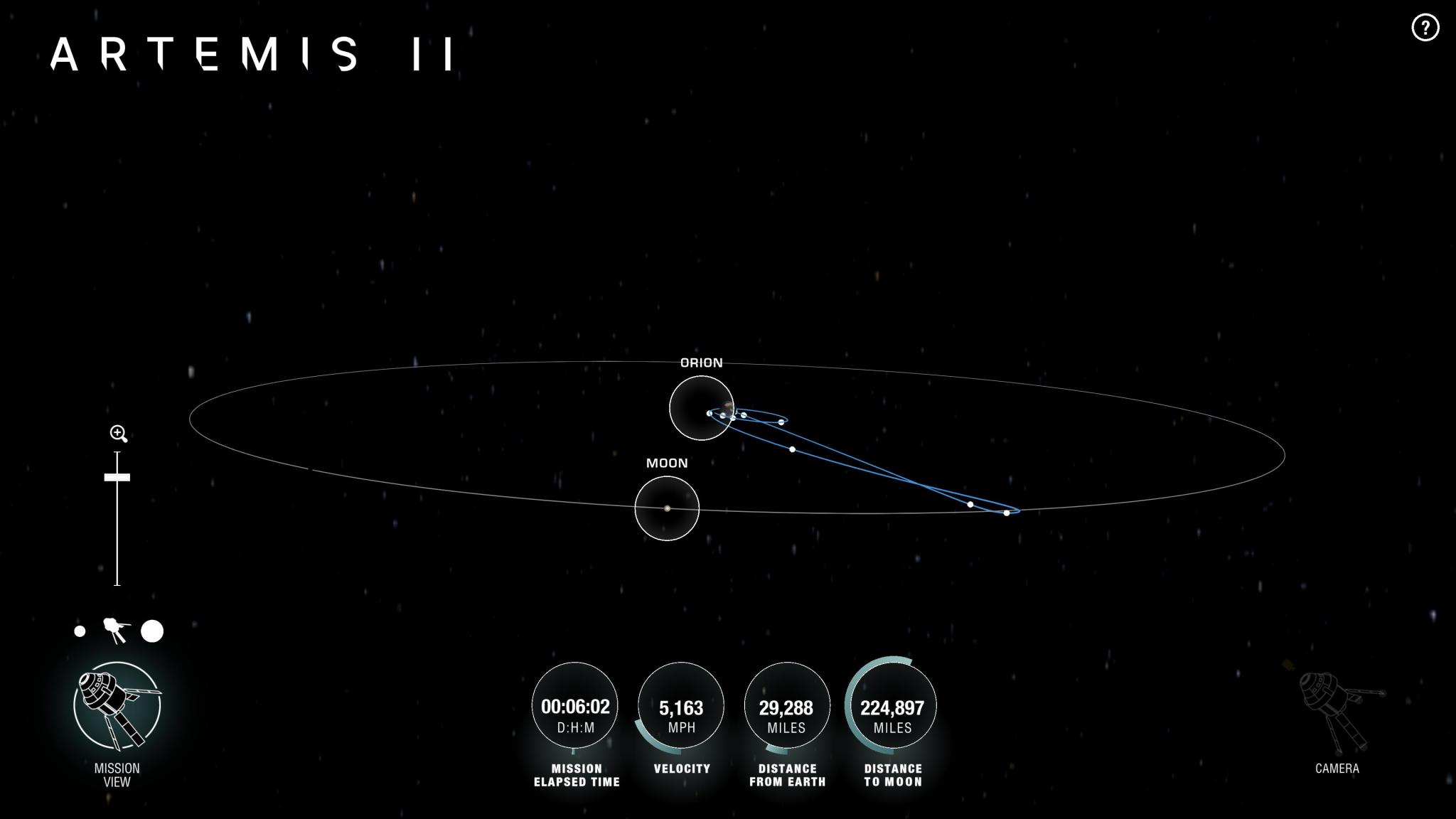
NASA invites the public to track Artemis II, a 10‑day crewed mission around the Moon in the Orion spacecraft. The Artemis Real‑time Orbit Website and a mobile app deliver live data—distance from Earth and the Moon, mission milestones, and even augmented‑reality tracking—to anyone with internet access. Users can download sensor data, state vectors, and an ephemeris to create their own visualizations or track Orion with telescopes and spaceflight software. The mission tests Orion’s systems for future lunar exploration and paves the way for crewed Mars flights.
Weekends on the Space Station
Original Publication Date: 2026-03-06 15:23
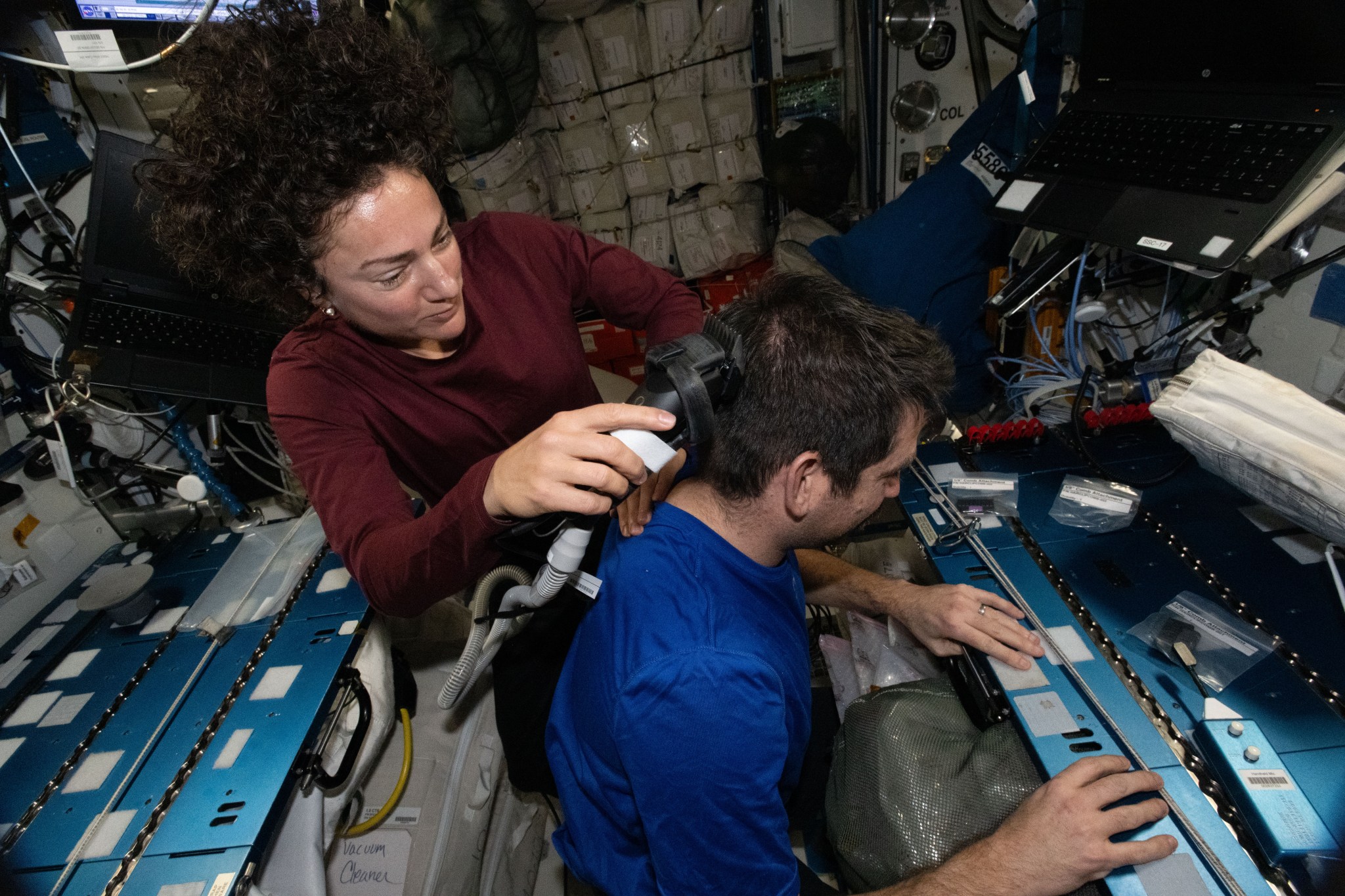
NASA astronaut Jessica Meir trimmed fellow crew member Jack Hathaway’s hair on March 1, 2026, using an electric razor linked to a vacuum that collects clippings in microgravity. The device keeps the International Space Station’s air clean while crew members tackle other housekeeping tasks over the weekend. Routine maintenance like this helps life aboard the station run smoothly. For more on daily life in orbit, check out NASA’s updates.
NASA’s Artemis ‘Course Correction’ Boosts Moonward Momentum: Key Details Still Maturing
Original Publication Date: 2026-03-06 21:02

NASA Administrator Jared Isaacman unveiled sweeping changes to the Artemis program, aiming to restore momentum and cut technical risk.
UK domestic launch milestone as RFA ONE rocket arrives in Scotland
Original Publication Date: 2026-03-06 16:46

German aerospace firm Rocket Factory Augsburg has shipped both stages of its RFA ONE rocket to Scotland’s SaxaVord Spaceport, marking a major step toward the UK's first orbital launch. The company fixed a turbopump flaw that destroyed the first stage in 2024, upgraded its Helix engines and pressurization systems, and now has the stages undergoing final inspections and engine integration.
Space One Rocket Fails Third Consecutive Flight
Original Publication Date: 2026-03-06 13:25
Space One’s Kairos rocket failed for the third straight time, aborting 69 seconds into flight and losing five payloads, including satellites from Tokyo’s ArkEdge Space and Taiwan’s space agency. The setback pushes back Japan’s ambitious goal of 30 commercial launches a year by 2030, but officials say the government will keep backing private ventures.
Viasat and Space42 Share Strategy for Equatys JV
Original Publication Date: 2026-03-06 04:58

Viasat and UAE’s Space42 have filed to launch a constellation of up to 2,800 satellites under their Equatys joint venture, aiming to deliver affordable, scalable connectivity worldwide. The pair canceled a media roundtable at the Mobile World Conference after U.
Living in space can change where your brain sits in your skull – new research
Original Publication Date: 2026-03-07 11:00

New research shows that astronauts’ brains shift upward and backward inside their skulls during spaceflight, with longer missions causing larger displacements. Using MRIs on 26 crew members, scientists mapped over 100 brain regions and found some areas moved more than 2 millimeters after a year aboard the ISS. Most changes largely return to normal within six months of return, though backward shifts linger longer. These findings are vital as NASA plans longer missions and the broader commercial spaceflight industry.
Will Proba-3 phone home? European solar-eclipse satellite goes dark
Original Publication Date: 2026-03-06 22:00
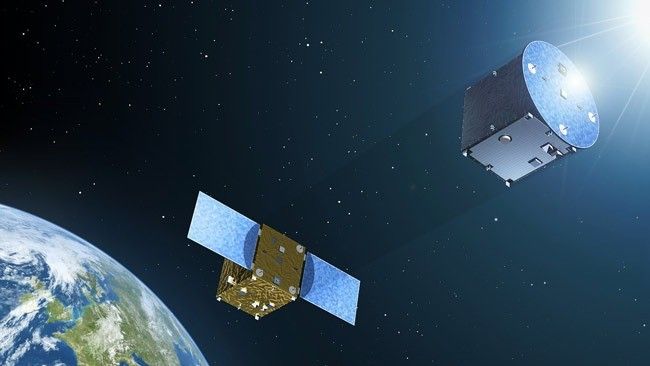
European Space Agency lost contact with one of its Proba‑3 satellites after a February 14 anomaly knocked the Coronagraph out of attitude control. Proba‑3, launched from India in December 2024, uses two spacecraft flying 500 feet apart to create artificial solar eclipses that let scientists image the Sun’s faint corona.
The universe is humming with ripples in spacetime: Scientists just doubled our catalog of black hole and neutron star collisions
Original Publication Date: 2026-03-06 21:00
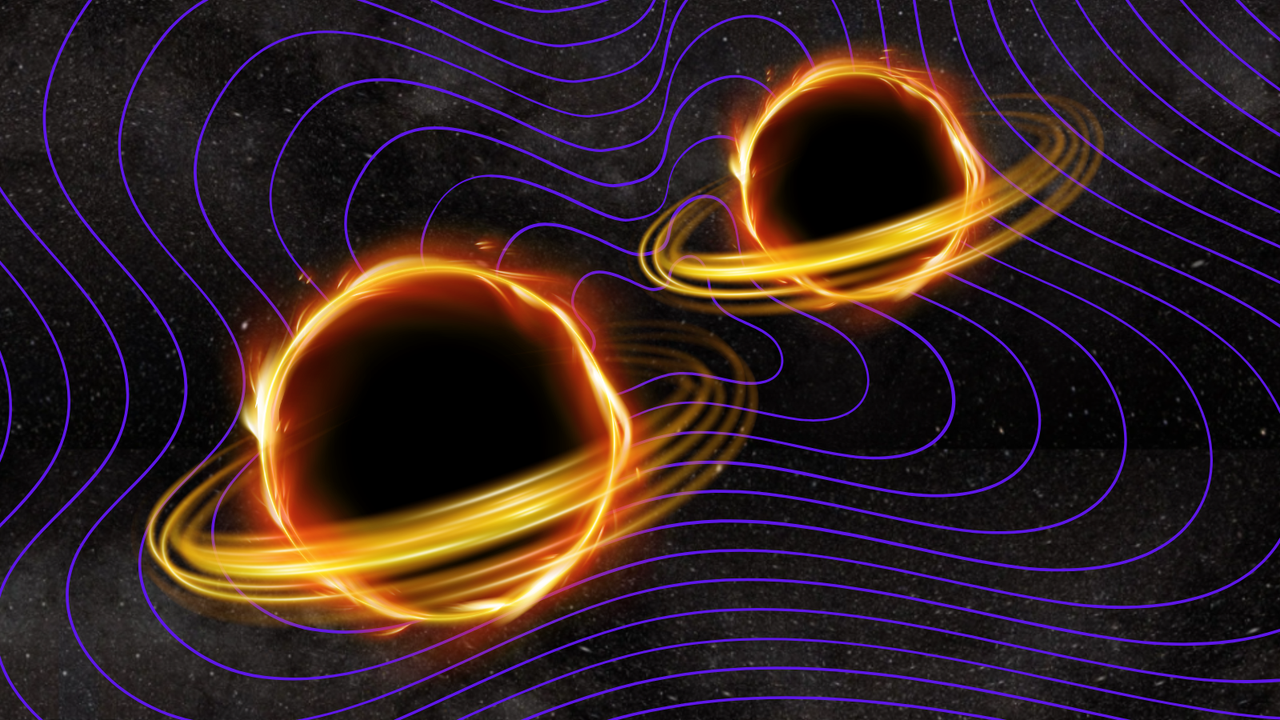
Scientists have doubled the catalog of gravitational‑wave events, now listing 128 sources of colliding black holes and neutron stars. The new GWTC‑4 data, gathered during the fourth observing run, includes record‑setting mergers of the heaviest black holes—about 130 times the mass of the Sun—and rapidly spinning ones at 40% the speed of light. These detections give fresh insight into how black holes grow, test Einstein’s theory, and help map the universe’s expansion. The LIGO‑Virgo‑KAGRA collaboration says each new ripple unlocks a piece of the cosmic puzzle.
Mars orbiters witness solar superstorm striking the Red Planet: 'The timing was extremely lucky'
Original Publication Date: 2026-03-06 19:02
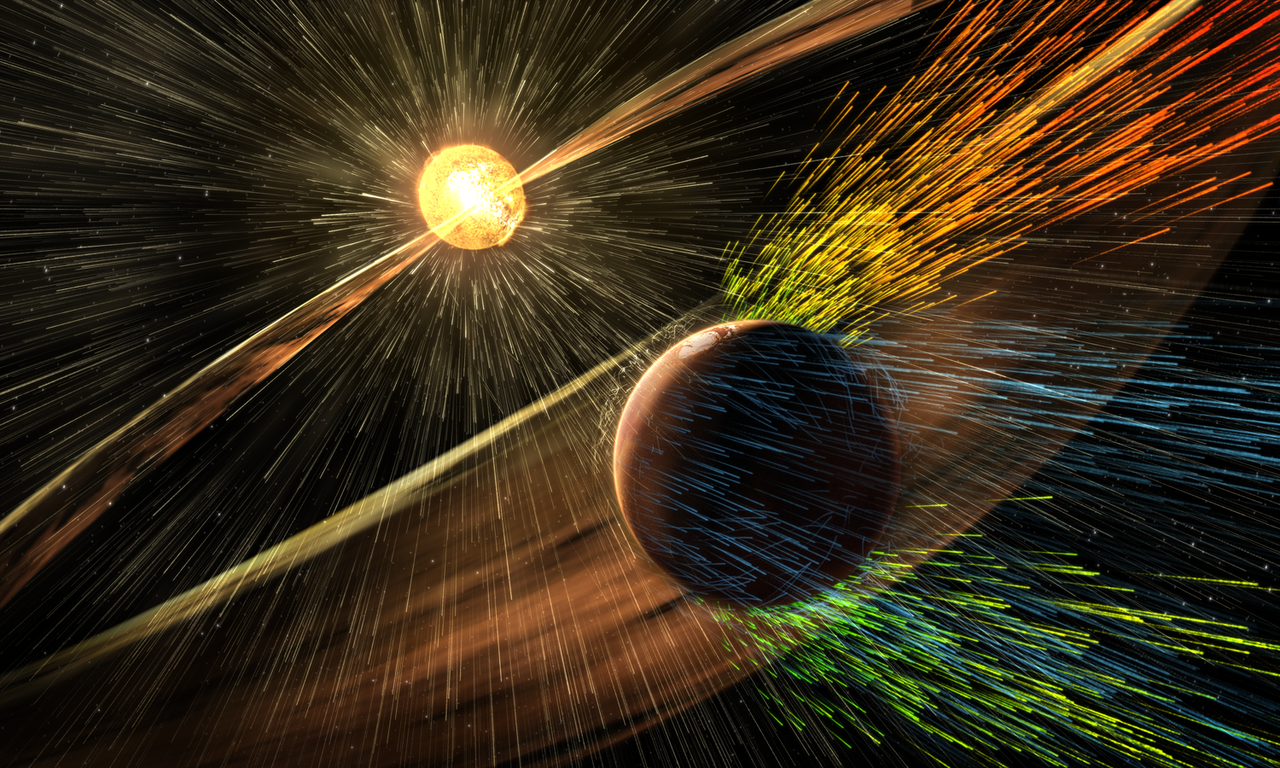
A powerful solar superstorm that slammed Earth on May 11, 2024, also struck Mars, delivering 200 days’ worth of radiation in just 64 hours to ESA’s Mars Express and ExoMars Trace Gas Orbiter. The event flooded the Red Planet’s upper atmosphere, boosting electron counts by 45 % at 110 km and a staggering 278 % at 130 km, the highest levels ever recorded on Mars. Both orbiters suffered computer glitches, but their radiation‑resistant designs allowed rapid recovery, underscoring the risks of space weather. Scientists used a radio occultation technique between the two spacecraft to map the storm’s impact, highlighting how Mars’s lack of a magnetosphere makes it far more vulnerable than Earth.
NASA wants to accelerate its Artemis missions to the moon. It will need to drop some big hardware to do it.
Original Publication Date: 2026-03-06 17:00
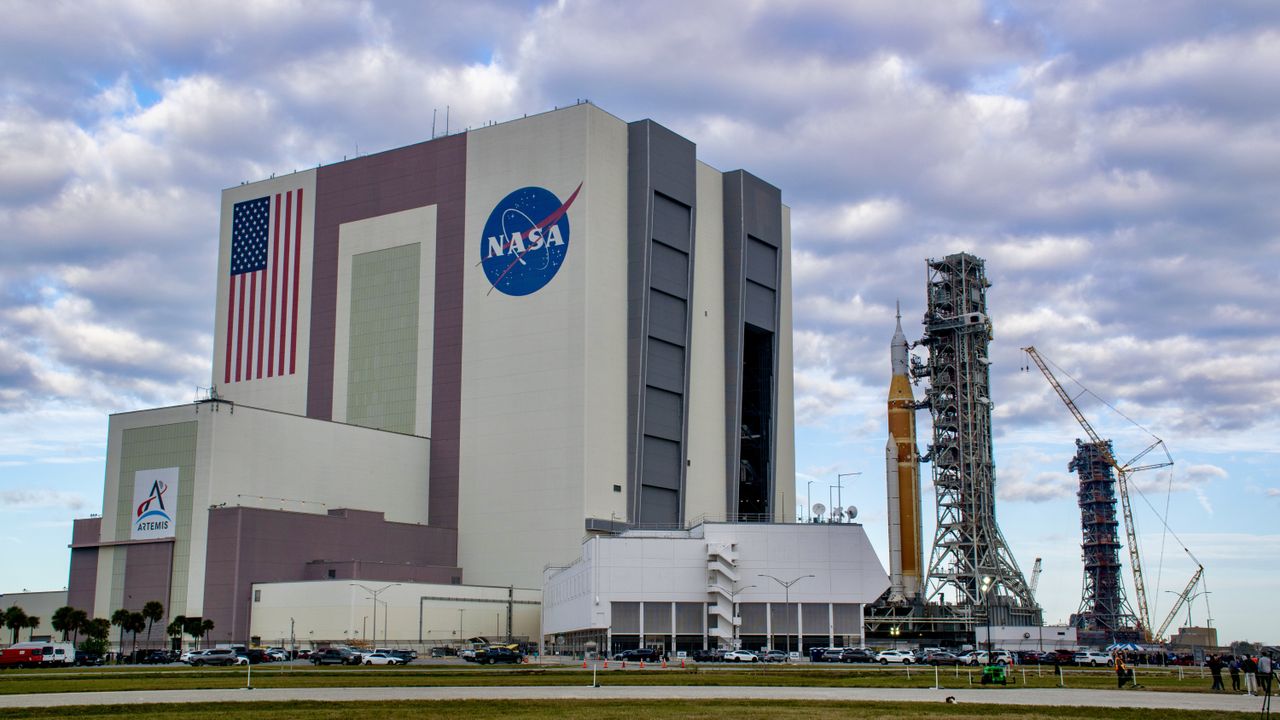
NASA has overhauled its Artemis program, shortening the interval between missions to about ten months and keeping Artemis 2 on schedule for a launch in the coming weeks. The new plan drops the planned SLS Block 1B and the Gateway moon‑orbit station, replacing them with a single‑configuration SLS that will use a ULA Centaur V upper stage for all future launches. Artemis 3, now slated for 2027, will perform orbital rendezvous with a lander instead of landing on the moon, while Artemis 4 is re‑designated as the first crewed lunar landing target for 2028.