 Spotify
 Apple Podcasts
 Podcast Addict
 Overcast
 Podcast RSS
SpaceX shares rise nearly 20% in historic IPO
Original Publication Date: 2026-06-12 21:06
SpaceX went public today, raising $75 billion in its largest IPO ever as shares surged 19% to close at $160.95, giving the company a market cap of about $2.1 trillion. The company sold nearly 556 million shares at $135 each and will have the option to raise an additional $11.25 billion by selling more shares.
Avanti trims GEO exposure with Hylas-3 sale
Original Publication Date: 2026-06-12 20:43
Avanti Communications has agreed to sell its youngest Ka‑band payload, Hylas‑3, to Japan’s Sky Perfect JSAT, marking a shift away from its debt‑laden geostationary expansion. Launched in 2019 and operating at 31° East, Hylas‑3 also carries the EDRS‑C payload for the European Data Relay System, but the sale will rename the satellite JSAT‑144D and relocate it to better serve Asia. The deal comes amid mounting competition from low‑Earth‑orbit constellations like SpaceX’s Starlink and after Avanti’s 2022 refinancing, which moved the company toward partnerships rather than large satellite procurements. With the transfer, JSAT will expand its GEO fleet to 18 satellites, adding three more to its growing portfolio.
Astronomers fear orbital data centers will interfere with observations
Original Publication Date: 2026-06-12 19:49
SpaceX plans to launch its first orbital data‑center satellites, called AI1, as early as 2027, after testing “canary” satellites on its Starlink network to validate the technology. The AI1 craft will be 70 meters long with 20‑meter‑high solar arrays that can generate up to 150 kW of power and support a 120 kW computing payload, and the company says they will be easier to build than Starlink satellites because they use laser inter‑satellite links instead of complex phased‑array antennas. However, astronomers warn that the large, bright AI1s and their numerous test launches could create continuous bright lanes in low Earth orbit, interfering with optical and radio observations and potentially obscuring faint cosmic events. These concerns underscore the growing tension between commercial space infrastructure and the scientific community’s need for dark skies.
All in on AI at Astra
Original Publication Date: 2026-06-12 13:00
Chris Kemp and co‑founder Adam London pulled Astra private in 2024 after the company’s Rocket 3 failures and a steep decline in valuation, keeping the business alive by selling electric thrusters and working on a new Rocket 4 slated to launch this year. The Alameda‑based firm now generates nearly $50 million in revenue and reports a slight profit on adjusted EBITDA, while quietly scaling down from 400 employees to just 110. Kemp has made AI the core of Astra’s operations, insisting that every employee write and maintain software, with the goal of eliminating purchased tools and cutting costs by replacing most human labor with automated systems. In a recent Space Symposium breakfast, he quipped that he might be the last employee on the payroll, a statement that underscores his vision of a near‑robotic, AI‑driven launch company.
SpaceX launches Starlink mission from Cape Canaveral as stock trades on the Nasdaq for first time
Original Publication Date: 2026-06-12 02:06

On June 12, 2026, SpaceX launched its 650th Falcon 9 rocket from Cape Canaveral, deploying 29 Starlink V2 Mini satellites as part of the Starlink 10‑54 mission before the Nasdaq opening bell
NASA to Cover 34th SpaceX Resupply Mission Space Station Departure
Original Publication Date: 2026-06-12 15:32
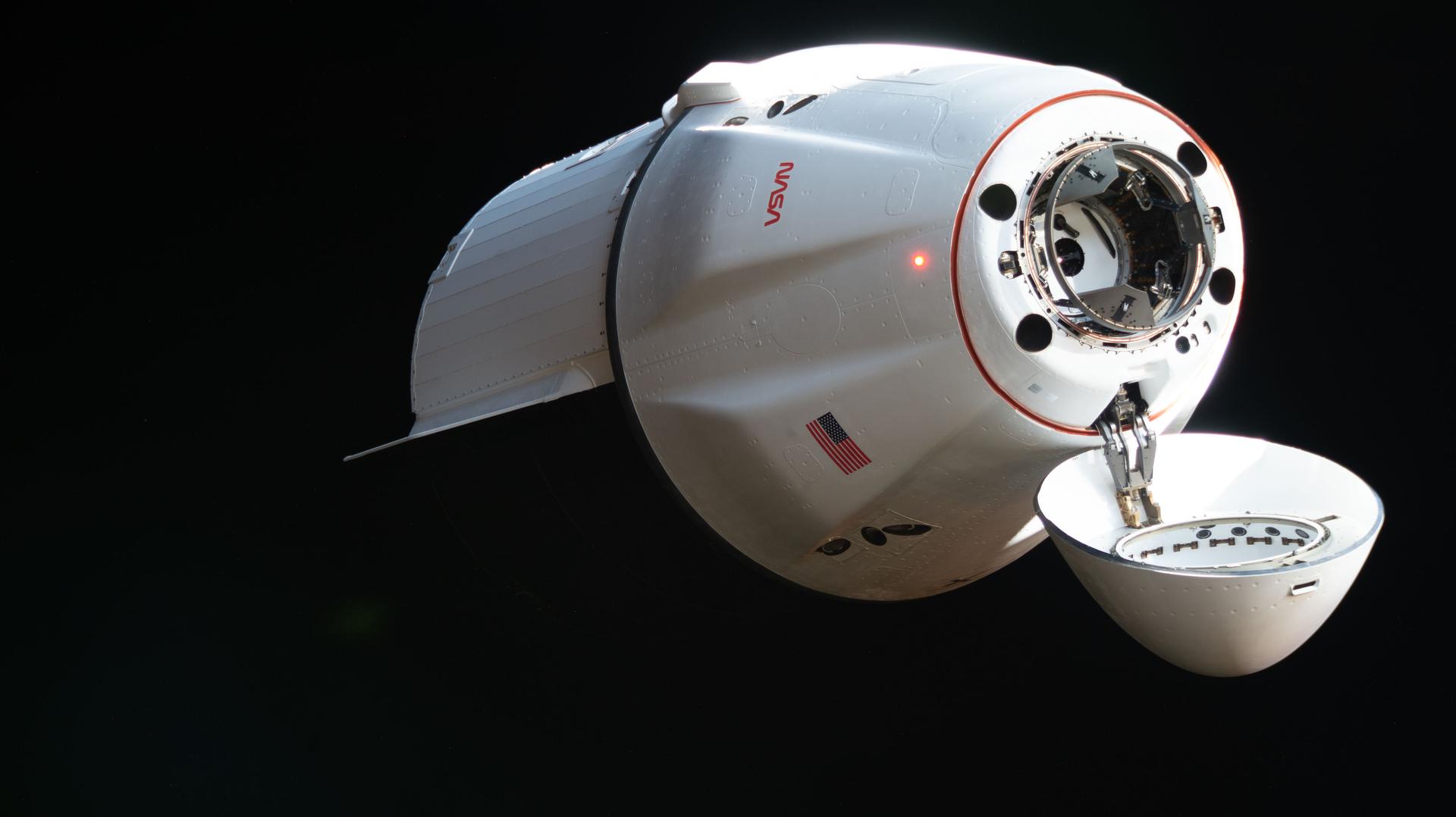
SpaceX’s Dragon cargo spacecraft arrived at the International Space Station on May 17, 2026, delivering nearly 6,500 pounds of food, supplies, and cutting‑edge science experiments for the Expedition 74 crew.
Black Eye Galaxy
Original Publication Date: 2026-06-12 13:59
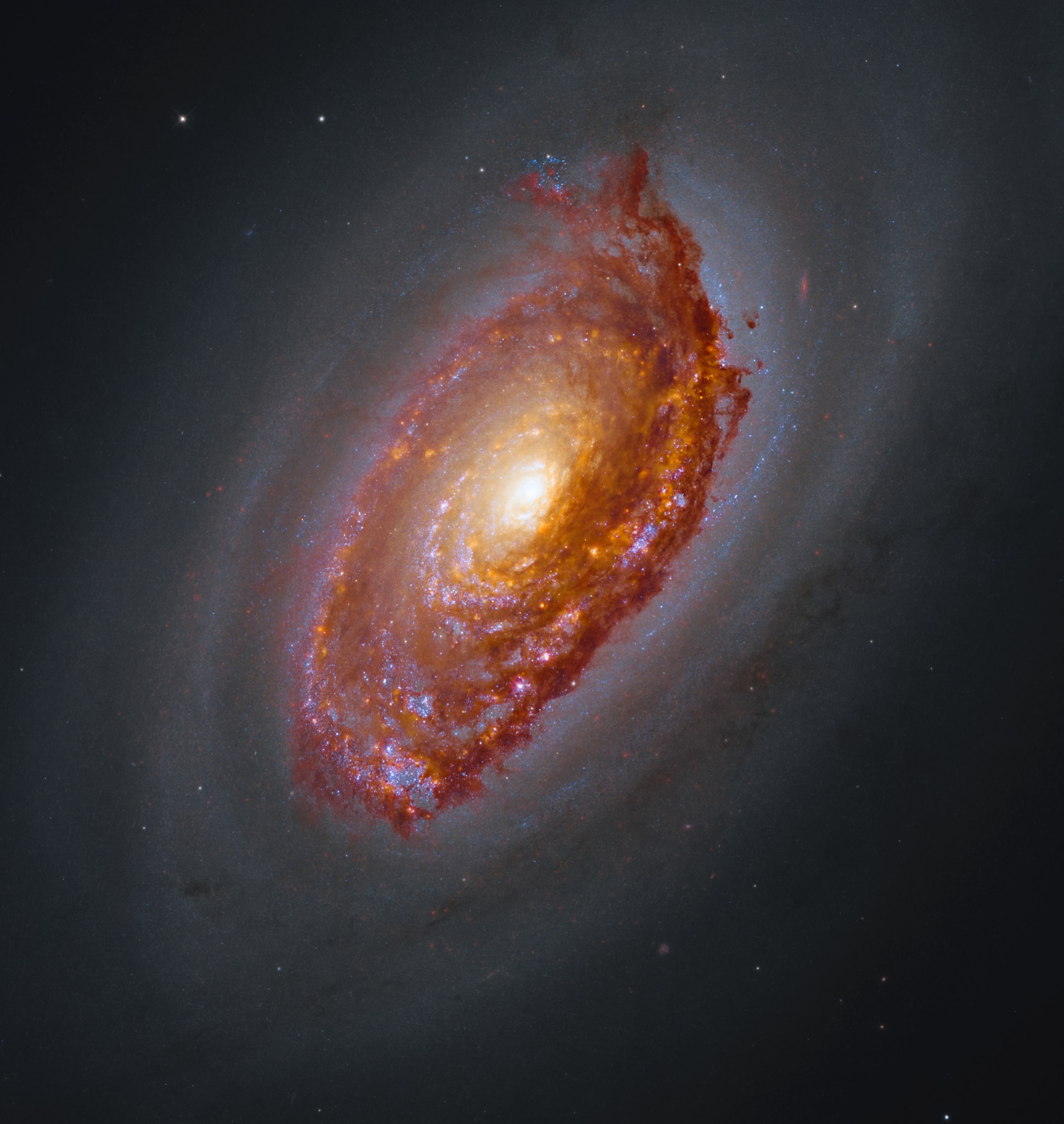
NASA, ESA, and their partners have released a stunning composite image of Messier 64, the Black Eye Galaxy, captured by the Hubble and James Webb Space Telescopes in ultraviolet, visible, near‑infrared, and mid‑infrared light. The photo reveals a striking dust band that obscures the galaxy's bright core, while the data show that gas in the outer spiral arms rotates opposite to the gas and stars in the inner regions.
Hubble Sees Swarm of Galaxies
Original Publication Date: 2026-06-12 11:34
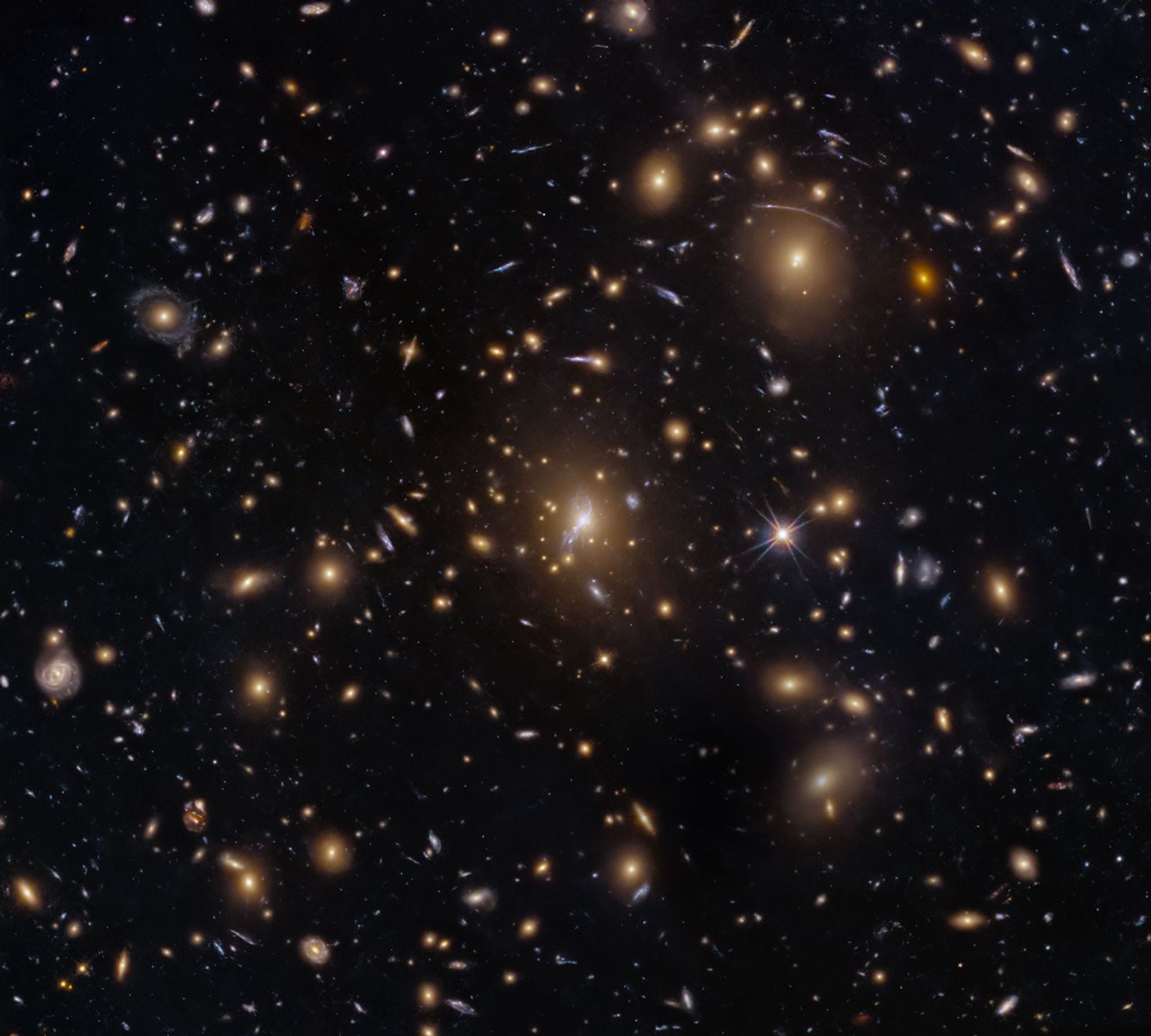
NASA’s Hubble Space Telescope has captured a stunning image of the galaxy cluster MACS0329‑0211, a swarm of galaxies that serves as a cosmic laboratory for studying the universe’s evolution. The cluster, resembling a swarm of bees, contains massive elliptical galaxies, thin spirals, and gravitationally lensed arcs that magnify distant galaxies from the early universe.
World Cup Fever in Guadalajara
Original Publication Date: 2026-06-12 04:01
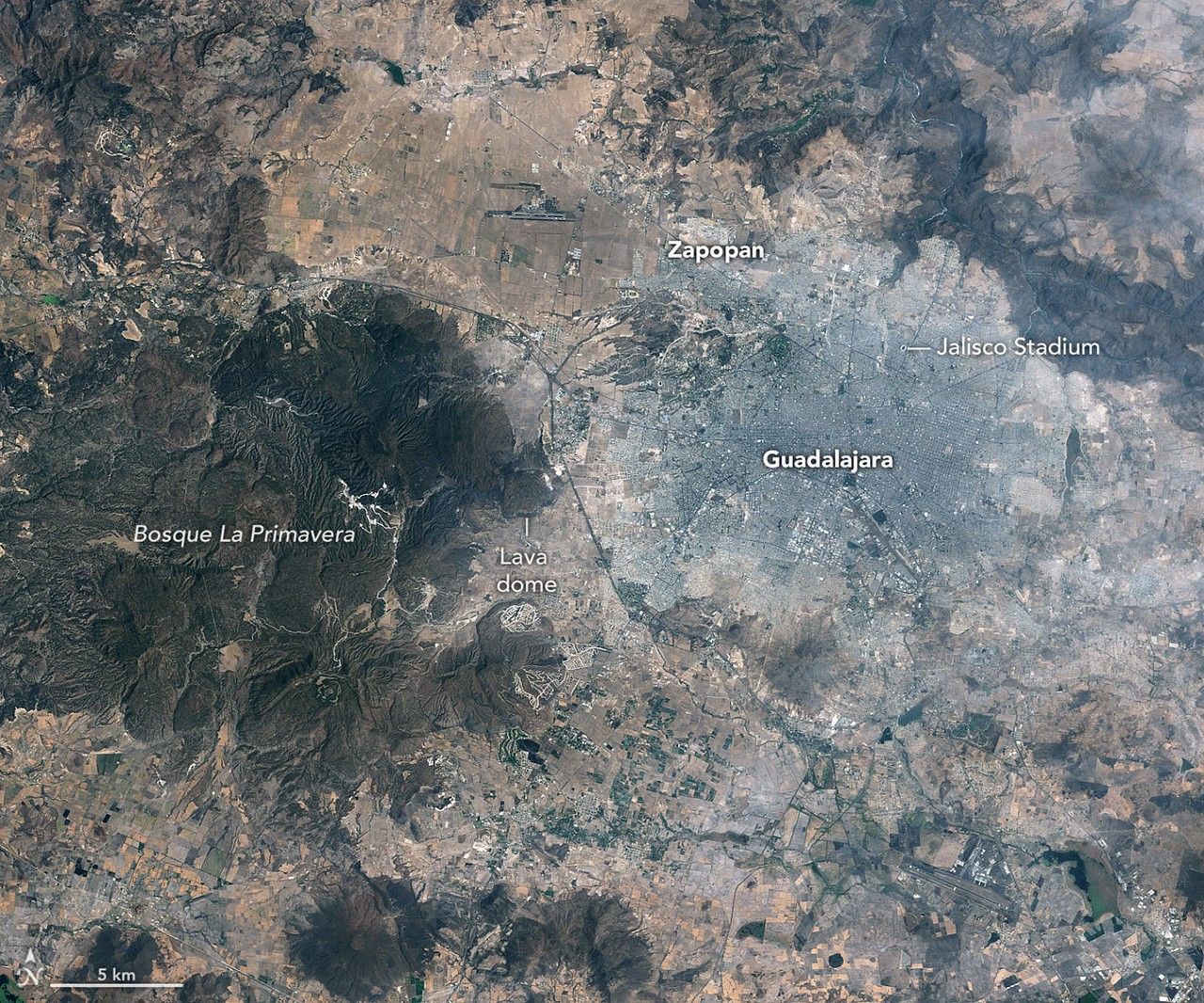
Landsat images from 1986 to 2026 reveal a dramatic westward spread of Guadalajara’s urban footprint, as farmland around the future Estadio Akron has become a bustling metropolitan area. The city’s population has more than doubled, with Zapopan emerging as a tech hub and new industrial parks sprouting amid a preserved volcanic landscape. Guadalajara hosted World Cup matches in 1986 and again in 2026, prompting the construction of a new stadium in 2010 and the erection of a bronze Pelé statue in 2026. This rapid growth and football fever underscore the city’s transformation into a modern sporting and economic powerhouse.
China successfully debuts tallest rocket, LandSpace prepares for second landing attempt
Original Publication Date: 2026-06-12 21:12

China launched three missions in just four days, including the maiden flight of the 72‑metre Chang Zheng 12B that deployed Qianfan internet satellites while sparking questions over missing airspace notices. A separate asteroid‑sampling probe quietly reached a key milestone without fanfare. Commercial operators such as LandSpace are pushing reusable first‑stage landings, testing methods from steel‑net capture to a “bellyflop” horizontal touchdown. The month underscored China’s rapid rocket development and its growing ambition to combine orbital internet constellations with reusable launch technology.
VCs Predict the SpaceX IPO Will Lift the Entire Industry
Original Publication Date: 2026-06-12 12:34
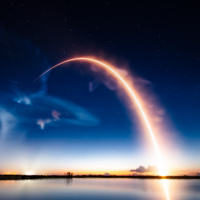
SpaceX’s historic IPO, poised to be the largest ever, is already reshaping the space economy, with venture capitalists likening it to Netscape’s launch that opened the internet to mainstream investment. The fresh $75 billion will recycle wealth back to founders, angels and funds, sparking a wave of new space startups led by former SpaceX engineers and alumni now turned investors. While some investors caution that SpaceX’s dominance may chill competition in launch and satellite‑internet markets, most see the IPO as a catalyst that will broaden funding, attract generalist VCs, and accelerate the sector’s growth. Overall, the consensus is that the SpaceX public debut will lift the entire industry, creating a new era of innovation and investment.
Op-ed: Up to a Trillion Dollars is About to Chase Space. What Kind of Economy Will Be Built?
Original Publication Date: 2026-06-12 12:00

SpaceX’s IPO, potentially the largest ever, could bring up to $80 billion and a valuation of $2 trillion, flooding the space industry with record capital.
Ever have a scary HR meeting on your calendar? That's how the Artemis 3 crew found out their assignments
Original Publication Date: 2026-06-12 22:00
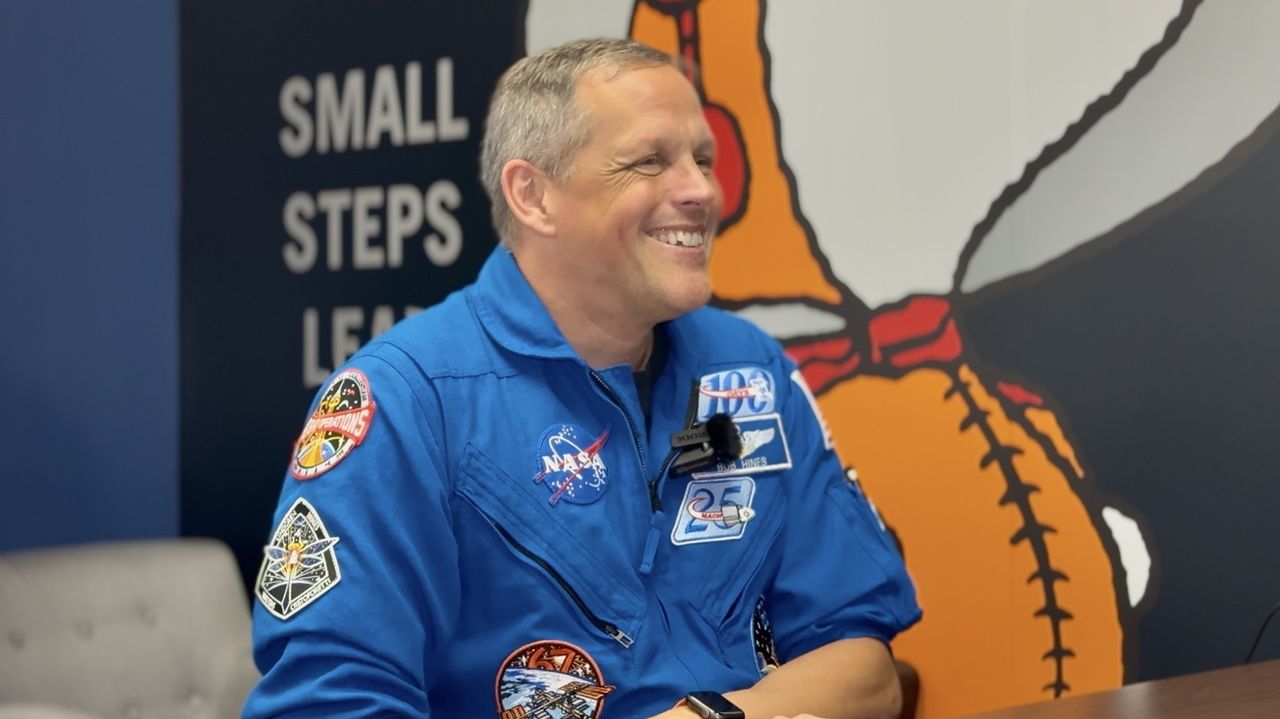
NASA surprised the astronauts slated for Artemis 3 with a surprise meeting that revealed the crew lineup, sparking a mix of excitement and disbelief.
Japan's H3 rocket bounces back from failure with successful return to flight launch carrying 6 satellites
Also covered by: SpaceNews
Original Publication Date: 2026-06-12 20:03
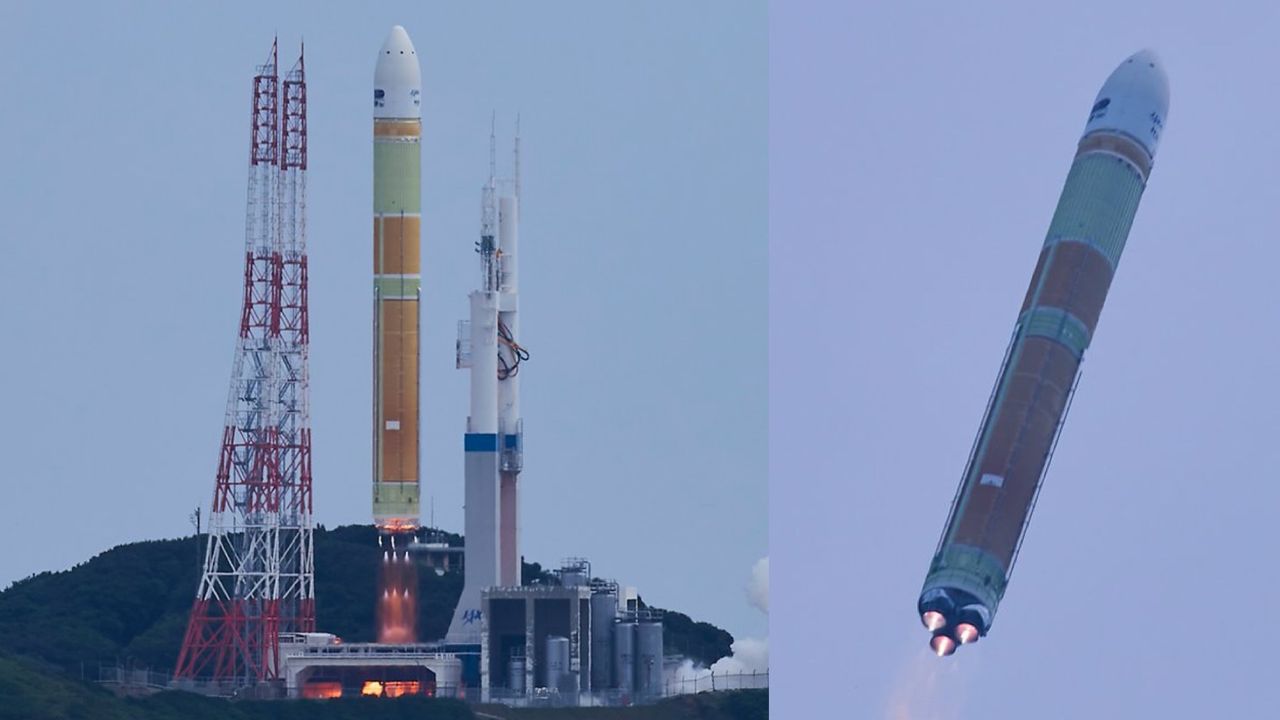
Japan's H3 rocket lifted off from Tanegashima on June 11, marking its eighth flight and the first after a December failure that lost the Michibiki 5 satellite due to a damaged payload adapter. The launch used the rocket’s first three‑engine configuration and successfully placed six small satellites into orbit, including BRO‑22 from French company Unseenlabs. The mission represents a triumphant return for JAXA and restores confidence in the H3 program.
Could the secret to black hole formation be locked away in this record-breaking ancient quasar?
Original Publication Date: 2026-06-12 20:00
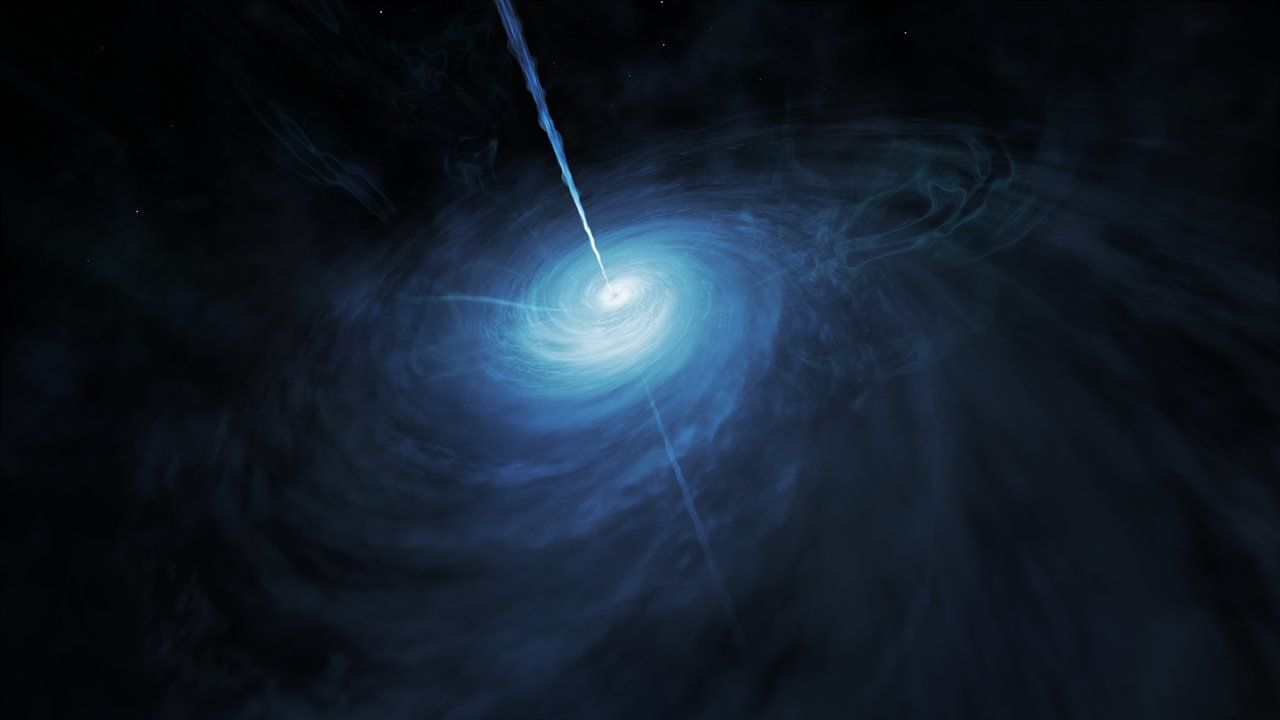
Astronomers have detected a flickering quasar that existed 12.9 billion years ago, just 900 million years after the Big Bang, revealing that supermassive black holes can grow rapidly in the early universe. The quasar, emitting light equivalent to 12 trillion suns, shows brightness variations of about 20 percent—a record‑breaking fluctuation captured using 14 years of data from NASA’s NEOWISE mission. Analysis of the flicker indicates the black hole’s accretion disk is already a flat, pancake‑shaped structure, suggesting that the chaotic growth phase of black holes occurs very early, before the quasar becomes fully luminous.
Why is the US Space Force researching 'orbital warehouses'?
Original Publication Date: 2026-06-12 18:00
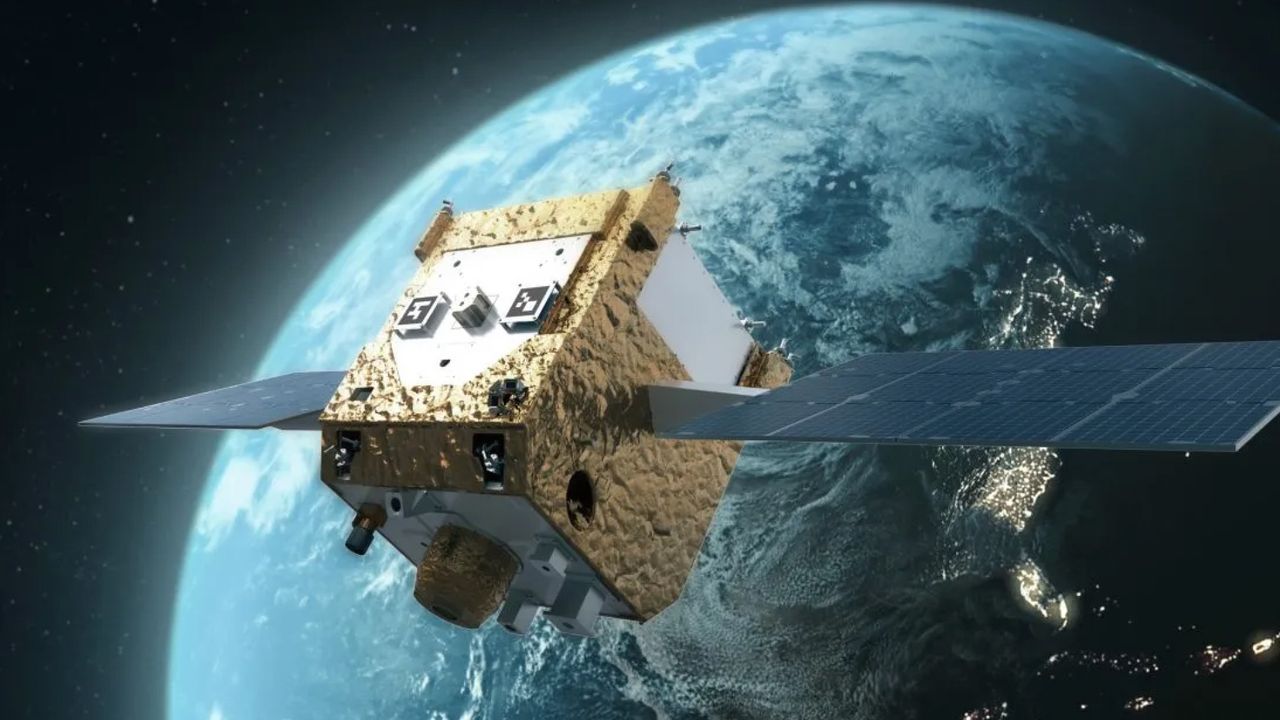
The U.S. Space Force is exploring “orbital warehouses” that would hold fuel and supplies in space to boost satellite operations and respond faster to threats.