 Spotify
 Apple Podcasts
 Podcast Addict
 Overcast
 Podcast RSS
Leaf Space partners with D-Orbit and EnduroSat to test connectivity service
Original Publication Date: 2026-06-05 18:12
Leaf Space unveiled TreeNet, a new space connectivity service that treats individual satellites as a single network to deliver seamless communications. The company has teamed with D‑Orbit and EnduroSat to pilot the technology, which promises lower latency and higher reliability for satellite users. The launch on May 27 marks a step toward more integrated space network solutions. TreeNet aims to simplify how data travels between orbit and ground.
Next Ariane 6 launch to carry 36 Amazon Leo satellites using upgraded boosters
Original Publication Date: 2026-06-05 14:02
Amazon will launch its largest batch of satellites yet, sending 36 Amazon Leo broadband satellites into orbit on June 17 aboard an Ariane 6 rocket equipped with upgraded P160C boosters. The new boosters, a meter longer than the previous version, give the launch vehicle more than two metric tons of extra payload capacity, allowing Amazon to carry 36 satellites—four more than on its two earlier Ariane 6 flights. This launch follows a failed New Glenn test that grounded the rocket and delays Amazon’s plan to deploy 48 satellites in early June, while the company also awaits its next ULA Vulcan launch. With 331 satellites already in orbit, Amazon remains far behind its FCC‑set July 30 deadline to have 50 % of its 3,232‑satellite constellation aloft.
Qianfan constellation deployment hits 200 satellites with Long March 8 and 6A launches
Original Publication Date: 2026-06-05 10:46
Shanghai’s Qianfan constellation is accelerating this week, with two Long March rockets launching after successful experimental flights. The new deployments bring the total number of satellites to 200, marking a major milestone for the program. The launches used Long March 8 and 6A vehicles, underscoring China’s growing launch capacity. SpaceNews reports that the rapid expansion solidifies Shanghai’s leadership in satellite deployment.
NASA crew briefly shelters inside Dragon capsule as Russia addresses new space station leaks
Original Publication Date: 2026-06-05 15:38
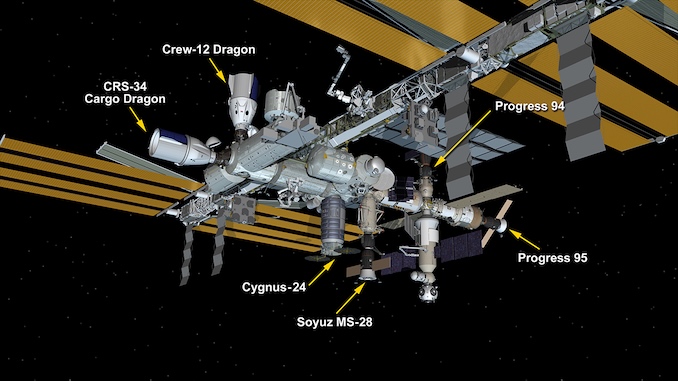
The International Space Station now hosts six spacecraft—SpaceX CRS‑34, Crew‑12, Northrop Grumman Cygnus XL, Soyuz MS‑28, Progress 94, and Progress 95—as of May 17, 2026. Unexpected leaks in the Russian Zvezda module prompted NASA to temporarily move the SpaceX Crew‑12 crew and astronaut Chris Williams into the Dragon Freedom capsule, but the plan was cancelled after Roscosmos chose to conduct measurements instead. The crew confirmed the Harmony hatch was closed and that Dragon was ready for ground communications, while NASA highlighted its ability to add makeshift seats for emergencies. This episode underscores the ongoing maintenance challenges on the ISS and NASA’s collaborative approach with Roscosmos.
Analyst Projects Massive Subscription Growth for Starlink Ahead of Imminent SpaceX IPO
Original Publication Date: 2026-06-05 18:16
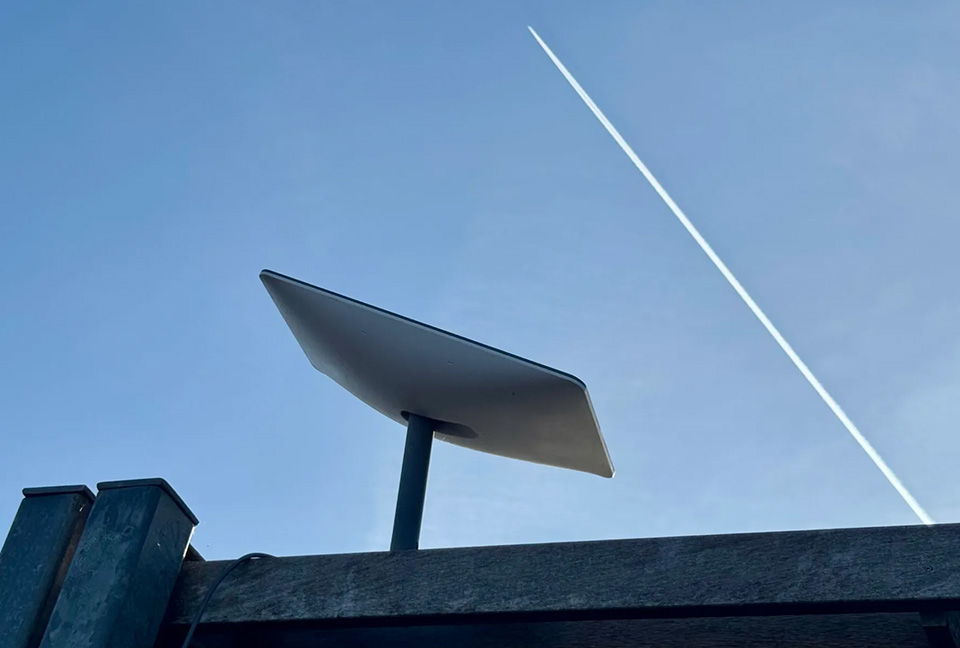
Professor Tim Farrar of TMF Associates released a comprehensive analysis of Starlink’s consumer business prospects on June 5, 2026. The report examines market trends, adoption rates, and the company’s competitive positioning in the satellite‑internet sector. It highlights growth opportunities in underserved regions while noting regulatory and infrastructure challenges. Starlink’s future consumer strategy will hinge on expanding coverage and refining pricing models to stay ahead of rivals.
NASA Concludes Antenna Mishap Investigation, Releases Report
Original Publication Date: 2026-06-05 17:00
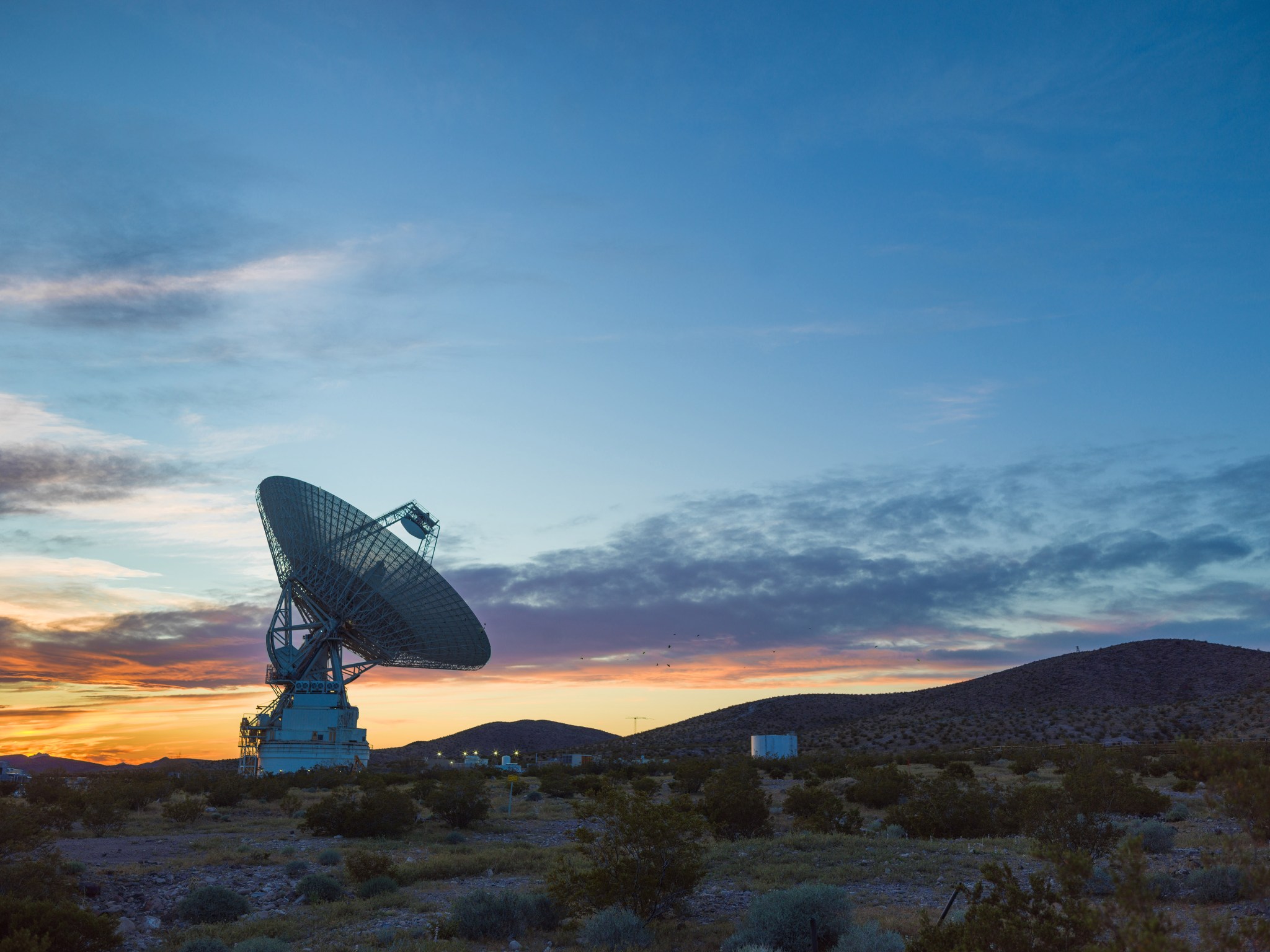
NASA has finished investigating a 2025 mishap that caused the Deep Space Station 14 antenna at Goldstone to over‑rotate, flood the facility, and damage critical systems. The board found software glitches, human error, and a disabled hydraulic limit system as root causes, and highlighted cultural pressure to work quickly as a contributing factor. Repairs are estimated at $4.1–$4.6 million and will keep DSS‑14 offline through an extended maintenance period ending in October 2028 while the agency upgrades the entire Deep Space Network. Despite the outage, the network’s remaining 13 antennas continue to support more than 40 missions, ensuring uninterrupted coverage for NASA’s current and future exploration goals.
After New Glenn anomaly, Blue Origin keeps focus on upcoming Blue Moon and Mars missions
Original Publication Date: 2026-06-06 00:22

Blue Origin’s New Glenn rocket suffered a hotfire anomaly at Launch Complex 36 in late May, but the company is racing to return it to flight by year’s end to keep its lunar and Mars plans on schedule. The damaged vehicle remains slated to launch the Blue Moon Mark 1 lander for NASA’s first Moon Base mission, carrying payloads such as SCALPSS and a retroreflective array to the lunar south pole, while the larger Mark 2 crewed lander is being prepared for Artemis III and future crewed missions.
AstroForge Completes its DeepSpace-2 Spacecraft
Original Publication Date: 2026-06-05 12:28
AstroForge has finished building its DeepSpace‑2 asteroid‑rendezvous spacecraft, slated to launch on a SpaceX Falcon 9 before year‑end alongside Intuitive Machines’ lunar lander. The 200‑kg craft, twice the size of the ill‑fated Odin, features redundant solar arrays, a Hall‑effect propulsion system, and a high‑resolution camera to map an asteroid’s mineral composition. CEO Matt Gialich says the odds of success have jumped from an initial 30 % to a confident 70‑80 %, thanks to a larger team and longer development time. With these improvements, AstroForge is poised to prove its capability and pave the way for future asteroid‑mining missions.
Going supersonic! NASA's X-59 jet breaks sound barrier for the 1st time
Original Publication Date: 2026-06-05 22:31
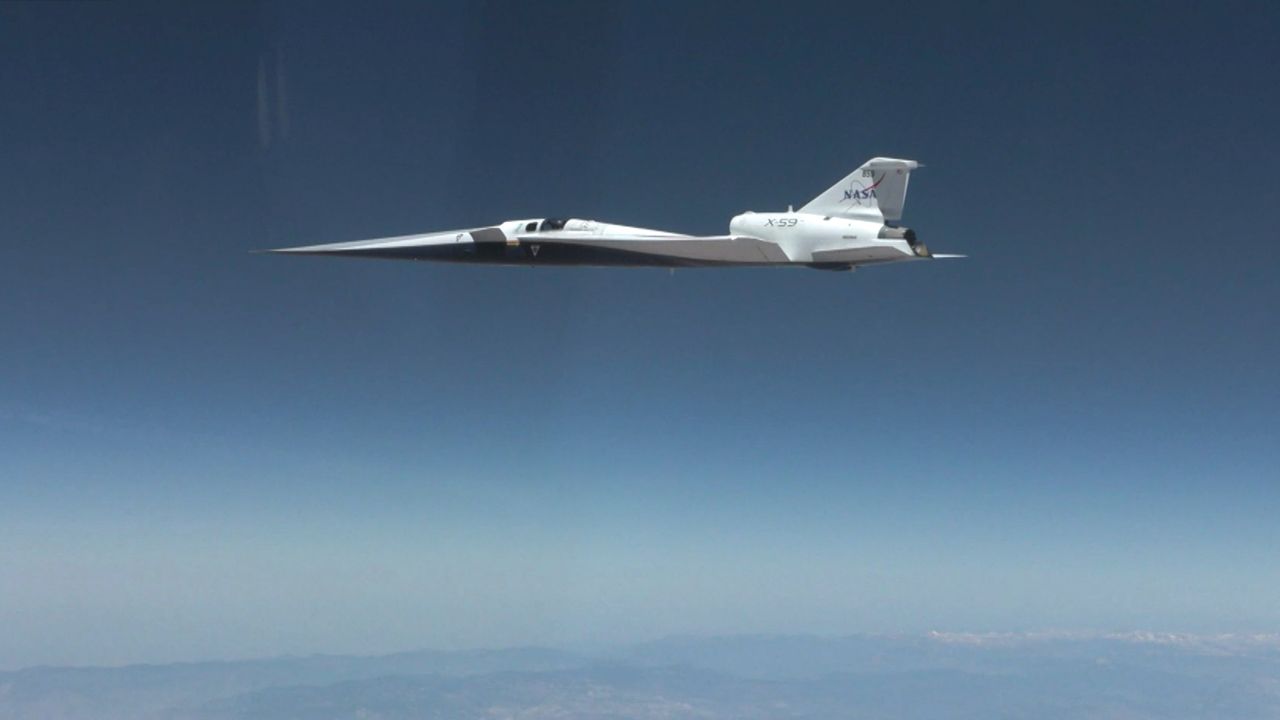
On June 5, NASA’s X‑59 quiet‑supersonic demonstrator shattered the sound barrier at Edwards Air Force Base, reaching Mach 1.077—about 713 miles per hour—during an 81‑minute test flight.
Scientists find wind blowing from our Milky Way's black hole after half-century search: 'There it is'
Original Publication Date: 2026-06-05 20:00
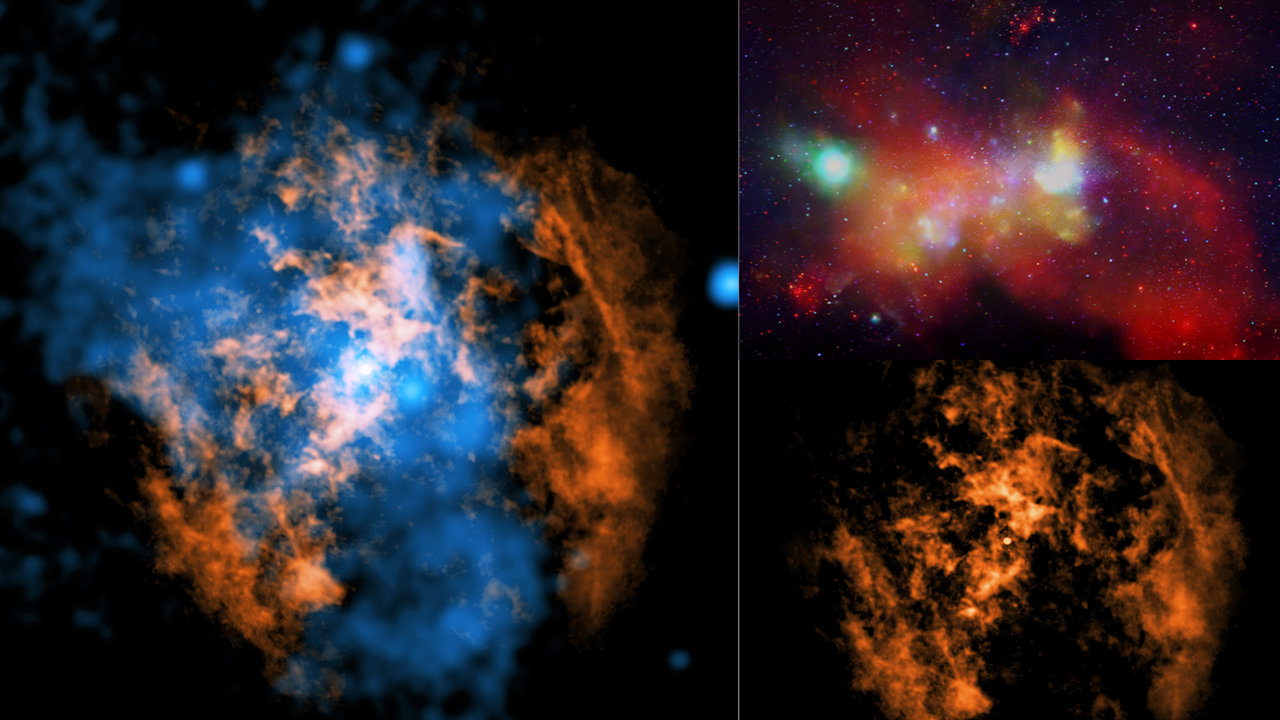
After a half‑century hunt, astronomers have finally spotted evidence of powerful winds blowing from Sagittarius A*, the supermassive black hole at the Milky Way’s core. Using five years of deep data from Chile’s ALMA radio array and NASA’s Chandra X‑ray telescope, the team identified a three‑light‑year‑long conical cavity carved out of cold molecular gas. The size and energy of the cavity rule out stellar winds, pointing instead to the black hole’s own outflow as the culprit.
Astronauts on International Space Station take shelter in SpaceX Dragon as cosmonauts try to fix air leak
Also covered by: SpaceNews
Original Publication Date: 2026-06-05 15:30
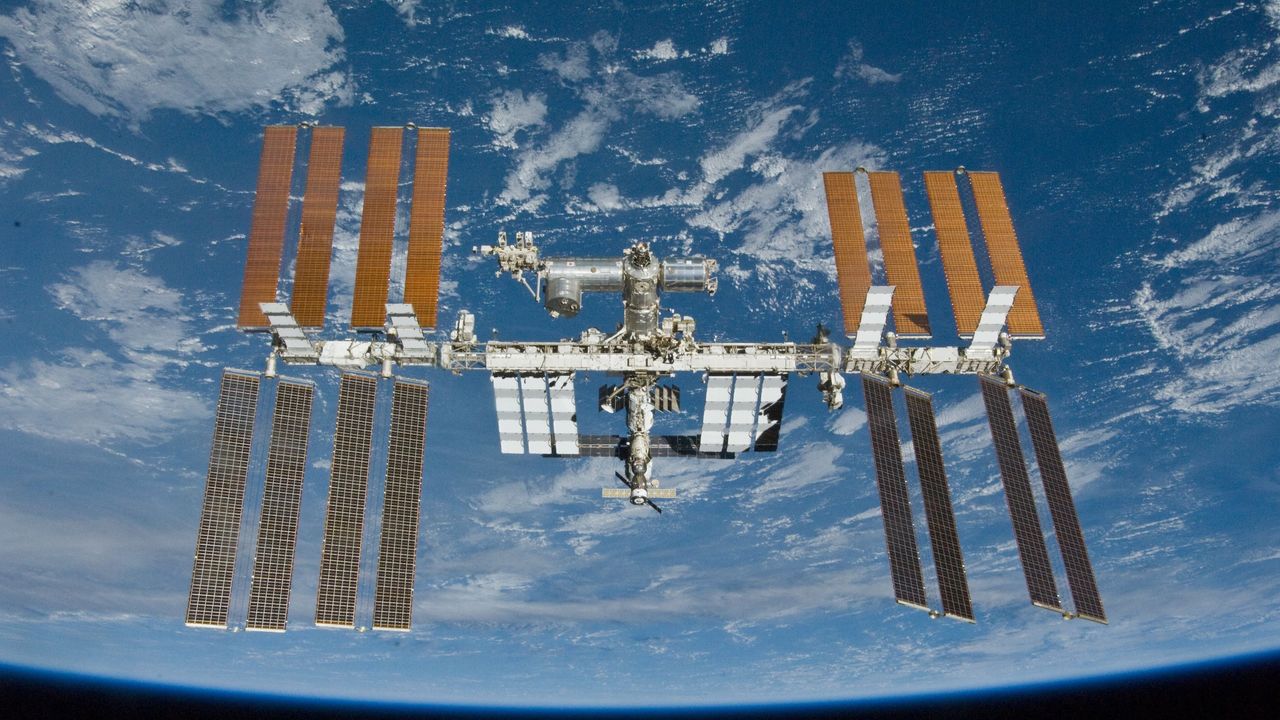
On June 5, NASA ordered the Crew‑12 astronauts and Chris Williams to shelter inside the attached Crew‑Dragon while Russian cosmonauts attempted to repair a long‑standing air leak in the PrK vestibule of the ISS’s Zvezda module. The leak, caused by small cracks that have plagued the station for years, was monitored and posed no immediate threat; after new measurements were taken the repair effort was halted.
$1.77 trillion! SpaceX is about to become the 7th-most valuable American company
Original Publication Date: 2026-06-05 13:00
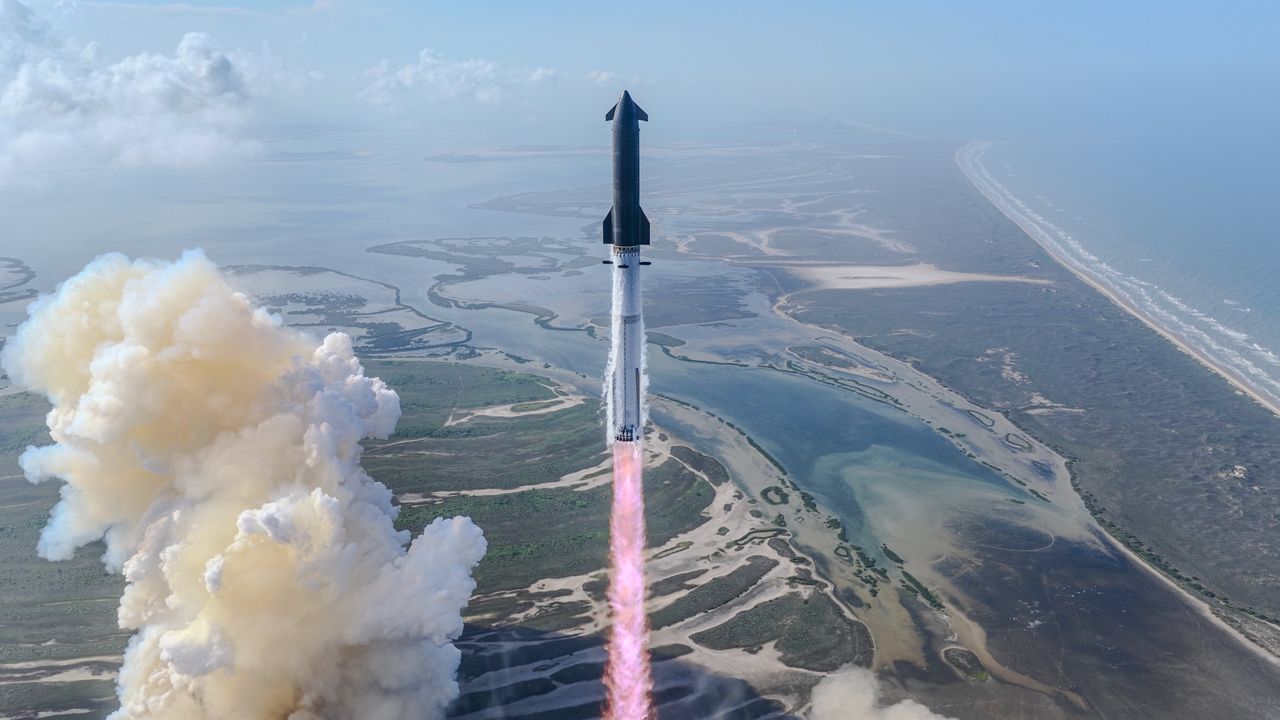
SpaceX is set to go public on June 12, offering shares at $135 each, a valuation that would put the company at $1.77 trillion and make it the seventh‑most valuable U.S. Firm. The IPO would raise $75 billion, shattering the previous record of $21.8 billion and providing a huge cash infusion for future projects.
Interstellar comet 3I/ATLAS is blasting out a bunch of methane. Here's why that's weird
Original Publication Date: 2026-06-05 10:00

The James Webb Space Telescope has, for the first time, detected methane erupting from interstellar comet 3I/ATLAS after it passed perihelion, revealing a composition unlike any comet in our solar system. The comet shows unusually high ratios of methane and carbon dioxide relative to water, suggesting it formed in a colder, older star system. JWST’s observations also noted a sharp drop in water vapor as the comet moved beyond the snow line, while carbon dioxide and nickel vapor remained abundant. These findings hint that 3I/ATLAS experienced deep heating before ejection, leaving methane buried until the Sun’s heat reached it.
Rocket Report: Blue Origin explosion still making headlines; Impulse raises money
Original Publication Date: 2026-06-05 14:20
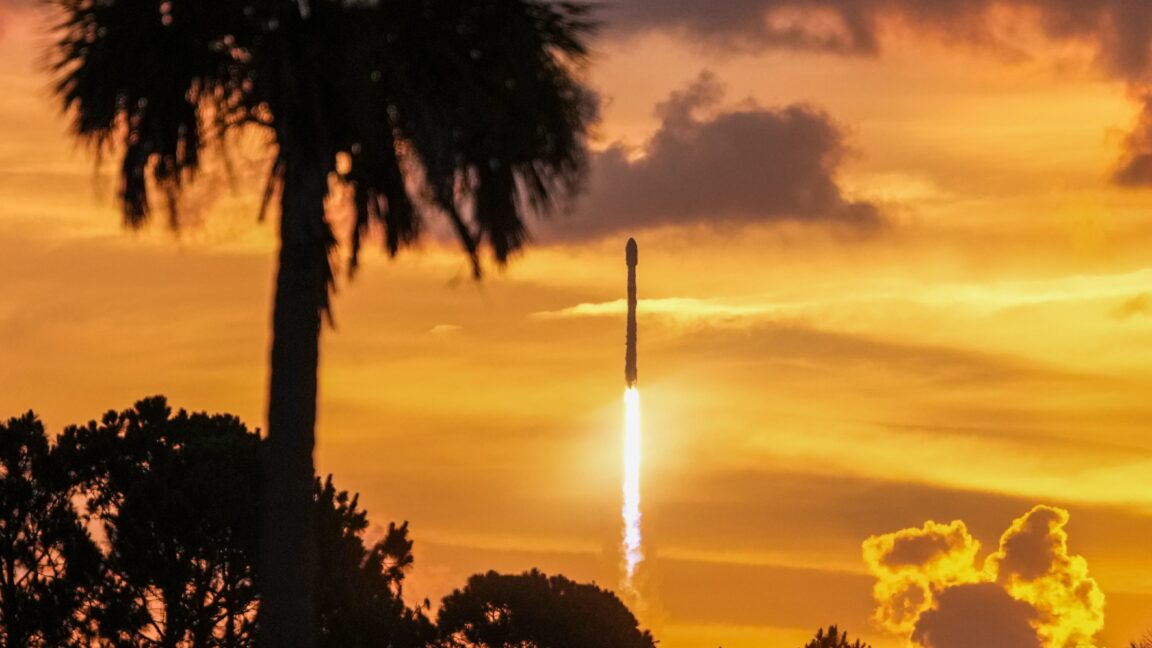
Blue Origin’s New Glenn exploded on its Florida launch pad, putting the heavy‑lift rocket on hold and raising doubts about the company’s goal to resume launches by year‑end. With New Glenn grounded, founder Jeff Bezos may turn to SpaceX to launch his Blue Moon lander to the lunar south pole, a move NASA appears to be encouraging.
Safety officials finally have a good idea of what a big rocket explosion can do
Original Publication Date: 2026-06-05 13:55
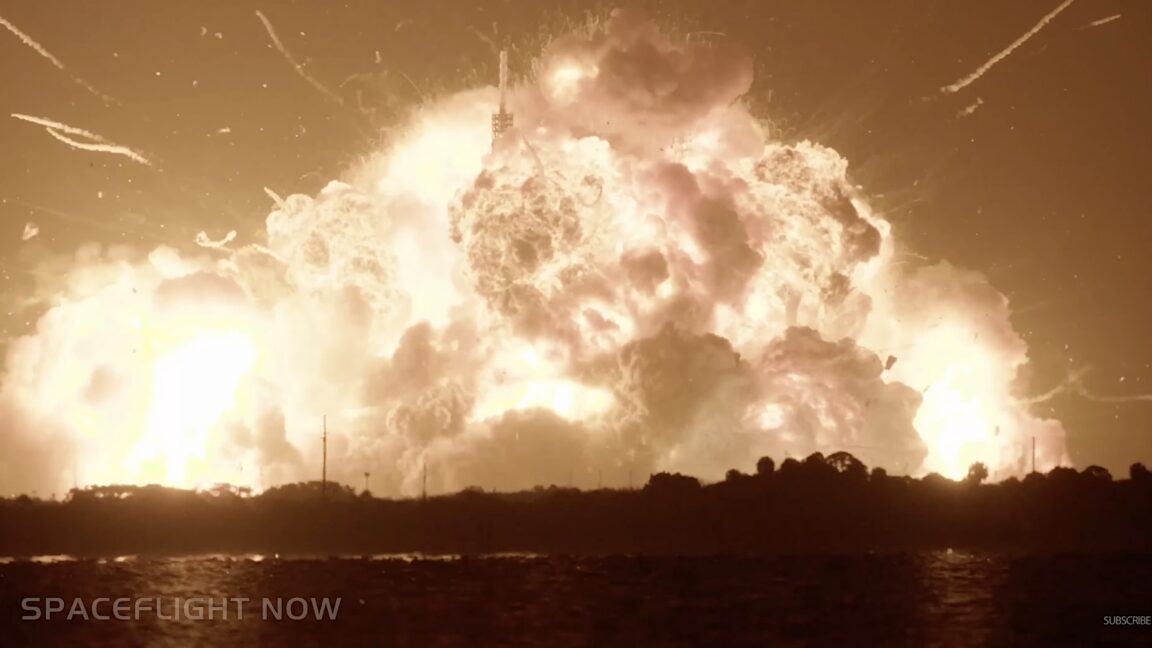
Last week's explosion of Blue Origin’s New Glenn rocket at Cape Canaveral was a setback for the company and NASA, but it provided a hard‑won lesson in safety for the spaceport’s future. The Florida launch base is now preparing to host a surge of new missions, with SpaceX building multiple pads for its super‑heavy Starship that will operate alongside rival Blue Origin and ULA facilities. Stoke Space and Relativity Space are also developing launch sites along the same stretch of coast, all of which will use methane or liquified natural gas instead of the older kerosene, liquid hydrogen or solid fuels. While the switch to methane offers clear technical advantages, the recent blast highlighted how little real‑world data exists on the damage a fully loaded methane‑powered rocket could inflict if it were to explode on the pad or shortly after liftoff.