 Spotify
 Apple Podcasts
 Podcast Addict
 Overcast
 Podcast RSS
Skyroot Aerospace reaches orbit on first Vikram-1 launch
Original Publication Date: 2026-07-18 08:03
Skyroot Aerospace’s Vikram‑1 rocket lifted off at 2:35 a.m. Eastern on July 18, becoming the first commercial Indian rocket to reach orbit. Despite a 35‑minute countdown delay, the three‑stage solid‑fuel launch vehicle performed as expected, placing its liquid‑propellant kick stage into a 450‑kilometer low‑Earth orbit 15 minutes after liftoff. The mission, dubbed Aagaman, carried two cubesats from Skyroot and Grahaa Space, along with payloads from other Indian startups and even postcards signed by Prime Minister Narendra Modi. With $60 million in funding and plans for additional test flights, Skyroot is poised to expand its payload capacity and advance India’s growing commercial space sector.
NASA terminates Draper lunar lander mission
Original Publication Date: 2026-07-18 00:00
NASA and Draper have cancelled the CP‑12 lunar lander mission after repeated delays, ending a $73 million task order that had already seen $43 million paid. The decision comes after redesigns and engine changes pushed the launch window from 2025 to a projected 2030‑31 landing. Ispace‑U.S., the subcontractor that merged its designs into a single Ultra lander, will now seek future CLPS contracts while NASA looks to other landers for the far‑side payloads. The agency remains committed to delivering the science instruments to the Moon through upcoming Artemis‑era missions.
Serbia signs the Artemis Accords
Original Publication Date: 2026-07-17 10:15
Serbia has become the 69th country to sign the U.S.-led Artemis Accords, a July 16 ceremony at NASA Headquarters saw Foreign Minister Marko Đurić pledge the nation’s commitment to space exploration best practices. The Accords, which outline rules for deconfliction and data sharing, mark Serbia’s 10th signatory in 2026 and follow its earlier 2024 entry into China’s International Lunar Research Station. Both Đurić and NASA Deputy Administrator Matt Anderson highlighted Serbia’s historic Apollo ties, noting the contributions of Serbian engineers and the “Serbian Seven.” By joining both the Artemis Accords and the ILRS, Serbia demonstrates a dual‑aligned approach to future lunar missions.
NASA Pushes New Wing Design to Find Structural Limits
Original Publication Date: 2026-07-17 23:08
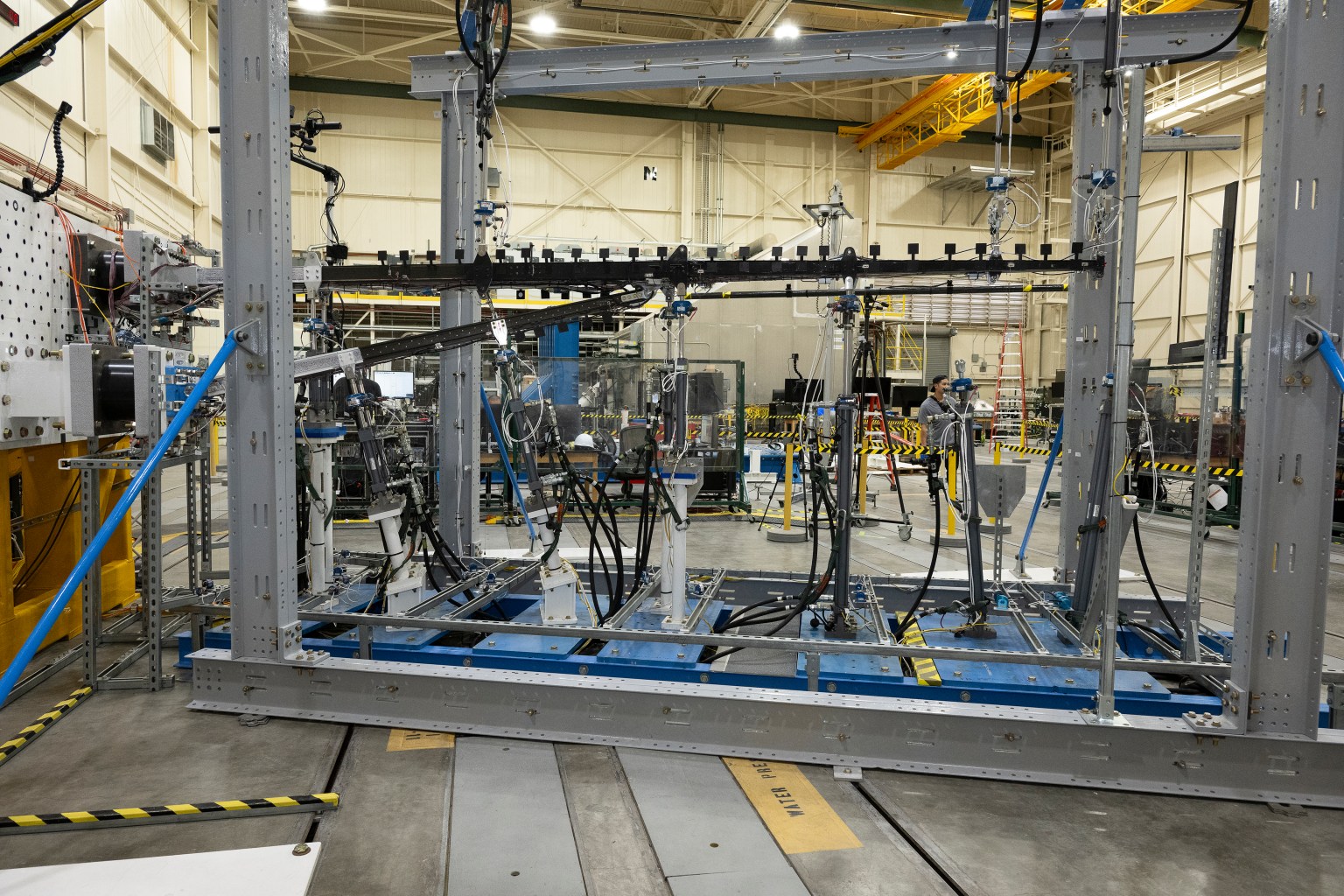
NASA’s Armstrong Flight Research Center just completed a rigorous test of a 15‑foot truss‑braced wing, SWEET‑15, designed to push the limits of lightweight composite structures. Engineers bent the wing beyond its intended design load, and it held up to 127 % of the expected forces before failing in a predictable manner near the back edge, confirming computer models and manufacturing techniques. The data will guide future ultra‑efficient commercial airliners by showing how truss‑braced wings can save fuel while maintaining structural integrity.
Establishing a VTE Risk Score for Astronauts Algorithm
Original Publication Date: 2026-07-17 21:01
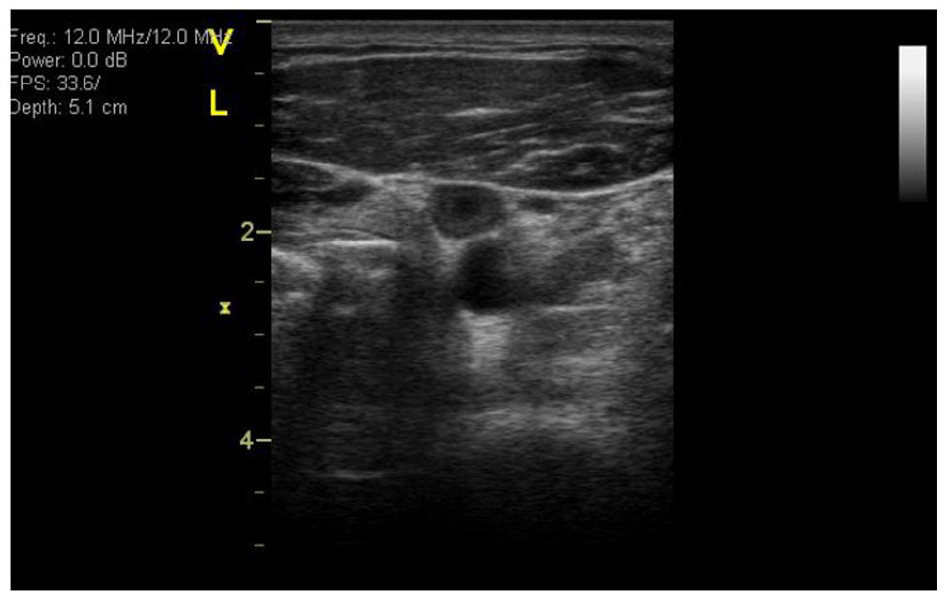
NASA’s Office of the Chief Health and Medical Officer convened a working group in April 2026 to reassess the risk of venous thromboembolism (VTE) in astronauts after new data showed altered blood flow and documented cases on the ISS. The panel concluded that stasis in the left internal jugular vein is a dominant risk factor and urged better in‑flight ultrasound assessment, recommending prophylaxis for stasis alone or combined with other thrombosis risk factors.
NASA Awards Facilities Support Services Contract for Ames Research Center
Original Publication Date: 2026-07-17 20:34
NASA has awarded Chugach Intelligence Solutions LLC a five‑year contract to handle operations, maintenance and repair for the Ames Research Center in California’s Silicon Valley. The hybrid agreement includes a 12‑month base period, four 12‑month options, and a possible six‑month extension, with a total potential value of about $158 million. The deal blends cost‑plus‑award‑fee and firm‑fixed‑price terms with indefinite‑delivery/indefinite‑quantity task orders, giving the agency flexibility to meet routine and emergent facility needs. Contact Jeanne Neal at the Ames Research Center for more information.
Beyond Reach Labs Raises $10M Seed, Moves to NYC
Original Publication Date: 2026-07-17 13:00
Beyond Reach Labs, a 2023-founded startup, raised $10 million in a seed round led by Interlagos and joined by TerraForge Capital, Off‑Piste Capital, Y Combinator, and Augur VC to meet a surge of demand for its deployable solar arrays. The company’s patented system can stretch 100 meters while flat‑packing into a launch fairing, solving size‑weight‑power constraints that limit larger spacecraft. With flight‑qualification slated for the end of the year, Beyond Reach already holds $342.6 million in letters of intent and has opened a 16,000‑sq‑ft Brooklyn facility to scale production to 10+ units daily by 2027. Looking ahead, the firm plans to expand beyond power into radiators, structures, and other large‑scale space infrastructure, positioning itself as a key architect for next‑generation orbital systems.
NASA Selects Starlink for Artemis III Mission
Original Publication Date: 2026-07-17 12:50

NASA has awarded SpaceX a contract to add Starlink laser communications to the Artemis III mission, enabling higher‑resolution Earth‑bound feeds of the 2027 ship‑to‑ship transfer in low Earth orbit. Two mini laser terminals will be mounted on Orion to supplement the existing system, delivering 4K imagery and video to Mission Control in Houston via crosslink technology that lets data hop between satellites. This move marks NASA’s shift from its own Tracking and Data Relay Satellite system toward commercial laser relays, building on prior demonstrations like Artemis II and SpaceX’s Fram2 polar‑orbit flight.
ISU Founder Shares a Vision Beyond Liquidation
Original Publication Date: 2026-07-17 05:59

French courts liquidated the International Space University’s Strasbourg campus last week, leaving dozens of students scrambling as their degrees and legal status in France hang in the balance. The move follows decades of financial strain, with ISU’s founder admitting the campus model was unsustainable and heavily reliant on government funding. While the global ISU organization remains intact and plans to revamp its business model, it will pivot to a more diversified, globally dispersed network and new online programs to secure future stability. The liquidation has sparked a broader conversation about how space education must evolve to match the commercial realities of the industry.
These 'metallic' dunes on Mars look like sci-fi. What are they really?
Original Publication Date: 2026-07-17 21:00

ESA’s Mars Express has released images of a sprawling field of dunes inside Kaiser Crater that look like molten metal but are actually basaltic sand coated with seasonal dry‑ice, giving them a chrome‑like sheen. The dunes, up to 100 meters high and stretching for kilometers, show how powerful Martian winds have been over billions of years, hinting at a thicker atmosphere in the planet’s past.
Earth's largest particle accelerator opens new window into the early universe just after the Big Bang: 'A culmination of a decades-long quest'
Original Publication Date: 2026-07-17 17:00

Scientists at CERN’s Large Hadron Collider have, after more than two decades, finally captured the elusive diffusion wake in quark‑gluon plasma—a hot, dense soup that filled the cosmos moments after the Big Bang. By smashing lead nuclei to create back‑to‑back jets, the team could cleanly isolate the wake’s signature—a deficit of particles trailing the jets—that had previously been hidden in noise. This breakthrough opens a new window on the properties and dynamics of the early universe, offering a precision probe into the universe’s first microseconds. The findings, published in Physical Review Letters, mark a milestone in particle physics and cosmology.
'The dawn of a new space era': Vikram-1, India's 1st private orbital rocket, aces debut launch
Original Publication Date: 2026-07-17 16:00
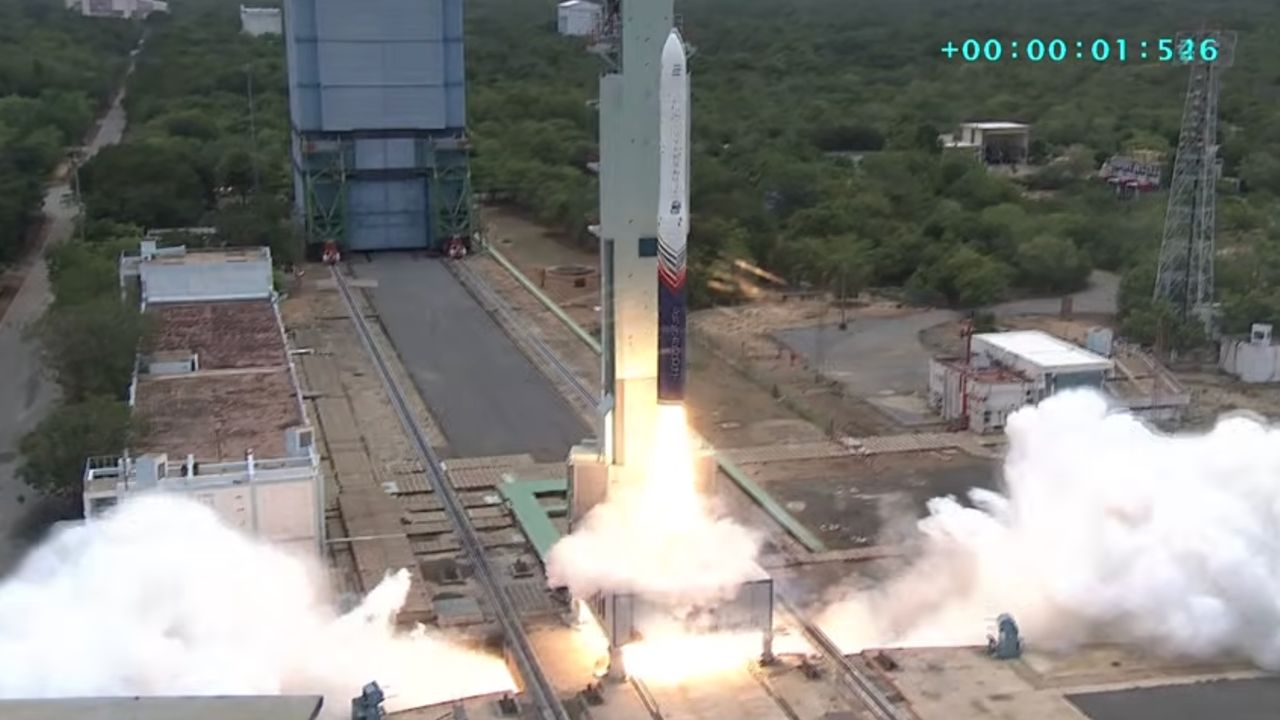
Skyroot Aerospace’s Vikram‑1 rocket lifted off from Sriharikota on July 18, marking India’s first private orbital launch and making the country the third nation—after the U.S. And China—to achieve such capability. The four‑stage, 7‑story vehicle carried a mix of customer payloads, including a German tech demo, an Indian nanosatellite, and a robotic arm designed to capture space debris, all of which were deployed successfully at 280 miles altitude. Mission control declared the “Aagaman” flight a grand success just 17 minutes after liftoff, confirming the rocket’s performance and payload deployment. This milestone heralds a new era for India’s domestic space industry and signals growing opportunities in the small‑satellite launch market.
'The Starry Night' in space: Dark Energy Camera channels a cosmic Van Gogh (video)
Original Publication Date: 2026-07-17 15:00
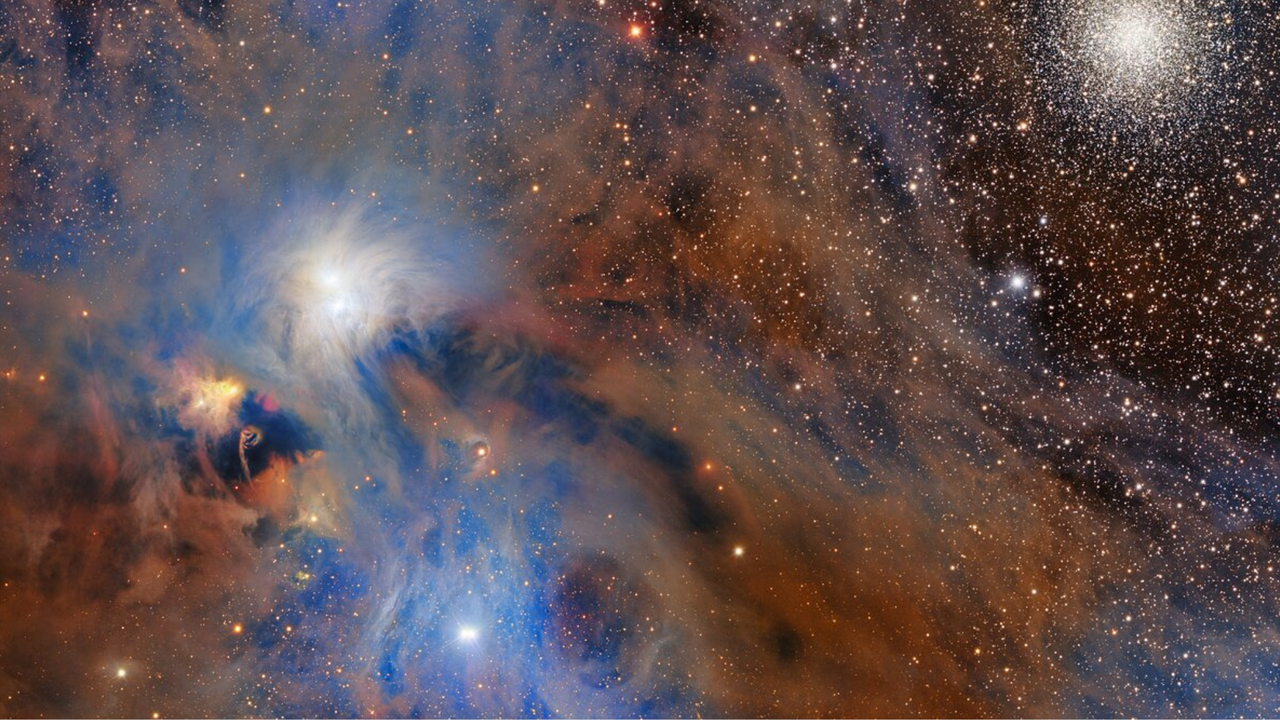
The Dark Energy Camera has captured a striking image of the Corona Australis Molecular Cloud that resembles a cosmic rendition of Van Gogh’s “Starry Night.” The 16‑light‑year‑wide cloud, just 430 light‑years from Earth, is a nearby nursery where newborn stars illuminate surrounding dust and gas.