 Spotify
 Apple Podcasts
 Podcast Addict
 Overcast
 Podcast RSS
FCC approves first Reflect Orbital satellite
Original Publication Date: 2026-07-11 00:29
The FCC has approved Reflect Orbital’s Eärendil‑1 satellite, which will test a thin‑film reflector that can beam sunlight to the ground from low Earth orbit. The 142‑kilogram craft will launch later this year, deploying an 18‑meter square mirror at 600‑650 km altitude to illuminate specific areas for minutes at a time. Astronomers and environmentalists warn that a constellation of thousands of such reflectors could disrupt ecosystems and flood telescopes with unwanted light, with the ESO predicting a three‑ to four‑fold increase in sky brightness. The FCC said the potential impacts fall outside its jurisdiction, approved the launch as a public‑interest innovation, and pledged to work with NASA, the NSF, and the astronomical community to address concerns.
Earth observation satellites pass telecom in European space industry sales
Original Publication Date: 2026-07-10 18:12
Eurospace’s latest Facts and Figures report, released July 7, reveals that European space industry sales rebounded in 2025 after a contraction in 2024. The recovery is driven by a surge in Earth‑observation satellite contracts, which now outpace telecom‑related sales. Total industry revenue climbed significantly, marking a sharp turnaround from the previous year’s downturn. This shift underscores a growing demand for Earth‑observation services across Europe.
China unveils members of state-backed commercial space consortium
Original Publication Date: 2026-07-10 17:07
China has released the membership roster of its national commercial space consortium, giving a rare look at which firms the government deems key players in the sector. The list includes major state‑owned and private companies, underscoring the growing importance of commercial space activities in Beijing’s space strategy. Industry observers say the move signals a tightening of oversight and a push to accelerate China’s ambitions in satellite launches and space exploration.
The space industry is weighing ambitious hiring against heritage
Original Publication Date: 2026-07-10 14:05
Young space startups are attracting record funding, with companies like Orbital and Cowboy Space raising millions and even reaching multi‑billion valuations, despite having little or no launch heritage. Investors are betting on talent from legacy firms and on innovative payloads, while the shortage of proven launch vehicles has pushed capital into unproven rockets such as Stoke Space and Isar Aerospace. Although the sector faces concerns of a potential hype bubble, some newcomers have already secured high‑profile contracts with the U.S. Department of Defense and other government customers. The rapid influx of money is reshaping the industry, challenging established players while accelerating the development of new space technologies.
Startup testing nuclear battery technology in orbit
Original Publication Date: 2026-07-10 13:00
City Labs, a Florida startup, has just launched the first commercial demonstration of a nuclear‑powered satellite, riding aboard SpaceX’s Transporter‑17 with its BOHR cubesat. The mission tests a betavoltaic tritium power system that could provide steady electricity without sunlight, opening possibilities for long‑duration deep‑space or lunar shadowed‑region missions. While the satellite’s main bus still uses solar panels, the NanoTritium payload showcases a low‑radiation, low‑power nuclear source that could keep sensors running for years. Funded in part by NASA and Pentagon contracts, this launch marks a significant step toward commercial nuclear micro‑power for future space exploration.
SpaceX launches 24 Starlink satellites on Falcon 9 rocket from Vandenberg SFB
Also covered by: Space.com
Original Publication Date: 2026-07-10 20:59
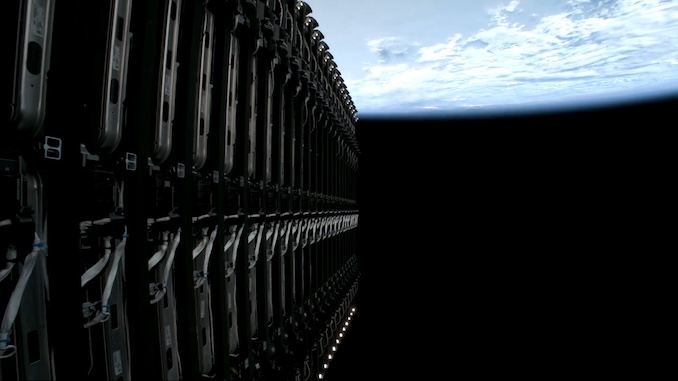
SpaceX launched 24 new Starlink V2 Mini satellites from Vandenberg Space Force Base on Friday night, a deployment that brought the company’s constellation to more than 10,700 spacecraft. The Falcon 9 booster B1071, on its 35th flight, lifted off at 8:01 p.m. PDT and followed a south‑southwesterly trajectory before successfully landing on the drone ship “Of Course I Still Love You” in the Pacific. The mission, which carried a total of 29 Starlink satellites, continues to expand SpaceX’s global broadband coverage.
ITU Rejects Globalstar Extension Request for French-Licensed HIBLEO Fleet
Original Publication Date: 2026-07-10 18:14
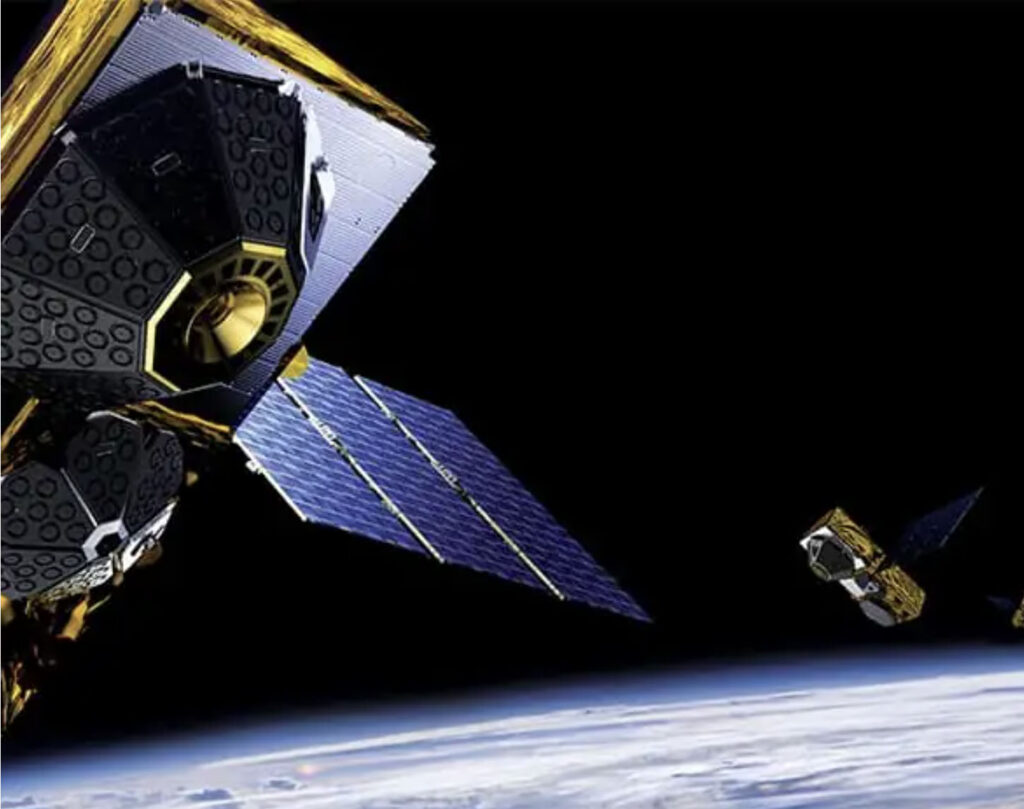
On Friday, July 10, 2026, the International Telecommunication Union’s Radio Regulations Board rejected Globalstar Inc.'s request for a regulatory extension, citing the need to maintain orderly spectrum allocation.
Early Career Faculty (ECF) 2025 Awards
Original Publication Date: 2026-07-10 19:23
Scientists are gearing up for the next generation of moonwalk simulations, even testing procedures underwater to mimic lunar conditions. At universities across the country, researchers are developing cutting‑edge diagnostics—such as resonance‑enhanced multi‑photon ionization, ultrafast laser spectroscopy, and multiplexed polarization techniques—to accurately model the extreme heat and flow conditions spacecraft will face during atmospheric entry. Meanwhile, teams at Georgia Tech, Penn State, and the University of Houston are building machine‑learning‑driven navigation systems that promise real‑time, physics‑informed autonomous guidance for future missions. Together, these efforts are pushing the boundaries of both human exploration and autonomous spaceflight technology.
NASA Volunteers Help Zooniverse Reach 1 Billion Classifications
Original Publication Date: 2026-07-10 19:00

Zooniverse, the world’s largest people‑powered research platform, has hit a landmark of 1 billion classifications from volunteers worldwide, marking a collective leap in our understanding of the universe. Since 2020, 31 NASA‑sponsored projects hosted on the site—ranging from Planet Hunters TESS to Snapshot Wisconsin—have generated 120 million classifications by 324 000 participants. These efforts have produced 96 scientific papers, 56 of which credit NASA citizen scientists as co‑authors, underscoring the tangible impact of public participation. As NASA prepares for data‑rich missions like the Nancy Grace Roman Space Telescope, the synergy of human curiosity and advanced computing will be more crucial than ever.
NASA Photographer Captures Images from F-18 Over Washington
Original Publication Date: 2026-07-10 16:36

NASA photographer Jim Ross captured a historic July 4 flyover over Washington, D.C., as part of the Freedom 250 celebration marking America’s 250th birthday. The F‑18, flown by Ross from NASA’s Armstrong Flight Research Center, joined a fleet of NASA and military aircraft in a display that honored the nation’s aviation heritage.
Waxing Gibbous Moon
Original Publication Date: 2026-07-10 15:08
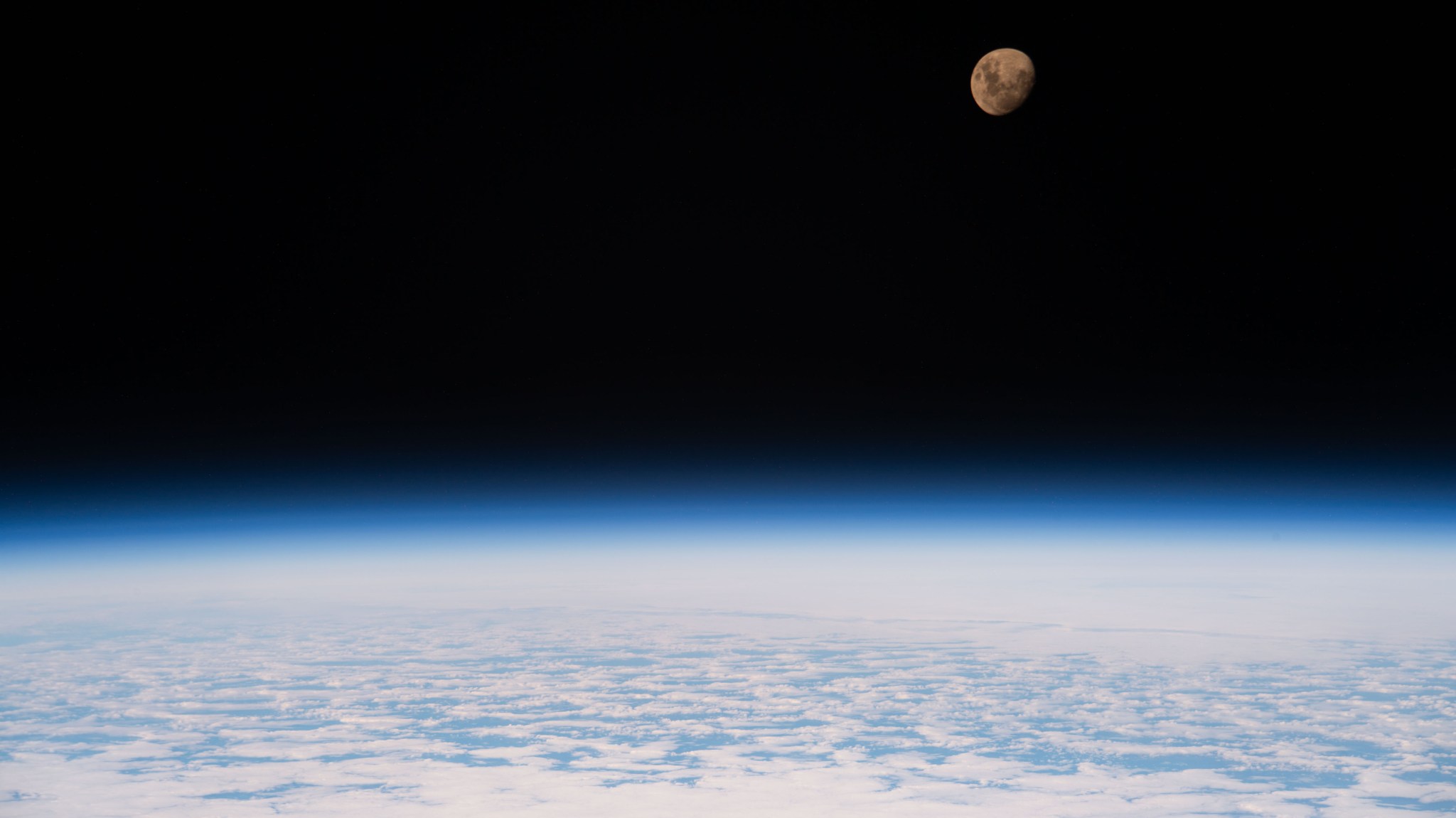
NASA captured a stunning image of the waxing gibbous moon from the International Space Station on June 26, 2026. At the time, the ISS was orbiting 264 miles above the Indian Ocean, southeast of Madagascar. In the waxing gibbous phase the moon is almost fully illuminated, making it appear brighter to viewers on Earth. The photo highlights the beauty of our nearest celestial neighbor.
Booster 20 completes record duration Static Fire
Original Publication Date: 2026-07-10 19:46

SpaceX’s Booster 20 just completed a record‑setting 33‑engine static fire, burning for 24 seconds after a rollout to Pad 2. The successful test fuels optimism that Starship Flight 13 could lift off as early as the July 15‑21 window, pending FAA safety approvals. Meanwhile, Starship 40 is still in Mega Bay 2 getting final touches before it rolls out to join Booster 20 for the final stack and wet‑dress rehearsal. If all checks pass, the launch could proceed next week, though a brief rollback of the booster or delays in regulatory clearance could push it into the week of July 20.
Pulse Space Lands $40M Space Force Contract to Develop Laser Tech
Original Publication Date: 2026-07-10 12:59

Pulse Space, a Washington‑based startup, has secured a $40 million contract from the U.S. Space Force to develop laser systems that can beam power between satellites and perform other orbital services.
US Government Studying Offshore Launch Opportunities
Original Publication Date: 2026-07-10 12:54
The U.S. Government has opened a request for information, asking the space community to consider using offshore sites for rocket launches and recoveries, according to the Bureau of Ocean Energy Management. The move follows a 2025 executive order from President Trump that urged agencies to support the commercial space sector amid growing launch congestion and limited access points. BOEM is exploring whether existing oil and gas platforms could be repurposed—or new structures built—to expand launch capacity, reduce constraints, and enhance national security. Comments are due by August 7, and the bureau is seeking input on technical, environmental, and legal aspects of such offshore operations.
A ravenous black hole in our backyard could be our window into the ancient universe
Original Publication Date: 2026-07-10 21:00
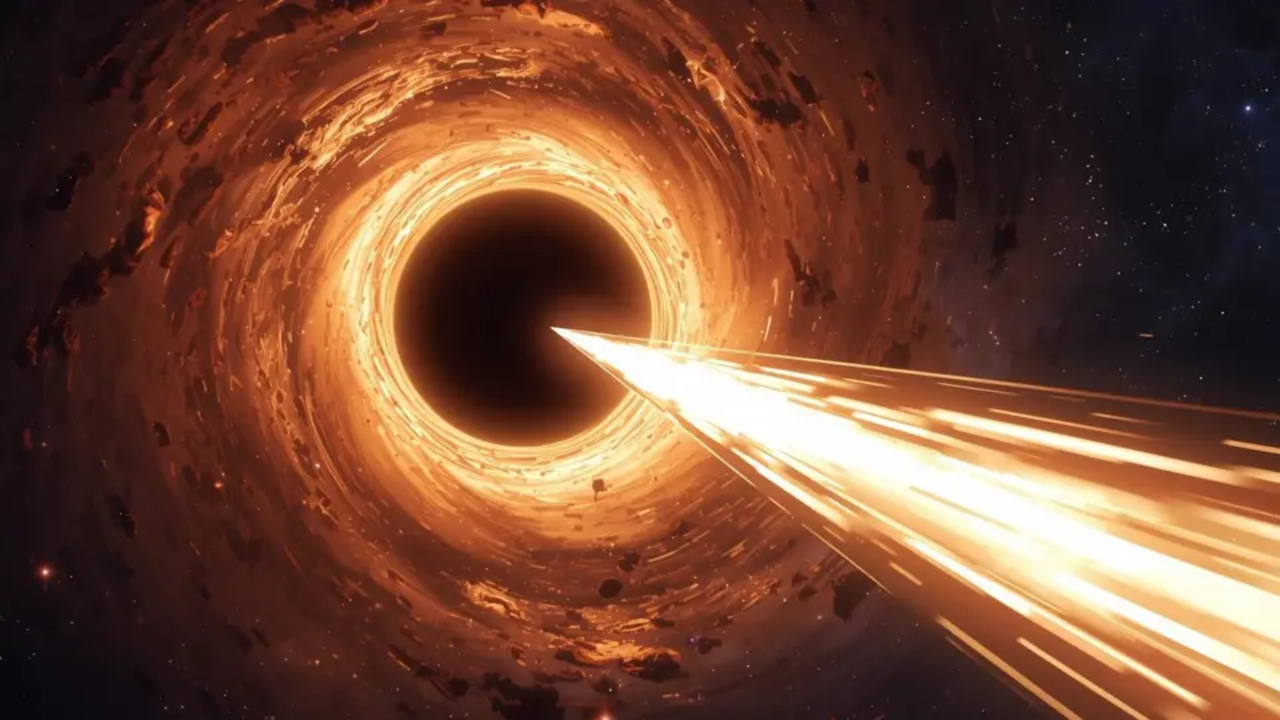
A supermassive black hole at the center of the nearby galaxy SDSS J110546.07+145202.4 is feasting on matter at a rate seen only in the earliest black holes, causing a dramatic 20‑fold surge in radio brightness that has persisted for years. Astronomers say the intense accretion and powerful plasma jets provide a rare laboratory for studying the extreme physics of the early universe. This “ravenous” black hole offers a unique window into how the first massive galaxies grew, and future radio surveys like the SKA are expected to uncover more such rapid‑brightening objects. The study, published in The Astrophysical Journal, underscores the importance of nearby cosmic giants as proxies for ancient, rapidly accreting black holes.
Launching from 2 continents: Germany's Isar Aerospace leases Canadian pad for $150 million
Original Publication Date: 2026-07-10 18:00
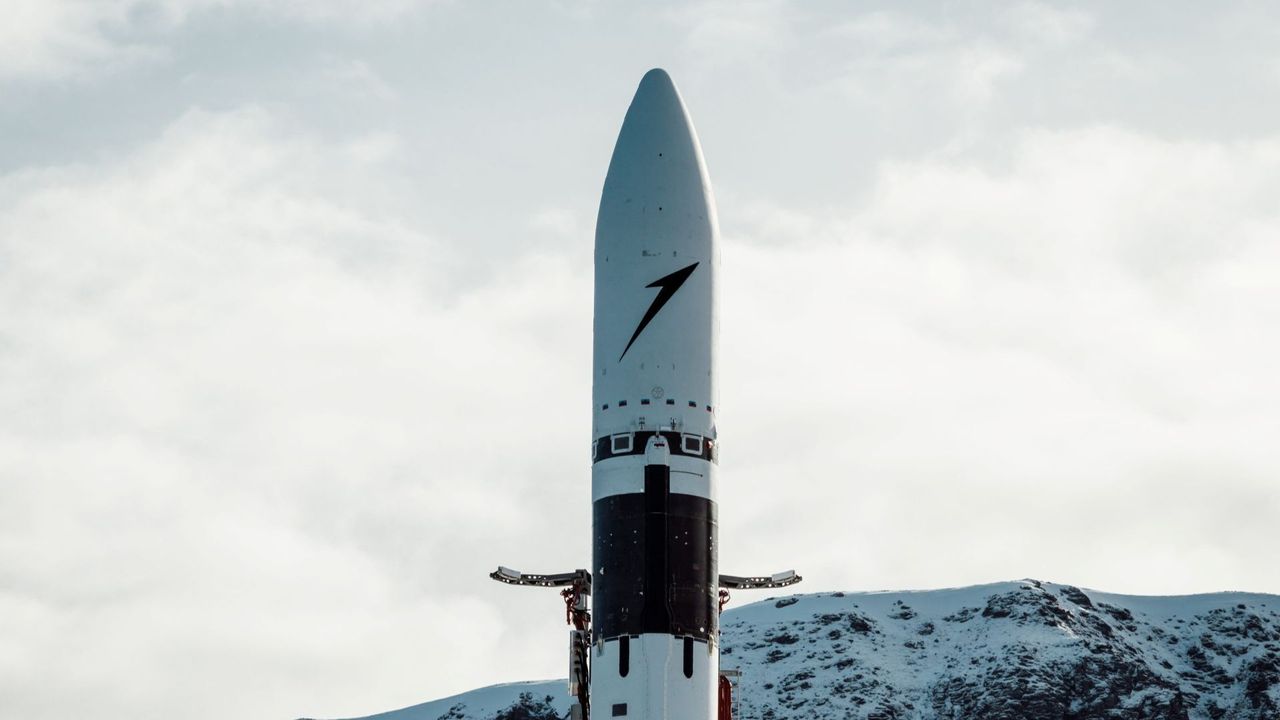
German launch company Isar Aerospace has secured a 10‑year lease of Canada’s Spaceport Nova Scotia for $150
SpaceX ignites all 33 powerful engines on Starship booster ahead of Flight 13 launch (video)
Original Publication Date: 2026-07-10 16:13
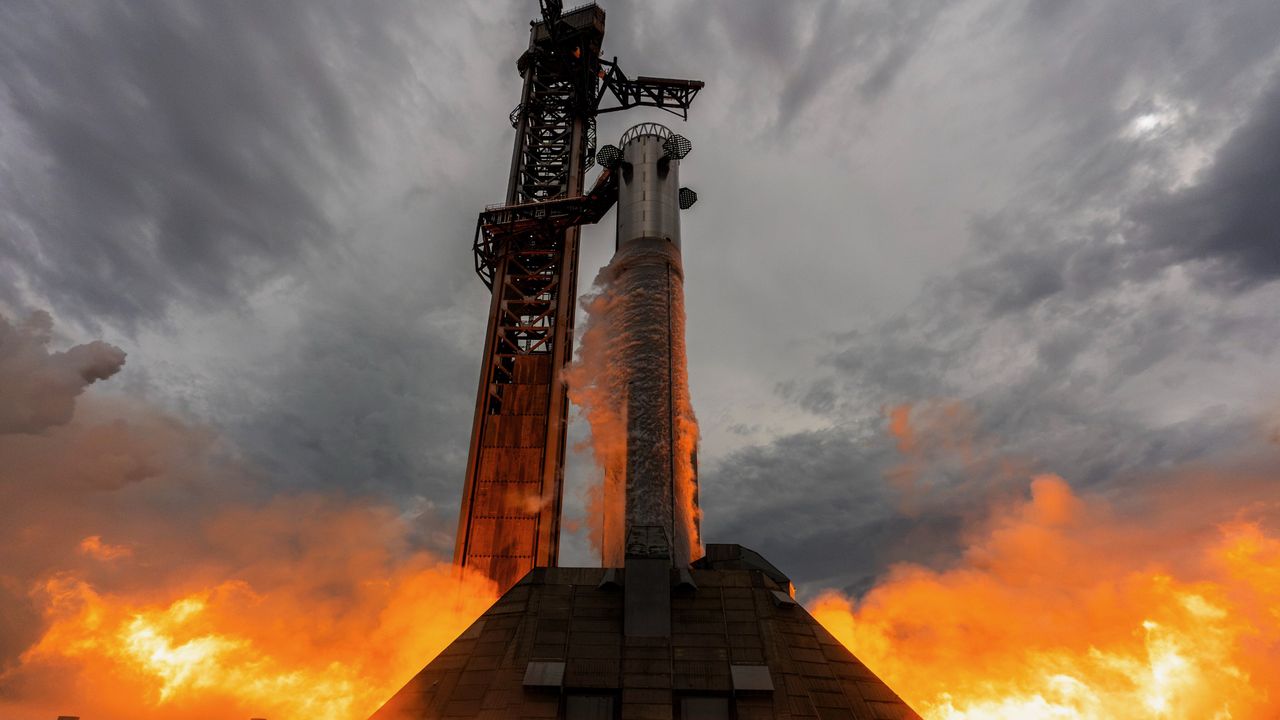
SpaceX completed a 25‑second static fire test of its new Starship Super‑Heavy booster, Booster 20, on July 10 at its Boca Chica launch pad. The V3 booster, equipped with 33 upgraded Raptor 3 engines, blasted off in a blaze of fire just before 11 a.
SpaceX launch creates colorful 'jellyfish' in the night sky | Space photo of the day for July 10, 2026
Original Publication Date: 2026-07-10 14:00
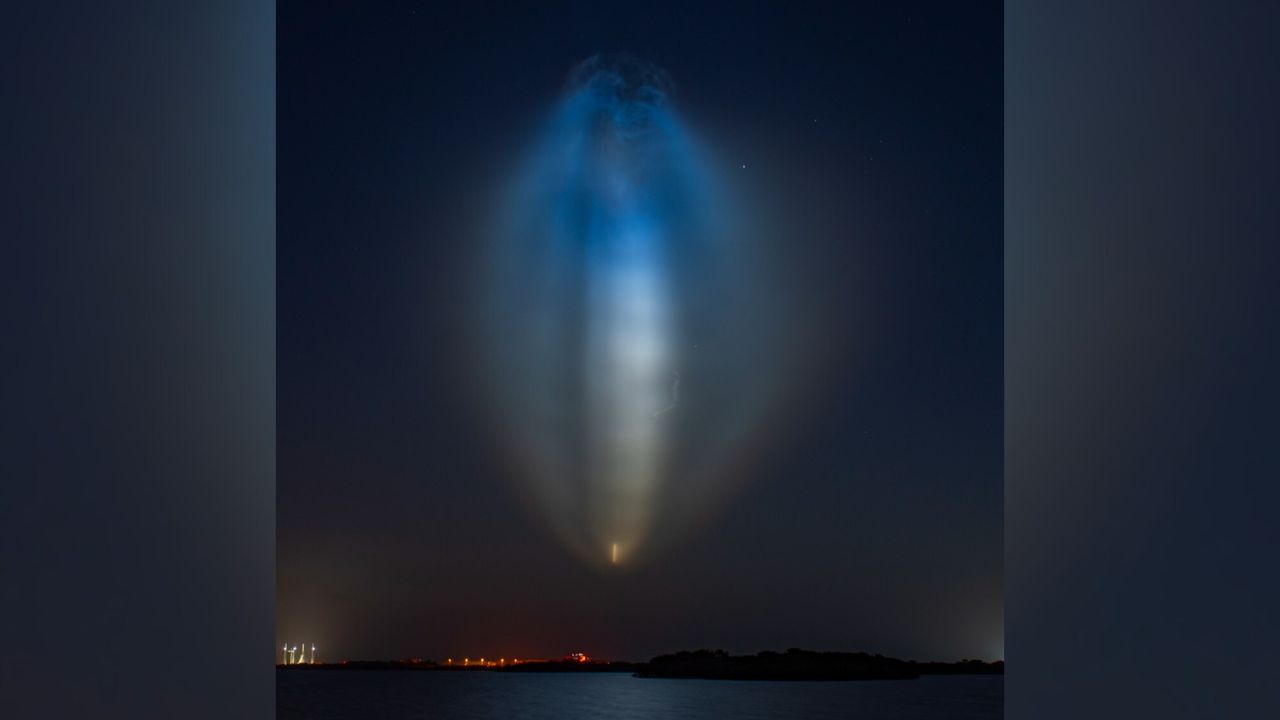
SpaceX’s 36th Falcon 9 launch from Cape Canaveral on July 9 lofted 29 Starlink satellites into orbit, painting an early‑morning sky with a glowing plume that looked like a jellyfish. The colorful cloud was actually ice crystals formed from the rocket’s water‑vapor exhaust as temperatures dropped at altitude, illuminated by dawn sunlight. While the sight sparked imagination, scientists explain it as a natural atmospheric phenomenon rather than an alien visitor. This record‑setting flight marks another milestone in SpaceX’s expanding satellite constellation.