 Spotify
 Apple Podcasts
 Podcast Addict
 Overcast
 Podcast RSS
Pegasus launches Swift reboost mission
Original Publication Date: 2026-07-03 20:55
A Northrop Grumman Pegasus XL rocket launched from a carrier aircraft at 4:36 a.m. Eastern on July 3, delivering Katalyst Space’s 425‑kilogram Link spacecraft into low‑Earth orbit after a three‑day delay. Link will spend two weeks checking itself before rendezvousing with NASA’s aging Swift gamma‑ray observatory, using its robotic arms and ion engines to raise Swift’s orbit from about 360 km to 550‑600 km. The mission, described as high‑risk but high‑reward, could extend Swift’s life and set a precedent for future reboosts of decaying telescopes such as Hubble.
Chinese satellite manufacturer Hongqing raises $191 million
Original Publication Date: 2026-07-03 13:10
Hongqing Technology, the satellite‑manufacturing arm of launch firm Landspace, has secured a record‑breaking $191 million funding round—one of the largest single raises for a Chinese commercial satellite maker. The deal underscores growing investment in China’s space industry and positions Hongqing to expand its production capacity. It was announced in Helsinki, reflecting the company’s expanding international presence. This move could accelerate China’s ambitions in satellite manufacturing and launch services.
Perovskite solar panel startup Verde Technologies shifts focus to space
Original Publication Date: 2026-07-02 19:27
Verde Technologies is pivoting its perovskite solar‑panel venture from rooftops to orbit, aiming to supply power to orbital data centers and satellite constellations. The thin‑film material promises higher efficiency and lower weight, making it attractive for space applications. By shifting focus to the space sector, Verde hopes to tap a growing market for renewable energy in the burgeoning satellite industry. This bold move marks a significant change in the company's commercial strategy.
Isar Aerospace to launch German-built Planet imaging satellite
Original Publication Date: 2026-07-02 18:20
Isar Aerospace has secured a contract with Planet Labs Germany to launch a Pelican high‑resolution imaging satellite on its Spectrum rocket, marking the first German‑built spacecraft and launch vehicle to reach orbit. The launch, scheduled for late 2026 from Norway’s Andøya Spaceport, supports Germany’s €35 billion push to build sovereign space capabilities. The agreement includes options for additional launches and underscores the growing strength of the German and European space ecosystem. However, Isar’s Spectrum vehicle has faced multiple delays, and the company is still working to resolve technical issues before a definitive launch date.
Polish space tech company Sybilla Technologies secures funds to enter U.S. market
Original Publication Date: 2026-07-02 17:38
Polish space‑tech firm Sybilla Technologies has secured roughly 35 million zloty (about $10 million) in funding. The investment comes from the state‑owned bank BGK and European venture capital firm 3TS Capital Partners. The capital will help Sybilla expand into the U.S. Market, boosting its satellite‑launch and space‑operations capabilities. This move marks a significant step for Poland’s growing aerospace sector.
BNP Paribas Outlines Steep Regulatory Obstacles in SpaceX Mobile Integration Strategy
Original Publication Date: 2026-07-02 21:19
In a research briefing released to institutional clients on Thursday, July 2, 2026, BNP Paribas senior equity analyst Sam McHugh detailed the steep regulatory and commercial challenges facing the U.S. Banking industry. The U.S. Economy is expected to grow at a rate of around 2.5 percent a year.
Good Morning, Earth!
Original Publication Date: 2026-07-02 14:41

NASA astronaut Chris Williams captured a bright orange sunburst illuminating Earth’s atmosphere from the International Space Station on June 26, 2026, while orbiting 264 miles above the Caucasus Mountains. The photo shows the dramatic sunrise that lights up the planet from space. In just 24 hours, the ISS completes 16 orbits, experiencing 16 sunrises and sunsets. This stunning image reminds us of the constant dance of light and shadow above our heads.
Starship in Florida pushing for launch this year
Original Publication Date: 2026-07-03 21:26

SpaceX is rapidly moving Starship launches forward as Cape Canaveral’s LC‑39A and the new Gigabay at Roberts Road near completion, with structural steel finished and cladding nearly done. Work on the fourth Starship pad, SLC‑37A, is underway, featuring new launch mount pieces and upgraded water deluge systems that will capture more water than the Starbase pads. Recent tests—including ridge‑cap and bucket deluge trials, as well as a structural alignment tool on the launch mount—show the pads are close to operational status.
Inside the Deepening Ties Between Europe and the Middle East
Original Publication Date: 2026-07-03 05:46
Latitude has secured a launch agreement with Oman’s Etlaq Spaceport, enabling its French rocket to debut from Omani shores in late 2027, a move driven by cost and geographic advantages rather than a push for European launch sovereignty. The partnership underscores a growing trend of European space firms collaborating with Middle‑Eastern partners to tap new markets, secure capital, and leverage local expertise for rapid capability deployment. Companies such as Orbitworks and Space42 are already forging joint ventures that blend American, European, and Middle‑Eastern technologies, creating satellite constellations and services that benefit all parties. These alliances illustrate how the Middle East is positioning itself as a geopolitically neutral hub, offering Europe a practical and long‑term path to expanding its space ambitions.
True Anomaly Approaches, Images Rocket Lab Craft
Original Publication Date: 2026-07-02 12:36

True Anomaly has wrapped up its first VICTUS HAZE mission by locating, circling, and photographing Rocket Lab’s Jackal spacecraft—dubbed Puma—within hours of launch, delivering the images to the military in just 61 hours, well ahead of the 72‑hour deadline.
Exclusive: Austria Taps R-Space for Its Second Military Sat
Original Publication Date: 2026-07-02 12:00
Austria’s Ministry of Defence has chosen local startup R‑Space to build its second military satellite, Aurora, slated for launch in 2027. The mission will test space‑to‑ground laser communications and quantum encryption to provide faster, jam‑resistant data links for the Austrian military. Aurora will be supported by pan‑European partners—Quantum Technology Laboratories’ optical ground station in Budapest, SSC Space’s global network, and a quantum payload from the Austrian Academy of Sciences. This launch is part of a trio of government‑backed demos, alongside BEACONSAT and the LEO2VLEO project with the Netherlands, aimed at validating next‑generation orbital technologies.
Could humans someday explore Saturn's moon Titan, or will humanoid robots do it for us?
Original Publication Date: 2026-07-03 18:00

Scientists gathered at the Humans to Titan Summit in Boulder on June 11‑12 to debate whether humans or AI‑powered humanoid robots will first set foot on Saturn’s moon Titan. Pascal Lee of the Mars Institute warned that a crewed mission would be decades away, while noting that advanced androids—like China’s UBTech Walker S2—could already perform tasks humans cannot, without needing food, sleep or waste disposal. Lee sees robots building infrastructure on Titan first, with humans following once a fully robotic base is operational, potentially making the moon a stepping‑stone toward interstellar travel. The debate underscores a future where robots may lead the way in deep‑space exploration, while human crews wait for the right moment to arrive.
1 private spacecraft intercepts another on Space Force's groundbreaking 'Victus Haze' mission
Original Publication Date: 2026-07-03 16:00
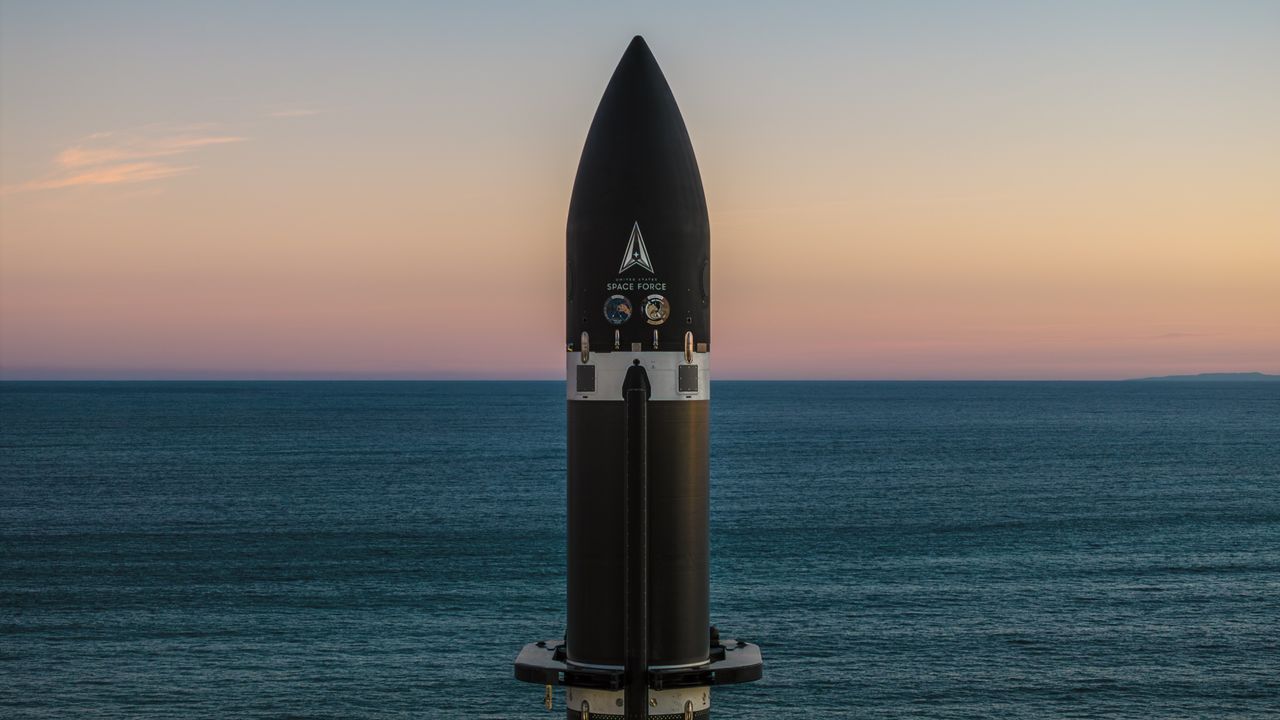
The U.S. Space Force has completed its first tactical intercept of an orbital target in the Victus Haze mission, pitting two commercial satellites against each other. Rocket Lab’s Pioneer‑class Puma satellite launched on an Electron rocket just 16 hours after notice, while True Anomaly’s JACKAL‑0004, launched on a Falcon 9, rendezvoused and performed rapid acquisition, imaging and characterization of its counterpart. The operation finished 11 hours ahead of the 72‑hour deadline, showcasing precise propulsion, closed‑loop tracking and high‑resolution imaging. This success marks a new milestone for the Space Force’s ability to acquire, engage and characterize potential adversary spacecraft on a faster, more frequent cadence.
Space science has come a long way since July 4, 1776. Here's a look back at the saga
Original Publication Date: 2026-07-03 14:54
America turns 250 this July 4, and Space.com looks back at how our grasp of the cosmos has evolved since 1776.
Infant stars celebrate their independence with cosmic fireworks| Space photo of the day for July 3, 2026
Original Publication Date: 2026-07-03 14:00

The James Webb Space Telescope has captured a breathtaking image of the FS Tau star‑forming region, about 450 light‑years away, revealing newborn protostars erupting in “cosmic fireworks.” These infant stars are breaking free from their parent molecular cloud, their powerful outflows carving blue ridges that highlight the material they expel. The image also shows gaps between the outflows, supporting the idea that protostars accrete matter in discrete bursts rather than steadily. NASA released the photo to celebrate the 250th anniversary of the United States’ birth, underscoring how the universe’s most spectacular displays can rival even the best Fourth‑of‑July celebrations.
America at 500: Where will we be in space in 2276?
Original Publication Date: 2026-07-03 10:00
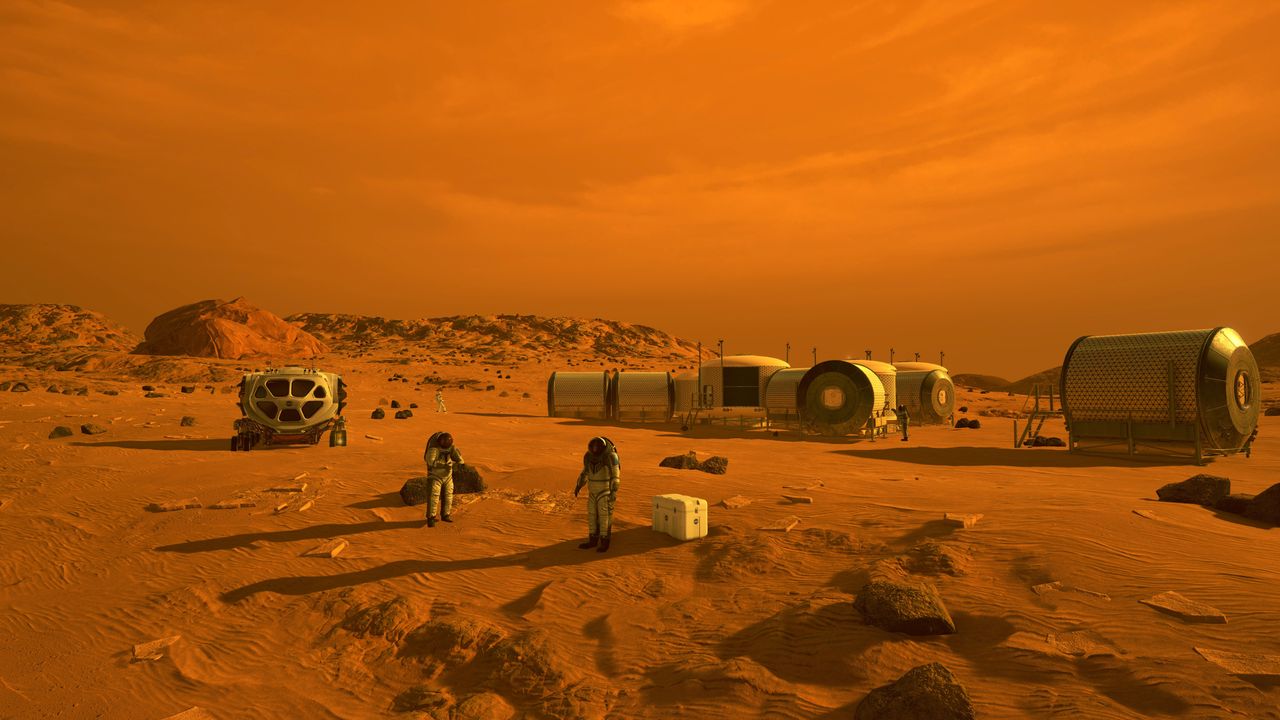
In the first 250 years of the United States, the nation landed astronauts on the Moon, maintained a long‑running space station, and launched robotic probes to the outer solar system and beyond. By 2276, experts predict a thriving off‑Earth economy driven by satellite communications, space tourism, in‑space manufacturing, and asteroid mining. Companies like SpaceX, Varda Space, and AstroForge are already pioneering microgravity production of pharmaceuticals and extracting water, metals, and precious resources from asteroids to fuel deeper exploration. The future will also see advanced robotics and AI blurring the line between humans and machines, shaping how we build and sustain life beyond Earth.
Rocket Report: Indian startup nears first launch; SpaceX's millenary milestone
Original Publication Date: 2026-07-03 13:55
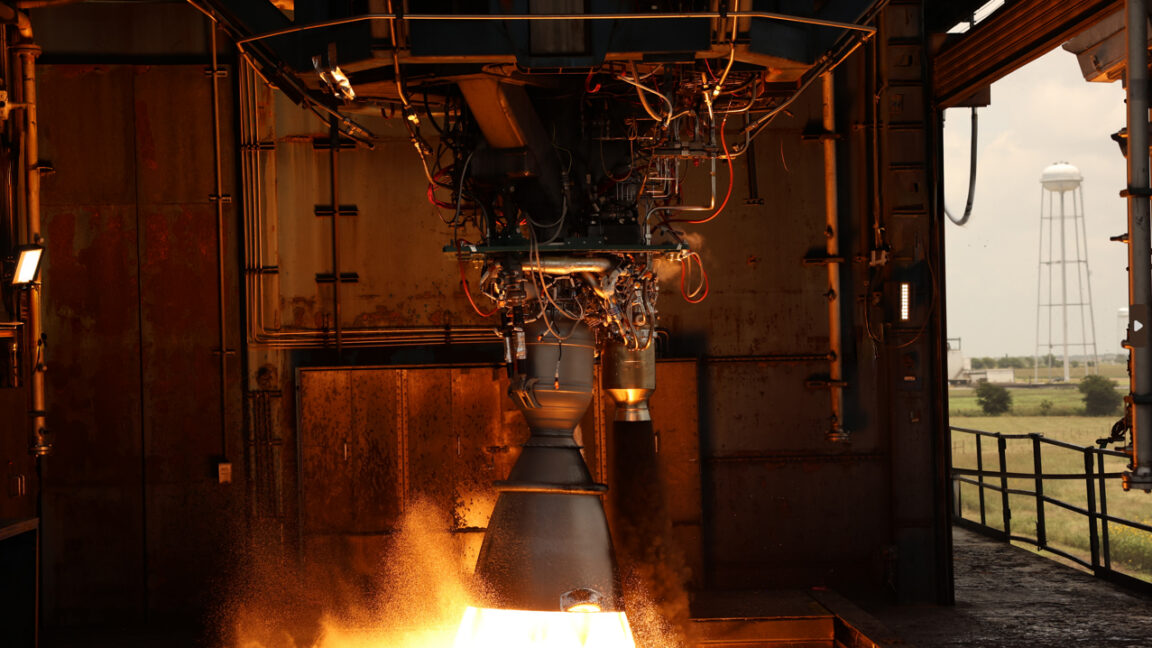
Rocket Report Edition 9.01 reviews last year’s launch predictions, noting that only NASA’s Artemis II mission actually launched in April, while many other scheduled flights have been pushed to next year. The Roman Space Telescope appears on track for a near‑future launch, but overall delays remain a constant in the space industry. A commercial Swift Boost Mission successfully reached orbit after earlier weather and technical setbacks, using a Pegasus XL launched from a modified L‑1011 over the Pacific. Listeners are encouraged to subscribe for updates on small, medium, and heavy‑lift rockets and upcoming launches.