 Spotify
 Apple Podcasts
 Podcast Addict
 Overcast
 Podcast RSS
NASA revises plans for future Artemis missions, cancels upgrades to SLS
Original Publication Date: 2026-02-27 15:09
NASA has reshuffled its Artemis program, moving the first crewed lunar landing from 2027 to 2028 and adding a low‑Earth‑orbit test flight—now dubbed Artemis 3—in 2027 that will dock Orion with Blue Origin or SpaceX landers and test a new Axiom Space suit
Rocket Lab delays Neutron debut to late 2026
Original Publication Date: 2026-02-27 12:53
Rocket Lab’s first launch of its new Neutron rocket is pushed back to at least the fourth quarter of 2026 after a propellant tank ruptured during a January hydrostatic pressure test. The failure, traced to a manufacturing defect in a critical joint from hand‑laid composite sections, has prompted the company to adopt automated fiber placement and minor design changes to increase safety margins. While the Neutron schedule slips, Rocket Lab remains busy, having secured a new contract for four Electron launches with BlackSky and sold more than 30 Electron missions in 2025. CEO Peter Beck emphasized that the extra time will allow thorough testing of other Neutron subsystems, aiming to deliver a reliable rocket even if it means a few more months.
NASA announces major overhaul of Artemis moon program: “We’ve got to get back to basics”
Original Publication Date: 2026-02-27 17:31
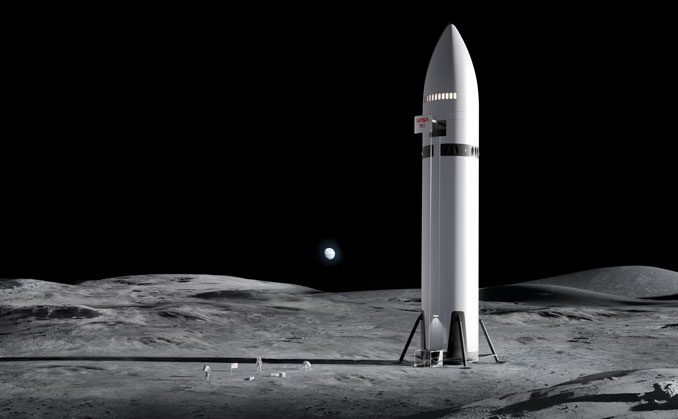
NASA Administrator Jared Isaacman unveiled a major reshuffle of the Artemis moon program, adding a 2027 low‑Earth‑orbit test flight that will dock astronauts with commercial lunar landers from SpaceX and Blue Origin to validate navigation, communications, propulsion, and life‑support systems.
NASA Overhauls Artemis Program: Scraps SLS Upgrades, Adds 2027 LEO Test Mission
Original Publication Date: 2026-02-27 22:25
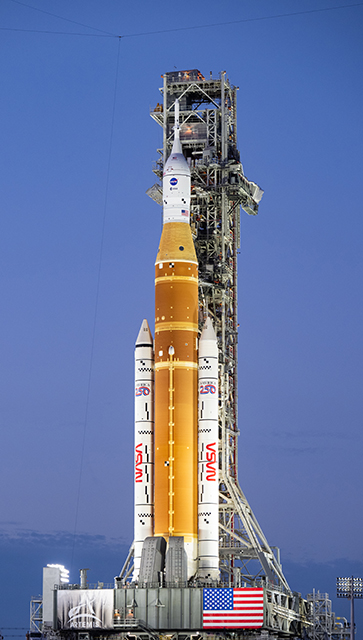
NASA announced a sweeping reshuffle, canceling the planned SLS Block 1B upgrade and redefining Artemis III as a low‑Earth‑orbit docking test instead of a lunar landing.
U.S. Space Force Pivots to Hemispheric Security with SPACEFOR-NORTH Activation
Original Publication Date: 2026-02-26 23:01
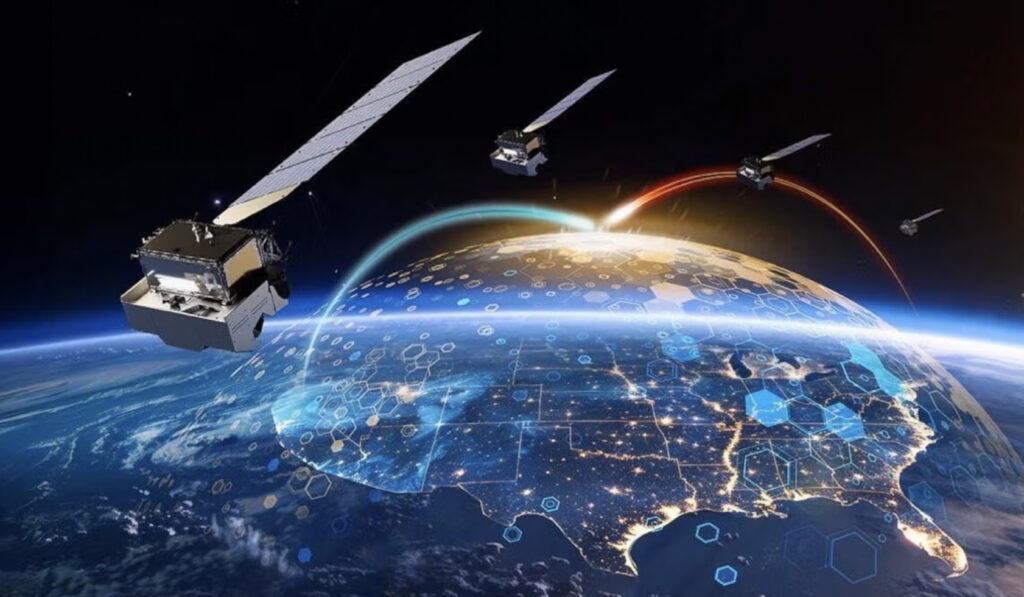
The U.S. Space Force has activated Space Forces Northern, a new field command based at Peterson Space Force Base, to serve as the primary space component for U.S. Northern Command and integrate orbital capabilities into homeland defense. This move follows the 2026 National Defense Strategy, which designates space as the first line of effort and launches the Golden Dome missile defense shield that relies on LEO and MEO sensors to track hypersonic threats. Space Forces Northern will coordinate missile warning, tracking, and electromagnetic warfare to support NORAD’s air defense mission and ensure seamless space‑to‑ground integration.
Space Systems Command Awards $44.9M Systems Engineering Contract to LinQuest
Original Publication Date: 2026-02-26 22:52
On February 26, 2026 the DoD awarded LinQuest Corp. A $44.9 million cost‑plus‑incentive‑fee modification to an existing contract, raising the Space Systems Command’s
Amazon Leo and Vanu Partner to Extend Mobile Broadband Across Rural Africa
Original Publication Date: 2026-02-26 19:09

Amazon’s low‑Earth‑orbit division, now called Amazon Leo, has teamed up with Vanu, Inc. To deliver 4G and 5G cellular service to underserved African communities, using Vanu’s low‑power base stations as “coverage as a service” backed by Amazon’s satellite backhaul. The partnership, announced at the Africa Tech Event in Cape Town, will deploy Vanu’s software‑defined radio technology in areas where terrestrial fiber is too costly. With 212 satellites already in orbit, Amazon Leo seeks a 24‑month FCC extension to reach its goal of 1,618 satellites by July 2028, while planning initial service launches in Southern Africa later this year. This move marks Amazon’s continued effort to close the digital divide amid launch and regulatory challenges, with a final FCC deadline set for mid‑2029.
Intuitive Machines Secures $175M Strategic Investment to Scale Space Infrastructure
Original Publication Date: 2026-02-26 18:51
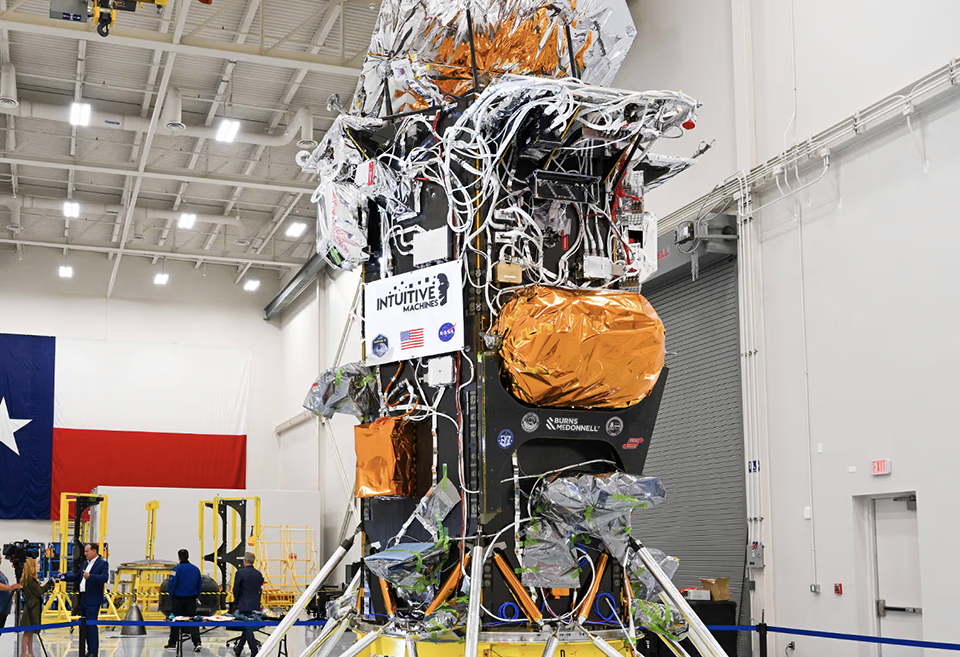
Intuitive Machines announced a $175 million equity investment led by global institutional investors to accelerate its satellite communications and in‑space data processing networks across GEO, lunar, and Martian domains. The capital will help integrate the Lanteris 1300 series platform acquired earlier, shift the company from a lunar landing specialist to a vertically integrated space prime, and support its $4.82 billion NASA Near Space Network Services contract. The firm’s growth strategy builds on lessons from its successful IM‑1 and IM‑2 lunar landings and aims to boost its Golden Dome defense‑communications shield. The transaction is slated to close on February 27, 2026, with Intuitive Machines scheduled to report full‑year 2025 results and a post‑acquisition update on March 19.
Harnessing the Sun to Extract Oxygen on the Moon
Original Publication Date: 2026-02-27 18:48
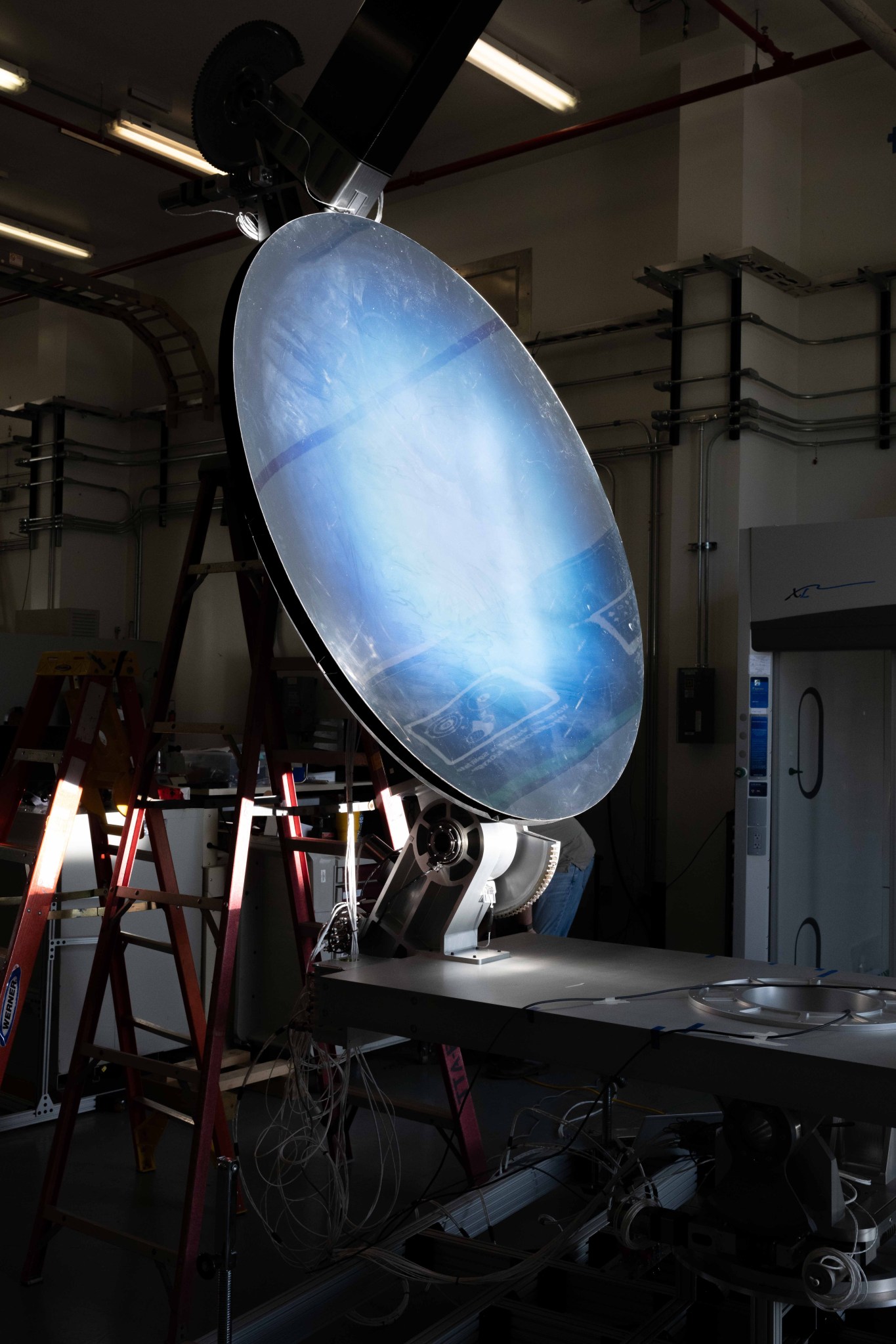
NASA’s Carbothermal Reduction Demonstration (CaRD) project tested a solar concentrator on August 7, 2025, successfully producing carbon monoxide from simulated lunar regolith. The system, which uses mirrors and software to harness sunlight, can convert regolith into oxygen for the Moon’s south pole, dramatically reducing the cost of long‑term human missions. The same technology could be adapted to turn Mars’ CO₂ into oxygen and methane, broadening its usefulness across the solar system. Funded by NASA’s Game Changing Development Program, CaRD is a pivotal step toward sustainable, in‑situ resource utilization.
NASA’s Home for Experimental Flight Advances Aeronautics Mission
Original Publication Date: 2026-02-27 16:46
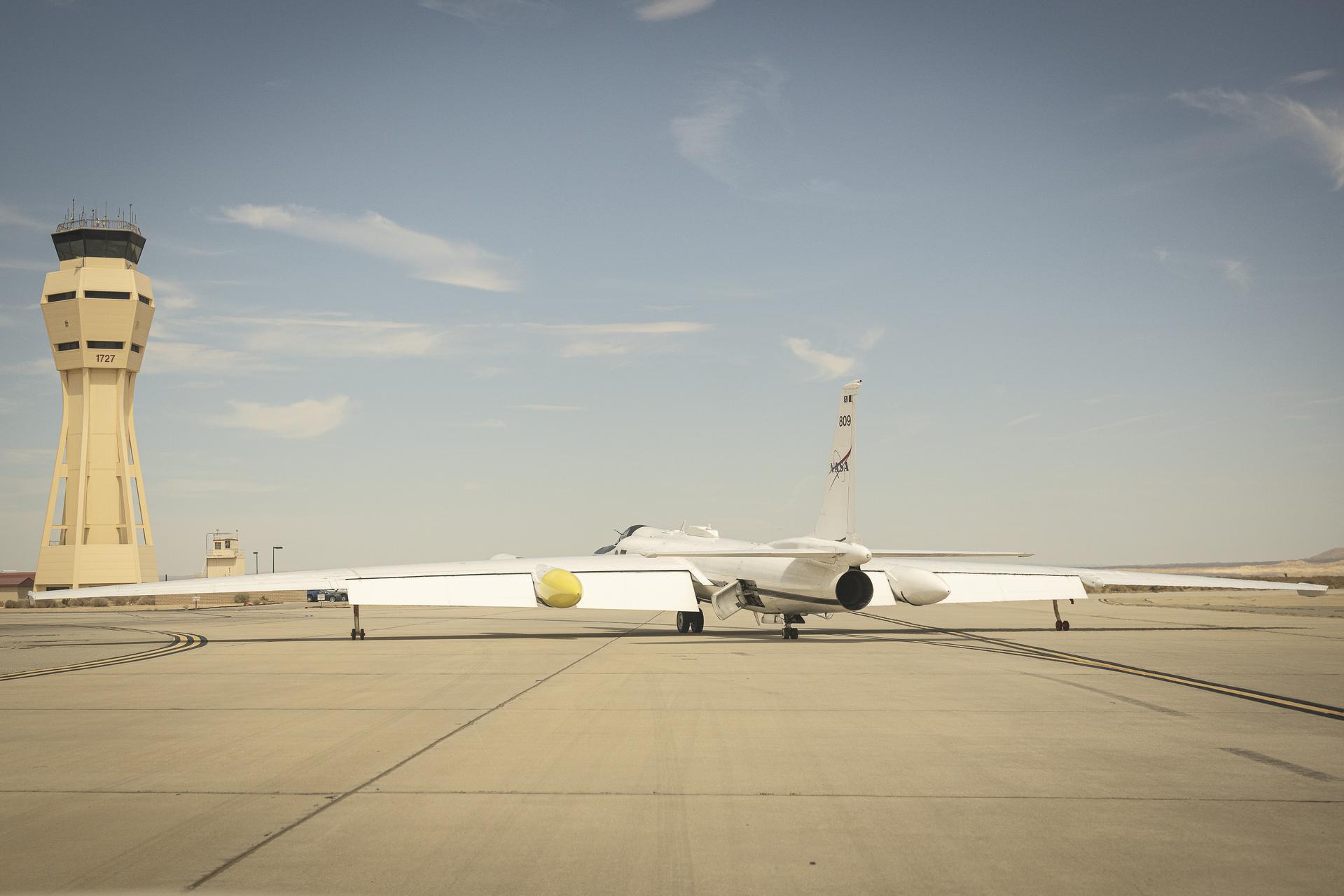
NASA’s Armstrong Flight Research Center at Edwards Air Force Base in the Mojave Desert carries on a legacy that began in 1947 with the first supersonic X‑1 flight, making the base a cornerstone of experimental aviation.
NASA Adds Mission to Artemis Lunar Program, Updates Architecture
Original Publication Date: 2026-02-27 15:37
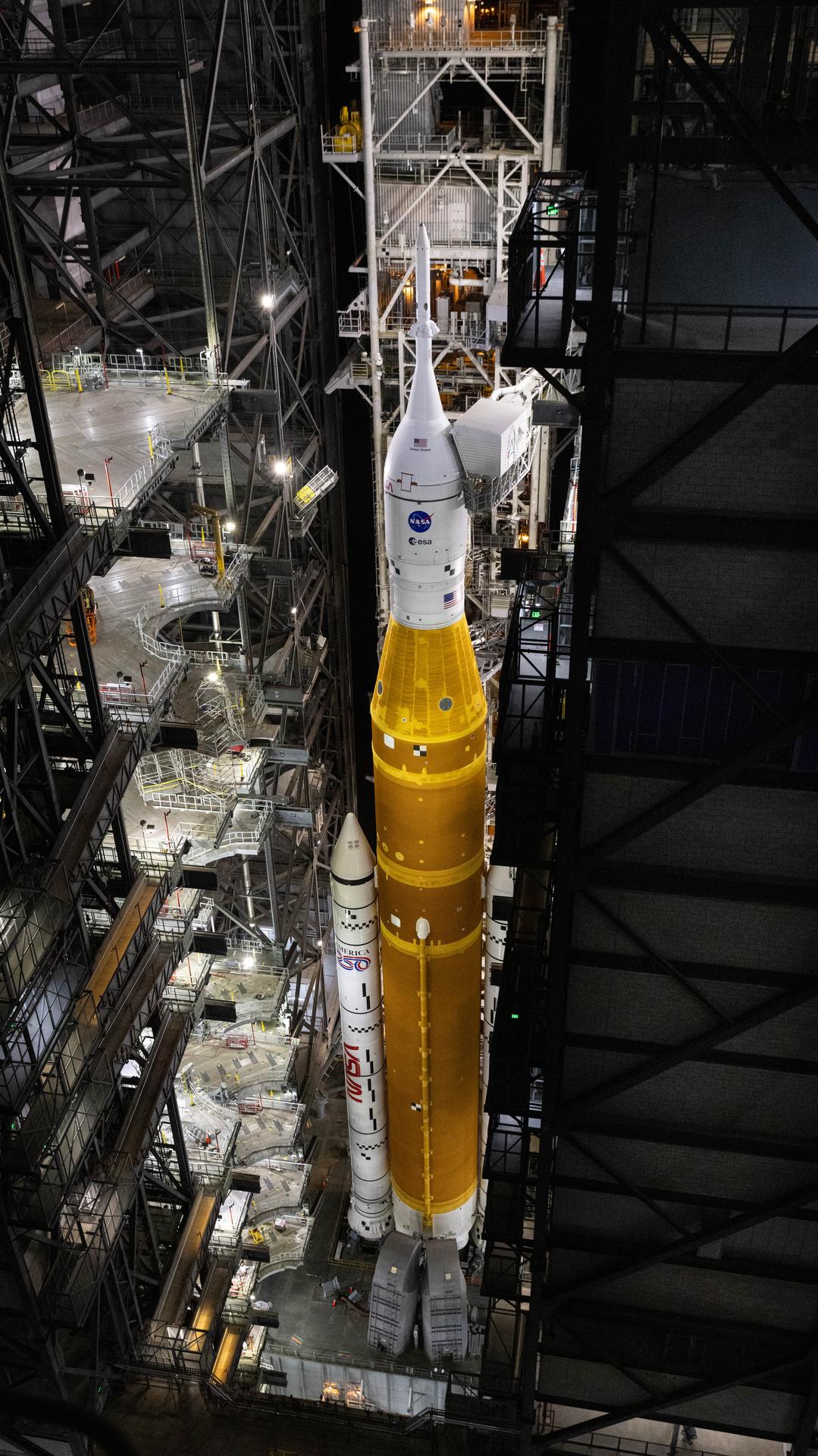
NASA’s crawler‑transporter 2 arrived at the Vehicle Assembly Building on Feb. 25, 2026 to fix a helium‑flow problem in the SLS rocket’s upper stage, a key step before the Artemis II test flight. The rocket will then roll back to Launch Complex 39B, where it will be readied to carry four astronauts on a lunar‑circuit mission slated for April. NASA is speeding up its Artemis schedule, adding another 2027 flight and at least one lunar landing each year, while standardizing vehicle configurations to keep safety high. The agency’s new workforce directive and strong industry partnerships aim to deliver a safer, faster launch cadence and bring American astronauts back to the Moon.
Flight 12: Ship 39 rolls out to Masseys to begin testing
Original Publication Date: 2026-02-27 16:12

SpaceX’s first V3 ship, Ship 39—also known as V3 SN1—has rolled from Mega Bay 2 to the Masseys test facility to begin a series of cryogenic proof tests ahead of the upcoming Flight 12 launch. The ship will be subjected to full methane‑and‑oxygen tank testing, flap functionality checks on a new truss structure, and “chopstick” simulators to verify its ability to withstand docking forces. After the tests, Ship 39 will return to the production site for engine installation or a possible aft‑dome test, a step that could shave days off the Flight 12 timeline. Meanwhile, Booster 19 is being prepped for static‑fire trials, with engine installations and grid‑fin work underway to ensure the booster is ready for its own critical tests.
NASA Pushes Crewed Moon Landing to Artemis IV
Original Publication Date: 2026-02-27 19:48
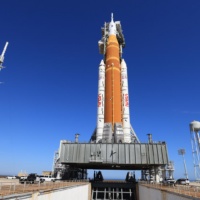
NASA Administrator Jared Isaacman announced sweeping changes to the U.S. Lunar program, calling it “the only way forward” and streamlining the SLS rocket, expanding the civil workforce, and cutting the launch interval to every 10 months. The new timeline shifts Artemis III from a crewed surface mission to a lunar‑orbit docking test with Orion, while crewed landings are now slated for Artemis IV in 2028, with two possible landings that year. Engineers are working to fix a helium‑flow issue on Artemis II, targeting an early‑April launch. These adjustments aim to accelerate the return to the Moon while maintaining flexibility for future missions.
Neutron’s First Launch Slips to Q4
Original Publication Date: 2026-02-27 13:56
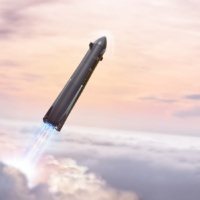
Rocket Lab announced that its medium‑lift Neutron rocket will not fly until the end of 2026 after a fuel‑tank rupture in January, pushing the inaugural flight back from the originally planned 2024 launch. Despite the delay, the company delivered its strongest year yet, completing 21 Electron missions and a record seven launches in Q4, generating $601.8 million in revenue for FY 2025.
'Pushing this competition': SpaceX's Starship might not fly on NASA's newly revamped Artemis 3 mission
Original Publication Date: 2026-02-28 11:00
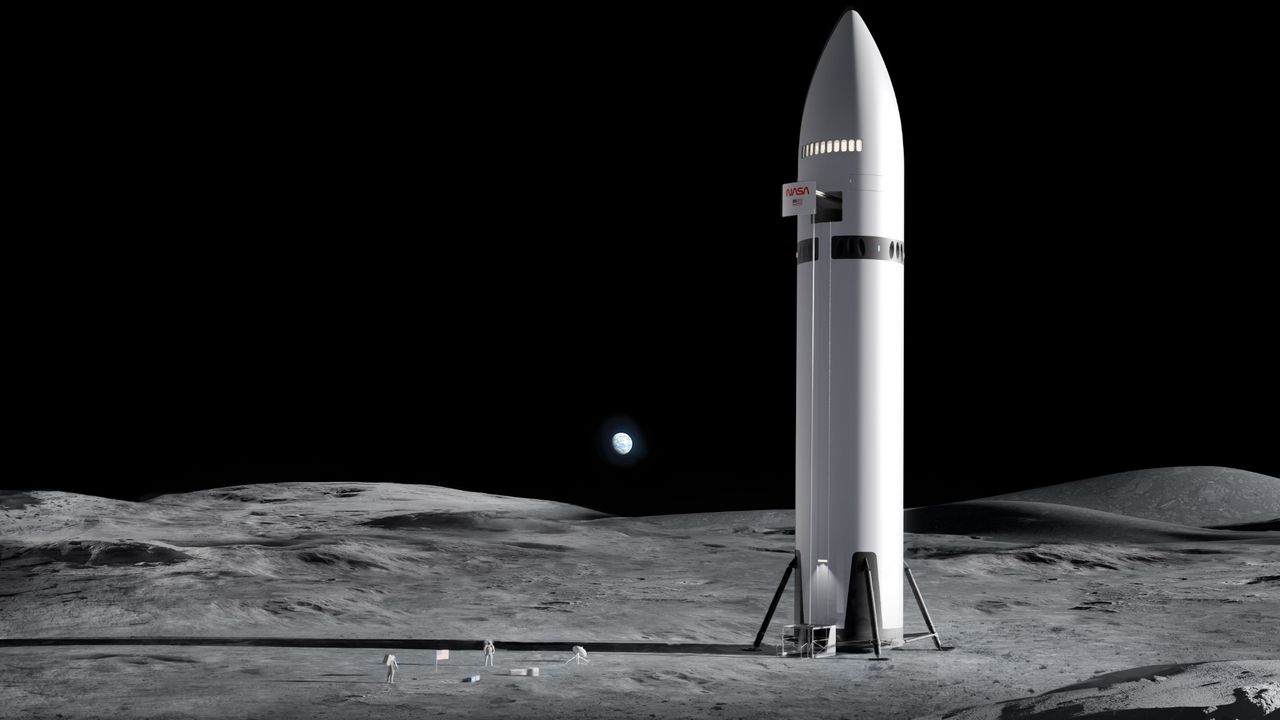
NASA has restructured its Artemis program, moving Artemis 3 to a 2027 low‑Earth‑
February finale: SpaceX wraps up month with three Starlink launches this week
Also covered by: Spaceflight Now
Original Publication Date: 2026-02-27 23:27
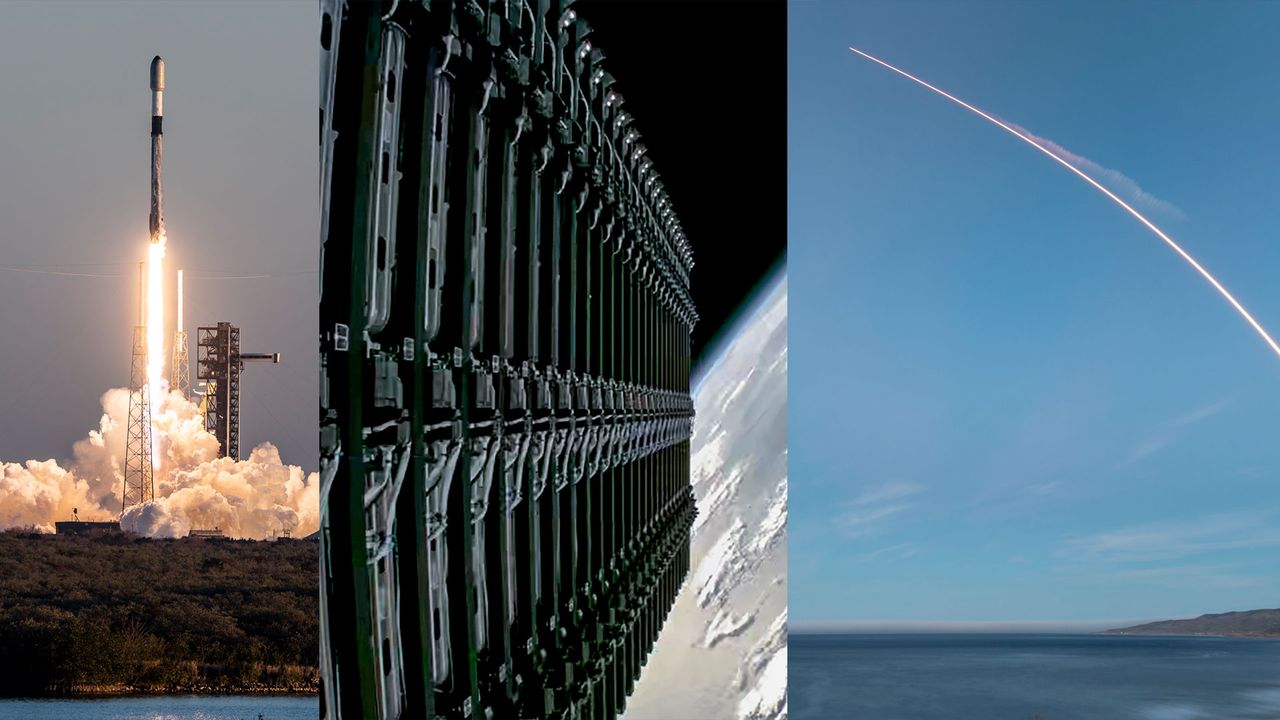
SpaceX launched a Falcon 9 from Cape Canaveral’s Launch Complex 40 at 7:16 a.m. EST on Feb. 24, sending 29 Starlink V2 Mini satellites into low‑Earth orbit despite a thick fog that clouded the site. The B1069 booster, making its 30th flight, successfully landed on the drone ship “A Shortfall of Gravitas” in the Atlantic, marking the company’s 25th Falcon 9 launch of 2024 and the 607th overall since 2010. Over February, three Falcon 9 flights deployed a total of 83 new Starlink satellites, including a 25‑satellite launch from Vandenberg the following day, bringing the global constellation to more than 9,850 satellites. All boosters returned safely to ocean‑based drone ships, underscoring SpaceX’s continued rapid deployment of its broadband network.
Apollo moon rocks may have finally solved an old lunar mystery
Original Publication Date: 2026-02-27 22:00
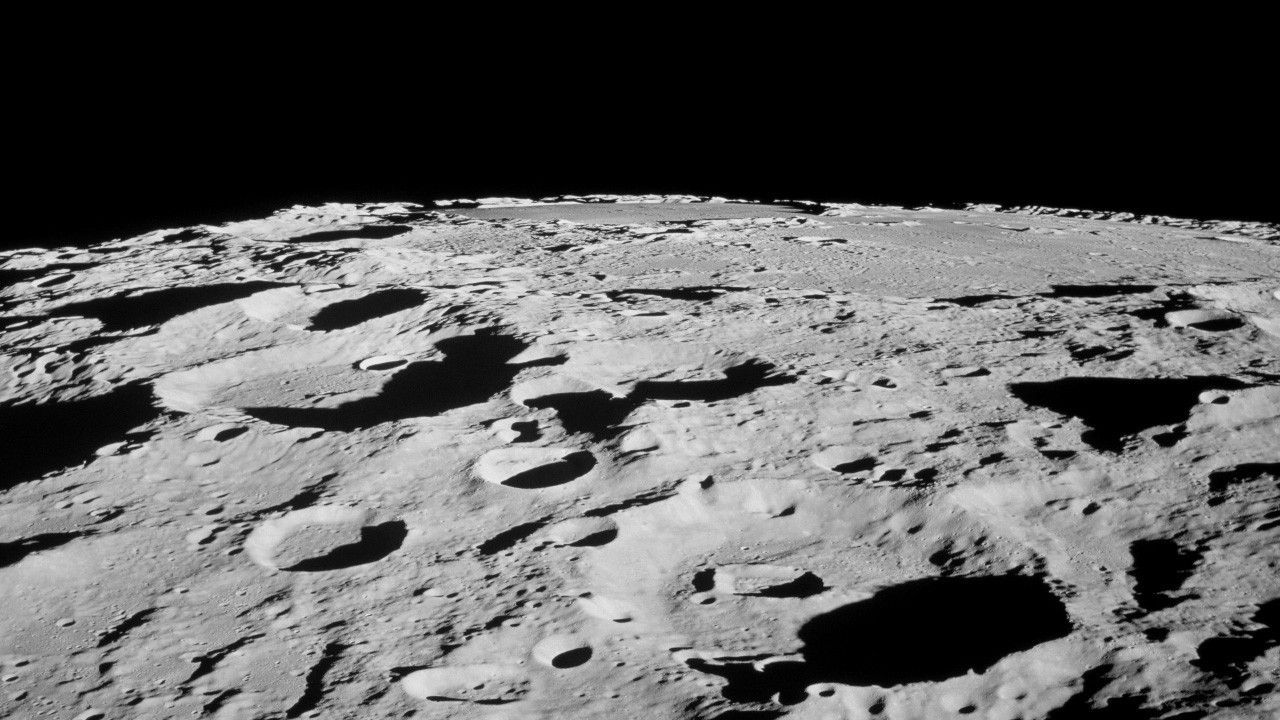
Scientists at Oxford have finally settled a long‑standing debate about the Moon’s magnetic past, showing that while the lunar field was weak for most of its early history, it experienced brief, intense bursts of magnetism. The new research explains that Apollo samples, collected from titanium‑rich mare basalts, captured only these rare spikes, which lasted a few thousand years at most. By linking the chemistry of the rocks to magnetic signatures, the team demonstrates that the Moon’s core produced strong fields only during fleeting episodes, not a sustained dynamo.
The US Air Force's latest X-plane looks like a missile — that shoots other missiles
Original Publication Date: 2026-02-27 20:00

The U.S. Air Force has unveiled the X‑68A, an unmanned aircraft that looks like a cruise missile but can launch its own air‑to‑air weapons. Developed under DARPA’s LongShot program, the X‑68A is designed to be carried and released from a host aircraft, extending fighter jets’ reach while keeping pilots out of harm’s way.
NASA's Artemis 3 astronauts won't land on the moon after all. 'This is just not the right pathway forward.'
Original Publication Date: 2026-02-27 18:40
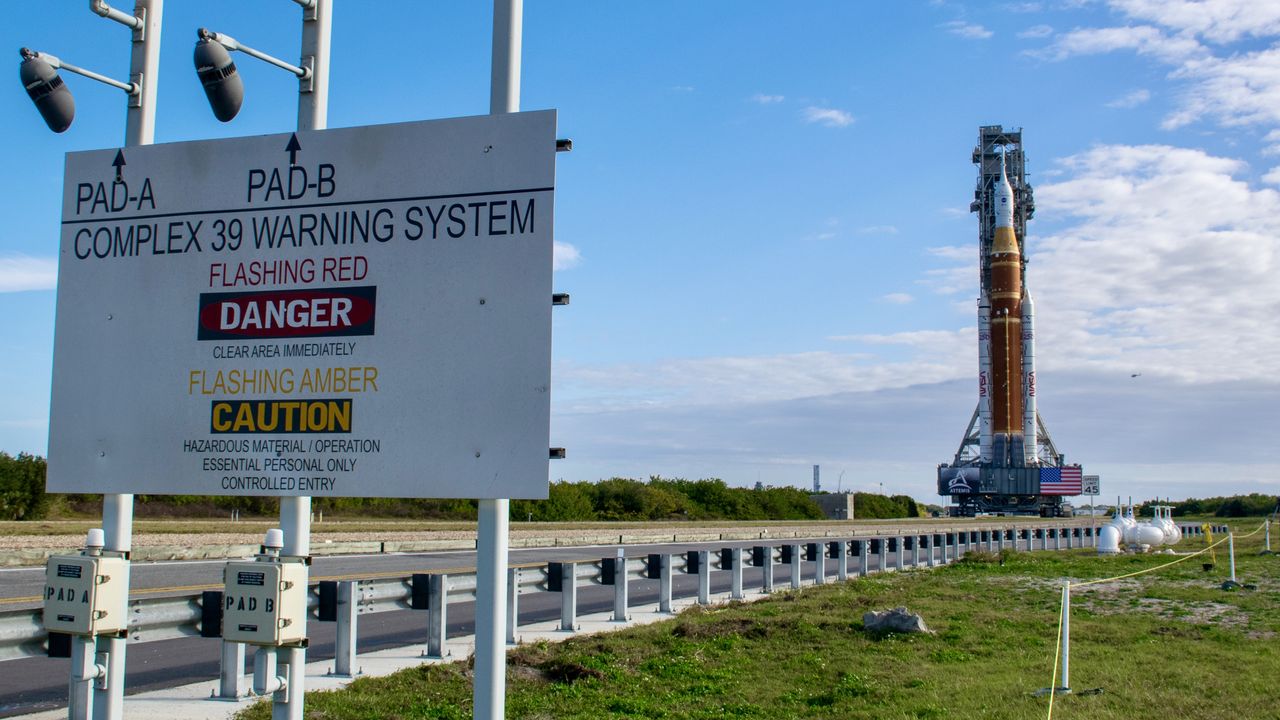
NASA has reshuffled the Artemis program, turning the planned Artemis 3 crewed lunar landing into an Earth‑orbit rendezvous with future landers and moving the first moon landing to Artemis 4 in 2028. The change comes after engineers fixed issues with the Space Launch System and a safety review by the Aerospace Safety Advisory Panel flagged risks in the original plan. NASA will also standardize the SLS design, aiming to boost launch cadence to once every ten months, and is expanding its workforce to rebuild core competencies. The shift reflects a broader effort to simplify the architecture, accelerate manufacturing, and ensure the readiness of private landers like SpaceX Starship and Blue Origin's Blue Moon.
Photons that aren't actually there influence superconductivity
Original Publication Date: 2026-02-27 21:27
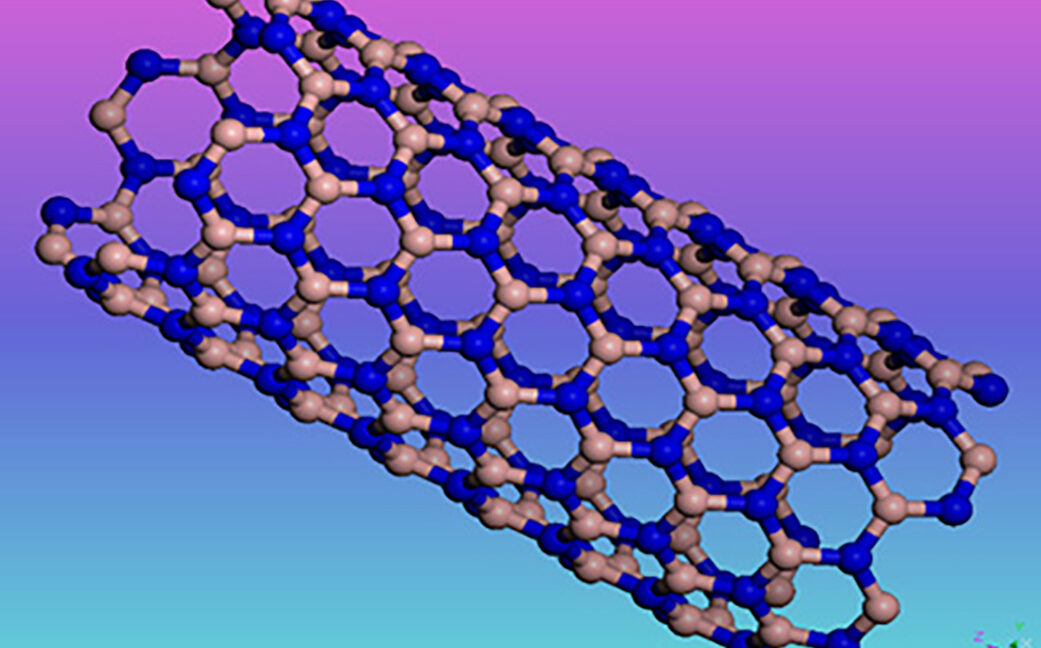
Researchers have shown that virtual photons—particles that never truly exist yet still influence reality—can actually degrade superconductivity. By using these quantum fluctuations as a test, scientists are probing deeper, stranger aspects of quantum mechanics. Although the effect initially weakens superconductors, it could ultimately reveal new insights into how these materials work. This study highlights how even empty space can impact the behavior of advanced materials.