 Spotify
 Apple Podcasts
 Podcast Addict
 Overcast
 Podcast RSS
Bruno says he joined Blue Origin to work on ‘urgent’ national security projects
Original Publication Date: 2026-02-21 02:02
Tory Bruno, the former chief executive of United Launch Alliance, has joined Blue Origin to focus on critical national security initiatives, including leveraging its Blue Ring spacecraft. He cited the urgency of these projects as a key motivator for the move. Blue Origin's new hire underscores the growing importance of space‑based security capabilities. The announcement was first reported by SpaceNews.
Aalto plots Australia base to boost planned high-altitude pseudo satellite service
Original Publication Date: 2026-02-20 22:04
Aalto is moving its focus to Australia as a strategic hub to strengthen the business case for launching its stratospheric pseudo‑satellite service over Japan. The first commercial flights are now delayed until 2027 due to regulatory hurdles and ongoing system‑integration work. By establishing a base in Australia, Aalto hopes to streamline operations and secure the necessary approvals for its high‑altitude platform. This shift underscores the company’s commitment to bringing the service to market despite the challenges.
NASA targeting March 6 for Artemis 2 launch
Original Publication Date: 2026-02-20 18:40
NASA has set a March 6 launch date for Artemis 2 after a largely successful wet‑dress rehearsal that revealed only minor issues, boosting confidence among officials. The test showed that earlier hydrogen leaks were resolved, with leak rates well below limits, and seals have been replaced without further problems. While a flight‑readiness review and additional pad activities remain, mission managers remain optimistic that the vehicle is ready for the next launch window. The team’s progress underscores a significant improvement in readiness as they prepare for the historic mission.
Boeing to boost production of missile-tracking sensors for military satellites
Original Publication Date: 2026-02-20 13:00
Boeing has opened a new 9,000‑square‑foot production facility in El Segundo, California, to build electro‑optical infrared (EO/IR) sensors for
NASA completes second Artemis 2 fueling test
Original Publication Date: 2026-02-20 12:12
NASA finished a second wet dress rehearsal for Artemis 2 on Feb. 19, this time with no hydrogen leaks that plagued the first test. The practice countdown ran smoothly, with only minor hiccups—a ground‑communications glitch and a brief voltage anomaly in a booster avionics system. New seals at the fuel interface passed the test, keeping hydrogen concentrations within safe limits, and a briefing will take place Feb. 20 to review the data. The agency has not set a launch date yet, but the crew will enter pre‑launch quarantine on Feb. 20 to keep the March launch window open while NASA scrutinizes the mission amid recent concerns over Boeing’s Starliner program.
SPARC AI Integrates ML Optimization into Overwatch to Mitigate Drone Telemetry Drift
Original Publication Date: 2026-02-20 14:54

SPARC AI Inc. Has launched an upgraded Overwatch platform that uses machine‑learning models to correct drone telemetry drift in real time, letting low‑cost sensors match the precision of expensive hardware without adding weight. The software‑only solution works across manufacturers, learns from each flight to improve accuracy, and fits neatly into the U.S. Department of Defense’s Drone Dominance initiative to field 300,000 inexpensive drones by 2027. By fixing navigation drift through software, SPARC AI preserves flight time, range, and unit economics while boosting the lethality of mass‑produced attack drones. The company also announced a U.S. Subsidiary and new hires to accelerate partnerships with North American defense contractors.
NASA Is Helping Bring Giant Tortoises Back to the Galápagos
Original Publication Date: 2026-02-20 20:00
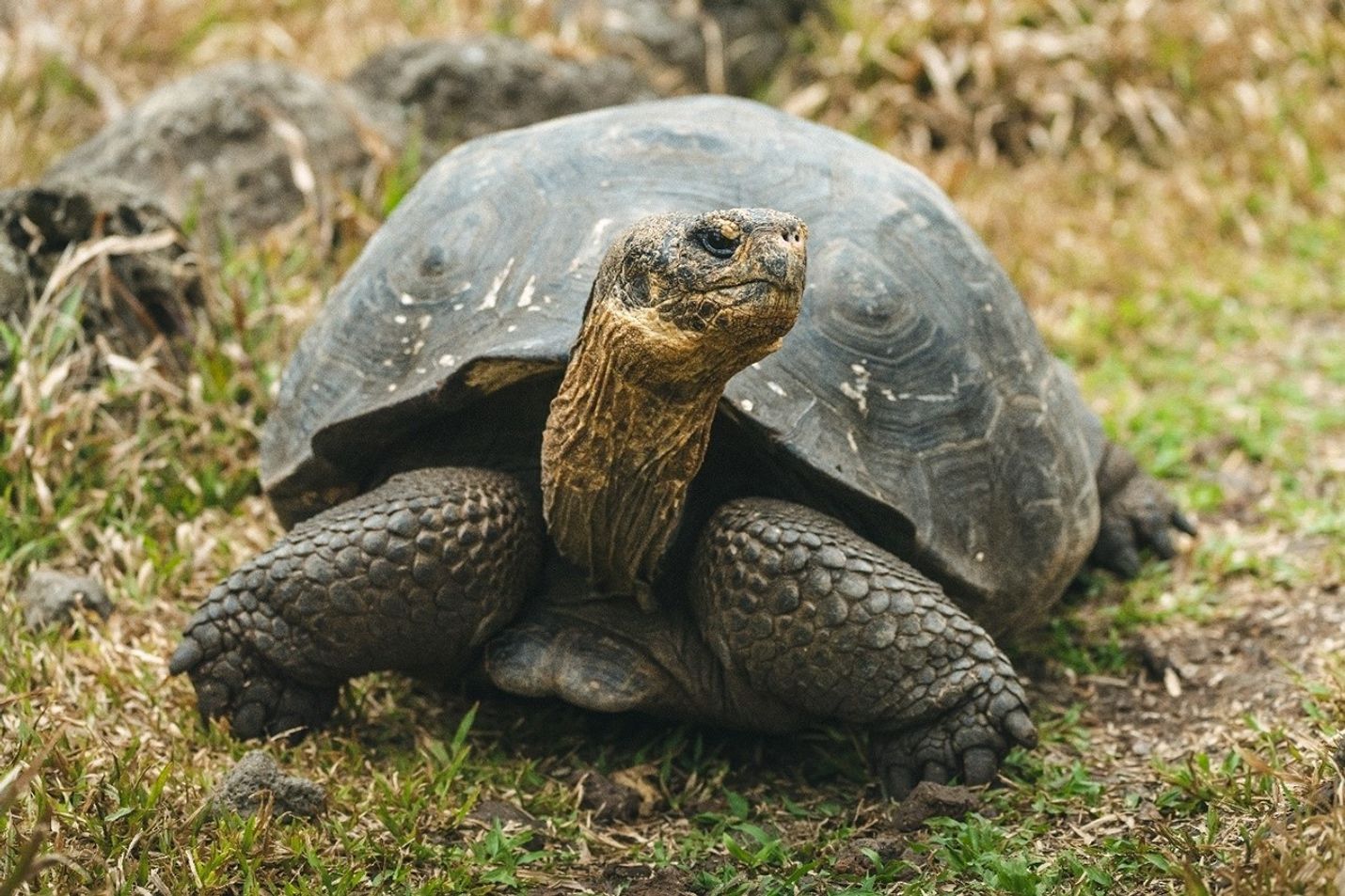
NASA’s satellite data is guiding the return of giant tortoises to Floreana Island in the Galápagos, where 158 animals were released on February 20 after a 150‑year absence. The project, a partnership between the Galápagos National Park Directorate and the Galápagos Conservancy, uses Earth observations to pinpoint where tortoises can find food, water and nesting habitat, turning intuition into precision.
Artemis II Crew Trains on T-38
Original Publication Date: 2026-02-20 14:50
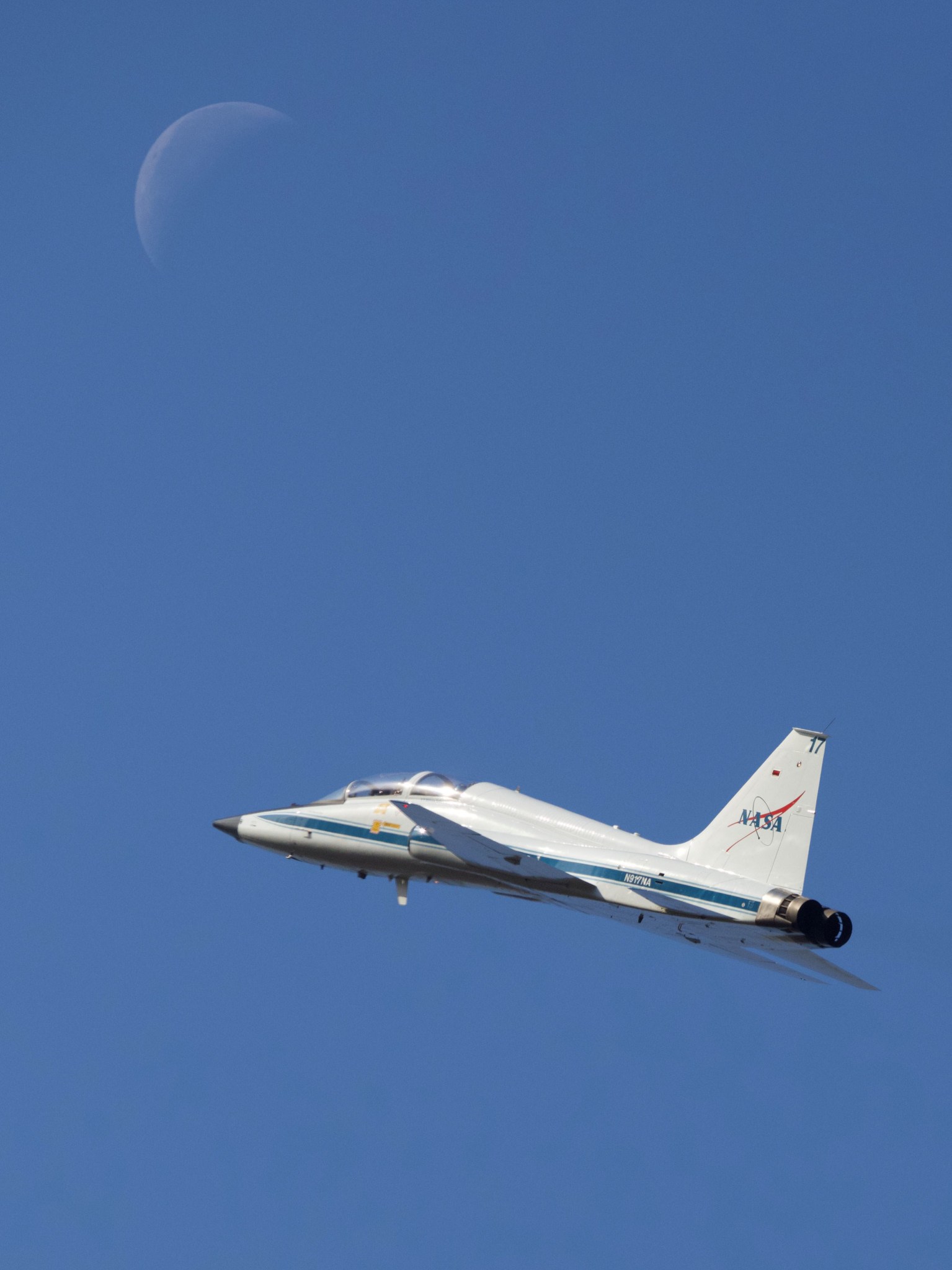
On February 11, 2026, NASA astronaut Christina Koch and Canadian Space Agency astronaut Jeremy Hansen, joined by NASA crew members Reid Wiseman and Victor Glover, launched a T‑38 training flight from Ellington Field.
Boeing insists NASA criticism will reinforce efforts on Starliner
Original Publication Date: 2026-02-20 21:08

NASA Administrator Jared Isaacman has blasted Boeing’s CST‑100 Starliner program, saying its failures stem from systemic decision‑making and leadership issues that could undermine U.S. Human spaceflight safety.
Orbital Data, Niche Markets Give Space Solar a New Shimmer
Original Publication Date: 2026-02-20 13:30
Space‑based solar power is shifting from a distant dream to a practical platform for in‑orbit data centers and remote energy delivery, with Google, SpaceX and Blue Origin racing to launch satellites that host AI and compute workloads. Aetherflux is targeting niche markets—military sites, mines, offshore rigs—and has secured a DoD grant to demonstrate wireless power beaming from low Earth orbit to a ground receiver in June. While national space agencies in Europe, Japan and China are advancing large‑scale space solar programs, NASA’s latest cost study warns that grid‑scale deployment could cost $610 to $1,590 per megawatt‑hour by 2050–2080. The industry remains focused on overcoming terrestrial grid limits, but the business case now hinges on moving both supply and demand into orbit.
The Milky Way may be hiding a big secret at its heart: an extremely magnetic dead star
Original Publication Date: 2026-02-21 11:00
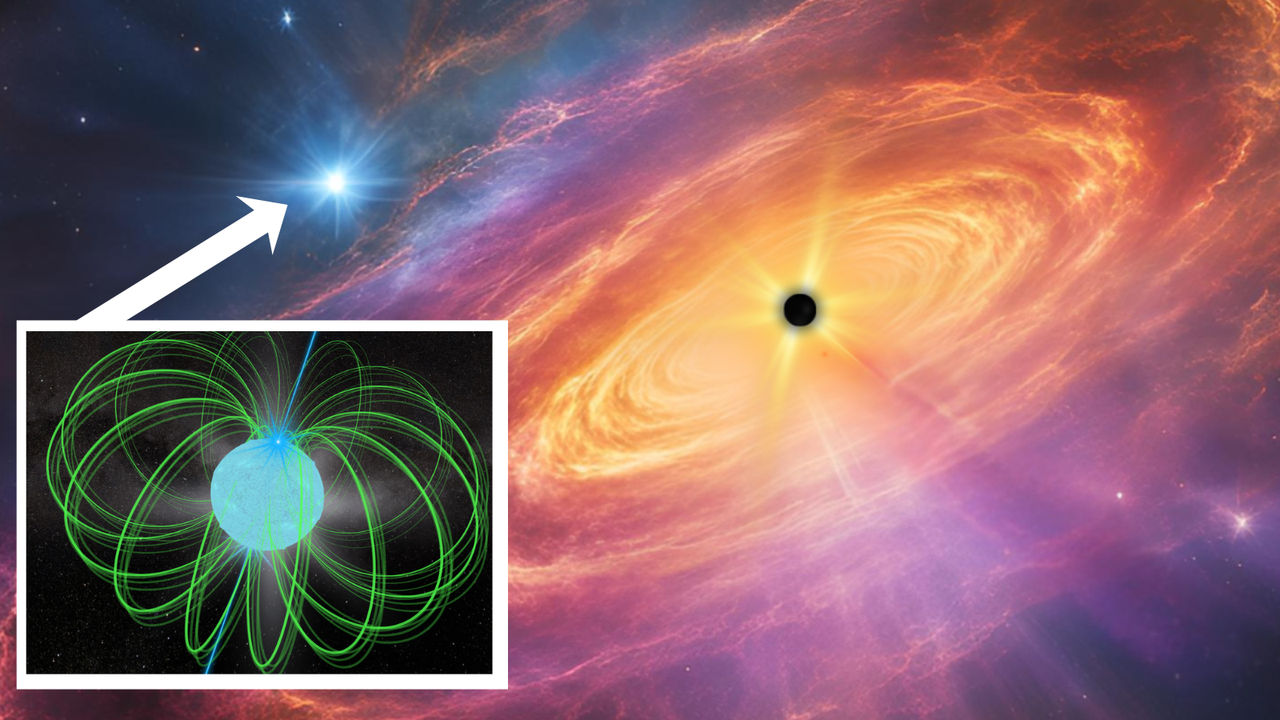
Scientists have spotted a candidate pulsar spinning 122 times per second near the Milky Way’s heart, close to the supermassive black hole Sagittarius A*. The discovery came from the Breakthrough Listen team’s radio survey with the Green Bank Telescope, which was highly sensitive yet found only this single fast‑rotating neutron star. If confirmed, the pulsar could illuminate how many such extreme dead stars lurk around the galaxy’s core and offer a natural laboratory to test Einstein’s theory of general relativity. This finding promises to deepen our understanding of both the Milky Way’s inner workings and fundamental physics.
These 70 dusty galaxies at the edge of our universe could rewrite our understanding of the cosmos
Original Publication Date: 2026-02-20 22:00
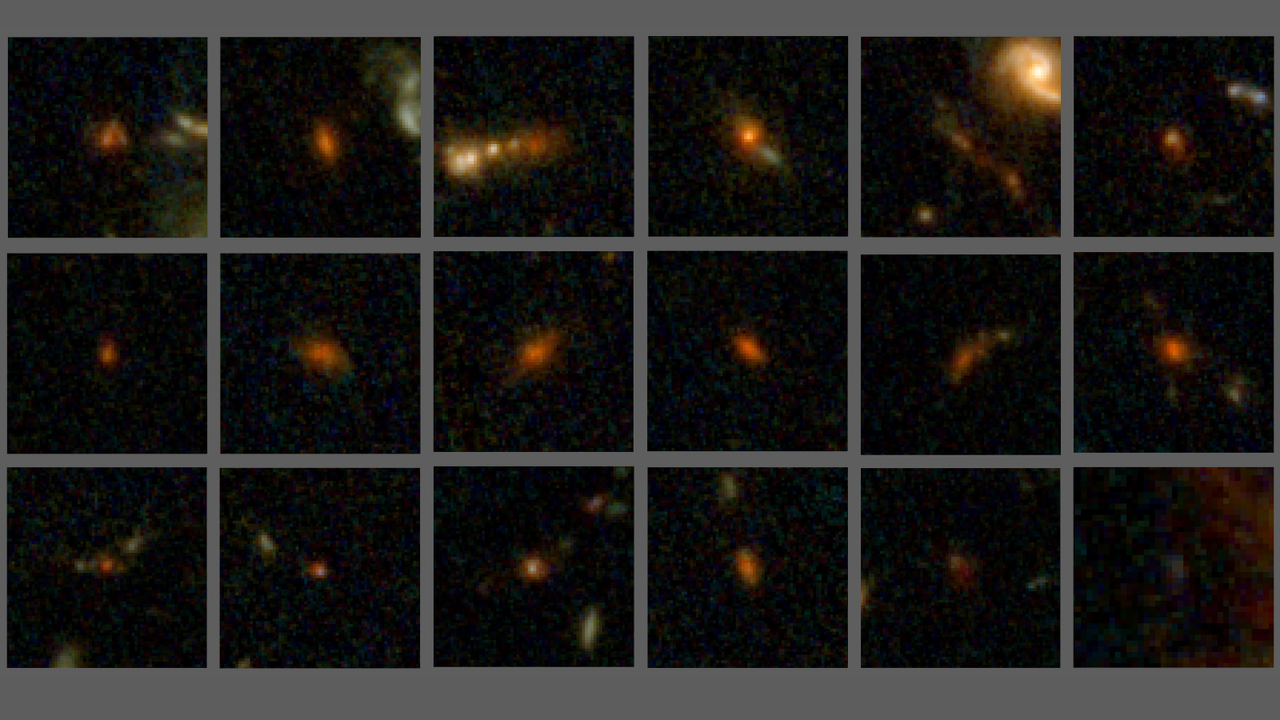
Astronomers using the James Webb Space Telescope and ALMA have identified 70 dusty galaxies that existed less than a billion years after the Big Bang, yet they already contain heavy elements, challenging current models of early star formation. These massive, metal‑rich galaxies—dubbed “young adults”—suggest that star formation began earlier in the universe than previously thought. The findings, published in The Astrophysical Journal Letters, hint at a missing piece in our understanding of galactic evolution and connect these galaxies to both ultrabright, star‑bursting systems and quiescent, older galaxies.
NASA X-ray spacecraft stares into the 'eye of the storm' swirling around supermassive black holes
Original Publication Date: 2026-02-20 20:00

NASA’s XRISM X‑ray mission has, for the first time, measured the speed of the turbulent “eye of the storm” swirling around supermassive black holes, revealing the kinetic energy of gas stirred by these cosmic giants. By tracking the energy of X‑rays from blisteringly hot gas, XRISM provides a dynamic picture of black hole influence that static images could not show. The study, released in Nature, shows how these titanic objects churn gas, dust, and even stars, injecting vast amounts of energy into their host galaxies and shaping galactic evolution. This unprecedented insight comes from XRISM’s joint JAXA/NASA launch in 2023, marking a major leap forward in our understanding of black hole physics.
Trump says US government will declassify its UFO files. Will we actually learn anything this time, or is this a distraction?
Original Publication Date: 2026-02-20 19:00

President Donald Trump announced on Truth Social that he will direct the Secretary of War and other agencies to begin declassifying all U.S. Government files on UFOs and unidentified aerial phenomena. The move follows a long history of Trump promises to increase transparency, including earlier releases on JFK and Epstein, but critics warn that past declassifications have been heavily redacted. Experts note that many documents may still be withheld for national‑security reasons, and no prior release has produced definitive evidence of extraterrestrial visitation. While the announcement fuels hope among UFO enthusiasts, the likelihood of uncovering a “smoking gun” remains low.
'This is really getting real.' NASA's Artemis 2 moon rocket fueling test went so well, astronauts could launch March 6
Original Publication Date: 2026-02-20 18:14
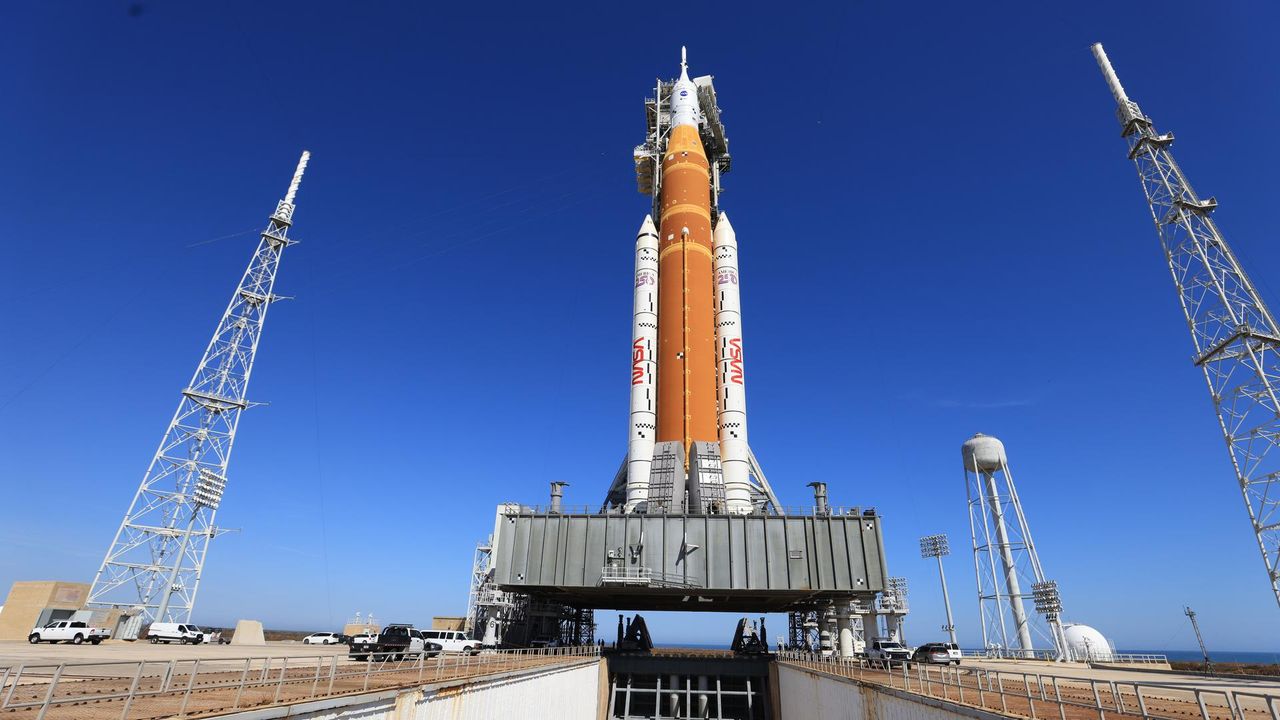
NASA’s Artemis 2, the first crewed moon mission in more than 50 years, is scheduled to lift off March 6 from Launch Complex 39B at Kennedy Space Center. The rocket and Orion capsule completed a second wet‑dress rehearsal on February 12, successfully filling the tanks with 730,000 gallons of liquid hydrogen and oxygen without any leaks, after earlier issues were fixed with new seals. Mission officials say the test went extremely well, and the launch window remains tight, but crews are confident the spacecraft is ready to circle the Moon. If all goes according to plan, four astronauts will depart Earth and return home with new lunar experience.
Rocket Report: Chinese launch firm raises big money; Falcon 9 back to the Bahamas
Original Publication Date: 2026-02-20 12:00
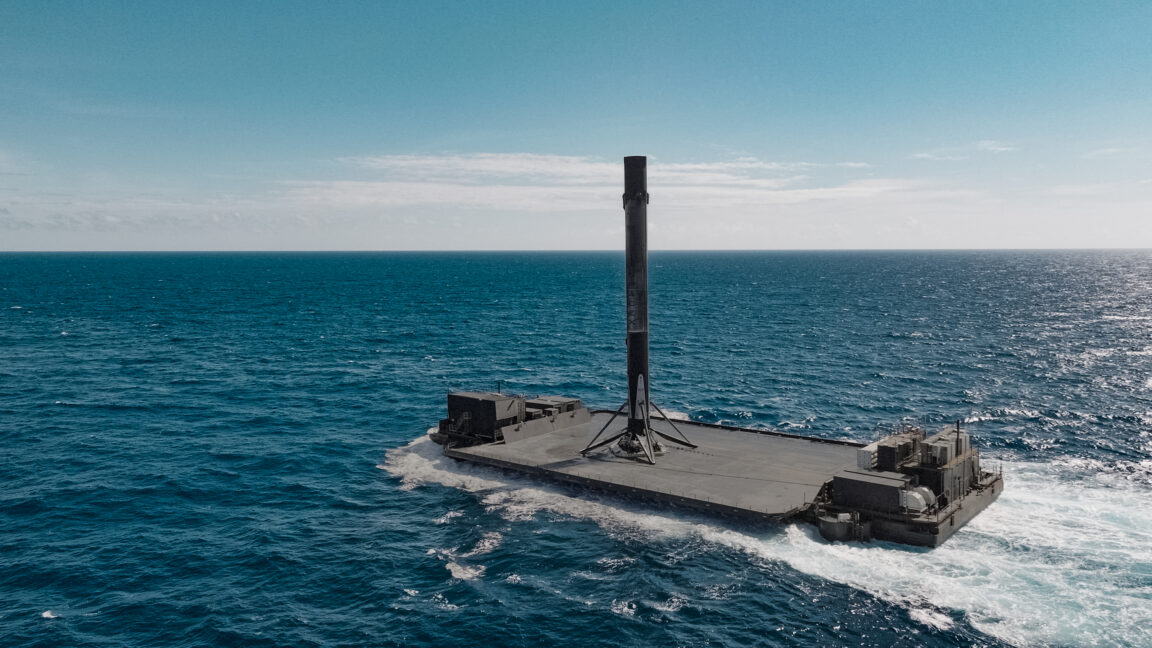
NASA’s Space Launch System is rehearsing a second countdown at Kennedy Space Center, with the outcome deciding whether Artemis II can launch around the Moon next month or be pushed back to April. The core stage’s hydrogen fueling line—responsible for a leak that cut a prior rehearsal short—is now the focus of intense scrutiny. Meanwhile, several U.S. Allies, including Australia, Canada, Germany, and Spain, are investing heavily in domestic launch programs, seeing sovereign access to space as a national‑security imperative. These moves suggest that while U.S. And Chinese dominance remains, a growing number of nations are building their own launch capabilities.