 Spotify
 Apple Podcasts
 Podcast Addict
 Overcast
 Podcast RSS
Shanghai Spacecom Raises $1.94 Billion in Series B Round at $6.96 Billion Valuation
Original Publication Date: 2026-08-22 23:25

On August 21, 2026, Shanghai Spacecom Satellite Technology—also known as Shanghai Yuanxin Satellite
NASA Swift Observatory Projected for Atmospheric Re-entry Following Unsuccessful Orbital Servicing Attempt
Original Publication Date: 2026-08-22 23:24
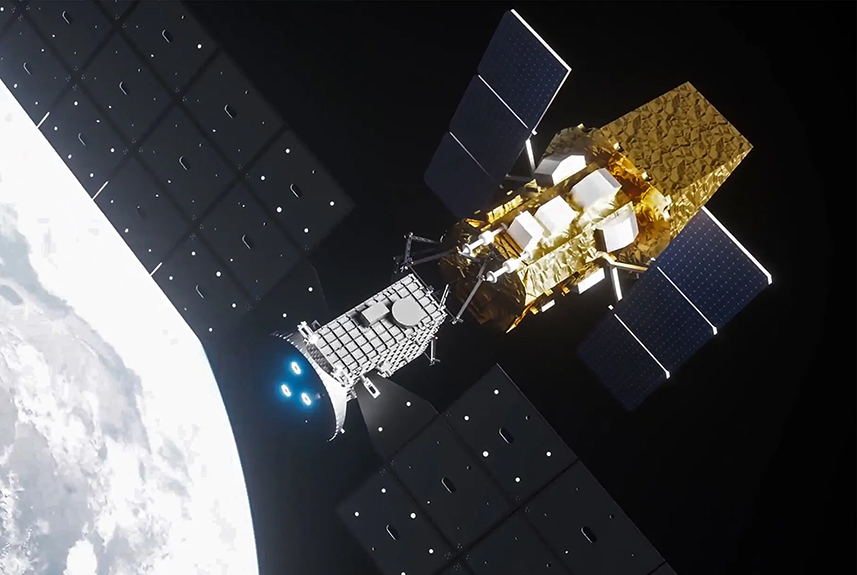
NASA and commercial partner Katalyst Space Technologies announced on August 20 2026 that their LINK servicing spacecraft could not complete the planned docking maneuvers to raise the International Space Station’s altitude. The failure means the ISS will remain at a lower orbit than expected, potentially impacting its long‑term trajectory. Engineers are investigating the cause while the station’s routine reboosts will continue with other vehicles. The incident underscores the challenges of commercial servicing missions for orbiting infrastructure.
Satellite Industry Association Endorses White House Space Transportation Policy Directive
Original Publication Date: 2026-08-22 22:54

On August 20, 2026, the Satellite Industry Association issued a statement backing the White House’s release of the updated National Security Presidential Memorandum on National Space Transportation Policy. The memorandum outlines new guidelines for the U.S. Space transport sector, aiming to streamline operations and enhance security. In its statement, the SIA praised the memo’s focus on industry collaboration and its potential to boost innovation and competitiveness. The association’s endorsement signals strong industry support for the administration’s space transportation strategy.
How will NASA's astronaut training hub change with commercial space stations?
Original Publication Date: 2026-08-22 16:00
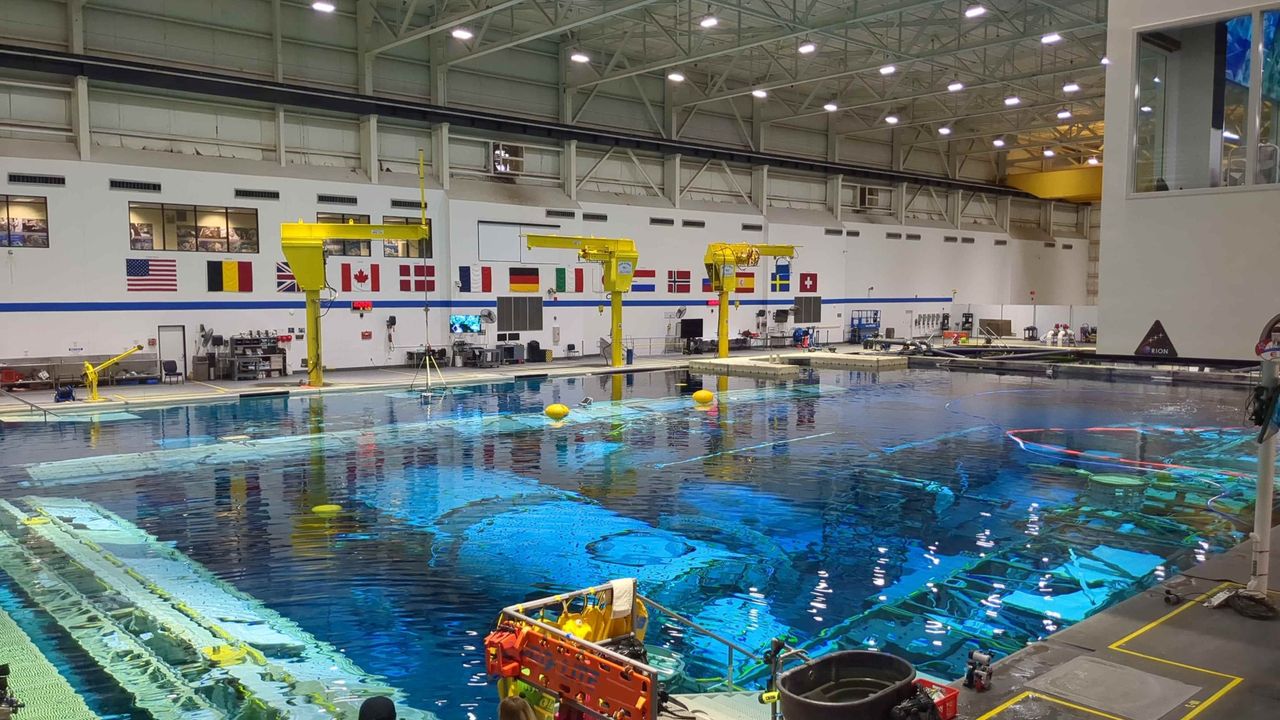
NASA’s astronaut training hub at Johnson Space Center is now a blend of federal staff, contractors, and private partners, all working to keep U.S. And international crews flying through the ISS’s expected 2030 retirement and into a new generation of commercial space stations. The agency’s Commercial LEO Destinations program has awarded early‑stage contracts worth about $415 million to teams led by Nanoracks, Blue Origin and Northrop Grumman, while firms like Vast Space and Bigelow Aerospace are developing their own modules for future free‑flying habitats. Mission Control in Houston remains a visible demonstration of NASA’s expertise, monitoring the ISS’s health and operations live on NASA+ as crews prepare for the upcoming SpaceX Crew‑13 launch. As the ISS continues to operate, NASA is ready to provide support and knowledge to any new station that will take its place.
SpaceX sends 27 Starlink satellites to orbit on 100th Falcon rocket launch of the year (video, photos)
Original Publication Date: 2026-08-22 12:23
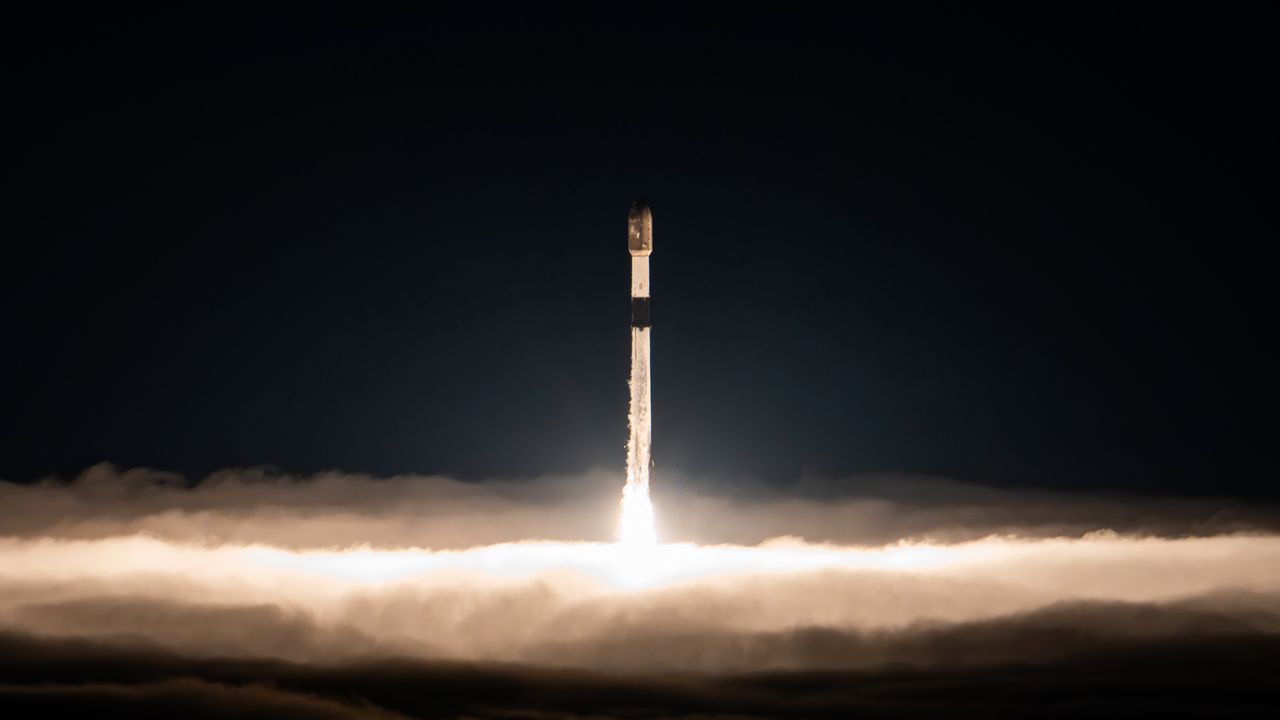
SpaceX launched 27 new Starlink satellites on its 100th Falcon mission of 2026, marking the 99th Falcon 9 launch of the year from Vandenberg Space Force Base in California. The booster, B1100, completed its ninth flight and landed on the droneship “Of Course I Still Love You” about eight and a half minutes after liftoff. The satellites entered low‑Earth orbit just under 62 minutes later, adding to a constellation that already exceeds 11,000 operational craft. SpaceX plans to launch 100,000 next‑generation Starlink V3 satellites, aiming for a million‑satellite network in the coming years.
On this day in space! Aug. 22, 1963: X-15 sets world altitude record
Original Publication Date: 2026-08-22 12:00
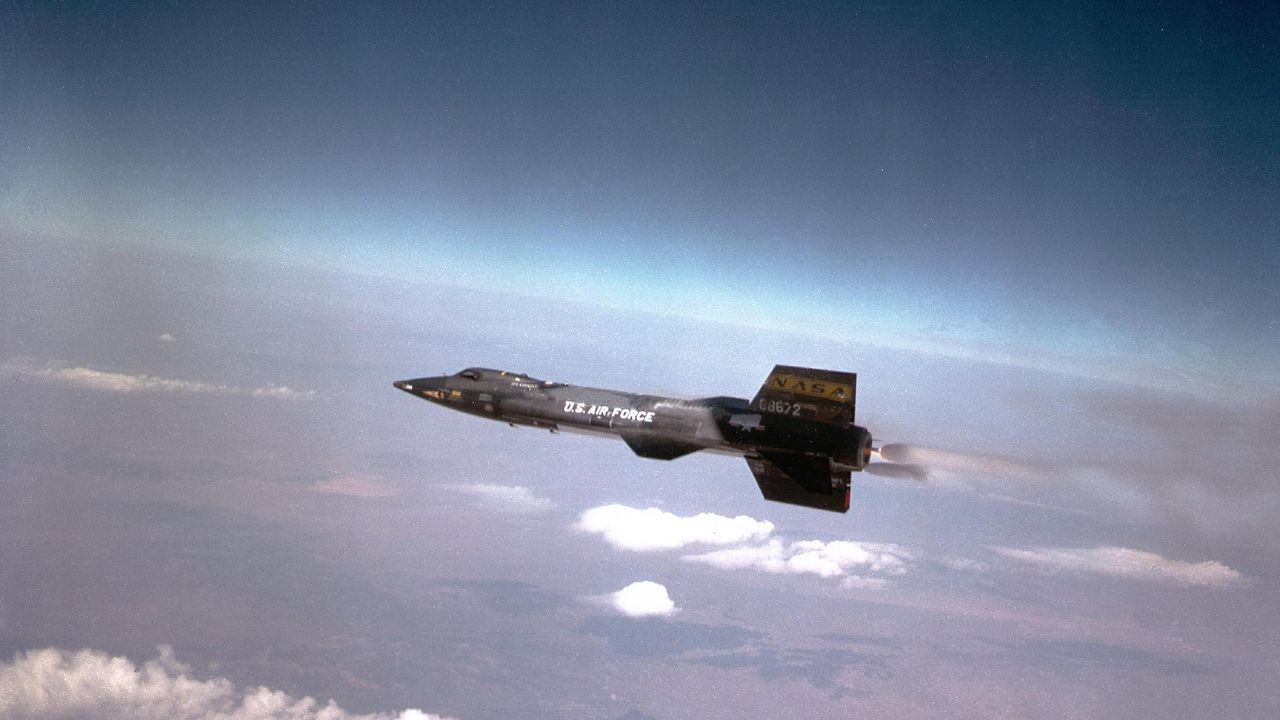
On August 22, 1963, U.S. Air Force Captain Joe Walker piloted the X‑15 rocket plane to a record altitude of over 67 miles, soaring five miles above the Kármán line and experiencing five minutes of weightlessness in an 11‑minute flight. It was the second and final suborbital flight of the X‑15 program, making Walker the first person to go to space twice.
Dismantling the Roadless Rule threatens to disrupt wildlife and water in US
Original Publication Date: 2026-08-22 11:08
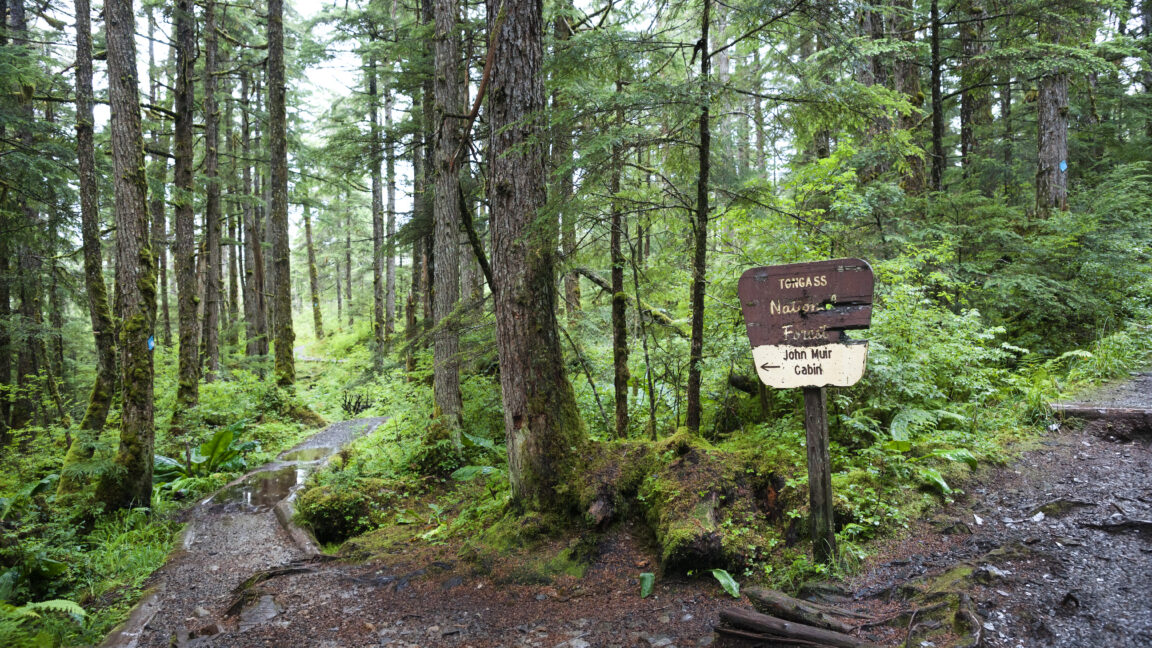
The United States boasts more than 4.2 million miles of public roads, leaving only about 5 percent of the lower 48 states as truly roadless wilderness. A proposed rollback of the 2001 Roadless Rule by the Trump administration threatens to open up these last untouched areas, including Alaska’s Tongass National Forest. The Tongass, home to eagles, bears, salmon, and vast old‑growth coastal forests, could face increased road construction and habitat fragmentation. Protecting this network of roadless lands is essential for preserving the region’s unique wildlife and ecological integrity.