 Spotify
 Apple Podcasts
 Podcast Addict
 Overcast
 Podcast RSS
Senate installs new chiefs for U.S. military space acquisition, spy satellites
Original Publication Date: 2026-08-07 21:03
On August 7 the Senate confirmed Erich Hernandez‑Baquero as the Air Force’s assistant secretary for space acquisition, giving the Space Force a new civilian lead as it pushes a record $71.1 billion budget and reorganizes its acquisition structure. A former Raytheon executive, Hernandez‑Baquero will drive acquisition reform and workforce rebuilding in a mission‑focused model.
FCC Space Bureau deputy takes the reins amid licensing overhaul
Original Publication Date: 2026-08-07 17:54
The FCC has named Jennifer Gilsenan as acting chief of its Space Bureau as Jay Schwarz prepares to retire. Gilsenan, a veteran regulator with over two decades of experience, will steer the bureau that was created in 2023 to modernize satellite rules and accelerate licensing for the growing constellation industry. The agency recently approved a sweeping overhaul of its satellite licensing regime, cutting the backlog by 43% in Schwarz’s first year and an additional 15% this year. Chairman Brendan Carr praised the rapid reforms and expressed confidence that Gilsenan will continue the momentum.
U.S. Senate confirms Schiess to lead Space Force
Original Publication Date: 2026-08-07 12:42
On August 6, the U.S. Senate confirmed Lt. Gen. Douglas Schiess as the next chief of space operations, taking over from Gen. Chance Saltzman as the Space Force's top uniformed officer. Schiess, a 34‑year veteran who has led the 45th Space Wing and the 21st Space Wing, will steer the six‑year‑old service as it ramps up funding, personnel, and new missile‑warning, communications and satellite programs amid growing competition with China. He emphasized the need to rapidly expand the workforce, infrastructure, and operational capabilities to defend U.S. Satellites and support joint‑force missions worldwide.
2026 IGARSS Hyperwall Schedule
Original Publication Date: 2026-08-07 18:57
IGARSS 2026, the International Geoscience and Remote Sensing Symposium, will run from August 10‑12 and feature a packed agenda on Earth science technology, new missions, and satellite data. Monday opens with NASA’s Hyperwall storytelling exhibit at Booth 100, followed by talks from Mike Seablom on future Earth science tech and Karen St. Germain on advancing Earth system insights.
Relativity Space engine integration milestone for Terran-R first stage
Original Publication Date: 2026-08-07 21:04

Relativity Space has begun installing its 13 Aeon R engines on the first‑stage thrust structure of the Terran R, marking a major step toward a fully integrated reusable booster. The company has already completed a rigorous structural qualification of Stage 1, subjecting a test article to 420 pressure cycles and 4.3 million lbf of axial compression while pressurized.
'Not looking good right now': Starship likely to be lost at sea 2 weeks after epic 13th test flight, Elon Musk says
Original Publication Date: 2026-08-07 20:44
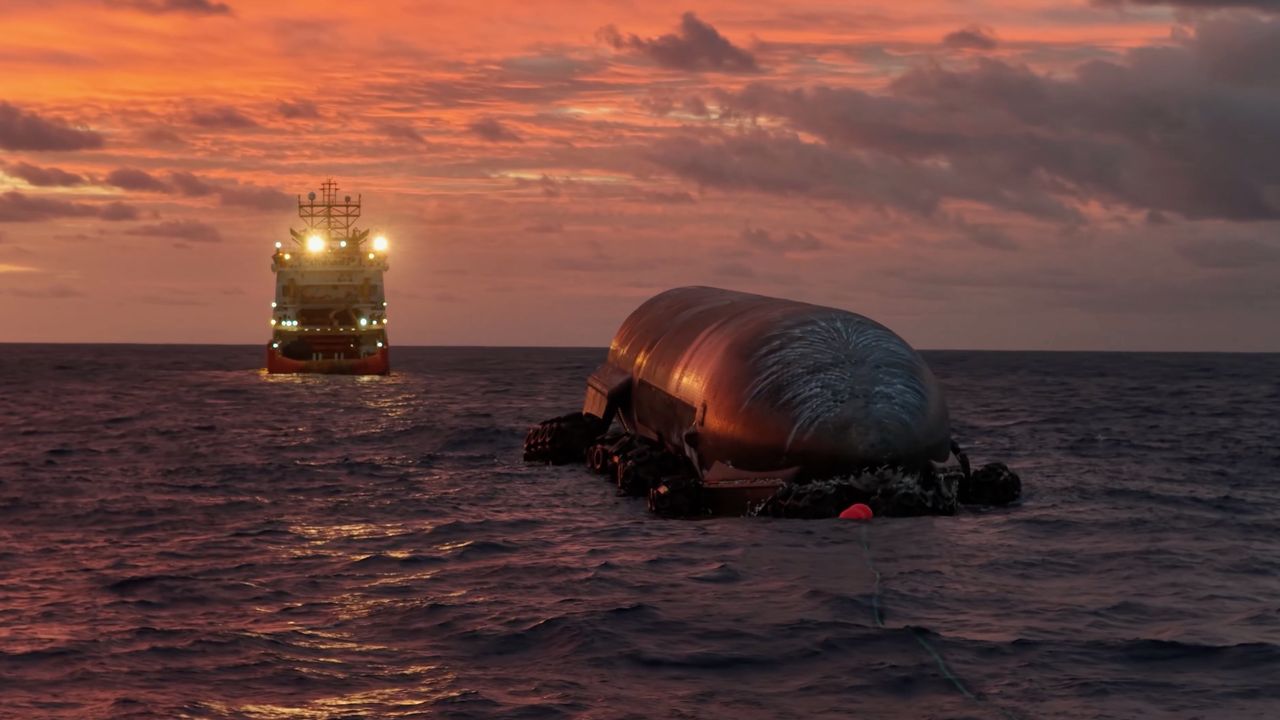
SpaceX’s Starship completed its 13th test flight on July 24, with the upper stage—dubbed Ship—splashing down intact in the Indian Ocean. While the vehicle survived the splashdown, recovery efforts are proving difficult amid rough seas, and CEO Elon Musk said the chances of bringing Ship back to shore look bleak. Nonetheless, SpaceX has already captured close‑up photos of critical heat‑shield and engine areas to guide future upgrades. The mission also deployed 20 new Starlink V3 satellites, marking another step toward the company’s vision of a million‑satellite constellation.
NASA figured out how to keep its 48-year-old Voyager 2 probe running for yet another year
Original Publication Date: 2026-08-07 19:00
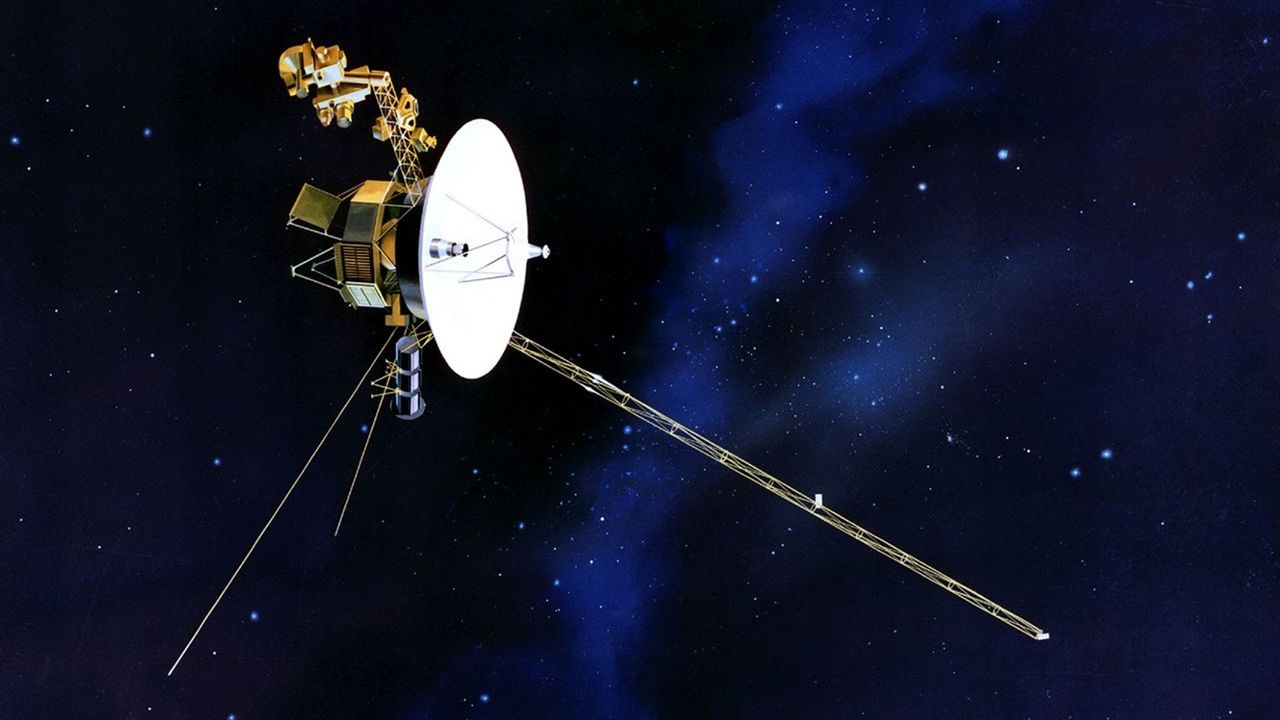
NASA has performed a “Big Bang” power adjustment on Voyager 2, turning off non‑essential systems and switching to lower‑power alternatives to extend the operation of its remaining science instruments for at least another year. The 48‑year‑old probe, which relies on a radioisotope thermoelectric generator, has been losing about four watts of power per year, forcing the team to conserve energy after shutting down two instruments in 2024. With only three instruments still active, the new power savings prevent another shutdown this year, while Voyager 1 is scheduled to undergo a similar change in the coming months. This tweak keeps the twin spacecraft—now both in interstellar space—sending valuable data back to Earth.
NASA's SkyFall Mars helicopters will wear tiny capes
Original Publication Date: 2026-08-07 16:07
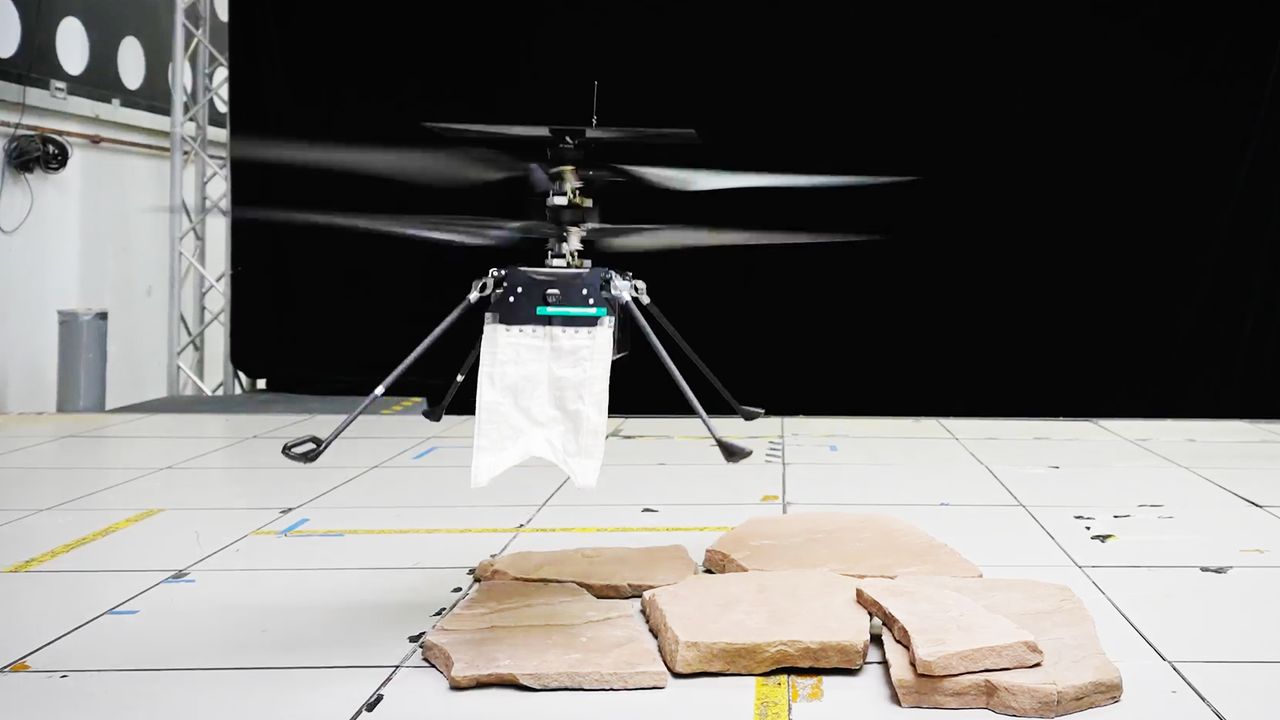
NASA’s SkyFall mission will send a trio of miniature helicopters to Mars, each equipped with a tiny “cape” that is actually a lightweight, flexible Vivaldi antenna for ground‑penetrating radar. The capes, only 5 ounces each, can bend during landing and spring back to scan up to 16 feet beneath the surface, searching for shallow ice deposits that could supply future astronauts with water, oxygen and fuel. Engineers tested the antennas through 200 simulated landings and extreme temperatures, proving they can withstand more than twice the number of expected flights. By flying low and slow, the SkyFall choppers aim to map the planet’s subsurface ice layers, a key step for safe human exploration.
The ultimate eclipse chase: A Concorde raced against the Moon's shadow
Original Publication Date: 2026-08-07 19:00

At the National Air and Space Museum of France in Paris‑Le Bourget, aviation enthusiasts can see the Concorde prototype F‑WTSS 001, its nose painted with a map of the 1973 total solar eclipse across Africa. In 1973, a team of eight scientists flew the aircraft at over twice the speed of sound, recording a record 74‑minute totality—far longer than the 7.5‑minute maximum seen on the ground.
The world's biggest solar telescope caught vortexes on the Sun's surface
Original Publication Date: 2026-08-07 13:20
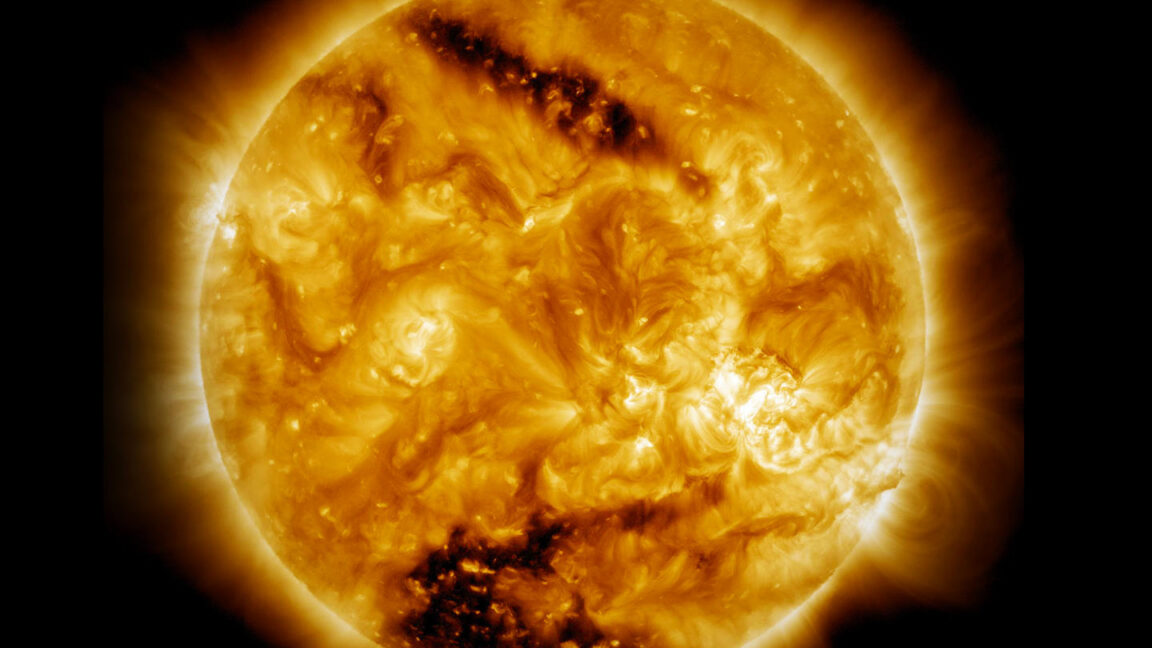
Scientists have finally confirmed that Kelvin‑Helmholtz instabilities—swirling vortices that form when two fluids move at different speeds—are common on the Sun’s surface. Using the 4‑meter Daniel K. Inouye Solar Telescope in Hawaii, researchers observed tiny plasma whirlpools that were previously invisible to smaller telescopes. This breakthrough could reshape our understanding of how heat, mass, and magnetic energy travel through the solar atmosphere. The discovery underscores the power of modern solar observatories to reveal the Sun's hidden dynamics.