 Spotify
 Apple Podcasts
 Podcast Addict
 Overcast
 Podcast RSS
Sending repurposed Mars rover to the moon could cost more than $1 billion
Original Publication Date: 2026-07-31 20:53
NASA is eyeing a lunar rover called PROMISE, a repurposed engineering model of the Curiosity and Perseverance Mars rovers, but the agency’s administrator has flatly rejected cost estimates that exceed $1 billion. A recent Planetary Society analysis puts the development, launch and first year of operations at between $723 million and $1.33 billion, with a launch likely in the early 2030s. The study points out that the rover would need significant upgrades—including a flight‑ready communications system and a power supply based on a scarce radioisotope thermoelectric generator—making the mission far from a “freebie.” Meanwhile, NASA’s plans for future New Frontiers missions have been delayed pending an assessment of nuclear power availability, highlighting the broader budget and resource constraints surrounding lunar exploration.
Inside the effort to show Congress what war in space looks like
Original Publication Date: 2026-07-31 13:30
Congress can see tanks and aircraft, but not space battles, so the Space Force Association launched the National Spacepower Center, an unclassified digital simulation that visualizes satellite operations and potential orbital conflicts. The prototype, unveiled July 21 at Sedaro’s Arlington office, let Gen. Chance Saltzman and Lt. Gen. Douglas Schiess watch a simulated “dogfight” where an adversary jamming a U.S. Missile‑tracking satellite could disrupt ground forces in the South China Sea.
Space Force picks 15 companies for $981 million training range contract
Original Publication Date: 2026-07-31 13:18
The U.S. Space Force has opened a $981 million contract, called NITE‑STAR, to 15 companies to build satellites, sensors and other systems that will make military space training more realistic. The contract will support the National Space Test and Training Complex, a network of physical ranges and simulated environments where operators can practice responding to threats against U.S. Satellites. It is an indefinite‑delivery, indefinite‑quantity agreement with a five‑year base period and one‑year option, and the $981 million represents the maximum value of task orders that can be issued through July 2032.
NASA still assessing Starliner-1 flight opportunities
Original Publication Date: 2026-07-31 12:13
NASA reports good progress on Boeing’s CST‑100 Starliner after earlier propulsion issues, though no flight date has yet been set. Boeing plans a cargo‑only Starliner‑1 launch no earlier than Q4 2024, which could open the door to a crewed mission in 2027. The ISS will conduct three spacewalks in August to install solar arrays, replace an antenna, and connect cables, with astronauts Meir, Menon and Adenot among the crew.
SpaceX launches 24 Starlink satellites on Falcon 9 rocket from Vandenberg SFB
Original Publication Date: 2026-07-31 18:07
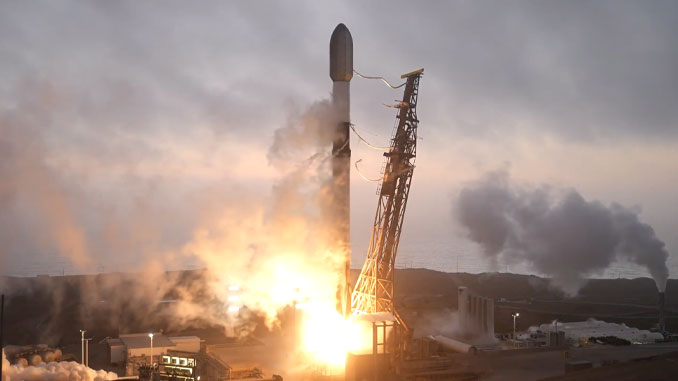
SpaceX’s Falcon 9 lifted off at 8:08 p.m. PDT from Vandenberg Space Force Base, carrying its 17‑52 batch of 24 Starlink V2‑mini satellites into low‑Earth orbit. The launch, delayed from its original July 27 date, saw the first‑stage booster B1081 return to the droneship “Of Course I Still Love You” in the Pacific, marking the company’s 643rd orbital landing. With more than 10,800 Starlink satellites already orbiting, this mission expands the constellation to provide global broadband coverage.
Hisdesat Contracts Airbus and Thales Alenia Space to Build SpainSat NG III Communications Satellite
Original Publication Date: 2026-07-31 20:12
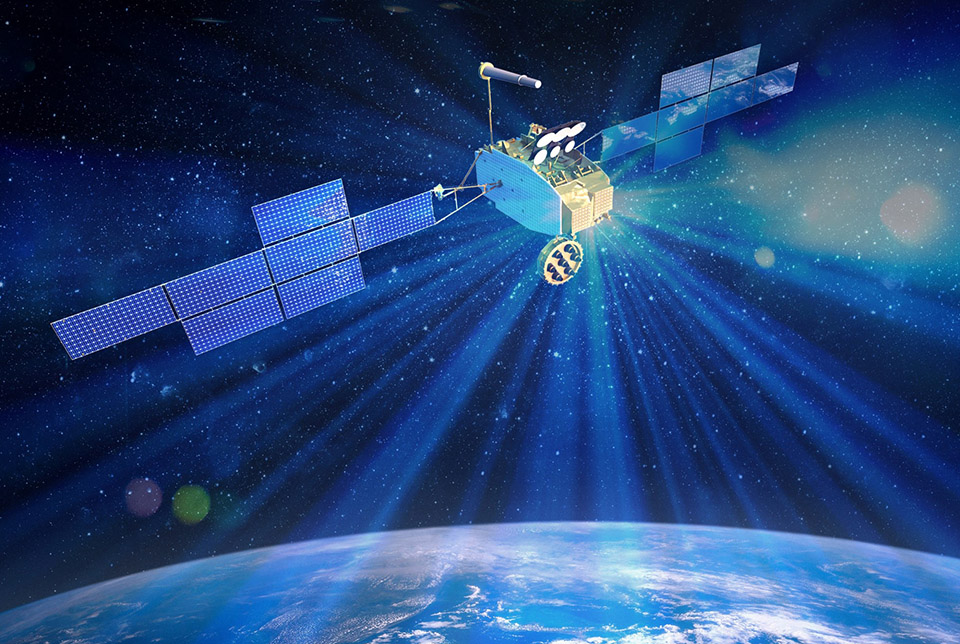
Hisdesat, a Spanish defense operator, inked a formal industrial contract on July 31, 2026 with Airbus Defence and Space and Thales Alenia Space. The agreement will see the three companies collaborate on the development and construction of a new space system. The project is expected to enhance Spain’s strategic satellite capabilities and support future defense operations. This partnership marks a significant step forward for the country’s domestic space industry.
NASA and ISISPACE Deploy GRITSS CubeSat to Advance Orbital Reference Frame Precision
Original Publication Date: 2026-07-30 19:00
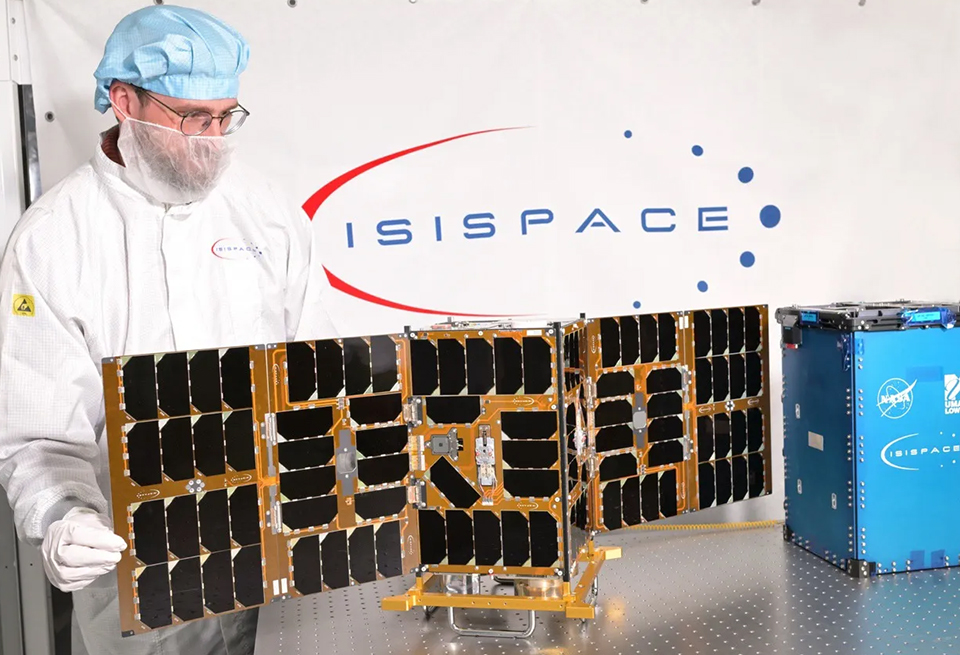
NASA launched its Geodetic Reference Instrument Transponder for Small Satellites (GRITSS) demonstration spacecraft into low Earth orbit on Tuesday, July 7, 2026 from Vandenberg Space Force Base. The mission is designed to test a high‑precision transponder that could provide accurate positioning for future small‑satellite constellations.
NASA to Host Florida Event Celebrating American Air, Space Leadership
Original Publication Date: 2026-07-31 21:08
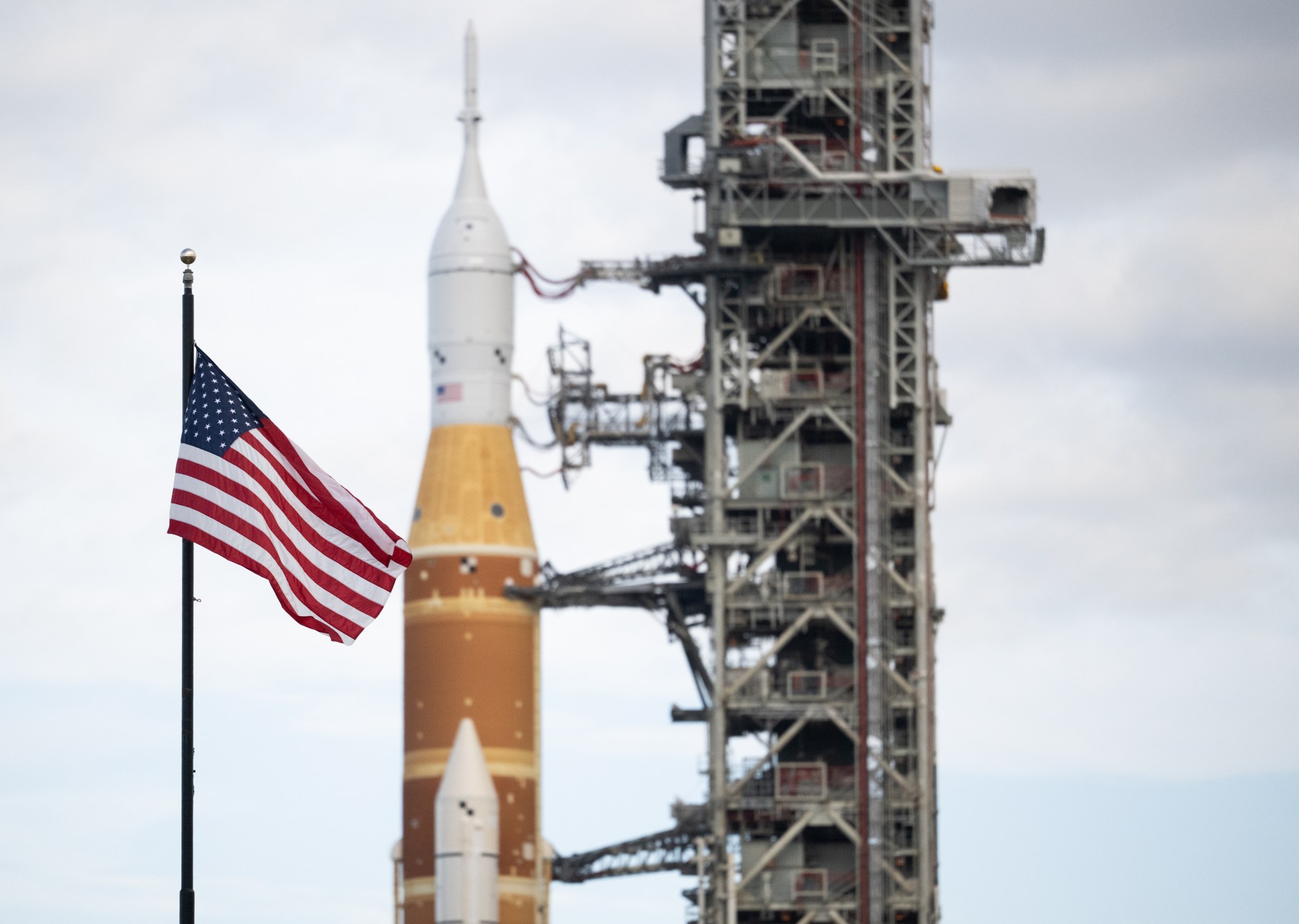
NASA’s Kennedy Space Center will host a live news conference on Friday, Aug. 14 at 2:30 p.m. EDT to spotlight American leadership in space and aviation and preview a new event tied to the nation’s 250th anniversary. The conference, held in the XLV Hangar, will feature NASA Administrator Jared Isaacman, congressional leaders, and industry innovators, and will be streamed worldwide from https://www.nasa.gov/live. Media and digital creators are invited to attend in person, with requests due by Aug. 6, and the event will highlight the historic Artemis II test flight that launched in January 2026 from the same site.
TB 26-04 Webbings for Use in Elevated Oxygen Environments
Original Publication Date: 2026-07-31 19:05
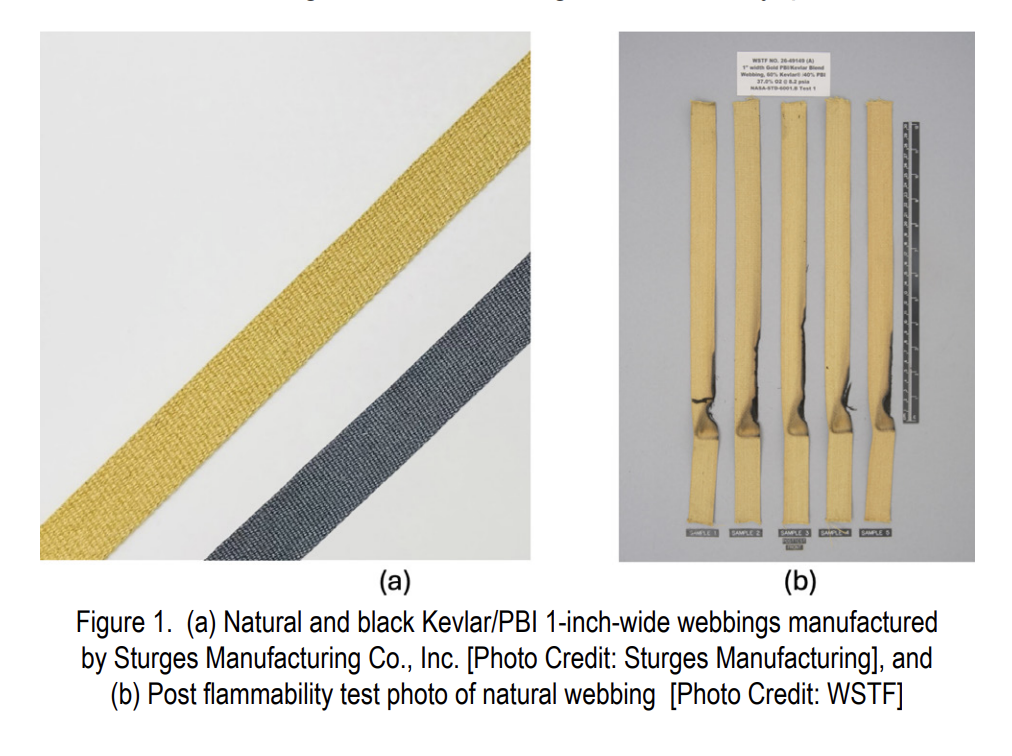
NASA testing shows that a 60 % Kevlar/40 % PBI webbing from Sturges Manufacturing meets flammability requirements in the 37 % oxygen, 8.2 psia environment planned for future lunar and Martian missions. The natural, gold‑colored webbing passed NASA‑STD‑6001B Test 1, achieving a maximum oxygen concentration of 37 % while also providing acceptable off‑gassing data. These results support its use in soft‑goods such as crew mobility aids and restraint nets, though full‑configuration wear testing remains pending. The data will help the aerospace community select fire‑resistant textiles for next‑generation spaceflight hardware.
Starbase Pad 1 Retrofits Progress as Block 3 Flights Start
Original Publication Date: 2026-07-31 21:14

SpaceX is pushing ahead with the retrofit of Pad 1 at Starbase, bringing it up to spec with the newer Pad 2, LC‑39A, and the upcoming SLC‑37 pads. Crews have finished most of the trench excavation, are installing pre‑welded flame trench walls, and are now moving on to the launch mount, which could be completed in five to six months once the missing corner pieces arrive.
Blue Origin continues rebuilding LC-36, prepares testing alternatives for New Glenn second stage
Original Publication Date: 2026-07-31 12:14

Blue Origin is racing to bring its New Glenn rocket back to flight before the end of 2026 after a pad explosion destroyed Launch Complex 36 in May. The company has rebuilt the complex around a new horizontal‑to‑vertical hybrid concept, completing the destacking of the vehicle access tower, installing massive integration‑facility doors, and adding cryogenic systems and a new launch mount. With the pad cleared in nine days and surviving hardware moved to Exploration Park, Blue Origin is also partnering with NASA to hot‑fire New Glenn’s second stage at Stennis Space Center, aiming to start testing this fall.
K2 Space Raises $500M Series D at $6.8B Valuation
Original Publication Date: 2026-07-31 12:51
K2 Space just closed a $500 million Series D, pushing its post‑money valuation to $6.8 billion and bringing total funding since its 2022 launch over $1 billion. The round, led by Kleiner Perkins and ICONIQ with participation from CapitalG, Lightspeed, Altimeter and others, comes just months after the company signed more than $1 billion in contracts, including a 30‑sat deal with SES, a missile‑defense consortium with Anduril, and a Space Force tactical satcom program. CEO Karan Kunjur says the lofty valuation reflects multiples of next‑12‑month revenue, and the new capital will be used to scale production to 100 satellites a year and launch the first 100‑kW satellite by mid‑2028.
Report: Our Launch Cadence Forecast For Next-Gen Rockets
Original Publication Date: 2026-07-31 11:34
Payload Pro and Payload have released a new report titled “Our Launch Cadence Forecast For Next‑Gen Rockets.” The article examines projected launch frequencies for next‑generation rocket systems. Access to the full analysis is restricted to subscribers. The report highlights key industry trends and potential market impacts.
How do supermassive black holes grow? AI finds 7 spacetime-warping 'quasars' that could help solve the mystery
Original Publication Date: 2026-07-31 22:00
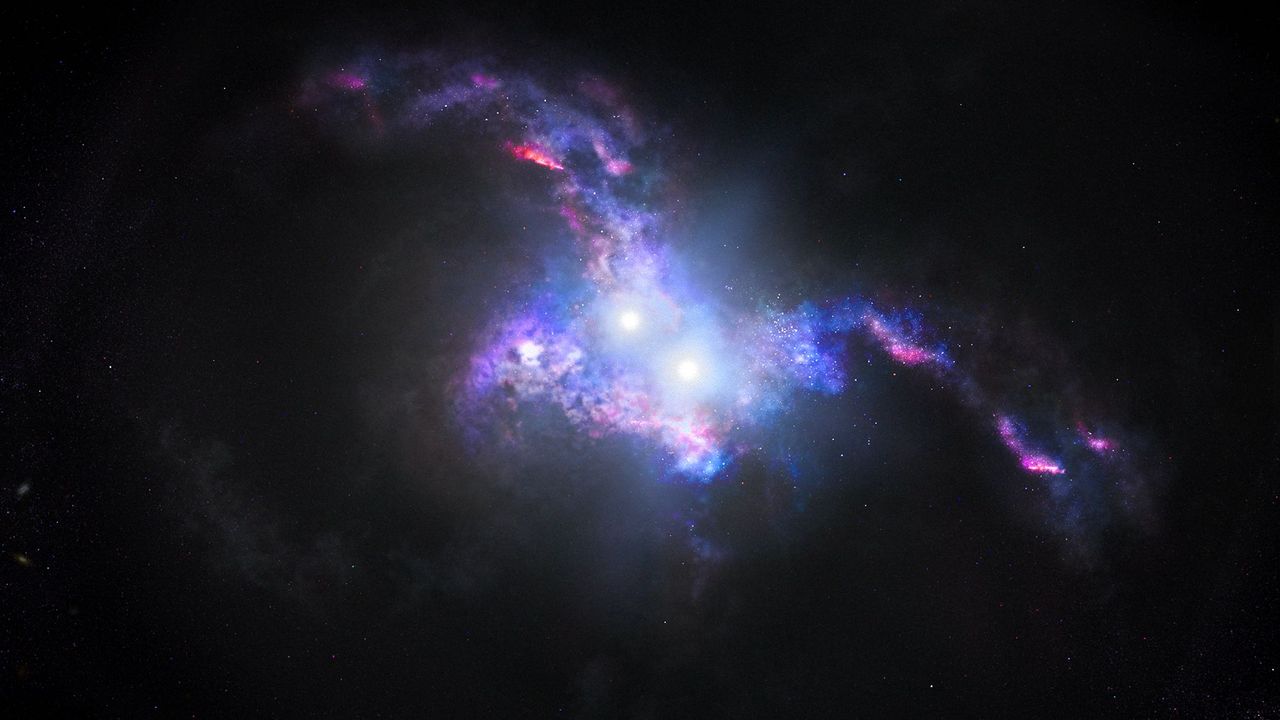
Astronomers using AI on DESI data have identified seven new quasars that act as gravitational lenses, doubling the number of known systems. These bright, actively feeding supermassive black holes magnify distant galaxies, offering a rare view into black‑hole growth and galaxy evolution. The machine‑learning model, trained on simulated lensing events, sifted through 800,000 quasars to narrow the search to 200 candidates, which researchers then manually vetted. If confirmed, these systems could become powerful tools for studying how supermassive black holes shape their host galaxies and showcase AI’s potential in mining vast astronomical datasets.
NASA is sending 2 probes to the moon to test complex 'three-body orbits'
Original Publication Date: 2026-07-31 16:00
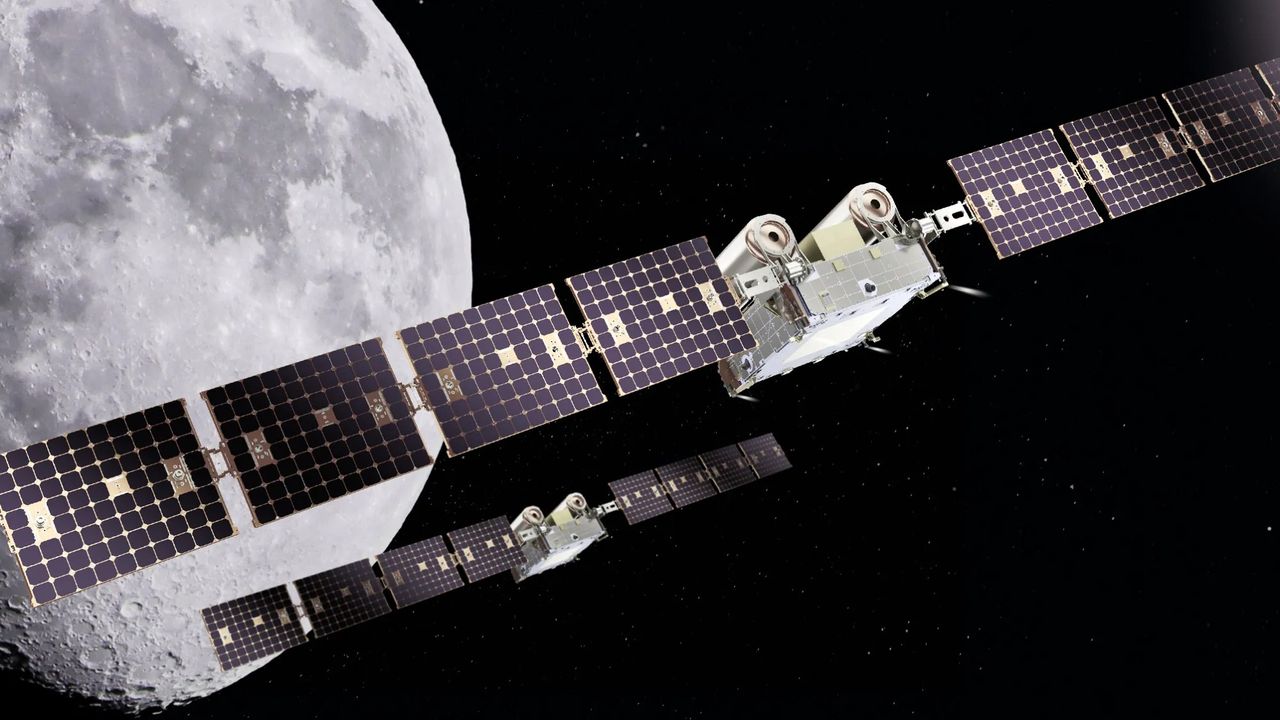
NASA plans to launch CAPSTONE 02 in 2027, sending two maneuverable probes into lunar orbit to study three‑body dynamics and test communication and navigation systems vital for Artemis missions. The twin spacecraft will fly in close formation, alternating chaser and target roles, using celestial navigation and optical sensors to map the complex gravitational environment between Earth and the Moon. CAPSTONE 02 builds on the 2022 CAPSTONE mission, which pioneered three‑body orbit tests, and will provide critical data for future lunar infrastructure and deep‑space missions. This effort underpins NASA's broader Artemis program, aiming to establish a sustainable presence on the Moon by 2028.
Watch SpaceX's Starship land at sea in these stunning new videos
Also covered by: Space.com
Original Publication Date: 2026-07-31 14:30
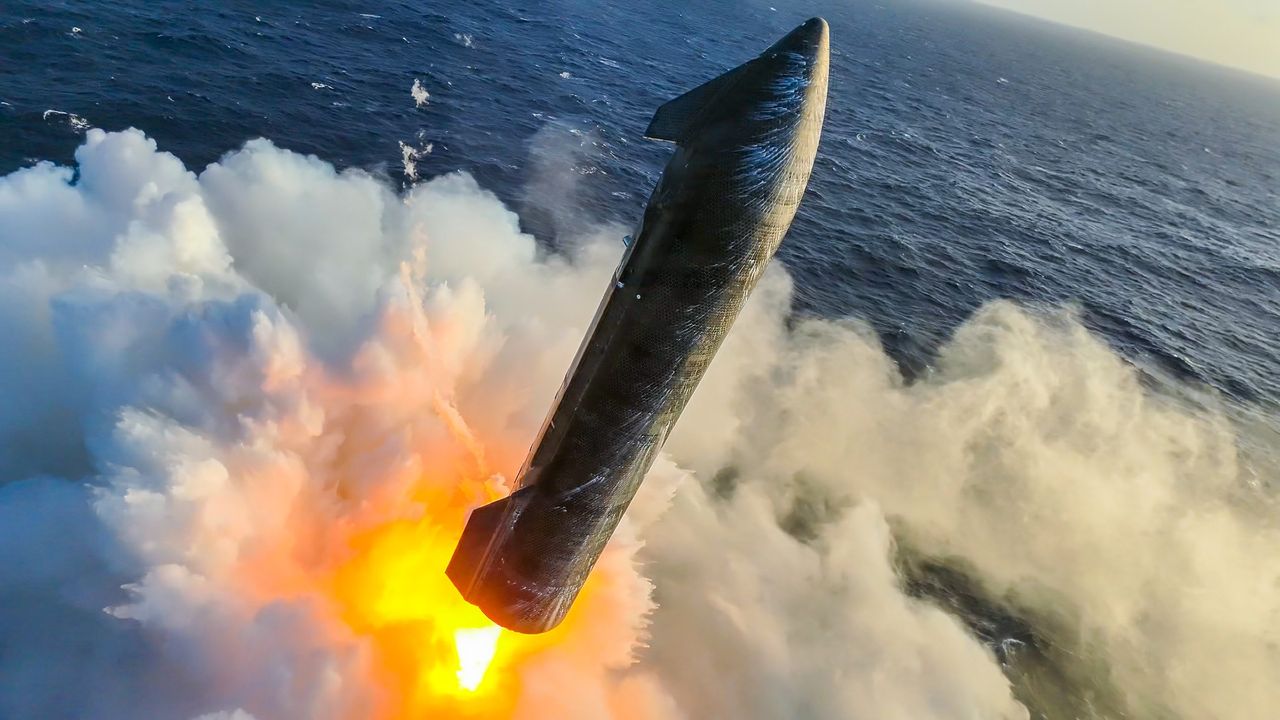
SpaceX’s Starship Flight 13 launched on July 24, 2026, lofting 20 next‑generation Starlink satellites and re‑igniting its Raptor engine before the upper stage gently splashed down in the Indian Ocean. New footage shows the 171‑foot vehicle swinging dramatically in midair to achieve a near‑vertical orientation, then steaming as it slows for a soft ocean landing. While the lower stage suffered engine issues, the upper stage’s successful descent marks another milestone toward rapid reusability and future Artemis moon missions. The vehicle remained afloat several days after the splashdown, with SpaceX’s recovery team continuing to gather imagery at sea.
Artemis moonsuits take a dive | Space photo of the day for July 31, 2026
Original Publication Date: 2026-07-31 14:00

NASA’s Neutral Buoyancy Laboratory in Houston has turned a 40‑foot pool into a mock lunar surface, where two Artemis science officers recently donned full moonsuits to practice geology tools under low‑light conditions. The exercise— the first time two geologists trained together in the pool—simulates the moon’s regolith and the reduced gravity astronauts will face on the south pole’s permanently shadowed regions.
Researchers devise a full-color night vision goggle
Original Publication Date: 2026-07-31 17:58
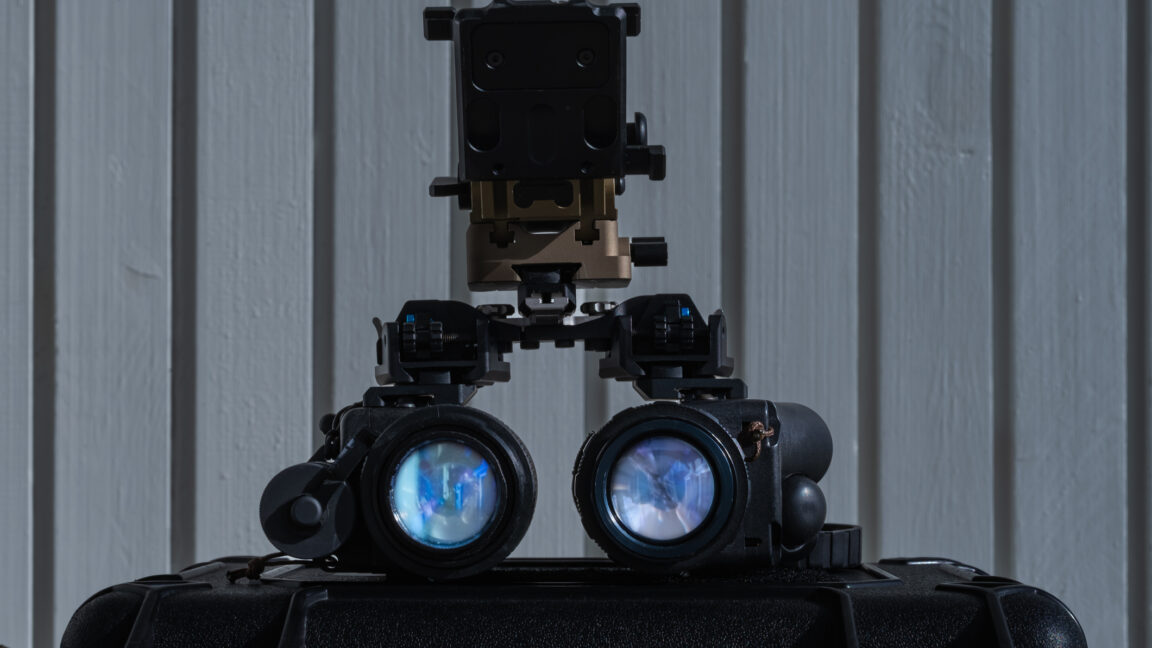
Scientists at the Beijing Institute of Technology have engineered a device that lets us “see” infrared light by converting it into distinct colors of the visible spectrum. Unlike traditional night‑vision goggles that render all infrared as green, this new system uses mercury telluride quantum dots to absorb infrared photons and a dual‑layer OLED to translate the absorbed energy into a full‑color image. The result is a visual representation that more closely mimics natural human vision, offering a clearer view of the invisible infrared world. This breakthrough could revolutionize how we detect heat signatures and monitor environments that are otherwise invisible to the naked eye.
Space Force-backed mission does its best impression of Top Gun in orbit
Original Publication Date: 2026-07-30 17:35
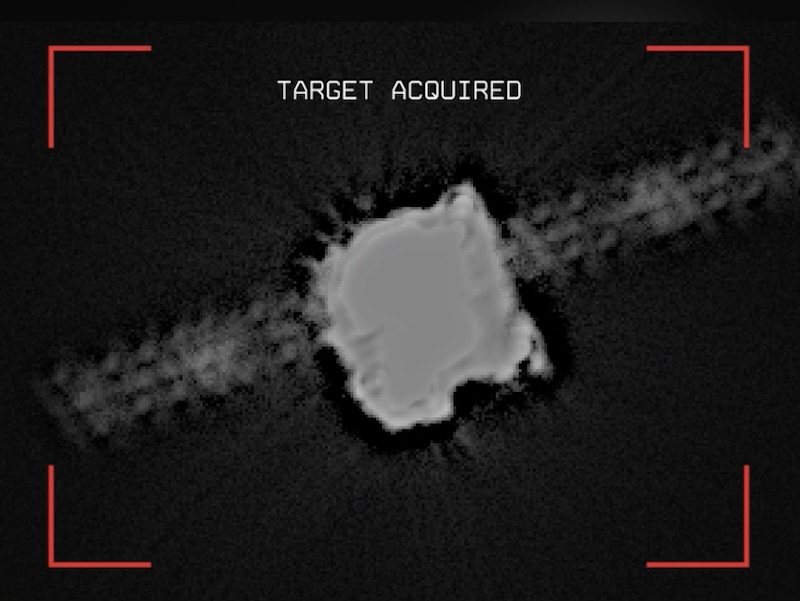
A recent unclassified military exercise in orbit demonstrated how satellites could evade and pursue each other, a first of its kind. True Anomaly showcased its Jackal satellite—nicknamed Panther—engaging in a cat-and-mouse chase with Rocket Lab's Pioneer‑based Puma.
Quantum computers outperform classical ones, with results you can trust
Original Publication Date: 2026-07-30 15:59
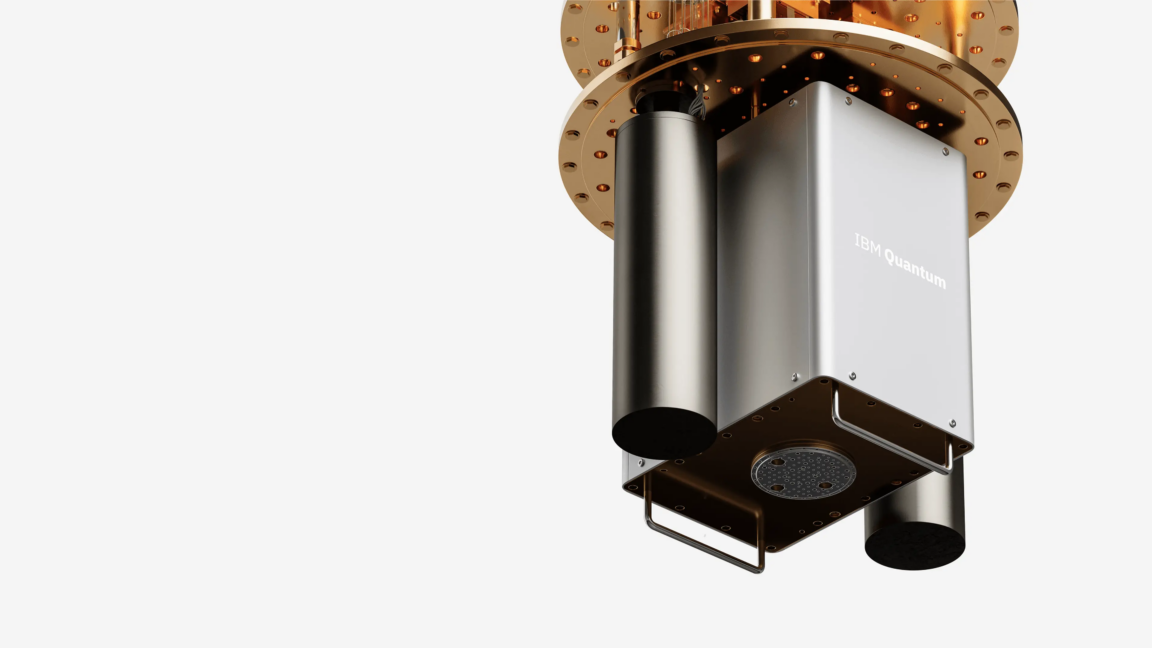
Quantum computers promise speedups that classical machines can’t match, yet today’s noisy devices can only run simplified versions of those algorithms, making it hard to prove their advantage. Verifying a result that a classical computer can’t compute is difficult, and errors may lead to wrong outputs, while a better classical algorithm could still win the race. In response, IBM launched a quantum advantage tracker and, on Thursday, announced three new entries that claim to demonstrate real quantum superiority by using distinct error‑mitigation and validation techniques. These developments underscore that trusted computing is crucial when classical simulations are no longer feasible.