 Spotify
 Apple Podcasts
 Podcast Addict
 Overcast
 Podcast RSS
Artemis 2 came home in triumph. Artemis 3 must survive the real test.
Original Publication Date: 2026-04-27 13:00
On April 10, the Orion capsule carrying Reid Wiseman, Christina Koch, Victor Glover and Jeremy Hansen safely splashed down in the Pacific, marking the first crewed lunar mission in over five decades. The crew transmitted stunning images, including Earth rising over the far side of the Moon and vivid views of its cratered, green‑brown terrain. Their return confirms the success of Artemis 2, but the next mission, Artemis 3, will face the real test of human spaceflight.
FAA to begin collecting user fees for commercial launches and reentries
Original Publication Date: 2026-04-27 11:53
The FAA has announced it will begin charging user fees for commercial launches and reentries starting in 2026, at 25 cents per pound of payload with a $30,000 cap per mission. These fees are intended to fund improved integration of space operations into the national airspace system and could generate millions of dollars each year, especially from high‑volume Starlink launches. The new revenue will help the FAA’s Office of Commercial Space Transportation hire additional staff and invest in automation to keep pace with a projected 52.7% rise in launch demand. This marks a significant shift toward performance‑based licensing and a new era of commercial space oversight.
Meta Secures Overview Energy Space Solar Power Capacity
Original Publication Date: 2026-04-27 11:27

Meta has struck a deal to secure up to 1 GW of power from Overview Energy’s planned solar‑beaming satellites, a move that comes as AI’s data‑center boom pushes terrestrial grids to their limits. The tech giant’s energy demand already matches Ireland’s entire 2023 power consumption, and it’s expected to double or triple by 2028. While Meta already secured 6.6 GW of nuclear capacity by 2035, this new partnership turns its sights to space, with satellites in geostationary orbit collecting sunlight and transmitting it to Earth via near‑infrared beams. Overview Energy, backed by former NASA officials, demonstrated the technology on a Cessna in November and aims to begin commercial delivery from satellites in 2030.
Astrobotic fires next-generation 'rotating detonation rocket engine' in record-breaking test (video)
Original Publication Date: 2026-04-27 13:00
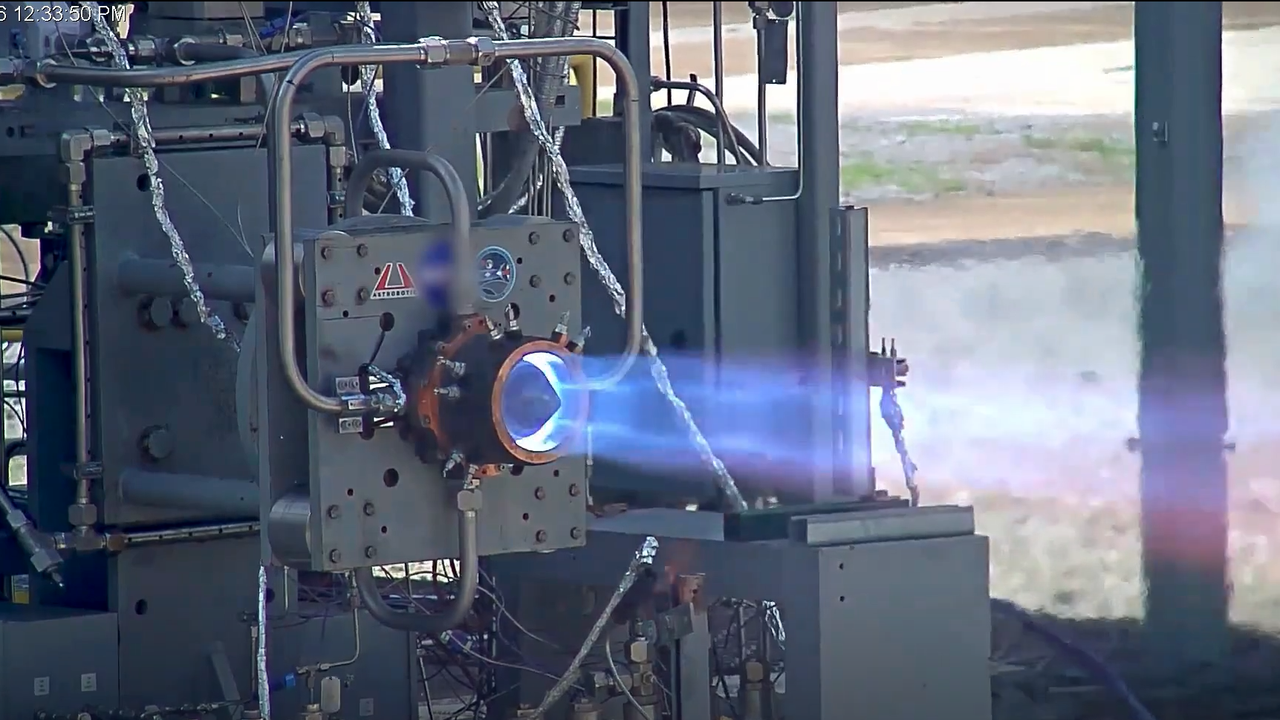
Pittsburgh‑based Astrobotic has just completed a record‑breaking hot‑fire test of its rotating detonation rocket engine prototype, Chakram, at NASA’s Marshall Space Flight Center. The two engines burned for a combined 470 seconds, including a continuous 300‑second run that produced over 4,000 pounds of thrust with no visible damage—longer than any previous RDRE demonstration. By using a continuous detonation wave, the technology promises 10–15 % greater efficiency and lighter, smaller engines—advantages critical for future lunar landers and cislunar transfer vehicles. This milestone brings the experimental propulsion system a significant step closer to flight readiness.
AI sped up James Webb Space Telescope data analysis from years to days. What can it do for the groundbreaking Rubin Observatory?
Original Publication Date: 2026-04-27 12:00

AI has already turned the James Webb Space Telescope’s multi‑year data crunch into a matter of days, and now the same technology is set to sharpen images from the Vera C. Rubin Observatory in Chile. A generative model dubbed Neo, trained on Subaru and Hubble data, can remove atmospheric distortion and boost resolution, revealing individual stars and galaxy shapes that were previously blurred. The Rubin Observatory, which began sky‑scanning in 2025 from the high‑altitude Atacama Desert, will use Neo to produce 10‑year time‑lapse images with near space‑based clarity.
NASA wants to use a fleet of MoonFall drones to scout the lunar south pole: 'We believe we can do it'
Original Publication Date: 2026-04-27 10:00
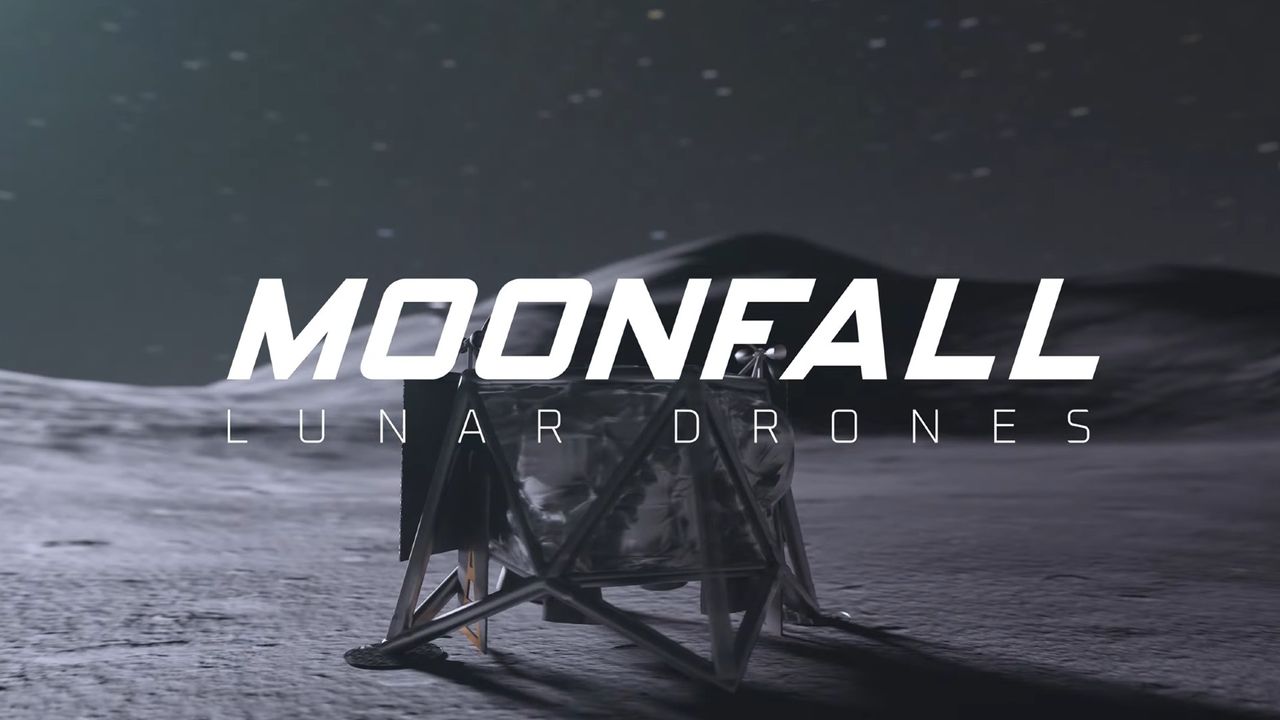
NASA is set to launch a fleet of four hopper drones—titled MoonFall—to scout the lunar south pole before astronauts arrive in 2028. Each drone will cover roughly 30 miles, equipped with 10 cameras and scientific instruments to stitch together a detailed map of the terrain. The project builds on the Ingenuity Mars helicopter’s success, using commercial off‑the‑shelf electronics for hazard detection and navigation. This effort is part of a broader Artemis program revamp aimed at a rapid, data‑driven return to the Moon.