 Spotify
 Apple Podcasts
 Podcast Addict
 Overcast
 Podcast RSS
NASA selects Falcon Heavy to launch ESA Mars rover mission despite budget threat
Original Publication Date: 2026-04-17 22:05
NASA has chosen SpaceX’s Falcon Heavy to launch the European Space Agency’s Rosalind Franklin Mars rover, a decision that comes amid a proposal to cancel the agency’s ROSA support program. ROSA would provide braking engines, radioisotope heater units, electronics and a mass spectrometer to keep the rover warm and operational on Mars. The launch contract is valued at $175.7 million, comparable to previous Falcon Heavy missions such as Europa Clipper and the Nancy Grace Roman Space Telescope. Meanwhile, congressional debate over NASA’s 2027 budget has sparked bipartisan opposition to the proposed cuts, with many senators urging increased funding for planetary science missions.
NorthStar to go public via SPAC to expand space-based SSA network
Original Publication Date: 2026-04-17 21:53
NorthStar Earth and Space is set to raise capital to expand its space‑based sensor network for space situational awareness. The company will go public through a merger with Viking Acquisition Corp, a publicly listed shell. The SPAC deal will provide the funding needed to grow NorthStar’s SSA capabilities. This move positions the firm to strengthen its presence in the rapidly expanding space surveillance market.
Shenzhou-21 astronauts complete third spacewalk, mission extended by a month
Original Publication Date: 2026-04-17 18:11
China’s Shenzhou‑21 crew carried out a third spacewalk outside the Tiangong space station on Thursday. During the EVA, they installed debris‑protection hardware and inspected the station’s exterior. The successful operation marks a key milestone in the station’s ongoing maintenance. Following the activity, the mission has been extended by an additional month.
Artemis 2 astronauts praise performance of Orion
Original Publication Date: 2026-04-17 16:41
Artemis 2 astronauts say the Orion spacecraft performed better than expected on its nine‑day trip around the Moon, with only minor hiccups such as helium‑leaking valves and a small toilet vent issue. The crew praised the heat‑shield redesign and the spacecraft’s smooth re‑entry, noting only a slight char loss on the edge. Commander Reid Wiseman said Orion could be launched tomorrow on the Space Launch System and that the crew feels ready to land on the Moon if a lander were available. Their confidence sets the stage for future lunar surface missions, with astronauts already training in simulated geology tasks.
Blue Origin Unveils Project Quartz Global Ground Station Network
Original Publication Date: 2026-04-17 23:26

Blue Origin’s National Security Group President Tory Bruno unveiled Project Quartz on April 16, 2026, a worldwide network of ground stations designed to enhance satellite communication for government
Geographic Hotspots: Where Demand Is Accelerating
Original Publication Date: 2026-04-17 19:59
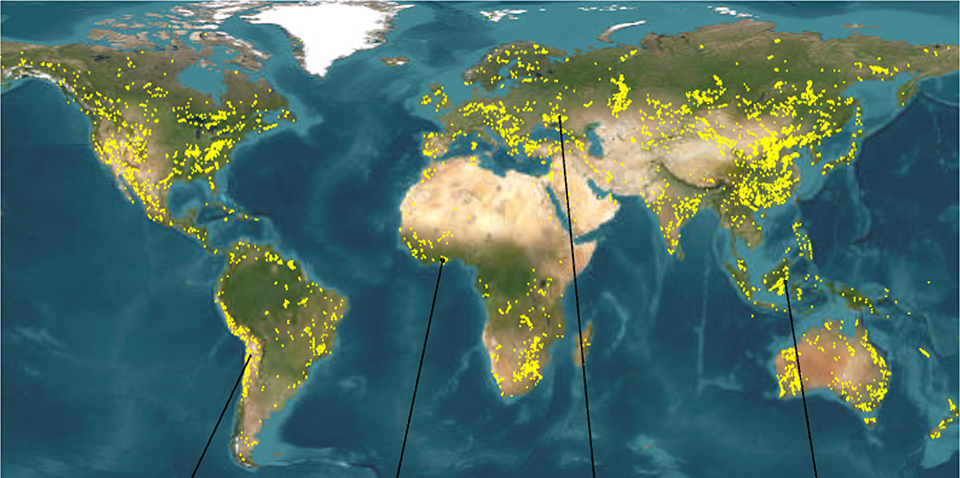
Terrestrial infrastructure is reaching its physical and economic limits, prompting a concentrated surge in satellite demand across three primary geographic theaters. Industry analysts say that by mid‑2026, the global satellite sector has already begun deploying new constellations and services to meet this growing need. Key regions—North America, Asia‑Pacific, and Europe—are leading the shift, as they grapple with aging fiber networks and increasing bandwidth demands.
SmallSat Europe Speaker Focus: Martin Langer, OroraTech
Original Publication Date: 2026-04-17 17:20

OroraTech CEO Martin Langer is leading a fleet of 14 thermal satellites that can spot fires as small as 4 by 4 meters. The company already has orders from Greece and Canada, signaling growing demand for rapid wildfire detection. At this year’s SmallSat Europe conference, Langer showcased how the thermal layer is reshaping Earth observation. These satellites promise faster, more accurate fire monitoring for the planet.
CSDA Quality Assessment Report Evaluates Satellogic NewSat Data
Original Publication Date: 2026-04-17 21:21
NASA’s Commercial Satellite Data Acquisition program has approved Satellogic’s NewSat constellation, including its Mark IV and Mark V sensors, for scientific use after a thorough quality assessment. The report examined 60 top‑of‑atmosphere reflectance images from 2021‑2025, finding that most spectral bands were within 10 % of Aqua MODIS reference values and that signal‑to‑noise ratios met “Good” criteria. Geometric performance exceeded specifications, with the Mark IV earning an “Excellent” grade and the Mark V a “Basic” grade, prompting Satellogic to revise its data processing. NASA’s CSDA will soon evaluate the updated products, continuing its mission to integrate high‑quality commercial data into Earth‑science research.
Webinar 4/29: NASA CSDA Program Vendor Focus- MDA Space
Original Publication Date: 2026-04-17 20:33
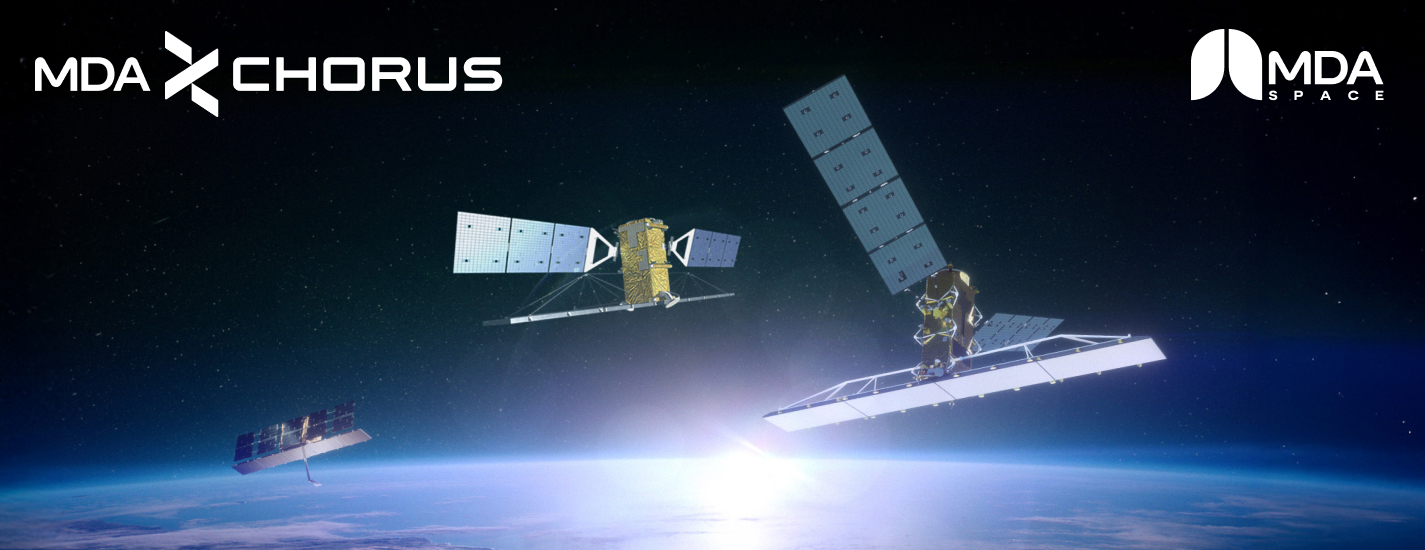
NASA’s Commercial Satellite Data Acquisition (CSDA) program is launching a webinar to showcase MDA Space’s CHORUS-C, CHORUS-X, and RADARSAT-2 synthetic aperture radar constellation, highlighting how these commercial C‑band SAR products can supplement NASA’s Earth observations. The session will walk participants through discovering, accessing, and working with the satellite data, emphasizing the cost‑effective nature of commercial sources. Experts will explain how the new datasets complement NASA’s existing Earth science holdings for research and applications. Those interested can register for the webinar to learn more about the available services, tools, and support for MDA Space data.
NASA Artemis II Human Research Data Methodology Challenge
Original Publication Date: 2026-04-17 18:41

NASA’s Artemis II crew—Christina Koch, Jeremy Hansen, Reid Wiseman and Victor Glover—completed a swing around the far side of the Moon and are now heading back to Earth, with a splashdown in the Pacific scheduled for April 10. This mission marked the first crewed lunar‑vicinity flight since Apollo 17 in 1972, taking astronauts farther into deep space than any human mission before and exposing them to space radiation, isolation and new operational demands.
NASA, OPM Announce New NASA Force Website, Open Job Applications
Original Publication Date: 2026-04-17 17:04

NASA and the U.S. Office of Personnel Management have launched “NASA Force,” a new hiring initiative aimed at attracting top engineers and technologists to fill mission‑critical roles across the agency. The program is designed to keep NASA’s workforce at the cutting edge of exploration, research, and advanced technology, building on the excitement generated by the successful Artemis II mission. The first positions open under NASA Force are for aerospace engineers on two‑year terms, with additional openings expected in the coming weeks. Interested candidates can apply at nasaforce.gov or usajobs.gov.
Quality Assessment Report Evaluates Tomorrow.io Precipitation Radar Data
Original Publication Date: 2026-04-17 15:06
NASA’s Commercial Satellite Data Acquisition program has approved Tomorrow.io’s Ka‑band precipitation radar data for scientific use after a thorough evaluation by subject‑matter experts. The assessment found excellent geolocation accuracy (0.98 correlation with a digital elevation model) and strong agreement with ground radar, with the R2 sensor outperforming R1. This endorsement signals NASA’s confidence in commercial Earth‑observation data and opens new opportunities for integrating private‑sector products into national science missions. The CSDA program continues to streamline its review process to accelerate access to high‑quality commercial data for Earth‑science research.
NASA Shuts Off Instrument on Voyager 1 to Keep Spacecraft Operating
Original Publication Date: 2026-04-17 21:00
On April 17, NASA’s Jet Propulsion Laboratory shut down Voyager 1’s Low‑Energy Charged Particles experiment to conserve power as the aging spacecraft approaches the end of its mission. The LECP, operating continuously since 1977, has provided decades of data on interstellar particles and the boundary of our heliosphere. This follows a planned shutdown sequence that has already deactivated seven of the ten identical instrument sets on both Voyagers. By turning off the LECP, engineers aim to preserve enough power for Voyager 1 to keep sending back unique science for as long as possible.
Rocket Lab Enters the Thruster Market with Gauss
Original Publication Date: 2026-04-17 12:30

Rocket Lab is expanding beyond launches by debuting its new Gauss electric thruster, designed to meet the growing demand for in‑orbit maneuvering for commercial and government satellites. The thruster, backed by the recent acquisition of Mynaric, leverages Rocket Lab’s expertise in spacecraft components and venture‑capital support to scale production without the typical supply bottlenecks. CFO Adam Spice said the move solidifies the company’s identity as a full‑service space provider rather than just a launch vendor. With launch capacity constraints easing, Rocket Lab sees its diversified approach as the future of the space market.
Watch live: Blue Origin reusing New Glenn rocket stage for 1st time on April 19 launch
Original Publication Date: 2026-04-18 10:00
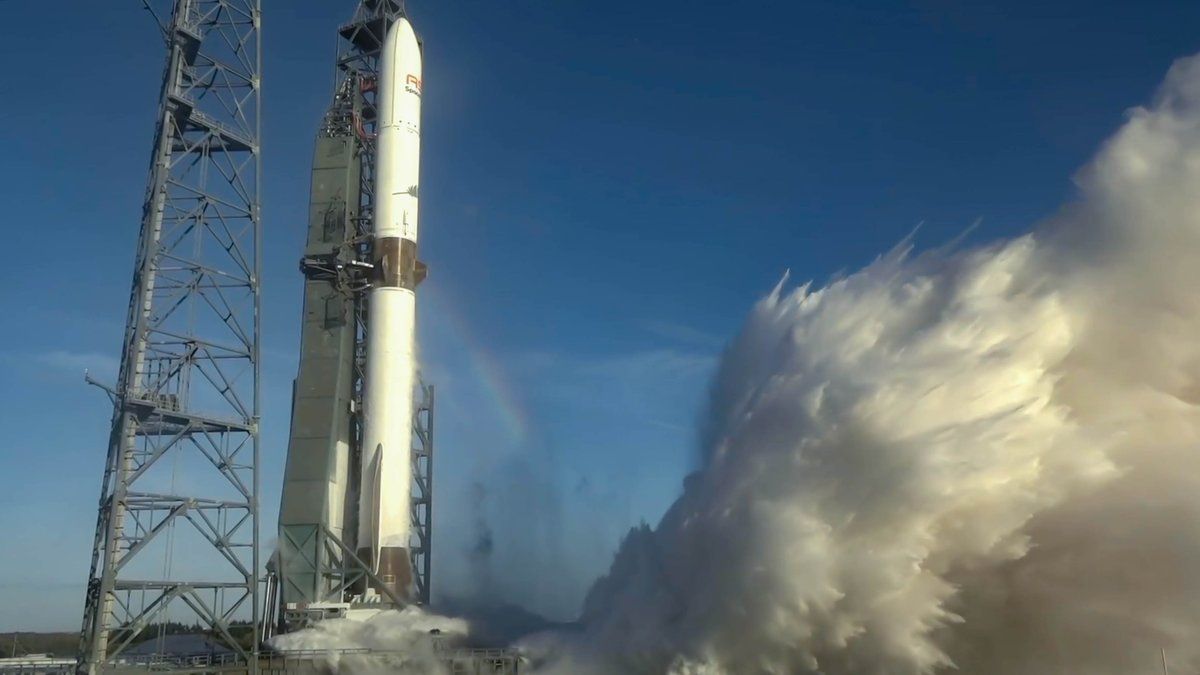
Blue Origin is set to lift off its New Glenn rocket on Sunday, April 19, with the NG‑3 mission marking the first time the company will fly a previously used first‑stage booster, now equipped with new BE‑4 engines. The launch, scheduled for 6:45 a.
'Tall waves moving in slow motion': Here's how oily oceans on Saturn's giant moon Titan may behave
Original Publication Date: 2026-04-17 18:00
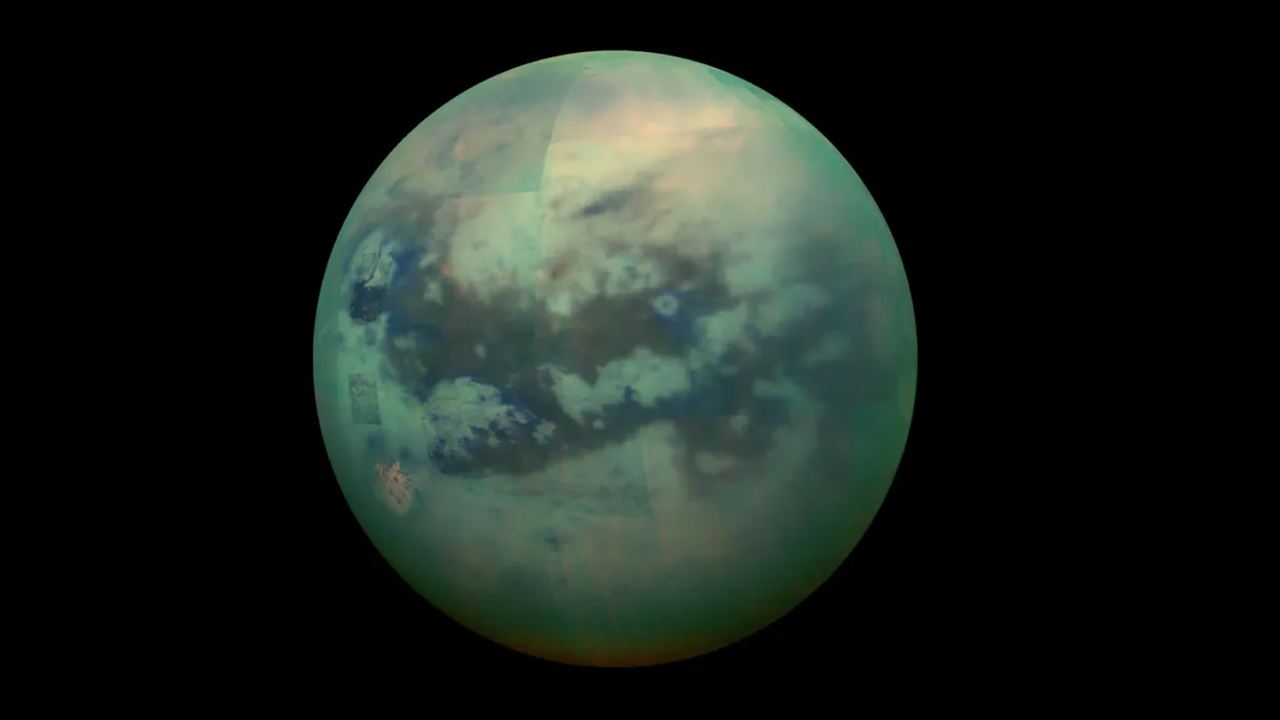
Scientists have used a new “PlanetWaves” model to predict that Titan’s hydrocarbon lakes could produce waves up to 10 feet tall, even with a gentle breeze. The model incorporates Titan’s low gravity—just 14% of Earth’s—and the light, oily liquids of methane and ethane, which make the surface more prone to rippling. Researchers calibrated the tool with data from Earth’s Lake Superior, then applied it to Titan, revealing slow‑motion, towering waves that would surprise anyone standing on its shore. These findings suggest that Titan’s seas could play a key role in shaping its shorelines and may offer a unique window into the moon’s geological processes.
Hubble Space Telescope spots a mesmerizing spiral galaxy | Space photo of the day for April 17, 2026
Original Publication Date: 2026-04-17 14:00
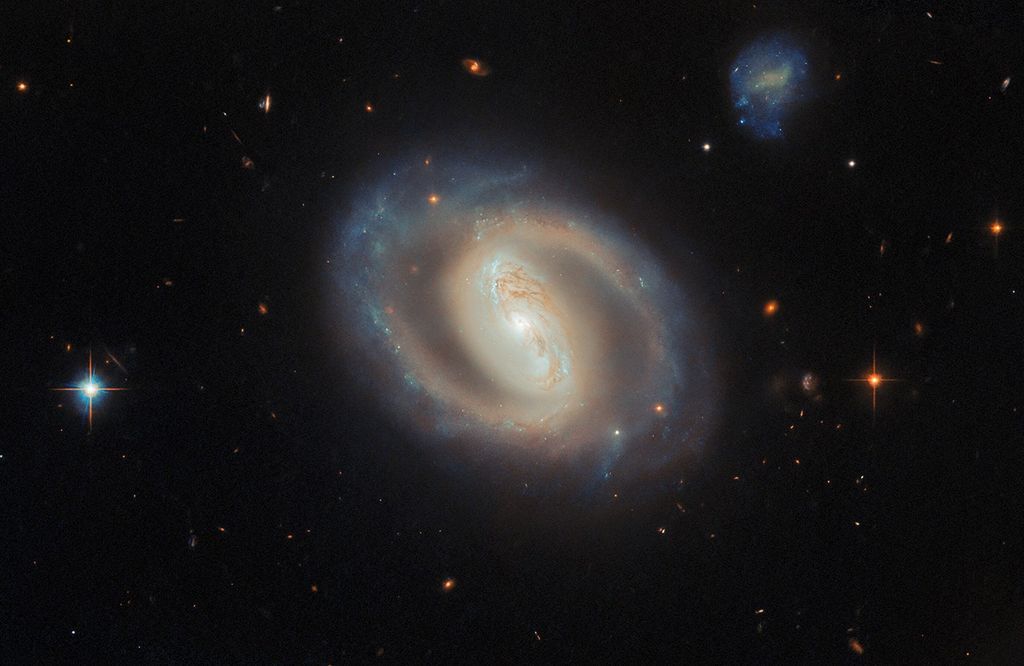
The Hubble Space Telescope has delivered a stunning new image of the barred spiral galaxy IC 486, located about 380 million light‑years from Earth just to the left of Gemini. The galaxy’s bright, white core reveals an active galactic nucleus powered by a supermassive black hole, while its sweeping arms and central bar showcase the typical structure seen in two thirds of spiral galaxies.
Artemis 2's heat shield seems to have aced its trial by fire
Original Publication Date: 2026-04-17 13:00
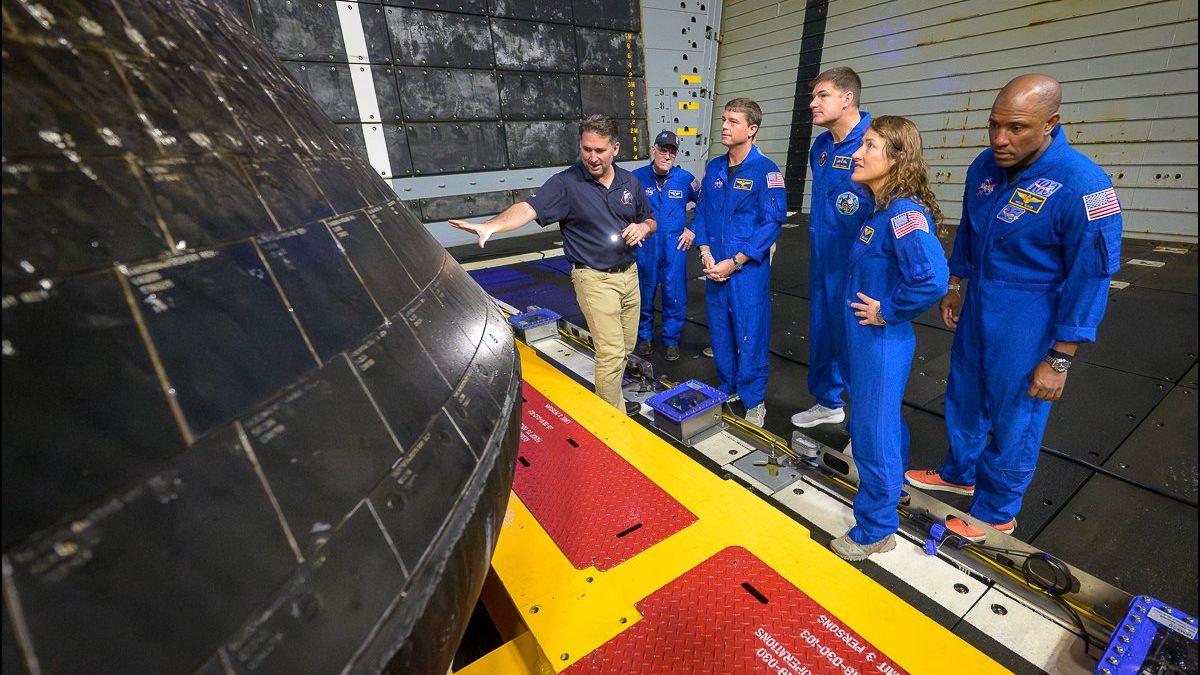
Artemis 2’s Orion capsule, dubbed Integrity, splashed down on April 10 after a 10‑day lunar trip, and its heat shield survived the 5,000‑degree‑F re‑entry that had damaged the uncrewed Artemis 1. NASA steered the capsule on a steeper descent to cut time in extreme heat, and commander Reid Wiseman and his crew inspected the shield, finding only minor char and praising its condition. The successful return boosts confidence that the heat‑shield design will be refined for future Artemis flights.
Interstellar invader comet 3I/ATLAS made a startling transformation as it passed the sun
Original Publication Date: 2026-04-17 12:00
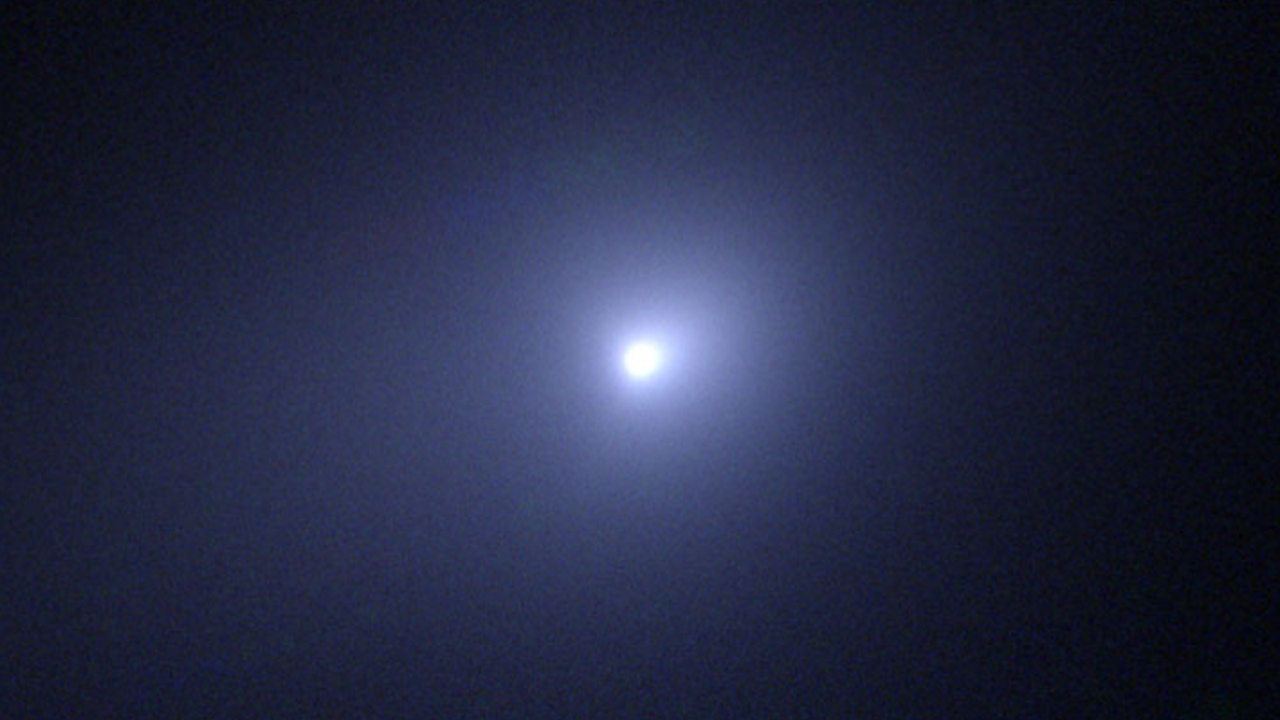
Scientists watching the third known interstellar visitor, comet 3I/ATLAS, have detected a dramatic shift in its gas cloud as it brushed the Sun last fall. Using Hawaii's Subaru telescope, researchers noted a changing ratio of carbon dioxide to water in the comet's coma, suggesting its internal chemistry differs from its outer layers. The findings, set to appear in the Astronomical Journal on April 22, give a rare glimpse into the building blocks of distant planetary systems.
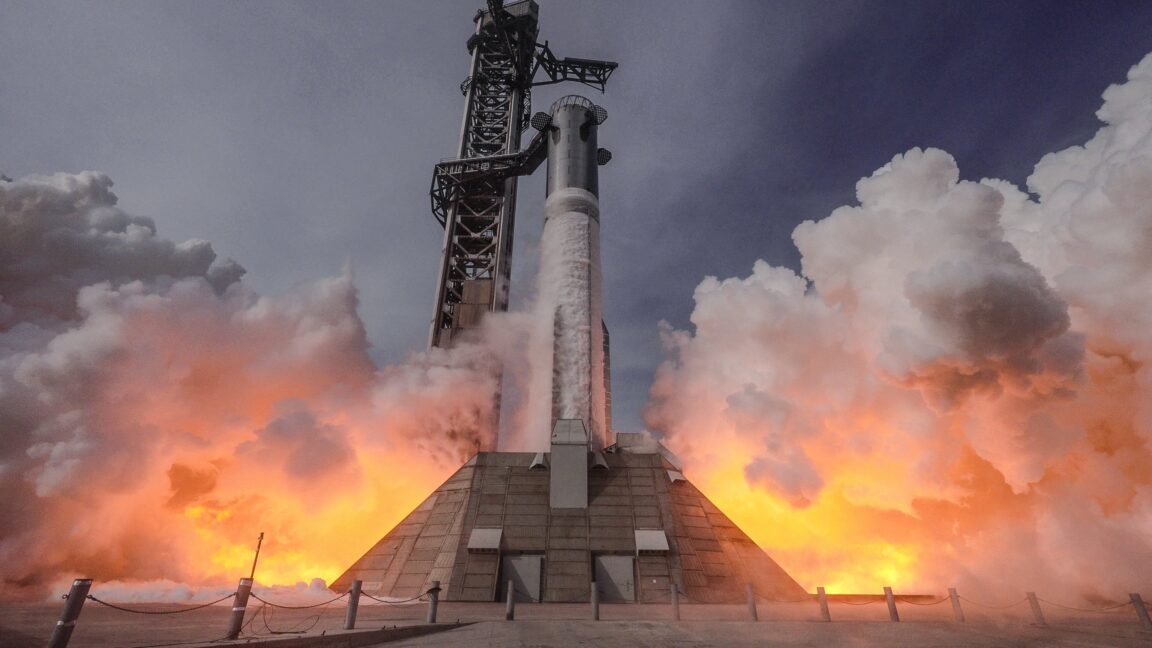
Rocket Report: Starship V3 test-fired; ESA's tentative step toward crew launch
Original Publication Date: 2026-04-17 13:06
NASA is shifting focus from the Artemis II moonflight to developing a lunar lander, with SpaceX and Blue Origin leading the effort. The Rocket Report highlights their latest progress and previews the next three rocket launches. Meanwhile, Israel‑based Moonshot Space has signed a memorandum to install its first electromagnetic launcher in Fairbanks, Alaska, aiming to propel payloads into space using electricity instead of chemical fuels. This marks a bold new frontier in hypersonic launch technology.