 Spotify
 Apple Podcasts
 Podcast Addict
 Overcast
 Podcast RSS
Artemis 2 in good shape cruising towards the moon
Original Publication Date: 2026-04-04 01:18
NASA’s Artemis 2 Orion spacecraft is cruising toward the moon with subsystems running nominally and propellant usage within 5 % of predictions after a successful translunar burn. Minor hiccups—including a cooler‑than‑desired cabin that was corrected with heaters and fans, and a helium pressurization quirk now backed up by a redundant system—did not impact the mission.
Italy’s Argotec plans to scale Florida satellite facility to meet rising US demand
Original Publication Date: 2026-04-03 17:33
Italy’s Argotec has opened its first U.S. Satellite production facility near Kennedy Space Center, marking a significant expansion into the American market. The new plant will help meet the growing demand for satellite components in U.S. Programs, joining a growing list of foreign firms establishing a presence in Florida. By scaling its operations, Argotec aims to become a key supplier for NASA and commercial space ventures alike. The move underscores the increasing international collaboration driving America’s space ambitions.
SpaceX and Amazon spar over satellite deployments
Original Publication Date: 2026-04-03 11:41
Amazon has announced it will adjust its deployment plans for its Amazon Leo satellite constellation after SpaceX accused the company of violating FCC debris‑mitigation rules by launching satellites into higher orbits. SpaceX claimed Amazon’s 50‑ to 90‑kilometer higher insertions risk collisions, citing a February 12 Ariane 6 launch that forced Starlink satellites to perform 30 avoidance maneuvers within hours. Amazon counters that its FCC license allows flexibility and that it has already launched satellites at 460 kilometers on Falcon 9 rockets without issue, and it is working with Arianespace to lower insertion altitudes for upcoming launches. The company plans to maintain its deployment schedule while addressing safety concerns, with the next launch slated for April 4 on an Atlas 5 rocket.
Europe’s strategic autonomy in space will define its role in the ‘second space age’
Original Publication Date: 2026-04-03 11:00
Europe’s future in space hinges on its ability to achieve strategic autonomy without depending on foreign technology. As the so‑called second space age unfolds, EU leaders are prioritizing the development of homegrown capabilities to launch, control, and secure missions. This shift could redefine Europe’s position on the global stage, turning it from a passive participant into a competitive space power. The success of this initiative will determine whether Europe can maintain leadership in the rapidly evolving space arena.
ULA’s Atlas 5 rocket launches its heaviest payload ever with fifth Amazon Leo mission
Also covered by: Space.com
Original Publication Date: 2026-04-03 22:10
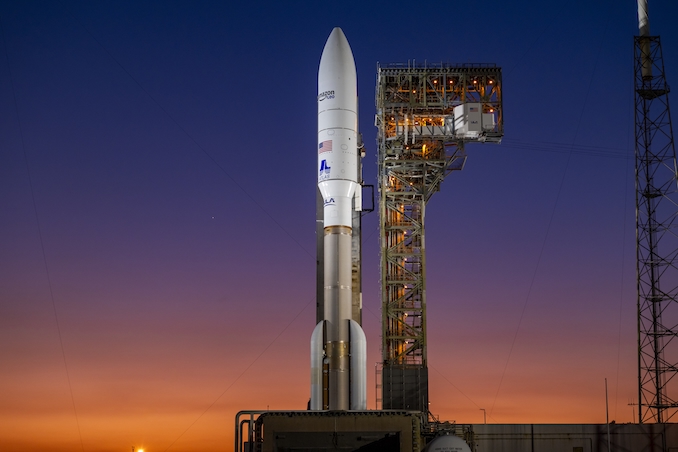
United Launch Alliance’s Atlas V lifted off from Cape Canaveral on Saturday, April 4 at 1:46 a.m. EDT, carrying 29 Amazon Leo broadband satellites—its heaviest payload to date. The launch, delayed from March 29 because of high winds, followed a north‑easterly trajectory and deployed the satellites over 17 minutes after liftoff.
The Downlink Deficit: The Pentagon’s Optical Mesh Network and the Terrestrial Bottleneck
Original Publication Date: 2026-04-03 16:13

The satellite industry has only built about 10 % of the optical ground infrastructure it needs. Without an additional 200 to 500 ground stations, the Pentagon’s $35 billion PWSA and $185 billion Golden Dome programs risk becoming stranded assets, because data travels flawlessly in orbit but cannot reach the ground. These initiatives are designed to enhance secure communications and intelligence gathering for national security. Investing in the missing ground network is critical to unlock their full potential.
NASA Sets Coverage for Northrop Grumman’s CRS-24 Resupply Launch
Original Publication Date: 2026-04-03 22:01
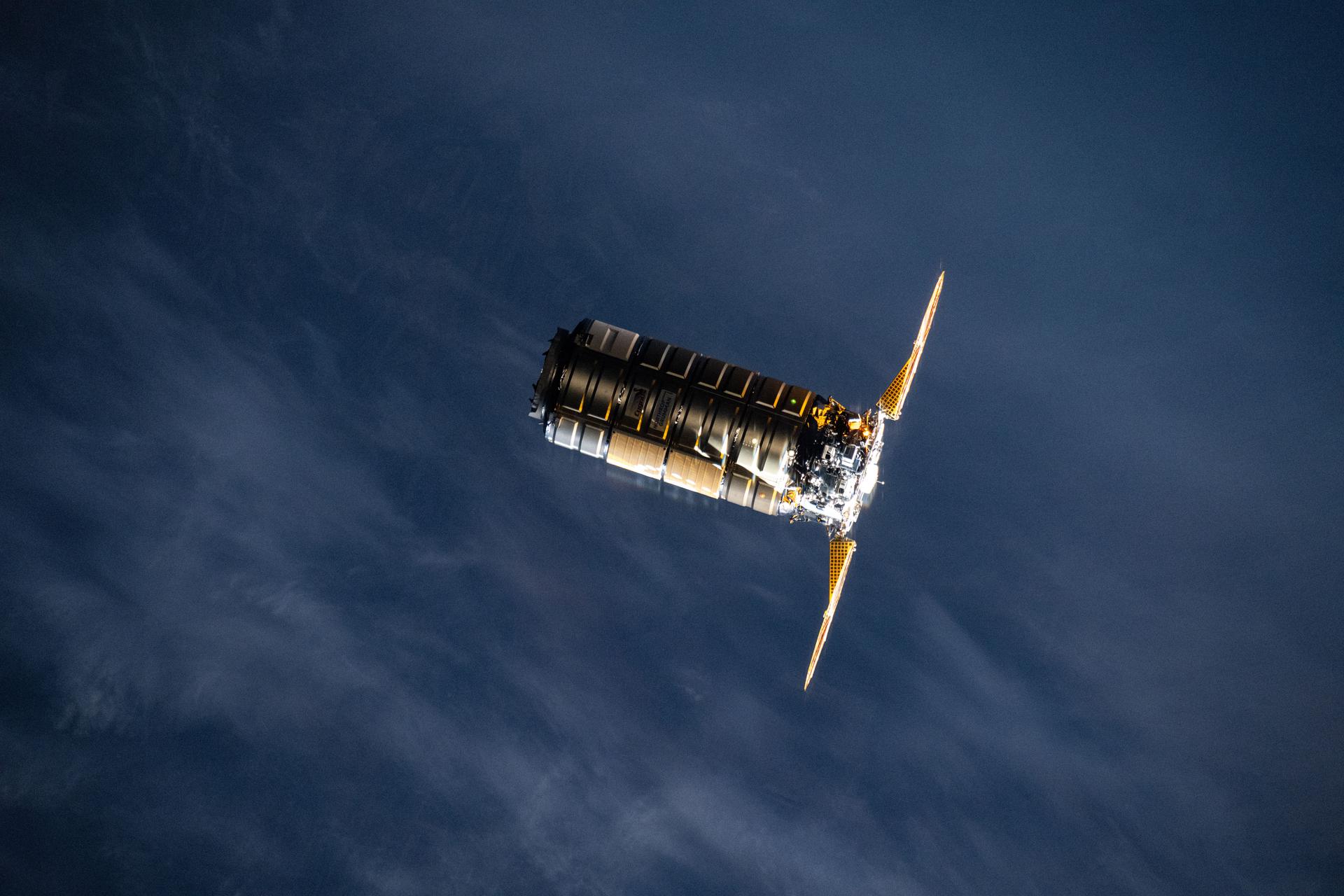
NASA and Northrop Grumman are set to launch the Cygnus XL cargo spacecraft on April 8, 2025, aboard a SpaceX Falcon 9 from Cape Canaveral. The 11,000‑pound payload will deliver new science investigations, supplies, and technology demonstrations to the ISS, including a Cold Atom Lab module, stem‑cell production hardware, gut‑microbiome model organisms, and a space‑weather receiver.
Meet NASA’s New Artemis II Science Officers
Original Publication Date: 2026-04-03 17:35

NASA has appointed its first Artemis II science officers—Kelsey Young, Trevor Graff, and Angela Garcia—to a new dedicated console in Mission Control, marking a historic shift in how lunar science is integrated into human spaceflight. Trained in both geology and flight operations, they will oversee the crew’s lunar flyby, interpreting photographs and audio from the far side of the Moon in real time. The astronauts’ observations will be fed to on‑site science teams for immediate analysis, refining workflows that will guide future Artemis missions. This new role underscores NASA’s commitment to turning every human flight into a scientific expedition.
Virgil I. “Gus” Grissom
Original Publication Date: 2026-04-03 16:27

Virgil I. “Gus” Grissom, one of NASA’s original seven astronauts, celebrated his 100th birthday on April 3, 1926, as the nation remembered his historic 1961 Mercury‑Redstone 4 suborbital flight.
Hello, World
Original Publication Date: 2026-04-03 13:34
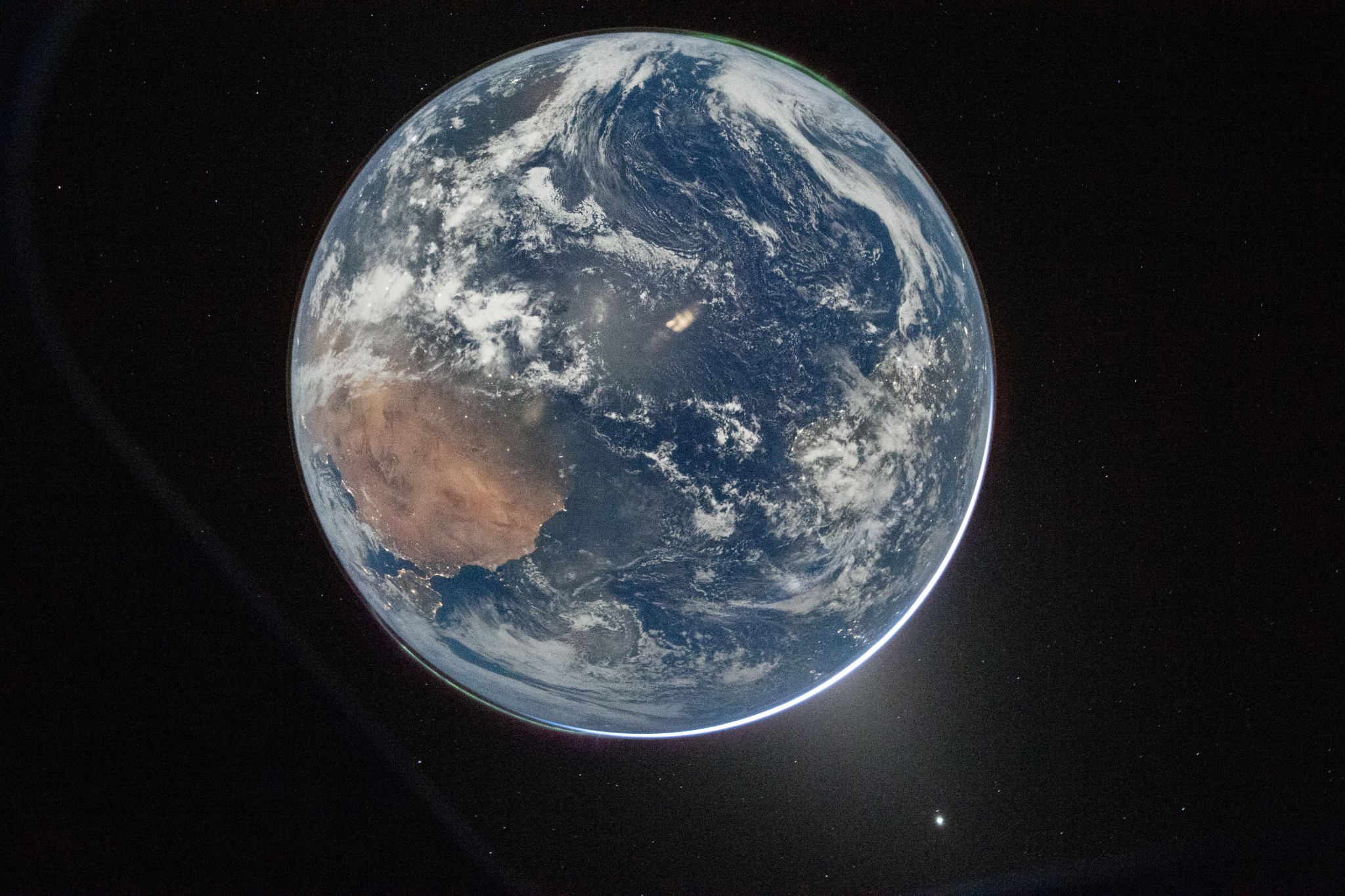
NASA astronaut and Artemis II commander Reid Wiseman captured a stunning view of Earth from the Orion spacecraft’s window after the mission’s translunar injection burn. The image shows two auroras and zodiacal light as Earth eclipses the Sun, marking the first downlinked photos from the crew. Additional images from Orion will be shared as they become available. Listeners can follow the astronauts’ 24/7 feed for live updates and more photos.
White House Requests $18.8B FY27 Budget for NASA
Also covered by: SpaceNews
Original Publication Date: 2026-04-03 15:42
The White House has proposed an $18.8 billion NASA budget for FY
Insurance is Commercial Space Nuclear’s Biggest Headache
Original Publication Date: 2026-04-03 12:14

At a Washington, D.C. Seminar, industry leaders said insurance is the only real barrier to commercial space nuclear power, despite engineers claiming safety. Insurers remain wary of the word “nuclear” after past disasters, so they can’t price the risk of a reactor re‑entering Earth’s atmosphere. Experts say the Department of Energy could own the devices or NASA could mandate indemnification, while Congress considers a 2026 reauthorization to clarify the process. Until insurers have data, government agencies will likely need to step in and fund the first commercial launches.
Charts Defining the Space Industry in Q1 2026
Original Publication Date: 2026-04-03 10:55

The article titled “Charts Defining the Space Industry in Q1 2026” is currently behind a subscription paywall. It first appeared on Payload Pro and was later reposted on Payload. The piece likely presents detailed data and analysis of the space sector’s performance in the first quarter of 2026. Subscribers can access the full charts and insights by logging into the site.
Artemis 2 astronauts are now headed to the moon. Why has it taken humanity so long to go back?
Original Publication Date: 2026-04-04 10:00
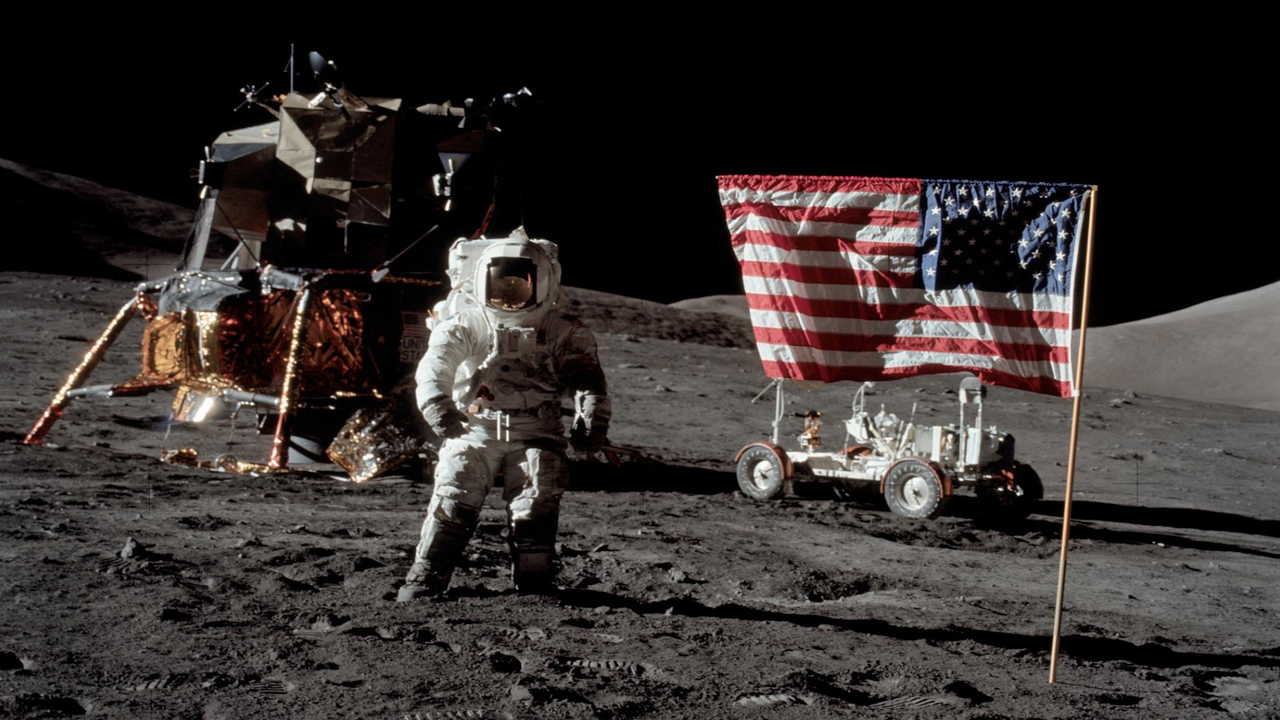
NASA’s Artemis 2, the first crewed mission to the Moon since Apollo 17 in 1972, launched Thursday after a flawless engine burn, sending four astronauts on a historic voyage that will follow the path of the 1960s Apollo program. The delay in returning to the Moon stems from the end of the Cold‑War space race, when the U.S. Shifted its focus from national‑security imperatives to broader scientific and commercial priorities. Today, Artemis 2 represents a new era of lunar exploration, combining advanced technology with international cooperation to build a sustainable presence on the Moon. The mission’s successful departure marks the beginning of a renewed commitment to human spaceflight beyond Earth orbit.
It's official: NASA's Artemis 2 moon mission will break humanity's all-time distance record
Original Publication Date: 2026-04-03 22:25
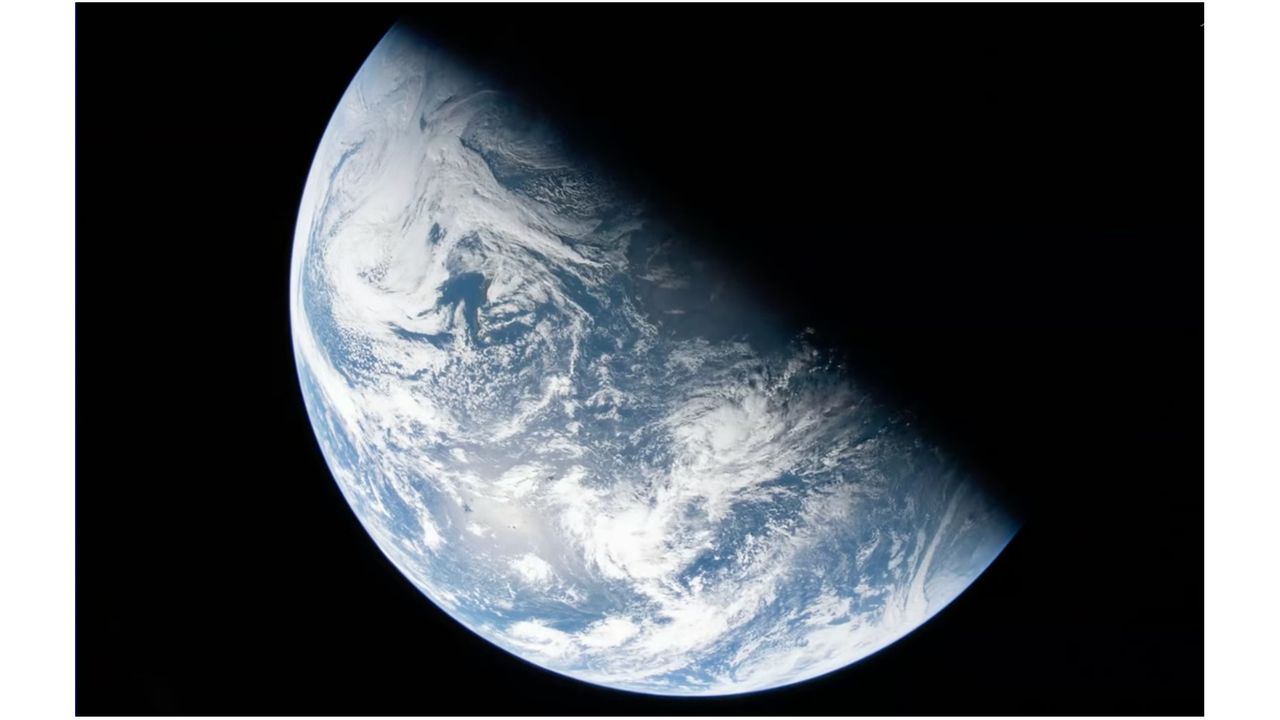
NASA’s Artemis 2 crew—Reid Wiseman, Victor Glover, Christina Koch and Canadian Jeremy Hansen—will travel a record‑breaking 252,757 miles from Earth, surpassing Apollo 13’s 248,655‑mile mark set in 1970. The mission, launched on April 2, will loop around the far side of the moon and head home without landing, proving the Orion capsule’s crew‑transport capability. The record was confirmed after the spacecraft’s translunar injection burn, which set it on a free‑return trajectory back to Earth. This flyby milestone paves the way for future Artemis flights, including the first crewed lunar landing slated for 2028.
Astronauts on the ISS watched NASA's historic Artemis 2 launch from space
Original Publication Date: 2026-04-03 22:00
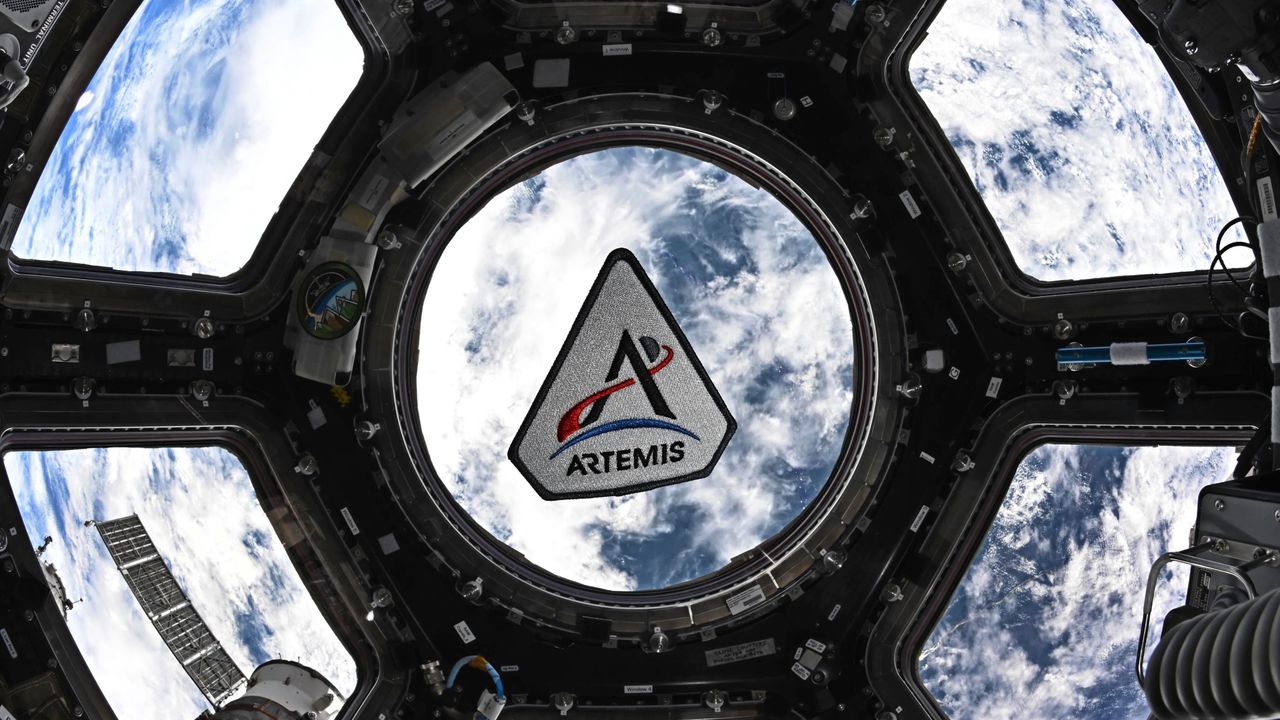
NASA’s Artemis 2 rocket lifted off from Cape Canaveral on April 1, 2026, becoming a shared moment seen from the ground, from orbit aboard the International Space Station, and even from high‑altitude aircraft. The seven‑member Expedition 74 crew on the ISS, unable to view the launch directly, stayed up to watch it on NASA TV and later caught the rocket’s plume as the station drifted over Florida. For the first time, the Artemis 2 astronauts will be able to look back at the ISS and other humans orbiting Earth while heading toward the Moon, a view that Apollo crews never had. Satellites such as GOES‑18 and GOES‑19 captured sweeping views of the historic launch, underscoring how humanity’s presence in space has expanded since the Apollo era.
1st results from Blue Ghost lunar lander reveal how much we still don't know about the moon
Original Publication Date: 2026-04-03 18:00
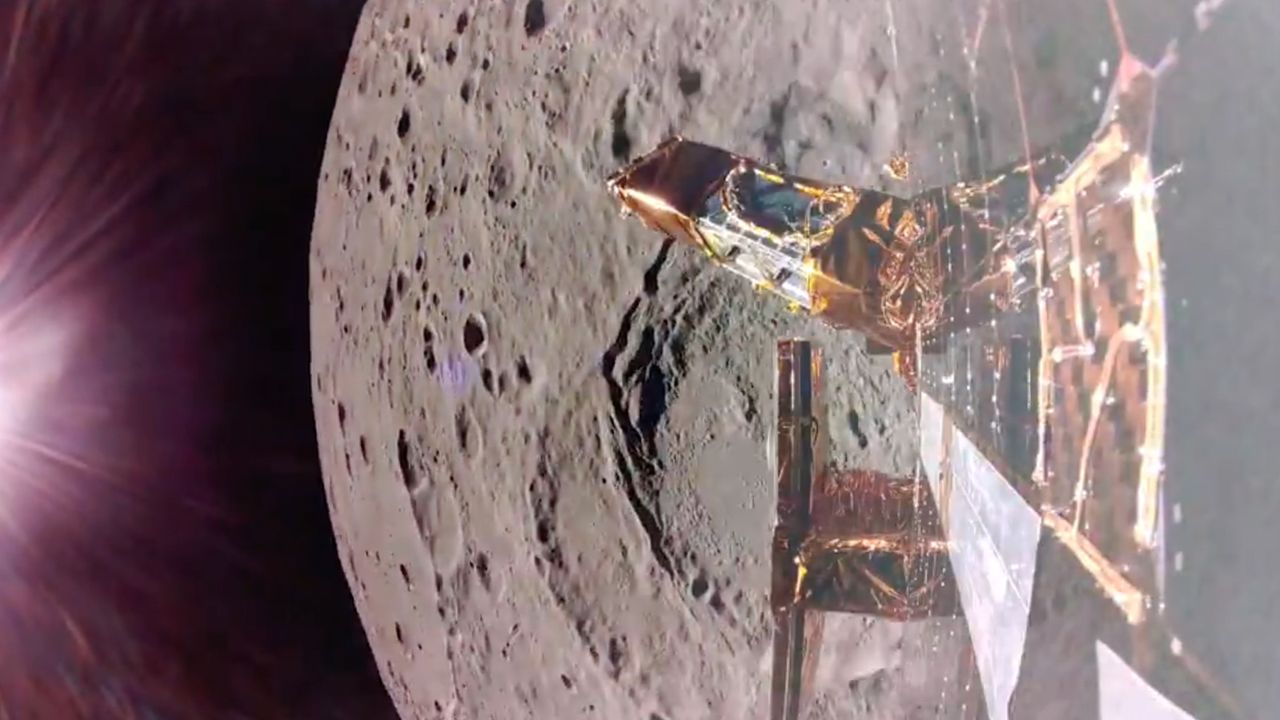
Firefly Aerospace’s Blue Ghost lander, which touched down on the Moon’s Mare Crisium in March 2025, has sent back heat‑flow data that challenge the long‑standing view of a hotter near side and cooler far side. Using its LISTER drill probe, the craft measured subsurface temperatures roughly 98 cm below the surface, finding heat flow comparable to Apollo 15 and 17 sites that were previously thought to be cooler. These results suggest that heat‑producing elements like thorium are more widely distributed beneath the lunar surface than previously believed. The data prompt scientists to reconsider how they define the Moon’s “hot” region and its volcanic history.
Trump proposes steep cut to NASA budget as astronauts head for the Moon
Original Publication Date: 2026-04-03 23:19
President Donald Trump unveiled a 2027 budget plan that slashes NASA funding by 23 percent, coming just days after the agency launched four astronauts on the first crewed lunar mission in over five decades. The proposal marks the opening salvo of a multi‑month budget process, with both houses of Congress required to pass appropriations bills, reconcile differences, and forward the final package to the White House for signature. Although the White House had requested a similar cut last year, a Republican‑led Congress rejected the proposal, keeping NASA’s budget near its 2024 level. The Trump administration’s draft will likely see major revisions as Congress weighs its options in the coming months.