 Spotify
 Apple Podcasts
 Podcast Addict
 Overcast
 Podcast RSS
SpaceX launches 700th Falcon rocket, carries final 3 O3b mPOWER satellites to orbit for SES
Also covered by: Space.com, SatNews
Original Publication Date: 2026-09-13 16:45
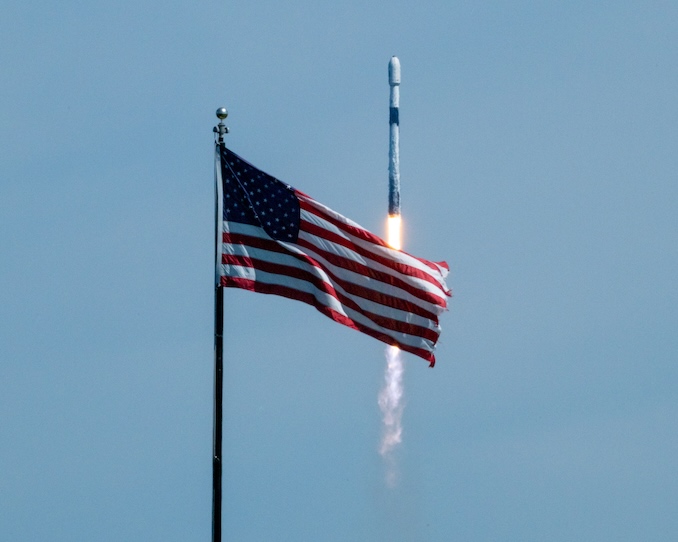
SpaceX launched its 700th Falcon 9 mission on September 13, 2026 from Cape Canaveral, sending booster B1080 on its 29th flight. The rocket deployed three new O3b mPOWER satellites—F11, F12, and F13—into medium‑Earth orbit, completing SES’s 13‑satellite constellation that will deliver high‑speed, low‑latency broadband worldwide.
Financial Pressures and Low Margins Intensify Ownership Sale Rumors for United Launch Alliance
Original Publication Date: 2026-09-13 23:01
Industry financial analysts on Thursday, September 10, 2026, examined United Launch Alliance’s strategic positioning amid a rapidly evolving launch market, noting the company’s recent performance and future outlook. The reports highlighted growing uncertainty over whether Boeing and Lockheed Martin, the corporate co‑owners, will maintain their stakes or pursue a sale. Analysts warned that a shift in ownership could reshape ULA’s competitive stance against rivals like SpaceX and Blue Origin. The situation remains fluid as the two aerospace giants weigh potential options for the joint venture.
The FCC Asked Cowboy Space How Big Its Satellites Are
Original Publication Date: 2026-09-13 15:00

Cowboy Space’s new filing for a 20,000‑satellite “Stampede” suggests a staggering 400,000 tonnes of hardware, dwarfing the 3,193‑tonne launch limit set for the year. The proposal raises questions about how such a massive payload could be launched within current regulatory frameworks. Critics point out that the FCC’s filing system lacks a dedicated field for mass, complicating oversight of these unprecedented launches. This development underscores the growing challenge regulators face in keeping pace with the rapid expansion of satellite constellations.
Loft Orbital and Marlan Space Award $1 Billion Contract for 50 AI-Equipped LEO Satellites
Original Publication Date: 2026-09-13 15:00

On September 9, 2026, Loft Orbital and Abu Dhabi‑based Marlan Space finalized a $1 billion agreement to launch and operate a 50‑satellite low‑Earth‑orbit constellation, targeting high‑speed broadband coverage for underserved regions. The partnership combines Loft Orbital’s launch expertise with Marlan Space’s regional presence in the Middle East, positioning the venture to capitalize on growing demand for global connectivity. The constellation is slated for deployment over the next 18 months, with the first satellites expected to reach orbit by late 2027. This collaboration marks a significant step toward expanding worldwide internet access and boosting the region’s space economy.
Cailabs and RBC Signals Partner to Develop Global Optical Ground Station Network
Original Publication Date: 2026-09-13 15:00

On Thursday, September 10, 2026, photonics developer Cailabs and satellite ground‑infrastructure provider RBC Signals signed a Memorandum of Understanding in Paris, forging a new partnership to advance satellite communication technologies.
An Early Look at Fall Color in Canada
Original Publication Date: 2026-09-14 04:00

NASA’s Landsat 9 captured vivid fall colors in Nunavut’s tundra as early as September 6, 2026, months before the rest of North America saw autumn hues. A seven‑year study by NASA and South Dakota State University found that foliage in this high‑latitude region begins to change in early September and peaks mid‑month, making it one of the first places on the continent to turn color. The rapid shift, lasting only a week or less, occurs as chlorophyll breaks down and carotenoids and anthocyanins reveal yellow, orange, and red pigments.
Vega C set to launch the ESA Sentinel-3C and FLEX missions from Kourou
Original Publication Date: 2026-09-13 22:45

Avio’s Vega C rocket will lift ESA’s Sentinel‑3C and FLEX satellites from Kourou on Tuesday, Sept. 15 at 01:21 UTC, placing them into a 98.6° sun‑synchronous orbit at 810 km altitude. The 1,143‑kg Sentinel‑3C will monitor Earth’s surface temperatures and ocean color, while the 397‑kg FLEX probe will globally measure plant fluorescence to assess photosynthetic health. The 116‑minute flight will see both payloads separate at T+1:00:49 and T+1:56:03, followed by a final stage burn to minimize debris. This mission marks Vega C’s second 2026 flight and its second overall launch after Avio assumed full responsibility for the launcher.
Sophia Space, SLI Set Terms for $300M Satellite Leasing Deal
Original Publication Date: 2026-09-14 04:01
Sophia Space and space‑asset leasing firm SLI have agreed on a $300 million asset‑financing framework to build a 10‑satellite edge‑computing constellation, with SLI funding construction and launch milestones, taking ownership upon in‑orbit acceptance, and then leasing the satellites to Sophia’s customers. The satellites, dubbed TILE, are slated for launch as early as 2028 and will provide the capacity of roughly 240 state‑of‑the‑art edge servers, turning a capital purchase into an operating cost for buyers. Sophia’s CEO, Rob DeMillo, likened the model to leasing a car, offering customers a turnkey path without the need for a ground‑zero investment. The deal, outlined in a non‑binding letter of support, will only activate once Sophia closes its final financing round, and no customers have yet signed lease agreements.
On this day in space! Sept. 13, 2007: Japan launches Kaguya spacecraft to the moon to map the lunar surface in HD
Original Publication Date: 2026-09-13 17:45
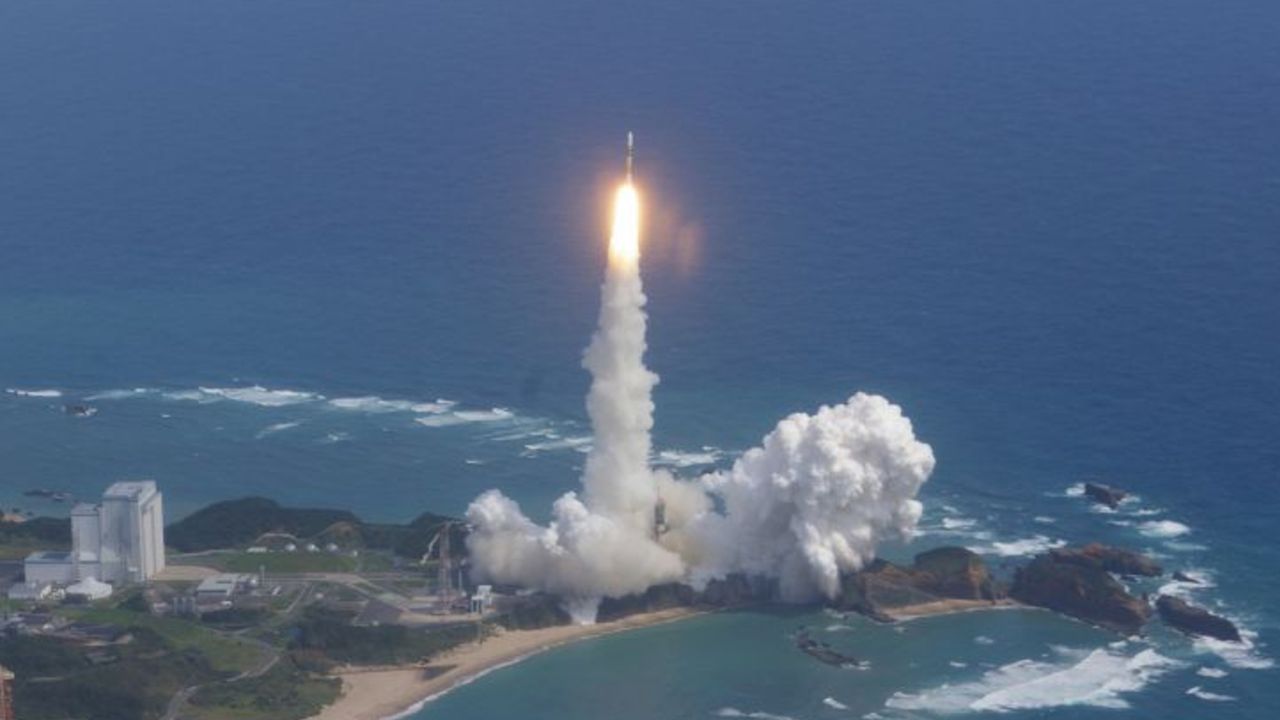
On September 13, 2007, Japan launched the Kaguya spacecraft—officially SELENE—from Tanegashima on an H‑IIA rocket, marking the country’s first lunar orbiter after earlier test flights.
NASA astronaut Jessica Meir shares zero-G curly hair tips from the ISS (video)
Original Publication Date: 2026-09-13 14:00
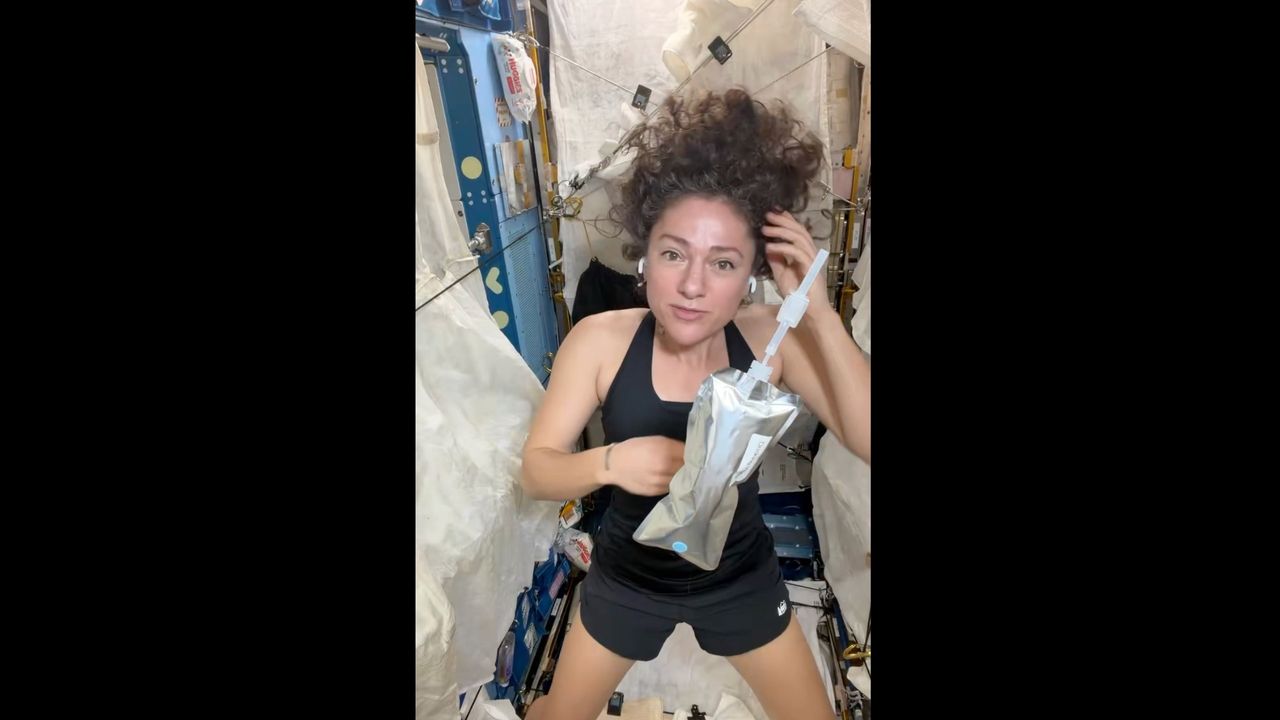
NASA astronaut Jessica Meir released a 5½‑minute video on X showing how she keeps her curls tamed in microgravity aboard the ISS. She explains that in orbit she uses a no‑rinse shampoo, a squeeze of water, and a thick T‑shirt to dry, while avoiding brushes to prevent frizz. Meir also notes the importance of representation, saying that seeing her curls in space matters for people who share that hair type. She’s been on the station since February and is looking forward to a real shower when she returns to Earth.
James Webb Space Telescope discovers the rings of tiny solar system body Chariklo are changing
Original Publication Date: 2026-09-13 13:00
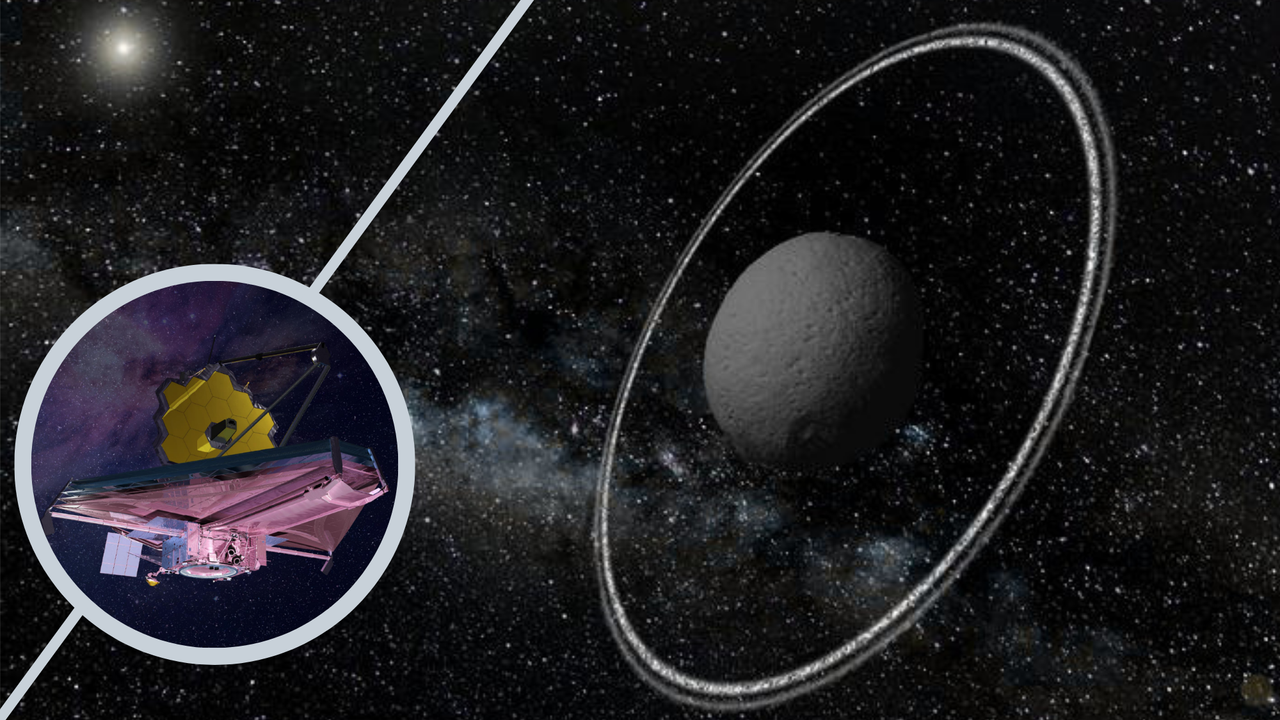
Using the James Webb Space Telescope, astronomers discovered that the rings of the tiny Centaur asteroid Chariklo are changing, with the inner ring becoming more opaque while the outer ring becomes less opaque. The finding, based on stellar occultation data collected from 2022 to 2023, challenges the long‑held view that small bodies have stable rings and suggests complex physics at work. Published in Science Advances, the results open a new window on how ring systems form, evolve, and remain stable across the solar system.