 Spotify
 Apple Podcasts
 Podcast Addict
 Overcast
 Podcast RSS
LISA Constellation Architecture and Laser Interferometry Advance Under Scientific Leadership of Kelly Holley-Bockelmann
Original Publication Date: 2026-11-09 00:40
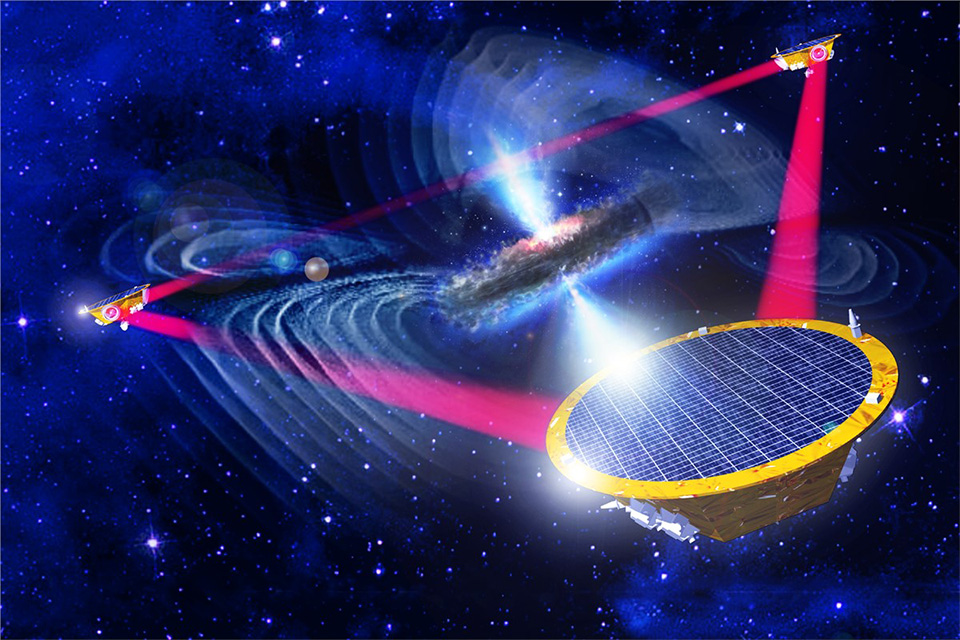
Astrophysicist Dr. Kelly Holley‑Bockelmann has joined the Netherlands Institute for Space Research in Leiden to spearhead multi‑messenger astrophysics research and data modelling for the upcoming Laser Interferometer Space Antenna mission.
CesiumAstro Secures $730M Series D at $4.5B Valuation to Deploy Synchronicity Constellation
Original Publication Date: 2026-11-08 22:00
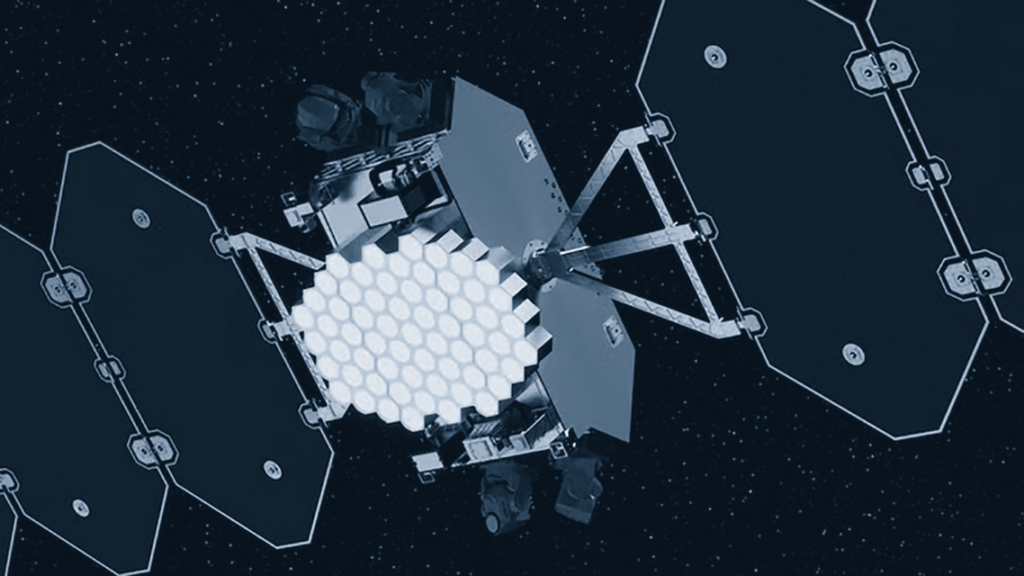
Phased‑array communications developer CesiumAstro closed a $730 million Series D round, pushing its valuation past $4.5 billion. The new capital will fund the company’s push to build advanced satellite and spaceborne communication systems. Key investors in the round include major venture firms, reflecting strong confidence in the space‑tech sector. CesiumAstro plans to accelerate the deployment of its high‑throughput network to deliver global connectivity.
NASA Scales Back Axiom Spacesuit Requirements to Protect 2028 Artemis Lunar Landing Timeline
Original Publication Date: 2026-11-08 20:15
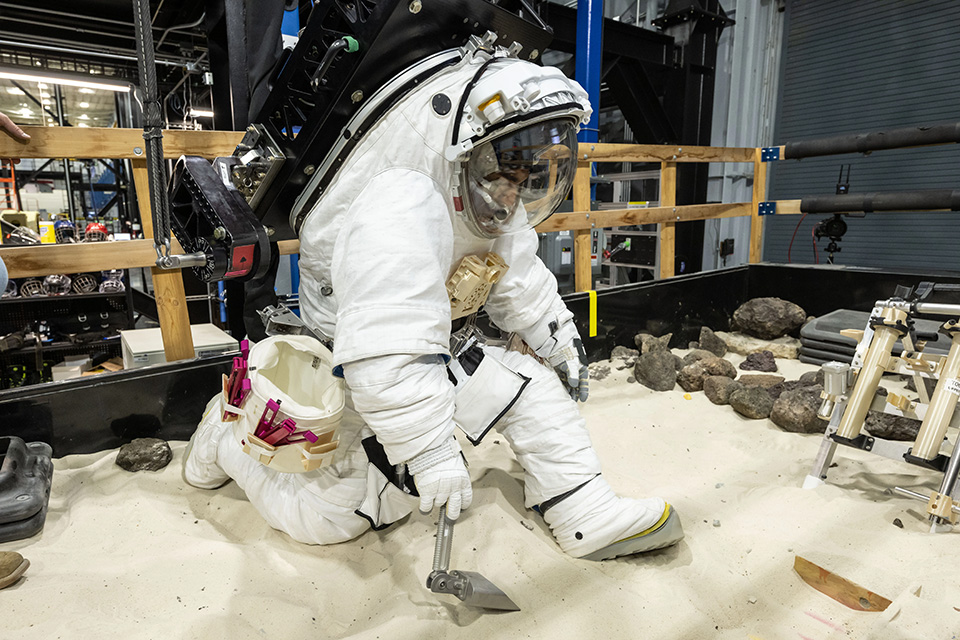
NASA has eased the performance standards for Axiom Space’s lunar spacesuit, a move aimed at keeping the Artemis program on schedule for a crew
Ozone Hole Reaches Its 2026 Maximum
Original Publication Date: 2026-11-09 05:00
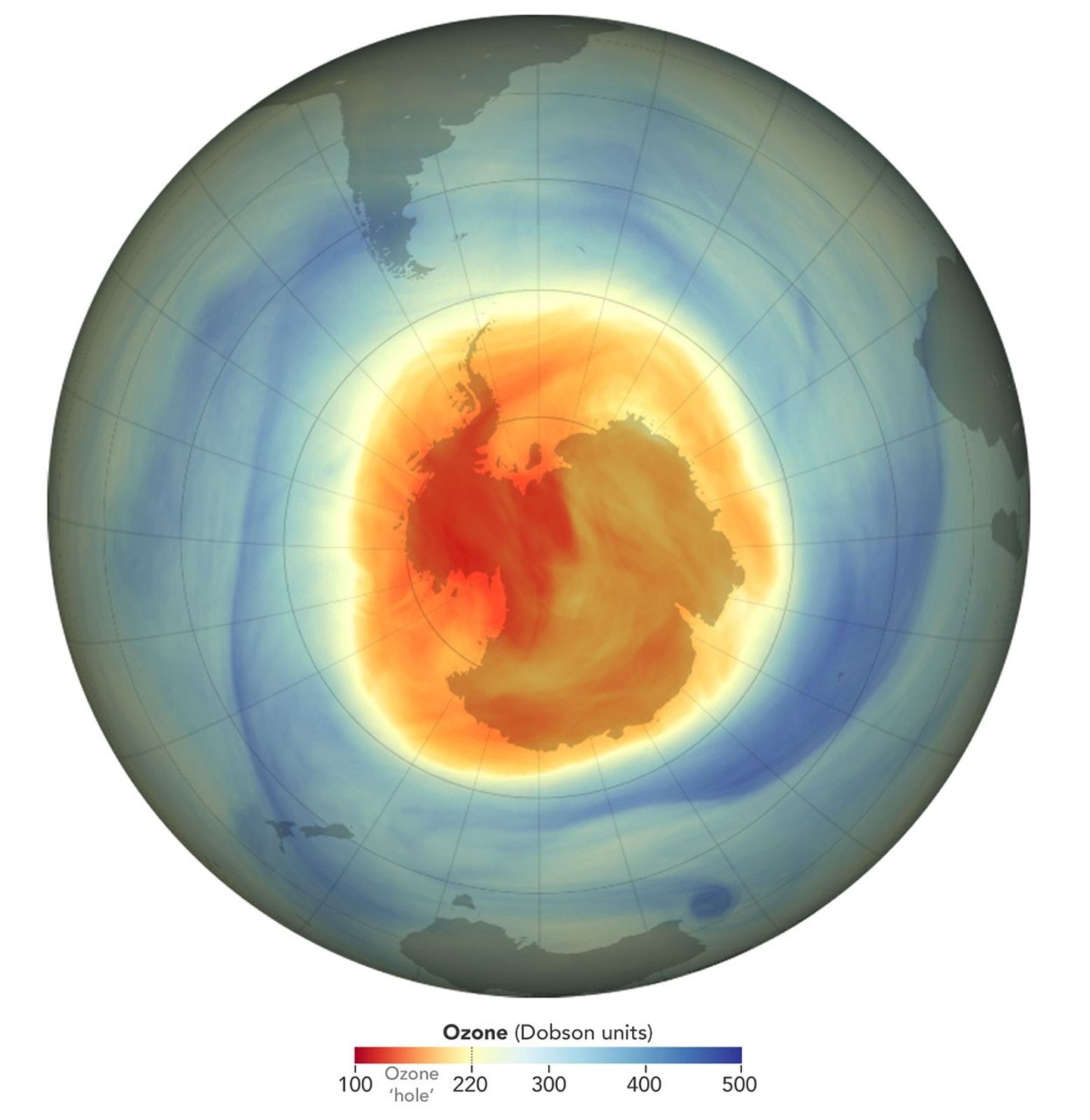
NASA’s latest satellite data show the Antarctic ozone hole reached its seventh‑largest area in 48 years on September 18, 2026, though it was not the deepest ever. The hole, defined as ozone concentrations below 220 Dobson Units, has fluctuated with stratospheric temperature and circulation, peaking in depth in 1994 and area in 2006. Since the 1987 Montreal Protocol phased out chlorofluorocarbons, the hole has shown signs of recovery, with a 20 percent drop in depletion from 2005 to 2016 and the smallest hole since 1982 in 2019. These observations underscore how human‑made chemicals have reshaped Earth’s protective ozone layer, but also how international action can drive atmospheric healing.
NASA Announces $1 Million to Students for Moon Base Challenge
Original Publication Date: 2026-11-08 15:26
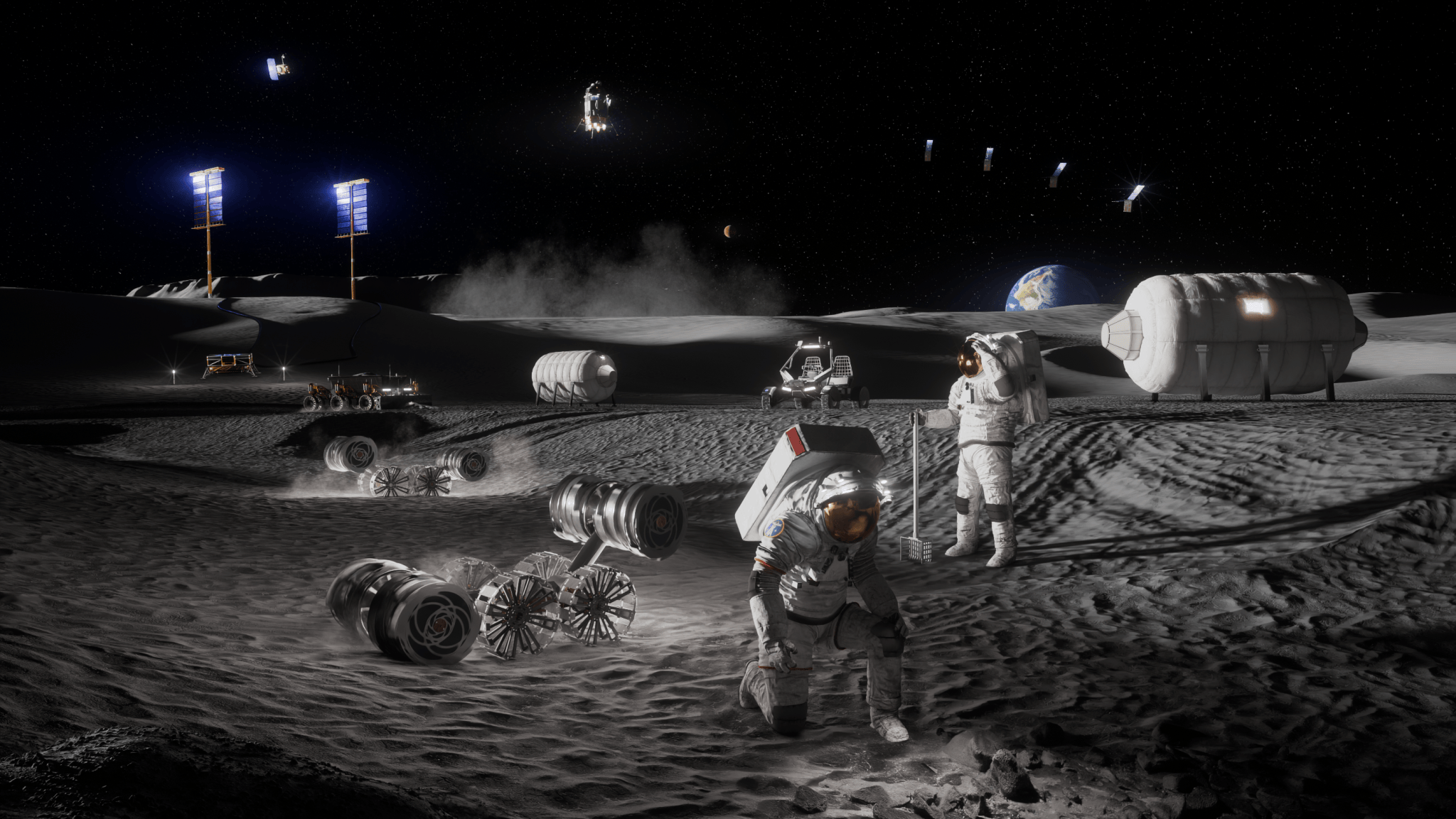
NASA has launched a $1 million Moon Base Student Challenge, inviting high‑school and college teams to design solutions for a future lunar South Pole base, with six categories ranging from power generation to astronaut safety. The competition, announced at a MAX POWER event in Florida, is part of NASA’s effort to build a permanent human presence on the Moon and prepare the next generation for crewed Mars missions. Teams will submit trade studies, concept proposals and stakeholder briefings, gaining career‑relevant experience without requiring prior engineering expertise. Registration closes on January 25, 2027, so students can start contributing their fresh ideas today.
NASA Awards Moon Base Transportation, Technology, Science Projects
Original Publication Date: 2026-11-07 22:47
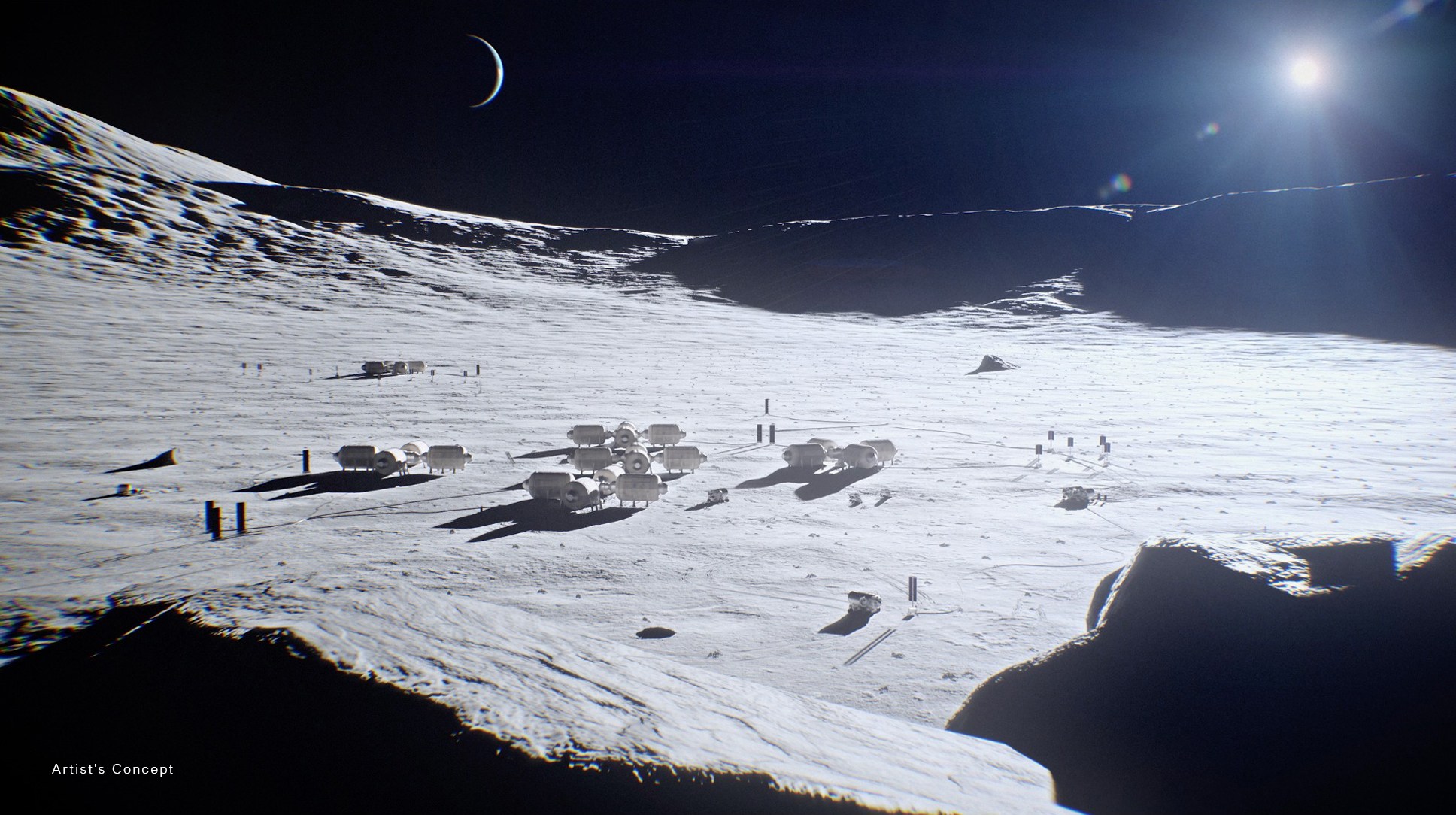
NASA has unveiled a bold plan to build a sustained Moon Base, announcing new awards and mission updates that expand commercial robotic deliveries, launch services, and surface infrastructure for the South Pole. The agency selected eight companies for the next phase of its Commercial Lunar Payload Services, creating a 10‑year, $10 billion contract to deliver science and tech payloads to the Moon. A key highlight is the nuclear‑powered PROMISE rover, slated to launch in late 2028, which will explore permanently shadowed regions, search for ice, and provide critical data for future human missions. Together, these initiatives aim to bring astronauts to a pre‑built Moon Base, equipped with the tools and infrastructure needed for long‑term lunar exploration.
NASA Unveils Moon Base Awards at MAX POWER
Original Publication Date: 2026-11-08 16:13
NASA unveiled a new slate of Moon Base awards at MAX POWER, including $1.3 billion in VADR launch contracts and a $10 billion CLPS 2 program for lunar lander deliveries. Eight companies—Blue Origin, Firefly, Intuitive Machines, ispace‑U.S., Lockheed Martin, Northrop Grumman, SpaceX, and Voyager Technologies—were selected to compete, with ispace‑U.S. Making its first prime bid.
On this day in space! Nov. 8, 2005: Europe launches Venus Express, its first mission to Venus
Original Publication Date: 2026-11-08 15:25
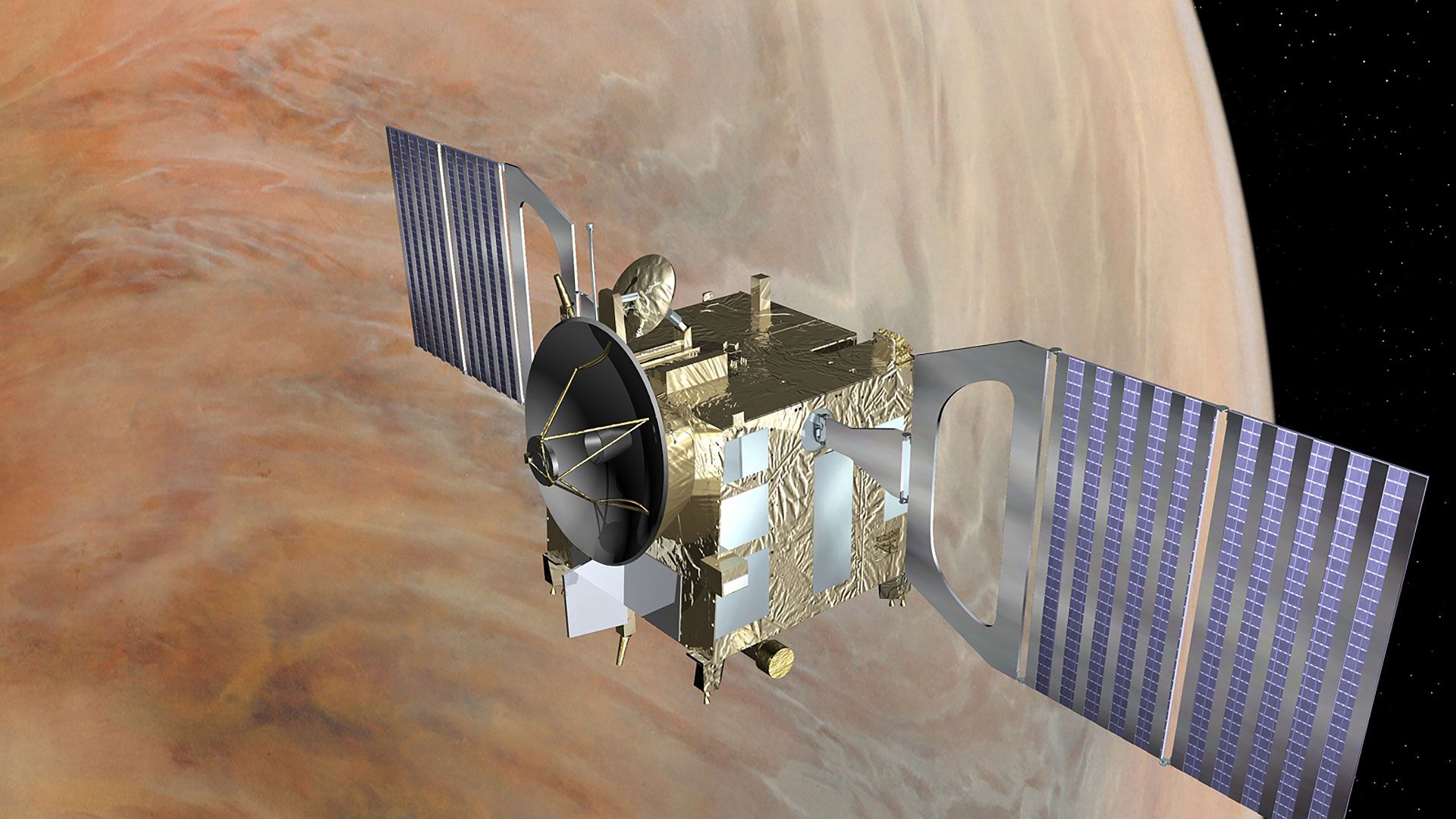
On November 8, 2005, the European Space Agency launched its first Venus mission, the Venus Express, aboard a Soyuz rocket. The spacecraft survived the planet’s extreme radiation and pressure for more than nine years, cataloguing a swirling vortex at the south pole, signs of active volcanism and the first-ever detection of Venusian auroras.
Scientists simulate an Earth without life to help hunt for aliens and inhabited worlds
Original Publication Date: 2026-11-08 11:00

Scientists have built a computer simulation that models a rocky planet like Earth without any life, giving astronomers a baseline to spot living worlds. The UC Riverside study tracks 19 non‑biological properties from a planet’s core to its atmosphere over 4.5 billion years, producing a lifeless Earth with oceans and a breathable‑looking air. By comparing these simulated atmospheres to real observations from telescopes such as James Webb, researchers can flag planets whose atmospheres can’t be explained without biology. This plug‑and‑play tool will help future missions target the most promising worlds for follow‑up studies of extraterrestrial life.