 Spotify
 Apple Podcasts
 Podcast Addict
 Overcast
 Podcast RSS
Northwood Space Raises $375M Series C at $2B Valuation
Original Publication Date: 2026-11-02 10:30
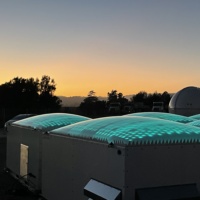
Northwood Space has closed a $375 million Series C, valuing the company at $2 billion and bringing total capital raised to over $500 million, with a16z and DFJ Growth among the lead investors. The new funding will expand its global ground‑station network, deploying modular, container‑ready antennas that can be set up in hours and scaled quickly to rival terrestrial Internet peering exchanges. In addition, the company secured an undisclosed multi‑year credit facility from HSBC Innovation Banking and has a three‑year $49.8 million contract with the U.S. Space Force to support its Satellite Control Network.
'The Sea God Surveys': Watch Rocket Lab launch Japanese Earth-observing satellite today
Original Publication Date: 2026-11-02 06:20
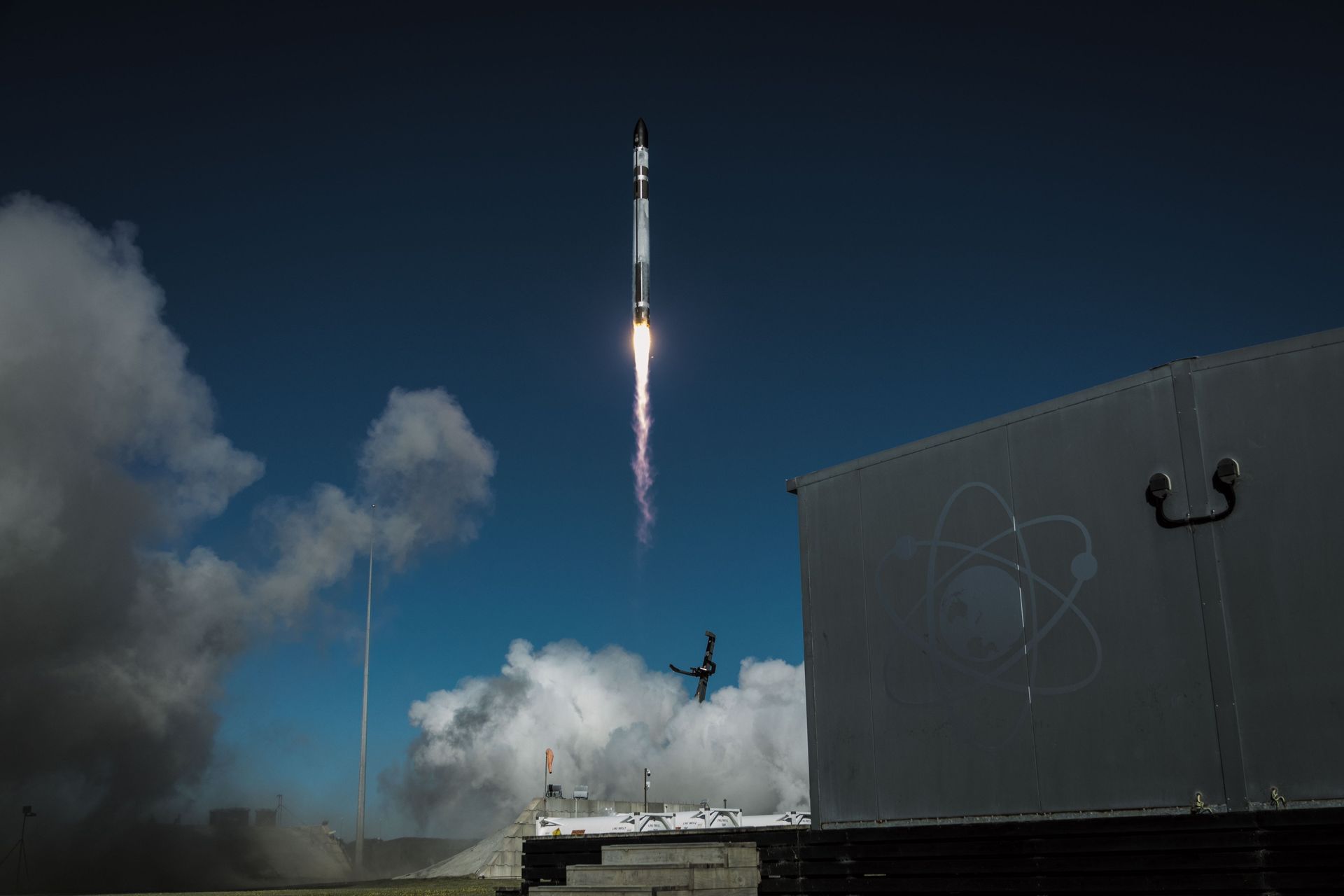
Rocket Lab will launch its 99th mission today from New Zealand at 11:30 a.m. ET, sending an Electron rocket on the “Sea God Surveys” flight. The payload is a Japanese Earth‑observing radar satellite for iQPS, part of a planned constellation of synthetic‑aperture‑radar satellites that can image the planet through clouds and at night. This is the company’s tenth launch for iQPS and the 90th overall Electron flight. Viewers can stream the launch live via Rocket Lab’s feed, or watch Space.com’s coverage if it becomes available.
On this day in space! Nov. 1, 1962: The Soviet Union Launches Mars 1 spacecraft to Red Planet during the Space Race
Original Publication Date: 2026-11-01 14:50
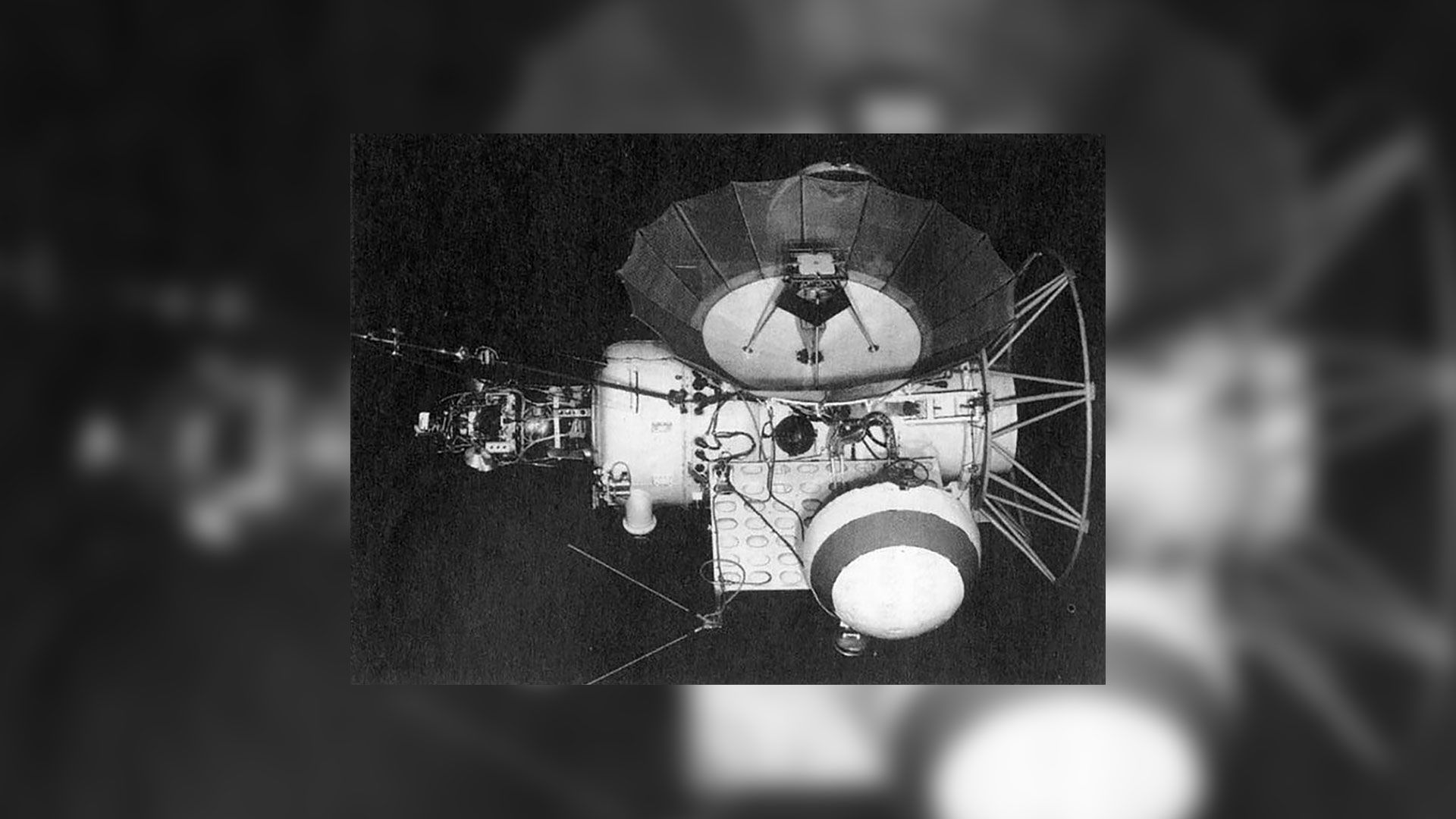
On November 1, 1962 the Soviet Union launched its Mars 1 spacecraft in a bold attempt to fly by the Red Planet during the early Space Race. The probe, the USSR’s fourth Mars attempt after three launch failures, suffered a gas‑valve leak that crippled its attitude control, causing it to lose contact halfway to Mars.
NASA's Swift space telescope is about to crash to Earth. Where will it fall?
Original Publication Date: 2026-11-01 13:00
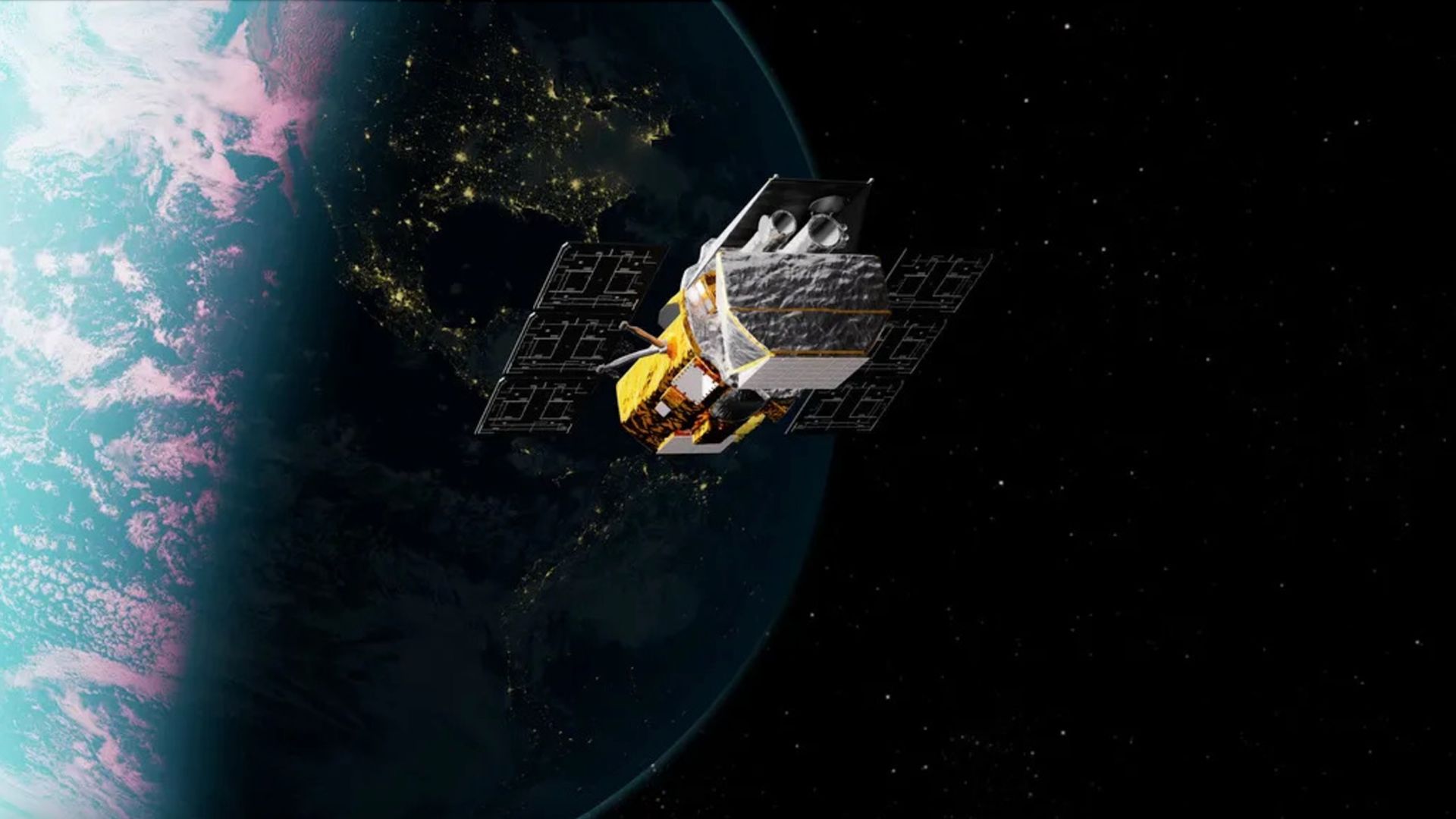
NASA’s Swift space telescope, launched in 2004 to study gamma‑ray bursts, is set to re‑enter Earth’s atmosphere in the coming days after a failed rescue attempt that left it unable to boost its orbit. The 3,300‑pound observatory will descend uncontrolled, heating and breaking apart around 78 km altitude, with most of its structure melting before reaching the surface. While a few dense components such as reaction wheels and telescope mirrors may survive the heat, any debris that reaches Earth is expected to fall largely over oceanic swaths within a 21‑degree band near the equator, posing minimal ground risk. NASA has already assessed the casualty risk as extremely low, and the re‑entry is anticipated to be a largely harmless, fiery descent.