 Spotify
 Apple Podcasts
 Podcast Addict
 Overcast
 Podcast RSS
Shenzhou-23 crew arrives at Tiangong as China maps path to 2030 lunar landing
Original Publication Date: 2026-05-24 21:11
Three Chinese astronauts launched Shenzhou‑23 from Jiuquan on May 24, with the mission set to dock Tiangong and potentially mark the first Chinese crew member to spend a full year in orbit. The crew includes commander Zhu Yangzhu, pilot Zhang Zhiyuan, and Hong Kong payload specialist Lai Ka‑ying, the first astronaut from Hong Kong to reach orbit. Shenzhou‑23 will conduct experiments in life sciences, medicine, microgravity physics and new solar‑cell technologies, and will perform multiple spacewalks and maintenance tasks aboard Tiangong.
BAE Systems Supplies Sensor Hardware for Space Force Next-Gen Polar Satellite
Original Publication Date: 2026-05-24 18:45
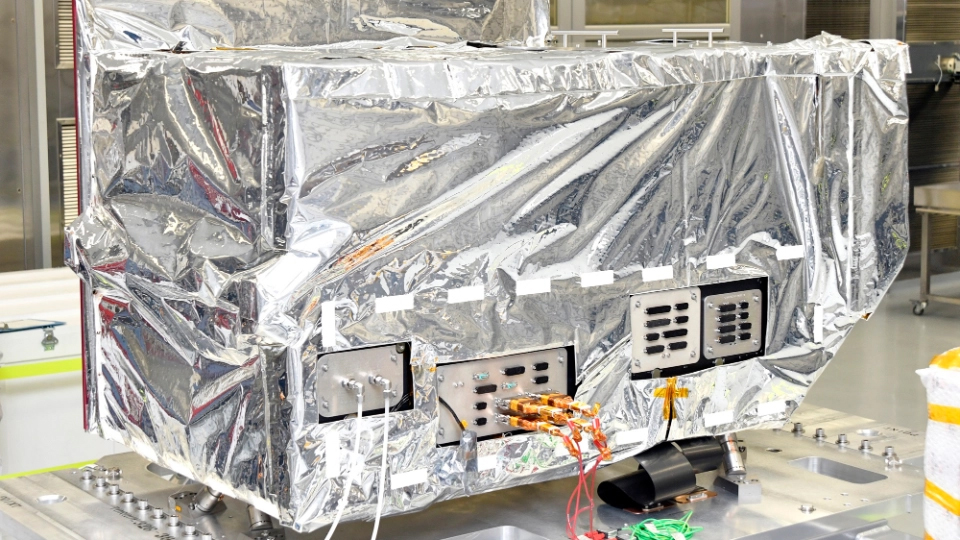
BAE Systems announced on Friday that it has delivered critical flight hardware to the U.S. Space Force, supporting the Next Generation Overhead Persistent Infrared Polar program. The new components will help upgrade the Space Force’s infrared detection capabilities, enabling more accurate tracking of low-observable targets. This delivery marks a key milestone in the program’s schedule, bringing the system closer to operational deployment.
China Launches Shenzhou-23 Mission to Tiangong, Slated for Record Year-Long Stay
Original Publication Date: 2026-05-24 14:42
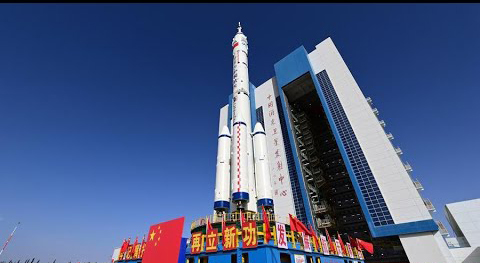
On Sunday, May 24, 2026, the China Manned Space Agency launched the Shenzhou‑23 crewed spacecraft from Jiuquan Satellite Launch Center in northwest China. The vehicle was propelled into low‑Earth orbit, carrying a crew of three astronauts on a mission to the new space station module. This flight marks a milestone in China’s expanding space program, as it tests new technologies for long‑duration stays in orbit. With the successful launch, China continues to strengthen its presence in low‑Earth orbit, positioning itself as a key player in future space exploration.
Vehicle arrivals, science experiments, and maintenance keep Expedition 74 busy through April
Original Publication Date: 2026-05-24 19:04

Expedition 74 has kept the International Space Station busy, with crew members handling the arrival of Northrop Grumman’s Cygnus XL, the departure of Progress 93, and the docking of Progress 95 while also boosting the station’s orbit with a Progress 93 reboost burn.
The most common type of planet in the galaxy may not look anything like Earth on the inside
Original Publication Date: 2026-05-24 10:00
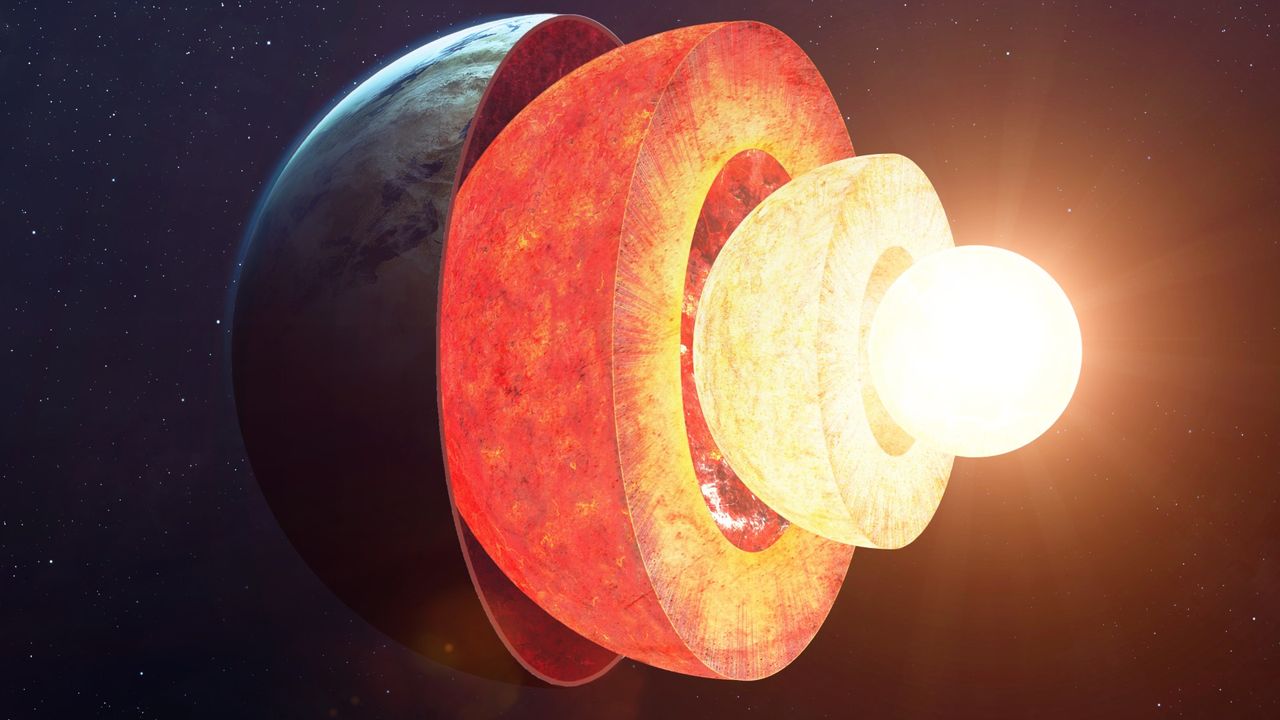
A new study proposes that the most common exoplanets—sub‑Neptunes—may have no distinct core, with hydrogen, silicate, and iron mixing into a single, homogeneous interior. This miscibility explains the observed “radius gap” between super‑Earths and sub‑Neptunes and predicts that young planets should appear slightly puffier than standard models expect. The theory also offers a testable signature: as the planet cools, hydrogen gradually exsolves into the atmosphere, a process JWST could observe in very young systems. If confirmed, it would mean Earth’s layered structure is the exception, not the rule, in our galaxy.