 Spotify
 Apple Podcasts
 Podcast Addict
 Overcast
 Podcast RSS
National Geospatial-Intelligence Agency to open programs to more vendors
Original Publication Date: 2026-05-03 20:43
The National Geospatial‑Intelligence Agency is opening its Luno program to more commercial vendors to accelerate access to satellite data and AI‑driven analysis, a move highlighted at the GEOINT Symposium. Luno, worth about $500 million, buys finished intelligence products—such as change detection and activity analysis—rather than raw imagery, and is split into Luno A for infrastructure monitoring and Luno B for broader situational awareness. To speed adoption, NGA has created a Rapid Capabilities Office to cut procurement timelines from years to weeks, focusing on AI tools like computer vision and large language models. The agency is also encouraging small firms through a Mentor‑Protégé Program and is actively hiring data engineering and AI specialists to build an AI‑savvy workforce.
SpaceX launches South Korean Earth observation satellite, plus 44 more payloads on midnight Falcon 9 rideshare mission
Also covered by: SpaceNews, NASASpaceFlight
Original Publication Date: 2026-05-02 19:59
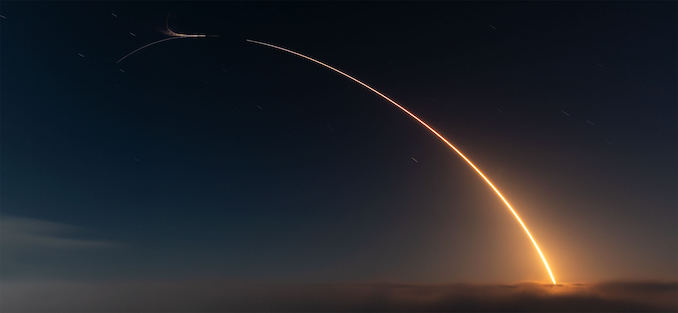
On May 3, SpaceX launched a Falcon 9 from Vandenberg Space Force Base, carrying South Korea’s 500‑kg CAS500‑2 imaging satellite as the primary payload and 45 secondary satellites into a sun‑synchronous orbit. The mission marked the 33rd flight of booster B1071, which returned to Landing Zone 4 (pad 4E) safely 7½ minutes after liftoff, underscoring SpaceX’s growing record of reusable booster landings. This launch was the company’s third rideshare mission of 2026, demonstrating the reliability of its reusable rockets for a diverse constellation of customers.
SES Accelerates Multi-Orbit IFC Strategy with meoSphere and Next-Gen ESA Development
Original Publication Date: 2026-05-03 23:33
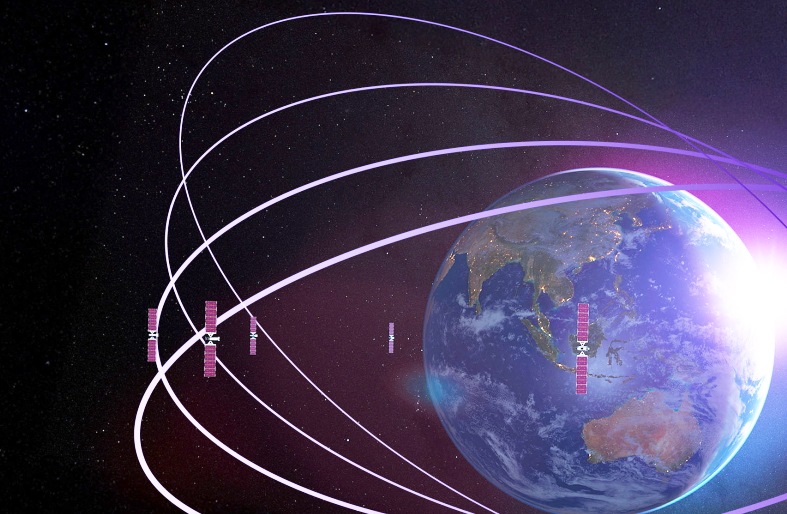
SES has refined the operational framework for its meoSphere program, a next‑generation Medium Earth Orbit network that will underpin the company’s multi‑orbit In‑Flight Connectivity strategy.
Foxconn Launches Second-Generation PEARL Satellites via SpaceX Falcon 9
Original Publication Date: 2026-05-03 21:17
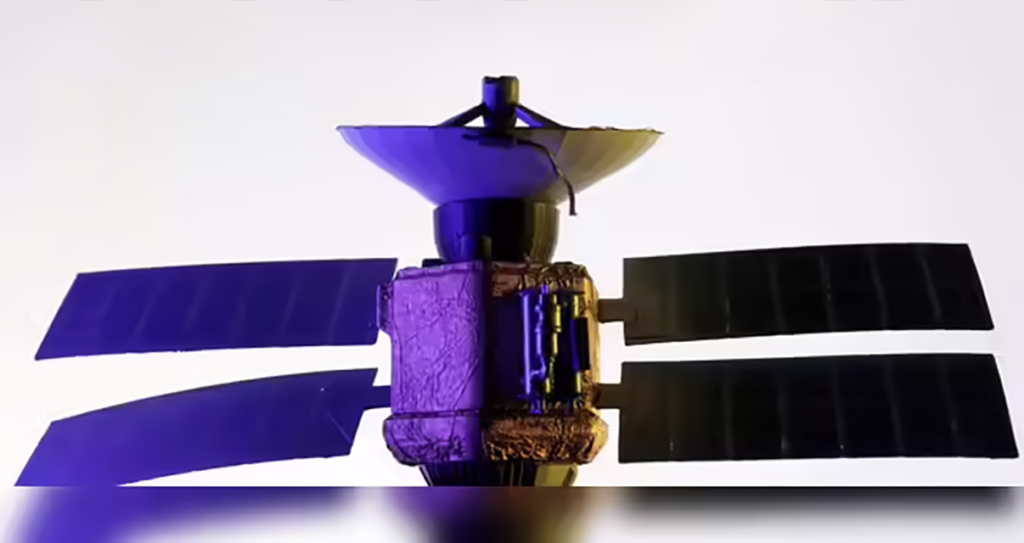
Foxconn’s Hon Hai Technology Group celebrated the successful launch of its second‑generation low‑Earth‑orbit satellites, PEARL‑1A and PEARL‑1B, on Sunday, May 3. The twin spacecraft were launched aboard a rocket, marking a significant milestone for the company’s expanding space ambitions. The PEARL satellites are designed to provide high‑resolution imaging and advanced communications services for a variety of commercial and governmental customers.
SmallSat Europe Speaker Focus: Jorge Ciccorossi, ITU Radiocommunications Bureau
Original Publication Date: 2026-05-03 14:25

Jorge Ciccorossi, head of the ITU’s Space Strategy and Sustainability Division, has represented the Bureau at every World Radiocommunication Conference since 2003. At this year’s SmallSat Europe, he will deliver a solo market brief on how Europe can shape its priorities for the upcoming WRC‑27. His insights will guide stakeholders in navigating the evolving spectrum landscape. Stay tuned for his key takeaways on securing Europe’s future in space communications.
Why were galaxies so active in the early universe? We may be getting close to the answer
Original Publication Date: 2026-05-04 10:00
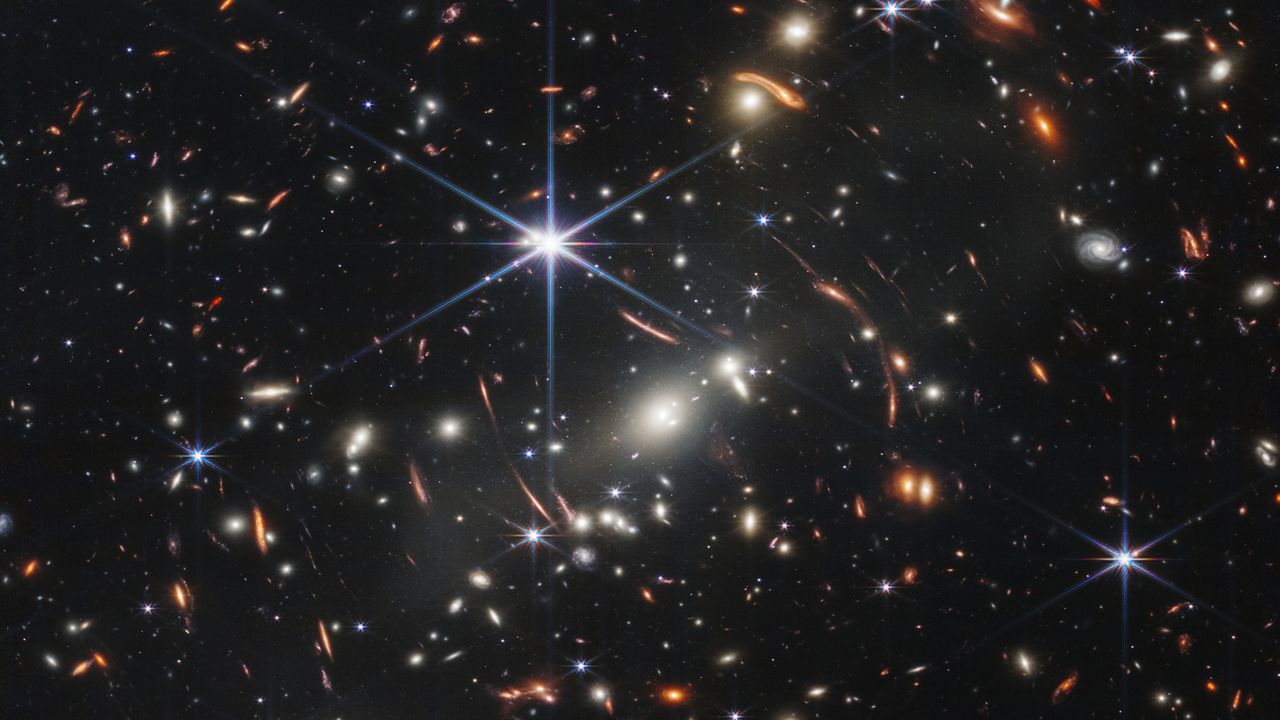
Astronomers using the James Webb Space Telescope have discovered that the first galaxies were far more luminous and massive than previously thought, igniting a cosmic fireworks show just a few hundred million years after the Big Bang. New computer simulations show that as these newborn galaxies burst into star‑forming activity, the surrounding gas rapidly heated and became less dense, a shift that dramatically altered the pace of galaxy evolution. The studies reveal that early stars recycled very little material back into the interstellar medium, so new stars relied almost entirely on fresh gas from the cosmic web, while the depletion times were shockingly short. These findings rewrite a key chapter of our cosmic origin story, showing that the universe’s earliest galaxies were true star‑forming machines operating at an unprecedented intensity.
'It was quite a light show!' NASA astronaut spies dramatic fireball from the International Space Station (photos)
Original Publication Date: 2026-05-03 16:00
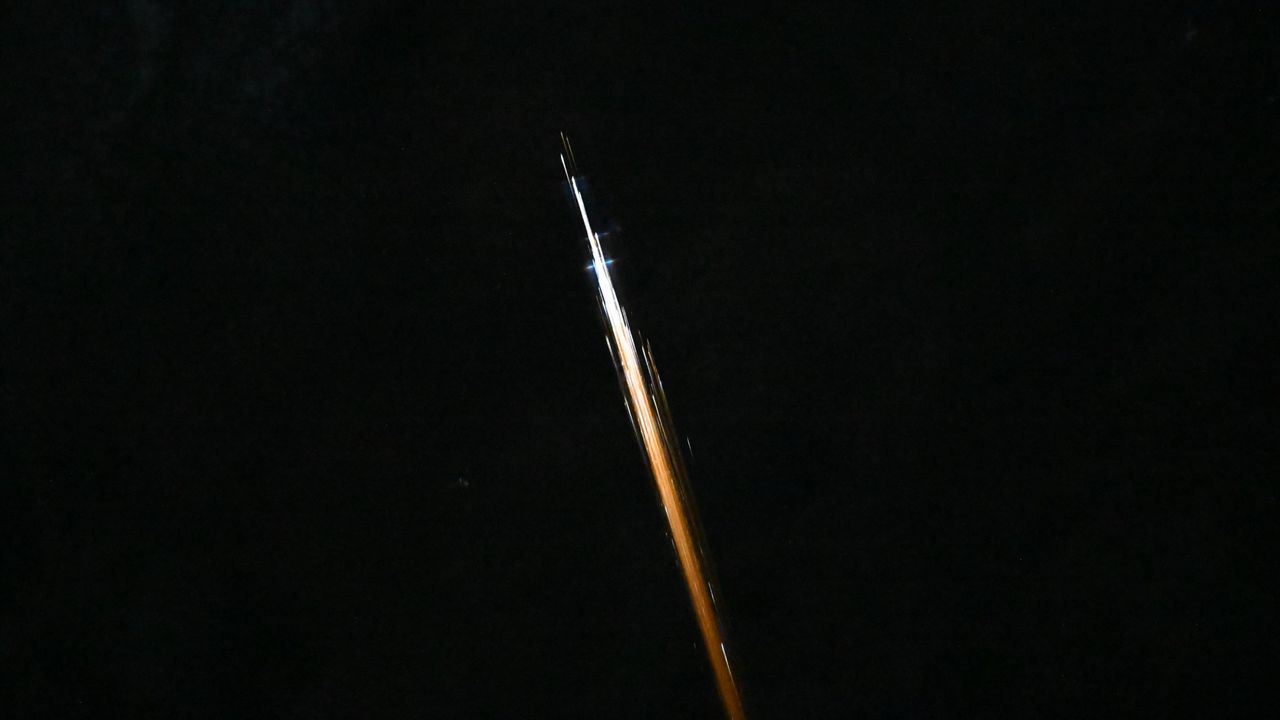
NASA astronaut Chris Williams captured a spectacular fireball from the International Space Station on April 27, 2026, as he was watching for the incoming Progress MS‑34 cargo vehicle. The bright streak, seen over West Africa, split into smaller pieces, suggesting it was orbital debris or a satellite re‑entering the atmosphere. The fireball may have been caused by the upper stage of the Soyuz rocket that launched Progress 95, which arrived at the ISS two days earlier. Williams’s footage reminds us that even in orbit, space is a dynamic sky full of unexpected light shows.
Spaceflight is hard on the heart, yet artificial ones grow better in space than on Earth
Original Publication Date: 2026-05-03 14:00
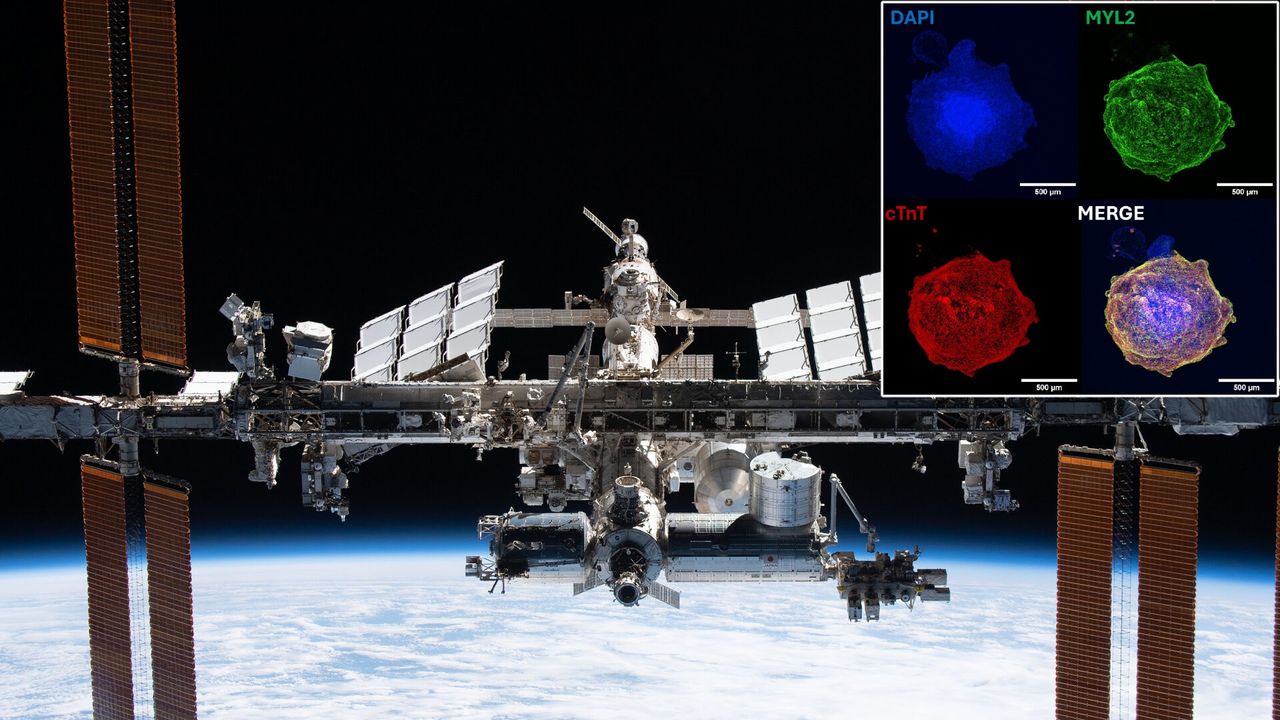
Mini‑hearts grown from human stem cells sprout faster and in greater numbers aboard the International Space Station than in Earth‑based labs, researchers report. While astronauts’ own hearts shrink and weaken in microgravity, the absence of constant stirring lets the cells float naturally, boosting organoid production. Dr. Arun Sharma’s team plans to send more experiments on NASA’s SpaceX CRS‑35 resupply mission, hoping future space‑grown heart patches could aid patients awaiting transplants. This work could ultimately provide thicker, more robust heart tissue for treating the world’s leading cause of premature death—heart disease.