 Spotify
 Apple Podcasts
 Podcast Addict
 Overcast
 Podcast RSS
Lunar lander developers say they are ready to meet anticipated increased NASA demand
Original Publication Date: 2026-03-23 09:40
Firefly Aerospace and Intuitive Machines have both endorsed NASA’s plan to launch robotic lunar landers as often as once a month, saying they can scale up production to meet the demand. Though only Firefly’s Blue Ghost 1 successfully landed and Intuitive’s IM‑1 and IM‑2 tipped over, the companies plan new missions later this year and next year to demonstrate reliability. Both CEOs highlighted new clean‑room expansions and a Texas Space Commission grant that will allow them to build more landers simultaneously.
Swissto12 to build small optical relay GEO satellite for Space Compass
Original Publication Date: 2026-03-23 04:01
Swiss-based satellite specialist Swissto12 has secured a contract to build the world’s first optical relay spacecraft in geostationary orbit. The new satellite will be constructed on the compact, washing‑machine‑sized HummingSat platform, underscoring Swissto12’s expertise in small‑satellite technology. The project is for Space Compass, a company aiming to deliver high‑bandwidth optical communications from space. This milestone could pave the way for more efficient, high‑capacity space communications networks.
SpaceX offers details on orbital data center satellites
Original Publication Date: 2026-03-22 18:08
Elon Musk unveiled SpaceX’s plan to launch a massive orbital data‑center constellation, backed by a new Terafab chip factory that would churn out a terawatt of processors annually—about 50 times today’s top chip output. The constellation could reach up to one million satellites, each carrying an AI Sat Mini that delivers 100 kW of power via large solar arrays and a compact radiator to manage heat. Musk argues the space‑based data center will be cheaper than terrestrial centers in two to three years, thanks to abundant solar power and no real‑estate constraints, and he teased future moon‑built satellites launched with electromagnetic mass drivers. While the project is still in early stages with no firm timelines or cost estimates disclosed, SpaceX has filed an FCC application seeking spectrum waivers for the constellation.
SpaceX launches 29 Starlink satellites on Falcon 9 rocket from Cape Canaveral
Original Publication Date: 2026-03-22 13:14
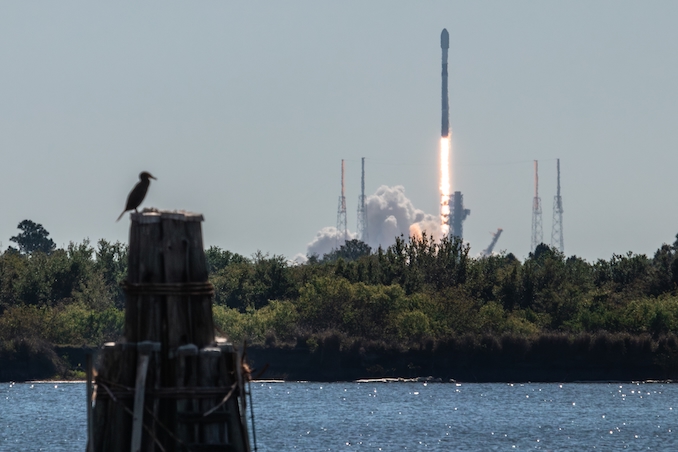
SpaceX’s Falcon 9 lifted off at 10:47 a.m. EDT from Cape Canaveral’s Space Launch Complex 40 for its 37th launch of 2026, carrying the Starlink 10‑62 mission. The rocket deployed 29 Starlink V2 Mini Optimized satellites into low‑Earth orbit about an hour after liftoff, adding to the company’s growing constellation. After nearly 8½ minutes, the first‑stage booster, tail number 1078, safely landed on the drone ship “A Shortfall of Gravitas” in the Atlantic, marking the vessel’s 148th landing and SpaceX’s 590th booster recovery to date.
SpaceX and GSO Giants Clash Over FCC Spectrum Sharing Rules and Power Limits
Original Publication Date: 2026-03-22 23:59
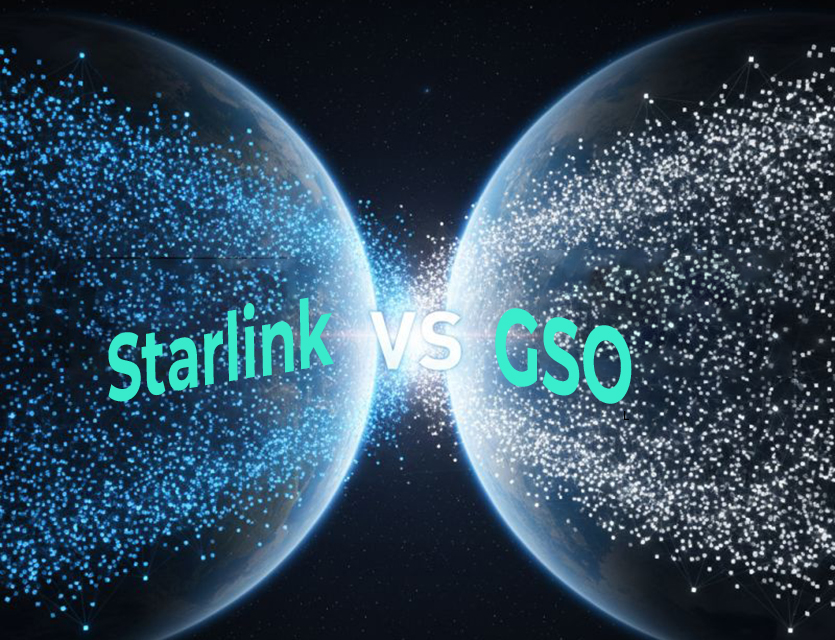
SpaceX has escalated its fight for satellite broadband supremacy by filing new requests with the FCC, challenging the dominance of geostationary operators like SES and Viasat. The filings argue that low‑Earth‑orbit constellations can deliver faster, more affordable internet to underserved areas, while incumbents warn of spectrum congestion and regulatory hurdles. The FCC will review the competing proposals, weighing the need for innovation against the protection of existing services.
Thales Alenia Space Previews Sovereign Constellations and LEO-PNT Milestones for SATShow 2026
Original Publication Date: 2026-03-22 20:07

Thales Alenia Space (TAS) has unveiled its strategic roadmap for the year. The roadmap is centered on high-revisit Earth observation and the critical role of the SATShow in Washington, D.C. TAS: 2026 SATShow will be the largest space show in history.
Planet Labs: The satellite stock that keeps shooting to the moon
Original Publication Date: 2026-03-22 18:58

Planet Labs PBC announced on March 19 that its fiscal 2026 results set new company records, with revenue and net income both reaching all‑time highs. The imaging‑satellite provider said the surge was driven by expanded commercial contracts and increased data‑sales volumes. Analysts noted the company’s market‑share gains amid rising demand for high‑frequency Earth‑observation imagery. Planet Labs’ performance underscores the growing commercial viability of satellite data services.
A Fault Line in Full Bloom
Original Publication Date: 2026-03-23 04:01

NASA’s Landsat satellites captured a spectacular wildflower bloom across California’s Carrizo Plain, turning the landscape into a sea of bright yellow between March 5 and March 13, 2026.
Transformational Tools and Technologies Resources
Original Publication Date: 2026-03-22 18:59
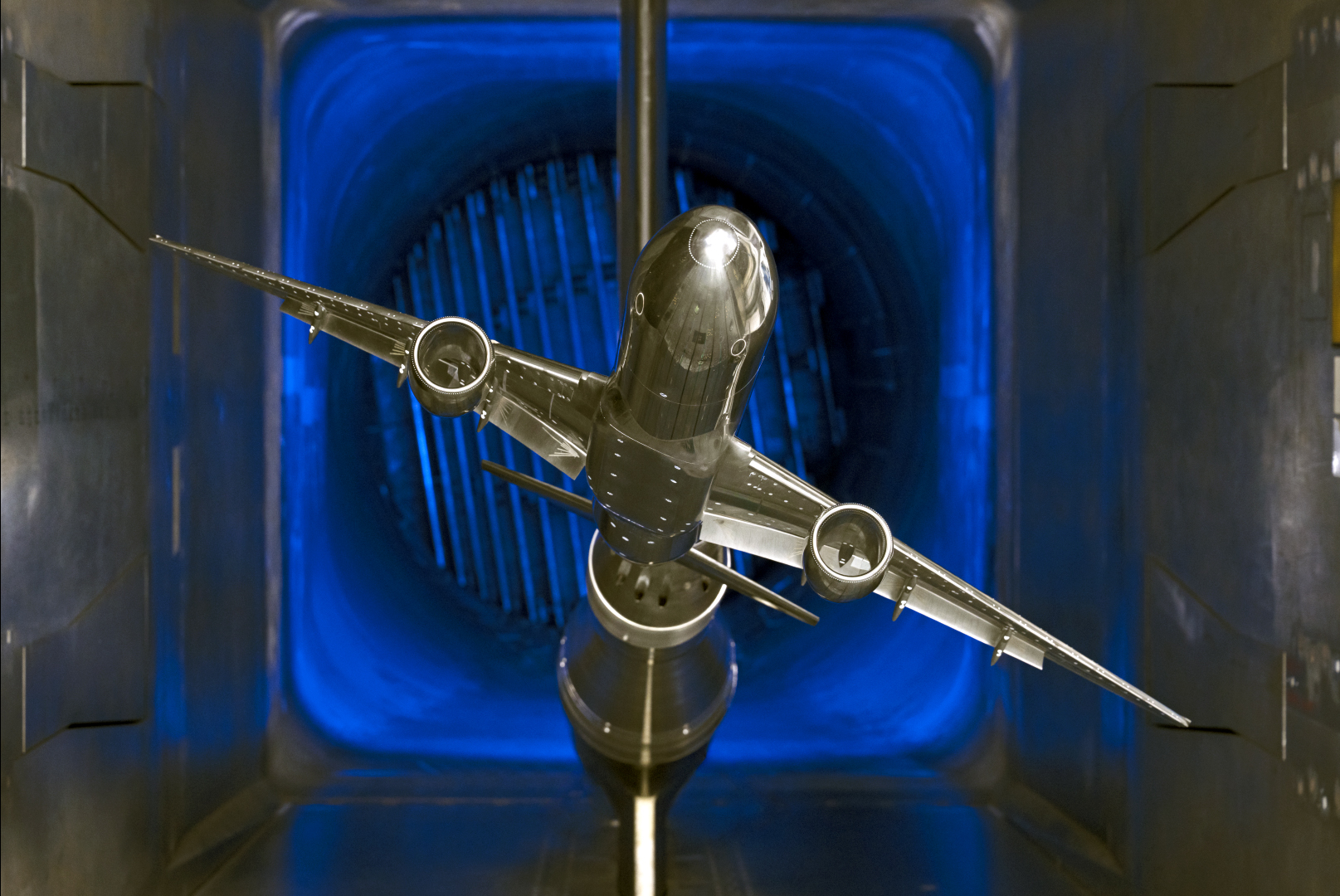
NASA is gearing up for the next generation of lunar surface missions, with simulations now underway both in air and underwater environments. A scale model of a new single‑aisle twin‑engine airliner is being tested in the Langley Research Center's Transonic Dynamics Tunnel, part of a broader suite of computational fluid dynamics studies aimed at revolutionizing aircraft design. Parallel efforts include advanced simulations for Artemis II launch conditions and new computational materials methods for aviation certification. These initiatives underscore NASA’s commitment to pushing the boundaries of space and aeronautics research.
Progress MS-33 launches to ISS from repaired pad
Original Publication Date: 2026-03-21 23:18

After a severe platform collapse during the Soyuz MS‑28 launch, Roscosmos repaired Baikonur’s Site 31/6 and successfully lifted Progress MS‑33 on March 22, 2026, carrying more than 2,500 kg of food, fuel and spare parts to the International Space Station. The uncrewed cargo ship, derived from the Soyuz design, will dock to the Poisk module on March 24, though one of its Kurs antennas failed to deploy, prompting a potential manual docking by Expedition 74 commander Sergei Kud‑Sverchkov. With the pad restored, Russia can resume regular Progress and Soyuz flights to the ISS, a critical capability as the U.S. Congress considers extending the station’s operations until 2032. The next Progress mission, MS‑34, is slated for April 25, keeping the Russian segment supplied and the crewed Soyuz MS‑29 launch on track for July 14.
SpaceX v. Amazon Heats Up at the FCC
Original Publication Date: 2026-03-23 00:54

Amazon’s satellite constellation venture, Leo, has filed a petition with the FCC to block SpaceX’s planned million‑satellite network, arguing the application lacks concrete details. SpaceX counters by pointing to Blue Origin’s parallel FCC filing for its 51,000‑satellite “Project Sunrise,” demanding the FCC treat both proposals equally. FCC Chair Brendan Carr has urged Amazon to focus on its own deployment shortfall rather than contesting SpaceX’s plans. The outcome will hinge on the FCC’s decision on orbital‑data‑center approvals, with SpaceX reportedly enjoying strong institutional backing.
Could our universe exist because black holes ate up all the antimatter?
Original Publication Date: 2026-03-23 10:00

Scientists now suggest that the universe’s matter‑antimatter imbalance may be the result of primordial black holes swallowing vast amounts of antimatter during the Big Bang. Polish physicist Nikodem Poplawski argues that antimatter particles, being slightly heavier, fell into these early black holes more readily than ordinary matter, leaving the cosmos dominated by matter. This mechanism would eliminate the need for exotic physics beyond the Standard Model to explain why stars, galaxies and life could form at all. Moreover, the theory could help account for the rapid appearance of supermassive black holes observed by the James Webb Space Telescope within the first few hundred million years after the Big Bang.
What if the next great astronomer isn't human? How AI is revolutionizing our study of the cosmos
Original Publication Date: 2026-03-22 12:00

Scientists are turning to AI to become the next great astronomer, with a new system called MadEvolve that uses large language models to rewrite and refine cosmology code, then applies evolutionary programming to select the best versions. By iterating this process, MadEvolve has already outperformed human‑crafted algorithms on several key simulation tasks and set new records in computational cosmology.
Russian cargo spacecraft suffers glitch after launching toward International Space Station
Original Publication Date: 2026-03-21 21:00
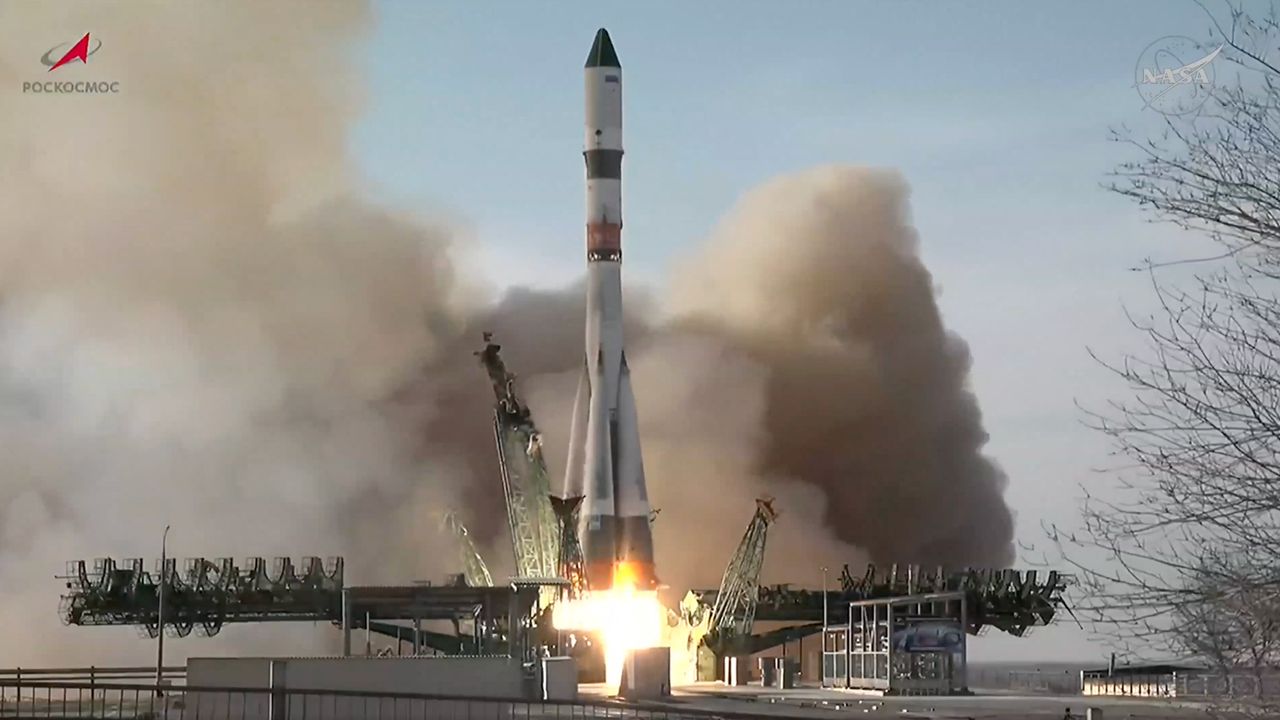
A Soyuz rocket lifted the Progress 94 cargo freighter from Baikonur on March 22, carrying roughly three tons of supplies for the International Space Station. Shortly after launch, the spacecraft experienced a glitch when one of its docking antennas failed to deploy, but all other systems remained functional.