 Spotify
 Apple Podcasts
 Podcast Addict
 Overcast
 Podcast RSS
Terran Orbital Names Kwon Park Senior Director of Manufacturing Operations to Lead Production Scaling
Original Publication Date: 2026-03-09 00:01
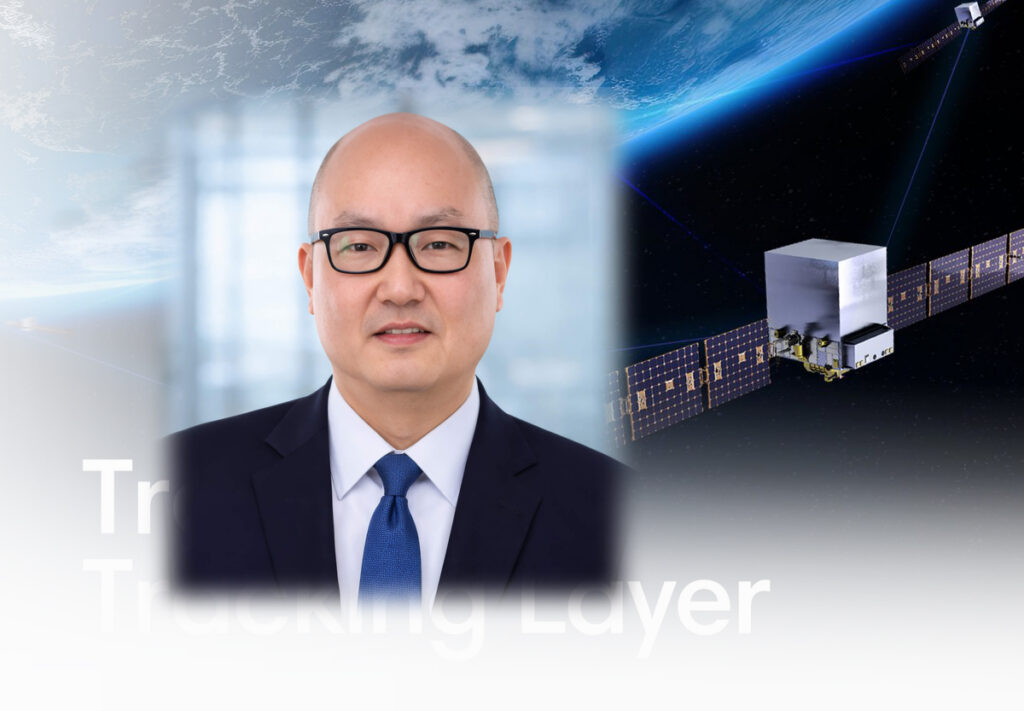
Terran Orbital Corporation, a global satellite‑solutions leader and wholly‑owned subsidiary of Lock
General Galactic to Demonstrate Water-Powered “Genesis” Propulsion on 2026 Trinity Mission
Original Publication Date: 2026-03-08 22:13

Southern California startup General Galactic announced on March 5, 2026 that it will launch its first tech‑demonstrator satellite, Trinity, later this year. The 500‑kilogram spacecraft is designed to showcase new technology for space missions. The launch marks the company’s first step toward commercial satellite services. Trinity’s deployment is expected to advance General Galactic’s position in the growing space industry.
a.i. solutions Partners with USGS to Integrate AI into Landsat Flight Operations
Original Publication Date: 2026-03-08 15:39

On March 5, 2026, a.i. Solutions announced a formal partnership with the U.S. Geological Survey’s Technology Transfer Office in Lanham, Maryland, through a Cooperative Research and Development agreement.
BlackSky Awarded $99M Air Force Contract for Advanced Optical Testbed; Lockheed Martin Expands Missile Production
Original Publication Date: 2026-03-08 15:37

The U.S. Department of Defense awarded BlackSky Geospatial Solutions LLC $99 million to develop a next‑generation geospatial intelligence platform that will deliver faster, more accurate real‑time situational awareness. The contract, announced in Herndon, Virginia on March 6, 2026, will leverage BlackSky’s satellite‑based imaging network and advanced AI to process data from its low‑Earth orbit constellation. The award underscores the DoD’s commitment to integrating cutting‑edge geospatial capabilities into its operational framework.
The Barcelona two-step reveals tough competition
Original Publication Date: 2026-03-08 15:36

Barcelona’s Mobile World Congress dazzled this year, drawing roughly 100,000 delegates into its expansive halls and hotel rooms. The event showcased cutting‑edge innovations in mobile technology, from 5G deployments to AI‑driven applications. Industry leaders highlighted the growing importance of connectivity for digital transformation, while startups leveraged the platform to gain exposure. The congress reaffirmed Barcelona’s status as a global tech hub, promising further growth in the mobile ecosystem.
Congress wants the International Space Station to keep flying until 2032. Here's why
Original Publication Date: 2026-03-09 10:00
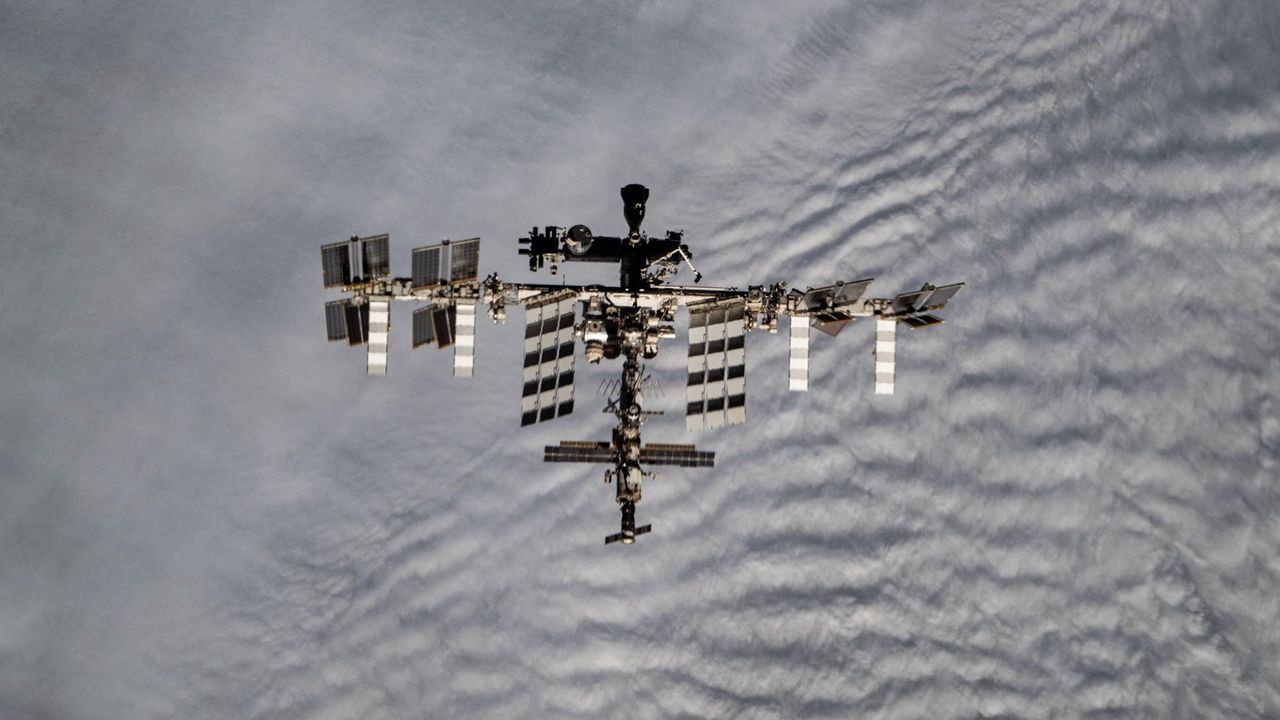
The International Space Station will now remain in orbit until September 2032 instead of its original 2030 retirement, thanks to a Senate‑approved NASA Authorization bill. Senators, led by Ted Cruz, argue the extension keeps a continuous U.S. Human presence in low‑Earth orbit and stops China from gaining a leadership edge while commercial stations such as Orbital Reef and Starlab are still under development. China’s Tiangong station, already operational since 2021, is slated to run into the mid‑2030s, heightening the urgency for U.S. Continuity.
SpaceX springs forward with another Starlink launch from California (video)
Original Publication Date: 2026-03-08 21:15
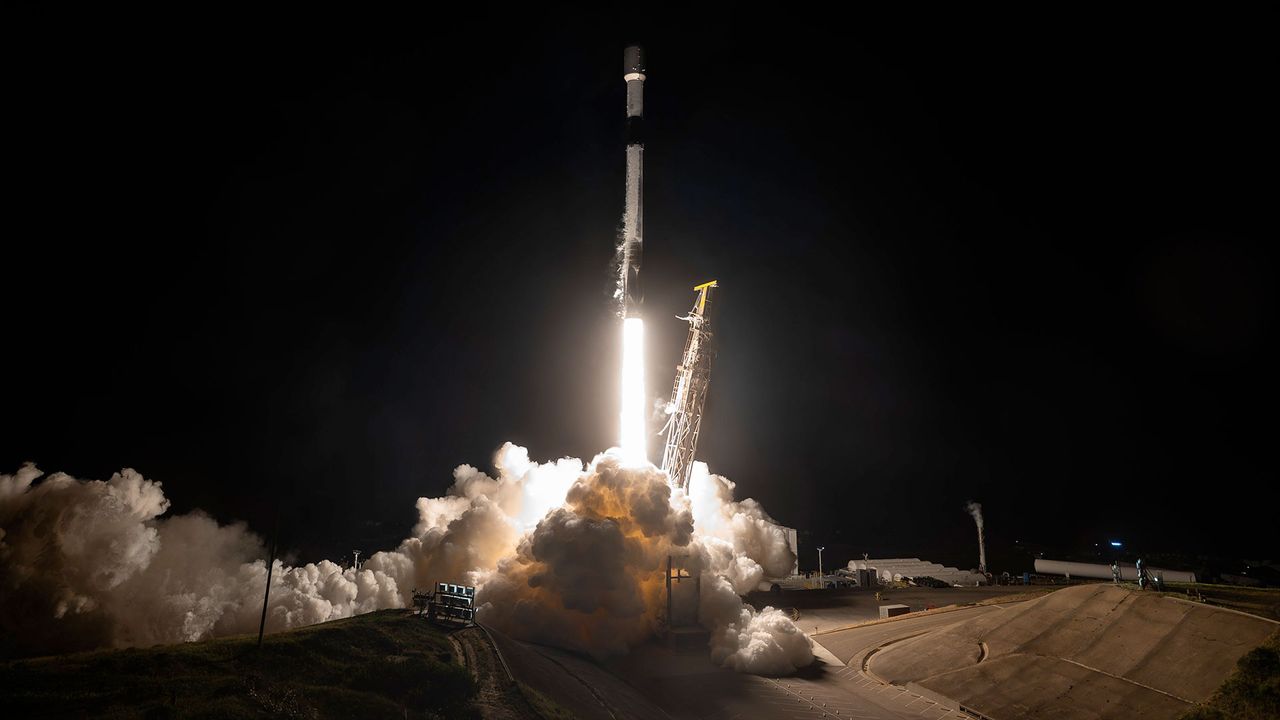
SpaceX launched 25 new Starlink satellites from California’s Vandenberg Space Force Base on Sunday, March 8, 2026. The Falcon 9 rocket lifted off at 7:00 a.m. EDT, deployed all 25 satellites into low‑Earth orbit, and its first‑stage booster, 1097, safely landed on the “Of Course I Still Love You” droneship in the Pacific.
A Plan B for space? On the risks of concentrating national space power in private hands
Original Publication Date: 2026-03-08 13:00

Private space firms have moved from the sidelines to the core of U.S. Space operations, launching satellites, ferrying cargo and astronauts, and even landing on the Moon. The 2026 NASA Reauthorization Act now mandates partnerships with at least two commercial providers for critical missions, a deliberate effort to avoid dependence on a single company. Despite this diversification push, SpaceX still dominates crewed launch access, giving it disproportionate leverage and raising concerns about structural vulnerabilities in national space strategy. With bipartisan support, the government now sets objectives while private industry builds and operates the systems, aiming to attract $50 billion of additional investment by 2028.