 Spotify
 Apple Podcasts
 Podcast Addict
 Overcast
 Podcast RSS
Open Cosmos unveils vision for imagery-linked sovereign satellite connectivity
Original Publication Date: 2026-03-02 08:10
Open Cosmos announced its new Ka‑band satellite network, ConnectedCosmos, aimed at providing sovereign broadband for Europe. The company highlighted the constellation’s imagery‑linked connectivity capabilities, but did not clarify how it will meet the mid‑2026 deployment deadline. While the vision promises a dedicated European broadband solution, details on rollout and timelines remain uncertain. The project’s success will hinge on meeting the upcoming launch schedule.
ESA announces 100 million euro satellite-mobile convergence initiative
Original Publication Date: 2026-03-02 08:00
The European Space Agency has announced up to 100 million euros ($118 million) in new funding to speed up the fusion of satellite and terrestrial communications, partnering with GSMA Foundry to bring together mobile operators, vendors and start‑ups. The money will be directed toward four key areas: AI‑driven spectrum management, standards‑based direct‑to‑device connectivity, 5G/6G hybrid testbeds, and early‑stage 6G technologies such as edge computing and industrial IoT that rely on satellite integration. Live demos of these concepts are being showcased this week at Mobile World Congress in Barcelona, underscoring the industry’s push for next‑generation connectivity. This initiative comes as Europe seeks to strengthen its position in the emerging D2D market, competing with U.S. Players like SpaceX that are rapidly scaling satellite‑terrestrial services.
NASA outlines objectives for Mars communications orbiter
Original Publication Date: 2026-03-02 00:26
NASA has released draft objectives for a new Mars Telecommunications Network, a $700 million orbiter funded by last year’s budget reconciliation act, slated for delivery to the Administration by the end of 2028. The orbiter must provide continuous communications and positioning, navigation, and timing services for Mars missions through 2035, support up to 100 Mbps direct links to Earth, and operate for at least five years.
Space Force opens secretive space tracking to commercial firms
Original Publication Date: 2026-03-01 19:08
Washington — The U.S. Space Force is turning to commercial space‑situational‑awareness firms and AI to enhance its battle‑management capabilities, according to Lt. Col. Collin Greiser. The SDA TAP Lab in Colorado Springs runs three‑month accelerator cohorts that give over 400 companies access to government problem sets, speeding the transition of unclassified tools into operational use under the Kronos program. By fusing real‑time data and machine‑learning models, the lab helps operators distinguish normal satellite maneuvers from hostile intent and recommend rapid responses, aiming to disrupt adversary kill chains before they can strike. This partnership lowers barriers for smaller firms and accelerates the adoption of AI‑first solutions into Space Force workflows.
SpaceX launches 29 Starlink satellites on Falcon 9 rocket from Cape Canaveral
Original Publication Date: 2026-03-01 16:37
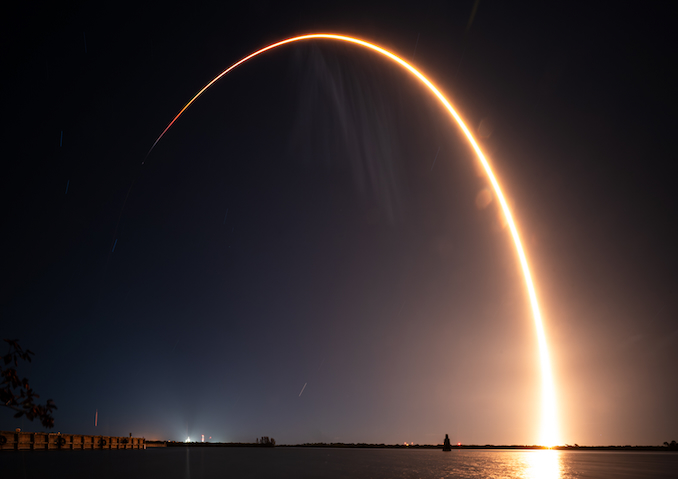
SpaceX launched its Falcon 9 rocket from Cape Canaveral on Sunday, March 1, 2026, deploying 29 Starlink satellites on the 10‑41 mission. The rocket lifted off at 9:56 p.m. EST, following a 90‑percent favorable weather forecast, and used booster B1078 for its 26th flight. Within 8½ minutes, the first‑stage booster landed on the droneship “Just Read the Instructions” in the Atlantic, marking SpaceX’s 580th booster landing. This launch brings the company’s total Starlink satellites deployed this year to 566.
SpaceX Prepares for Record-Breaking $1.75 Trillion Confidential IPO Filing in March
Original Publication Date: 2026-03-01 15:43
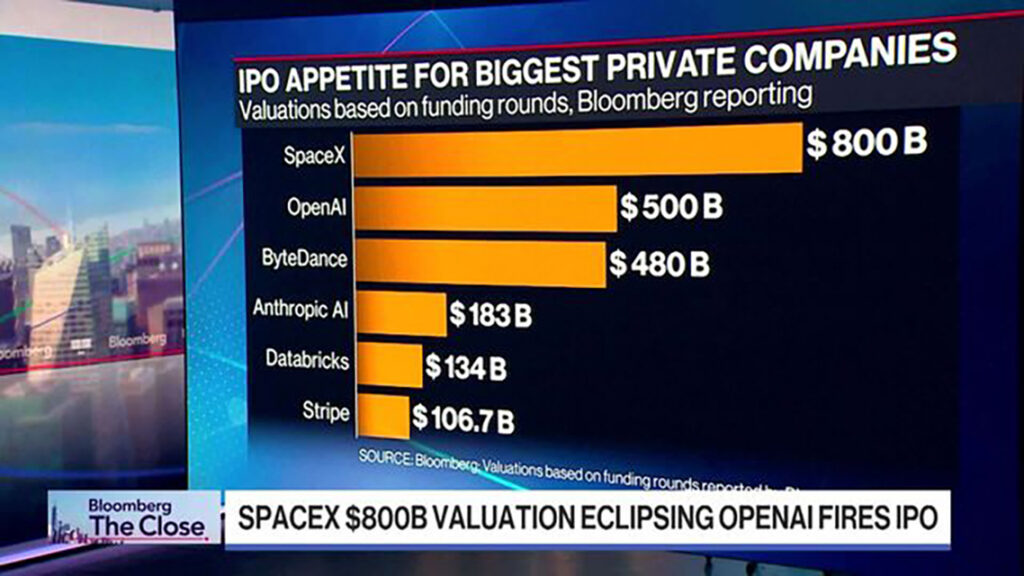
SpaceX is moving toward a confidential IPO filing with the SEC, aiming for a June 2026 debut that could value the company at more than $1.75 trillion. The valuation surge follows an all‑stock merger with AI firm xAI and a rapid expansion of Starlink, which now serves 9.2 million subscribers and generated over $10 billion last year.
Firefly Aerospace scrubs Alpha rocket's return to flight due to high winds
Also covered by: NASASpaceFlight
Original Publication Date: 2026-03-01 17:45
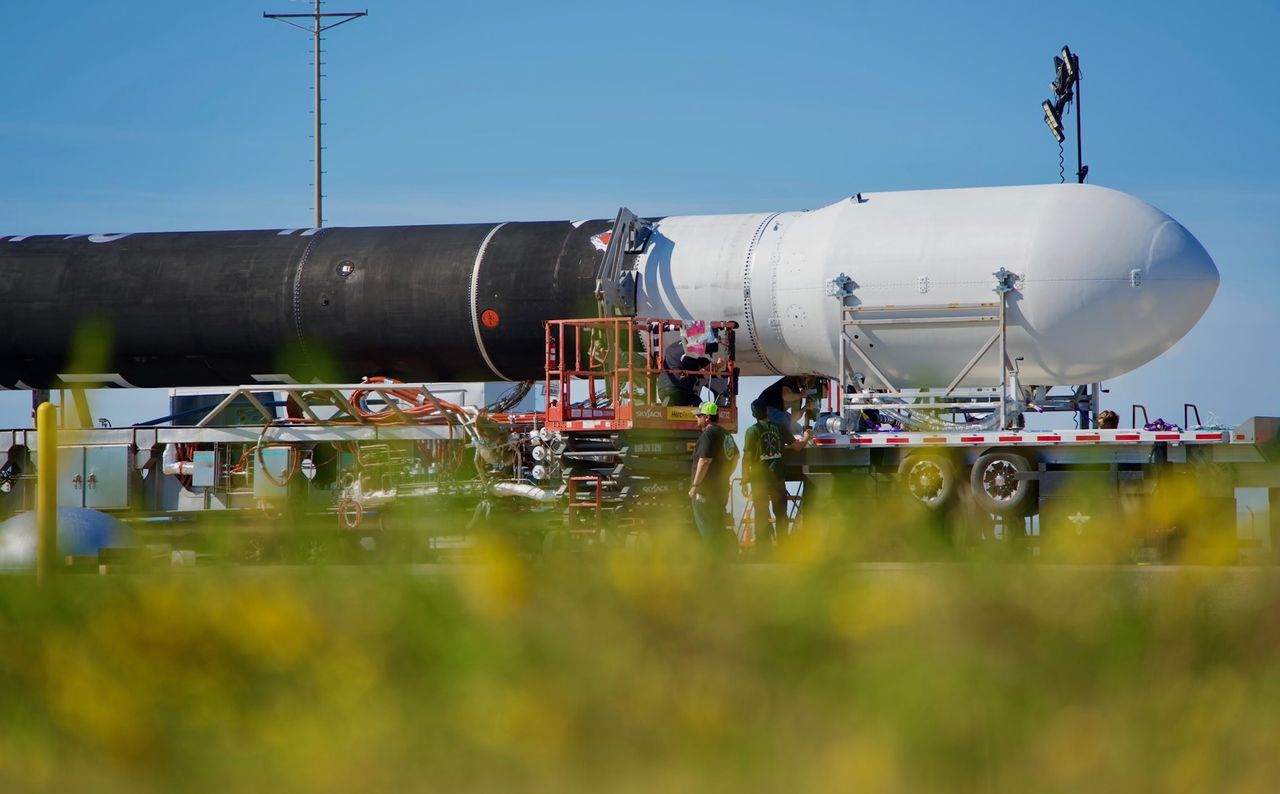
Firefly Aerospace has resumed flight of its Alpha rocket after a nearly ten‑month stand‑down following the 2025 FLTA006 failure, but its planned March 1 launch was scrubbed due to high winds. The launch, which would have been the vehicle’s seventh flight—dubbed “Stairway to Seven”—and the final test of the Block I configuration, was scheduled from Vandenberg Space Force Base. No new date has been set; the company will monitor weather and may reschedule once conditions improve.
Snowball Earth's liquid seas dipped way below freezing
Original Publication Date: 2026-03-01 16:00

Scientists have for the first time measured the temperature of Earth’s oceans during a “snowball” era, finding salty seawater pockets chilled to about –15 °C, the coldest ever recorded. The study, published in Nature Communications, used iron isotope signatures in ancient rock formations to infer the temperature, revealing that the brines were up to four times saltier than today’s oceans. This extreme cooling occurred roughly 717 million years ago, when ice sheets covered the planet for 57 million years, turning the world into an icy, dark, alien landscape. The findings underscore how Earth's climate system can push temperatures to unprecedented lows, reshaping our understanding of past planetary conditions.
Moons of the solar system: A space-themed word search
Original Publication Date: 2026-03-01 15:00
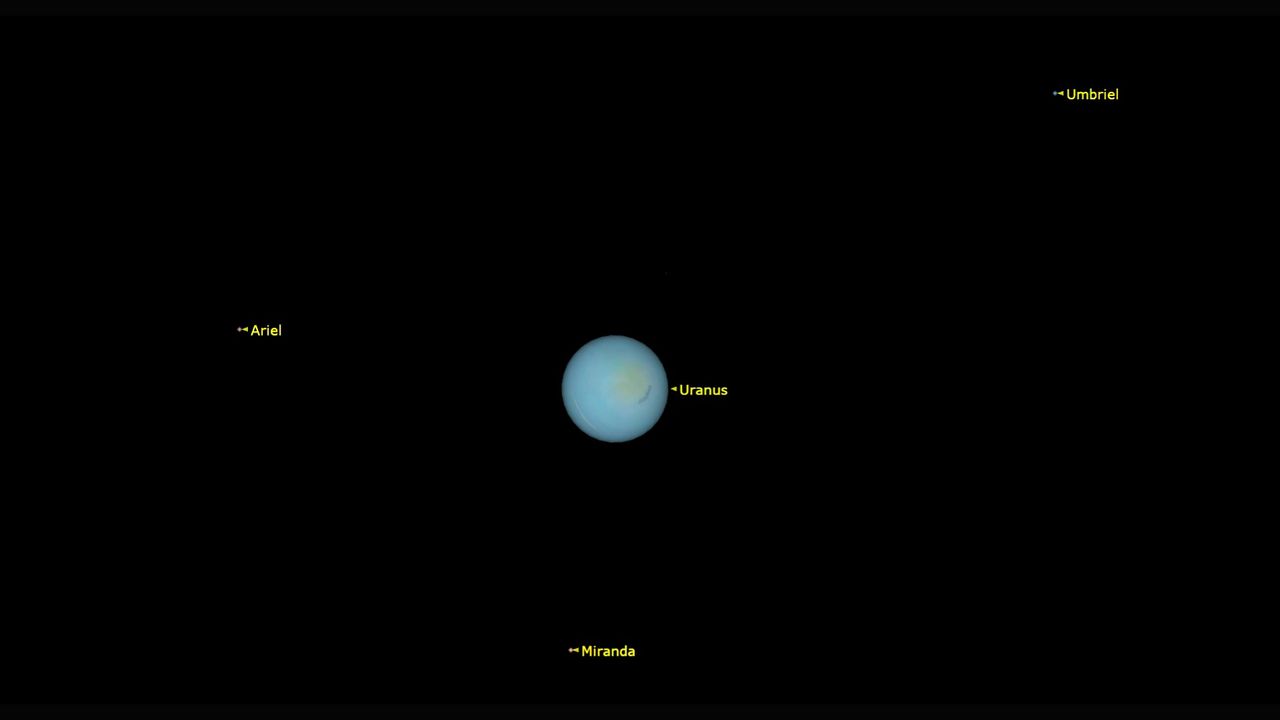
Astronomy fans can now test their knowledge with a new space-themed word search that hunts for the names of the many moons orbiting our solar system’s eight planets. The article highlights how these moons—from Jupiter’s and Saturn’s dozens of diverse satellites to Earth’s ever‑surprising moon and Mars’ tiny Phobos and Deimos—tell the story of planetary formation and evolution. It also notes that upcoming missions like Europa Clipper and Dragonfly will soon explore some of the most intriguing moons up close. This quiz invites both casual stargazers and seasoned space enthusiasts to learn something new while having fun.