 Spotify
 Apple Podcasts
 Podcast Addict
 Overcast
 Podcast RSS
SpaceX to launches 24 Starlink satellites on Falcon 9 rocket from Vandenberg
Also covered by: Space.com
Original Publication Date: 2026-06-20 15:07
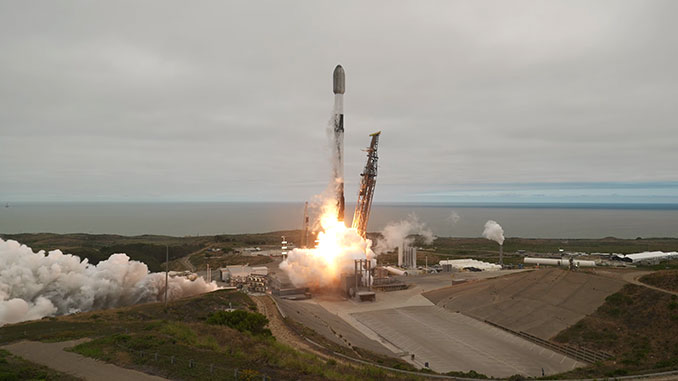
SpaceX launched the Starlink 17‑28 mission from Vandenberg Space Force Base on June 21, 2026, adding 24 new broadband satellites to its low‑Earth‑orbit constellation. The Falcon 9 booster B1063, making its 33rd flight, carried the payload on a south‑southwesterly trajectory before landing on the drone ship “Of Course I Still Love You” in the Pacific Ocean. This launch marked SpaceX’s 72nd Falcon 9 flight of the year and the 627th booster landing overall. The mission continues to expand global internet coverage through SpaceX’s growing Starlink network.
Preparing for Day One: DARPA Solicits Tech to Rebuild Destroyed Satellite Fleets Within Hours
Original Publication Date: 2026-06-21 20:44
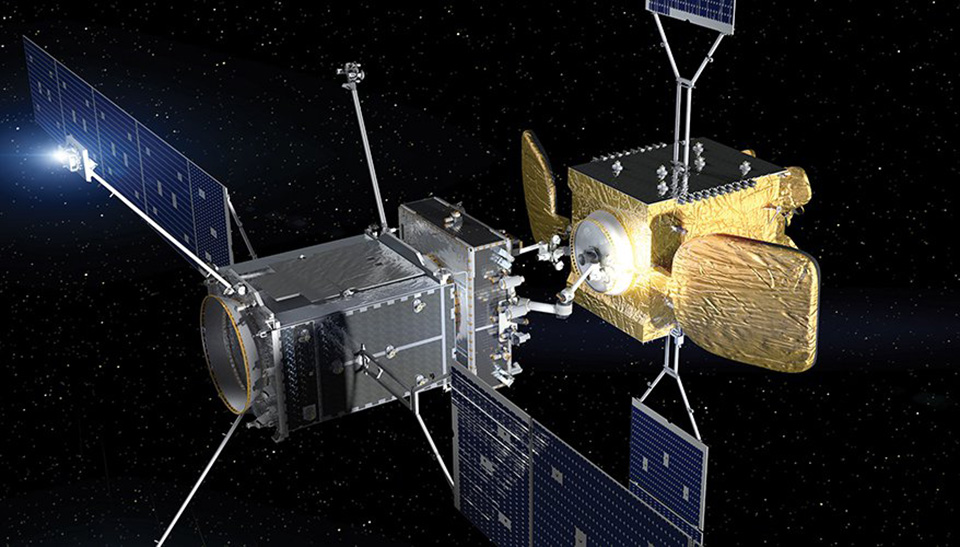
The Pentagon’s blue‑sky research arm is preparing for the likelihood that a high‑intensity conflict with a peer adversary will start or quickly spread in orbit.
Staying in Their Lanes: SpaceX and Globalstar Join Forces to Defend Spectrum Exclusivity
Original Publication Date: 2026-06-21 20:30
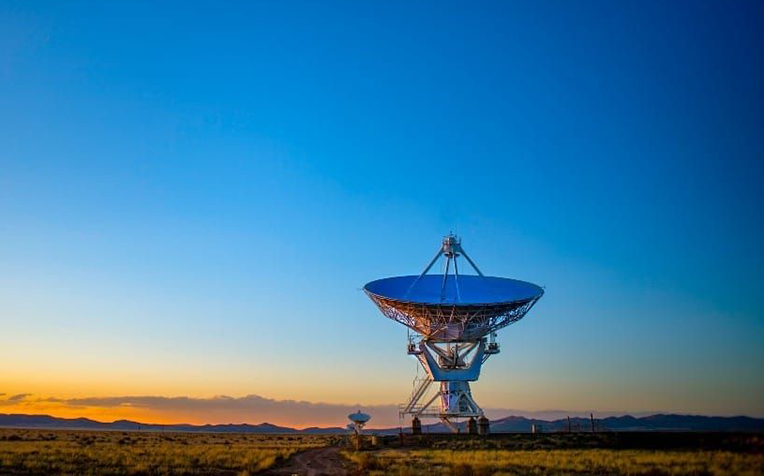
The regulatory showdown over Direct‑to‑Device (D2D) and Supplemental Coverage from Space (SCS) markets has entered a new phase of hard‑line resistance. Industry players and regulators are locked in a battle over spectrum use, with the FCC weighing the benefits of satellite‑based coverage against concerns about interference and market disruption. The dispute now involves new filings, hearings, and a growing divide between traditional telecom firms and satellite operators.
A mysterious gamma-ray stream comes from the Milky Way's center. Could dark matter have something to do with it?
Original Publication Date: 2026-06-21 12:00
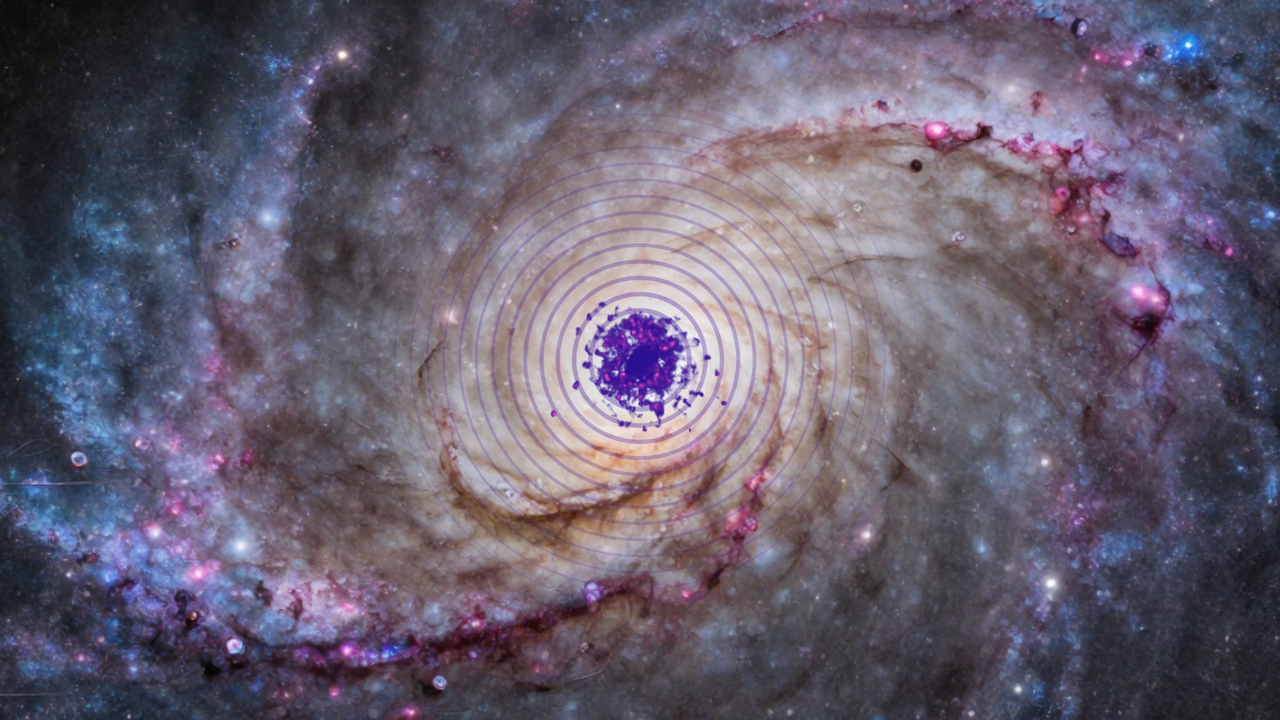
Scientists have used machine‑learning on over a million simulated gamma‑ray images to test whether the mysterious glow at the Milky Way’s core—known as the Galactic Center Excess—could come from dark matter annihilations. Their analysis shows that if pulsars were responsible, we'd need more than 35,000 of them, far more than earlier estimates, making the dark‑matter explanation still viable. The study, published in Physical Review Letters, does not prove dark matter is the source but it keeps the possibility alive. Researchers say it is too early to rule out self‑annihilating dark matter as the culprit behind the galaxy’s high‑energy light.