 Spotify
 Apple Podcasts
 Podcast Addict
 Overcast
 Podcast RSS
High-Stakes Rescue: Commercial Satellite Servicer Encapsulated for Swift Telescope Orbital Boost
Original Publication Date: 2026-06-14 21:12
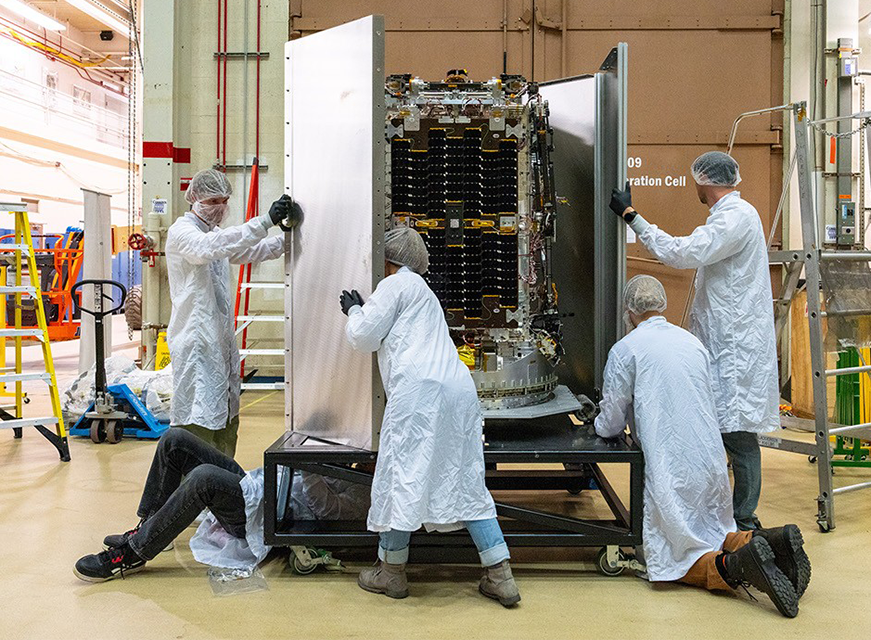
NASA’s Wallops Flight Facility has finished the final major ground milestone for its next big step in commercial space logistics, encapsulating the Katalyst spacecraft. The Katalyst vehicle, designed to transport cargo between Earth orbit and the lunar surface, is now ready for its first flight test. Engineers celebrated the successful completion of the encapsulation process, a critical step that protects the vehicle during launch. This milestone brings the program closer to demonstrating reusable cargo transport for future lunar missions.
'We were astonished': Millions of exoplanets could be born near active supermassive black holes
Original Publication Date: 2026-06-14 10:00

Scientists have modeled the swirling gas around supermassive black holes and found that the outer edges of active galactic nuclei disks could spawn millions of Jupiter‑mass planets. Using a streaming‑instability mechanism, the team showed that dust clumps can grow into massive “lava‑ball” planets even in the turbulent environment of an AGN. These planets would be stable but likely drift outward from the black hole over time. Detecting them would require clever techniques like gravitational lensing, and the research opens a new window on the hidden corners of active galaxies.
Did a medieval flying monk spot Halley's comet, twice? It's complicated
Original Publication Date: 2026-06-14 16:02
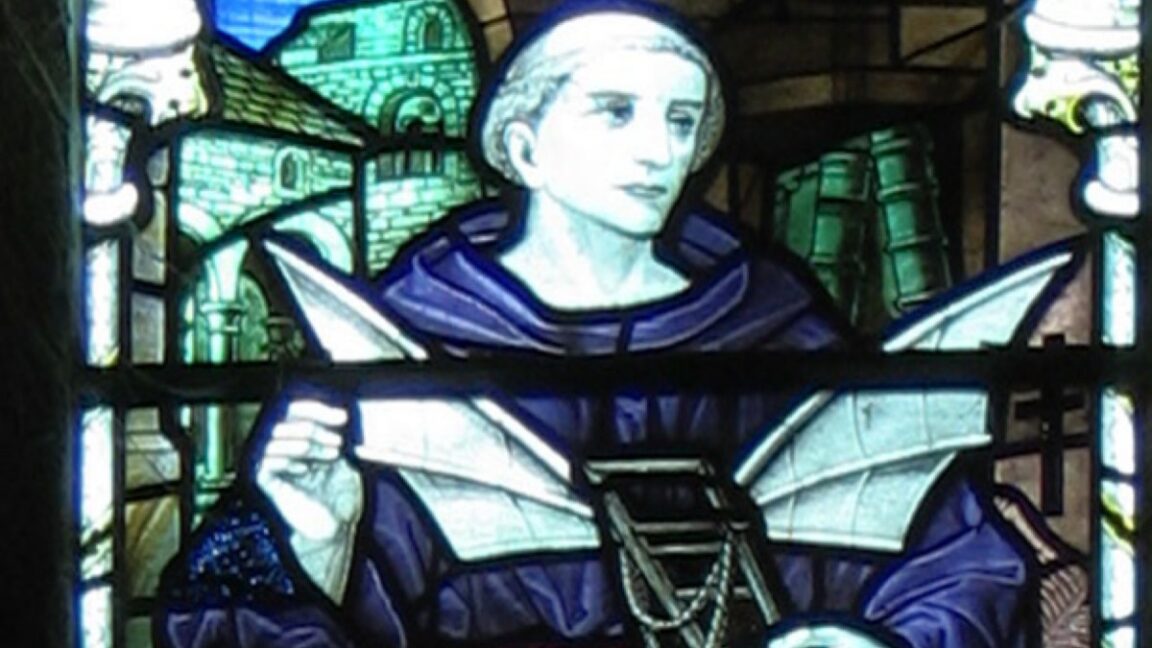
In the early 11th century, Benedictine monk Eilmer of Malmesbury leapt from a 150‑foot tower wearing crude willow‑wood wings, gliding 600 feet before crashing and breaking both legs. His daring experiment, recorded by 12th‑century historian William of Malmesbury, is commemorated today with a stained‑glass window at the abbey. Scholars debate the exact timing of the flight, estimating it between 1000‑1010 or later, based on Eilmer’s age and sightings of Halley’s comet. Despite the uncertainty, Eilmer’s bold leap remains a remarkable footnote in the history of early aviation.