 Spotify
 Apple Podcasts
 Podcast Addict
 Overcast
 Podcast RSS
UK startup NewOrbit raises $18.5 million in Series A round
Original Publication Date: 2026-06-08 07:00
NewOrbit Space, a UK satellite startup, raised $18.5 million in a Series A round to launch its first very low Earth orbit mission in 2028.
OQ Technology plans direct-to-smartphone demo with cellular spectrum
Original Publication Date: 2026-06-08 06:30
Luxembourg’s OQ Technology plans to test direct‑to‑smartphone satellite connectivity next year in Germany, using a local telco’s cellular spectrum. The move sets a bold challenge to U.S.-led satellite services in the emerging market. By demonstrating links that connect straight to smartphones without ground stations, OQ aims to broaden satellite internet accessibility. This initiative could reshape how users access high‑speed connectivity across the continent.
NASA to select new headquarters building by end of year
Original Publication Date: 2026-06-07 13:55
NASA is moving its Washington headquarters, with a new building to be secured by the end of this year while remaining in the capital. Dave Mitchell, formerly associate administrator of the Mission Support Directorate, has been tasked with finding a more efficient, smaller office space amid a high‑vacancy commercial real‑estate market. The agency’s current lease runs until August 2028, and some staff may shift to the Goddard Space Flight Center in Maryland if the new site is smaller. Meanwhile, NASA is renovating its existing lobby to include public exhibits and interactive displays.
Rounding up the space unicorns
Original Publication Date: 2026-06-07 11:03
SpaceNews reports that 30 privately held space companies now hold unicorn status, each valued at $1 billion or more. Two‑thirds of those valuations were achieved in 2025, and more than half of the new unicorns were founded within the past five years. This surge reflects sky‑high valuations, emerging technologies, and eager investors driving the next phase of the space economy. The rapid growth underscores how quickly the private space sector is evolving.
The Astronaut Wears Prada. Axiom Space and the Inner Layer of Next-Generation Lunar Spacesuit
Original Publication Date: 2026-06-07 19:03
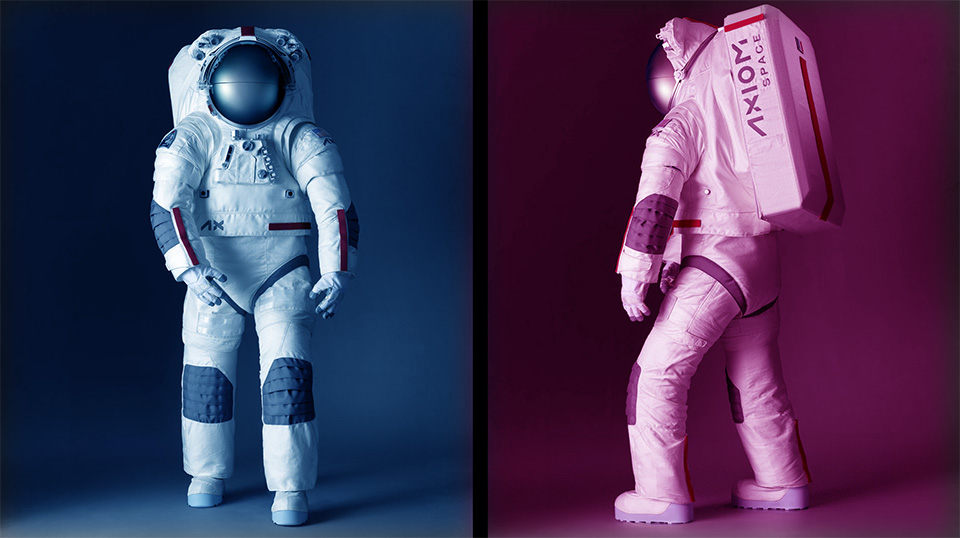
On June 7, 2026, Axiom Space partnered with Italian fashion house Prada to unveil the Liquid Cooling and Ventilation Garment, a cutting‑edge component designed to keep astronauts cool and comfortable during extravehicular activities. The garment uses a closed‑loop liquid system to regulate body temperature while providing the sleek aesthetics Prada is known for. By blending high‑performance materials with premium design, the collaboration aims to enhance astronaut ergonomics and set a new standard for space suit apparel. This partnership marks a pioneering step toward merging fashion innovation with space exploration technology.
Analyst Projects Massive Subscription Growth for Starlink Ahead of Imminent SpaceX IPO
Original Publication Date: 2026-06-07 18:16

Professor Tim Farrar of TMF Associates released a comprehensive analysis of Starlink’s consumer business prospects on June 5, 2026. The report examines the rapidly expanding satellite broadband market, highlighting Starlink’s competitive edge, projected subscriber growth, and revenue potential in emerging regions. Farrar also outlines key challenges—such as regulatory hurdles and infrastructure costs—while offering strategic recommendations for scaling operations. Overall, the study paints an optimistic yet cautious picture of Starlink’s future in the consumer space.
NASA concludes MAVEN mission at Mars, uses data to discover new atmospheric phenomenon
Original Publication Date: 2026-06-07 20:11

NASA announced on June 3 that its Mars Atmosphere and Volatile Evolution (MAVEN) orbiter has concluded its 11‑year mission, far surpassing the original two‑year plan. After losing contact in December 2025 when the craft spun up and ran out of power, the anomaly could not be recovered and the spacecraft was officially decommissioned. The wealth of data collected—used to study atmospheric loss, support Curiosity and Perseverance, and even uncover a solar‑wind deflection effect in Mars’ ionosphere—will continue to inform future Mars exploration for decades.
Trouble near the Milky Way: The Large Magellanic Cloud is ripping its smaller neighbor galaxy apart
Original Publication Date: 2026-06-07 14:00
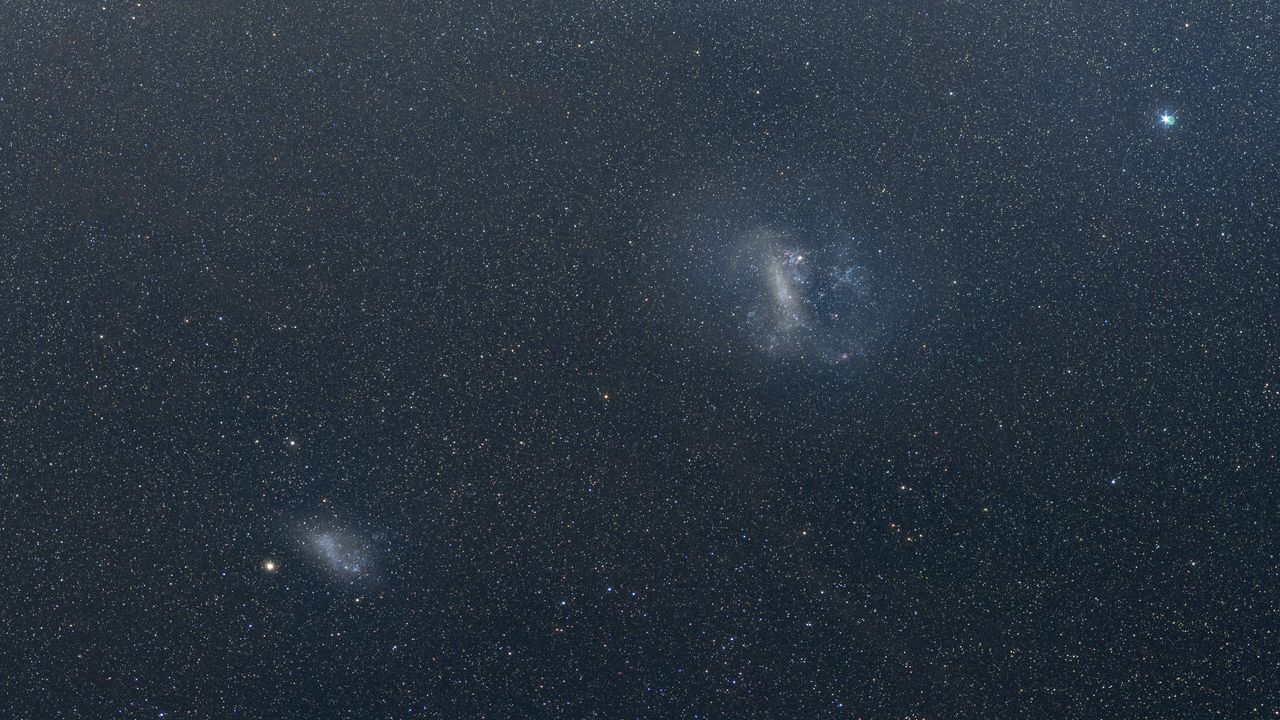
New infrared observations from ESO’s VISTA telescope reveal that the Small Magellanic Cloud’s stars are moving outward in a tidal stream, not rotating as previously thought, as the Large Magellanic Cloud pulls its smaller sibling apart. The stellar motions, averaging 17 km per second, trace a line pointing back to the LMC, confirming the giant’s disruptive influence over billions of years. Both dwarf galaxies are also being stretched by the Milky Way’s gravity, creating the Magellanic Stream of gas that stretches across the sky. In the coming billions of years the Magellanic Clouds are expected to merge with our own galaxy, leaving the SMC’s once‑compact structure forever altered.
Could meteor storms harm NASA's future moon missions?
Original Publication Date: 2026-06-07 10:00
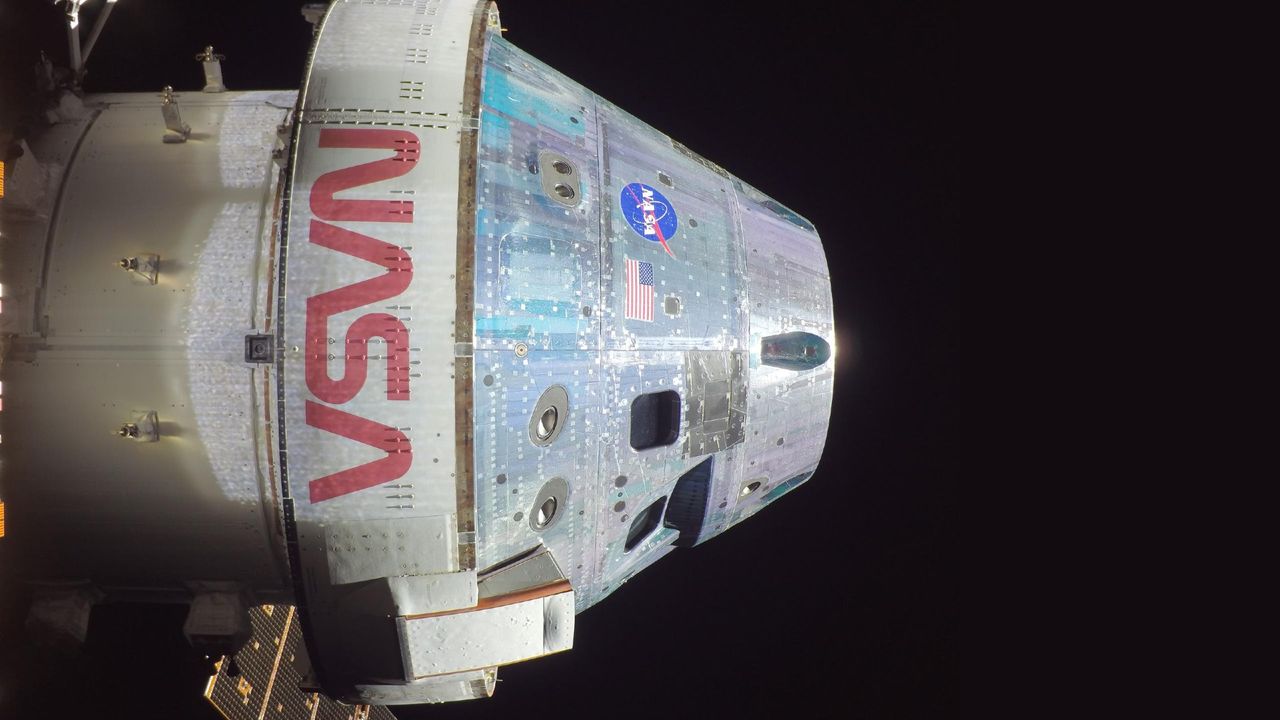
NASA warns that major meteor showers could delay or halt Artemis moon missions because micrometeoroids can damage the Orion capsule’s heat‑shield and vital systems. These tiny space rocks travel at roughly 22,000 mph, enough to punch holes in the Orion’s protective tiles and compromise re‑entry safety. Engineers have reinforced the capsule with optimized materials and run hypervelocity impact tests, while mission planners adjust trajectories based on meteor forecasts to keep crews safe. Forecasts predict several intense meteor outbursts over the next decade, meaning crews may be kept inside or missions postponed during those events.