 Spotify
 Apple Podcasts
 Podcast Addict
 Overcast
 Podcast RSS
FCC Proposes Opening Unlicensed Bluetooth and Wi-Fi Bands for Space-Based Communications
Original Publication Date: 2026-07-26 21:57
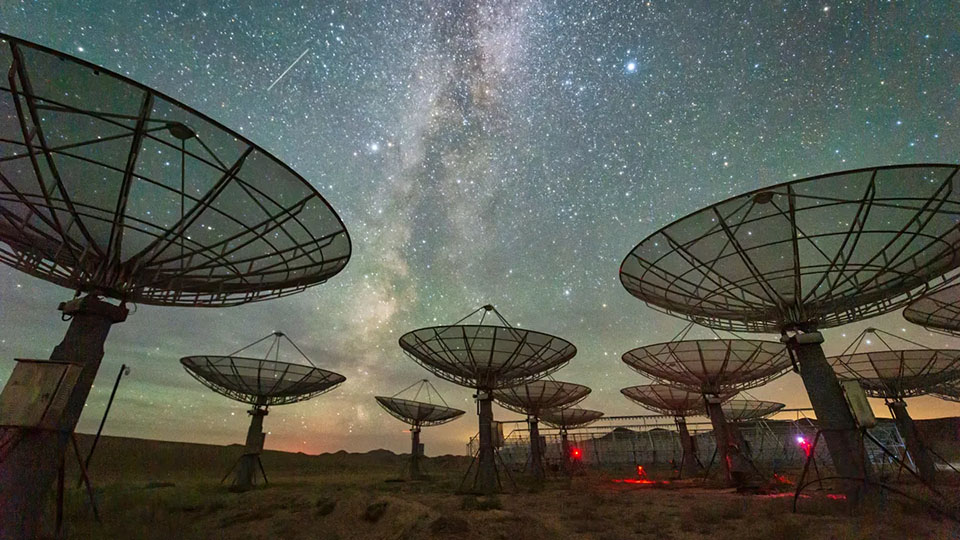
On July 22, 2026, the Federal Communications Commission issued a Notice of Proposed Rulemaking to tackle spectrum scarcity and expand global Internet of Things connectivity. The proposal calls for new rules that reallocate and share underused frequency bands, allowing more IoT devices to operate simultaneously. By opening up these spectrum resources, the FCC aims to support the growing demand for connected services across industries. This initiative could accelerate the rollout of smart infrastructure worldwide.
GSMA Endorses Abuja Declaration to Advance Satellite Spectrum Reform and Launch ATLAS Umoja
Original Publication Date: 2026-07-26 20:55
On Friday, July 24, 2026, the GSMA officially endorsed the Abuja Declaration on Meaningful Connectivity for Africa, marking a major step toward boosting digital infrastructure across the continent. In partnership with African ministerial leaders, the organization announced a joint initiative to expand broadband coverage and support local telecom entrepreneurs. The declaration calls for investment in affordable mobile services, public‑private partnerships, and regulatory reforms to accelerate connectivity. By aligning global expertise with regional priorities, the GSMA and African governments hope to bring high‑speed internet to millions of underserved communities.
GAO Report Warns Space Force Must Improve Personnel Metrics to Support Fleet Expansion
Original Publication Date: 2026-07-26 16:22
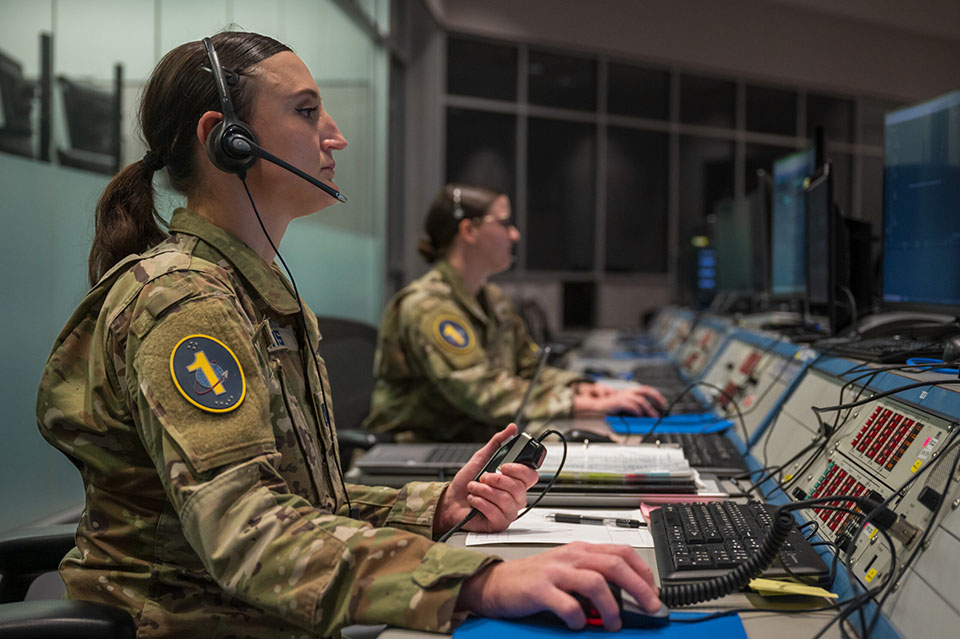
The GAO released a report on July 25, 2026 showing the U.S. Space Force is short by 25 percent of the personnel it needs as it prepares for a major expansion. This staffing gap threatens to delay new missions and overload existing teams, the report warns. Space Force officials say the shortfall is driven by rapid growth and recruitment challenges. The agency urges Congress to act quickly to fill the void and keep the service on track.
NASA Astronaut Chris Williams, Crewmates Return from Space Station
Original Publication Date: 2026-07-26 10:59
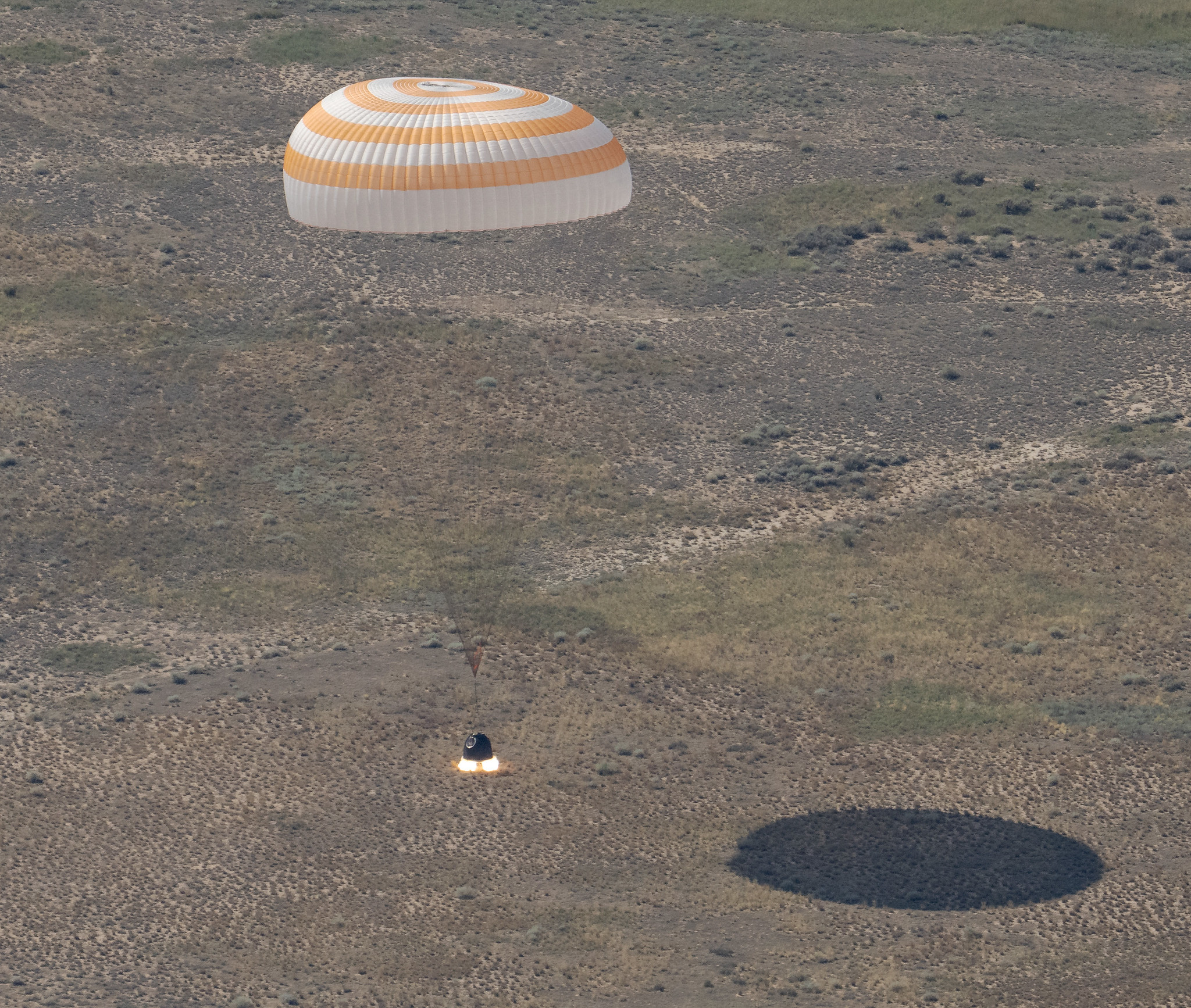
NASA astronaut Chris Williams and Roscosmos cosmonauts Sergey Kud‑Sverchkov and Sergei Mikaev have safely returned to Earth aboard Soyuz MS‑28, landing by parachute near Zhezkazgan, Kazakhstan, after a 241‑day stint on the International Space Station.
Juno reveals surprising subsurface tempertures at Io, remarkably smooth surface
Original Publication Date: 2026-07-26 23:21

NASA’s Juno spacecraft has, for the first time, measured subsurface temperatures on Jupiter’s volcanic moon Io, revealing a steep heat gradient just feet below the surface. The microwave radiometer detected temperatures rising more than 40 °F within a few feet, indicating intense tidal heating and possible cooling lava flows under a thin crust. Juno also mapped Io’s surprisingly smooth, low‑density surface, which stretches over 100 km and resembles fluffy volcanic ash rather than solid rock. These findings give scientists a new window into how tidal forces power volcanic activity and may inform studies of Earth’s volcanoes.
Starship Sticks the Water Landing on Flight 13
Original Publication Date: 2026-07-27 01:34

SpaceX’s 13th Starship test flight launched Friday from Starbase, reaching a record high dynamic pressure and surviving a Mach‑20 descent before splashing intact into the Indian Ocean about 65 minutes later.
I'm not an astronaut, but I went to the International Space Station (sort of)
Original Publication Date: 2026-07-26 10:00
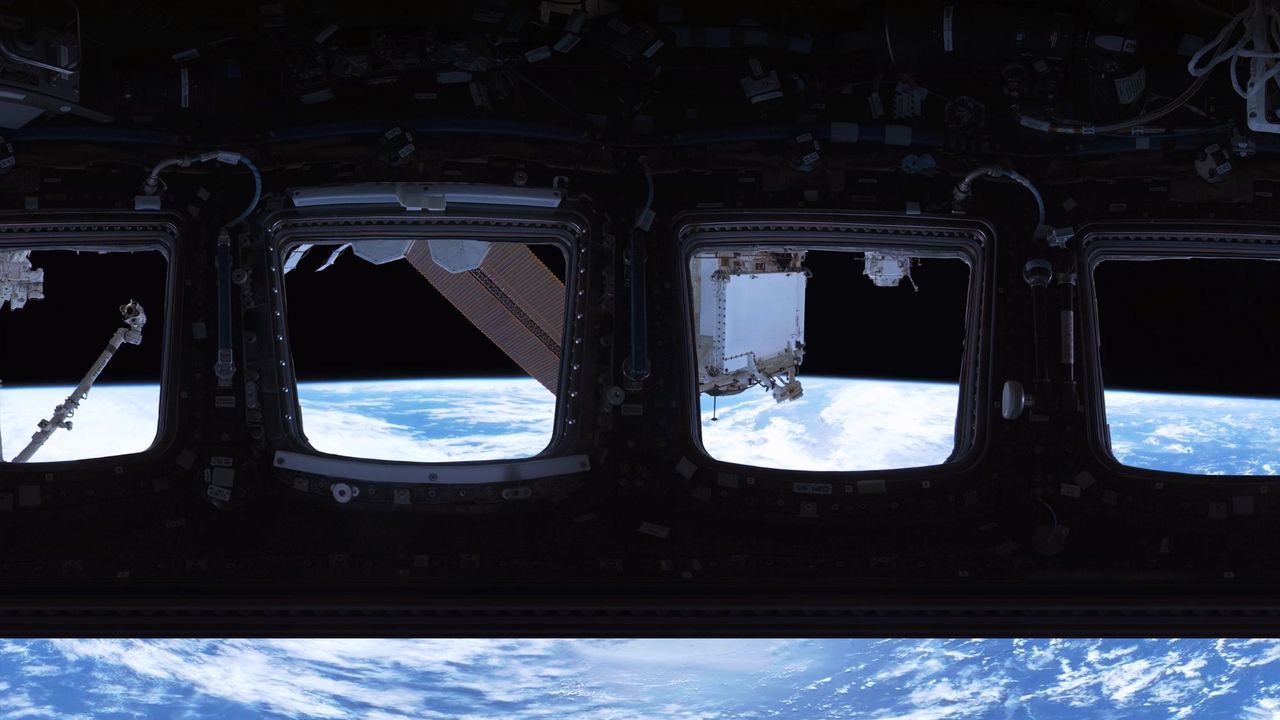
Monisha Ravisetti, a science journalist, recounts her first virtual‑reality visit to the International Space Station via the “Space Explorers: The ISS Experience” exhibit at Eclipsio in Manhattan. The immersive show recreates the ISS’s interior and exterior, letting users float through corridors, view real footage from six NASA expeditions, and interact with floating orbs that play short video clips. Despite occasional glitchy hand tracking, the experience delivers a realistic sense of scale—from the station’s massive solar panels to its cupola—and even offers views of Earth and the robotic arm.