 Spotify
 Apple Podcasts
 Podcast Addict
 Overcast
 Podcast RSS
Space Force Declares Return to U.S. Electromagnetic Spectrum Dominance Following Iran Operations
Original Publication Date: 2026-07-19 16:55

On July 17, 2026, the commander of the U.S. Space Force Combat Forces Command announced that recent multi‑domain joint deployments in the Middle East mark a decisive return to full operational readiness. He emphasized the seamless integration of space, cyber, and conventional forces to counter evolving regional threats. The deployments underscore America’s renewed commitment to maintaining strategic advantage in a volatile area. This move signals a heightened focus on joint‑force interoperability and deterrence.
SpaceX Consolidated Operational Metrics Reveal Unprecedented 2025 Falcon 9 Flight Cadence
Original Publication Date: 2026-07-19 16:48

SpaceX reported an unprecedented launch cadence in 2025, completing a record number of missions across commercial, military, and scientific payloads.
India Restricts ISRO Personnel Exits to Safeguard Flagship Orbital Missions
Original Publication Date: 2026-07-19 15:58
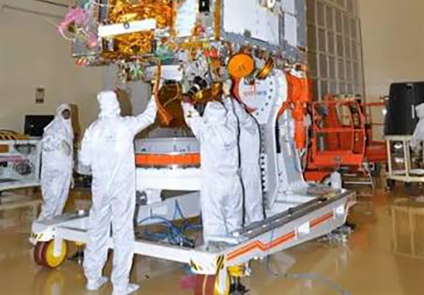
India’s Department of Space issued an emergency administrative directive on July 14, 2026, to curb a sharp talent drain fueled by the rapid growth of the domestic private aerospace sector.
Should we trust AI in the search for alien life? Scientists aren't so sure
Original Publication Date: 2026-07-19 15:00
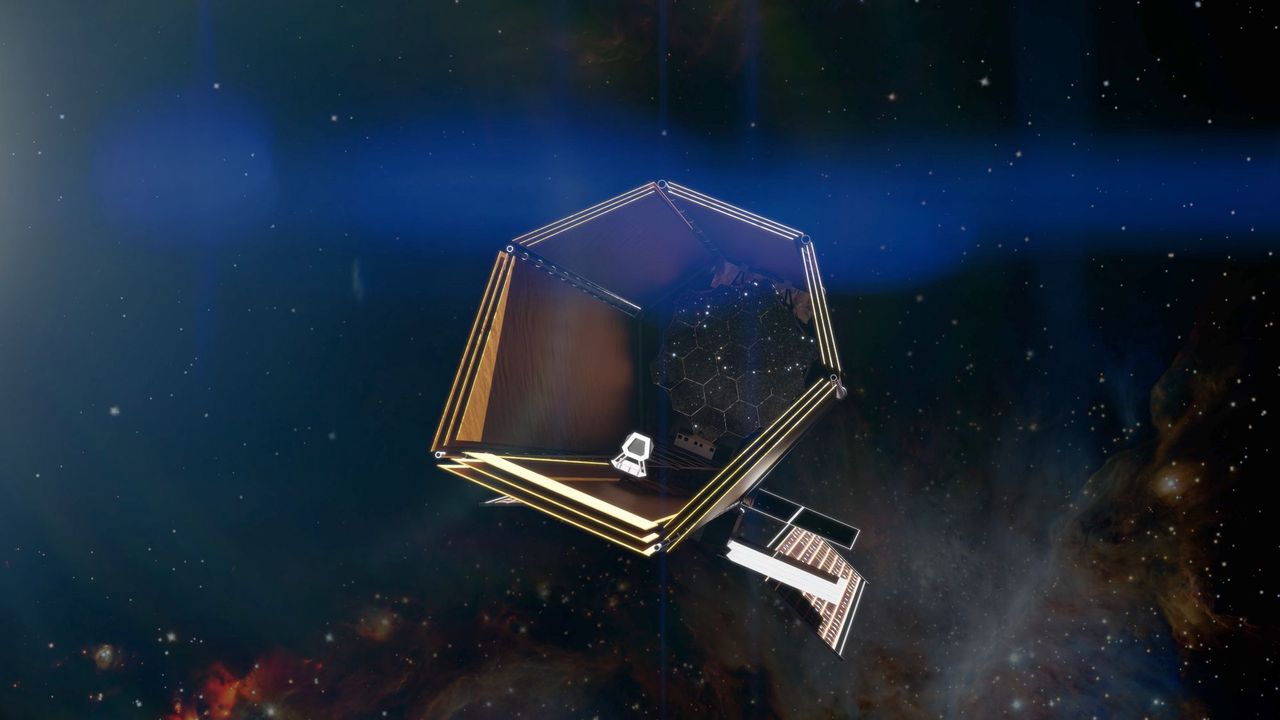
New research from Michigan State University shows that AI can be tricked into labeling non‑life as life, even when the code is almost identical to real digital organisms. By tweaking simulated life in the Avida program, scientists found the AI could become 100% confident in false positives after only about fifteen changes. The study highlights that AI’s reliability hinges on training data, and extraterrestrial life—an out‑of‑distribution sample—could easily fool current algorithms. While AI remains a powerful tool for sifting through vast datasets, astronomers must develop safeguards to avoid misidentifying life on other worlds.
James Webb Space Telescope discovers how black holes feed themselves
Original Publication Date: 2026-07-19 12:00
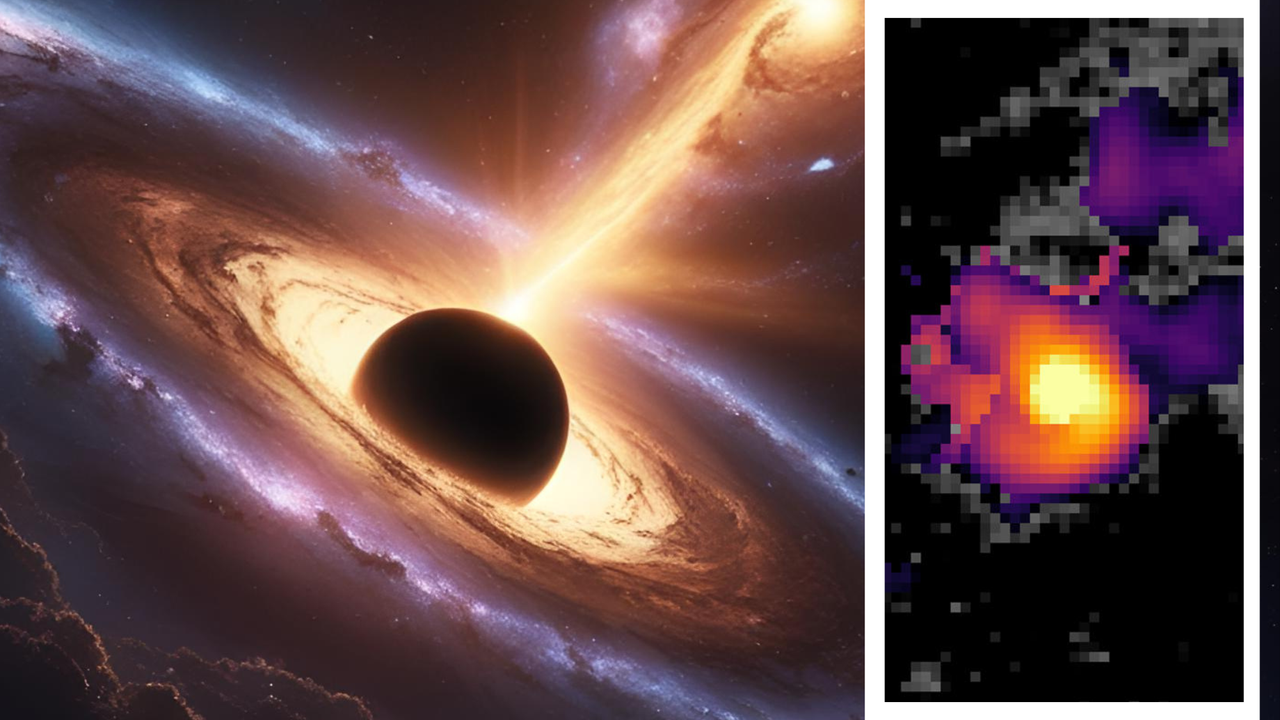
The James Webb Space Telescope has finally captured the self‑sustaining feeding cycle of supermassive black holes, showing how the gas they expel later cools into thin filaments that fall back in to fuel new growth. In the nearby galaxy NGC 4696, JWST mapped an 800‑light‑year‑wide, high‑speed “hook” of gas that connects to a vast filament funneling material into the black hole’s accretion disk. These observations confirm a long‑sought mechanism that could explain how such titans grew so rapidly in the early universe, despite theories that their own jets should starve them. The study, published in the Astrophysical Journal Letters, underscores black holes as ultimate cosmic recyclers.
Scientists told them, 'No, it's too dangerous,' but they did it anyway: Inside Japan's super-close asteroid flyby
Original Publication Date: 2026-07-19 10:00
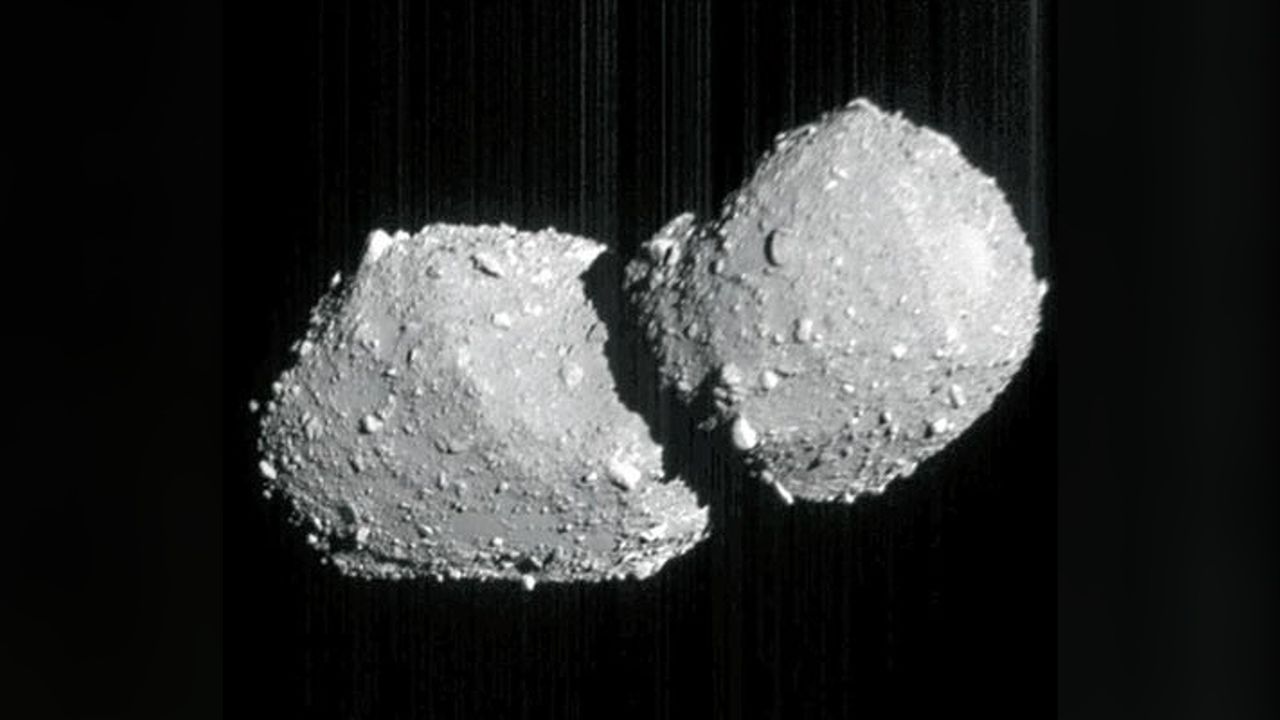
Japan's Hayabusa2 spacecraft executed a daring 800‑meter flyby of the near‑Earth asteroid Torifune on July 5, 2026, after months of debate over safety and feasibility. The probe captured stunning, high‑resolution images that revealed Torifune is a contact binary, a discovery that surprised both engineers and scientists.
India's first privately-developed rocket reaches orbit on dramatic debut launch
Original Publication Date: 2026-07-19 22:11
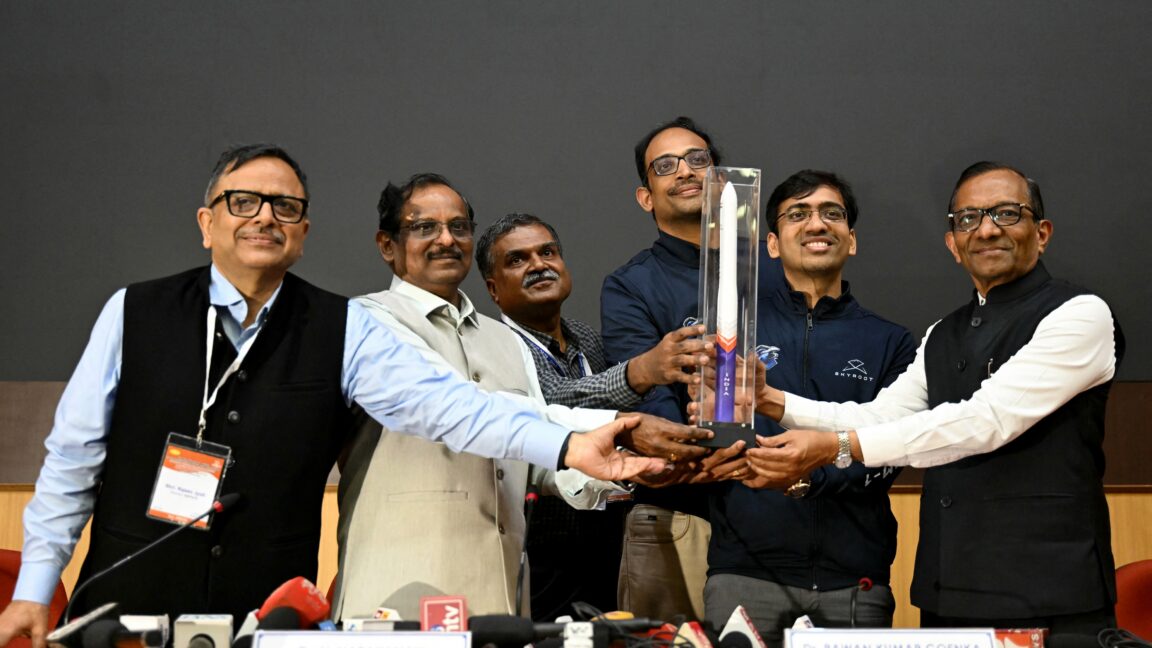
India’s Skyroot Aerospace launched its first fully commercial satellite rocket, Vikram‑1, from Sriharikota Island, successfully reaching a 280‑mile orbit after a brief delay to fix a technical glitch. The 72‑foot, solid‑fuel booster carried a payload of up to 770 pounds, positioning Vikram‑1 just above Rocket Lab’s Electron in size. Officials hailed the debut flight as a “grand success,” marking a significant milestone for India’s commercial space industry. The launch underscored the country’s growing capabilities in small‑satellite deployment.