 Spotify
 Apple Podcasts
 Podcast Addict
 Overcast
 Podcast RSS
Portions of the Pentagon’s LEO constellation on hold as acquisition reviews proceed
Original Publication Date: 2026-02-16 11:00
The Pentagon has put a pause on procurement of the next tranche of the Proliferated Warfighter Space Architecture satellites as the Space Development Agency reviews acquisition options and shifts responsibility for parts of the constellation. While the tracking layer moves forward, the custody layer will be handled by a new Space Force portfolio and plans are underway for Air Moving Target Indicator satellites. The future of the transport layer is uncertain, with options to replace SDA’s satellites with SpaceX Starshield sparking concerns about competition and industrial base diversity. Supply‑chain bottlenecks, especially in optical communications and encryption, continue to challenge the program’s progress.
Isaacman planning to meet with head of Roscosmos
Original Publication Date: 2026-02-16 00:08
NASA Administrator Jared Isaacman said he plans to attend the upcoming Soyuz MS‑29 launch to the International Space Station this summer, hoping to meet his Russian counterpart, Dmitry Bakanov. If he follows through, he would be the first NASA head to witness a Soyuz launch since 2018, when Jim Bridenstine attended a launch that suffered an in‑flight abort but landed safely. Isaacman stressed that any talks with Roscosmos will focus on continued ISS cooperation, while noting recent constructive meetings with the European Space Agency over lunar and Mars objectives. The scheduled meeting with Bakanov signals a push to broaden U.S.–Russian collaboration beyond the space station.
SpaceX launches predawn Starlink mission on President’s Day
Original Publication Date: 2026-02-15 19:21
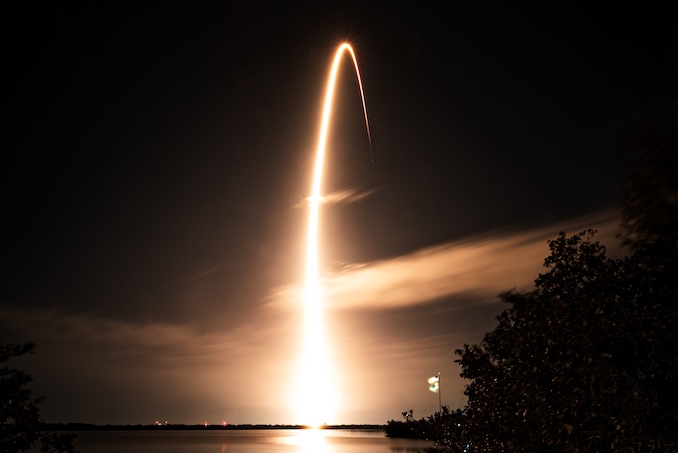
SpaceX launched a Falcon 9 from Cape Canaveral on February 16, 2026, adding 29 new Starlink satellites to its growing constellation. The launch pushed through a 20 percent acceptable‑weather window, with storms and wind gusts still a concern, but the rocket lifted off on schedule. After 8½ minutes, the first‑stage booster landed on the drone ship “A Shortfall of Gravitas,” marking the 572nd booster landing to date. This mission is SpaceX’s 14th Starlink launch of the year.
From Soyuz to the stars: A Roscosmos trivia quiz
Original Publication Date: 2026-02-15 16:00
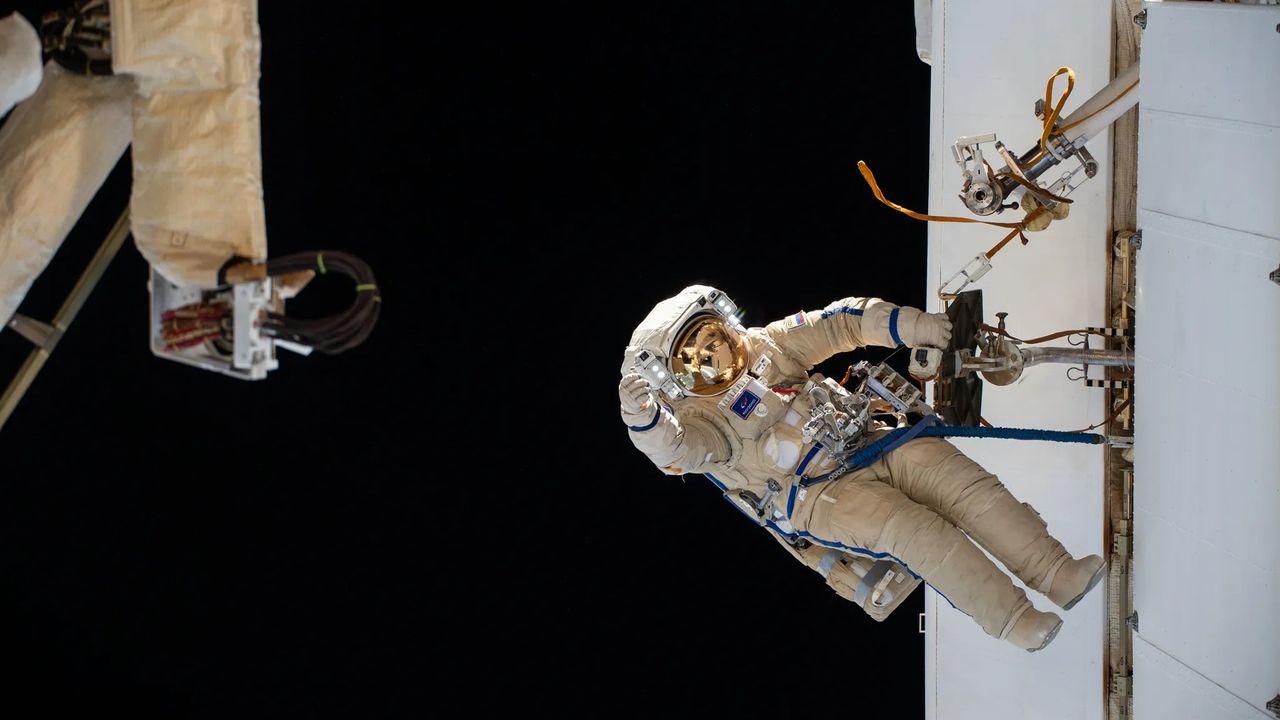
Space.com has released a new trivia quiz celebrating Russia’s Roscosmos agency, tracing its journey from the Soviet era to today’s space missions. The quiz mixes history, hardware specs, and high‑stakes exploration, challenging both casual fans and those who can recite Soyuz design details. It highlights Roscosmos’ legacy of firsts—first satellite, first human in orbit, first long‑duration space station—and its continued influence from Kazakhstan to low Earth orbit. The interactive quiz invites listeners to test their knowledge and learn surprising facts about one of the world’s most influential space agencies.
Trump's Greenland grab is part of a new space race – and the stakes are getting higher
Original Publication Date: 2026-02-15 15:00
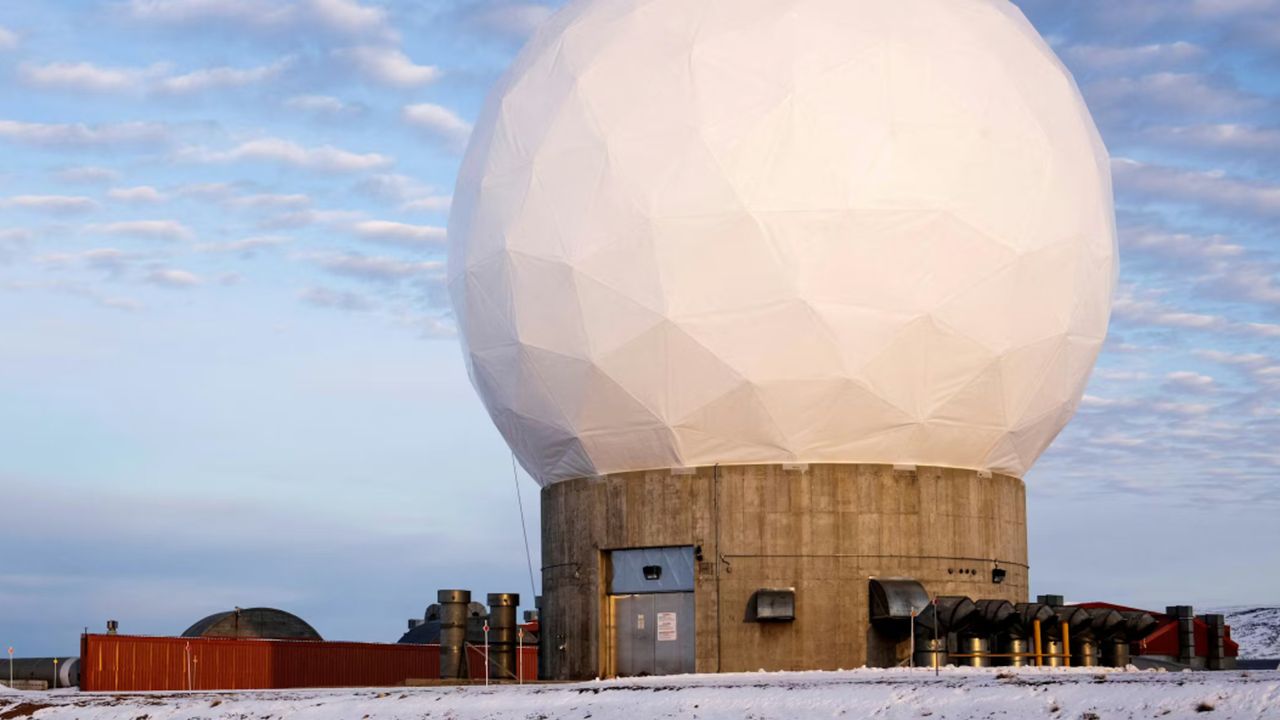
President Trump has made Greenland a top priority, warning that the U.S. Could take the island by force while Denmark and Washington quietly discuss small military sites. The island sits at the crossroads of a warming Arctic and a militarized space race, with Pituffik Space Base—formerly Thule Air Base—serving as a key U.S. Space Force hub for missile detection and climate tracking. High‑latitude launch sites like Greenland offer prime conditions for polar and sun‑synchronous orbits, making the island a coveted launch hub amid a tightening global launch capacity.
Ancient Mars was warm and wet, not cold and icy
Original Publication Date: 2026-02-15 20:14
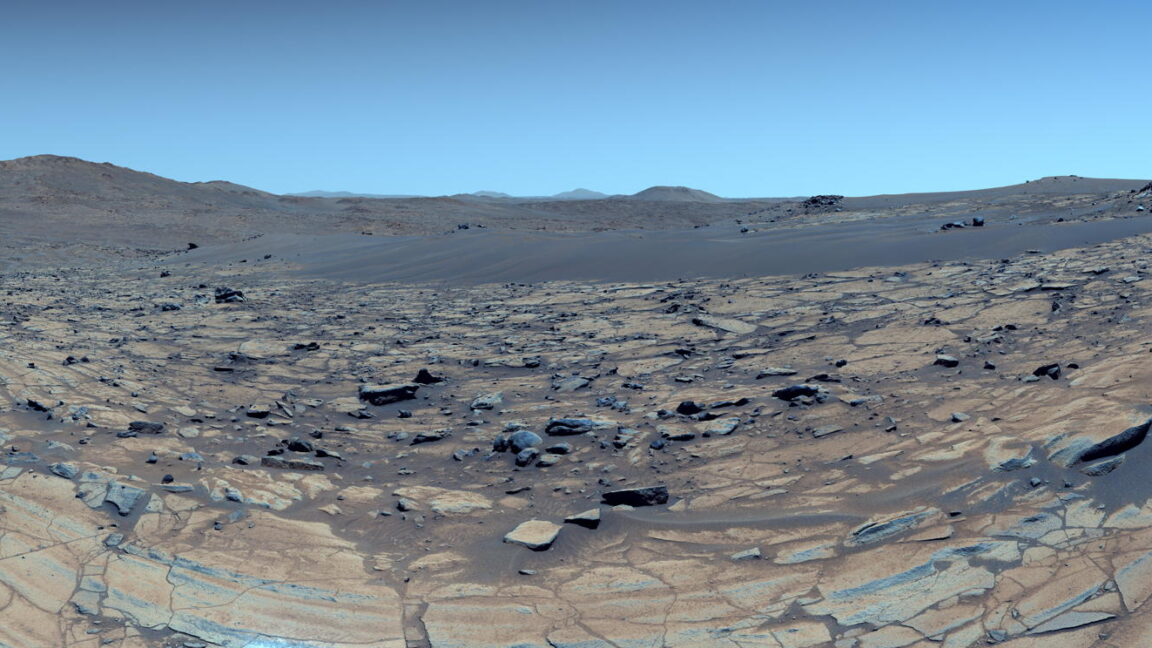
New research suggests that Mars was warm and wet during the Noachian epoch, roughly 4.1 to 3.7 billion years ago, challenging the prevailing view that the planet was mostly cold and icy at that time. The findings, based on geological evidence from the Late Heavy Bombardment period, imply that Mars might have once harbored conditions suitable for life. This fresh perspective reignites scientific debate about the planet’s early habitability and the potential for ancient life. The study underscores how our understanding of Mars continues to evolve as new data reshape our view of the Red Planet's history.