 Spotify
 Apple Podcasts
 Podcast Addict
 Overcast
 Podcast RSS
Lynk and Omnispace form Elveo Mobile to advance D2D services
Original Publication Date: 2026-08-17 04:30
Lynk Global and Omnispace have merged and rebranded as Elveo Mobile, adding 60 MHz of S‑band spectrum to its direct‑to‑device satellite services. The deal, cleared by U.S. And foreign regulators on Aug. 17, expands beyond the company’s island‑nation messaging network to support data‑heavy applications similar to SpaceX and AST SpaceMobile.
Satellite operators emphasize launch deals in a constrained market
Original Publication Date: 2026-08-16 23:05
Satellite operators are scrambling to lock in launch slots as the market tightens, with companies like AST SpaceMobile promising to deploy 45 broadband satellites by early 2027 despite a May 28 New Glenn explosion that pushed their launch window back. AST has secured ten rides, mostly on Falcon 9, and is eyeing other providers such as ULA’s Vulcan and potential acquisitions to reduce reliance on third‑party launches. Meanwhile, HawkEye 360 and Spire Global have secured SpaceX rideshare capacity through 2028, but warn that SpaceX may cut back its Falcon 9 Transporter and Bandwagon programs, prompting them to explore alternatives like Firefly, Rocket Lab, and launch brokers. The industry’s future hinges on diversifying launch options and ensuring that satellite constellations can still reach orbit amid uncertain vehicle availability.
U.S. defense agencies tap three companies for satellite disposal study
Original Publication Date: 2026-08-16 10:50
The Pentagon’s Defense Innovation Unit and Space Development Agency have awarded contracts to D‑Orbit USA, Firefly Aerospace and Katalyst Space to develop “deorbit‑as‑a‑service” solutions for aging satellites that cannot be serviced. The projects will begin with preliminary design and risk‑reduction work, after which the agencies will evaluate each company’s technical maturity, mission approach, schedule and affordability before selecting a candidate for an on‑orbit demonstration. This effort builds on a broader SDA push to create commercial options for satellite disposal, following earlier feasibility studies that led to a $52.5 million contract for Starfish Space. Each firm brings a different approach—from Firefly’s planned Elytra maneuvering craft to Katalyst’s robotic Link vehicle and D‑Orbit’s logistics‑focused startup—aiming to safely rendezvous with, capture and deorbit non‑cooperative spacecraft.
SpaceX Establishes 38-Minute Dual-Coast Launch Record as Industry Evaluates High-Cadence Benchmarks
Original Publication Date: 2026-08-16 20:19
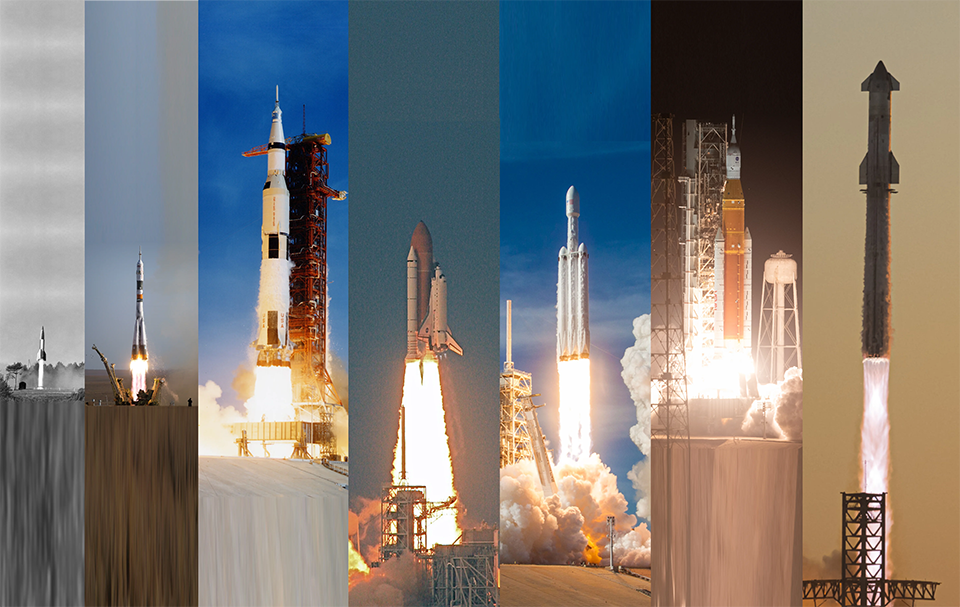
On August 15, 2026, SpaceX launched two Falcon 9 rockets in rapid succession, completing both missions within 38 minutes from pads on the East and West Coasts. The high‑cadence doubleheader deployed a total of 120 Starlink satellites, boosting the company’s global broadband network. The launches showcased SpaceX’s growing operational flexibility and its ability to execute multiple missions in a single day. This milestone underscores the company’s leadership in commercial spaceflight.
Novaspace Projects $3 Billion Cumulative In-Orbit Servicing Market Over the Next Decade
Original Publication Date: 2026-08-16 20:00
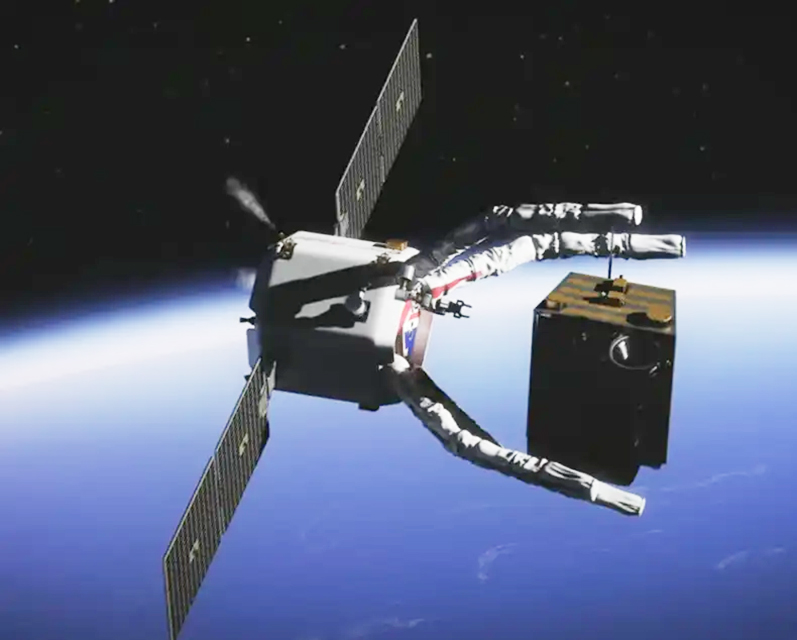
Novaspace released its latest In‑Orbit Services Markets report on August 14, 2026, projecting that emerging in‑orbit satellite services will generate roughly $3 billion (about €2.59 billion) in revenue. The forecast underscores the rapid expansion of satellite‑based services such as on‑orbit servicing, refueling, and debris removal.
U.S. Space Force and Japan Complete QZSS Hosted-Payload Program with Launch of QZS-7
Original Publication Date: 2026-08-16 14:36
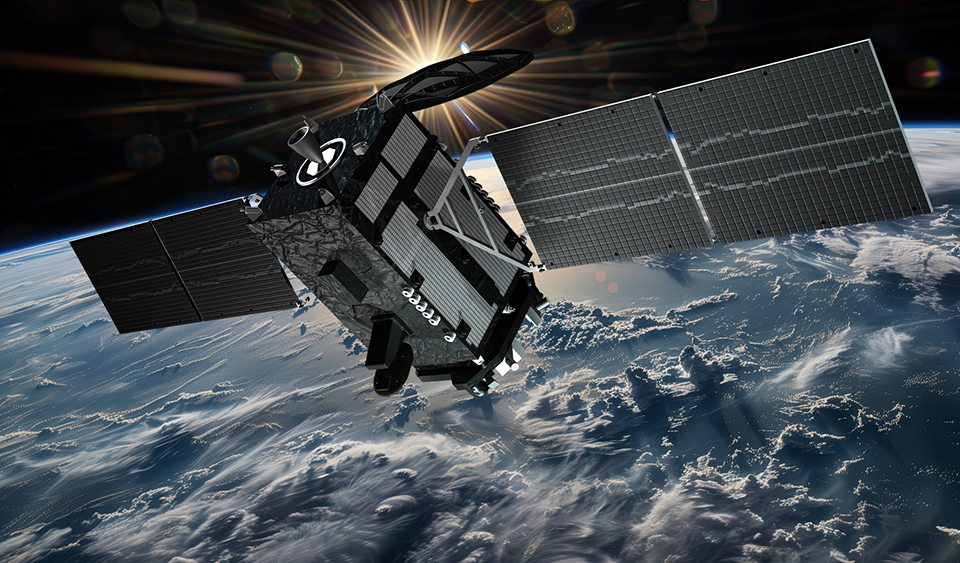
Japan’s H‑3 rocket lifted off from Tanegashima on August 10, 2026, carrying the Quasi‑Zenith Satellite 7, which carries an optical Space Domain Awareness system to monitor space objects.
Firefly promote next block of Alpha amid Eclipse progress
Original Publication Date: 2026-08-16 16:31

Firefly Aerospace is pushing forward on two fronts—its next‑generation medium‑lift vehicle Eclipse and the upgraded smallsat launcher Alpha Block II.
NASA funds spherical 'Aerobots' that could explore the caves of Saturn's moon Titan
Original Publication Date: 2026-08-16 15:00
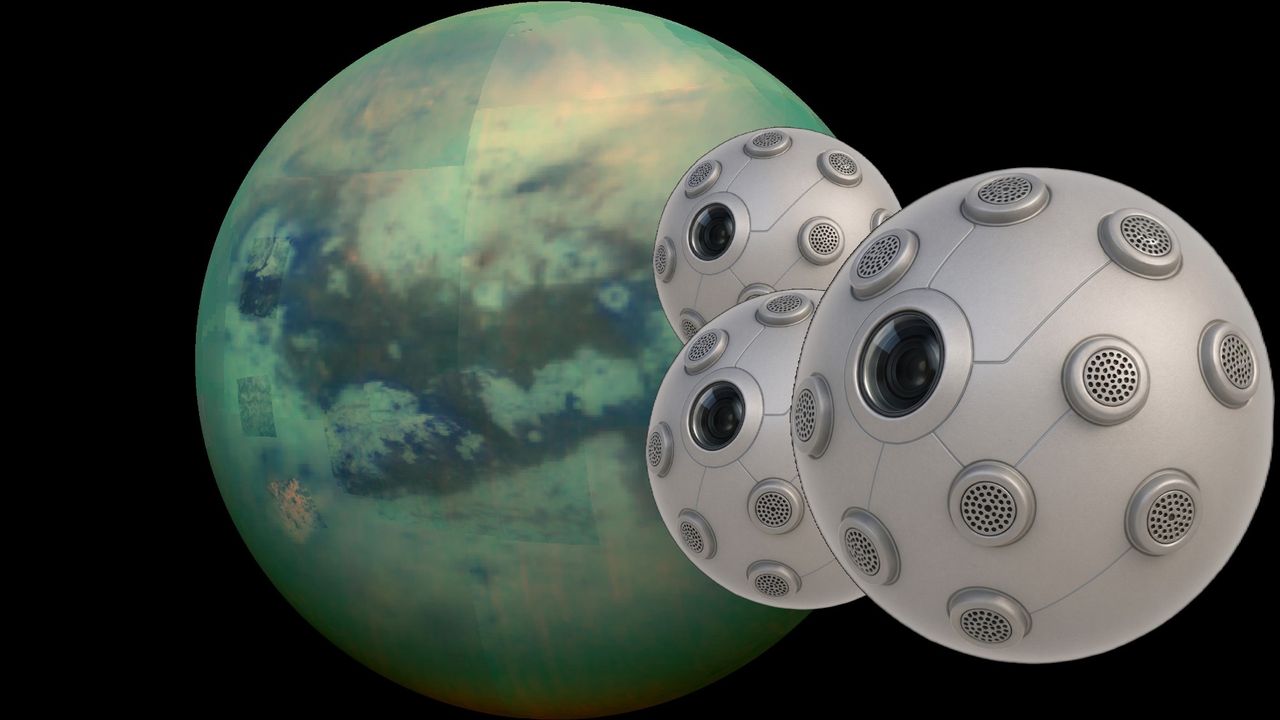
NASA has awarded a grant to develop SPARK, spherical aerobot prototypes that use ion thrusters to explore Titan’s hydrocarbon caves. The University of Hawaii’s Daniel Drew says the nine‑month Phase 1 award will test the robots, with a two‑year Phase 2 needed before they could join a future Titan mission. Although the Dragonfly rotorcraft is slated to launch in 2028, a delay could open a window for SPARK to fly alongside or after Dragonfly. If successful, the quiet, solid‑state propulsion could also enable swarms of micro‑drones for other planetary and terrestrial applications.
On this day in space! Aug. 16, 1963: Wingless M2-F1 completes 1st glide flight
Original Publication Date: 2026-08-16 14:00
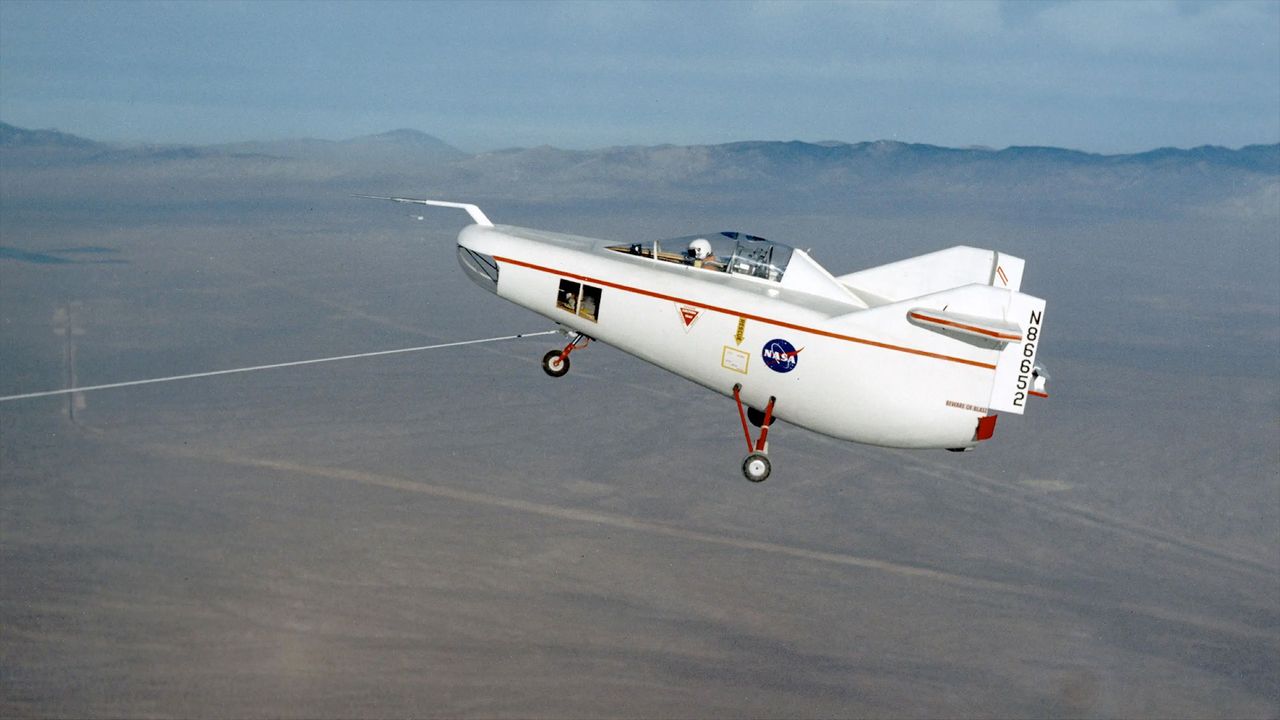
On August 16, 1963, NASA’s M2‑F1 wingless glider made its first glide flight, proving that a lifting‑body aircraft could be controlled and landed safely. Towed 5,200 feet by a C‑47 Skytrain, the M2‑F1 was released into a two‑minute descent that ended in a smooth landing in California, thanks to test pilot Milt Thompson. The success of this flight opened a new method for returning astronauts to Earth, offering an alternative to the traditional ballistic reentry used by the Mercury, Gemini, and Apollo programs. This early experiment laid the groundwork for future lifting‑body vehicles and ultimately influenced the design of the Space Shuttle.
Artemis II pilot thanks NASA for letting him fly Orion by hand: 'I'm still blown away by that trust'
Original Publication Date: 2026-08-16 13:00

NASA’s Artemis II crew celebrated their historic 10‑day lunar mission with a triumphant return to Earth, drawing 8,500 fans to Red Rocks Amphitheatre in Morrison, Colorado, on Aug. 3. The crew—commanded by Reid Wiseman and piloted by Victor Glover—shared their gratitude and insights, noting how the Orion spacecraft’s habitability lessons will inform the upcoming Artemis III flight. Industry leaders from Lockheed Martin, Boeing, Northrop Grumman and others highlighted the region’s support and the broader STEM outreach at the event. The celebration underscored America’s renewed commitment to deep‑space exploration and the promise of reaching even farther into the cosmos.
'This goes beyond showcasing technological soft power': China's new moon map signals bold space ambitions (video)
Original Publication Date: 2026-08-16 10:00
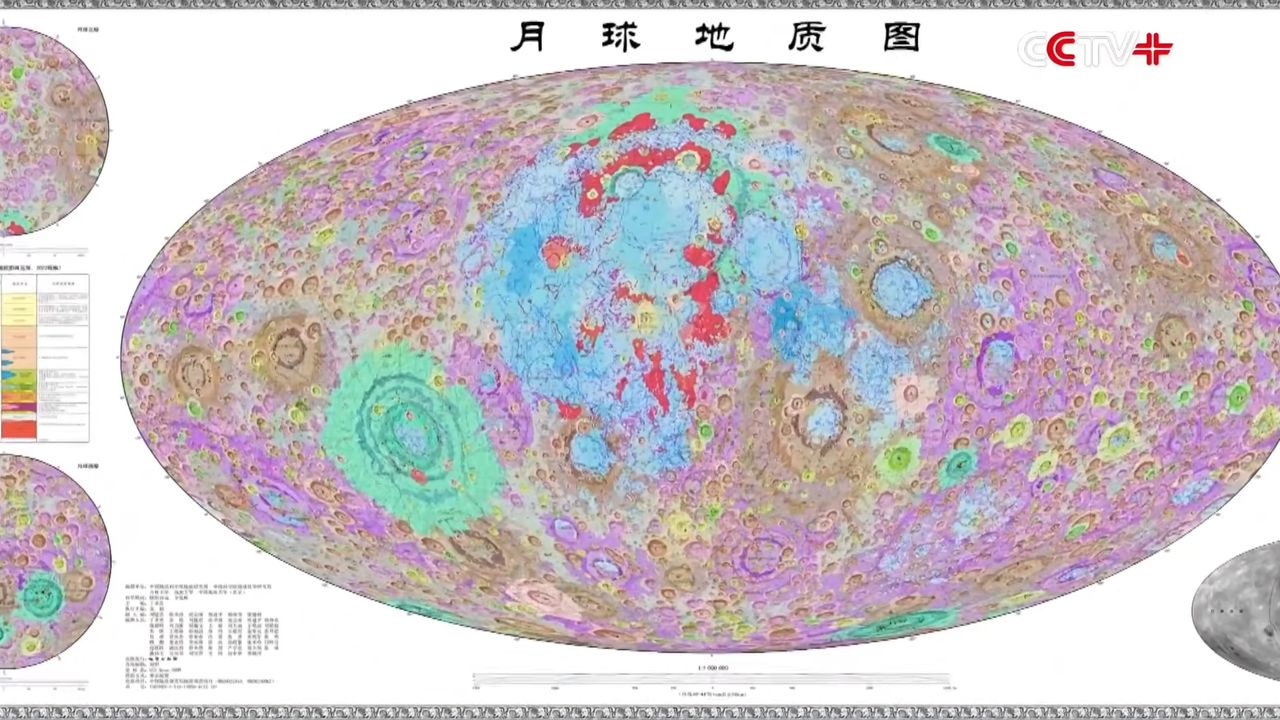
Chinese scientists unveiled a highly detailed 1:5 million scale map of the Moon on August 6, updating the boundaries of the Aitkenian, Nectarian and Imbrian periods and showing a more extensive KREEP terrane than previously thought. The new cartographic standard, featuring a “lighter for younger, darker for older” color scheme, is part of Beijing’s broader effort to set global planetary mapping norms and secure an intellectual‑property framework for its deep‑space programs. With recent Chang’e sample‑return missions supplying fresh lunar material, China signals its intent to lead not only in exploration but also in defining the technical standards that will guide future space ventures. This move underscores a growing rivalry with the United States over who will set the rules for the next chapter of lunar and planetary science.