 Spotify
 Apple Podcasts
 Podcast Addict
 Overcast
 Podcast RSS
Katalyst Space makes progress in restoring control of Swift servicing spacecraft
Original Publication Date: 2026-08-10 00:55
Katalyst Space Technologies has successfully slowed its Link spacecraft from 9 degrees per second to 1.47 degrees per second after a spin‑up problem, using an electric thruster that consumed less than 100 grams of fuel. The company plans a significant software update to restore full attitude control and prepare for the next phase of the mission. Its goal is to rendezvous with NASA’s Neil Gehrels Swift Observatory in late August, grapple the aging satellite, and use Link’s thrusters to boost Swift’s orbit and prevent its deorbit by the end of the year. This $30 million, high‑risk mission is the first of its kind and could establish a new standard for satellite servicing.
Eutelsat Group Reports 69.5 Percent LEO Revenue Surge Driven by OneWeb Constellation Expansion
Original Publication Date: 2026-08-09 21:19

Eutelsat Group saw a 69.5 % jump in revenue from its OneWeb low‑Earth‑orbit constellation, bringing the segment’s earnings to €297 million for the year ending June 30, 2026. The surge reflects growing demand for satellite broadband services as OneWeb expands its global coverage. Eutelsat’s overall financial performance remains strong, with the LEO unit now contributing a larger share of its total revenue. The company’s results underscore the accelerating shift toward high‑capacity satellite networks.
FCC Opens Proceeding to Unlock 200 MHz of Unlicensed Spectrum for Direct-to-Device Satellite Links
Original Publication Date: 2026-08-09 14:39

On August 9, 2026, the Federal Communications Commission voted to open a formal regulatory proceeding that could let unlicensed wireless devices communicate directly with orbiting satellites, potentially expanding broadband reach to underserved areas. The move follows rising demand for satellite connectivity in the Internet‑of‑Things sector and aims to streamline spectrum use while safeguarding against interference. Industry experts say the new rules could spur innovation in low‑power, high‑reach applications such as agriculture, logistics, and emergency communications. The proceeding will invite public comment and technical studies before any final guidance is issued.
Artemis progress building lunar return roadmap
Original Publication Date: 2026-08-09 14:44

NASA has rolled out fresh updates on its Artemis program, highlighting progress from commercial lunar landers—Blue Origin’s Endurance, Firefly’s Blue Ghost, Intuitive Machines’ Nova‑C, and Voyager’s Griffin‑1—to new technology demonstrations aimed at surviving the lunar night.
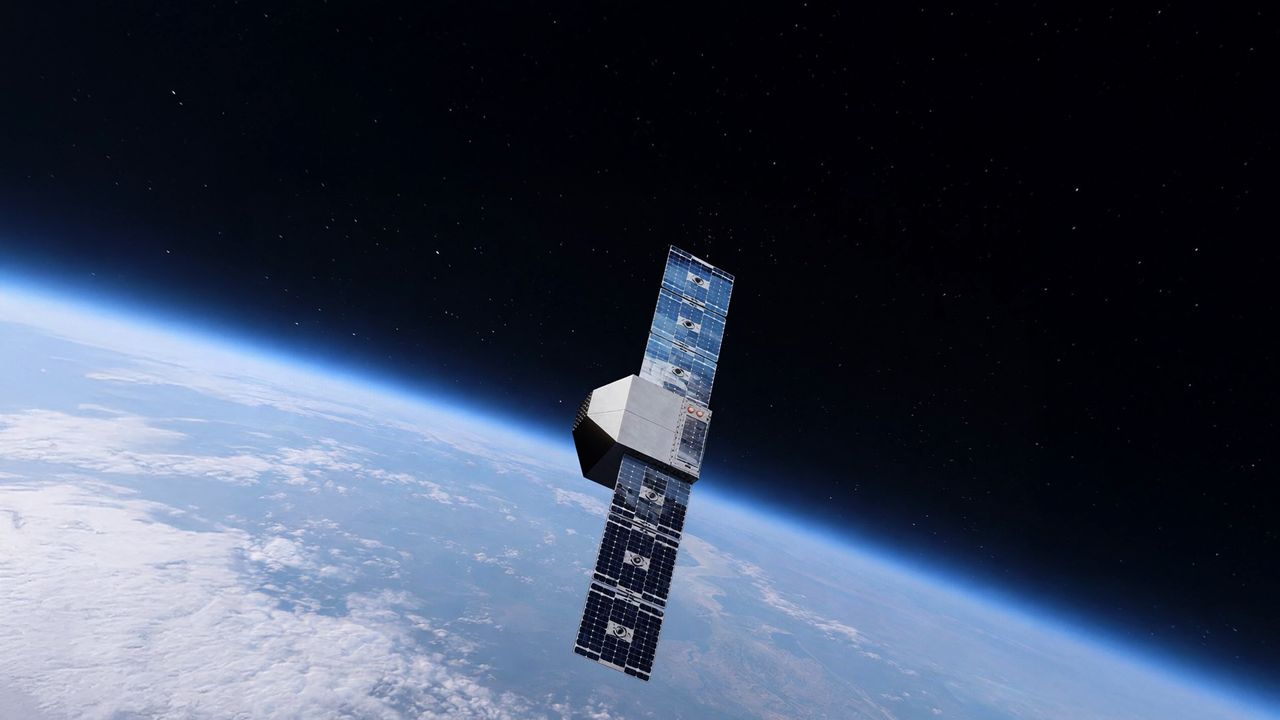
Exploring 'very low Earth orbit': The world's 1st air-breathing satellite thruster could soon get a test run
Original Publication Date: 2026-08-09 14:00
Julian Dossett, a Santa Fe-based freelance writer, focuses on rockets and space exploration while also penning travel pieces for New Mexico Magazine. His travel stories earned IRMA Awards in 2022 and 2024, and he previously cut his teeth as a staff writer at CNET. Dossett earned a philosophy degree from Texas State University in 2011 and is a proud collector of 1960s sci‑fi pulp magazines.
On this day in space! Aug. 9, 1976: Soviet Luna 24 sample return probe launches to the moon
Original Publication Date: 2026-08-09 14:00
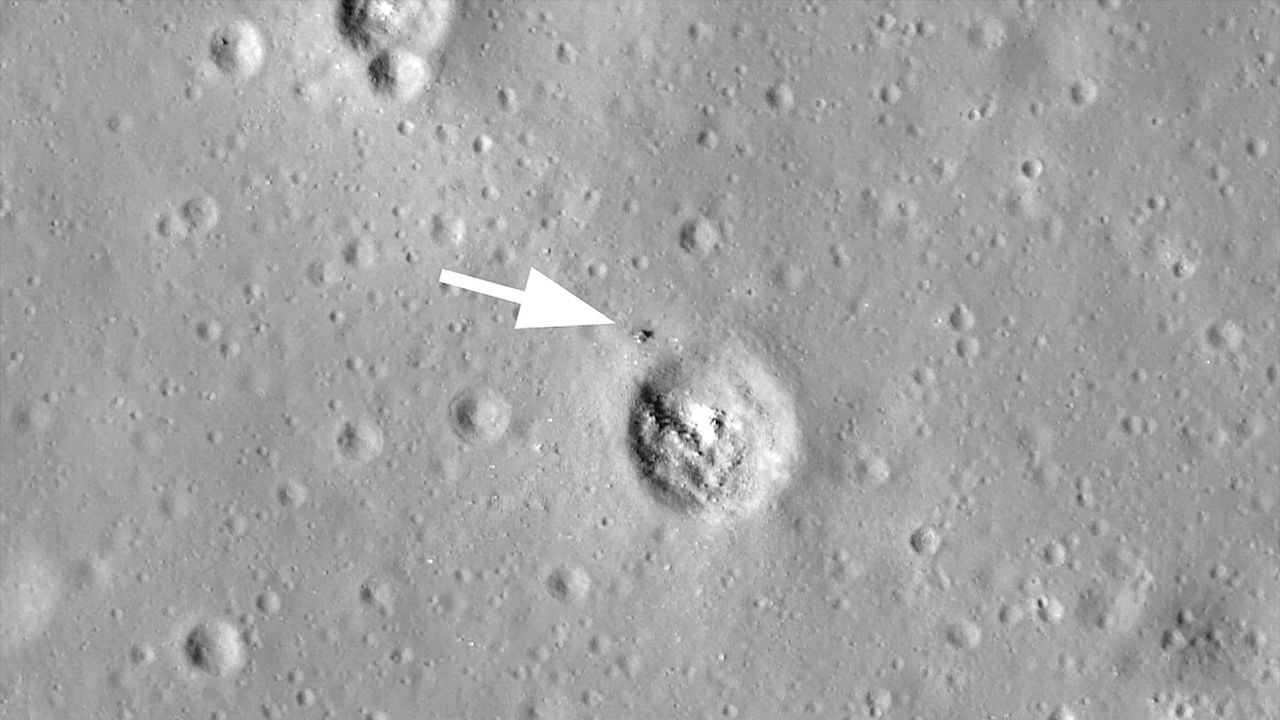
On August 9, 1976 the Soviet Union launched Luna 24, its last robotic moon sample‑return mission, aboard a Proton‑K rocket from Baikonur. The lander touched down in Mare Crisium, collected 6 ounces of regolith, and lifted off again within 24 hours to bring the samples back to Earth on August 22. Scientists later found that the lunar soil contained about 0.1 % water, confirming the moon’s hidden reservoirs. Luna 24 marked the end of the Soviet Luna series, even as the Space Race had already shifted to human lunar landings and later robotic missions.
Mount Toba eruption doesn't seem like it could nearly kill our species
Original Publication Date: 2026-08-09 11:00
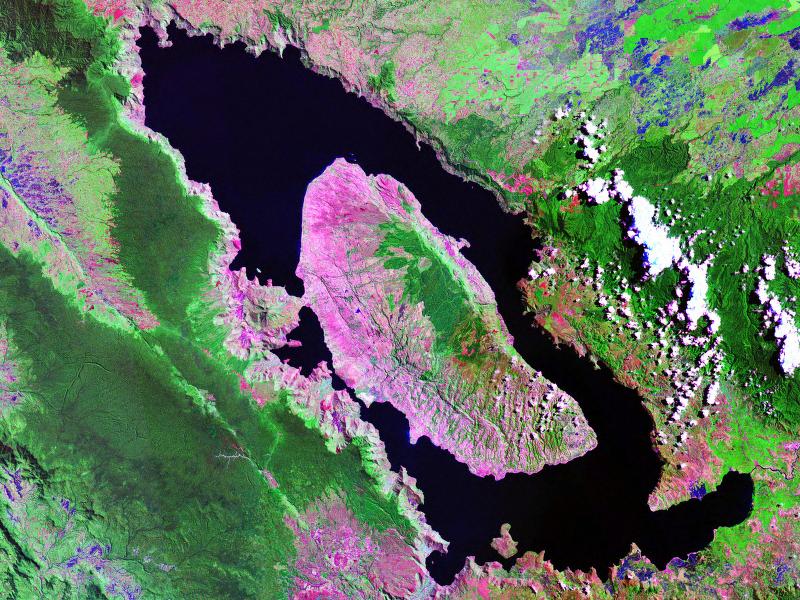
Mount Toba’s eruption 74,000 years ago was the largest in the last 2.6 million years, spewing roughly a thousand times more magma than Pinatubo did in 1991. Scientists once feared it might have plunged the planet into a severe, long‑lasting cooling that threatened early humans. New research examining mud from a crater lake on the Kenya‑Tanzania border shows the cooling lasted less than two years and dropped global temperatures by only about half a degree. The study explains that in such colossal eruptions, the massive sulfate aerosols settle quickly, reducing their ability to reflect sunlight and thus limiting the climate impact.