 Spotify
 Apple Podcasts
 Podcast Addict
 Overcast
 Podcast RSS
Sophia and Kepler to marry orbital compute with optical links
Original Publication Date: 2026-04-13 04:01
Sophia Space has inked a strategic partnership with Kepler Communications, announcing that it will begin deploying edge compute nodes on Kepler’s satellite fleet in late 2026. The collaboration will showcase Sophia’s Orbital Data Center software, positioning it as a next‑generation platform for in‑orbit data processing. By tapping into Kepler’s optical data relay network, the project aims to create a distributed, resilient compute infrastructure that can operate across multiple satellites. This move marks a significant step toward commercializing space‑based edge computing capabilities.
Rocket Lab wins contract for three more iQPS launches
Original Publication Date: 2026-04-12 11:43
Rocket Lab has secured a new contract with Japan’s radar‑satellite firm iQPS for three additional Electron launches, slated to begin in 2028 from New Zealand’s Launch Complex 1. The agreement follows seven successful missions since 2023 and adds to a growing roster of orders that include five more launches already on the books. While the financial terms remain undisclosed, iQPS aims to deploy 24 synthetic‑aperture‑radar satellites by 2028 and 36 by 2030, relying mainly on Rocket Lab’s Electron to build its Earth‑imaging constellation. The next joint launch is scheduled for May, underscoring the deepening partnership between the two companies.
China Accelerates Orbital Internet Deployment with Successful Smart Dragon-3 Sea Launch
Original Publication Date: 2026-04-12 20:11
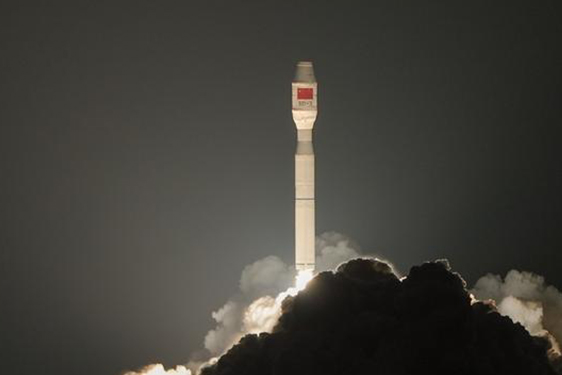
On April 11, China successfully launched a satellite internet technology test payload, a milestone in its quest to build a sovereign Low Earth Orbit communications network. The mission showcased advanced capabilities in space‑based internet and marked a key step toward reducing dependence on foreign satellite systems. By deploying the payload, Beijing aims to strengthen its global connectivity and assert greater control over its own data infrastructure. The successful launch signals a significant advance in China’s expanding space communications program.
Smallsats Dominate 2025 Launch Landscape as Mass Efficiency Peaks
Original Publication Date: 2026-04-12 19:58

In 2025, the satellite sector experienced a major structural shift as smaller, more efficient satellites eclipsed traditional large orbital configurations. Analysis firm BryceTech reports that these compact designs now account for over 70% of new launches, driven by lower costs and faster deployment. The trend signals a move toward more agile, constellation-based services rather than single, large platforms. Industry stakeholders are adapting to this new paradigm to stay competitive.
MIT STAR Lab Expands Scope from Lasercom Innovation to Space Policy Architecture
Original Publication Date: 2026-04-12 19:46

MIT’s Space Telecommunications, Astronomy and Radiation Laboratory (STAR Lab) is pivoting as the orbital environment grows increasingly complex. Under new leadership, the lab is expanding its mission beyond hardware development to tackle challenges such as space debris, satellite communications, and radiation protection. Researchers are crafting innovative strategies to safeguard satellites and improve space traffic management. This shift underscores the growing need for resilient space infrastructure amid rising congestion and hazards.
NRL to Showcase Sovereign Space Capabilities at 41st Space Symposium
Original Publication Date: 2026-04-11 22:46
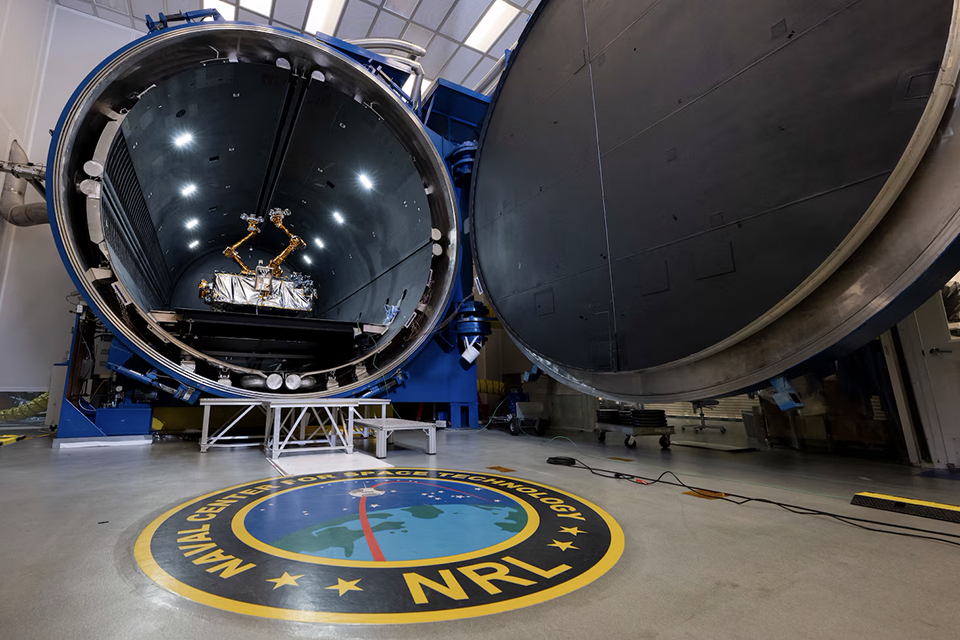
The U.S. Naval Research Laboratory will showcase a new suite of technologies aimed at bolstering space domain awareness and enabling autonomous orbital infrastructure at the 41st Space Symposium. These innovations promise greater resilience against space threats and faster, self‑directed operations for satellites.
Artemis II Splashes Down
Original Publication Date: 2026-04-11 11:05
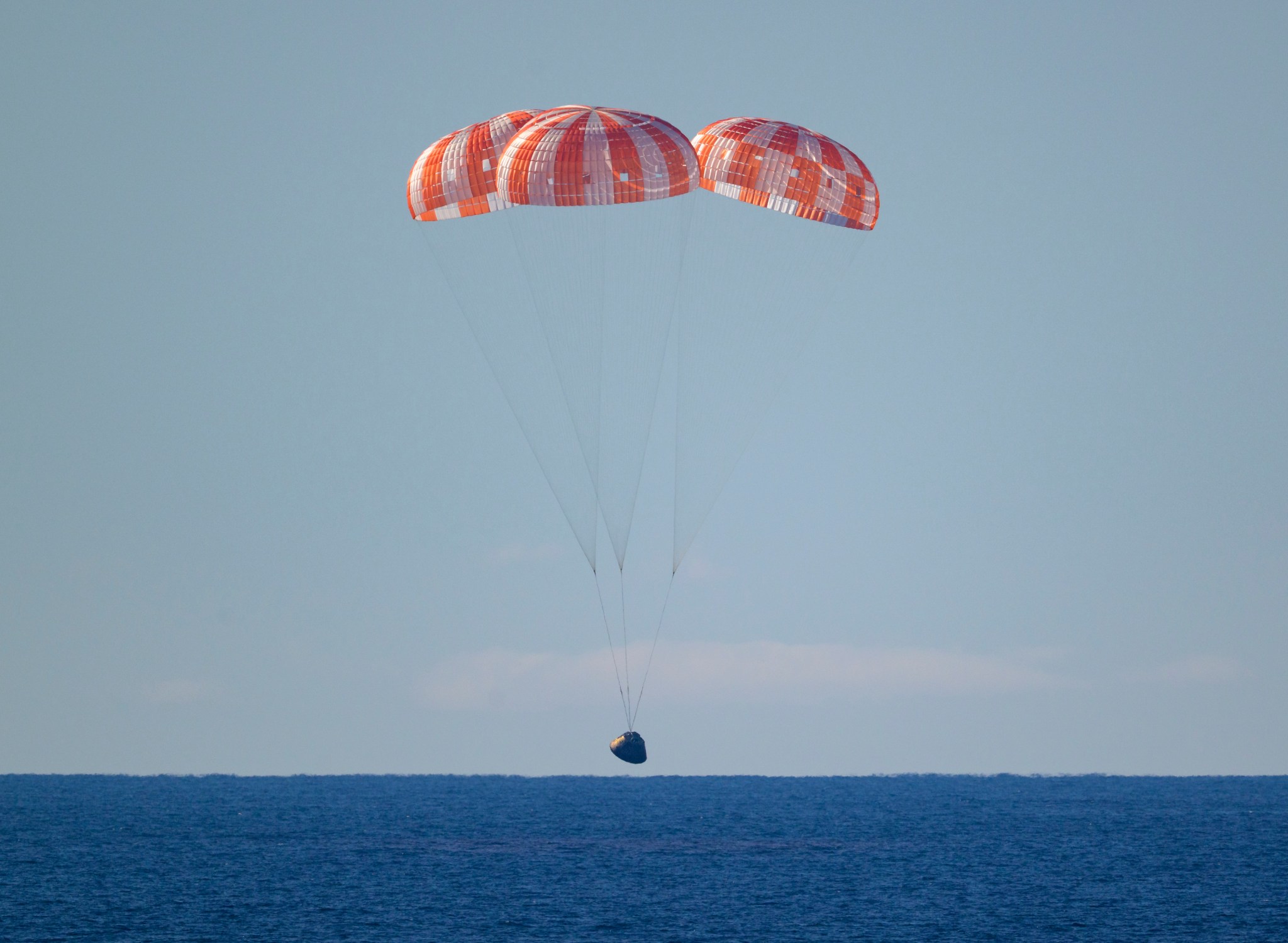
NASA’s Orion spacecraft splashed down in the Pacific after a successful April 10, 2026 mission, with its parachutes deployed moments before touchdown. The Artemis II crew completed nearly ten days of flight, surpassing Apollo 13’s record for the farthest crewed spaceflight and capturing images of the Moon’s far side. Their mission demonstrated new capabilities for long‑duration lunar exploration and set the stage for more ambitious journeys to the Moon. These achievements lay the groundwork for future crewed missions to Mars and expanded scientific discovery.
Ship 39 and Booster 19 Roll out for Static Fire Testing
Original Publication Date: 2026-04-12 13:05

SpaceX is racing to ready its Starship Block 3 for Artemis III, with Booster 19 and Ship 39 rolling out for extensive engine and static‑fire tests at Pad 2 and Masseys. The company has upgraded the launch pad to fill a full Super Heavy booster in just 30 minutes, enabling rapid 33‑engine Raptor 3 trials. After initial static fires and ignition tests, Booster 19 will run a full 33‑engine campaign before returning for final checks and another stack test with Ship 39. These efforts aim to deliver a crewed lander on schedule for Artemis III.
Falcon 9 launches CRS NG-24 cargo ship to ISS
Also covered by: SpaceNews, NASA
Original Publication Date: 2026-04-11 13:37

On April 11, 2026, a SpaceX Falcon 9 lifted off from Cape Canaveral after a weather‑induced delay to launch the Northrop Grumman Cygnus XL cargo spacecraft, the S.S. Steven R. Nagel.
Hawkeye 360 Files For IPO
Original Publication Date: 2026-04-13 04:06
Hawkeye 360 has filed to go public on the NYSE under the ticker “HAWK,” joining a wave of defense‑focused space firms that are seeking new capital. The move follows recent listings by Firefly Aerospace and York Space Systems, with SpaceX slated for an IPO this summer. While the company has yet to reveal how many shares it will offer or the price range, it previously secured a $150 million Series E round that combined equity and debt financing. Analysts expect the defense sector—and commercial players in new domains—to expand significantly over the next decade.
A worst-case solar storm could knock out satellites, GPS and power grids, report warns
Original Publication Date: 2026-04-13 10:00

Scientists warn that a once‑in‑a‑century solar storm could cripple modern technology, knocking out satellites, GPS, and even power grids. A recent UK report estimates that such a 100‑200‑year event could trigger geomagnetic currents strong enough to trip grid safety systems, damage transformers, and cause regional blackouts lasting months or years. Satellites would suffer radiation damage and degraded solar panels, threatening everything from weather forecasts to navigation. The fallout could amount to hundreds of billions of dollars in economic losses, underscoring the need for better space‑weather preparedness.
'The most special thing that will ever happen in my life': Artemis 2 astronauts describe their epic moon mission
Original Publication Date: 2026-04-12 10:00

NASA’s Artemis 2 crew returned to Houston after a historic 10‑day lunar flyby that broke the record for the farthest any astronaut has flown from Earth. The team—Commander Reid Wiseman, Victor Glover, Christina Koch and Canadian Jeremy Hansen—landed at Ellington Field on April 11, following a splashdown off San Diego on April 10. Their mission, launched aboard the Space Launch System on April 1, took them first into Earth orbit and then around the far side of the moon, capturing breathtaking imagery and deep emotional moments. Back home, the astronauts celebrated with families and NASA officials, reflecting on the profound bond forged by their journey beyond the planet.
SpaceX launches huge 'Cygnus XL' cargo ship carrying over 5 tons of supplies to ISS astronauts (video)
Original Publication Date: 2026-04-11 11:31
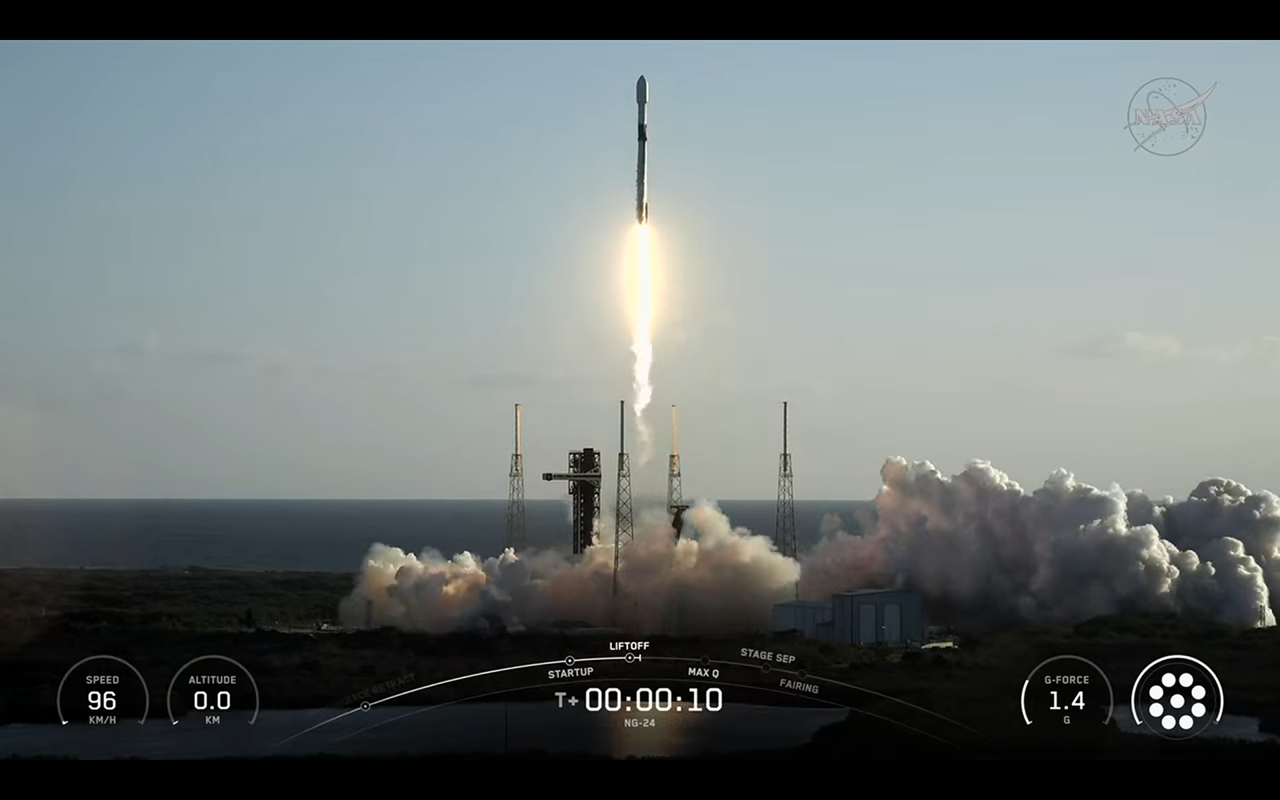
SpaceX launched a Falcon 9 from Cape Canaveral at 7:41 a.m. ET, carrying Northrop Grumman’s Cygnus XL freighter, the S.S. Steven R. Nagel, to the International Space Station. The cargo ship carries more than 5 tons of science equipment and supplies, totaling 11,000 pounds for the ISS crew. It will dock on Monday, April 13, when Canadarm2 will grapple it at 12:50 p.m. EDT. The booster landed back at Cape Canaveral just eight minutes after liftoff, marking its seventh flight.