 Spotify
 Apple Podcasts
 Podcast Addict
 Overcast
 Podcast RSS
Silicon Valley Space Week Speaker Focus: Katherine Coens, Space Systems Command
Original Publication Date: 2026-09-24 19:11

Space Systems Command has awarded Boeing up to $2 billion for two additional MUOS satellites, slated for launch in 2031 and 2032. The satellites will join the narrowband network managed by the Space Force’s Space Systems Command. Katherine Coens, director of the division, will discuss the project during an interview on the final day of the MilSat Symposium at Silicon Valley Space Week. This partnership underscores the Space Force’s ongoing expansion of its communications capabilities.
Intellian and Network Innovations Partner to Develop Multi-Band Tactical WGS Flyaway Terminals
Original Publication Date: 2026-09-24 16:15
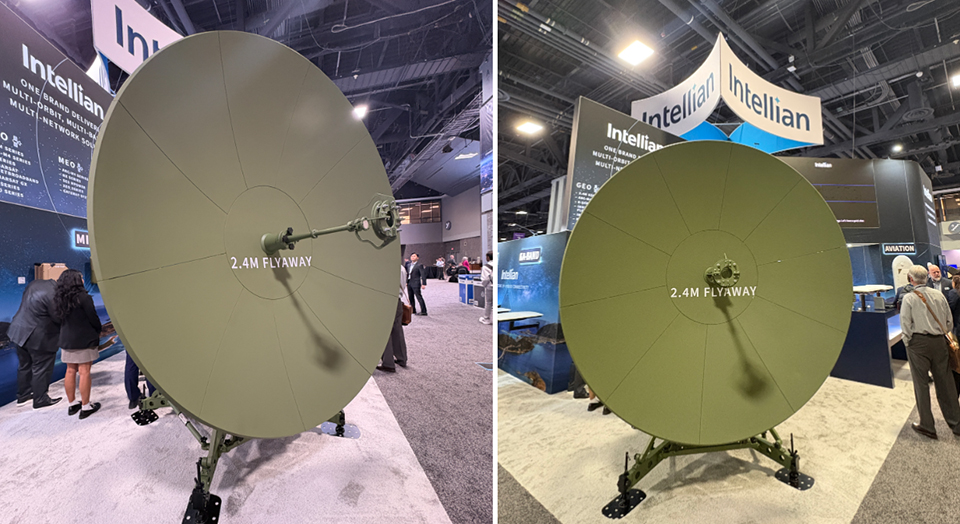
Intellian Technologies and Network Innovations have inked a multi‑year partnership to design and supply next‑generation tactical ground flyaway terminals. The collaboration targets military and government defense sectors, aiming to enhance battlefield communications and data transfer. By combining Intellian's terminal expertise with Network Innovations' systems integration, the alliance promises rapid deployment and scalable solutions. This deal is set to strengthen national security capabilities across multiple defense platforms.
Explosive Intensification for Hurricane Polo
Original Publication Date: 2026-09-25 04:01
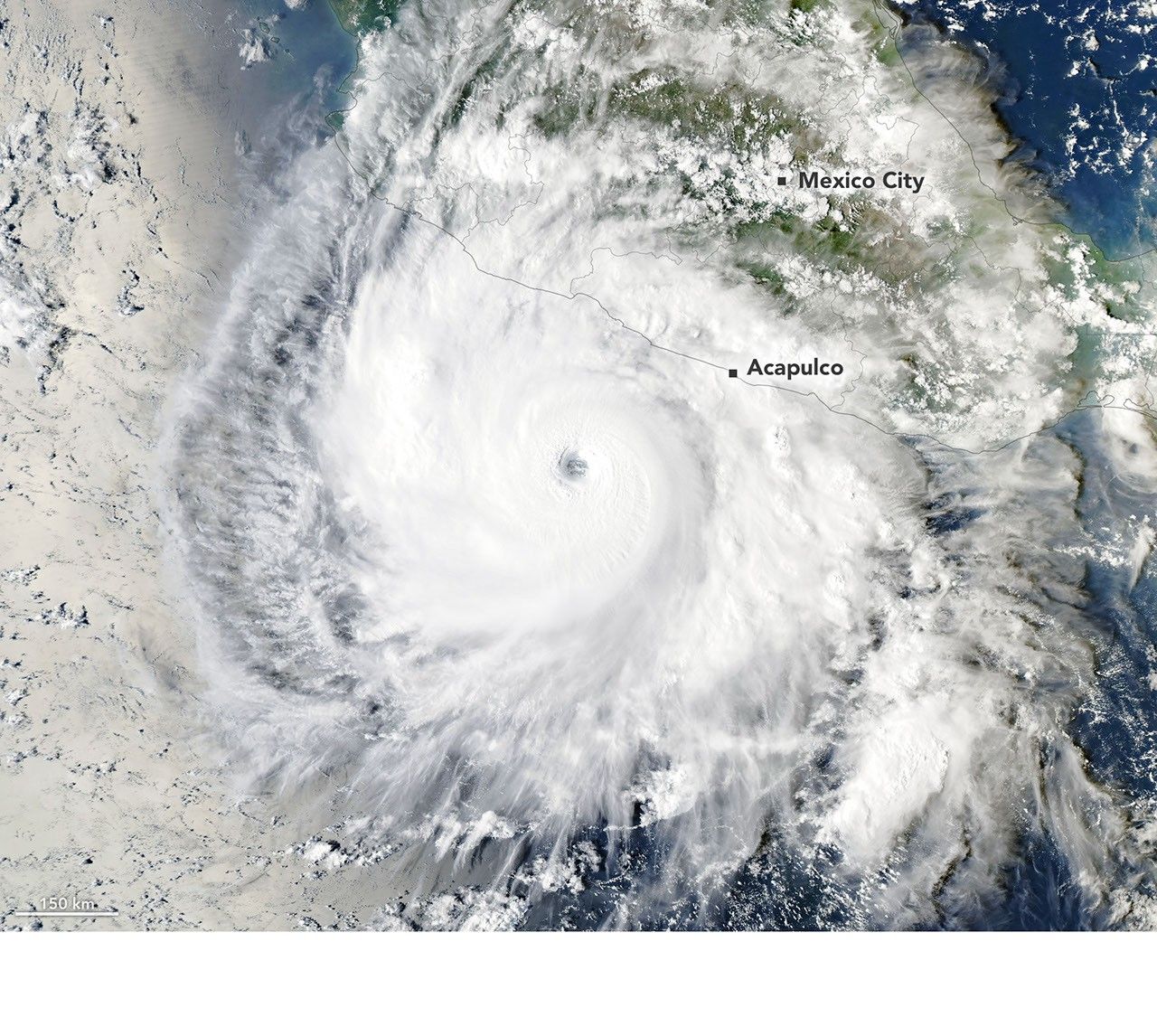
Hurricane Polo rapidly intensified into a Category 5 storm off Mexico’s Pacific coast in mid‑September 2026, with winds peaking at nearly 285 km/h (180 mph) and becoming the third‑strongest eastern Pacific hurricane on record. NASA’s Aqua satellite and the MUR SST project documented the storm’s explosive growth, noting sea surface temperatures 2–3 °C above average and a minimal cooler‑water wake that helped sustain its power. Meteorologists described Polo’s 90‑knots (167 km/h) wind increase in 24 hours as “absolute insanity,” while the National Hurricane Center called the intensification “truly remarkable.
NASA Shares SpaceX Crew-14 Assignments for Space Station Mission
Original Publication Date: 2026-09-24 21:15

NASA’s SpaceX Crew‑14 will launch no earlier than spring 2027 to the International Space Station, bringing together astronauts from NASA, JAXA and Roscosmos for a long‑duration science expedition. Commander Kayla Barron and pilot Chris Birch will lead the mission, joined by JAXA’s Makoto Suwa and Roscosmos cosmonaut Arutyun Kiviryan, who will all serve as mission specialists. After docking, the crew will join Expedition 75/76 and conduct research and technology demonstrations to advance future lunar and Martian exploration while benefiting life on Earth. This mission marks Barron’s second spaceflight, Birch’s first, and the first ISS assignment for Suwa and Kiviryan.
Travel
Original Publication Date: 2026-09-24 18:06
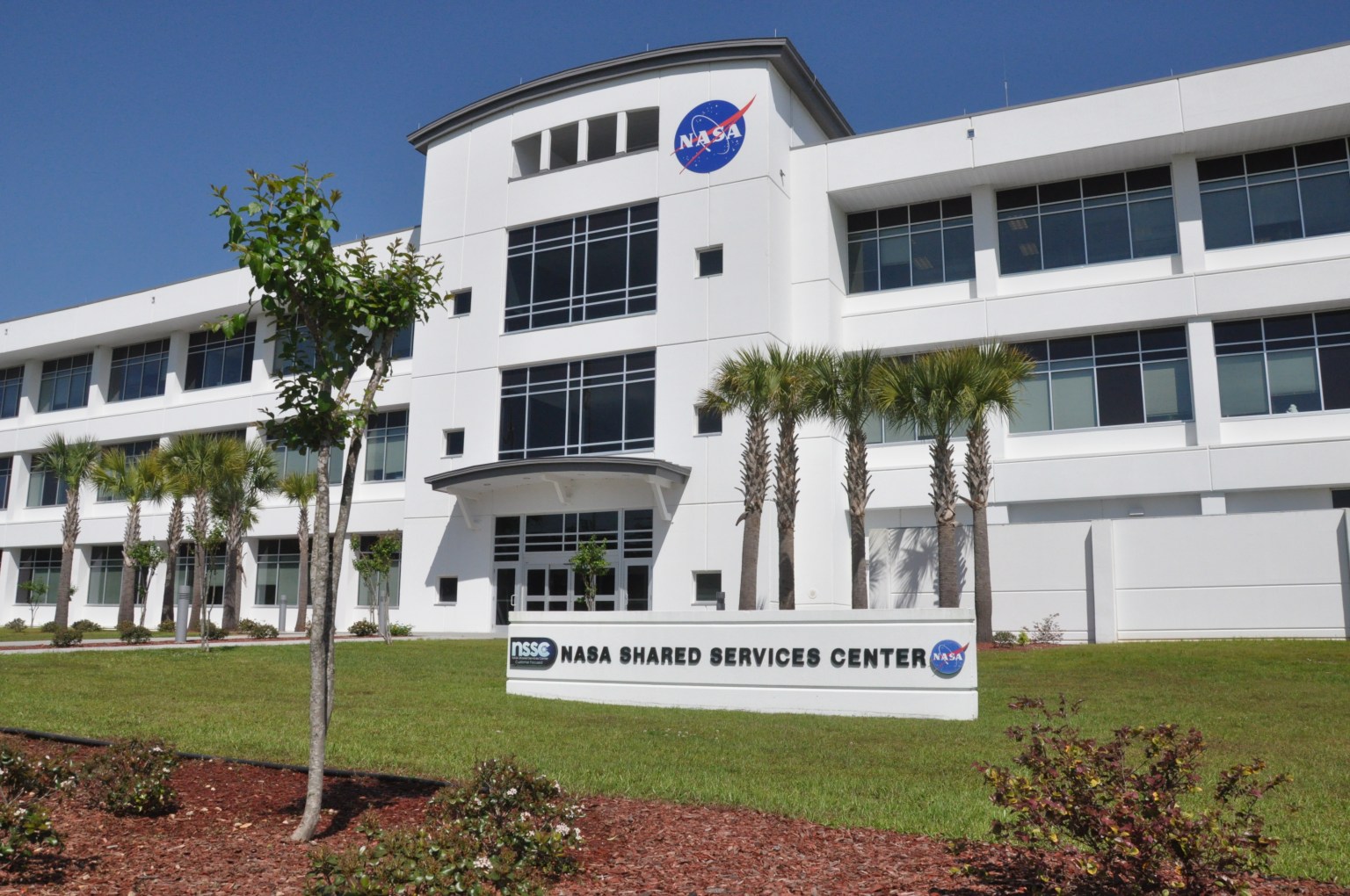
NASA’s NSSC handles travel reimbursement for all authorized agency travel—including domestic, foreign, and change‑of‑station trips—providing detailed guidance and required forms for each scenario. Travelers can submit vouchers through a new online process, and the NSSC supplies step‑by‑step instructions, sample vouchers, and tax‑related resources. Per diem rates are adjusted for extended temporary duty, with a standard 65% reduction, and rental car costs are limited to official travel time, with travelers responsible for any use during annual leave. For tax matters, NASA directs employees to GSA SmartPay for state‑tax exemptions and to the latest IRS notices for change‑of‑station allowances.
US-India Satellite Captures Time-lapse Video of Volcanic Eruption
Original Publication Date: 2026-09-24 16:00
An 8.8‑magnitude earthquake in July 2025 jolted the dormant Krasheninnikov volcano on Russia’s Kamchatka Peninsula into eruption, the first in nearly 500 years. NASA‑ISRO's NISAR satellite has been imaging the volcano every 12 days since December 2025, producing a high‑resolution time‑lapse that shows lava filling the inner caldera, overflowing, and spreading eastward. The L‑band radar captures detailed 30‑foot pixel images, allowing scientists to monitor the volcano’s growth and potential hazards from orbit. NISAR’s dual‑wavelength SAR system demonstrates the power of modern spaceborne radar to provide near‑global, repeatable coverage of Earth’s most active volcanoes.
Expedition 75 astronauts continue science work as Crew-13 readies for launch
Original Publication Date: 2026-09-24 22:06

Expedition 75 astronauts aboard the ISS just completed EVA‑99, a six‑hour, 49‑minute spacewalk that installed a new retroreflector on the Harmony node and swapped a high‑definition camera, while also dealing with a shoulder joint heater issue that was quickly fixed.
Isaacman Doubles Down on New NASA Model for International Partnerships
Original Publication Date: 2026-09-25 05:55

NASA Administrator Jared Isaacman has already reshaped the agency’s approach to international collaboration, insisting on partnerships that deliver tangible benefits for the U.S. His decision to halt work on the Lunar Gateway—an effort heavily backed by the European Space Agency—has deepened tensions and sparked calls from Europe to pursue its own lunar and Mars ambitions. Isaacman warned that losing the race to land astronauts on the Moon could undermine U.S. Influence in global tech and security arenas, especially as China pushes ahead. Despite the rift, he emphasized that the Artemis program remains a joint effort, with many signatories committing scientific payloads to accelerate lunar exploration and maintain U.
Hubble Network Raises $200M Series C at $1.6B Valuation
Also covered by: SatNews
Original Publication Date: 2026-09-24 12:31

Hubble Network, the Seattle‑based startup that uses Bluetooth to track assets from space, just closed a $200 million Series C round that values the company at $1.6 billion, bringing its total funding to $300 million. The new capital will expand its constellation from six satellites to roughly 60 by the end of 2029, with next‑generation craft featuring ten‑fold more antennas to monitor over 10 million devices each and deliver near‑constant global coverage. In addition to the satellite rollout, Hubble has moved its space‑based asset‑tracking service out of closed beta into general availability, using a firmware update that lets any Bluetooth‑enabled device send a tiny data packet to orbit for a fraction of the cost of cellular trackers. This leap in scale and affordability positions Hubble to provide continuous, low‑cost tracking of billions of devices—and even their environmental conditions—worldwide.
The Space Solar Report
Original Publication Date: 2026-09-24 11:40

Solar power has become a pivotal procurement decision in the space industry, as the expanding space economy fuels demand for high‑energy‑density solutions for satellite communications, edge computing, and orbital data centers. The report surveys the spectrum of solar technologies—from terrestrial silicon and specialized silicon to III‑V, perovskites, and other emerging options—examining their cost, supply challenges, and suitability for different missions. It also highlights how solar choices influence spacecraft design, launch mass, and maneuverability, and why silicon is increasingly favored despite the continued high demand for III‑V cells amid supply risks. The findings suggest that while SpaceX’s silicon strategy is hard to duplicate, the long‑term trajectory of the market is leaning toward more reliable, cost‑effective silicon solutions, with emerging technologies still holding promise.