 Spotify
 Apple Podcasts
 Podcast Addict
 Overcast
 Podcast RSS
Final Three SES O3b mPOWER Satellites Arrive at Cape Canaveral Ahead of Falcon 9 Launch
Original Publication Date: 2026-09-03 18:26
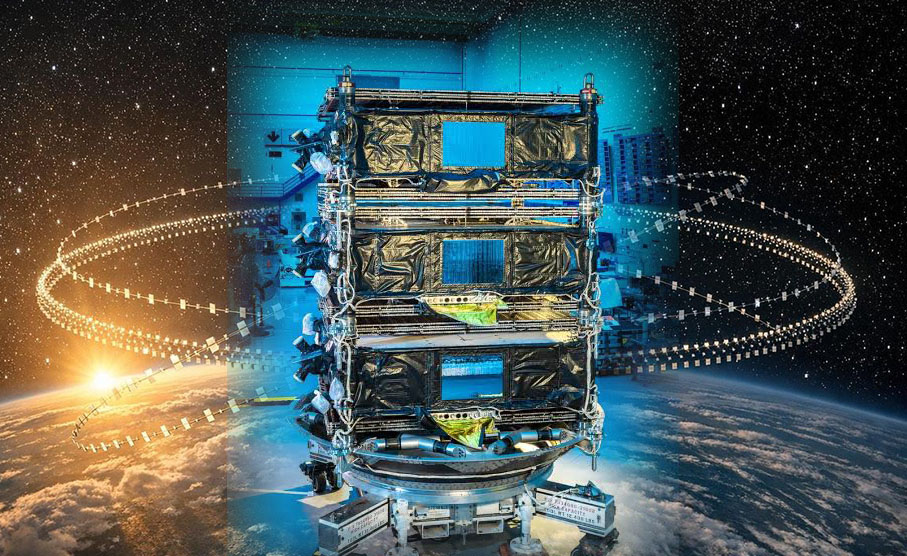
Satellite operator SES announced on Thursday, September 3, 2026, that the final three O3b mPOWER satellites had arrived at Cape Canaveral, Florida.
Blue Origin Accelerates Engineering Hiring from Amazon Satellite Division to Expand Orbital Operations
Original Publication Date: 2026-09-03 16:21

On September 3, 2026, reports surfaced that a significant wave of satellite, avionics, and software engineers are leaving Amazon’s Project
4iG Group and SpaceX Sign Agreements to Deploy Starlink Mobile and Sovereign Satellite Solutions in Europe
Original Publication Date: 2026-09-03 13:58

On September 2, 2026, Hungarian telecom and defense conglomerate 4iG Group signed two agreements with SpaceX—one commercial and one national‑security—at SpaceX’s Texas facilities. The deals establish a new partnership aimed at expanding 4iG’s satellite communications footprint. They also reinforce the company’s national‑security commitments by leveraging SpaceX’s space‑based infrastructure.
A Trio of Tropical Cyclones in the Pacific
Original Publication Date: 2026-09-04 04:01

El Niño forecasts predicted a quiet Atlantic and a busy Pacific, and by early September the pattern held true. NASA’s DSCOVR EPIC camera captured three simultaneous Pacific hurricanes—Lowell (Category 5), Karina (Category 4), and Marie (tropical storm)—and the Atlantic Tropical Storm Edouard over Louisiana and Texas. The Northeast Pacific’s accumulated cyclone energy reached 130, about 50 % above normal, while the Atlantic’s ACE was only 4.4, roughly 9 % of normal for that date.
NASA to Cover Progress 96 Spacecraft Launch, Docking
Original Publication Date: 2026-09-03 17:06

NASA will broadcast live the launch of the Russian Progress 96 cargo ship on September 9, carrying three tons of supplies for the International Space Station. The unpiloted spacecraft, launched on a Soyuz rocket from Baikonur, will autonomously dock with the Poisk module on September 11 at 2:37 p.m. EDT. After a five‑month stay, Progress 96 will re‑enter over the Pacific, while the previous Progress 94 will depart earlier that month. This resupply mission continues the 25‑year legacy of continuous human presence aboard the ISS, advancing science and paving the way for future lunar and Martian exploration.
Curiosity Blog, Sols 4988-4994: More New Tricks for an Old Dog
Original Publication Date: 2026-09-03 15:59
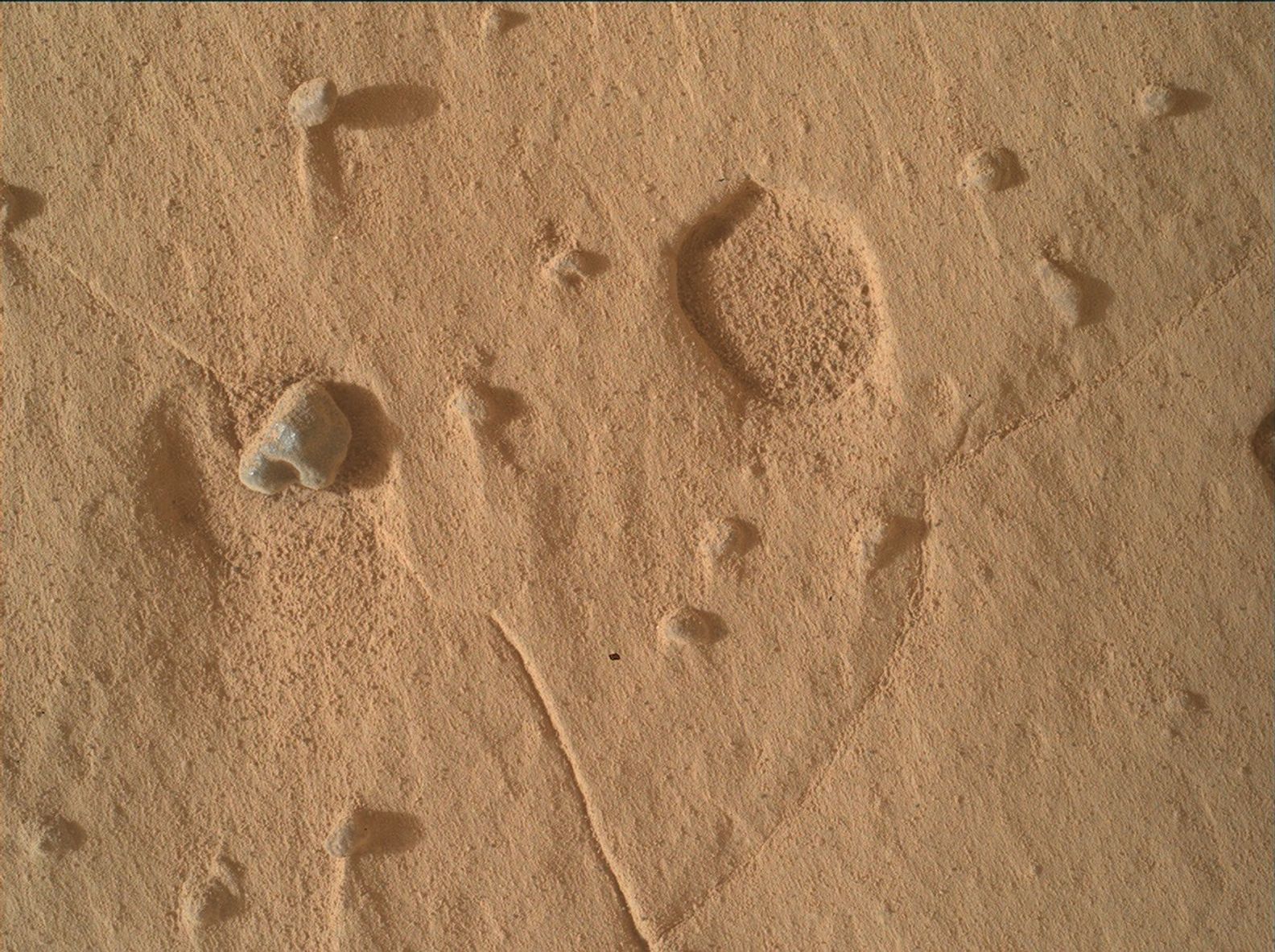
NASA’s Curiosity rover, now in its 14th year on Mars, has uncovered a series of broad, shallow pits in the bedrock of Mount Sharp—features unlike anything seen before. Using its MAHLI camera, Mastcam, ChemCam and APXS instruments, the rover has mapped these pits, examined layered rock packages, and analyzed gray float stones to probe the planet’s geological history.
NASA Taps Blue Origin for Mars Communications Network
Original Publication Date: 2026-09-03 12:35
NASA has awarded Blue Origin a $700 million contract to build a next‑generation Mars Telecommunications Network, replacing the agency’s antiquated comms hardware with a modern, high‑bandwidth system. The firm‑fixed‑price deal requires Blue Origin to deliver a Mars‑orbiting orbiter by the end of 2028, with the network expected to be operational by 2030 and capable of transmitting science data, imagery, and navigation information. The orbiter, based on Blue Origin’s Blue Ring platform, can carry over 1,000 kg to Mars orbit and support future missions with a 20‑kg payload of instruments or cubesats. This award underscores that NASA’s focus remains on the Red Planet even as lunar ambitions grow.
PLD Space, HyImpulse Close Major Extension Rounds
Original Publication Date: 2026-09-03 12:31
European venture capital is finally catching up with the U.S. As Spain’s PLD Space and Germany’s HyImpulse Technologies secured major extension rounds—PLD raised €108 million and HyImpulse €50 million—to fund their sovereign launch ambitions. PLD is gearing up for its first orbital MIURA 5 flight in late 2026 and plans to scale to 30 launches a year by 2030, while HyImpulse is targeting a suborbital SR75 test this year and an orbital SL1 launch by 2028.
2 spacecraft will soon reach Mercury after 8 years in space. Here's what BepiColombo can do
Also covered by: Space.com
Original Publication Date: 2026-09-03 18:00
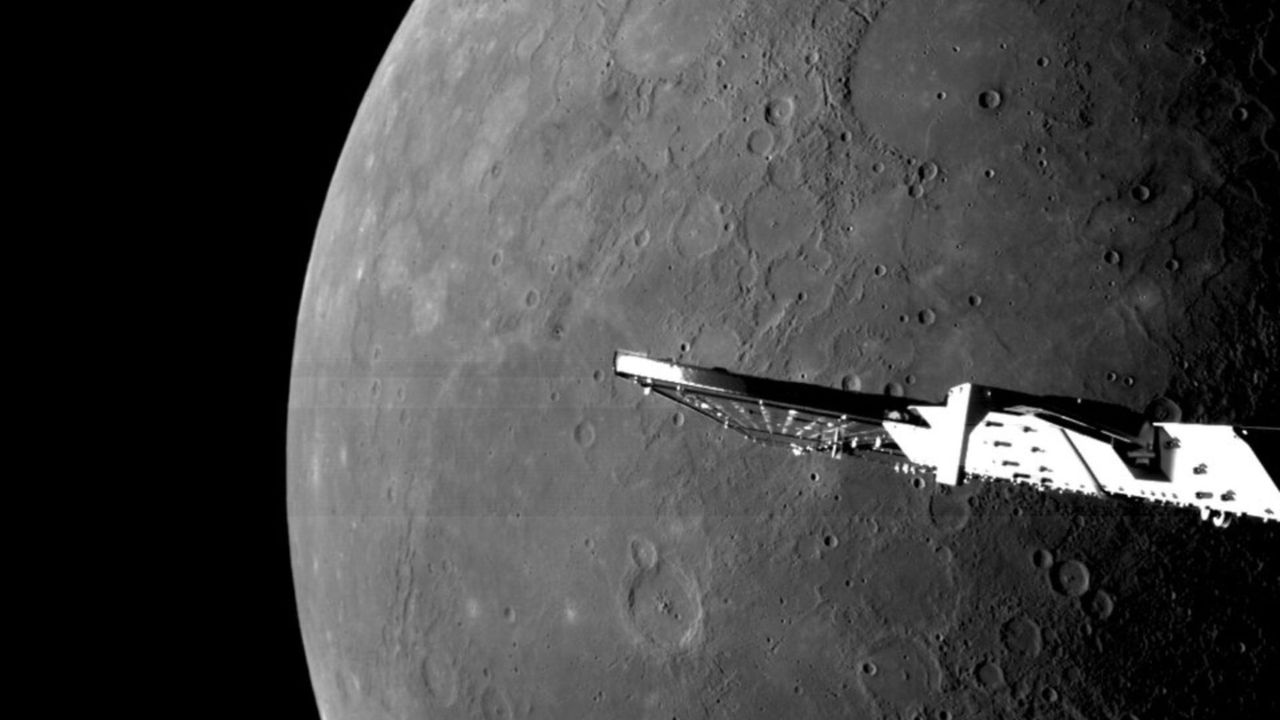
BepiColombo, the joint ESA‑JAXA mission launched in 2018, has entered its final approach to Mercury after eight years of interplanetary travel and is scheduled to arrive in September 2026. The spacecraft will separate into two probes—Europe’s Mercury Planetary Orbiter and Japan’s Mercury Magnetospheric Orbiter—to map the planet’s surface, study its magnetic field, thin atmosphere, and volatile deposits.
Comet McNaught put on a surprise show this summer: Here's how to spot it before it fades
Original Publication Date: 2026-09-03 16:00
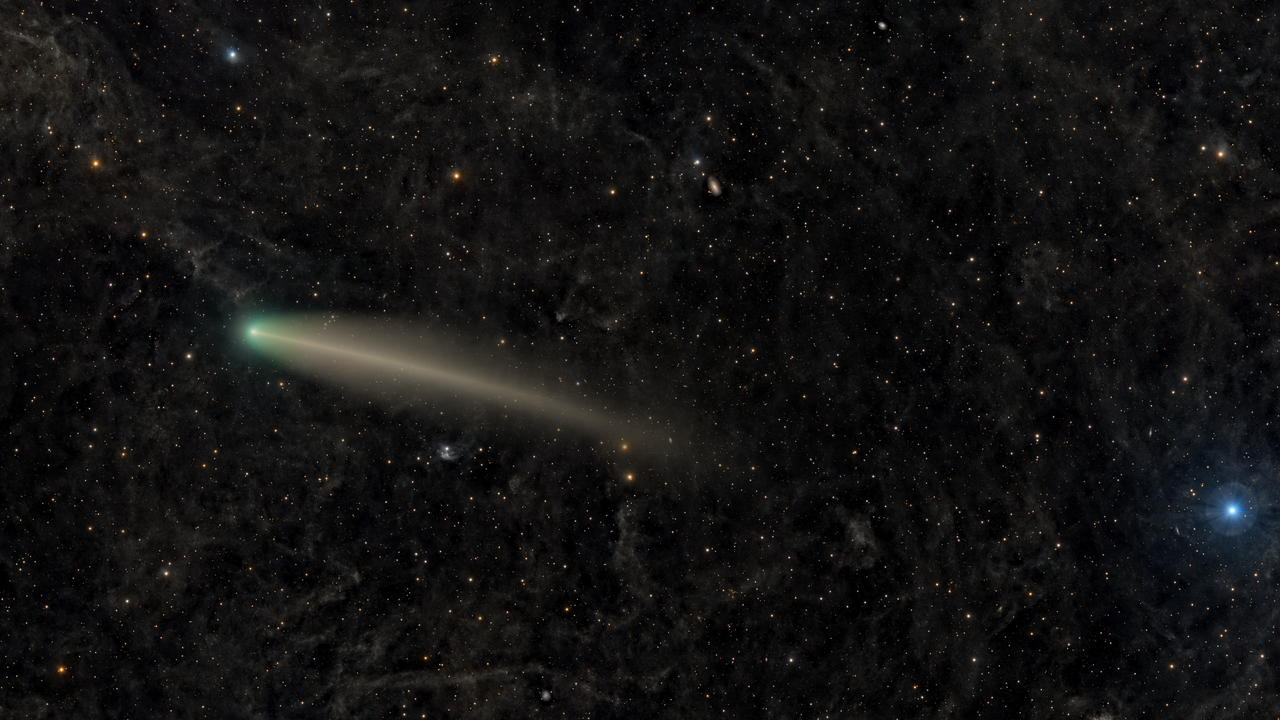
Comet 220P/McNaught stunned stargazers this summer, brightening 20,000 times during two outbursts as it passed perihelion on June 14. The icy wanderer now sits at a magnitude of +9.2, making it visible to small telescopes under dark skies near the constellation Taurus, close to the binary star Omicron Tauri. Astronomers say the comet will fade as it moves away from the Sun, though another outburst could brighten it again in the coming weeks. The best chance to spot it will be during the new‑moon nights of September 10‑11, when its faint glow stands out against a dark sky.
On this day in space! Sept. 3, 2006: Europe's SMART-1 spacecraft crashes into the moon in lunar death dive
Original Publication Date: 2026-09-03 14:00

Europe’s SMART‑1, ESA’s first lunar probe and a testbed for solar‑electric ion propulsion, orbited the Moon for almost three years before intentionally crashing into its surface on September 3, 2006.
India sends Earth-imaging satellite toward geosynchronous orbit in milestone launch (video)
Original Publication Date: 2026-09-03 12:00

India marked a milestone today as a GSLV Mark II rocket launched the EOS‑05 Earth‑imaging satellite into a geosynchronous transfer orbit, a first for the country. The 5,218‑pound spacecraft will hover over the Indian subcontinent, providing persistent surveillance for both civilian and military uses. The successful launch follows a 2021 failure and comes as ISRO celebrates a streak of five consecutive successful missions. This achievement positions India as a growing player in high‑altitude Earth observation.