 Spotify
 Apple Podcasts
 Podcast Addict
 Overcast
 Podcast RSS
As it happened: spacewalkers install new solar array
Original Publication Date: 2026-10-29 23:45

NASA astronaut Anil Menon and Canadian Space Agency astronaut Joshua Kutryk carried out a seven‑hour spacewalk to install the 7th of 8 International Space Station Roll‑Out Solar Arrays, boosting the station’s power capacity.
Hughes Secures $42.5M Space Systems Command Award for Multi-Orbit Automated EM&C Architecture
Original Publication Date: 2026-10-29 18:41

Hughes Network Systems, an EchoStar company based in GERMANTOWN, Md., secured a $42.5 million task order from the U.S. Space Force Space Systems Command on Thursday, Oct. 29, 2026. The order expands the company’s role in providing satellite‑based communications for the Space Force’s operational needs. Hughes will deploy its advanced broadband network to support secure, high‑capacity data links for military assets. This contract underscores the growing partnership between commercial space broadband providers and the U.S. Military.
FCC Proposes Modernized Direct-to-Device Rules, Explores 482 MHz Expansion for Satellite Cellular
Original Publication Date: 2026-10-29 16:22
Today the FCC advanced a new set of rules to modernize the regulatory framework for direct‑to‑device satellite connectivity. The vote will streamline licensing and cut administrative burdens for operators of small satellite constellations. By tightening interference protections and simplifying spectrum access, the agency aims to accelerate the rollout of low‑orbit satellite services. This marks a significant step toward expanding broadband coverage across the United States.
HIMERA and GomSpace Begin Orbital Operations of OBRIA NANO Test Satellite for Sovereign Ukrainian Network
Original Publication Date: 2026-10-29 15:04
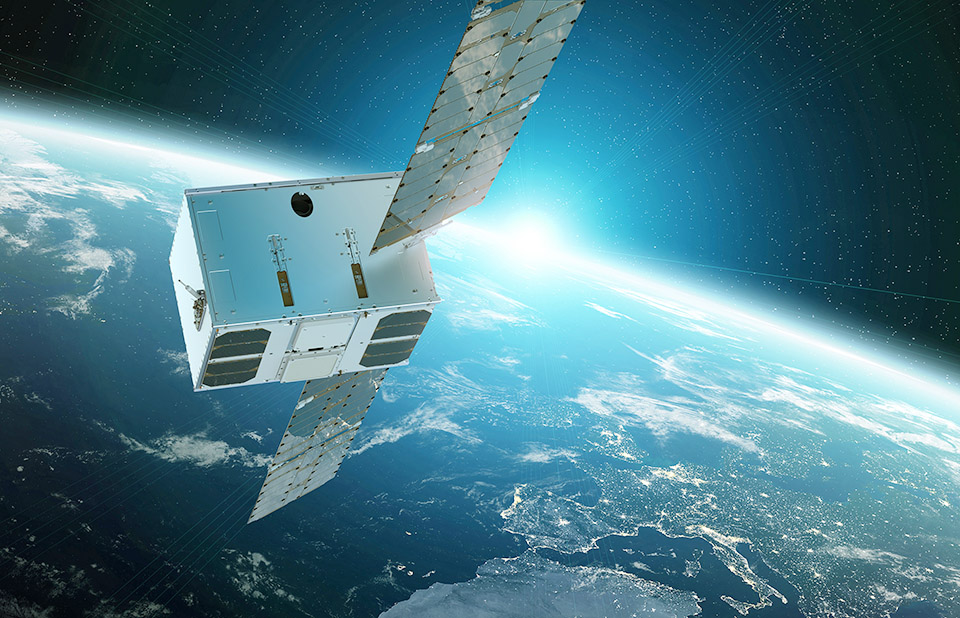
Ukrainian tactical radio maker HIMERA and Danish satellite developer GomSpace have launched the OBRIA NANO spacecraft into orbit, marking the first in‑orbit operations of this technology demonstration satellite. The small satellite is engineered to validate a core architecture that could enhance future tactical communication systems. The collaboration highlights Ukraine’s growing space capabilities and its partnership with international partners. The mission will test advanced radio technologies and pave the way for more resilient military communications.
Blue Origin Reconstructs Launch Complex 36 Tower, Targets November Return to Flight for New Glenn
Original Publication Date: 2026-10-29 14:27
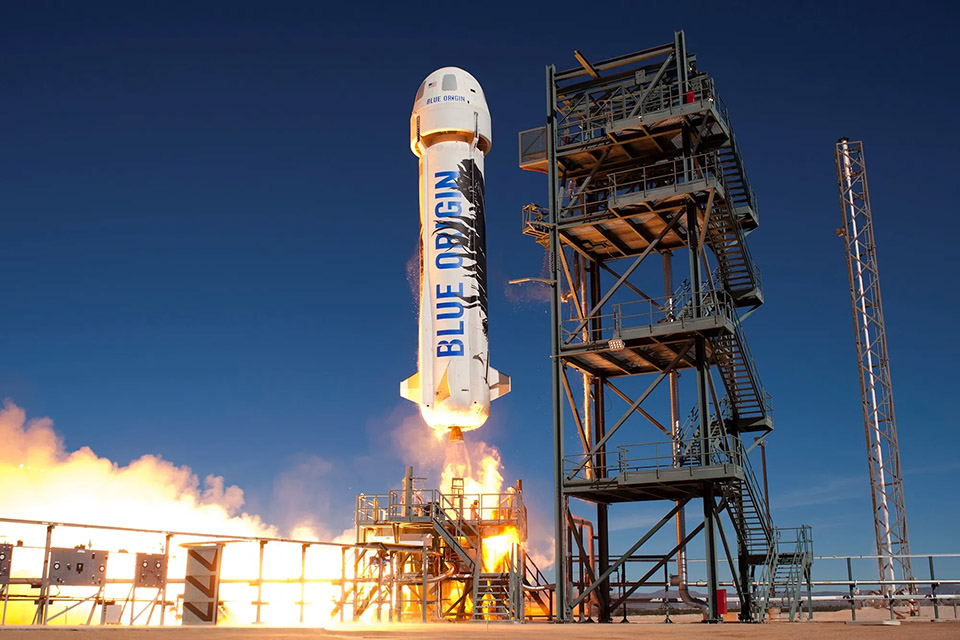
Blue Origin is targeting a return to flight for its New Glenn rocket as early as November 2026, a significant acceleration from earlier projections. The company credits recent upgrades to its Cape Canaveral ground infrastructure for this faster timeline. New Glenn, a heavy‑lift launch vehicle, has been on hold while the company refines its launch facilities. The accelerated schedule signals Blue Origin’s growing confidence in the rocket’s readiness for upcoming missions.
Vega Island Frozen in Fright
Original Publication Date: 2026-10-30 04:01

NASA’s Landsat 9 images show Vega Island in the Weddell Sea looking like a smirking skull, with a rock outcrop forming an eye socket and a moraine forming a mouth. The 2025 photo is snow‑covered, while the 2026 image, taken after an unusually warm winter, exposes darker ice and little snow, hinting at faster melt as the sun returns.
Slice of Martian Meteorite Teghaza 001
Original Publication Date: 2026-10-29 23:32

NASA’s JPL-Caltech Photojournal displays a slice of the ancient Martian meteorite Teghaza 001, one of the oldest rocks ever found on Earth. The annotated image highlights minerals such as iron‑titanium oxides, pyroxene, and shocked plagioclase, offering clues about Mars’ crust, mantle, and the impact that sent the meteorite into space. The meteorite also bears fine‑grain carbonate, sulfate, and clay minerals that formed after it landed on Earth. Scientists use these reflected‑light images to map mineral distributions and guide further analysis.
Halloween Aboard the International Space Station
Original Publication Date: 2026-10-29 21:44

ESA astronaut Luca Parmitano finally got his wish to fly like Superman aboard the International Space Station during Expedition 37. While the ISS has no ghouls or trick‑or‑treaters, crew members still embrace Halloween by donning spooky, creative costumes made from in‑orbit supplies. From Elvis Presley and Darth Vader in 2017 to video‑game characters in 2022, astronauts across multiple expeditions have celebrated the holiday with photos and themed activities. These festivities showcase the camaraderie and ingenuity of the crew while the station continues to serve as a vital platform for scientific research.
NASA-funded Study Details One of Oldest Mars Meteorites Ever Found
Original Publication Date: 2026-10-29 18:15
Scientists have dated a rose‑colored meteorite found in Mali’s Sahara to over 4.1 billion years old, making it one of the oldest pieces of Martian crust ever recovered on Earth.
Blue Origin attempts end of year return and eyes Artemis IV selection
Original Publication Date: 2026-10-29 21:02

Blue Origin has integrated a test version of its Blue Moon Mk2 lander into NASA’s revised Artemis III low‑Earth orbit flight plan, aiming for a New Glenn launch in late 2026 to test rendezvous and crew‑ingress before a potential lunar surface mission in Artemis IV. The Mk2 test article will dock with Orion in LEO, where astronauts will spend two days evaluating life‑support, avionics, and manual controls before the lander proceeds to the Moon. Meanwhile, Blue Origin has repaired Launch Complex 36A after a May anomaly and is building a new Launch Complex 36B, with the Vehicle Access Tower fully restored and concrete foundations poured.
Europe Begins Funding Offensive In-Space Capabilities
Original Publication Date: 2026-10-30 06:29
European defence agencies are shifting from passive surveillance to active space warfare, with the European Defence Fund hiring French startup OSMOS X to study orbital threat responses and the UK’s Defence Ministry awarding Astroscale UK a £15 million contract to lead the secret LEDA in‑space defence programme. Shield Space has formed a coalition of UK firms to propose a space‑based carrier‑strike platform, while Lithuanian company Blackswan Space has urged Parliament to boost funding for space control after a Russian spy satellite closely approached an ICEYE satellite over Ukraine. These moves signal a growing consensus that Europe must develop physical effectors—ranging from non‑kinetic jammers to ASAT capabilities—to protect its own satellite constellations and deter adversarial manoeuvres. The emphasis now is on building not only the technology but also the training and alliance‑level coordination needed to operate these new war machines effectively.
Virgin Galactic Unveils Apeiron, Delays Commercial Flights to Q2 2027
Original Publication Date: 2026-10-29 12:11
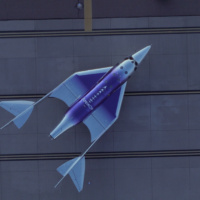
Virgin Galactic unveiled its new spaceship, Apeiron, at Spaceport America, naming it after the ancient Greek concept of boundlessness and marking a key milestone toward the first commercial human spaceflight platform. The company is moving more than 100 ticket holders—called astronauts—into flight readiness, while pushing its return to commercial service to early Q2 2027 to allow thorough testing of integrated avionics software. Apeiron, the first of the Delta-class ships designed to carry six passengers up to eight times a month, follows a period of glide training with VSS Unity and a pause in space missions since June 2024. Despite a $286 million cash reserve and a $134 million share sale, Virgin faces a quarterly burn of up to $100 million, raising doubts about its continued operations, but it remains the sole crewed suborbital option after Blue Origin’s hiatus.
On this day in space! Oct. 29, 1991: NASA's Galileo spacecraft flies by asteroid Gaspra and snaps amazing photos while flying at 18,000 mph
Original Publication Date: 2026-10-29 21:28
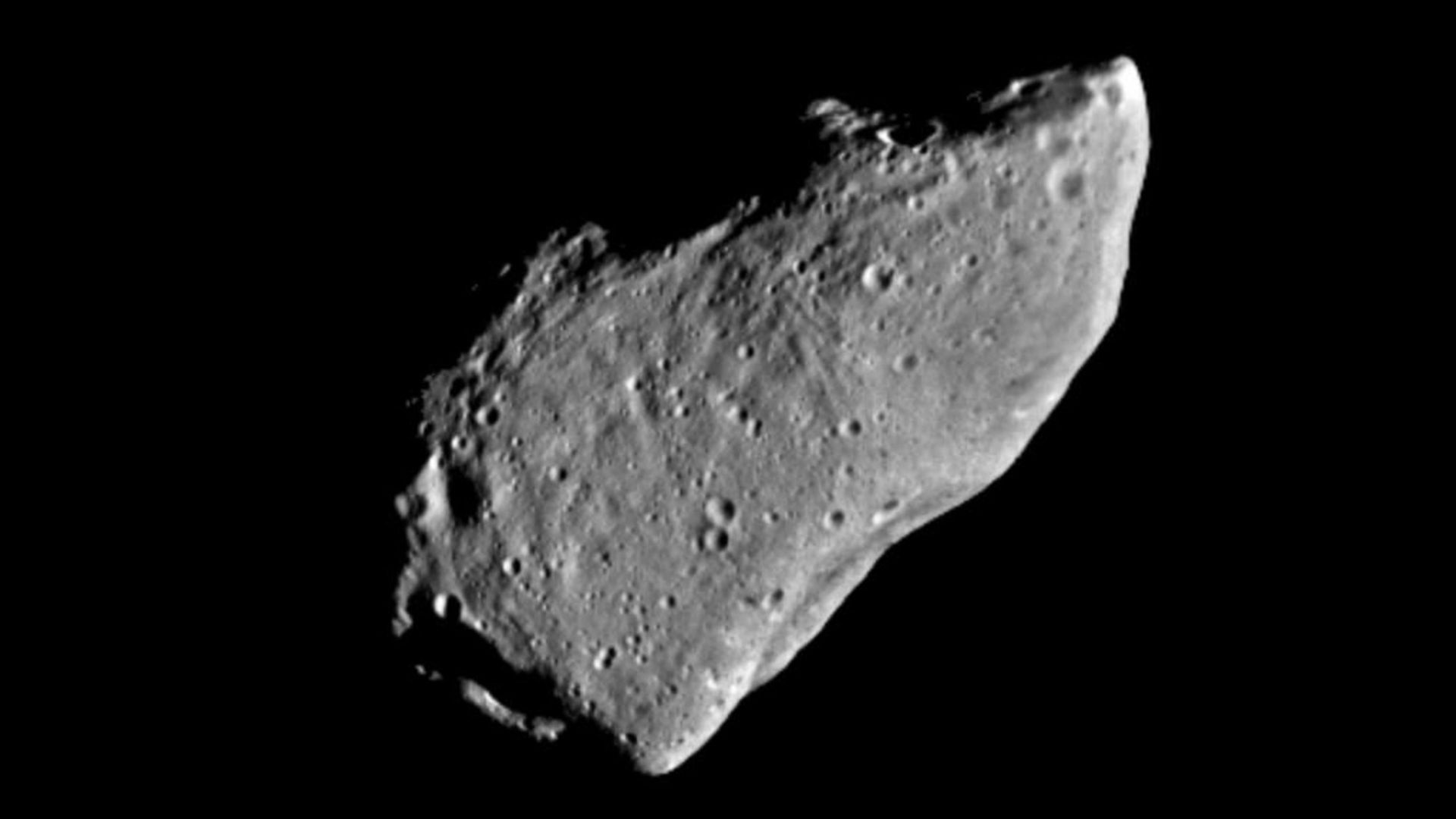
On October 29, 1991, NASA’s Galileo spacecraft made history by becoming the first probe to visit an asteroid, flying past Gaspra at a blistering 18,000 miles per hour. The spacecraft captured detailed images and used its Near‑Infrared Mapping Spectrometer to reveal Gaspra’s irregular, crater‑covered shape, about 12 miles long and 7 miles wide. The flyby occurred roughly halfway through Galileo’s six‑year journey to Jupiter, marking a milestone in asteroid exploration.
Artemis II commander Reid Wiseman named deputy director for NASA's Jet Propulsion Laboratory
Original Publication Date: 2026-10-29 21:00
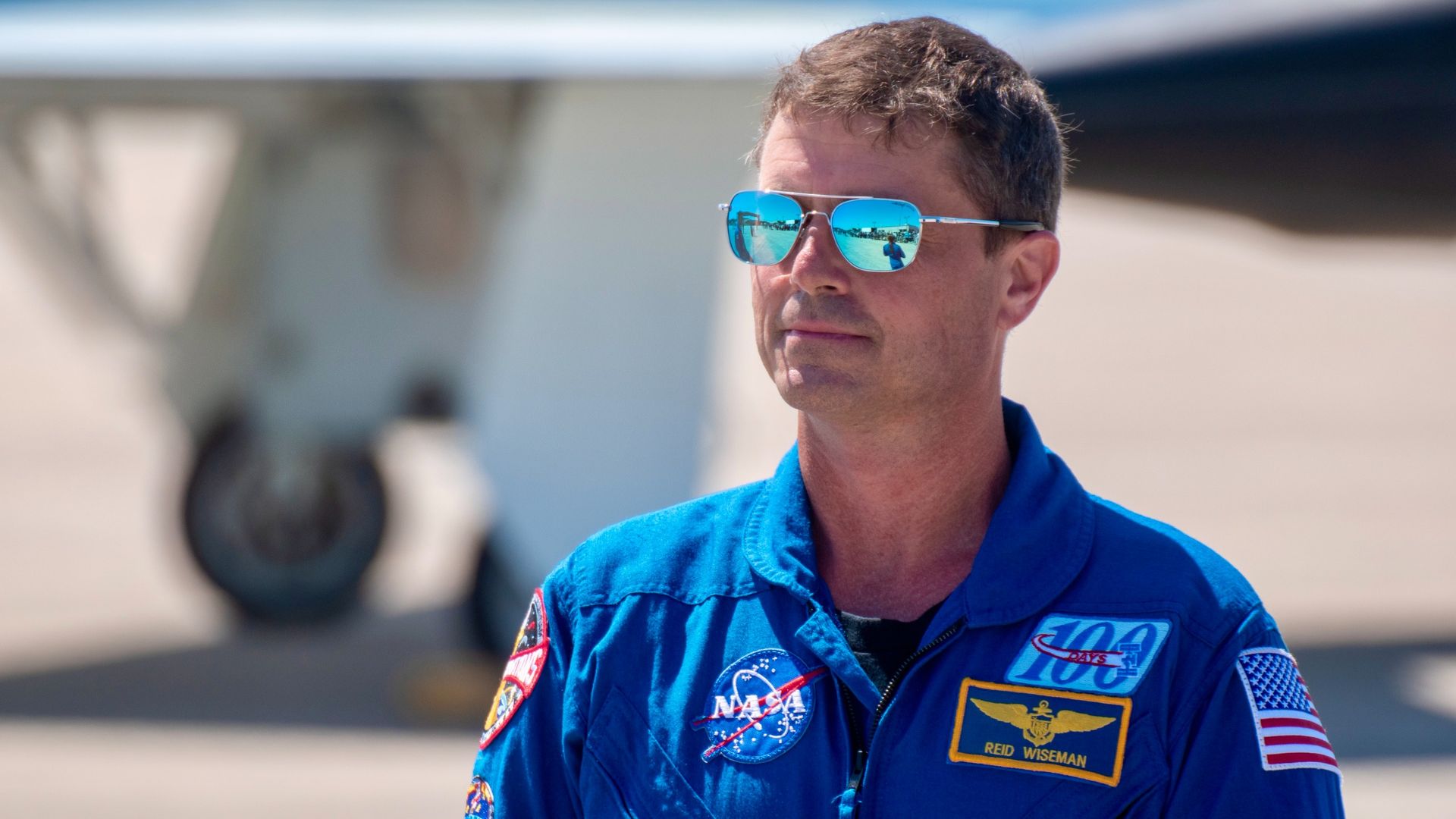
Reid Wiseman, the commander of NASA’s historic Artemis II lunar fly‑by, has been named Caltech’s associate vice‑president and deputy director of the Jet Propulsion Laboratory, starting November 30. All four Artemis II crew members have retired from active spaceflight: pilot Victor Glover is now an executive advisor at Cal Poly, mission specialist Christina Koch serves as NASA’s acting deputy chief engineer, and Canadian astronaut Jeremy Hansen has joined the Royal Canadian Air Force reserves. Wiseman’s new role will see him guiding JPL’s strategic leadership and operations as the agency pushes forward with robotic missions and the next phase of the Artemis program. This transition marks the end of an era for the crew that orbited the moon and the beginning of a new chapter in Earth‑bound space exploration.
Astronauts deploy solar array on 100th US spacewalk by International Space Station crew members
Also covered by: Spaceflight Now
Original Publication Date: 2026-10-29 20:01
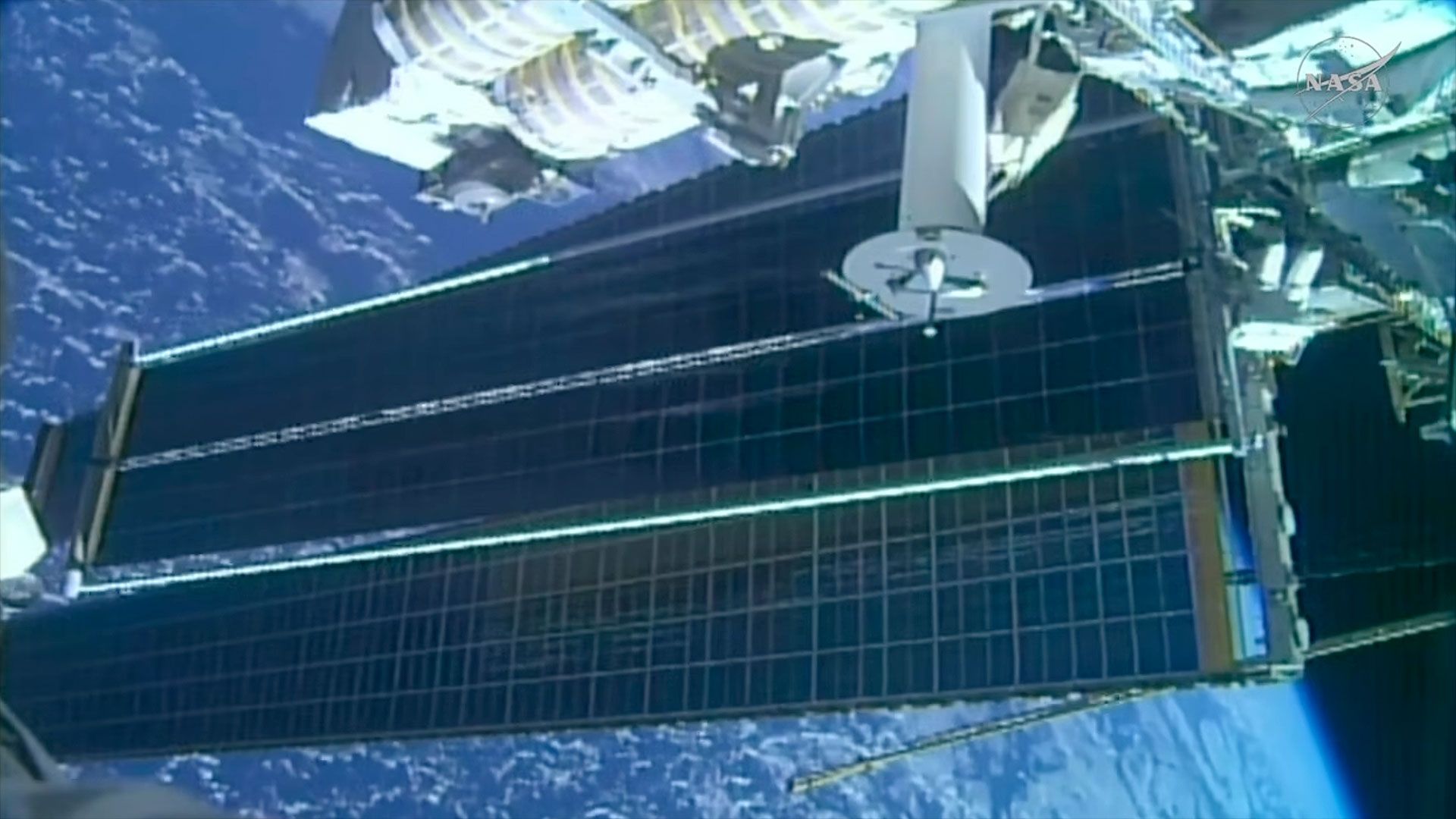
NASA astronauts Anil Menon and Joshua Kutryk completed the 100th U.S. Spacewalk from the ISS on Oct. 29, spending 7 hours 11 minutes installing and unfurling the seventh of eight new IROSA solar arrays. The 63‑foot, 750‑pound roll‑out panel, delivered earlier that month by a SpaceX Dragon cargo capsule, boosts the station’s power supply by 20‑30 % and supports ongoing operations and the planned 2030 deorbit. This milestone marks the penultimate solar‑array upgrade and the first Canadian EVA in seven years. A final spacewalk is scheduled for November to complete the series.
See NASA's Artemis III astronauts meet Trump at the White House as they train for a critical 2027 moon lander test flight (photos)
Original Publication Date: 2026-10-29 18:55

NASA’s Artemis III crew—Commander Randy Bresnik, specialists Andre Douglas and Frank Rubio, and ESA pilot Luca Parmitano—visited the Oval Office on October 28 to meet President Donald Trump, following the Artemis II crew’s earlier visit. The astronauts, joined by backup Bob Hines and chief Jared Isaacman, posed for photos and discussed preparations for the 2027 launch that will test docking Orion with SpaceX’s Starship or Blue Origin’s Blue Moon. The mission, slated for summer 2027, will provide critical practice for future lunar landings.
Cosmic graveyard of zombie planets offers a grisly warning about our own solar system's fate
Original Publication Date: 2026-10-29 18:00

Astronomers have spotted two “zombie” exoplanets orbiting a dead star, a white dwarf about 1,600 light‑years away, in a system that shows a rare double debris disc. The planet remnants—one the size of a large asteroid and the other between the Moon and Pluto—survived the star’s red‑giant expansion and are now shuffling through the remains of their shattered neighbors. This complex structure, revealed by the Very Large Telescope, offers the first glimpse of how planetary systems can persist long after their host star dies. The find serves as a chilling reminder that when our Sun eventually becomes a white dwarf, our own planets may face a similar fate.