 Spotify
 Apple Podcasts
 Podcast Addict
 Overcast
 Podcast RSS
SpaceX launches a classified payload for U.S. Space Force
Also covered by: Space.com
Original Publication Date: 2026-10-15 19:11
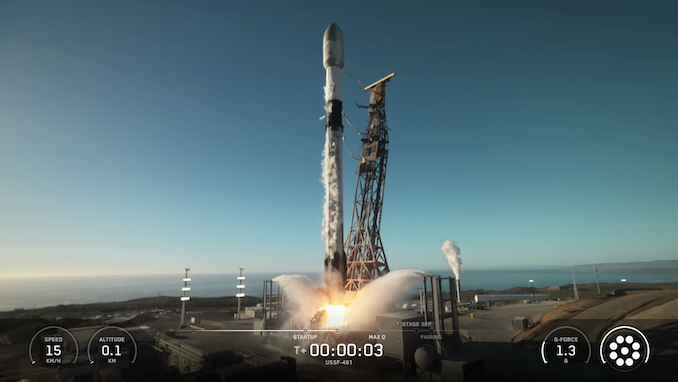
On Oct. 15, 2026, SpaceX launched its 28th Falcon 9 flight from Vandenberg Space Force Base, carrying a classified USSF‑481 payload for the U.S. Space Force. Booster B1081 lifted off at 5:01 p.
LandSpace Launches Zhuque-2E Carrying Eight ADAspace Orbital Data Center Satellites
Original Publication Date: 2026-10-15 21:07
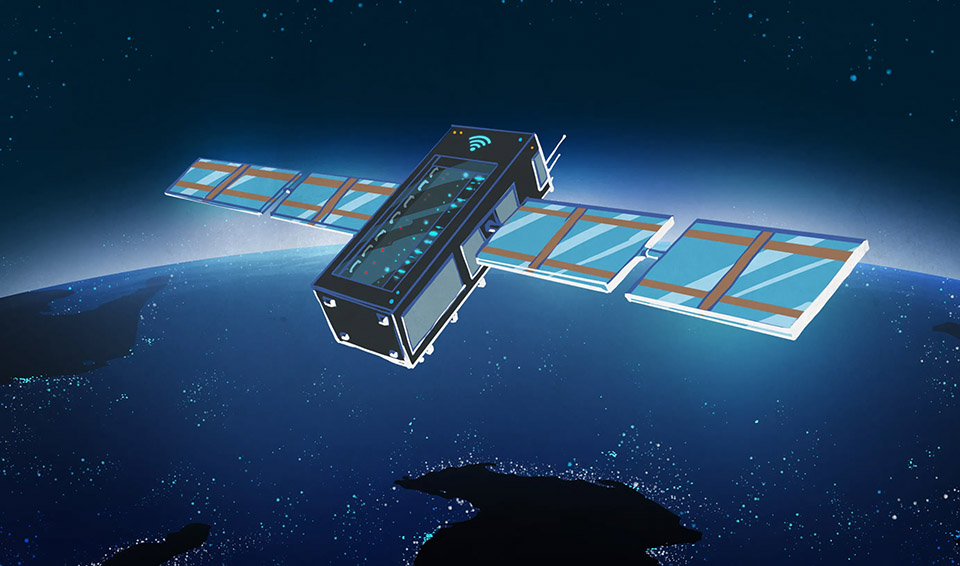
On Wednesday, October 14, 2026, Chinese launch provider LandSpace launched its Zhuque‑2E carrier rocket from the Jiuquan Satellite Launch Center. The vehicle carried 10 satellites into a sun‑synchronous orbit, successfully completing the mission. This launch underscores LandSpace’s growing presence in the commercial launch market.
NearSpace Launch manifest TROOP-F6 Aboard SpaceX Bandwagon-6 for Space Weather and SSA Missions
Original Publication Date: 2026-10-15 20:47
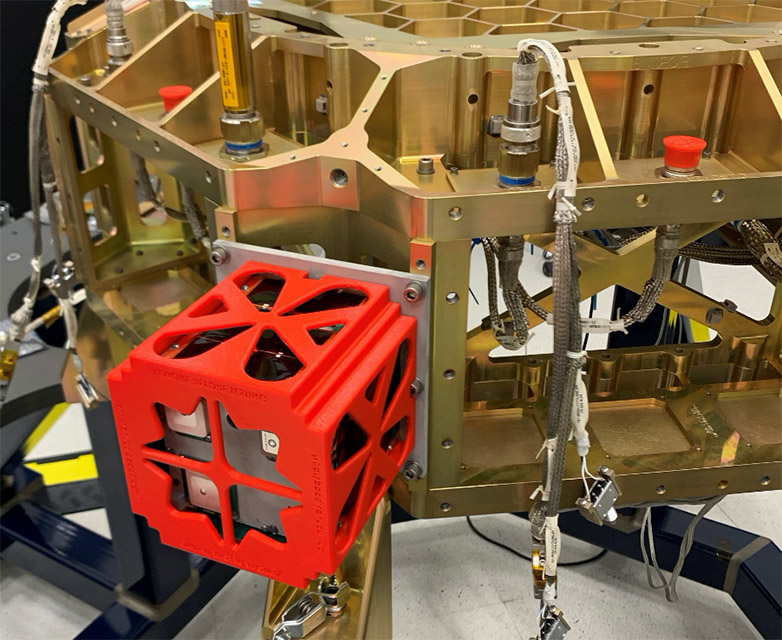
NearSpace Launch Inc., a Upland, Indiana‑based small satellite manufacturer, announced that its TRO
Scanway Joins International Astronautical Federation to Expand Global Optics Footprint
Original Publication Date: 2026-10-15 18:30

Polish space‑technology firm Scanway S.A. Announced on October 12, 2026, that it has officially joined the International Astronautical Federation (IAF). The IAF approved the company’s membership on October 5, 2026, expanding its global network of aerospace innovators. Scanway’s inclusion underscores Poland’s growing presence in the space sector and its commitment to international collaboration. The new affiliation will enable the company to participate in IAF conferences and contribute to shaping future space policy.
Viasat Named Connected Car Innovation of the Year for Satellite NTN Automotive Integration
Original Publication Date: 2026-10-15 15:56
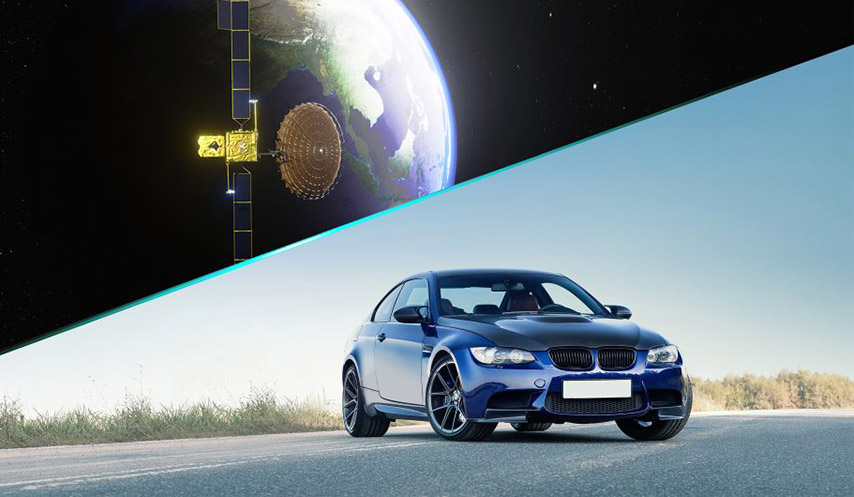
Viasat Inc. Has been honored with the Connected Car Innovation of the Year award at the 7th annual AutoTech Breakthrough Awards, announced on Thursday, October 15, 2026. The accolade recognizes Viasat’s cutting‑edge satellite communications solutions that are transforming in‑vehicle connectivity. Industry experts praised the company’s breakthrough technology for enhancing driver safety and data reliability. Viasat’s achievement underscores its leadership in the rapidly evolving connected‑car market.
Isaias Dims the Gulf Coast
Original Publication Date: 2026-10-16 04:00

NASA’s Black Marble HD satellite images reveal the blackout caused by Hurricane Isaias, with nighttime lights dimming sharply around Pensacola and along the Route 98 corridor to Destin after the Category 2 storm hit on October 9. The data show widespread power outages as trees fell and power lines snapped, while pockets of light—such as the airport and downtown—hint at backup systems keeping some areas lit. By October 12, many lights were back on, and by October 14 the illumination patterns closely matched pre‑storm levels, illustrating the pace of recovery across the Gulf Coast. These high‑resolution images give emergency crews a clear view of where power is still missing and where it has been restored.
Power Up: Roll Out Solar Arrays Boost Space Station Power Supply
Original Publication Date: 2026-10-15 17:30

NASA has upgraded the International Space Station’s power supply with lightweight, roll‑out solar arrays that unfurl like a yoga mat, adding 28 kilowatts each. Six of these arrays were installed between 2021 and 2023, and a seventh launched in 2023, bringing the total to eight and boosting the station’s power by more than 160 kilowatts. The arrays were designed by Redwire under a Boeing contract and delivered aboard SpaceX Dragon resupply missions. This enhanced power system not only sustains current research but also supports future deep‑space missions and planetary defense tests.
Carbon Fibre Troubles Force Rocket Lab to Delay Neutron Debut to No Earlier Than 2027
Original Publication Date: 2026-10-16 03:49

Rocket Lab has pushed back its Neutron launch to 2027 after a carbon‑fiber propellant tank ruptured during testing. The failure traced to a hand‑laid composite used while the company built its automated fiber‑placement machine, which later revealed voids in thicker sections. Despite the setbacks, Rocket Lab plans to finish the forward dome, re‑assemble a new tank, and complete testing by early 2027 before announcing a flight date. The delay underscores the challenges of using high‑strength carbon‑fiber in medium‑lift rockets, a hurdle shared by other firms like Firefly and Northrop Grumman.
Seraphim Space Investment Trust Doubled its Value in 2026
Original Publication Date: 2026-10-16 05:30

Seraphim Space Investment Trust has doubled its FY26 valuation to £605.5 million, driven by strong performance from its core holdings such as ICEYE, ALL.SPACE, D‑Orbit, HawkEye 360 and Xona Space Systems, which together make up over 75% of the portfolio.
BlackSky Renews HEO Deal, Adds Gen-3 Imagery for Space Domain Awareness
Original Publication Date: 2026-10-15 12:30
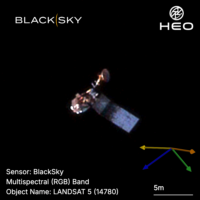
BlackSky Technology has renewed its partnership with Australian non‑Earth imaging provider HEO for a seventh‑figure, one‑year contract, upgrading to its high‑resolution Gen‑3 satellites. The deal gives HEO customers sharper 35‑cm imagery, enabling faster, more frequent space domain awareness and detailed inspections of satellite subsystems without building new spacecraft. With BlackSky’s expanding Gen‑3 fleet and HEO’s growing sensor network, operators can now track more objects in orbit, detect anomalies, and better maintain the expanding space infrastructure.
Astronomers discover the 1st ever green star, a cosmic zombie just in time for Halloween
Original Publication Date: 2026-10-15 20:00

Scientists have identified the first ever green star, a white dwarf that has been eating its orbiting planets, causing sodium in its atmosphere to absorb orange light and emit a ghostly green glow. Located 326 light‑years away, WD J1330+6435 is the first star ever credibly reported to display this unusual hue, challenging the long‑held belief that white dwarfs only appear white or blue. The discovery, led by Mark Hollands of the University of Warwick, shows that the extreme density of white dwarfs can alter their colors, revealing a rainbow of possibilities from pink to purple to cyan. This finding opens a new window into the late stages of stellar evolution and the colorful aftermath of planetary destruction.
On this day in space! Oct. 15, 1997: NASA launches Cassini-Hugyens probe on 7-year voyage to Saturn
Original Publication Date: 2026-10-15 19:13
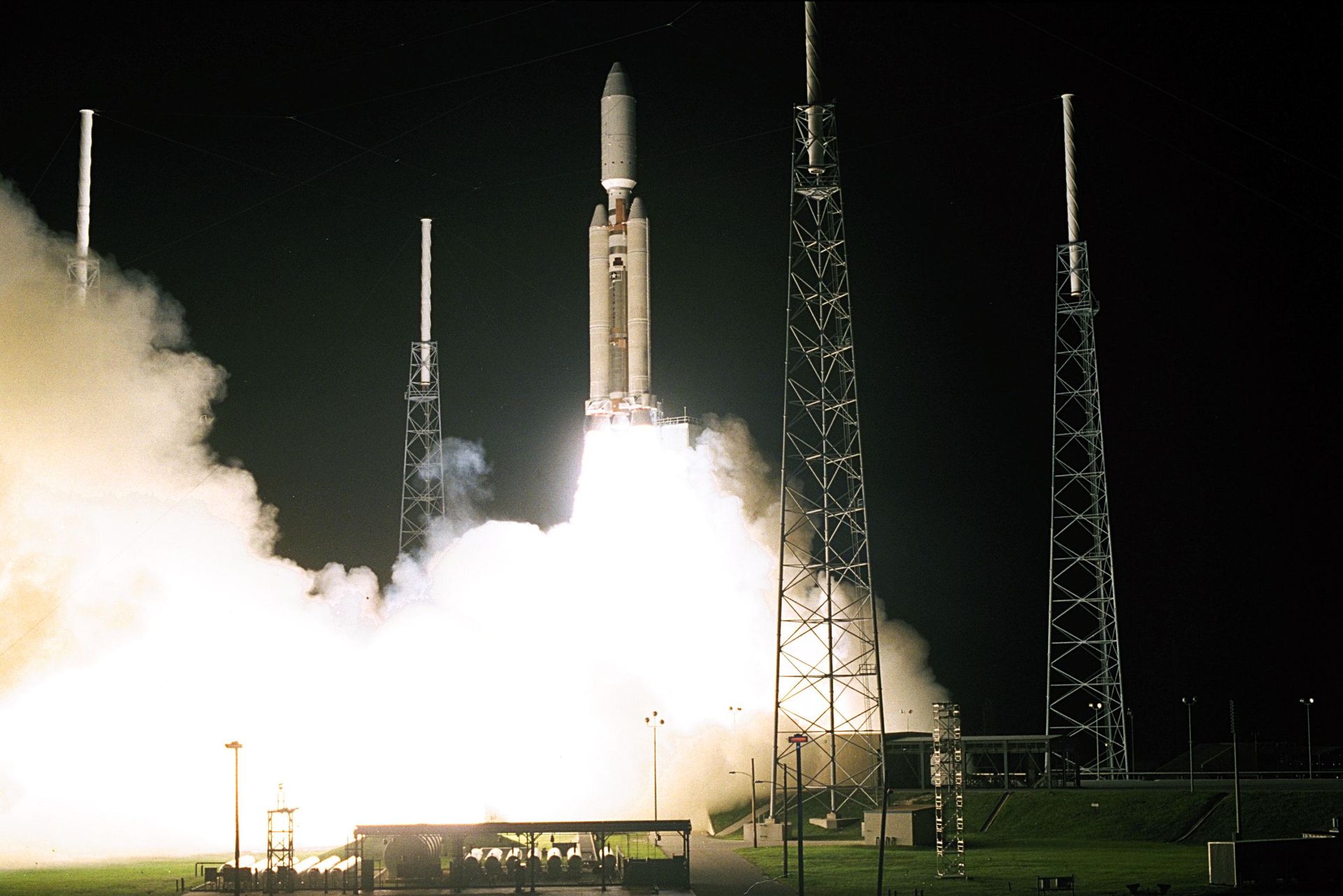
On Oct. 15, 1997 NASA launched the Cassini spacecraft aboard a Titan IVB from Cape Canaveral, embarking on a seven‑year journey to Saturn.
NASA's SkyFall helicopters will 'show us parts of Mars we've never seen before', scientists say
Original Publication Date: 2026-10-15 16:00
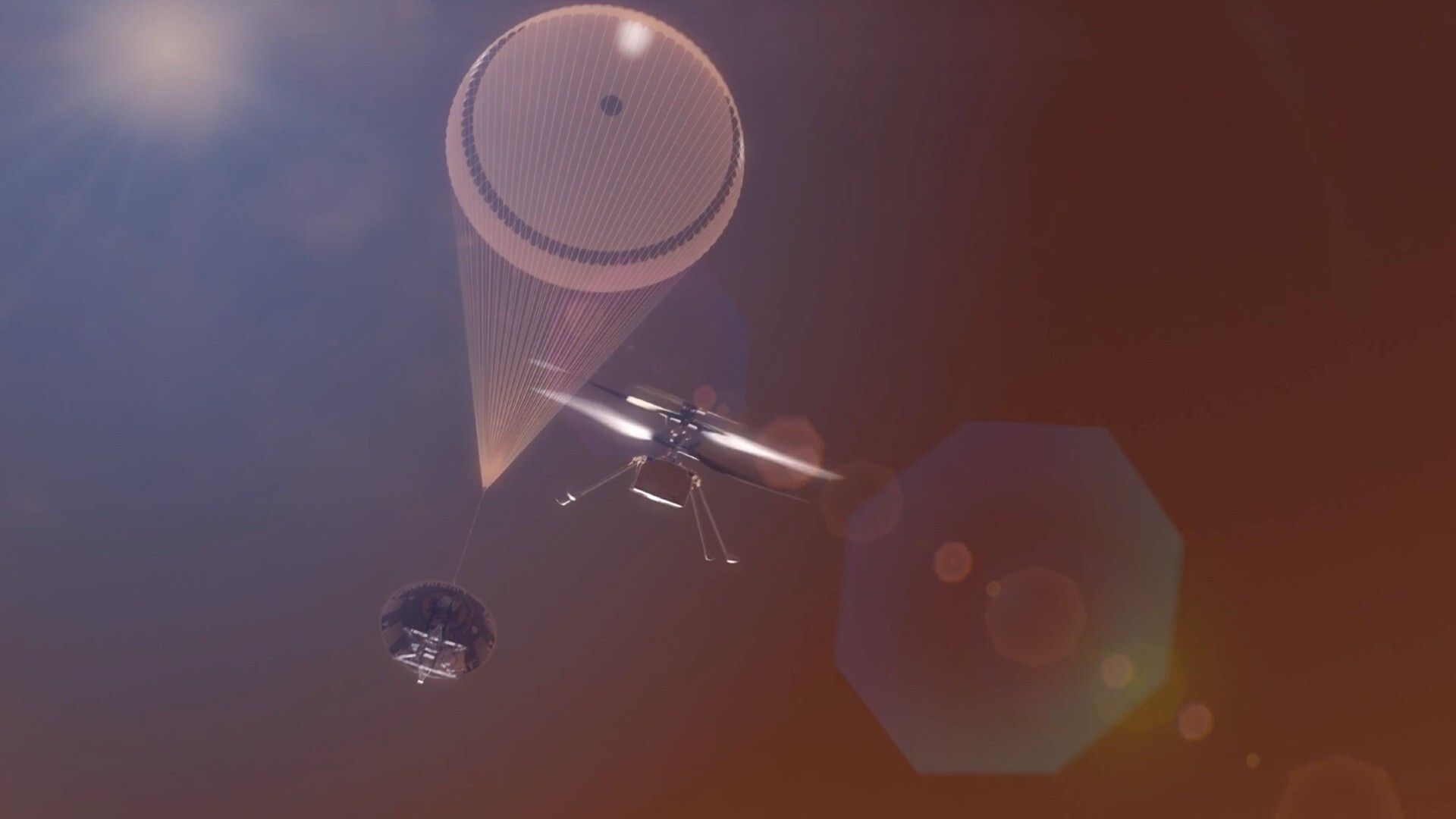
NASA is accelerating the development of three SkyFall helicopters that will launch aboard the 2028 SR‑1 Freedom nuclear‑powered spacecraft to Mars. These craft will deploy from an entry capsule at about 3,300 feet, land independently, and then fly 125–185 miles to study subsurface ice, geology, and meteorology. Each helicopter is built to last up to a year, carrying five scientific instruments and a ground‑penetrating radar, and will fly every other sol. Scientists will select landing sites in workshops next year, targeting glacial terrains with subsurface water ice to maximize the mission’s scientific return.
Windblown yardangs on Mars | Space photo of the day for Oct. 15, 2026
Original Publication Date: 2026-10-15 14:00
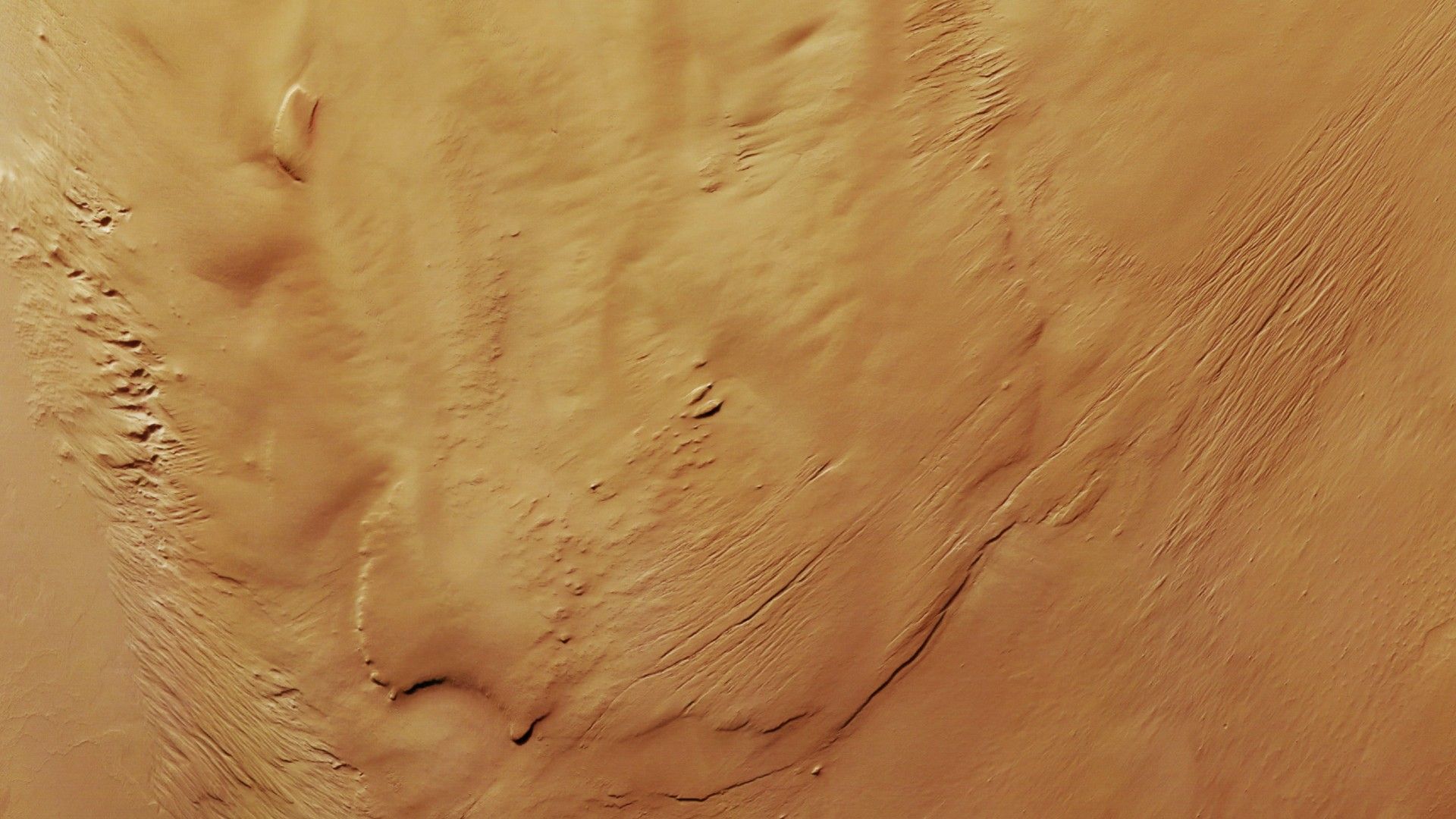
European Space Agency’s Mars Express has released a new image of Amazonis Mensa, revealing windblown ridges called yardangs that ripple across the planet’s surface. The photograph shows large impact craters, many filled by ancient lava flows, while the yardangs illustrate how strong Martian winds sculpt the terrain in different directions. These features provide scientists with fresh insight into the Red Planet’s geological history and the powerful erosive forces at work. The image underscores the continued value of Mars Express in unraveling the mysteries of our neighboring world.
Neutron's first launch slips again amid trouble with carbon composites
Original Publication Date: 2026-10-15 16:57
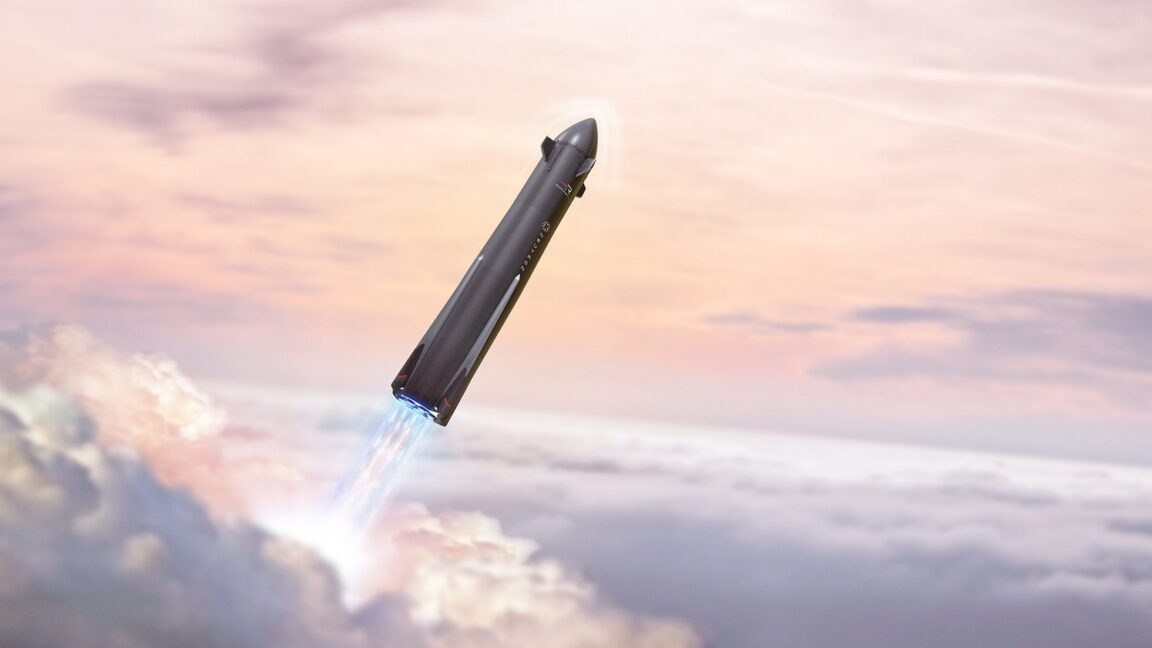
Rocket Lab has pushed the first flight of its Neutron launch vehicle back to 2027 after discovering manufacturing problems with the rocket’s carbon composite structures. The company had previously suggested a 2023 launch, but the new delay confirms that production challenges will keep the first flight into next year. Neutron’s reusable first stage relies on lightweight, high‑strength composites that are notoriously difficult to fabricate, causing the setback. Rocket Lab remains committed to delivering the vehicle to its Wallops Island launch pad as soon as the manufacturing hurdles are resolved.