 Spotify
 Apple Podcasts
 Podcast Addict
 Overcast
 Podcast RSS
Fresh crew takes off for six-month stay aboard space station
Original Publication Date: 2026-10-01 20:46
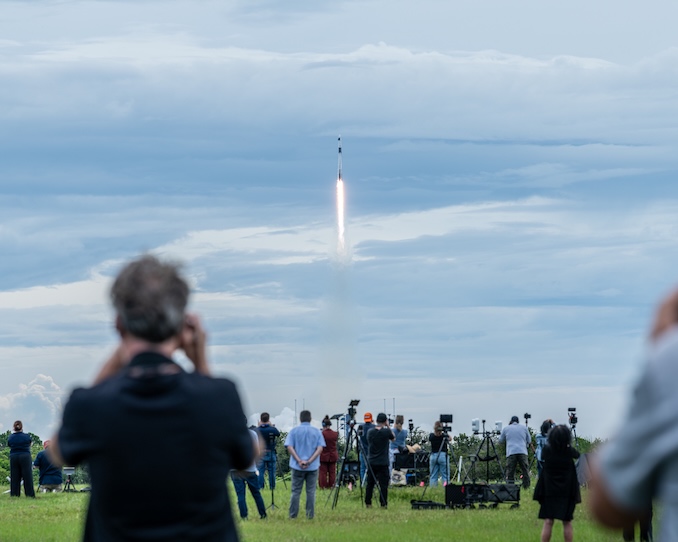
SpaceX’s Falcon 9 lifted off from Cape Canaveral on Oct. 1, 2026, carrying NASA’s Crew 13—Commander Jessica Watkins, pilot Luke Delaney, Russian cosmonaut Sergey Teteryatnikov, and Canadian astronaut Joshua Kutryk—to the International Space Station. The launch, delayed a month to fix a leaking valve, saw the first stage return to land at Landing Zone 40 while the Crew Dragon separated and docked in record eight hours. Kutryk, who is expecting his third child while in orbit, joins a rare group of couples who have had a child born while one parent was in space.
FCC Votes to Exempt Satellite Licensing from NEPA Environmental Reviews and Opens 1,000 MHz of Spectrum
Original Publication Date: 2026-10-01 17:52

On September 30, 2026, the Federal Communications Commission voted 2‑1 to codify a ruling that satellite licensing is categorically excluded from environmental review, streamlining the approval process for satellite operators. The decision removes the requirement for environmental impact statements in the licensing of satellite services. Industry analysts say the move could accelerate the deployment of new satellite constellations. This change reflects the FCC's ongoing effort to reduce regulatory burdens on communications infrastructure.
BAE Systems Awarded $16 Million Collins Aerospace Contract to Deliver M-Code GPS for U.S. Navy Carrier Landings
Original Publication Date: 2026-10-01 15:55
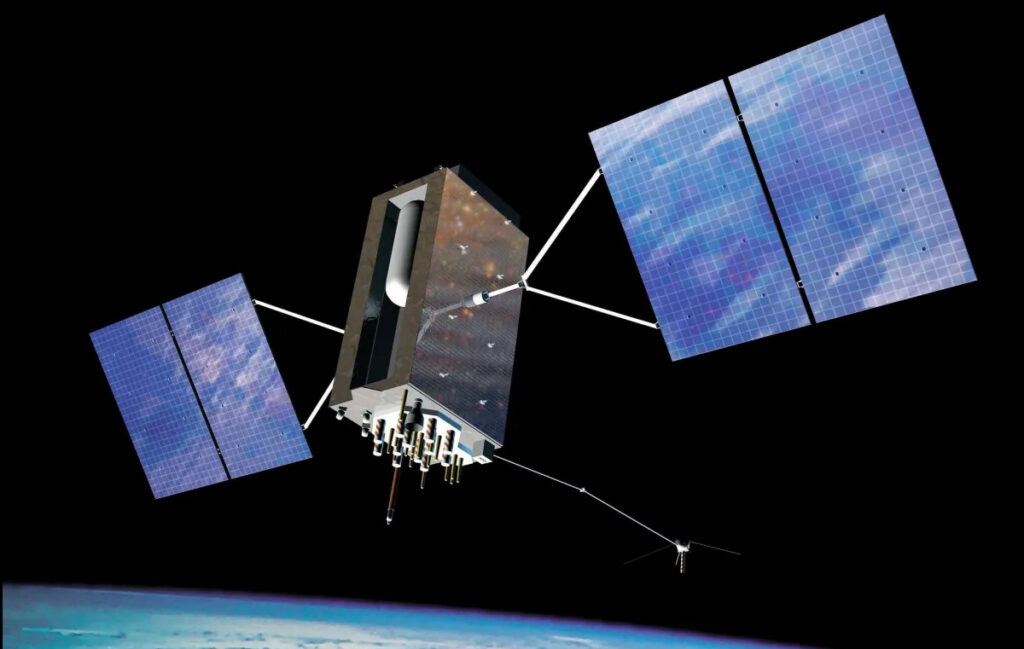
BAE Systems won a $16 million contract from Collins Aerospace to design and integrate an M‑Code Global Positioning System into the United States’ air traffic control infrastructure. The new system will provide aircraft with more accurate, secure navigation data, enhancing safety and efficiency for the national airspace. The partnership is part of a broader effort to modernize FAA operations and support the growing demand for precise, reliable positioning. This upgrade is expected to improve flight safety across the country.
PLD Space and CNES Partner to Expand Launch Infrastructure at Guiana Space Centre
Original Publication Date: 2026-10-01 14:43
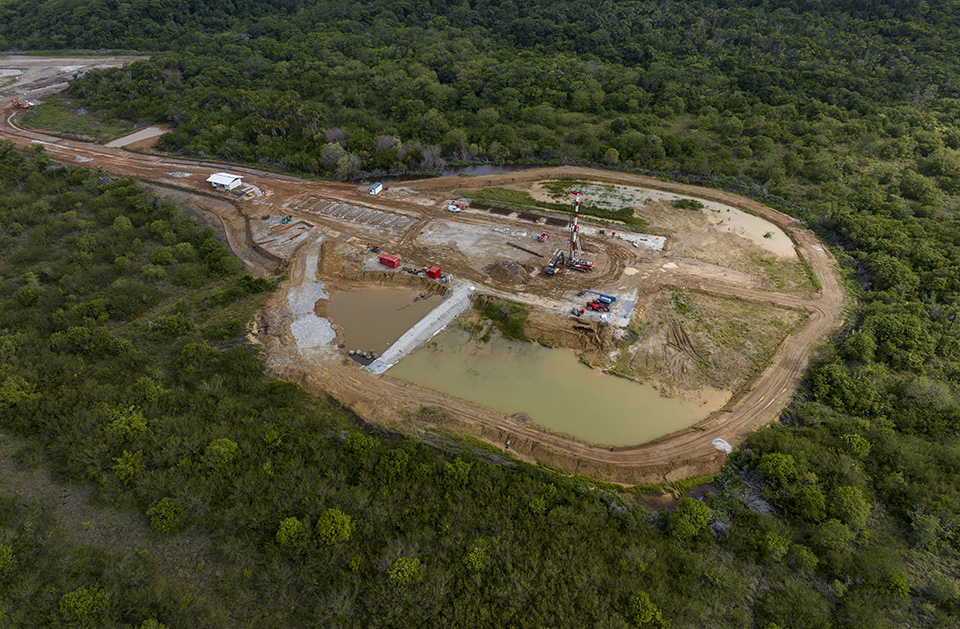
On October 1, 2026, Spanish launch service provider PLD Space and France’s CNES entered a bilateral agreement to strengthen cooperation in space launch capabilities.
ICEYE and Nokia Partner to Develop Sovereign LEO Satellite Communications Systems for Defense
Original Publication Date: 2026-10-01 14:32
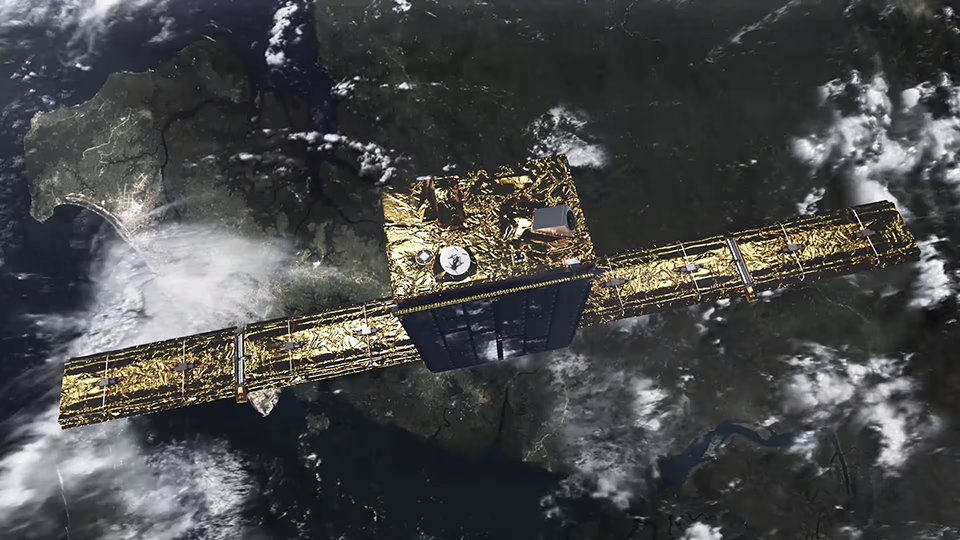
On Thursday, October 1 2026, Finnish satellite maker ICEYE and telecom giant Nokia announced a strategic partnership to build a sovereign, high‑performance low
BEC Technologies Launches MX-340-IRD Hybrid Cellular and Satellite Gateway for Remote Infrastructure
Original Publication Date: 2026-10-01 14:26

In September 2026, BEC Technologies unveiled the MX‑340‑IRD, a hybrid IoT gateway that combines LTE‑M cellular connectivity with Iridium Short Burst Data satellite links. The device offers dual‑mode operation, allowing reliable data transmission in remote or network‑challenged environments. Designed for industrial and critical‑infrastructure applications, it supports low‑power, long‑range communication and can seamlessly switch between cellular and satellite networks. The MX‑340‑IRD aims to provide resilient connectivity for IoT deployments worldwide.
Rains Swamp the Gandak River
Original Publication Date: 2026-10-02 04:01

Late monsoon rains from September 24‑27 drenched Nepal’s Lumbini and Gandaki provinces, triggering massive landslides and sending the Gandak River—also called the Narayani—into record‑setting floods.
10 Things: Movie Night
Original Publication Date: 2026-10-02 00:25
NASA invites viewers to a free, on‑demand movie night featuring a lineup of documentaries that take you from Europa to Titan, the lava tubes of Mauna Loa, and beyond. The streaming service, NASA+, offers original series, live launch coverage, and kids’ content—all without a subscription. In addition, the agency’s Jet Propulsion Laboratory and Scientific Visualization Studio provide high‑quality videos and animations that bring space science to life. Tune in, grab some popcorn, and explore the universe from the comfort of your own home.
NASA Awards Enterprise Logistics Support Services Agreements
Original Publication Date: 2026-10-01 20:34
NASA has awarded 16 companies $1.4 billion in blanket purchase agreements to deliver Enterprise Logistics Support Services, covering everything from equipment and property management to flight hardware support and export control. The five‑year base ordering period starts this Thursday and runs through September 30, 2031, with optional one‑year extensions and a six‑month option. These agreements, issued under the GSA’s One Acquisition Solution, give NASA flexibility to choose firm‑fixed‑price, time‑and‑materials, labor‑hour, or hybrid contract types. The selected firms include Akima, ASRC, KBR, Leidos, Tetra Tech, and several others, all poised to streamline NASA’s cost and resource management.
Falcon Heavy set to launch classified NROL-97 to high-energy orbit
Also covered by: Spaceflight Now
Original Publication Date: 2026-10-01 19:17

SpaceX’s Falcon Heavy lifted off from Florida’s Launch Complex 39A on Oct. 1, 2026 at 11:53 PM EDT to deliver the classified NROL‑97 payload for the National Reconnaissance Office. This is the first time the NRO has flown a mission on Falcon Heavy, after previously using 22 Falcon 9 rockets. The three‑stage launch achieved a high‑energy orbit, with the two side boosters landing safely while the center core was expended to maximize performance, marking the fastest turnaround between Falcon Heavy flights since the Nancy Grace Roman Space Telescope.
Canada Rocket Company plans first large-scale engine test site in London, Ontario
Original Publication Date: 2026-10-01 15:30

Canada Rocket Company is building Canada’s first large‑scale rocket engine test facility at London International Airport, a $30 million complex that will house up to three vertical and horizontal stands for static firings of its methalox engines. The Jeremy Hansen Test Facility, named for the first Canadian to fly around the Moon, is slated to be fully operational by 2028 and will support the development of a reusable medium‑lift launch vehicle capable of delivering 12,500 kg to sun‑synchronous orbit.
Starfish Otter, other payloads launch on Transporter 18
Original Publication Date: 2026-10-01 12:55

SpaceX fired its 110th Falcon 9 on Thursday, Oct. 1 from Vandenberg, launching Transporter 18 with 130 payloads into sun‑synchronous orbit, marking the first time the company used all three Falcon‑capable launch pads in quick succession. The rideshare carried a Google AI satellite prototype, NASA’s SPRITE telescope, and Starfish Space’s Otter servicing vehicle, among 45 other small satellites. After a southerly trajectory, the first stage performed a return‑to‑launch‑site maneuver and touched down safely at Landing Zone 4.
Skyrora Shifts Orbital Launch Timeline to 2030
Original Publication Date: 2026-10-02 07:34
UK launch startup Skyrora has just completed a 45‑second hot‑fire test of a scaled‑down engine that will power the first stage of its future orbital Skylark XL rocket. The data will guide upgrades to the larger 70‑kN engine and help the company refine its interface, firing operations and tank design.
Transporter-18 Tests the Building Blocks of Orbital Data Centers
Original Publication Date: 2026-10-01 22:31
SpaceX’s Transporter‑18 launch from Vandenberg carried three payloads that are testing key components of future orbital data centers. Cowboy Space’s Reason‑1 will beam solar power to Earth via laser, Google’s Project Suncatcher is running AI chips on solar power in orbit, and Star Catcher’s Protostar will demonstrate power beaming between spacecraft. These experiments are paving the way for a future network of laser‑linked satellites that could provide on‑orbit computing power and energy, potentially reducing data‑center electricity costs by the 2030s. The mission marks a significant step toward commercial orbital energy and computing infrastructure.
Satlyt Raises $8M Seed to Expand Its Virtual ODC Network
Original Publication Date: 2026-10-01 13:00

Satlyt has closed an $8 million seed round led by non sibi ventures, pushing its total funding past $10 million and enabling rapid expansion of its virtual orbital‑data‑center network. Founded in 2024 by SpaceX and Google alum Rama Afullo, the company injects AI‑inference software into partner satellites—either pre‑programmed or uploaded in‑flight—to process data in orbit and downlink only essential outputs. The firm recently secured a $4 million NASA STTR contract and demonstrated its technology using Google’s Gemma AI model, validating in‑space image processing and fault diagnosis. With new capital, Satlyt plans to hire engineers, boost R&D, and aim to onboard 30 percent of all non‑Starlink satellites by the end of the decade, while partnering with xOrbita and Symphony Space to offer complementary software‑defined in‑space architecture.
Space Insurer Charter Space Raises $5M Seed Round
Original Publication Date: 2026-10-01 12:28

Charter Space, a California‑based startup, has just closed a $5 million seed round led by Crystal Venture Partners to accelerate its space‑insurance platform, bringing total funding to $8 million since its 2021 launch. The company’s Charter Interplanetary Risk Corporation uses its Ubik management tool and AI underwriting to cut policy approval time from months to about two weeks, addressing the fact that roughly 97 % of spacecraft in orbit remain uninsured. With a backlog of over $35 million in gross written premiums and more than 50 clients already covered, Charter plans to expand its salesforce and broaden coverage to include nuclear‑powered craft, in‑space servicing, and lunar hardware. This investment is expected to make insurance more accessible to small and medium‑sized space ventures, encouraging more missions and keeping the U.S. At the forefront of the space economy.
Venus' mysterious haze is actually cosmic dust
Original Publication Date: 2026-10-01 22:27

Scientists have finally unraveled the long‑mysterious lower haze that blankets Venus, thanks to data from the 1970s Venera and Pioneer Venus probes. The haze is built from particles left behind when meteorites burn up, and when they react with sulfuric acid they form a persistent cloud‑like layer. A team led by Hiroki Karyu at Tohoku University used a microphysical model to show that the continuous influx of cosmic dust supplies enough particles to sustain the haze and even seed cloud formation higher up. The study, published in Nature Astronomy, confirms that these extraterrestrial dust particles act as efficient condensation nuclei, reshaping our understanding of Venus’s atmosphere.
SpaceX describes surgical intervention before launch of latest crew mission
Also covered by: Spaceflight Now
Original Publication Date: 2026-10-01 22:07
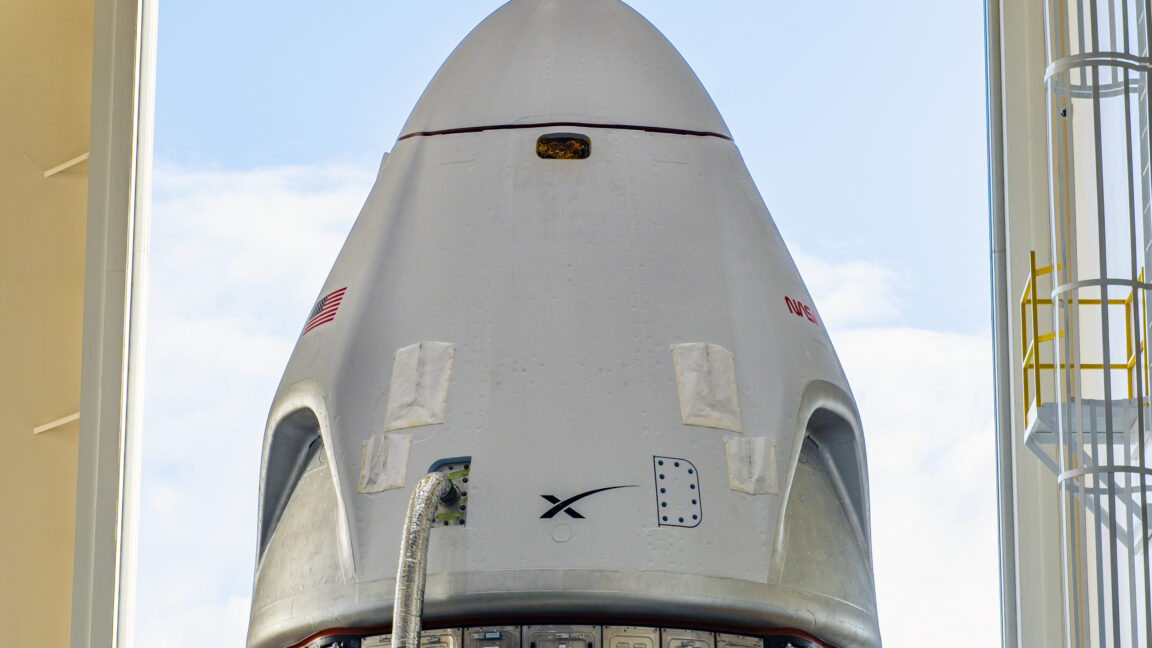
SpaceX’s Dragon spacecraft “Grace” launched Thursday morning from Cape Canaveral’s Launch Complex 40 aboard a Falcon 9, carrying NASA’s four‑person Crew‑13 to the International Space Station. The launch, which began at 11:10 a.m. EDT, had been postponed from mid‑September to replace a faulty valve in the Dragon’s propulsion system. Within nine minutes the Dragon was in orbit and the crew began closing in on the ISS for an evening docking. The six‑month mission continues the partnership between NASA and its commercial partners to keep the space station fully staffed.