 Spotify
 Apple Podcasts
 Podcast Addict
 Overcast
 Podcast RSS
Blue Origin reveals new kick stage, engines for its New Glenn rockets
Also covered by: NASASpaceFlight
Original Publication Date: 2026-11-05 22:34

Blue Origin announced the new Glenn Stage 3 (GS3) at its Up.Summit event at Kennedy Space Center, following a late‑May pad explosion. The third stage will enable direct geostationary orbit and Earth‑escape trajectories, boosting New Glenn’s payload to 8 t to GEO and 10 t to trans‑lunar on the 7×2 configuration and 14 t/20 t on the 9×4 variant.
Spacewalkers complete five-year effort to upgrade space station power supply
Also covered by: NASASpaceFlight, Space.com
Original Publication Date: 2026-11-05 22:28

NASA and the Canadian Space Agency astronauts Anil Menon and Joshua Kutryk completed the final installation of the International Space Station Roll‑Out Solar Array (IROSA) during EVA‑101 on Nov. 5, 2026.
Pentagon Commits $150M OSC Loan to LeoLabs in $300M Radar Network Expansion
Original Publication Date: 2026-11-06 00:42
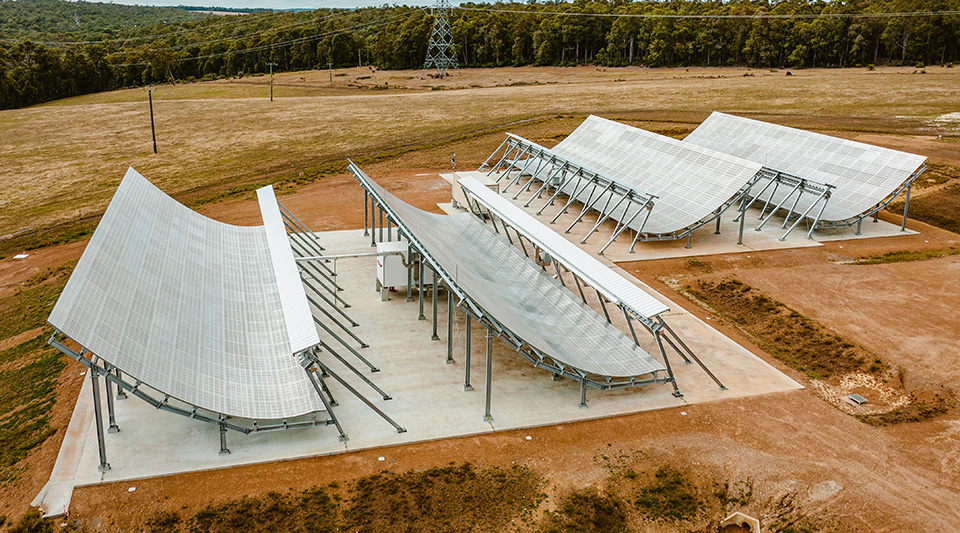
The Pentagon’s Office of Strategic Capital has committed a conditional $150 million loan to commercial space‑tracking firm LeoLabs to fund the expansion of its ground‑based radar network.
Redwire Wins $20M DARPA Contract for Scaled SabreSat VLEO Precursor Flight
Original Publication Date: 2026-11-05 22:45
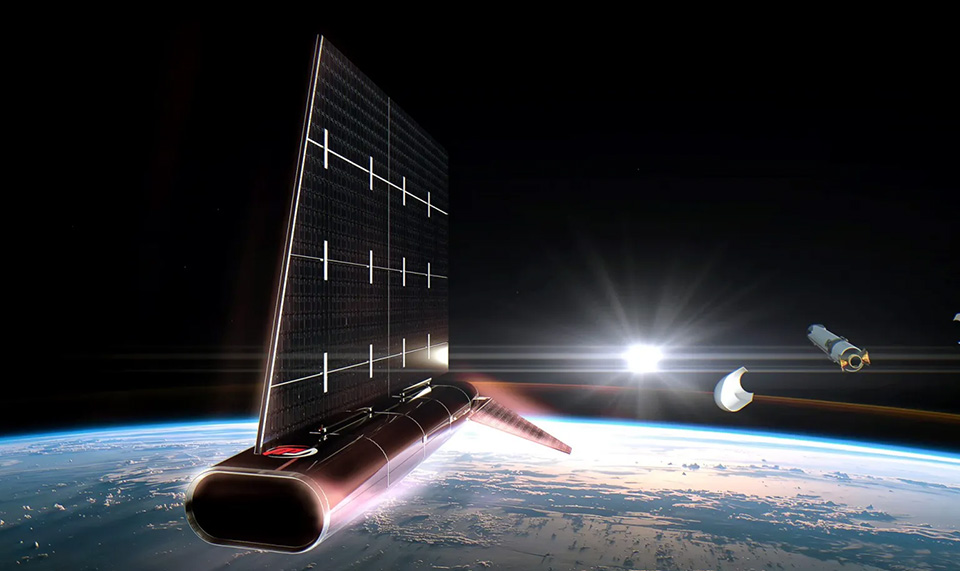
Redwire Corporation has won a $20 million contract from the Defense Advanced Research Projects Agency to carry out further testing and experimentation under the agency’s Otter program. The deal expands Redwire’s role in developing advanced technologies for future defense applications. The company will conduct a series of experiments designed to validate new concepts and push the boundaries of current capabilities. This partnership underscores DARPA’s commitment to fostering innovative solutions through private sector collaboration.
NASA Awards $1.07B in Ka-Band Space Relay Contracts to Viasat, SES and Astranis
Original Publication Date: 2026-11-05 22:35
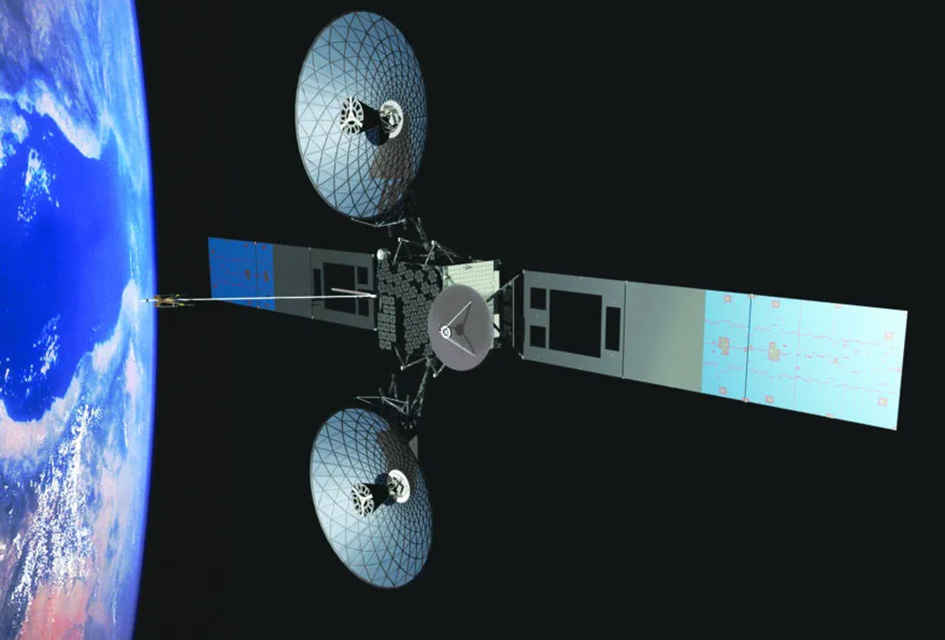
NASA has awarded contracts worth up to $1.07 billion to Viasat, SES, and Astranis Space Technologies to develop commercial Ka‑band space relay concepts. The agreements aim to advance high‑throughput communication links between Earth and orbiting platforms. By partnering with these industry leaders, NASA seeks to enhance data transfer for future missions. The deals underscore the agency’s commitment to leveraging commercial expertise for space exploration.
SpaceX Selects Qualcomm to Supply Terrestrial Base Stations for Starlink Mobile Network
Original Publication Date: 2026-11-05 18:15
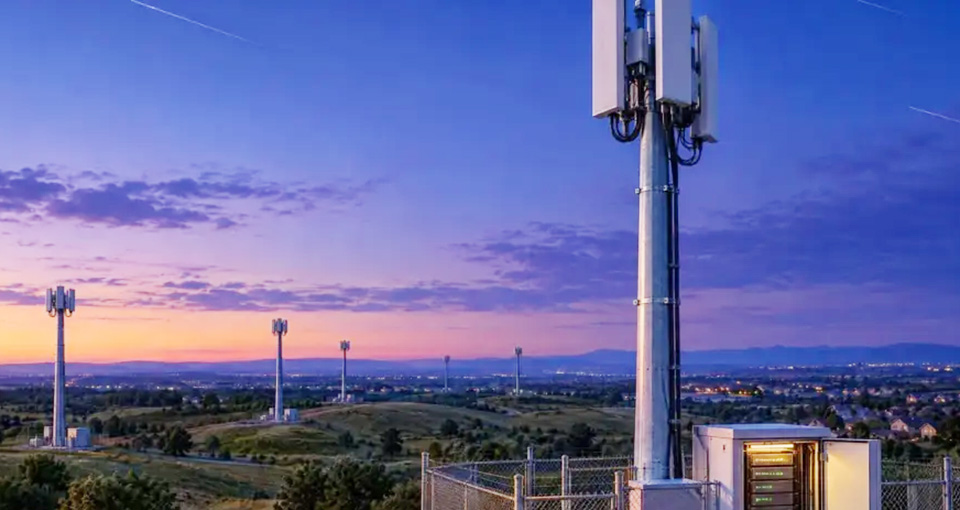
SpaceX has chosen Qualcomm Technologies to supply terrestrial base stations for its upcoming nationwide Starlink Mobile network, according to a November 4 report. The multi‑year partnership will blend Qualcomm’s advanced infrastructure with SpaceX’s satellite constellation, aiming to deliver high‑speed mobile connectivity across the United States. By integrating satellite and terrestrial technologies, the collaboration is expected to accelerate Starlink Mobile’s rollout and expand coverage to areas currently underserved by traditional cellular networks. The partnership promises to enhance network reliability and performance for consumers nationwide.
Ubotica Demonstrates Autonomous Onboard Satellite Scheduling for Maritime Surveillance
Original Publication Date: 2026-11-05 17:16
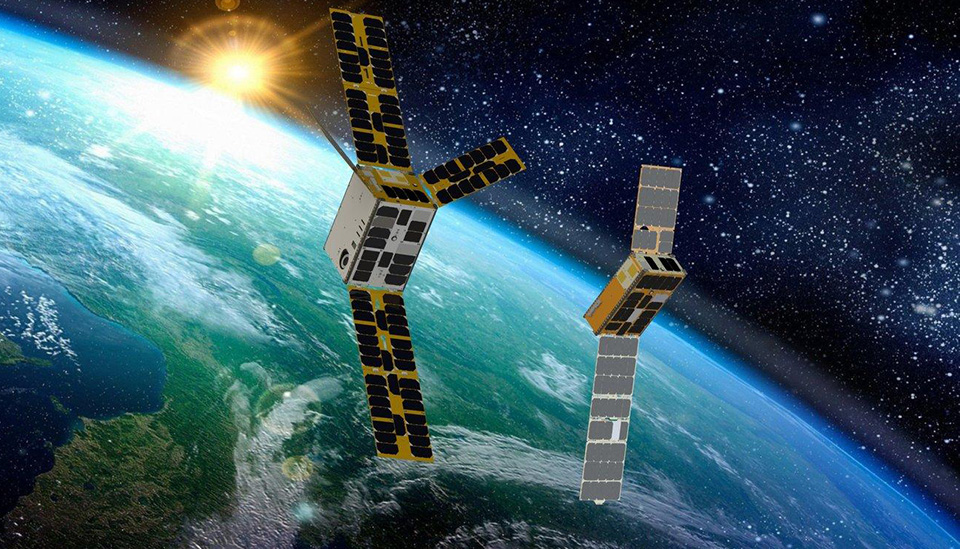
Space tech developer Ubotica Technologies showcased its autonomous onboard observation scheduling system on a low Earth orbit satellite, as announced on Nov. 4, 2026. The demonstration highlighted the satellite’s ability to plan imaging tasks independently, cutting back on ground‑control time and speeding data acquisition. By leveraging onboard AI, the system optimizes observation sequences in real time, boosting operational efficiency and mission flexibility. This breakthrough could significantly lower costs and increase the productivity of Earth‑observation missions.
Midwestern City Lights
Original Publication Date: 2026-11-05 15:17
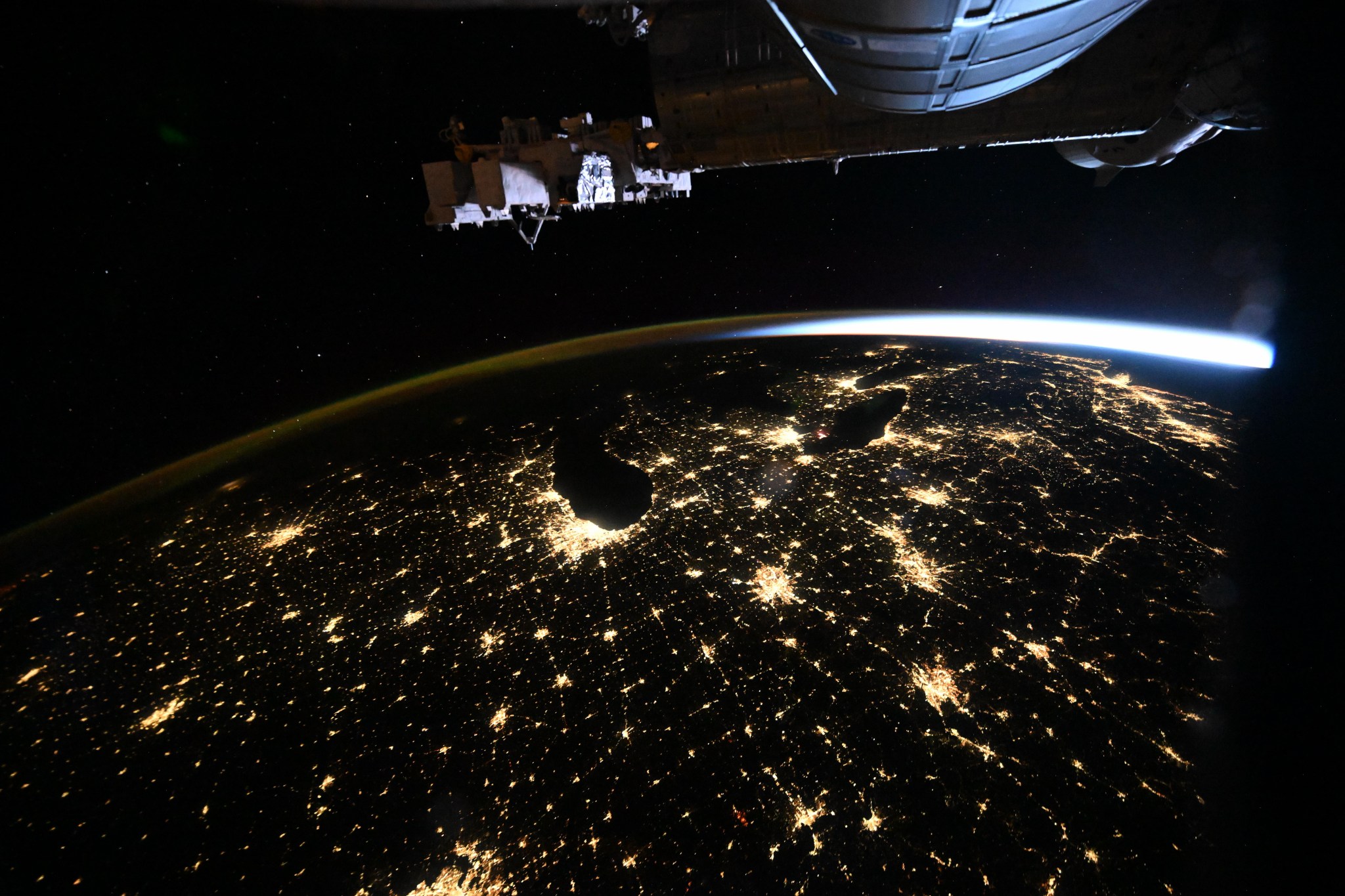
A stunning photo taken from the International Space Station shows city lights glittering across the Midwest and East Coast just before sunrise on Oct. 18, 2026. Major cities illuminated include Chicago, Detroit, and the New York metropolitan area. The ISS was orbiting at 259 miles above Earth when the image was captured. The photo was credited to CSA and photographer Joshua Kutryk.
NASA Astronauts to Answer Questions from Florida Students
Original Publication Date: 2026-11-05 15:11

NASA astronauts Jessica Watkins and Luke Delaney will answer STEM questions from students in Florida during a live call from the International Space Station on Tuesday, Nov. 10 at 10:40 a.m. EST, streamed on Learn With NASA. The event, hosted by Freedom Crossing Academy in St. Johns, offers K‑12 students a chance to deepen their understanding of space exploration and consider STEM careers. Media wishing to cover the session must RSVP by Nov. 9 to Christina Upchurch. The call highlights the ISS’s role in advancing science, commercial opportunities in low Earth orbit, and paving the way for Artemis and future Mars missions.
Hubble Learns Galactic History From Stars
Original Publication Date: 2026-11-05 12:56
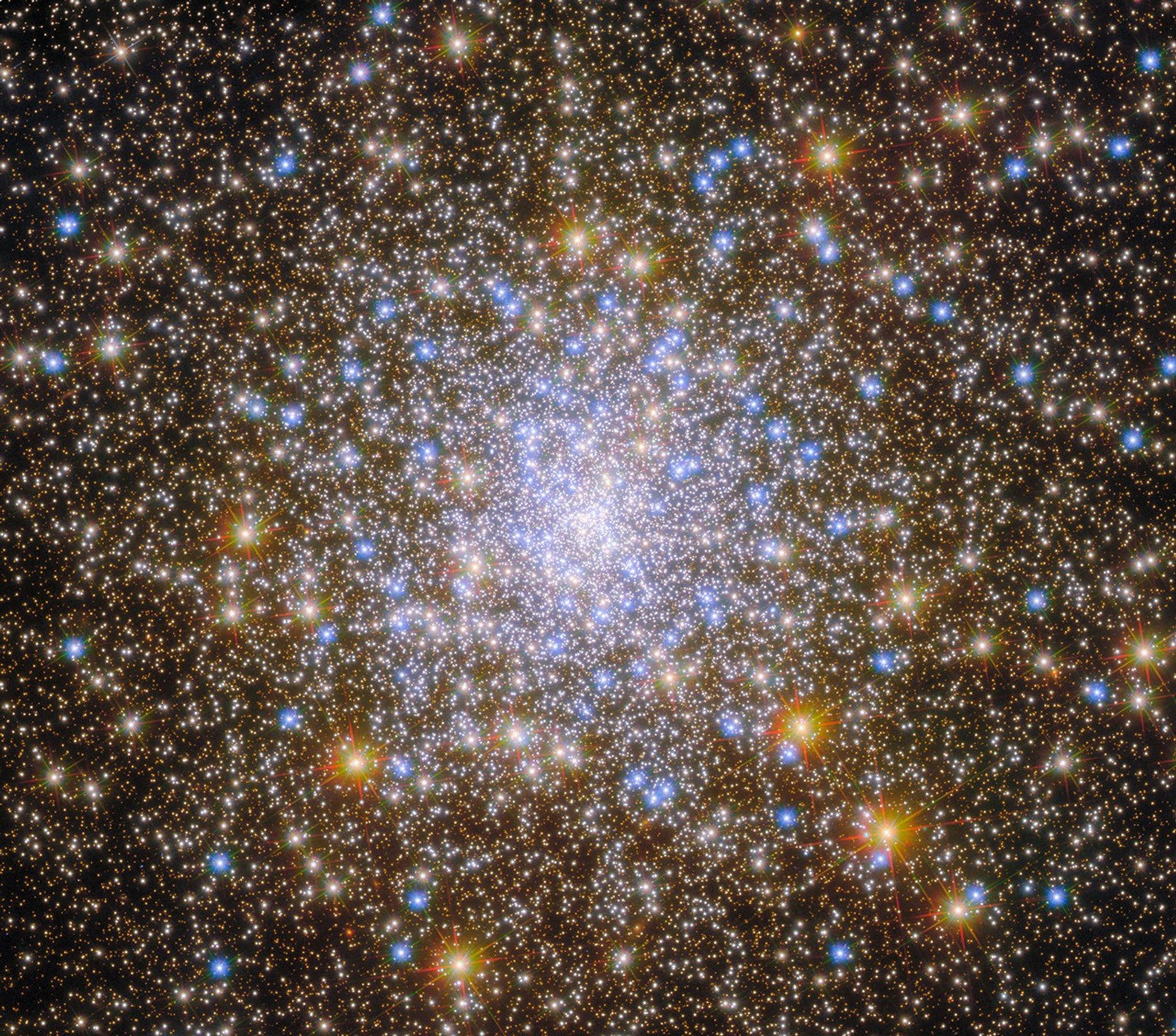
Hubble’s latest images of Messier 30, a globular cluster about 27,500 light‑years away, reveal stars that are 11.5 to 13.5 billion years old—almost as old as the universe itself. Multiple observing programs, using the Advanced Camera for Surveys and the Wide Field Camera 3, captured ultraviolet, visible and near‑infrared light to study exotic “blue straggler” stars and the cluster’s multiple stellar populations. Over a 15‑year span, Hubble has measured the proper motions of these stars, showing how different populations move and shedding light on the cluster’s internal dynamics. These long‑term, high‑resolution observations make Hubble indispensable for piecing together the Milky Way’s ancient history.
European Bodyguard Sats are Closer Thank You Think
Original Publication Date: 2026-11-06 07:15
European defense agencies are racing to field in‑orbit security platforms, and Swiss startup PAVE Space is leading the charge with its IBEX spacecraft slated to launch as early as February 2028. IBEX, a highly maneuverable 300‑kg platform, will enable missions ranging from reconnaissance to jamming and capture of hostile satellites, and its rapid development—just four months from design to a hosted payload—highlights the speed demanded by European ministries of defense. PAVE’s success is spurring a wave of other startups, such as Astroscale UK, OSMOS X, and Shield Space, to pursue similar “bodyguard” capabilities, underscoring a growing commercial‑military partnership that could reshape space security in the coming decade.
CesiumAstro Raises $730M, Reaches Valuation Above $4.5B
Original Publication Date: 2026-11-06 01:43
CesiumAstro has secured a $730 million financing round, led by Janus Henderson and backed by a $100 million debt facility from the U.S. Export‑Import Bank and JPMorgan, to launch its Synchronicity constellation of 737 satellites. The first satellite, Element‑1, already reached orbit on SpaceX’s Transporter‑18 rideshare, and the company plans to deploy the remaining fleet between 2028 and 2039, offering Ku‑, Ka‑, and V‑band communications with on‑board computing for commercial and national‑security customers. Recent acquisitions of Jariet Technologies, 1Aardvark, and Vidrovr have added advanced RF, mission‑software, and AI capabilities, while a $500 million investment will expand manufacturing in Austin and create 550 new jobs by 2030. CesiumAstro aims to achieve a 350‑satellite orbit by 2032, positioning itself as a major player in in‑space computing and resilient satellite communications.
Exclusive: Orbital Taps Orca Aerospace for Onboard Autonomy Software
Original Publication Date: 2026-11-05 14:00

Satellite autonomy startup Orca Aerospace has struck a deal worth up to $20 million with LA‑based Orbital to embed its onboard navigation software in Orbital’s
Why We Are Seeing a Growing Disconnect Between Public and Private Space Markets
Original Publication Date: 2026-11-05 09:09
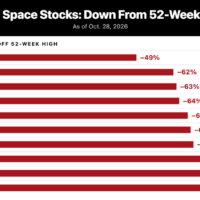
Space agencies and commercial firms are increasingly diverging in their objectives, timelines, and funding models, creating a growing disconnect between public and
On this day in space! Nov. 5, 2002: NASA's Galileo spacecraft flies by Jupiter moon Amalthea only to find it's a 'pile of icy rubble less dense than water'
Original Publication Date: 2026-11-05 18:27
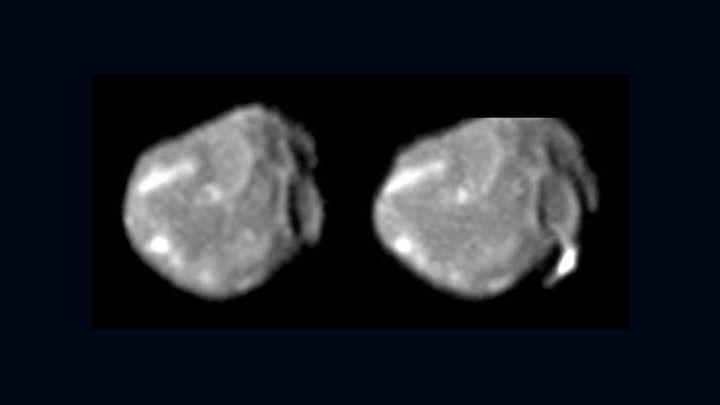
On Nov. 5, 2002, NASA’s aging Galileo probe performed a daring close flyby of Jupiter’s smallest moon, Amalthea, passing within 99 miles of the icy body. Despite being nearly out of fuel and surrounded by Jupiter’s lethal radiation, Galileo captured images that revealed Amalthea is a porous, low‑density pile of ice and rock—so light it’s less dense than water.
You don't have to go to the moon to see Earth differently: Artemis II astronaut Victor Glover on what really matters
Original Publication Date: 2026-11-05 17:00
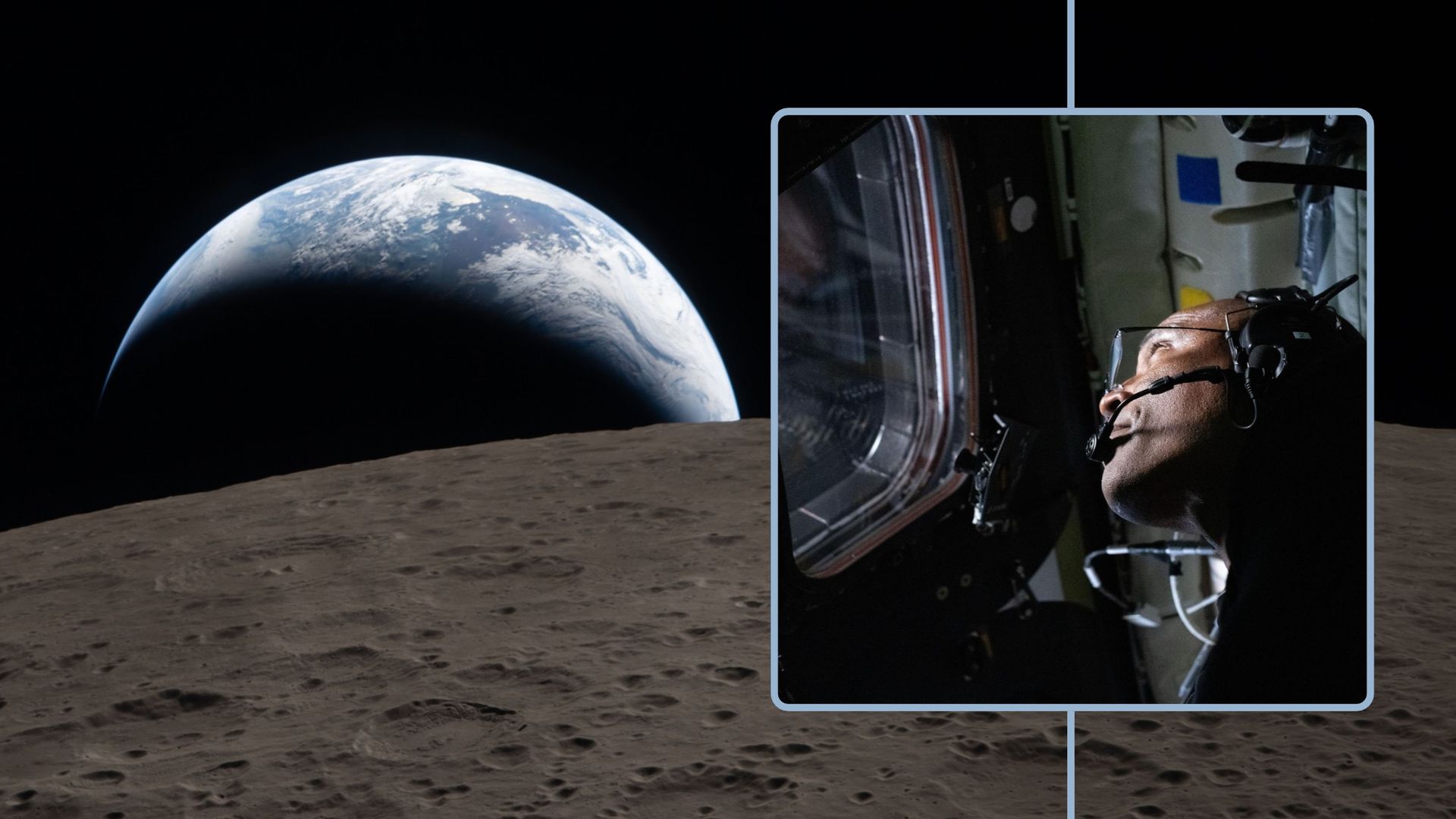
Victor Glover, commander of NASA's Artemis II mission, explained how the record‑breaking lunar fly‑by made him feel a deeper longing for human connection.
Software squeezes more data out of Webb Telescope for imaging exoplanets
Original Publication Date: 2026-11-05 19:59
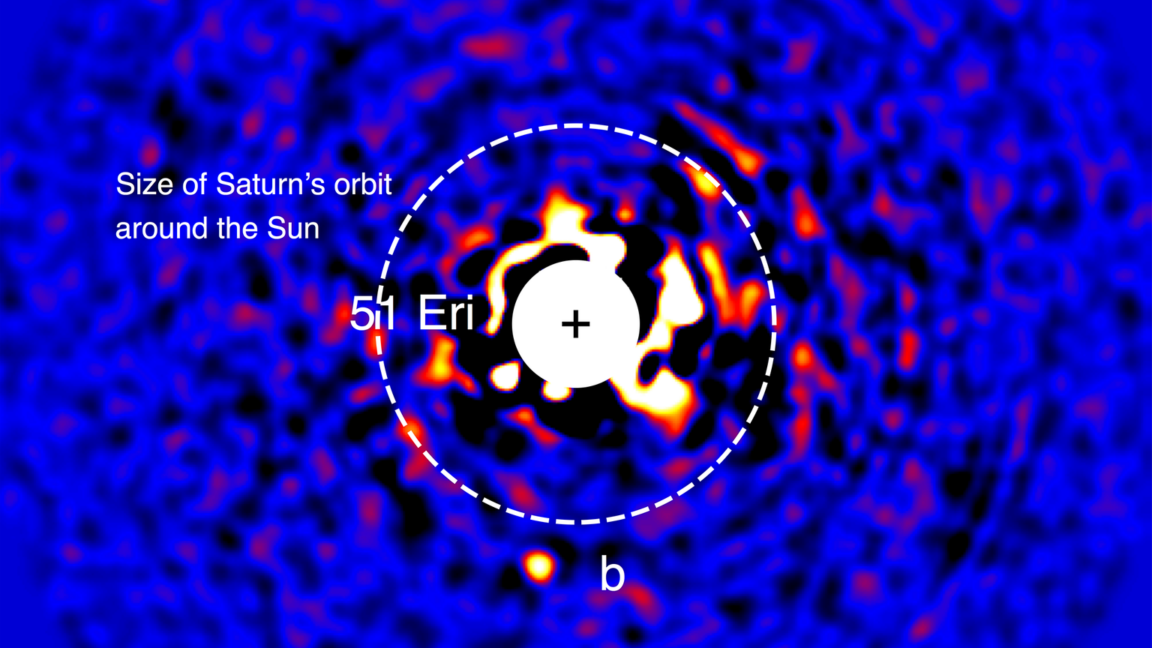
Scientists have unveiled a new software package that fine‑tunes a telescope’s physical model, dramatically reducing noise when imaging distant exoplanets. By accounting for subtle changes in the telescope’s configuration and pointing, the tool sharpens images that coronagraphs alone struggle to clean. This advancement hinges on accurately modeling the point spread function—the way a telescope blurs a single point of light—allowing astronomers to extract clearer signals from planets that are millions of times fainter than their host stars. The result is a powerful new method for peering into alien worlds with unprecedented clarity.