 Spotify
 Apple Podcasts
 Podcast Addict
 Overcast
 Podcast RSS
New Glenn rocket explodes on Cape Canaveral pad
Also covered by: Space.com
Original Publication Date: 2026-05-29 06:00
Blue Origin’s New Glenn rocket exploded during a May 28 hot‑fire test on Launch Complex 36 at Cape Canaveral, destroying the vehicle, toppling a lightning tower and causing extensive damage to the pad, though no injuries were reported. The blast, the worst at the site since a 2016 Falcon 9 test, raised concerns about the safety of methane‑liquid oxygen propellants used by several heavy‑lift rockets. Blue Origin has grounded the New Glenn for a prolonged investigation and repair period, a setback that could delay its next flight and ripple into Amazon satellite contracts and NASA’s Artemis Blue Moon lander schedule. Investigators from Blue Origin and the Space Force are working to determine the root cause while monitoring impacts on both the company’s operations and the agency’s lunar mission timeline.
Setting up a permanent lunar presence needs investment in biology
Original Publication Date: 2026-05-28 17:12
In December 1972, Gene Cernan and Harrison Schmitt spent 75 hours on the Moon, making Cernan the last human to stand there.
Revolv Space enters in-orbit servicing market with Infinite Orbits deal
Original Publication Date: 2026-05-28 16:06
Italian‑Dutch firm Revolv Space has secured a deal with French in‑orbit services provider Infinite Orbits, selecting its Solar Array Drive Assemblies to manage spacecraft solar panels. The partnership marks Revolv’s entry into the in‑orbit servicing market, positioning the company as a key player in satellite maintenance. With the SADAs, Infinite Orbits will be able to extend the life of its fleet by remotely controlling solar array operations. This collaboration underscores the growing demand for on‑orbit servicing solutions in the commercial space sector.
Viasat Selects Atos to Modernize Its Global Digital Workplace Operations
Original Publication Date: 2026-05-28 16:33

Atos has been chosen by satellite communications leader Viasat to lead a multi‑year initiative that will overhaul the company’s digital workplace. The partnership will bring cloud‑based collaboration tools, enhanced security, and modernized IT infrastructure to support Viasat’s global operations. By integrating Microsoft Teams, AI‑driven analytics, and next‑generation networking, the program aims to boost productivity and agility across the organization.
OmniAccess Launches Unified Multi-Orbit Maritime Connectivity Service
Original Publication Date: 2026-05-28 16:22

OmniAccess, a global digital solutions provider for the luxury cruise and superyacht sectors, has launched its latest product, NextGen Fusion 2.0. The new platform aims to advance maritime communications by integrating cutting‑edge connectivity, data analytics, and secure networking for vessels. It builds on the company’s existing portfolio of cloud‑based services, offering real‑time monitoring, predictive maintenance, and enhanced passenger‑experience tools. NextGen Fusion 2.0 positions OmniAccess at the forefront of the maritime technology industry.
NewSpace Systems Announces European Expansion with New Netherlands Subsidiary
Original Publication Date: 2026-05-28 15:20
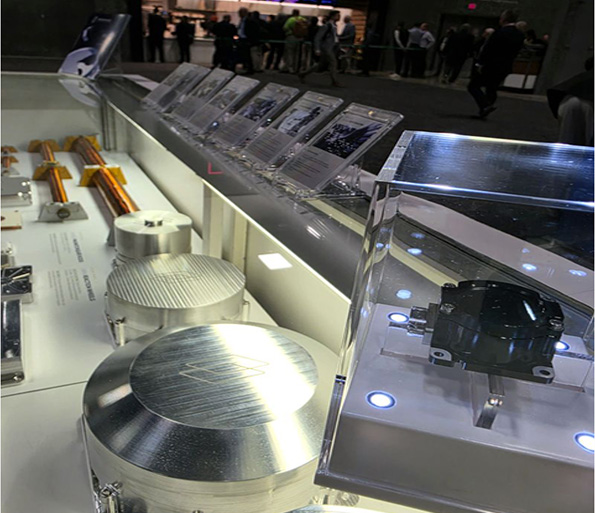
NewSpace Systems, the global leader in spacecraft components, has announced the launch of a European subsidiary in the Netherlands, marking a significant expansion of its continental footprint. The new office will serve as a hub for research, development, and customer support across the EU, strengthening the company's presence in key aerospace markets. By establishing this base, NewSpace aims to accelerate collaboration with European partners and streamline supply chains for its next‑generation satellite systems. This move underscores the company’s commitment to fostering innovation and meeting growing demand for advanced space technology across Europe.
Two satellites a month, comfortably. Now the supplier tier underneath has to match.
Original Publication Date: 2026-05-28 12:48

OHB Italia is now shipping two 25‑kilogram IRIDE microsatellites each month, marking a clear shift from its previous five‑year institutional‑tier program. At the second day of SmallSat Europe 2026, European production rates were revealed as concrete figures rather than claims. This transparency demands that supplier tiers keep pace with the new production pace. The move underscores a broader push for higher output in the European small‑satellite sector.
The orbital data center thesis just became an economics question.
Original Publication Date: 2026-05-28 12:48

At SmallSat Europe 2026, a former AMD vice‑president and an Oxford economist rigorously examined the megawatt‑scale orbital data center concept, applying both physics principles and capital‑allocation calculations. Their analysis aimed to assess the feasibility of deploying data centers in space that could deliver megawatt‑class power and computing capacity. The duo highlighted key technical challenges and financial implications, suggesting that while the idea holds promise, significant engineering and economic hurdles remain. Their findings will shape future discussions on space‑based data infrastructure.
Painting the Growing Season in the Maize Triangle
Original Publication Date: 2026-05-29 04:00

NASA’s NISAR satellite has produced a striking false‑color composite of South Africa’s Free State province, highlighting vegetated fields, bare soil, and seasonal change during the 2025‑2026 growing season. The image uses green to show vegetation, red for unvegetated surfaces, and blue to indicate how rapidly crops like maize and sunflower grow and are harvested. By combining radar data from ten passes, scientists can track crop development, irrigation impacts, and land‑use shifts across large areas. This technique offers a repeatable way to monitor agricultural systems and better understand how water availability and climate variability affect crop yields.
I Am Artemis: Daniel Stubbs
Original Publication Date: 2026-05-28 21:58
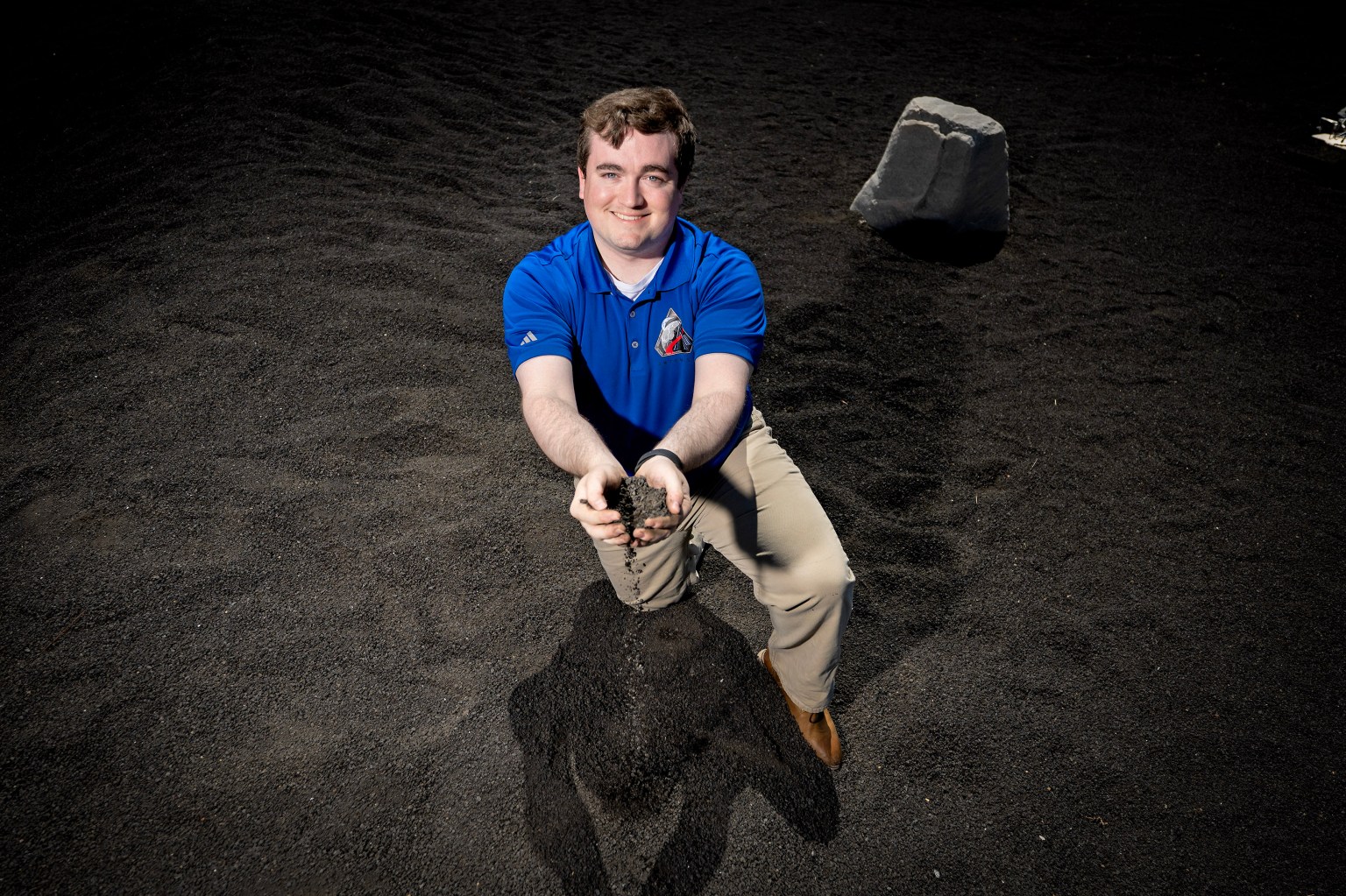
NASA aerospace engineer Daniel Stubbs is modeling how rocket exhaust plumes stir up lunar dust and regolith, a key factor for the safety of the Artemis human landing systems. His work helps predict how the dust can obscure lander instruments, erode the surface, or damage scientific payloads during descent and ascent. Ground‑based tests in a 60‑foot simulator at Langley Research Center replicate the Moon’s harsh conditions to refine lander design and control. When Artemis brings astronauts back to the Moon in 2028, Stubbs’s research will be a cornerstone of that historic return.
New Landsat Science Team Holds First In-Person Meeting
Original Publication Date: 2026-05-28 21:03
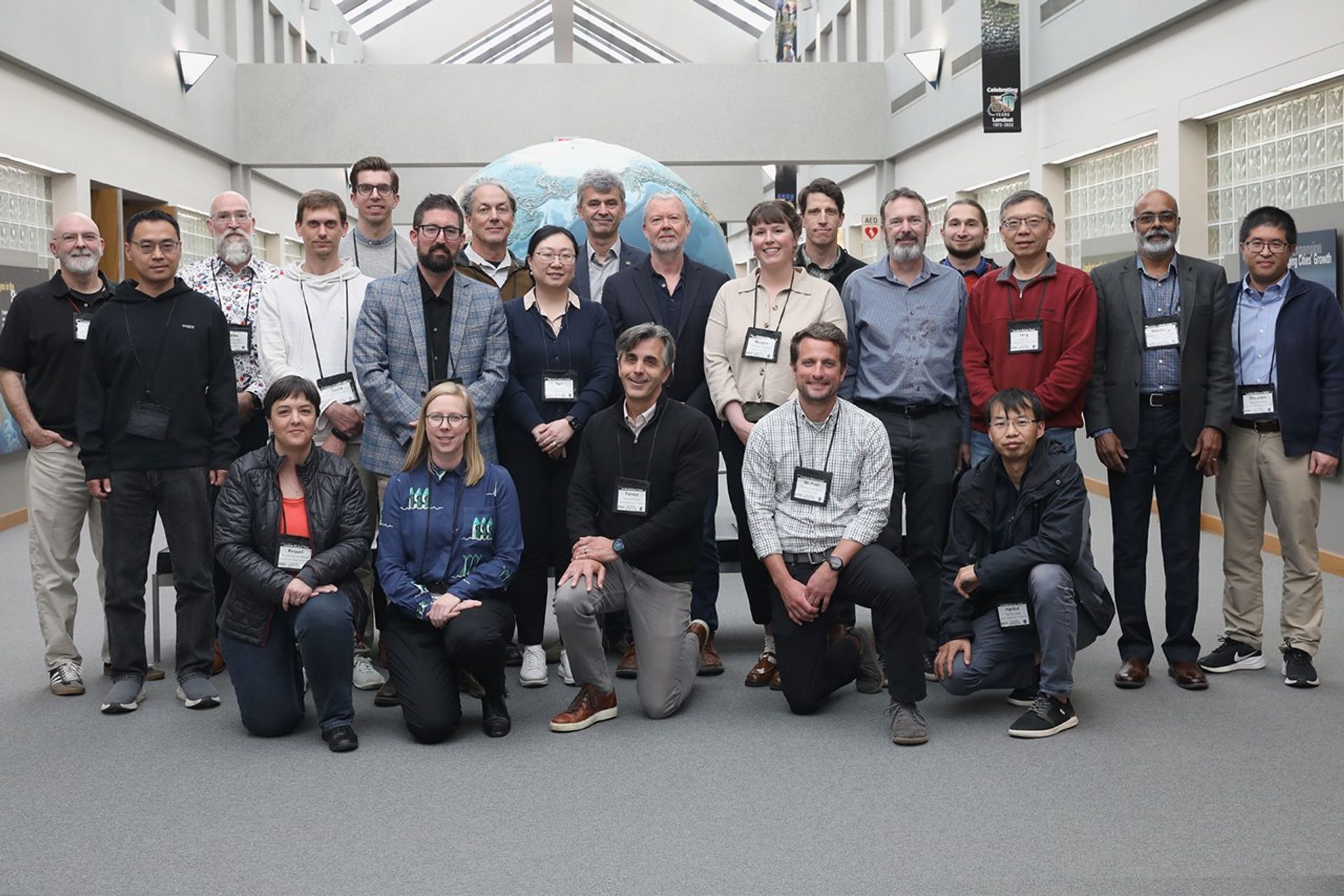
The 2026‑2030 Landsat Science Team convened its first in‑person meeting at the USGS EROS Center in Sioux Falls from May 5‑7, bringing together NASA and USGS leaders to shape the next five years of Earth‑observation science. Over three days, participants received updates on the upcoming Landsat 10 launch, the Harmonized Landsat and Sentinel‑2 data products, and plans for Collection 3, while showcasing the program’s impact on fields from agriculture to volcanic monitoring. Focused breakout sessions produced key recommendations—enhancing surface reflectance corrections, standardizing temperature and emissivity handling, safeguarding aquatic reflectance continuity, and refining projection and tiling strategies—to guide future data processing and product delivery. These outcomes chart a roadmap that will keep the global scientific community receiving high‑quality, actionable Landsat data through the decade’s end.
Curiosity Blog, Sols 4900-4907: Pasadena, We Have a Drill Sample!
Original Publication Date: 2026-05-28 19:37
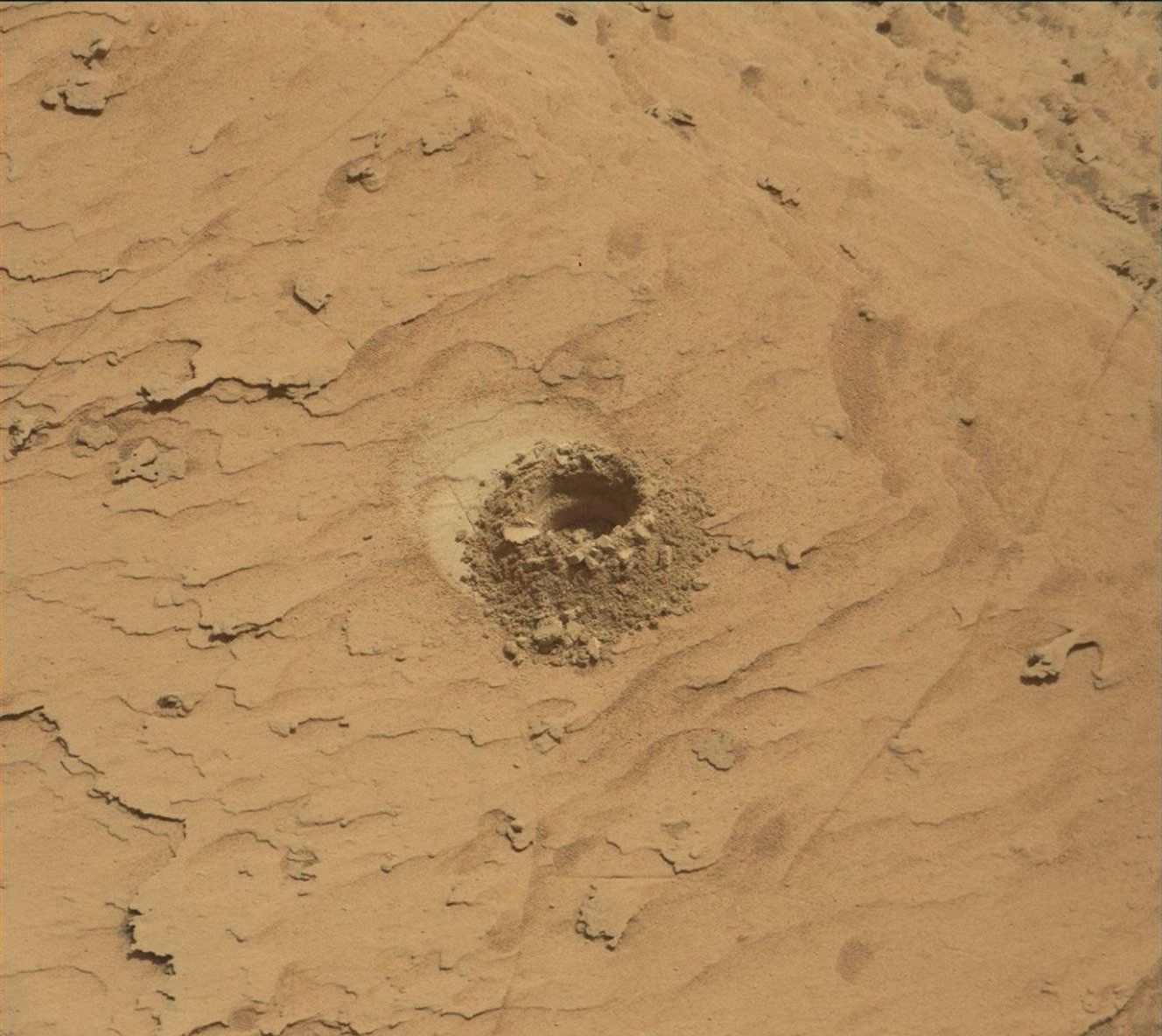
NASA’s Curiosity rover has successfully drilled a new rock sample at Campo Marte on Mars, capturing the first color image of the drill hole on Sol 4897. After the drill retracted cleanly, the rover delivered small portions of powdered rock to its onboard laboratory instruments, CheMin and SAM, for detailed composition analysis. Early CheMin results confirm the sample matches previous findings, allowing the team to tailor SAM’s analysis plan and plan to analyze four additional portions. The mission team will continue testing the sample delivery process and may soon have only a few portions left for analysis.
Europe Celebrates its Sovereignty Progress at SmallSat
Original Publication Date: 2026-05-29 06:15

EU commission proposes new spectrum rules reserving at least two‑thirds of frequencies for European satellite operators, sparking
Observable Space Raises $90M Series A
Also covered by: SpaceNews
Original Publication Date: 2026-05-28 14:54
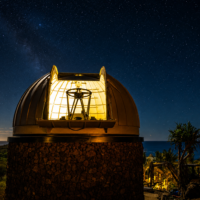
Observable Space has closed a $90 million Series A round led by Lux Capital, with participation from Upfront Ventures, Detroit Venture Partners, Island Green Capital, RTX Ventures, BRV Capital Management and Fathom Fund, to scale its laser‑communications, ground‑based sensing and in‑space optical payloads. The company, born from the 2025 merger of telescope maker PlaneWave Instruments and data‑application firm OurSky, aims to provide a vertically integrated hardware‑software solution that gives operators real‑time insights into orbit. To boost production, Observable Space will expand its manufacturing footprint in Detroit and pursue international growth, while its CEO Dan Roelker highlights the company’s role in the next era of the space economy. In addition to the funding, the firm has secured a $94 million IDIQ contract from the Space Force and is preparing to launch its Iguana in‑space imager aboard an Apex Space satellite this year.
Space Markets Emerges From Stealth With Coinbase Ventures Investment
Original Publication Date: 2026-05-28 12:30

Space Markets has emerged from stealth, launching a platform for futures trading of space commodities such as satellite bandwidth, launch capacity, and Earth‑observation data. The company, founded in December, has secured an undisclosed investment from Coinbase Ventures and will build its trading engine on Coinbase’s Ethereum Layer‑2 network. CEO Nick Trudgen says the platform will bring price discovery, liquidity, and risk management to an industry that has long relied on private, long‑term contracts. The first live trades—centered on Starship launch access, orbital compute, and re‑entry events—are expected within the next three months, with plans for a full decentralized exchange down the line.
Companies like SpaceX want electromagnetic catapults on the moon. Could they be used as weapons?
Original Publication Date: 2026-05-28 22:00

SpaceX has unveiled plans for electromagnetic catapults—mass drivers—on the moon to launch AI satellites. A new report warns that while these devices could boost off‑world logistics, they also possess a dual‑use capability that could turn the moon into an undetectable first‑strike weapons platform. Analysts argue the United States must act quickly to develop the technology, or rival powers may seize control of cislunar space. Though current prototypes can only loft small payloads, continued investment could soon enable the moon to become an unparalleled source of space power.
NASA is hatching a 'fast-paced plan' to boost this space telescope. But first, they'll have to find it
Original Publication Date: 2026-05-28 20:00
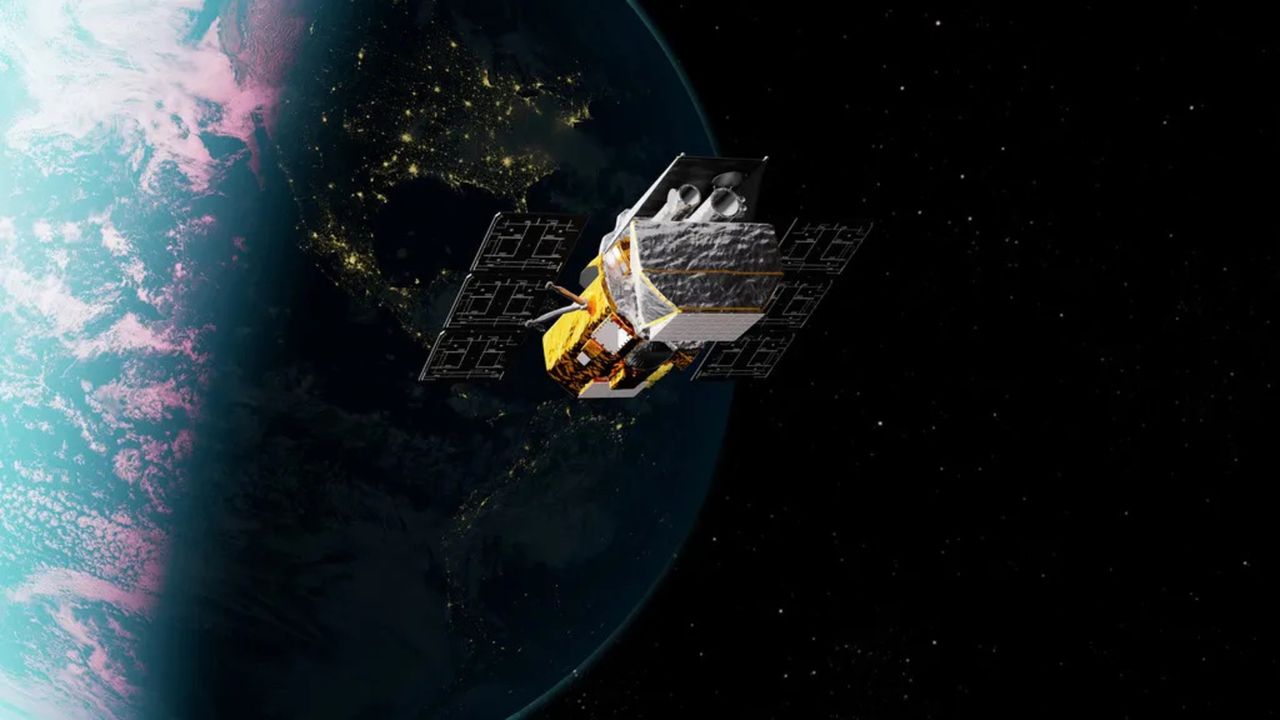
NASA’s Neil Gehrels Swift Observatory, launched in 2004 to hunt gamma‑ray bursts, is slipping toward Earth due to atmospheric drag and is expected to re‑enter by summer 2026 if left unassisted. To keep the aging telescope aloft, NASA has awarded a $30 million contract to Arizona‑based Katalyst Space Technologies, which will launch the private spacecraft “Link” on a Pegasus rocket later this month to rendezvous with Swift in low Earth orbit.
James Webb Space Telescope discovers a black hole that formed before its host galaxy. Scientists aren't sure how
Original Publication Date: 2026-05-28 18:00

NASA’s James Webb Space Telescope has discovered a supermassive black hole that predates its host galaxy, upending long‑held theories of cosmic growth. The so‑called Little Red Dot, Abell2744‑QSO1, shines from 700 million years after the Big Bang and contains a 40‑million‑solar‑mass black hole whose mass is revealed by the Keplerian motion of surrounding gas. These observations suggest black holes can form directly, without first growing from stellar remnants, and may emerge before the galaxies that will eventually host them.
Astronaut captures aurora magic from the ISS | Space photo of the day for May 28, 2026
Original Publication Date: 2026-05-28 14:00
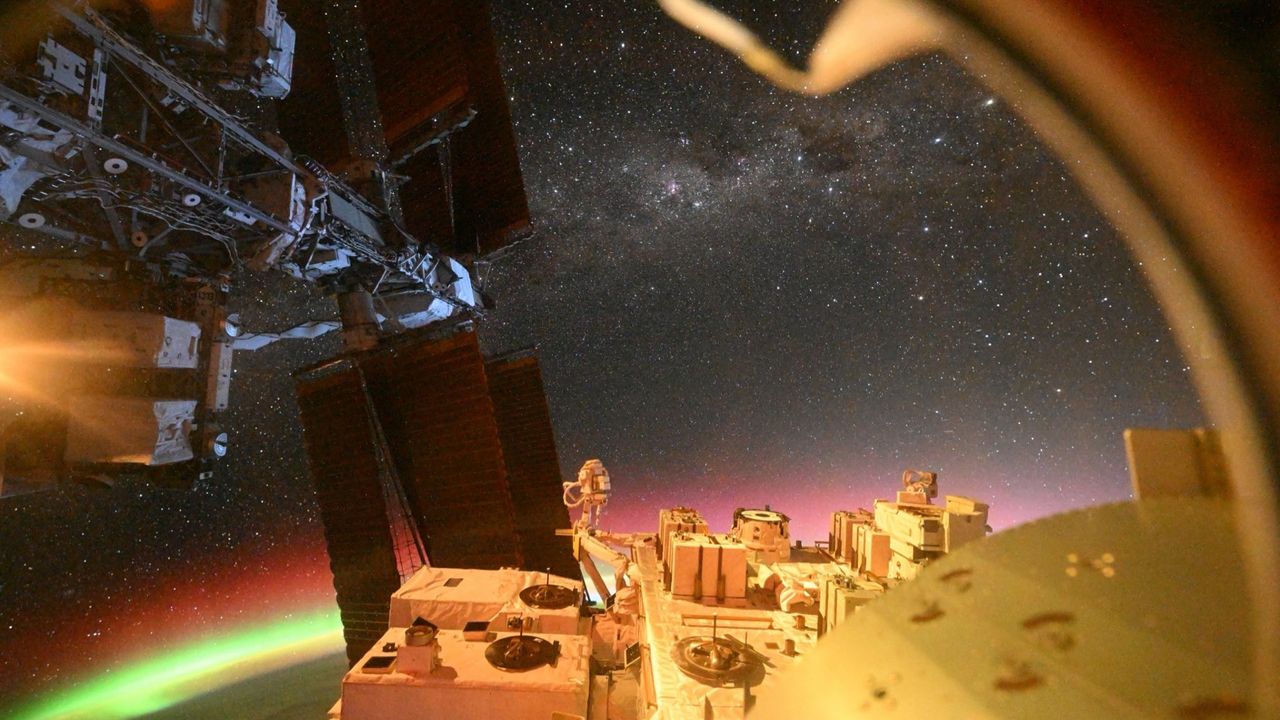
JAXA astronaut Kimiya Yui captured a stunning photograph from the International Space Station that blends the station’s hardware, Earth’s auroras, and distant stars. The image was taken while the ISS was oriented with its front and back reversed, a rare view that shows the station’s solar panels, the edge of Earth’s glowing atmosphere, and a glimpse of Alpha Centauri and the Coalsack nebula.
Amazon turns to Jeff Bezos' other company to do some heavy lifting
Original Publication Date: 2026-05-28 18:17
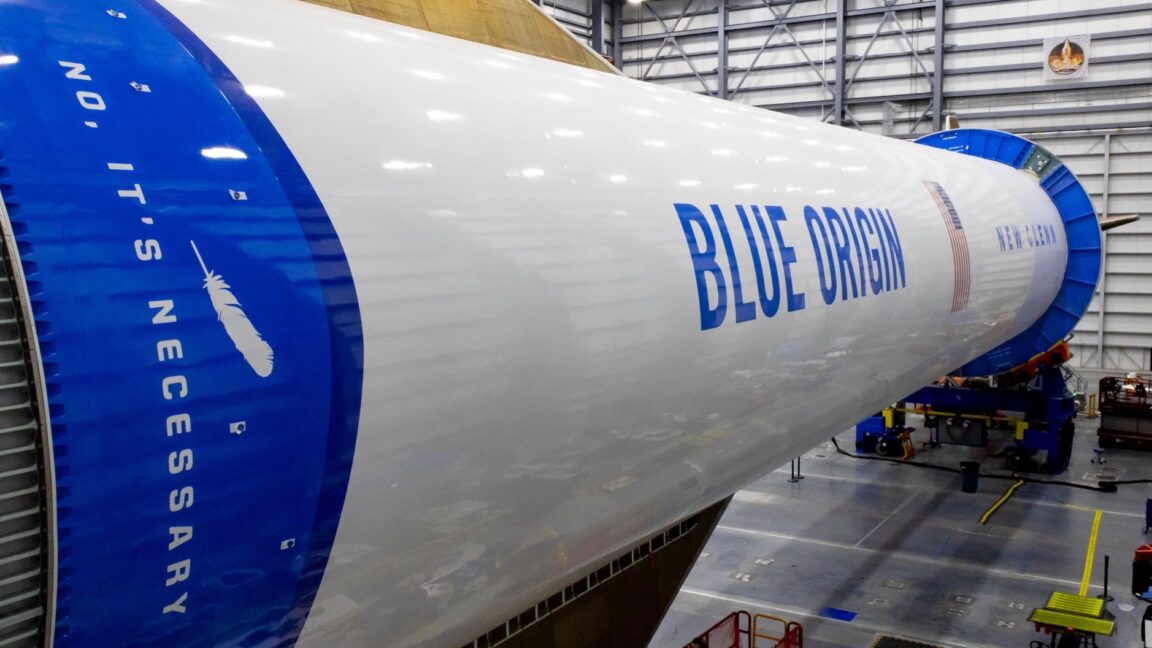
Blue Origin’s New Glenn rocket failed on its third flight, leaving a customer’s payload stranded in an unusable orbit, but investigators have identified the cause and closed the inquiry. The company is poised to launch the next New Glenn mission as early as next Thursday, June 4, from Cape Canaveral Space Force Station, carrying 48 Amazon broadband satellites—the largest single‑rocket payload Amazon has ever deployed. This launch will surpass previous records set by United Launch Alliance’s Atlas V, SpaceX’s Falcon 9, and Europe’s Ariane 6. Both Jeff Bezos‑founded companies are preparing for a test firing of the rocket’s seven liquefied natural gas and liquid oxygen engines in the coming days.