 Spotify
 Apple Podcasts
 Podcast Addict
 Overcast
 Podcast RSS
Chinese satellite maker MinoSpace seeks $736 million in IPO
Original Publication Date: 2026-05-15 09:00
MinoSpace, a Chinese satellite maker, has had its initial public offering application approved by Shanghai’s STAR Market, aiming to raise $736 million to launch the first phase of its 112‑satellite Taijing constellation. The constellation will combine optical, multispectral and synthetic‑aperture radar satellites, with several sub‑meter‑resolution SAR satellites already in orbit. Founded in 2017, the company has launched 32 satellites, posted $57 million in 2025 revenue, and narrowed its net loss from $88 million to $26.6 million while securing a $147 million order backlog. This IPO reflects China’s broader strategy to accelerate commercial space activity by easing listing rules and expanding satellite production.
Cowboy files plans for up to 20,000 orbital data centers
Original Publication Date: 2026-05-14 21:58
Cowboy Space has filed with the FCC for a 20,000‑satellite “Stampede” orbital data center, a project that follows a $275 million funding round to build rockets whose upper stages will double as computing platforms. The California‑based startup plans to launch the first satellites in 2028 from 700‑to‑1,000‑kilometer sun‑synchronous orbits, using near‑continuous solar power to sidestep terrestrial energy, land, and water constraints. While the design remains unfinished and will need a license modification, the company seeks multiple waivers to rely on optical communications and to stagger deployment over several years. Cowboy aims to demonstrate AI‑powered computing in orbit early next year, positioning the constellation as a scalable, space‑based alternative to traditional data centers.
Golden Dome chief pushes back on $1.2 trillion CBO estimate
Original Publication Date: 2026-05-14 15:56
Gen. Michael Guetlein dismissed the Congressional Budget Office’s $1.2 trillion estimate for President Trump’s Golden Dome missile defense, saying the analysis relies on outdated assumptions and ignores the
Iridium to take over Aireon to expand aviation safety business
Original Publication Date: 2026-05-14 15:25
Iridium Communications has agreed to purchase the remaining 61 % of Aireon for about $367 million, moving deeper into aviation safety and data services. Aireon, which tracks roughly 13,000 aircraft at any moment using ADS‑B signals, already supplies real‑time flight data to air traffic controllers worldwide. The deal extends data‑service agreements with NAV CANADA, NATS and other air navigation providers, and opens the door for future contracts such as the U.S. FAA. Iridium expects the acquisition to add at least $100 million in annual service revenue and $30 million in EBITDA, funded through its existing credit facilities and operational cash flow.
ULA confirms successful solid rocket booster test as Vulcan anomaly investigation continues
Original Publication Date: 2026-05-14 21:20
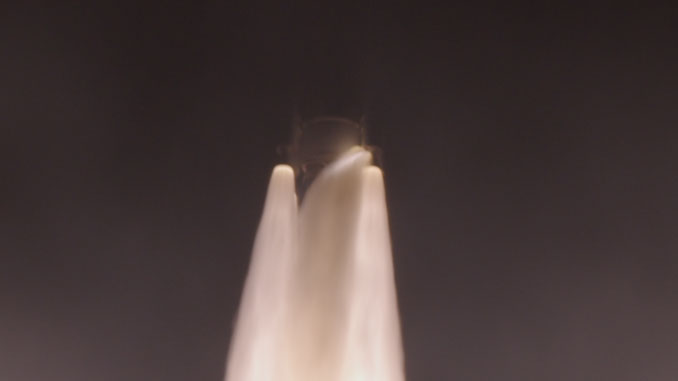
An anomalous plume from a Vulcan solid‑rocket motor during the USSF‑87 launch on February 12, 2026 revealed a nozzle failure before SRB separation, producing asymmetric thrust that caused the vehicle to roll but was countered by the BE‑4 engines. Despite the hiccup, the Vulcan booster and Centaur upper stage performed as expected, delivering the payload to geosynchronous orbit while ULA gathers debris and plans corrective actions.
Exotrail Confirms Successful Deployment of NASA-Funded AEPEX CubeSat via Spacevan 002
Original Publication Date: 2026-05-14 17:35
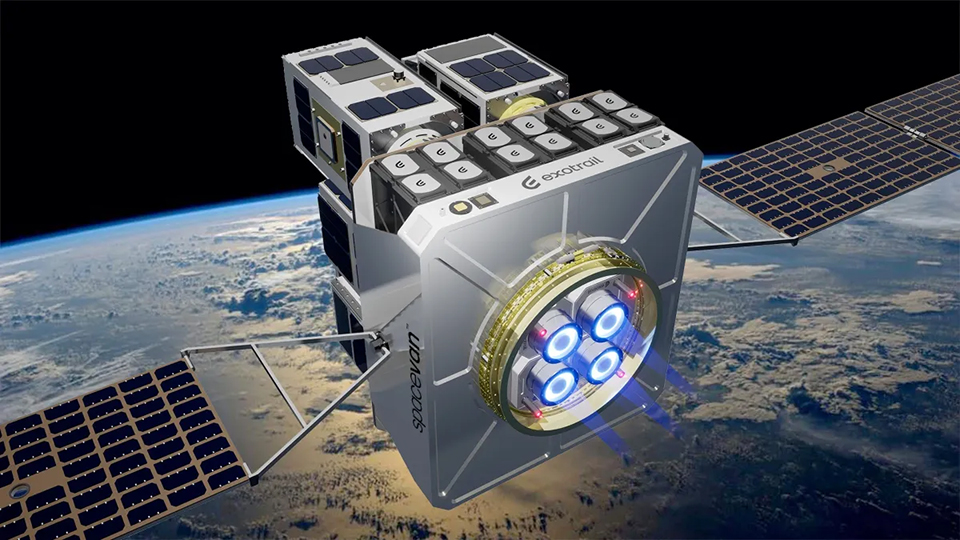
French space‑mobility operator Exotrail announced in mid‑May 2026 the successful deployment of the NASA‑funded AEPEX mission, a 6U CubeSat designed to study atmospheric effects of precipitation using energetic X‑rays. The satellite was launched aboard a commercial launch vehicle and is now in orbit, ready to begin its science operations. AEPEX will provide unprecedented data on how precipitation influences the upper atmosphere, improving our understanding of weather and climate processes. This milestone marks a significant achievement for Exotrail and the international space community.
SpaceX Debuts Starship V3: Redefining Heavy-Lift Launch Capability
Original Publication Date: 2026-05-14 16:39
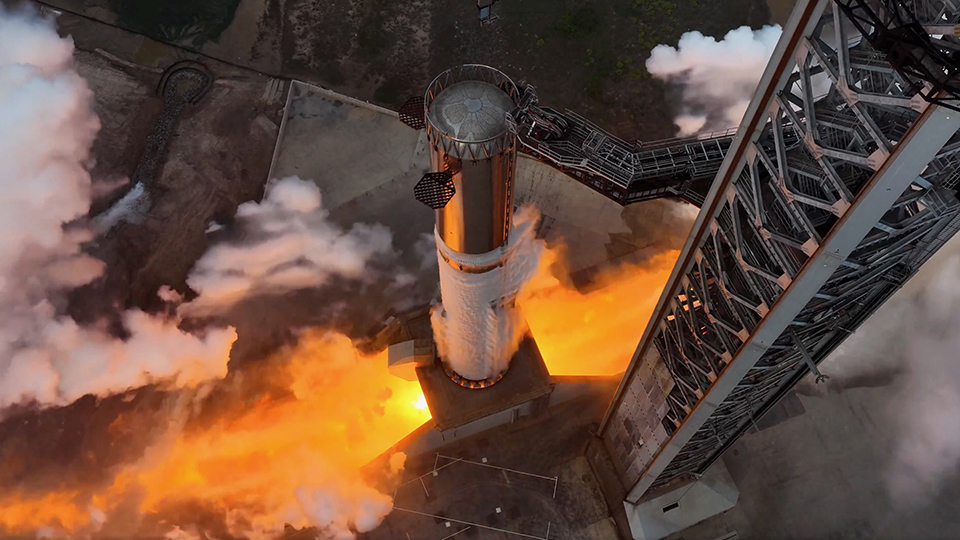
SpaceX held its final technical briefing for Starship Version 3 on May 14, 2026, as the company readies the vehicle for its inaugural flight scheduled for May 19. The new version, designated Flight 12, features upgraded heat‑shield tiles and a redesigned Raptor engine layout to improve reusability and payload capacity. Engineers highlighted a 10 % increase in thrust and a projected 15 % reduction in launch mass, aiming to cut costs and boost launch cadence. The company remains optimistic that the upcoming mission will mark a milestone in commercial spaceflight.
Intuitive Machines to Acquire Goonhilly Earth Station and COMSAT to Scale Deep Space Network
Also covered by: SpaceNews
Original Publication Date: 2026-05-14 16:13
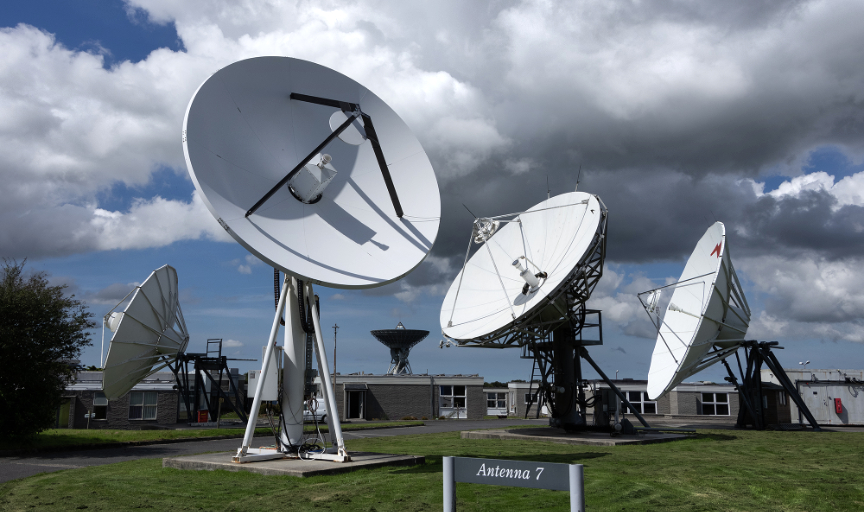
Intuitive Machines, the Nasdaq‑listed space‑flight company, has signed a definitive agreement to acquire Goonhilly Earth Station Ltd, the United Kingdom’s premier provider of lunar and satellite communication services. The deal, announced on May 14 2026, will give Intuitive a powerful new ground‑station hub to support its expanding roster of lunar missions and deep‑space operations. By integrating Goonhilly’s advanced infrastructure, the company aims to strengthen its position as a global launch and space‑services provider. This acquisition marks a significant step toward expanding Intuitive’s reach beyond Earth orbit.
Energy Efficient E-Paper Displays Redefine Professional Digital Signage
Original Publication Date: 2026-05-14 16:01

The professional display industry is pivoting away from high‑brightness LCD and LED panels toward greener solutions, new Futuresource Consulting research shows. E‑paper signage, or electronic paper displays, are rising in popularity because they use far less power, read well in bright outdoor light, and can be produced more cheaply. Companies are investing in flexible, low‑energy e‑paper modules for everything from retail wayfinding to transit information.
Global Space Economy Reaches 429 Billion Dollars as Commercial Satellite Sector Dominates
Original Publication Date: 2026-05-14 15:47

The Satellite Industry Association’s Satellite Industry Report, reveals a historic period of growth and productivity for the global space sector throughout 2025. The study confirms that the global space economy will continue to grow in the coming years. The report was published by the Satellite Industry Association.
Picturing Earth in a New Light
Original Publication Date: 2026-05-15 04:00

NASA’s Black Marble satellite data from 2014 to 2022 shows a 34 percent rise in global nighttime light, but the increase masks a patchwork of brightening and dimming across the world. In the United States, West Coast cities grew brighter while much of the East Coast dimmed thanks to LED adoption and economic shifts. Meanwhile, China and northern India saw intensified lighting from rapid urban growth, whereas Paris, France, the UK, and the Netherlands experienced significant dimming from energy‑saving measures. The study, published in Nature in April 2026, highlights how night‑time illumination is reshaping our planet through both industrial boom and conscious light‑conservation efforts.
NASA Draws on Industry for Mars Telecommunications Network
Original Publication Date: 2026-05-14 20:53
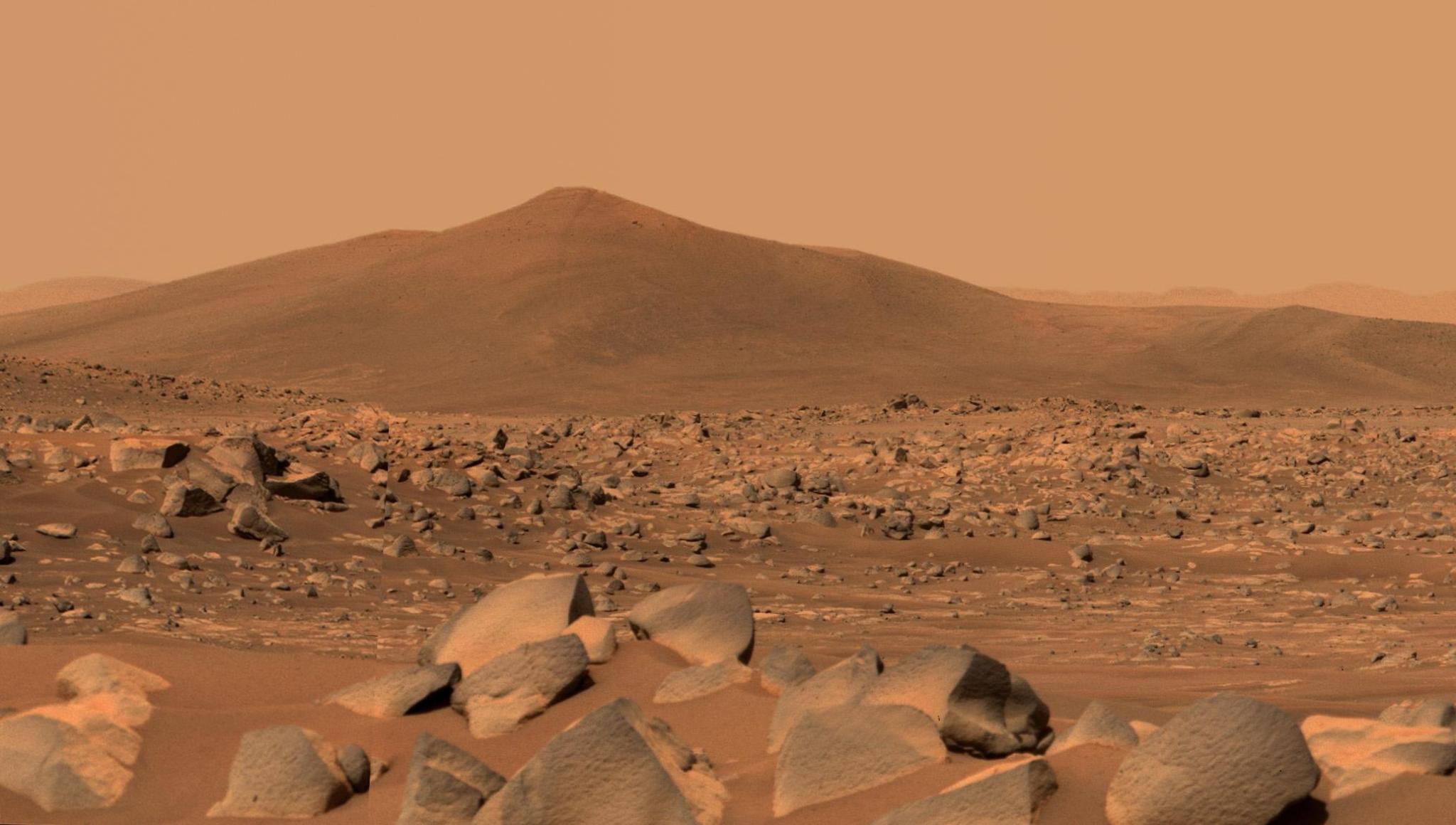
NASA’s Perseverance rover captured an image of the hill “Santa Cruz” on April 29, 2021 using its Mastcam‑Z imager. On Thursday, NASA issued a Request for Proposal to develop a high‑bandwidth Mars Telecommunications Network that will relay science data, high‑definition imagery, and critical mission information. Industry must respond within 30 days, with the network slated to be operational by 2030 to support future surface, orbital, and human exploration. This effort is part of NASA’s SCaN Moon‑to‑Mars strategy, funded by the Working Families Tax Cut Act, and aims to extend continuous network services beyond Earth.
NASA, Industry Prepare Cryogenic Fuel Technology Demo
Original Publication Date: 2026-05-14 16:32
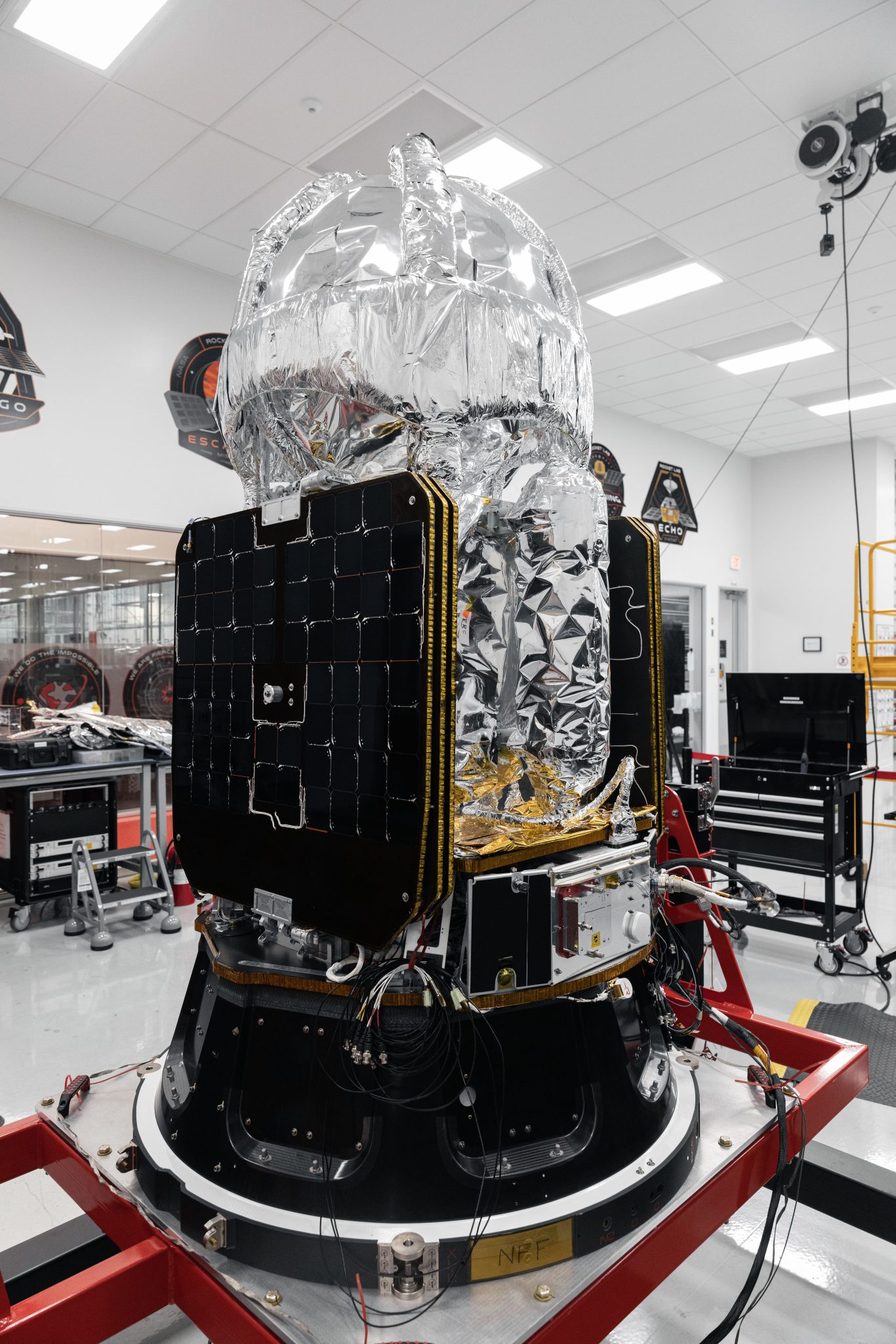
NASA and Eta Space are preparing to launch LOXSAT, a liquid‑oxygen flight demonstration that will test 11 cryogenic fluid‑management technologies needed for in‑space propellant depots. Integrated onto a Rocket Lab Photon bus, the payload will be carried by an Electron rocket from New Zealand’s Mahia Peninsula, with a launch scheduled no earlier than July 17. The mission will tackle core challenges such as boil‑off reduction, propellant transfer, tank pressure maintenance, and level sensing in microgravity, generating data that could enable spacecraft refueling on trips to the Moon, Mars and beyond. This demonstration marks a key step toward establishing space “gas stations” that will support long‑duration deep‑space exploration.
Fresh Food Delivery for Space Station
Original Publication Date: 2026-05-14 14:55
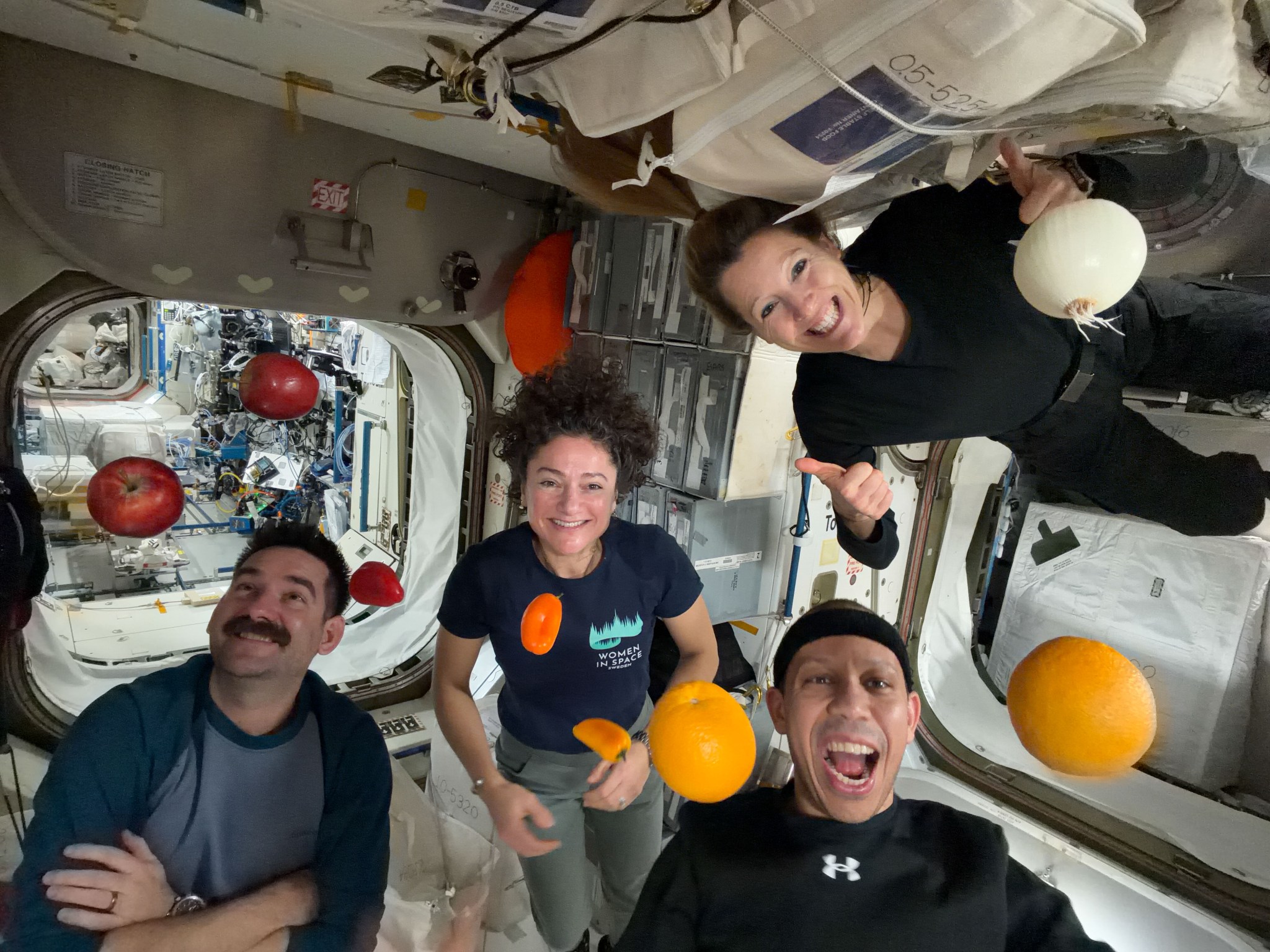
NASA and ESA astronauts on the International Space Station are enjoying a playful moment with fresh food, thanks to a recent delivery from the Northrop Grumman Cygnus XL cargo ship. The spacecraft brought a colorful assortment of produce—oranges, apples, onions, and peppers—alongside more than 2,300 pounds of new research hardware. The cargo includes blood‑stem‑cell experiments to treat cancers, gut‑health studies, an advanced exercise system, eye‑imaging gear, and spare oxygen and nitrogen tanks for spacesuit recharging. This shipment supports both crew wellbeing and cutting‑edge science aboard the station.
Rocket Lab signs new launch contracts and acquires robotics company during Q1 2026
Original Publication Date: 2026-05-15 00:24

Rocket Lab opened 2026 by smashing its 2025 record, signing 36 new launch contracts in just three months—more than the 21 missions it flew all of last year—while reporting $200.3 million in first‑quarter revenue, up 63.5 percent from a year earlier. The company’s contracted backlog now exceeds $2.2 billion, and its newly acquired laser‑communications firm Mynaric AG and robotics partner Motiv Space Systems expand its European footprint and product portfolio. Rocket Lab’s Neutron rocket, slated for a Q4 2026 debut, already secured five commercial bookings, and the firm has been selected with Raytheon to demonstrate capabilities for the U.S. Space Force’s Space Based Interceptor program, a key component of the Golden Dome missile‑defense architecture. With Q2 revenue projected at $225–$240 million and more than $2 billion in liquidity, Rocket Lab is poised to continue its rapid growth and solidify its role in national‑security space initiatives.
Meet Blacknight Space Labs In-Orbit Infrastructure Accelerator
Original Publication Date: 2026-05-14 13:00
Blacknight Space Labs has launched a 12‑week accelerator in Phoenix, AZ, aimed at early‑stage space startups building in‑orbit infrastructure. Five companies will receive up to $100,000 each, plus AI‑driven simulation tools, mentorship, and help navigating defense contracts, fundraising, and government procurement. The program covers satellite infrastructure, communications, data analytics, logistics, in‑space servicing, lunar tech, and dual‑use defense systems. Applications close on Aug. 2, with the cohort beginning in September and a demo day in December.
NASA Lays Out Preliminary Artemis III Mission Plan
Original Publication Date: 2026-05-14 12:48
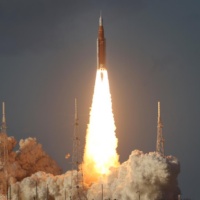
NASA has released the plan for Artemis III, scheduled to launch in 2027, which will send four astronauts to low‑Earth orbit to test the systems needed for the 2028 Moon landing. The mission will launch the Orion spacecraft and a “spacer” on the SLS, keep the crew in orbit longer than Artemis II, and dock with SpaceX’s Starship and Blue Origin’s Blue Moon pathfinders while testing an upgraded heat‑shield. NASA is also calling for partners to supply communications, deploy CubeSats, and help refine the mission’s life‑support and re‑entry capabilities. Many specifics, including the crew roster and science payloads, are still to be decided.
No, this isn't a solar eclipse. It's an image of Mars, captured by NASA's asteroid-bound Psyche probe
Original Publication Date: 2026-05-14 20:00
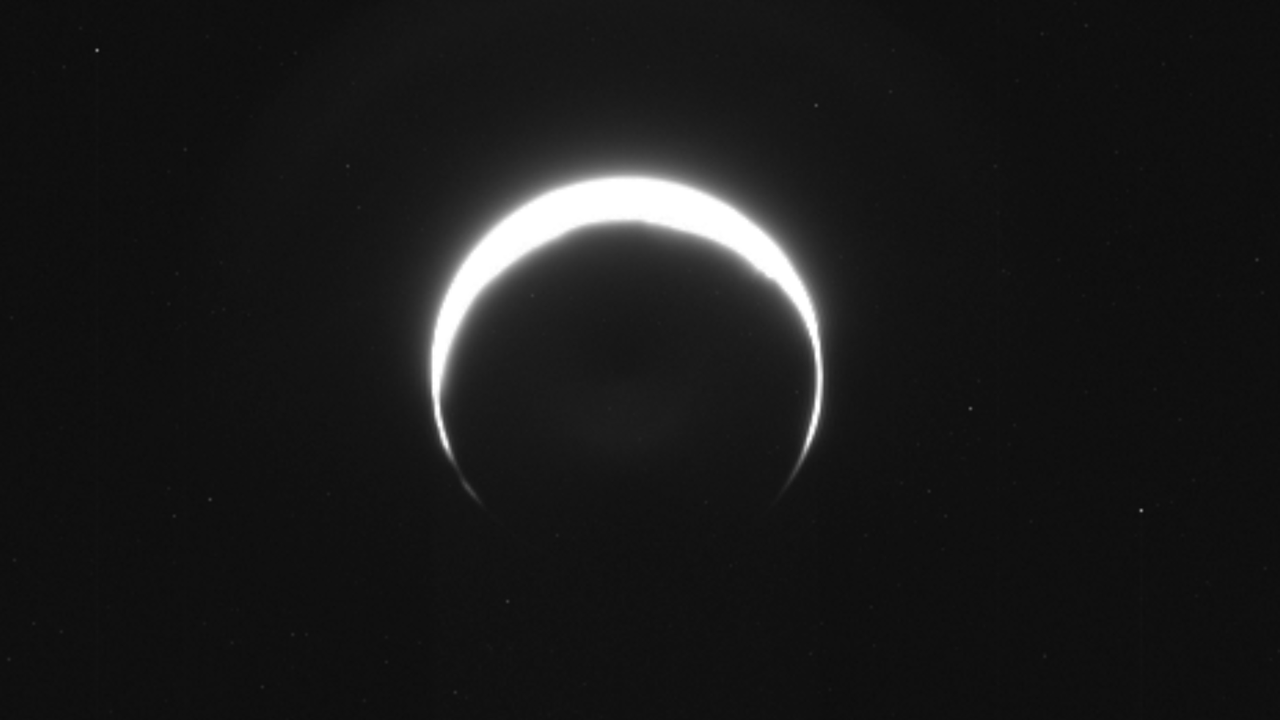
NASA’s Psyche asteroid probe captured a stunning crescent image of Mars on May 14, a rare view of the planet’s night side illuminated by reflected sunlight. The photo, released on the agency’s Solar System X feed, shows irregularities from surface features and Martian dust and clouds. Psyche’s flyby, set for May 15, will provide a gravity assist to boost the spacecraft toward its 2029 target, the metal‑rich asteroid 16 Psyche, while also calibrating its instruments.
NASA's Perseverance rover is positively glowing in its new selfie on Mars
Original Publication Date: 2026-05-14 18:00
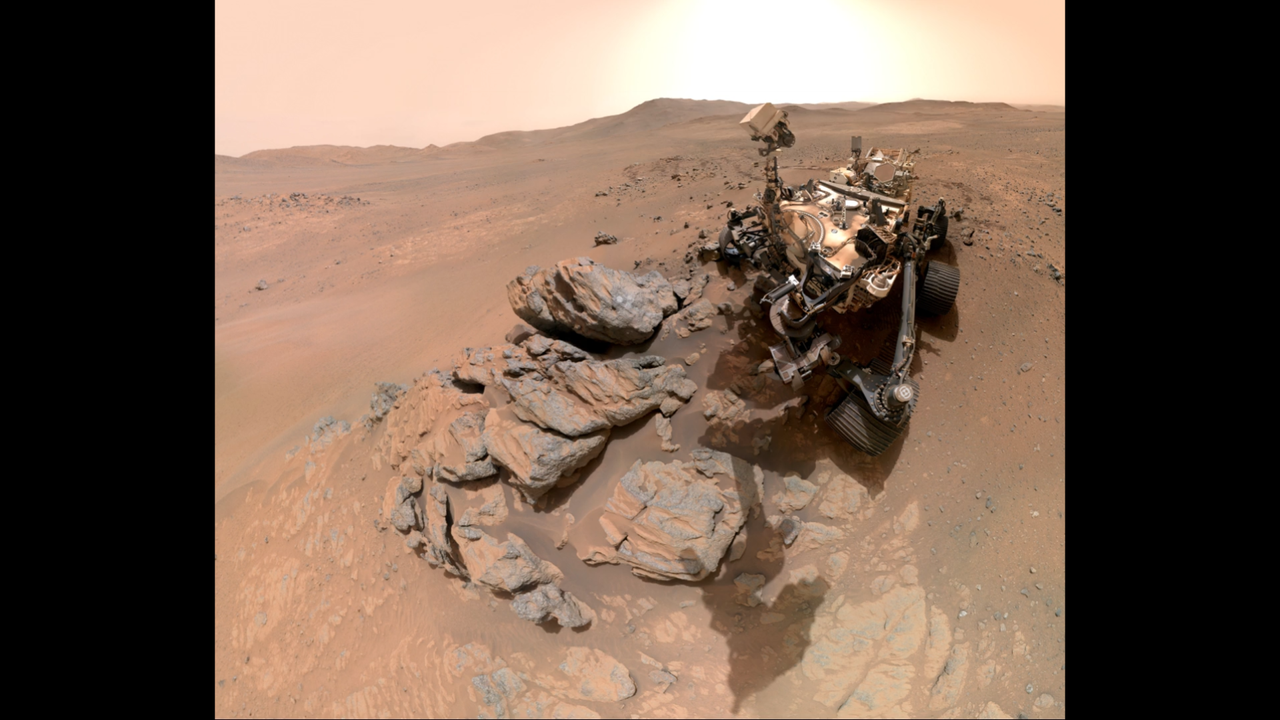
NASA’s Perseverance rover took a striking selfie on March 11, 2026, perched on a jagged outcrop along the western rim of Jezero Crater in the Lac de Charmes region. The 61‑photo mosaic captures the rover amid ancient rocks that may hold clues to Mars’ earliest crust and potential microbial life.
Earth photobombs a satellite deploying its giant reflector | Space photo of the day for May 14, 2026
Original Publication Date: 2026-05-14 14:00
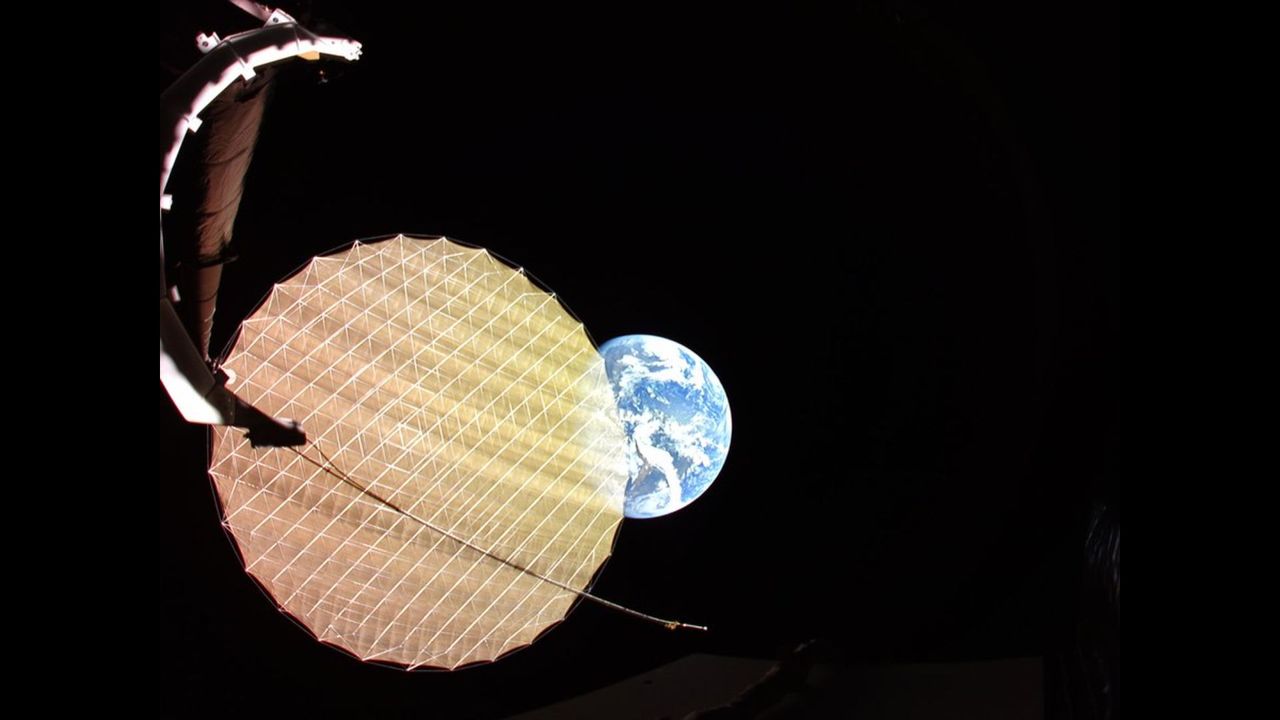
ViaSat’s ViaSat‑3 F2 satellite has just deployed its massive reflector in geostationary orbit 22,236 miles above Earth. The 13,000‑pound communications satellite, launched last November on an Atlas V rocket, now can deliver ultra‑high‑capacity broadband across the Americas. The reflector’s deployment marks a critical milestone, boosting the satellite’s capacity and enabling dynamic bandwidth allocation where it’s needed most. The striking image of the satellite against Earth’s backdrop underscores the technology that keeps us connected from space.
The world's biggest rocket: How SpaceX's new Starship 'V3' differs from its predecessors
Original Publication Date: 2026-05-14 14:00
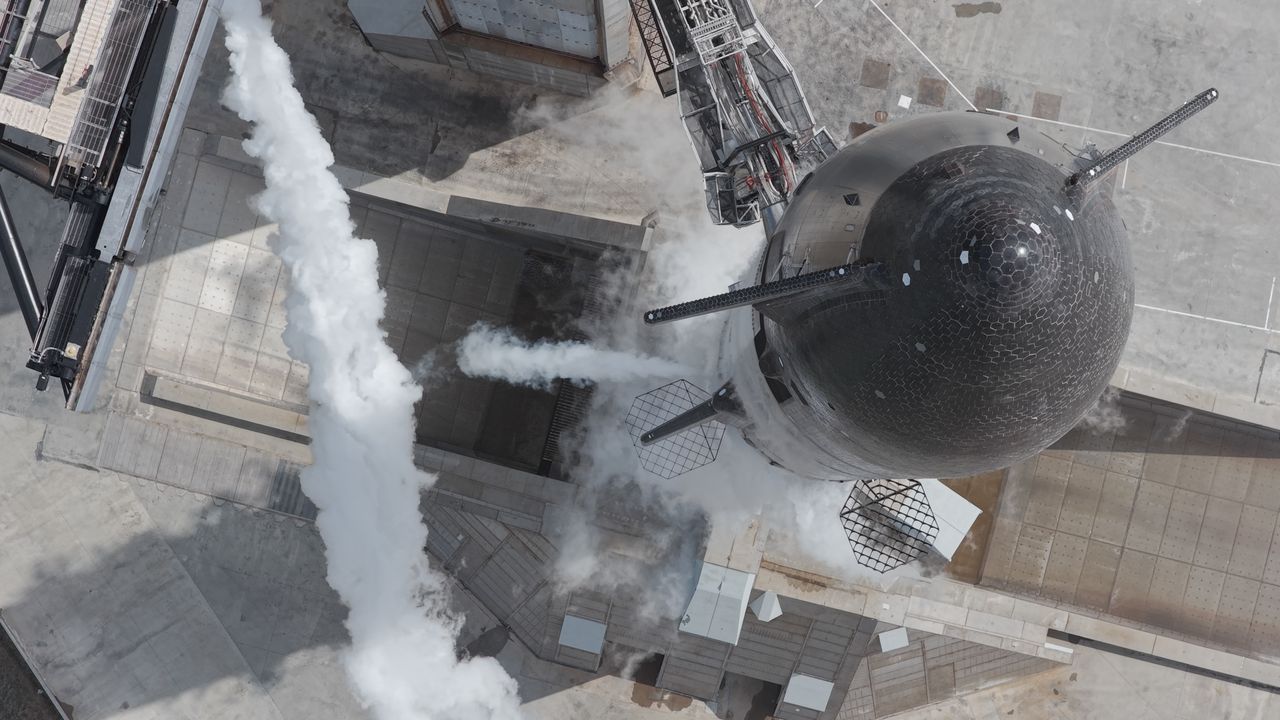
SpaceX conducted a launch rehearsal of its new Starship V3 megarocket on May 11, 2026, at Starbase in Texas, as it gears up for a debut flight on May 19. The V3, taller by about five feet and powered by upgraded Raptor 3 engines, features a redesigned Super Heavy booster with 33 engines delivering over 18 million pounds of thrust and a new grid‑fin configuration for precise landings. The upper stage includes larger propellant tanks, new cryogenic fuel management, and additional docking ports, aiming to enable orbital refueling for future lunar missions under NASA’s Artemis program. A successful test would demonstrate critical technologies like cryogenic refueling and in‑space engine relight, bringing SpaceX closer to reusable, high‑flight‑rate launch vehicles.