 Spotify
 Apple Podcasts
 Podcast Addict
 Overcast
 Podcast RSS
SatVu zooms in energy facilities in Cuba, India and Australia
Also covered by: Payload Space
Original Publication Date: 2026-05-08 02:42
British startup SatVu, after raising £30 million, has brought its second high‑resolution thermal‑imaging satellite, HotSat‑2, into service following the failure of HotSat‑1. Built by Surrey Satellite Technology Ltd, HotSat‑2’s first‑light images—unveiled on May 7—show detailed thermal signatures of domestic crude‑oil refining facilities. The satellite captured a Cuban refinery’s heat output, a decline in energy output at an Indian refinery, and 24‑hour LNG production in Australia. This marks a significant milestone for SatVu’s commercial thermal‑imaging constellation.
Lunar Outpost raises $30 million
Original Publication Date: 2026-05-08 01:43
Lunar Outpost, the Colorado‑based developer of lunar rovers, has closed a $30 million Series B round to overhaul its designs for NASA’s updated Artemis architecture. The company, best known for its Eagle rover, is now working on a new model called Pegasus that meets NASA’s 2028 deadline for a ready‑to‑go lunar vehicle. The funding, led by Industrious Ventures, was secured in under five weeks, giving the firm the capital to accelerate development and expand its facilities. With Pegasus submitted, Lunar Outpost aims to play a key role in NASA’s moon‑base initiative and other government robotics programs.
Rocket Lab joins Raytheon on space interceptor program for Golden Dome
Original Publication Date: 2026-05-07 22:00
Rocket Lab announced on May 7 that it has secured new Pentagon defense work linked to President Trump’s Golden Dome missile‑defense strategy, partnering with Raytheon to demonstrate space‑based interceptors for the U.S. Space Force.
Military space boom meets Beltway friction
Original Publication Date: 2026-05-07 15:00
Washington is set to double funding for the U.S. Space Force to more than $71 billion in the fiscal year 2027, a surge that could reshape the military space market for a generation. Industry leaders, however, are urging the Pentagon to provide clear, rapid contracts before they commit to costly expansion of production lines and tooling. The Department of the Air Force is also restructuring its acquisition process to accelerate decision‑making, but the new authority structure remains in flux. If the funding, contracts, and acquisition reforms align, the surge could meet national security priorities; if not, the sector risks a capacity bottleneck that has long constrained growth.
Rocket Lab announces five-launch Neutron deal as it continues aiming for late 2026 debut
Original Publication Date: 2026-05-07 22:35
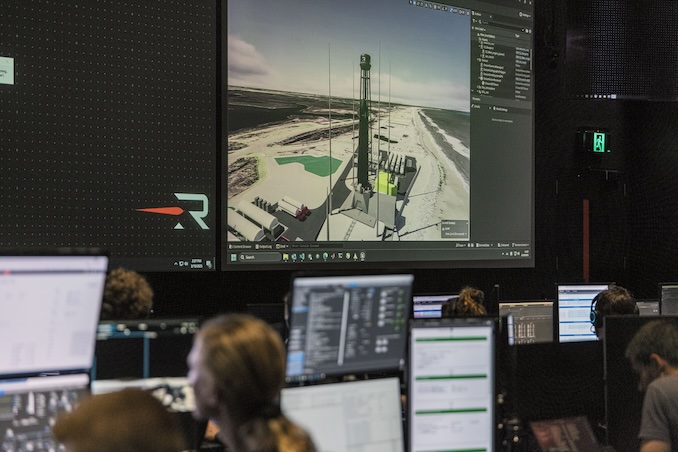
Rocket Lab conducted a launch simulation of its Neutron rocket at NASA’s Wallops Flight Facility on Oct. 3, 2025, while announcing a block sale of five Neutron and three Electron launches to a secret customer that surpasses its previous $190 million defense contract.
Anduril Secures $100M Modification to Modernize Space Surveillance Network
Original Publication Date: 2026-05-07 17:26
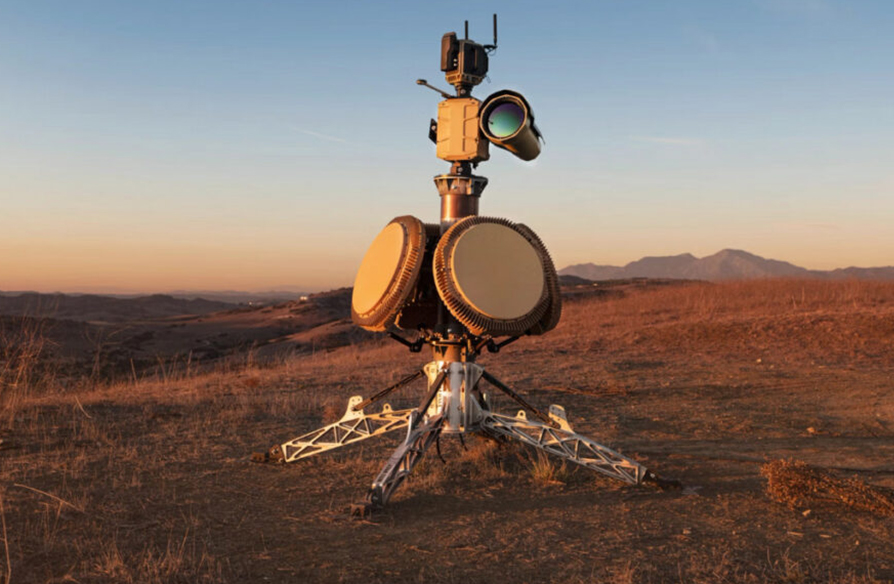
The U.S. Space Force announced on May 5, 2026 that it had awarded Anduril Industries a $100.3 million contract modification—code P00008—to bolster and expand the Space Surveillance Network. The new funding will help Anduril develop advanced sensors and software to enhance the network’s ability to track satellites and debris. By improving space situational awareness, the contract supports the U.S. Effort to safeguard space assets and maintain operational readiness. This upgrade marks a significant step forward in the nation’s space defense capabilities.
AST SpaceMobile Pivots to SpaceX for Mid-June Launch of Three BlueBird Satellites
Original Publication Date: 2026-05-07 17:08
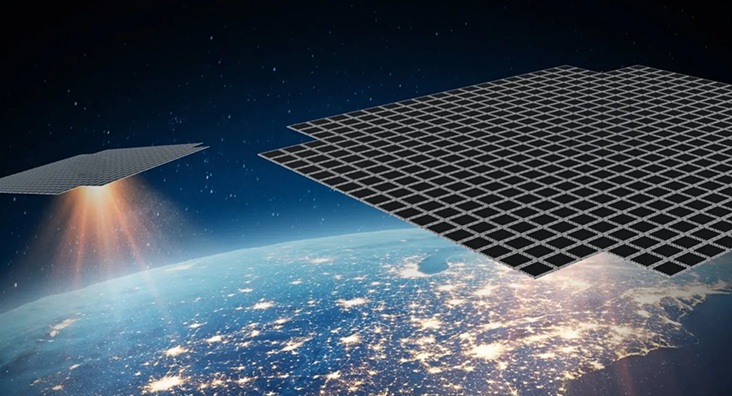
AST SpaceMobile has announced that it will launch its next three BlueBird satellites aboard a SpaceX Falcon 9 rocket, following the loss of BlueBird 7. The company plans to deploy the new spacecraft later this year, with the launch scheduled for a date that has yet to be finalized. The BlueBird satellites are part of AST’s effort to provide low‑Earth orbit broadband connectivity across the United States. This launch will help restore the company’s satellite constellation and advance its vision of a global wireless network.
Real Wireless Tapped by UK Spectrum Policy Forum for Lunar Connectivity Study
Original Publication Date: 2026-05-07 16:54

On May 7, 2026 the UK Spectrum Policy Forum, hosted by techUK, announced that Real Wireless has been commissioned to carry out a comprehensive study of the regulatory frameworks needed for the next generation of wireless services.
PROFEN and Azercosmos Expand Satellite Services Across Europe, the Middle East, and Africa
Original Publication Date: 2026-05-07 16:01
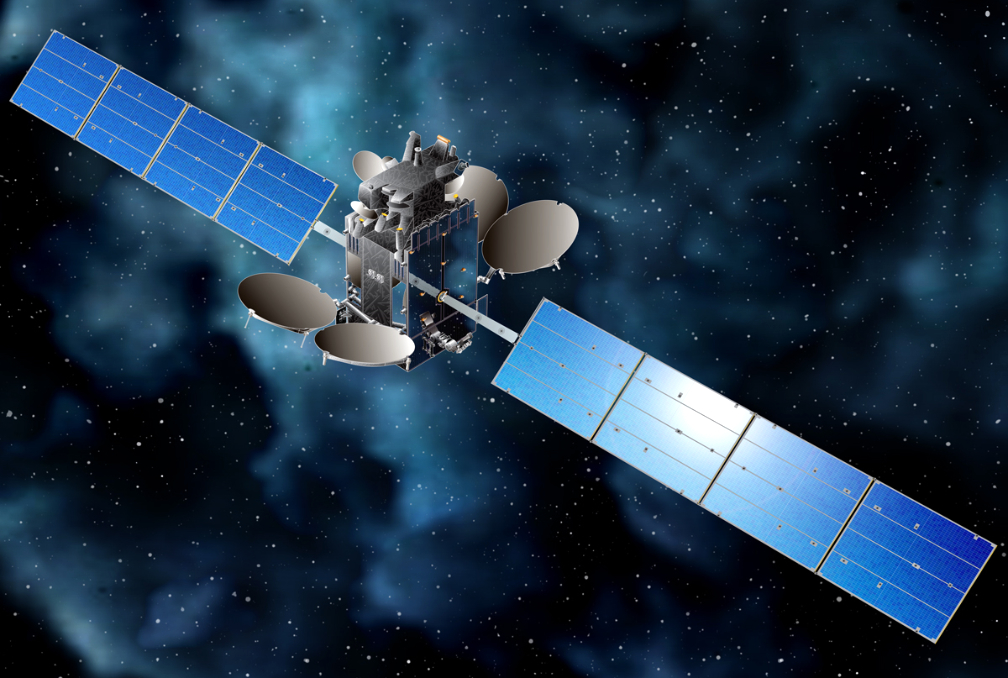
On May 7, 2026, Istanbul hosted the signing of a landmark cooperation agreement between PROFEN, a Turkey‑based satellite communication solutions leader, and Azercosmos, Azerbaijan’s national space agency.
Meet the Fleet: NASA Armstrong Continues Legacy of Flight Research
Original Publication Date: 2026-05-07 23:45
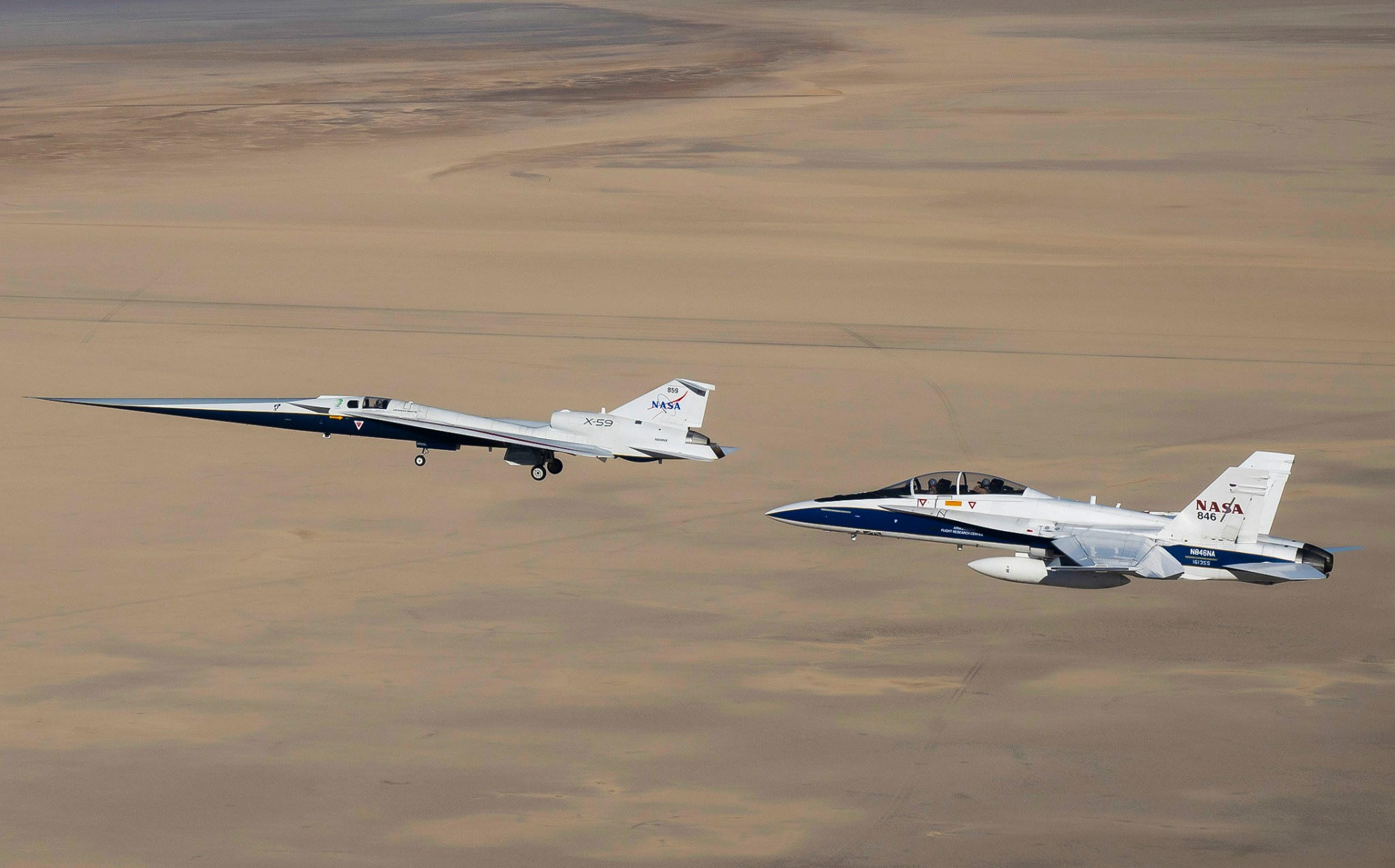
NASA’s Armstrong Flight Research Center in Edwards, California, has just expanded its already impressive fleet with two F‑15 supersonic jets, a Pilatus PC‑12 utility plane, and a T‑34 turboprop trainer, underscoring the center’s commitment to cutting‑edge aeronautics research. The facility, perched on the historic Rogers Dry Lake, continues a legacy that began with the Bell X‑1 in 1946 and now supports a wide array of airborne science missions—from measuring air pollution to mapping glacier melt. Engineers and pilots at Armstrong transform every aircraft, from high‑altitude ER‑2s to low‑altitude gliders, into sophisticated research platforms that carry scientists and equipment to remote data‑gathering sites. With the recent launch of the quiet supersonic X‑59 over Palmdale and Edwards, Armstrong remains at the forefront of pushing the boundaries of flight while delivering vital insights for NASA, industry, and the global scientific community.
NASA Welcomes Paraguay as 67th Artemis Accords Signatory
Original Publication Date: 2026-05-07 20:41

Paraguay has become the 67th nation to sign NASA’s Artemis Accords, pledging to explore space peacefully and transparently. The ceremony in Asunción saw NASA Administrator Jared Isaacman highlight the growing coalition of countries committed to lunar and Mars exploration. Paraguayan officials said the accord will boost the country's satellite program and open new research opportunities. With its second satellite, GuaraníSat‑2, set to launch this October, Paraguay is stepping into the global space community.
NASA Pushes Next-Gen Mars Helicopter Rotor Blades Past Mach 1
Also covered by: NASA
Original Publication Date: 2026-05-07 17:00
NASA’s Jet Propulsion Laboratory has proven that next‑generation Mars helicopter rotor blades can safely exceed the speed of sound, pushing blade tips to Mach 1.08 in a 25‑foot Mars‑atmosphere simulator and boosting lift by about 30 %. The campaign included 137 runs on both three‑ and two‑bladed rotors, with engineers—such as Fernando Mier‑Hicks—inspecting the test stand as data confirmed no structural failure. These results enable future aircraft to carry heavier scientific payloads and are now incorporated into the SkyFall mission design, which plans to launch three advanced helicopters to Mars in December 2028. This breakthrough builds on Ingenuity’s pioneering flight and marks a significant step toward more capable aerial exploration on the Red Planet.
China prepares cargo, crew, and deep space missions, as commercial sector steps towards reusability
Original Publication Date: 2026-05-07 21:04

China is gearing up for two missions to its Tiangong space station, with the Tianzhou‑10 cargo freighter set to lift off on May 9 from Wenchang and a new crew rotation aboard Shenzhou‑22 arriving to replace
South Korea Pushes to Commercialize Quantum Research
Original Publication Date: 2026-05-07 12:53

South Korea has launched a new initiative to accelerate quantum communications research, positioning the country at the forefront of the quantum age. The Open Quantum Testbed Advancement and Expansion Project will help move technologies like quantum key distribution from lab experiments to commercial use, with industry consortia invited to propose projects in commercial, international, and future‑tech categories.
NASA's Artemis 2 astronauts saw flashes on the far side of the moon that cameras struggle to capture. Here's why scientists are excited
Original Publication Date: 2026-05-08 10:00
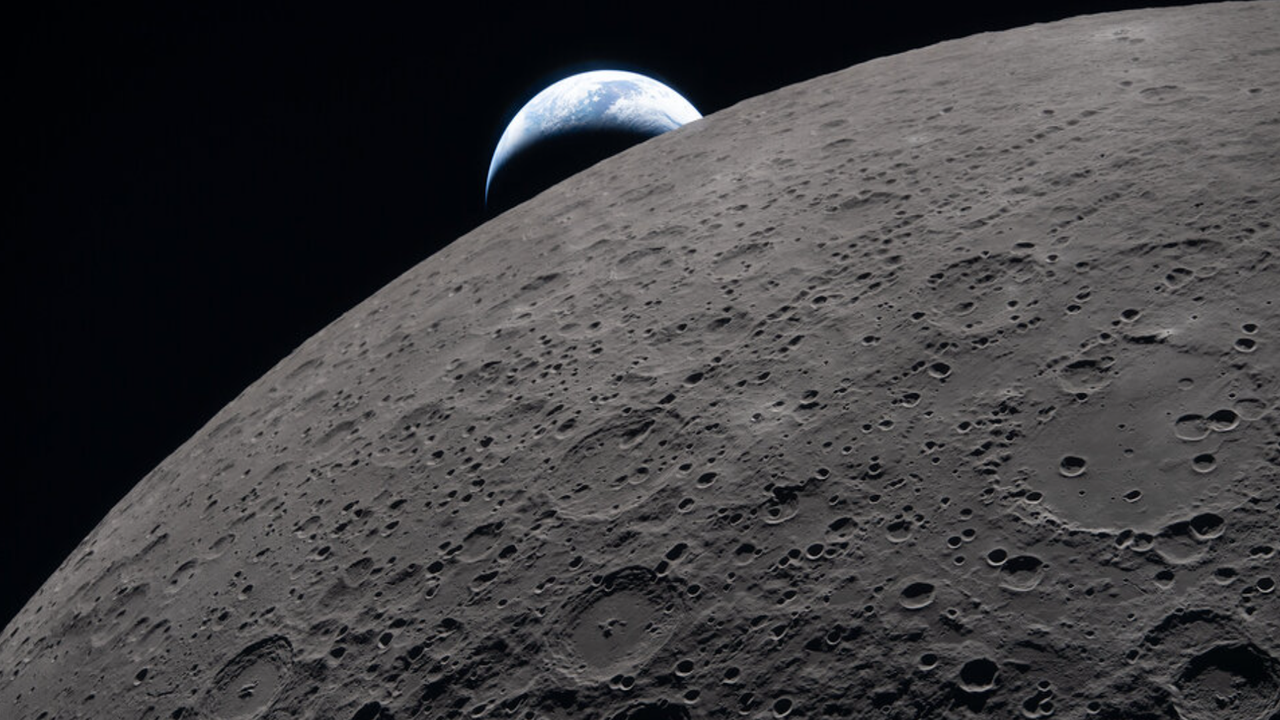
Artemis 2 crew members on their April 6 lunar flyby spotted several meteoroid impact flashes on the far side of the Moon, a feat that cameras have a hard time capturing. Their eye‑on observations, combined with data from the Lunar Reconnaissance Orbiter and a new citizen‑science “Impact Flash” project, will help scientists map how often and where these impacts occur. Understanding the impact flux is key to designing safe, long‑term habitats for NASA’s planned Artemis Base Camp near the Moon’s south pole. All imagery, audio and transcripts from the mission will be archived in the Planetary Data System for public access.
A bizarre 'decapitated' asteroid likely made the moon's largest impact crater. NASA's Artemis astronauts may land near the proof
Original Publication Date: 2026-05-07 22:00
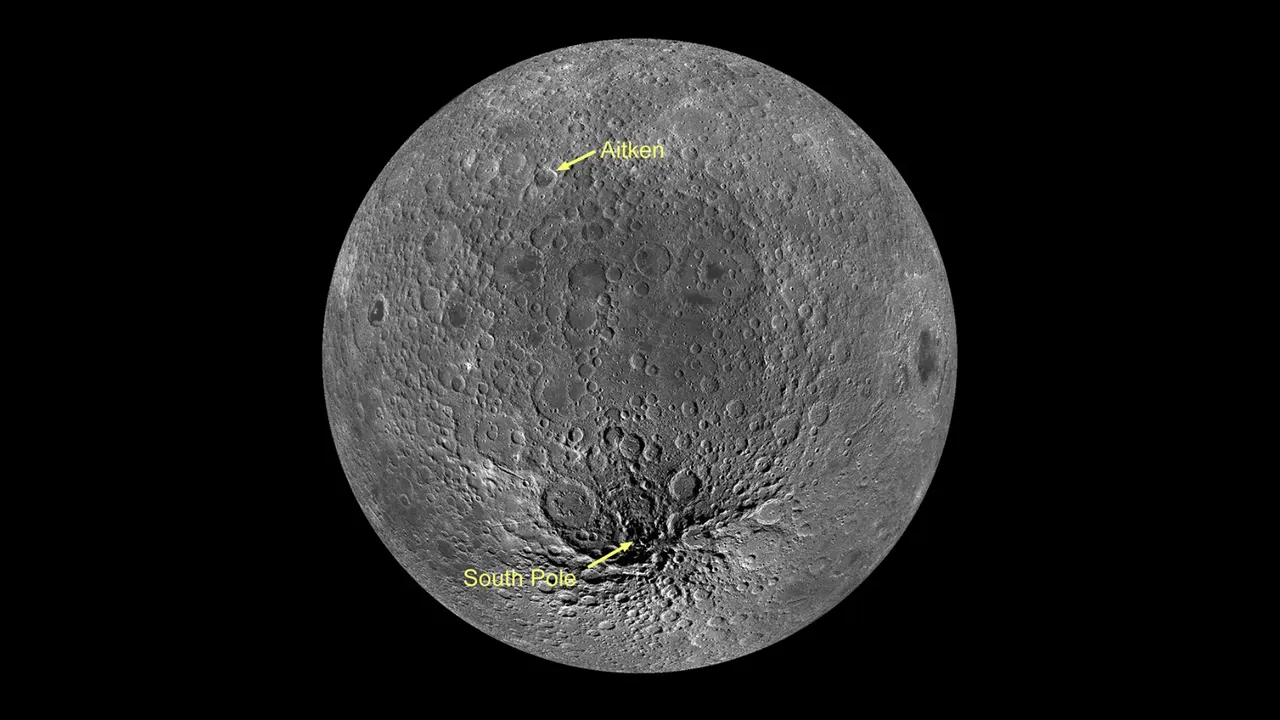
NASA researchers have modeled the moon's South Pole–Aitken basin as the result of a 260‑kilometer‑wide differentiated asteroid that slammed into the far side of the moon at a shallow 30‑degree angle, shredding its outer layers and leaving the iron core to carve the basin's distinctive tapered shape.
A 29-pound Mars rock held NASA's Curiosity rover hostage for 6 days
Original Publication Date: 2026-05-07 21:00
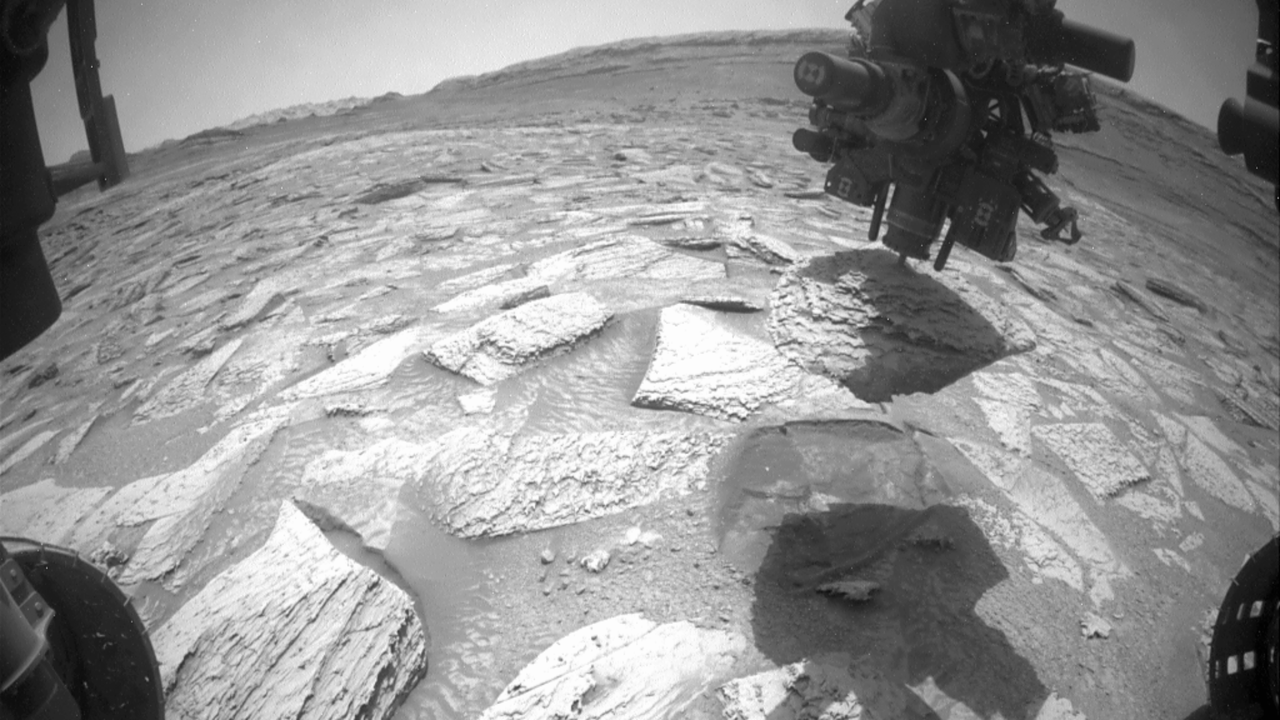
NASA’s Curiosity rover was held hostage by a 28.6‑pound rock named “Atacama” for six days after a drilling operation on April 25 left the stone stubbornly attached to the drill sleeve.
Where does Earth's mysterious 'ring current' come from? NASA and the US Space Force are launching a mission to find out
Original Publication Date: 2026-05-07 18:01
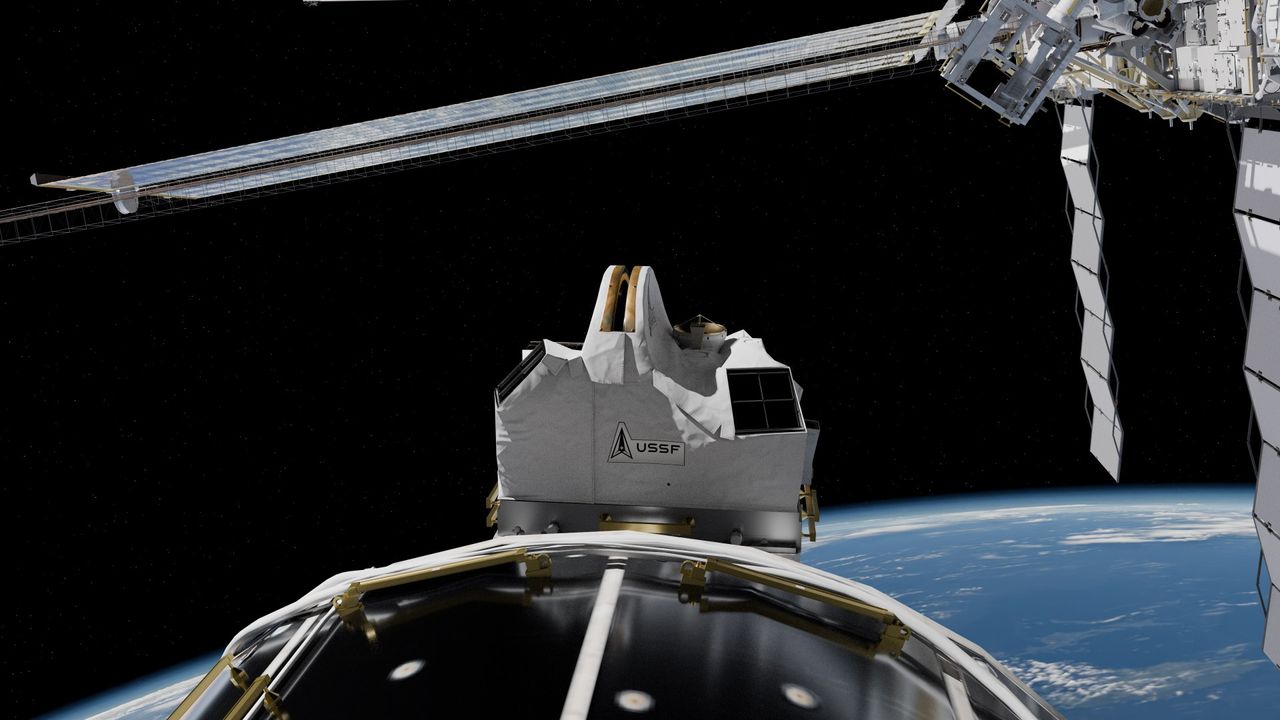
NASA and the U.S. Space Force are set to launch the STORIE mission to the International Space Station this month on a SpaceX resupply flight. The instrument will map Earth’s mysterious ring current—a doughnut‑shaped swarm of charged particles that can affect satellites and power grids—and determine whether the particles come from the Sun or Earth’s own atmosphere. By searching for oxygen in the ring, scientists hope to identify its source and better predict space‑weather impacts. The launch, part of the Houston 11 payload under the Space Test Program, aims to protect our technology from charged‑particle storms.
Moon joy at Jupiter | Space photo of the day for May 7, 2026
Original Publication Date: 2026-05-07 15:10
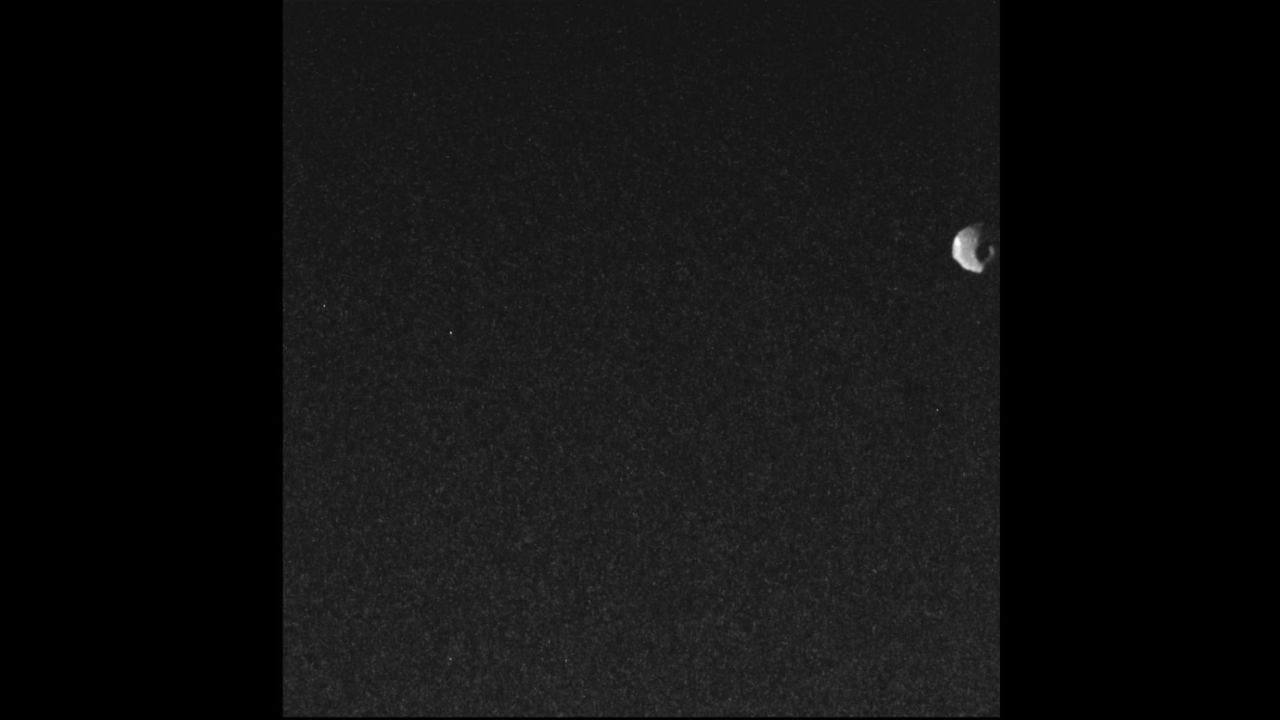
NASA’s Juno spacecraft captured a close‑up image of Jupiter’s inner moon Thebe during a flyby on May 1, 2026. From just 3,100 miles (5,000 km) away, Juno’s Stellar Reference Unit—normally used for star navigation—snapped a surprisingly sharp photo of the 200‑kilometer‑wide moon. Thebe, discovered by Voyager 1 in 1980 and the second‑largest of Jupiter’s inner moons, offers scientists a rare chance to study its surface and composition up close.