 Spotify
 Apple Podcasts
 Podcast Addict
 Overcast
 Podcast RSS
Space Force taps K2 satellites to test laser communications for missile-defense
Original Publication Date: 2026-05-01 00:30
The U.S. Space Force has chosen K2 Space’s satellites for its OPIR Space Modernization Initiative, aiming to test high‑speed data links between space‑based sensors and the ground.
SpaceComputer to conduct on-orbit test of secure computing infrastructure
Original Publication Date: 2026-04-30 23:38
Singapore startup SpaceComputer is gearing up to launch its first on‑orbit test of a secure, distributed computing platform later this year. The company’s flagship product, Space Fabric, blends hardware and software to create physically isolated, secure computing nodes that connect ground stations with satellites. By linking these isolated elements, Space Fabric will allow satellites to share processing power while maintaining robust security. This milestone marks a significant step toward more resilient and collaborative space operations.
Northrop Grumman delivers sensor for missile-warning satellite as Pentagon cancels program
Original Publication Date: 2026-04-30 22:37
Northrop Grumman has delivered a missile‑warning sensor for the Next‑Gen OPIR Polar program, a U.S. Space Force effort that the Pentagon now proposes to cancel. The polar component was intended to field two highly elliptical satellites to monitor missile threats over the Northern Hemisphere, but the 2027 budget cuts funding after $2.1 billion has already been spent. The decision reflects a shift toward distributed constellations in lower orbits, which the Space Force believes provide sufficient coverage without the large, bespoke satellites.
House appropriators keep NASA funding flat
Original Publication Date: 2026-04-30 15:06
House appropriations lawmakers pushed a NASA budget that keeps the agency’s overall funding flat at $24.438 billion for fiscal year 2027, rejecting a 23% cut the White House had proposed. The Commerce, Justice and Science subcommittee approved the bill 8‑6 along party lines, with a full committee markup slated for May 13. While exploration gains more than $1.1 billion, science sees a $1.25 billion dip, and the bill trims aeronautics and education programs but boosts space operations. Republicans say the package preserves lunar ambitions after Artemis 2, while Democrats worry the cuts to science and education could hurt NASA’s broader mission.
SmallSat Europe Speaker Focus: Koen Willems, ST Engineering iDirect Europe
Original Publication Date: 2026-04-30 19:59

Koen Willems is spearheading the €65 million European Protected Waveform initiative, a key component of Europe’s sovereign connectivity constellation, IRIS². This secure communications layer is designed to safeguard data transmission across the continent’s next‑generation satellite network. By providing a protected channel, the project aims to bolster national security and digital resilience. The effort underscores Europe’s commitment to maintaining independent, secure connectivity in the face of growing cyber threats.
FAA Grounds Blue Origin Following New Glenn Upper Stage Failure and Facility Anomaly
Original Publication Date: 2026-04-30 18:42

Blue Origin’s New Glenn rocket suffered a primary mission failure on April 19, prompting the FAA to impose an indefinite launch moratorium.
Viasat Completes ViaSat-3 Constellation with Successful Flight 3 Launch
Original Publication Date: 2026-04-30 16:52
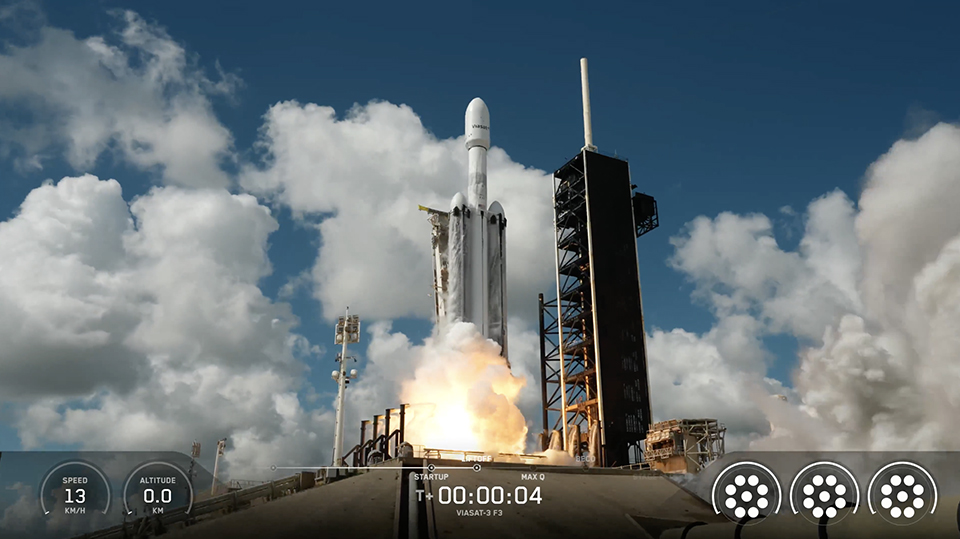
Viasat, Inc. Successfully launched its ViaSat‑3 Flight 3 satellite on April 29 from Cape Canaveral, with the rocket lifting off
Cyclone Rains Spur Papua New Guinea Landslides
Original Publication Date: 2026-05-01 04:01
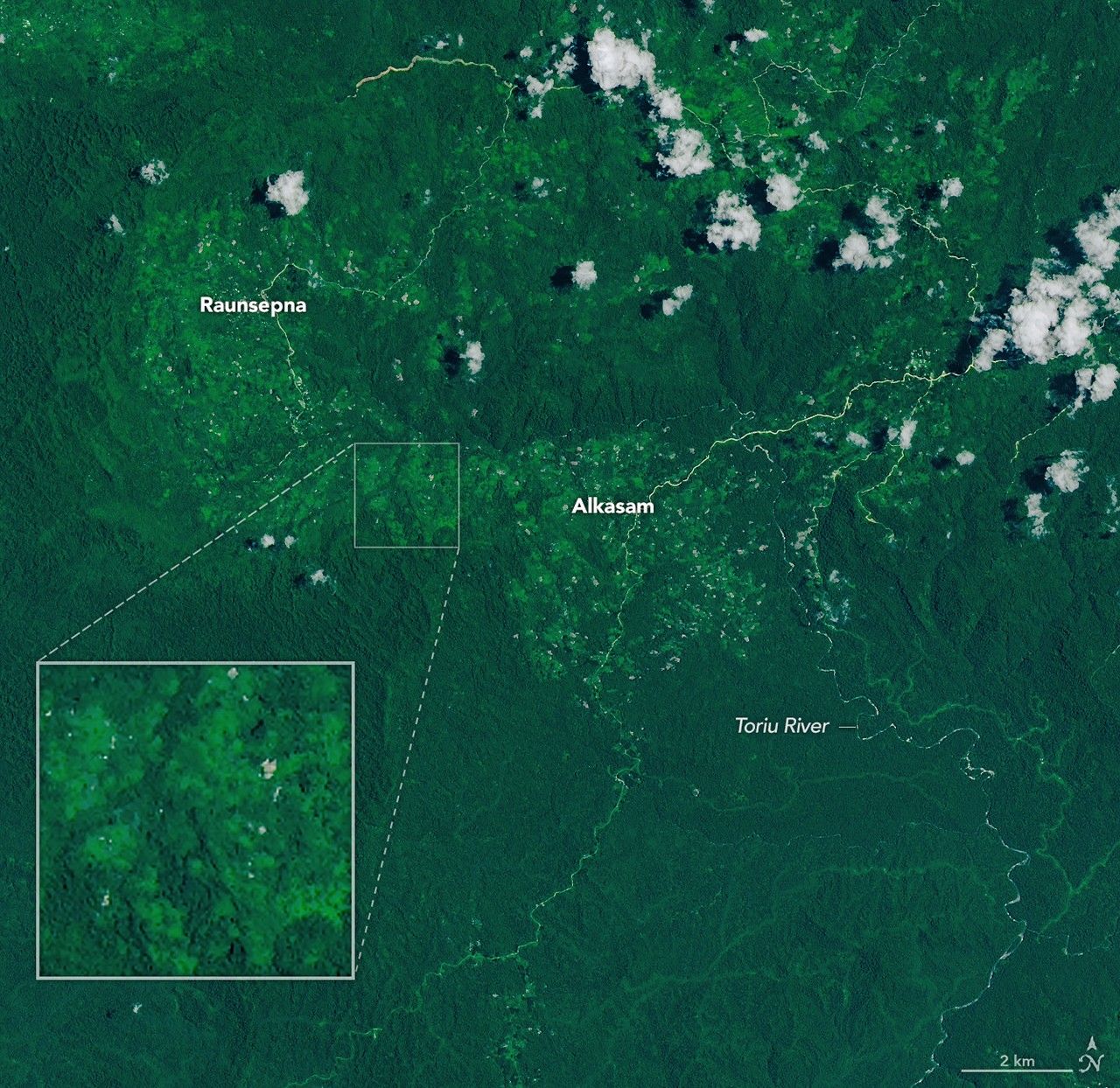
Tropical Cyclone Maila, a Category 4 storm on Australia’s scale, lingered over Papua New Guinea’s East New Britain in April 2026, dumping hundreds of millimeters of rain in a week. The deluge saturated steep slopes, triggering deadly landslides in the Gazelle district and the Baining Mountains, killing at least ten people and leaving dozens injured.
NASA Invites Media to Ireland Artemis Accords Signing
Original Publication Date: 2026-04-30 20:45

NASA Headquarters will host a ceremony on Monday, May 4 at 3 p.m. EDT, where Ireland will officially sign the Artemis Accords, marking the country’s commitment to the U.S. Framework for safe and coordinated lunar and beyond exploration. Administrator Jared Isaacman will welcome Irish Ambassador Geraldine Byrne Nason, Minister for Enterprise Peter Burke, and U.S. State Department officials for the signing. The event is in‑person only, and media must RSVP by noon on May 4 to hq‑media@mail.nasa.gov. The Artemis Accords, first adopted in 2020, set practical principles for transparency, safety, and collaboration in civil space missions across the Moon, Mars, and beyond.
Odyssey Team Celebrates on a Global Map of Mars
Original Publication Date: 2026-04-30 18:19

On April 15, 2026, the Odyssey team gathered at NASA’s Jet Propulsion Laboratory in Southern California to mark the 25th anniversary of the spacecraft’s launch. They unveiled a giant global map of Mars, compiled from imagery taken by Odyssey’s THEMIS infrared camera. The display highlighted the mission’s long‑lasting contributions to planetary science and Mars exploration. The celebration underscored the enduring legacy of the Odyssey orbiter.
Artemis III Moon Rocket Core Stage on the Move
Original Publication Date: 2026-04-30 17:39
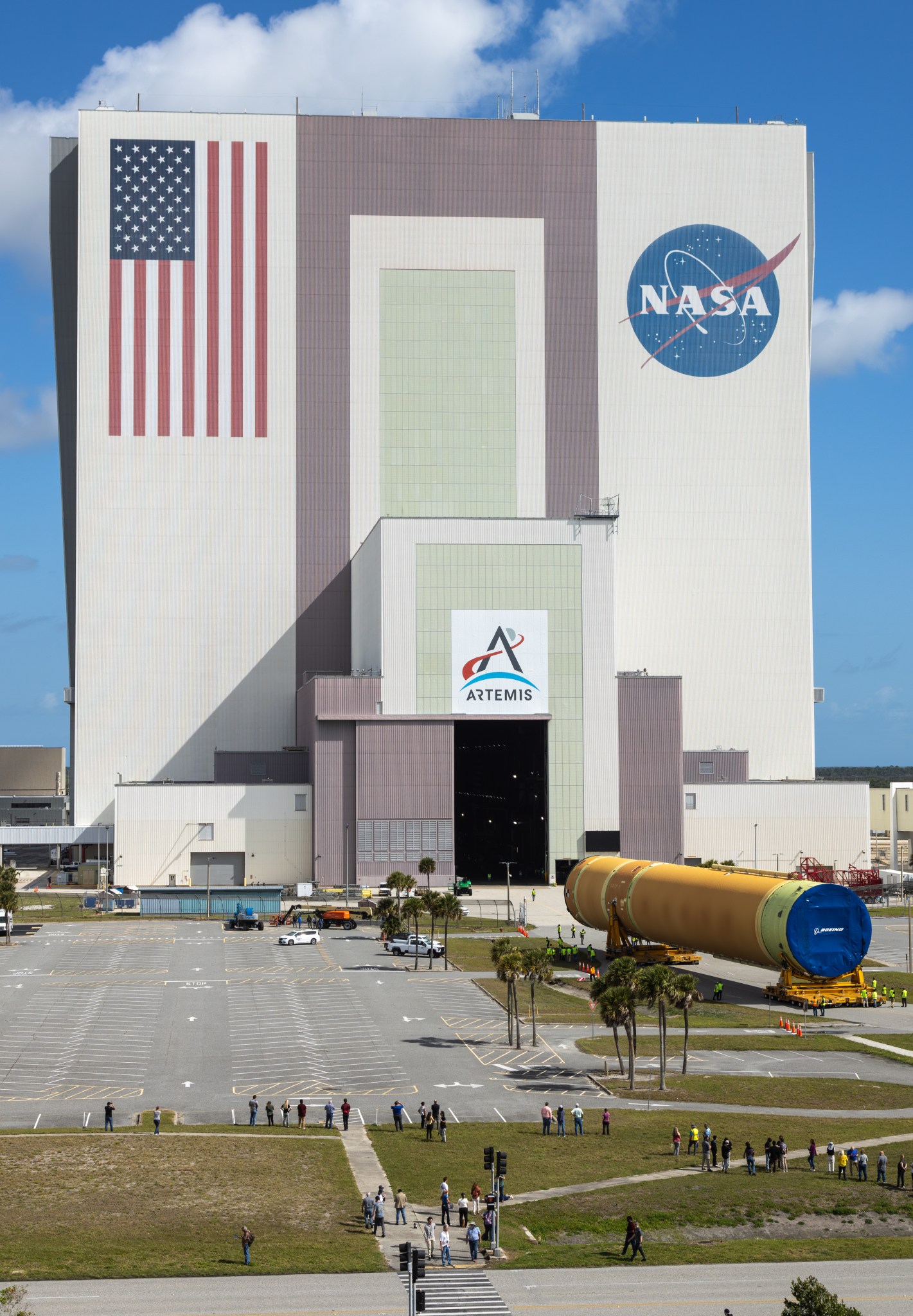
NASA’s Glenn Benson teams moved the core stage of the Space Launch System into the Vehicle Assembly Building at Kennedy Space Center on April 27, 2026. The stage, built at Michoud Assembly Facility in New Orleans, was transported 900 miles on the Pegasus barge to finish assembly for Artemis III. The upcoming launch will carry the Orion crew module, testing rendezvous and docking with commercial spacecraft—essential steps for future lunar landings. This milestone marks a critical step toward returning astronauts to the Moon.
Russia debuts new rocket with maiden Soyuz-5 launch
Original Publication Date: 2026-04-30 21:25

Russia’s brand‑new Soyuz‑5 rocket launched from Baikonur on Thursday, marking the first debut of a new vehicle at the historic site in decades. The suborbital test carried a dummy payload, proving the two‑stage vehicle—built by RKTs Progress and powered by an RD‑171MV first stage—can use existing Zenit launch infrastructure. Designed to replace the aging Zenit family after Ukraine ties soured, Soyuz‑5 offers a lower‑cost, reusable platform that can support future crew, cargo, and commercial missions.
Next NASA ISS astronaut, doctor discusses upcoming mission
Original Publication Date: 2026-04-30 14:55

Dr. Anil Menon, a seasoned flight surgeon who has worked with NASA and SpaceX, is set to launch to the International Space Station aboard the Soyuz MS‑29 no earlier than July 14, 2025.
CATALYST Unveils its Sat Product for City Skylines
Original Publication Date: 2026-04-30 12:45

CATALYST, a division of Ottawa‑based PCI Geomatics, today launched UrbanSAR, a satellite‑based system that can detect millimeter‑scale shifts in buildings floor by floor. Using interferometric SAR from at least two satellites, the tool pinpoints tiny movements that traditional ground monitoring misses, a Toronto study showed the top floors of new towers can shift up to 30 millimeters. The data will let construction firms see pre‑existing motion, insurers assess hidden risks, and city officials evaluate the impact of densification.
York Space Systems to Acquire ALL.SPACE for $355M
Original Publication Date: 2026-04-30 12:32

York Space Systems announced a $355 million cash‑and‑stock deal to acquire ALL.SPACE, making the communications company a wholly owned subsidiary. The purchase follows York’s March acquisition of Orbion Space Technology and is part of a strategy to broaden its portfolio into high‑growth communications and multi‑domain military markets. CEO Dirk Wallinger said the combined capabilities will enable a turnkey global connectivity ecosystem when paired with future ATLAS Space Operations. Despite the expansion plans, York’s shares fell 8.4% and trade below the IPO price.
Orbital Data Center Competitive Landscape
Original Publication Date: 2026-04-30 10:18

The article titled “Orbital Data Center Competitive Landscape” is behind a subscriber‑only paywall, so the full analysis isn’t publicly available. It originally appeared on both Payload Pro and Payload. Those interested in the competitive dynamics of orbital data centers can access it by subscribing to the service. For now, the details remain exclusive to subscribers.
Russia's new homegrown Soyuz 5 rocket aces debut launch
Original Publication Date: 2026-04-30 22:00
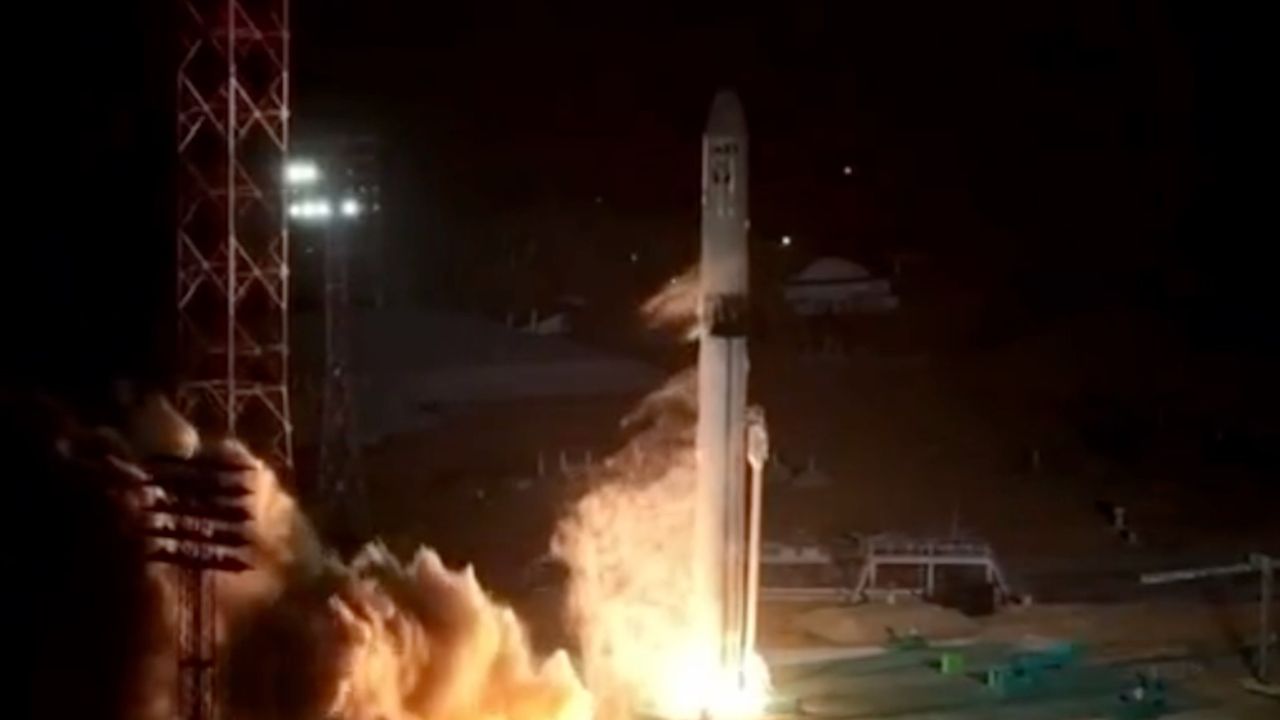
On April 30, 2026 Russia’s new Soyuz 5 rocket lifted off from Baikonur Cosmodrome and completed a successful suborbital test flight, with both stages performing as planned. Designed to replace Ukraine‑built Zenit boosters and serve as a first‑stage for a future super‑heavy launcher, the Soyuz 5 can carry about 20 tonnes to low‑Earth orbit, comparable to SpaceX’s Falcon 9 but remains expendable. Developed since 2017 amid geopolitical tensions, the launch marks a significant step for Russia’s domestic launch capability, though its appeal to international customers remains uncertain.
Artemis 3 has been pushed to late 2027. Can NASA still land astronauts on the moon in 2028?
Original Publication Date: 2026-04-30 21:00
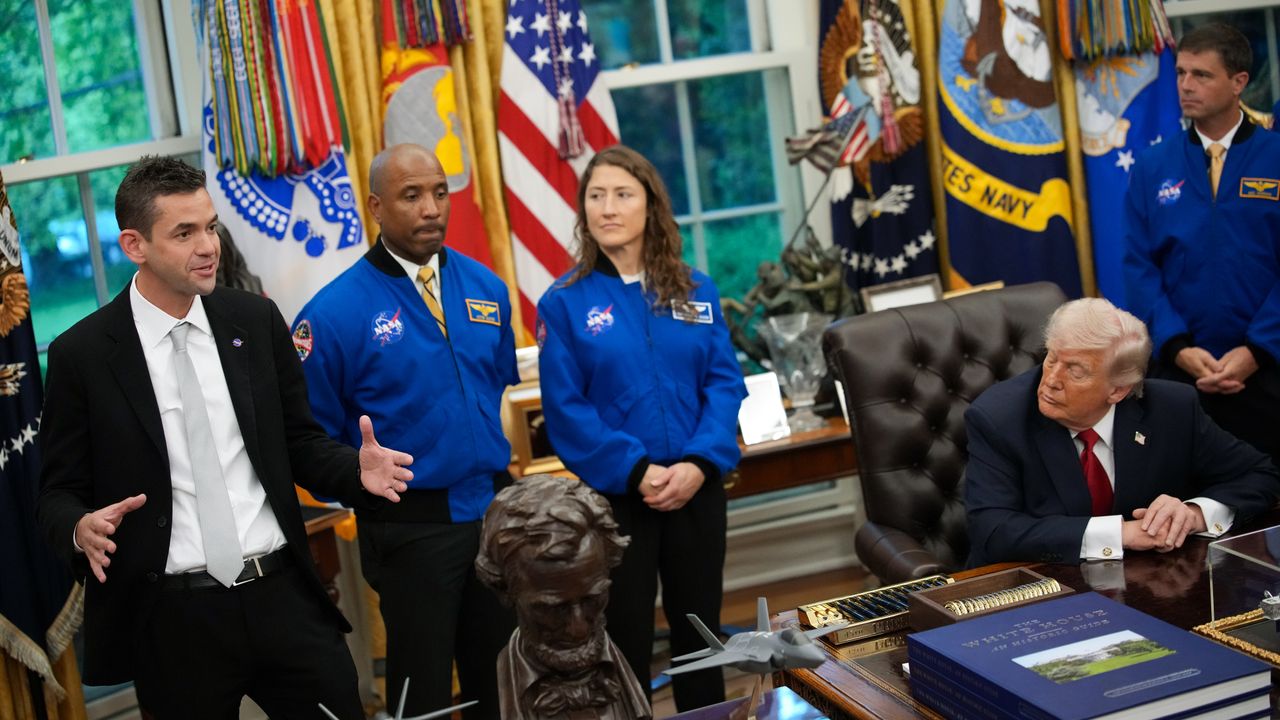
Artemis 3 has been pushed to late 2027, raising questions about whether NASA can land astronauts on the Moon in 2028. The delay comes from SpaceX’s Starship and Blue Origin’s Blue Moon landers, which must finish complex docking, refueling and uncrewed touchdown tests before a crewed mission. Despite these setbacks, NASA remains committed to a 10‑month launch cadence and will fly Artemis 3 with any lander ready for the rendezvous, keeping the 2028 lunar landing goal on track. The program’s broader plan still aims to establish a permanent human base on the Moon within the decade.
US Space Force wants space-based missile interceptors for Golden Dome ready by 2028
Original Publication Date: 2026-04-30 20:00

The U.S. Space Force has launched the Space-Based Interceptor program, a key element of President Trump’s Golden Dome defense system, to deploy a constellation of satellites capable of intercepting hypersonic missiles in flight.
Is Venus volcanically active? Big Hawaiian eruption in 2022 could help scientists find out
Original Publication Date: 2026-04-30 19:00

Scientists are using data from Hawaii’s 2022 Mauna Loa eruption to refine models of how lava cools, hoping to apply the same techniques to detect active volcanism on Venus. By combining private and public satellite imagery with machine learning, researchers identified a heat buildup a month before Mauna Loa’s eruption and measured lava thickness in three dimensions, finding that flows over 20 meters thick take about 21 months to cool. These findings could help future missions, such as NASA’s early‑2030s VERITAS, pinpoint recent lava flows on Venus and assess its current volcanic activity.
This SpaceX Falcon Heavy rocket launch looks amazing from space in these wild satellite photos
Original Publication Date: 2026-04-30 16:00
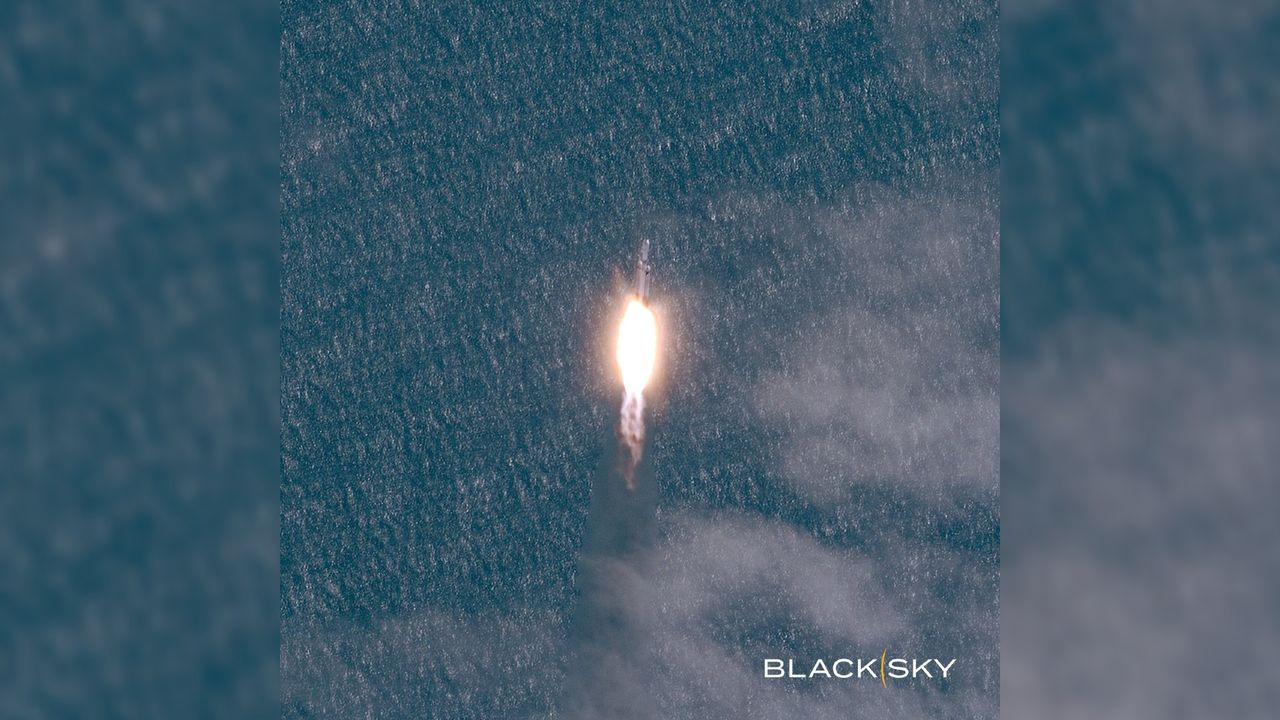
SpaceX’s Falcon Heavy lifted off from Kennedy Space Center on April 29, 2026, carrying the ViaSat‑3 F3 communications satellite to geosynchronous transfer orbit after an 18‑month hiatus. A BlackSky Gen‑3 Earth‑observing satellite captured striking off‑nadir shots of the rocket on the pad and in flight, showcasing its 13.8‑inch ground resolution. This launch marks the second‑most powerful rocket in operation today, adding to Falcon Heavy’s record of 12 successful flights. The mission signals a fresh chapter for heavy‑lift capabilities as SpaceX resumes its high‑profile launches.