 Spotify
 Apple Podcasts
 Podcast Addict
 Overcast
 Podcast RSS
Blue Origin joins the orbital data center race
Original Publication Date: 2026-03-19 23:30
Blue Origin has filed with the FCC to launch Project Sunrise, a constellation of up to 51,600 solar‑powered satellites that would serve as an orbital data center for AI computing. The plan would use sun‑synchronous orbits between 500 and 1,800 km, optical inter‑satellite links, and Ka‑band frequencies for telemetry, while pledging to deorbit satellites within five years and work with astronomers to reduce light pollution.
Register now: The energy imperative driving the push toward orbital data centers
Original Publication Date: 2026-03-19 18:37
Artificial intelligence and cloud computing are driving a surge in global electricity demand, with hyperscale data centers already consuming vast amounts of power and water, straining utilities worldwide. Facing grid constraints and rising energy costs, governments are exploring the idea of moving compute infrastructure to orbit, prompting SpaceNews and Star Catcher to host a virtual event on March 31 to discuss the energy and computing needs driving the push toward orbital data centers. The session will feature Andrew Rush, CEO of Star Catcher, Daniel King from the Foundation for American Innovation, and moderator Jason Rainbow, and will examine gaps, opportunities, and next steps in this fast‑moving field.
Kratos wins $446 million Space Force contract for missile-tracking ground systems
Also covered by: SatNews
Original Publication Date: 2026-03-19 18:03
On March 17, 2026, the U.S. Space Force’s Space Systems Command awarded Kratos Defense & Security Solutions a $446.8 million contract to build and operate the ground system for the Resilient Missile Warning and Tracking constellation. The contract covers ground management and integration, enabling the satellites to send commands, receive sensor data, and process information for military operators. The phased constellation will complement existing geosynchronous and low‑Earth‑orbit systems, creating a layered missile‑warning network across multiple orbital regimes to improve detection and tracking of ICBMs and hypersonic weapons.
Eileen Collins on what it takes to become Space Shuttle Commander
Original Publication Date: 2026-03-19 15:38
In the latest episode of Space Minds, host David Ariosto sits down with retired NASA astronaut and Air Force colonel Eileen Collins, the first woman to pilot and command a Space Shuttle. Collins shares the life lessons that guided her through a groundbreaking space and military career, the challenges of leading a crew, and her thoughts on human versus AI roles in future missions.
SpaceX launches 29 Starlink satellites on Falcon 9 rocket from Cape Canaveral
Original Publication Date: 2026-03-18 20:15
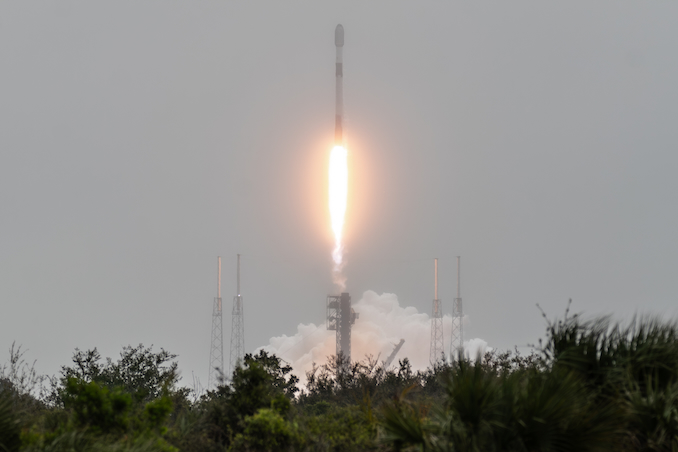
SpaceX lifted off a Falcon 9 from Cape Canaveral on March 19, 2026, launching its 10‑33 Starlink mission.
NASA Deals Blow to Boeing With Bigger SpaceX Moon-Mission Role
Original Publication Date: 2026-03-19 21:19
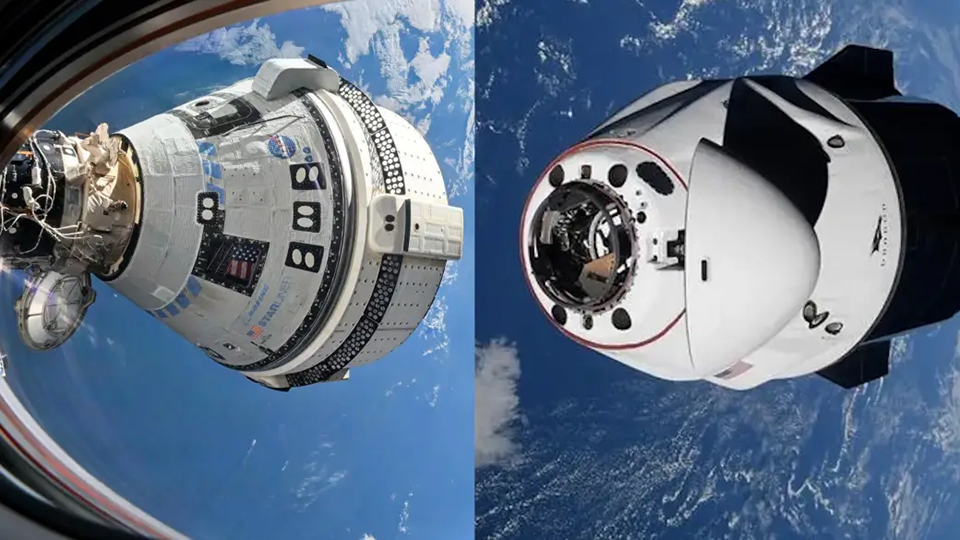
NASA Administrator Jared Isaacman announced on Feb. 27, 2026, a major restructuring of the Artemis program designed to speed the U.S. Return to the Moon. The new plan trims the timeline for the first crewed lunar landing, moving it from 2028 to 2027, and reallocates funding to boost launch vehicle development and lunar habitat construction.
Eutelsat CEO Outlines Strategic Pivot to Multi-Orbit Connectivity and OneWeb Gen 2 Roadmap
Original Publication Date: 2026-03-19 21:08

Eutelsat Group’s CEO Eva Berneke announced on March 19 that the satellite operator is shifting from a video‑centric, geostationary focus to a vertically integrated, multi‑orbit strategy that will combine GEO, MEO and LEO assets. The new approach will broaden the company’s portfolio beyond broadcast, adding broadband, IoT and data‑centric services to meet growing global connectivity demand.
NewSpace Systems Opens Africa’s Largest Commercial Space Hardware Manufacturing Facility
Original Publication Date: 2026-03-19 14:29
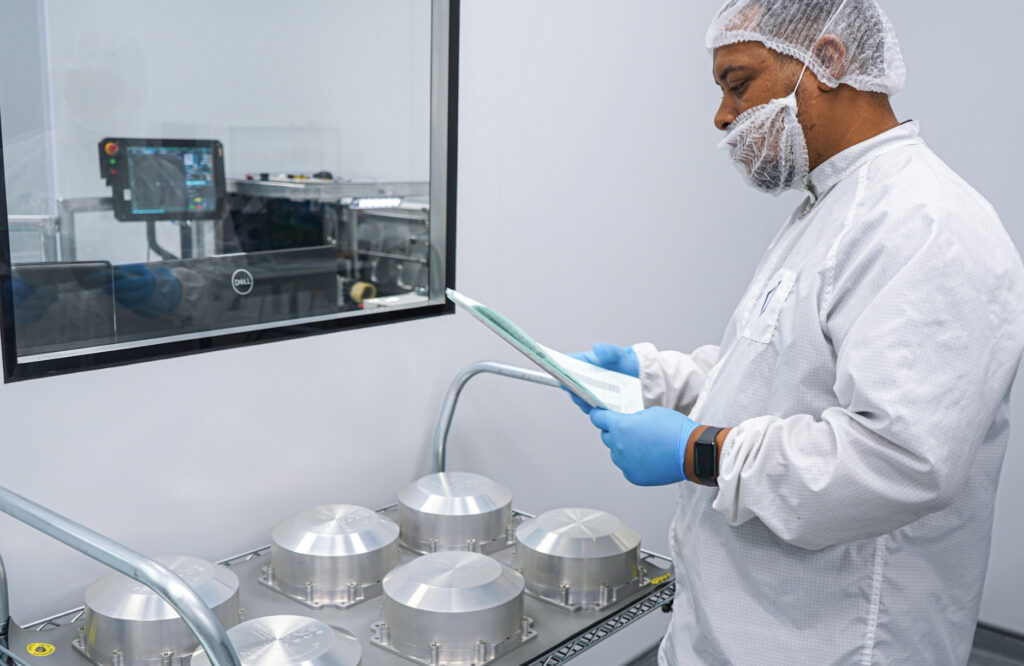
On March 19, NewSpace Systems opened its 5,200‑square‑meter manufacturing hub in Somerset West, South Africa, the largest commercial space component facility in the region.
ReOrbit Secures €150 Million Contract with SLI for Next-Generation Small GEO Satellites
Original Publication Date: 2026-03-19 13:36

On March 19, 2026, Helsinki‑based satellite manufacturer ReOrbit announced a €150 million deal with aerospace financier SLI to purchase and finance a fleet of its next‑generation satellites.
Restless Kīlauea Launches Lava and Ash
Original Publication Date: 2026-03-20 04:01

Kilauea erupted again on March 10, 2026, marking episode 43 of its second‑year activity. From 9 a.m. To 6 p.m. Local time, lava spewed from two vents, reaching a record 1,770‑foot fountains and adding 16 million cubic yards of basalt to the summit crater, raising its depth by about 300 feet.
American Bald Eagle at NASA’s Kennedy Space Center
Original Publication Date: 2026-03-19 15:16
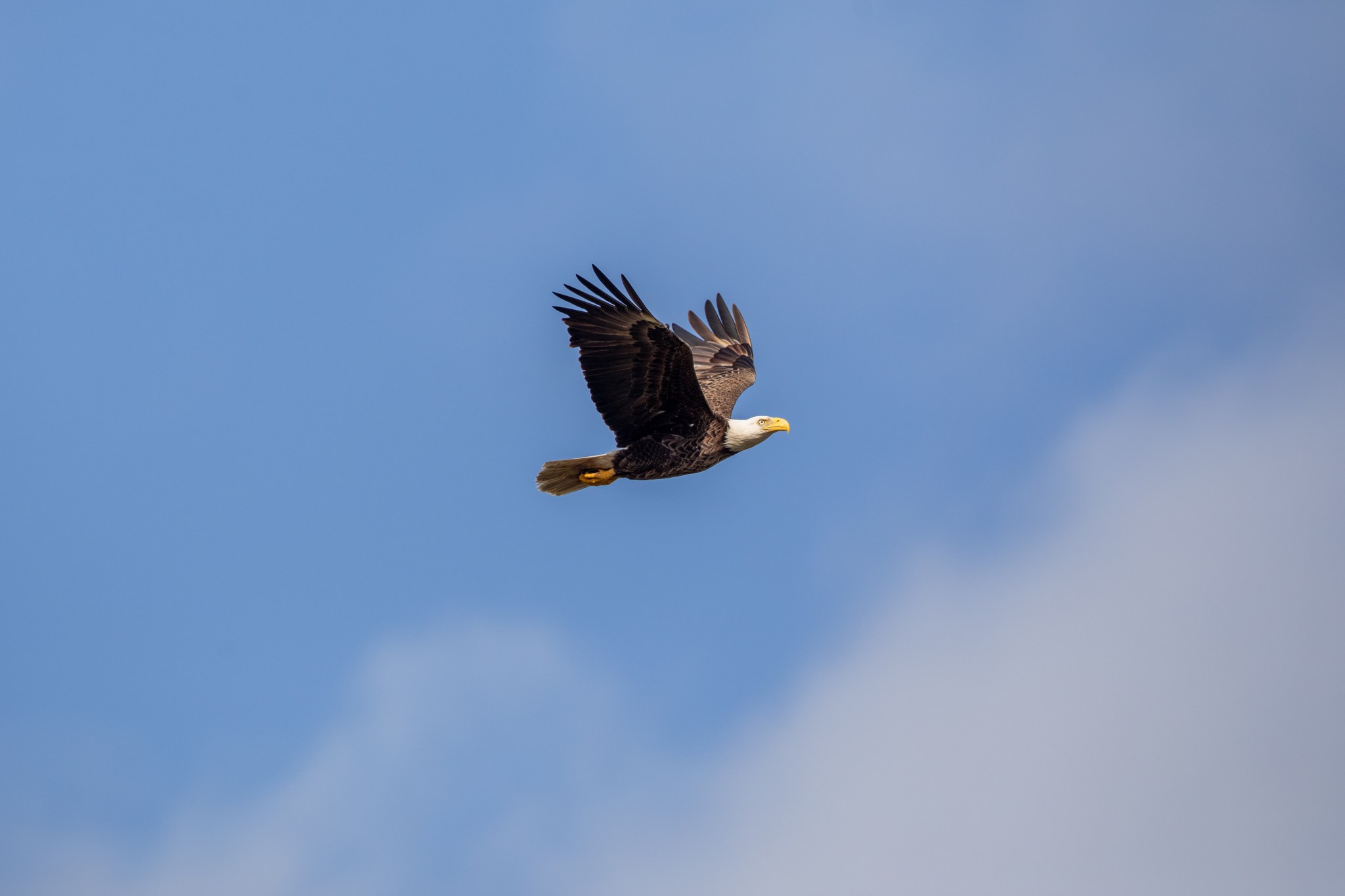
An American bald eagle was seen taking flight from its nest at NASA’s Kennedy Space Center on March 13, 2026. The spaceport conducts annual nesting surveys across Kennedy, Merritt Island National Wildlife Refuge, and Canaveral National Seashore to monitor active and inactive nests for wildlife management and regulatory compliance. Each winter, the eagles return to the Florida spaceport to breed and raise a new generation.
How NASA is Collecting Explosion Data for Next Generation Rockets
Original Publication Date: 2026-03-19 15:13

NASA’s Stennis Engineering team is conducting a final series of controlled detonations at Eglin Air Force Base to quantify the explosive yield of liquid oxygen and methane, the fuels of next‑generation rockets. The tests, carried out in partnership with the FAA and the Space Force, use a generic fuel tank that intentionally ruptures its bulkhead, allowing engineers to measure blast intensity, thermal effects and fragment trajectories at 100, 2,000 and 20,000‑pound scales.
NASA Laser Reflecting Instrument Makes GPS Satellite More Accurate
Original Publication Date: 2026-03-19 15:00

NASA’s new laser retroreflector array on GPS III SV‑09 is now operational, having been launched Jan. 27 aboard a SpaceX Falcon 9. The LRA uses corner‑cube mirrors to bounce laser pulses back to ground stations, allowing precise distance measurements that tighten the satellite’s orbit.
NASA to Cover Progress 94 Spacecraft Launch, Space Station Docking
Original Publication Date: 2026-03-19 14:15
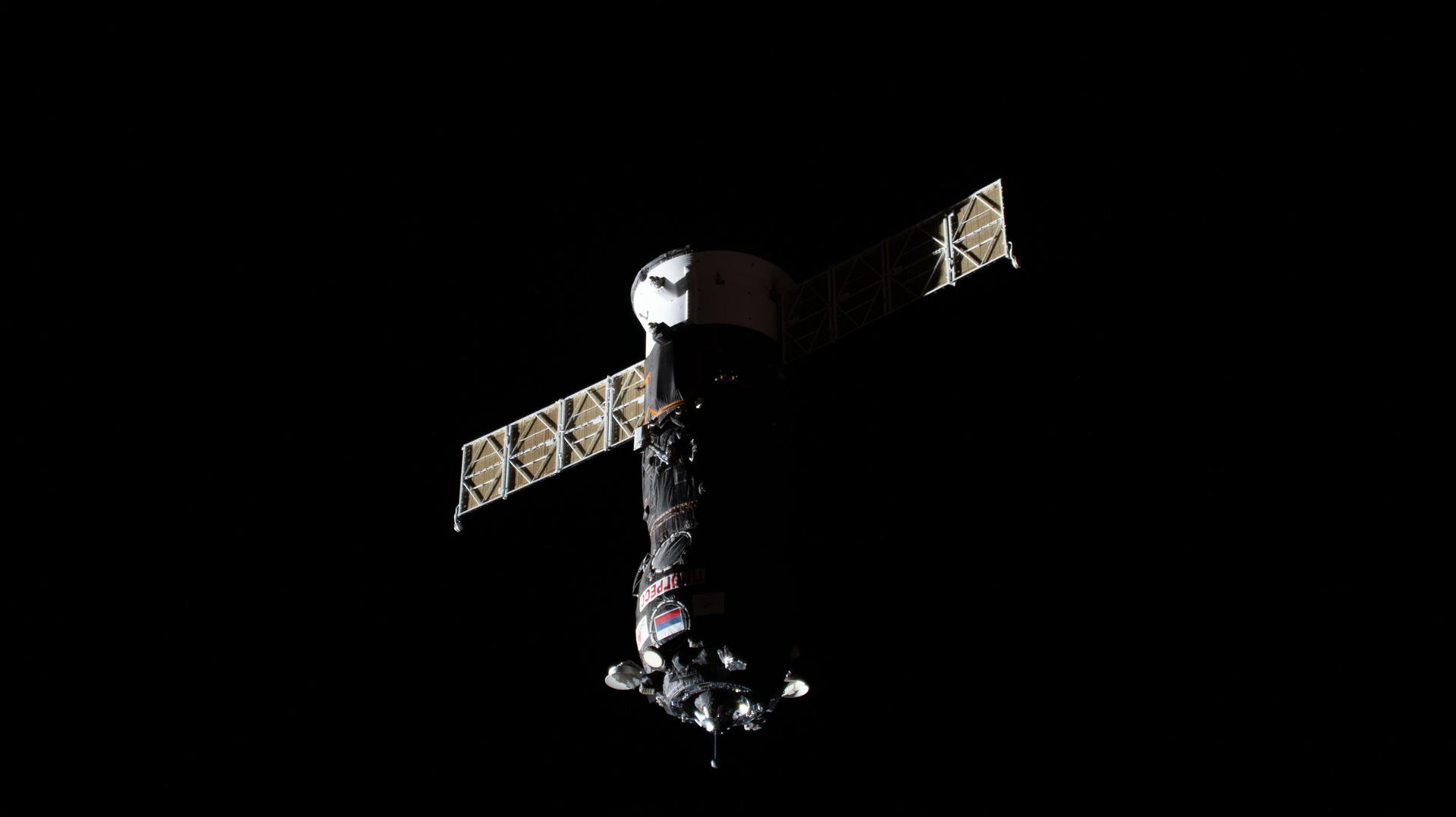
NASA will broadcast live as the unpiloted Progress 94 cargo spacecraft lifts off from Baikonur on March 22 at 7:59 a.m. EDT, carrying roughly three tons of food, fuel and supplies for the ISS crew. After a two‑day journey the ship will autonomously dock to the Poisk module’s space‑facing port on March 24 at about 9:34 a.m. EDT, where it will remain for roughly six months before returning to Earth to burn up and dispose of trash. The previous Progress 92 spacecraft undocked on March 16 and safely re‑entered over the Pacific. View the launch and docking on NASA+, Amazon Prime, and NASA’s YouTube channel for a front‑row seat to this vital resupply mission.
Inside Austria’s Small But Mighty Space Ecosystem
Original Publication Date: 2026-03-20 05:40

Austria is reviving its space industry, boosting its ESA contribution by 48% to €336 million and launching its first military satellite this month. The country has created a thriving startup ecosystem with the new Phi‑Lab in Vienna, nurturing firms like GATE Space, R‑Space and Satellives, while offering generous non‑dilutive funding and low‑cost testing facilities. Yet many founders say growth stalls once they reach later stages, as local venture capital prefers established sectors and a higher risk appetite is needed. International investors, however, are stepping in—German and Irish VCs are already backing Austrian companies—helping the nation position itself as a valued Tier‑1 partner across Europe rather than pursuing full sovereignty alone.
Portal, Paladin Team On Debris Removal Service
Also covered by: SpaceNews
Original Publication Date: 2026-03-19 17:00
Portal Space Systems and Australian startup Paladin Space have teamed up to offer a commercial Debris Removal as a Service (DRAAS) that uses Portal’s Starburst spacecraft and Paladin’s Triton payload. The system can capture 20–50 small debris pieces—up to one meter in size—at a time, storing them for later disposal, and is slated to fly on a Starburst mission in 2027 after the first Starburst flight in 2026.
These cotton candy exoplanets hide behind a haze even the James Webb Space Telescope can't penetrate
Original Publication Date: 2026-03-19 21:00
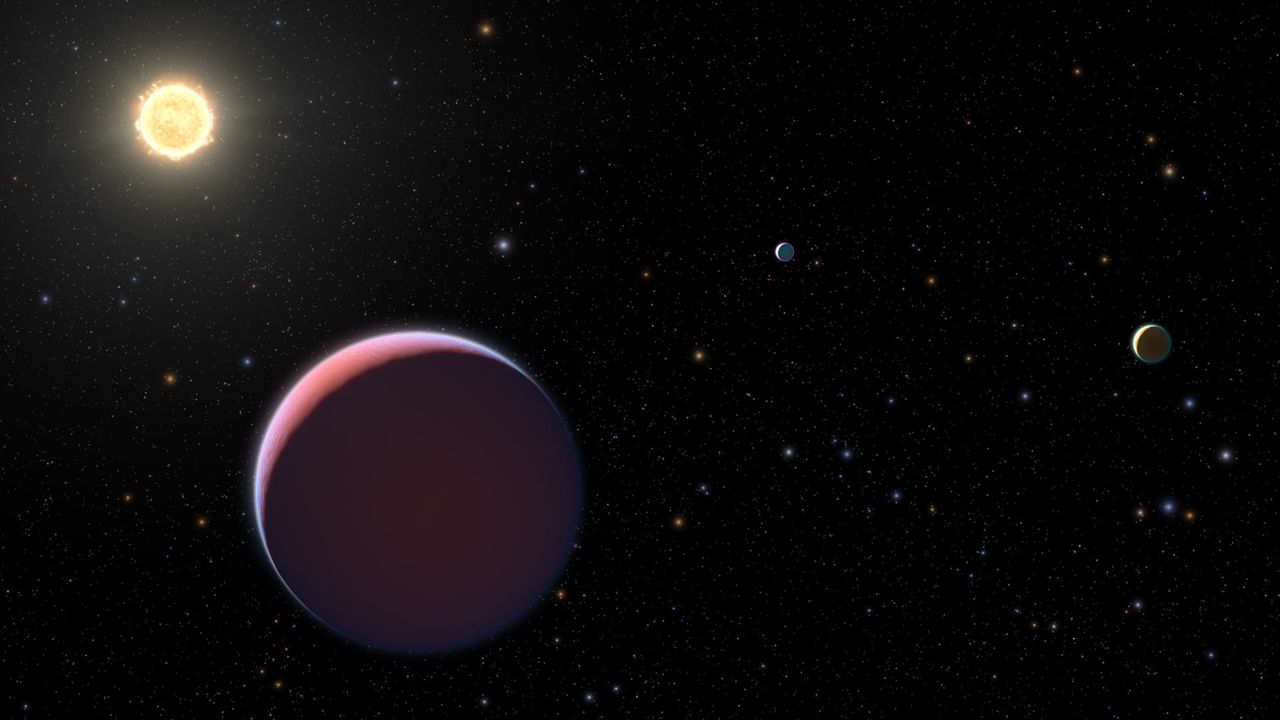
Astronomers have discovered three ultra‑low‑density exoplanets in the Kepler‑51 system that are roughly the size of Saturn yet weigh only a few times the mass of Earth, giving them a density comparable to cotton candy. These “cotton‑candy” worlds are shrouded in a haze so thick that even the James Webb Space Telescope cannot peer through it, leaving their atmospheric composition a mystery. Previous Hubble observations also failed to detect any chemical signatures, raising questions about how such tiny cores could accrete massive hydrogen‑helium envelopes. The existence of three such planets around a young Sun‑like star 2,615 light‑years away challenges conventional models of gas‑giant formation.
'A great relief!' Europe's Proba-3 solar-eclipse satellite phones home after a month of silence
Original Publication Date: 2026-03-19 20:02
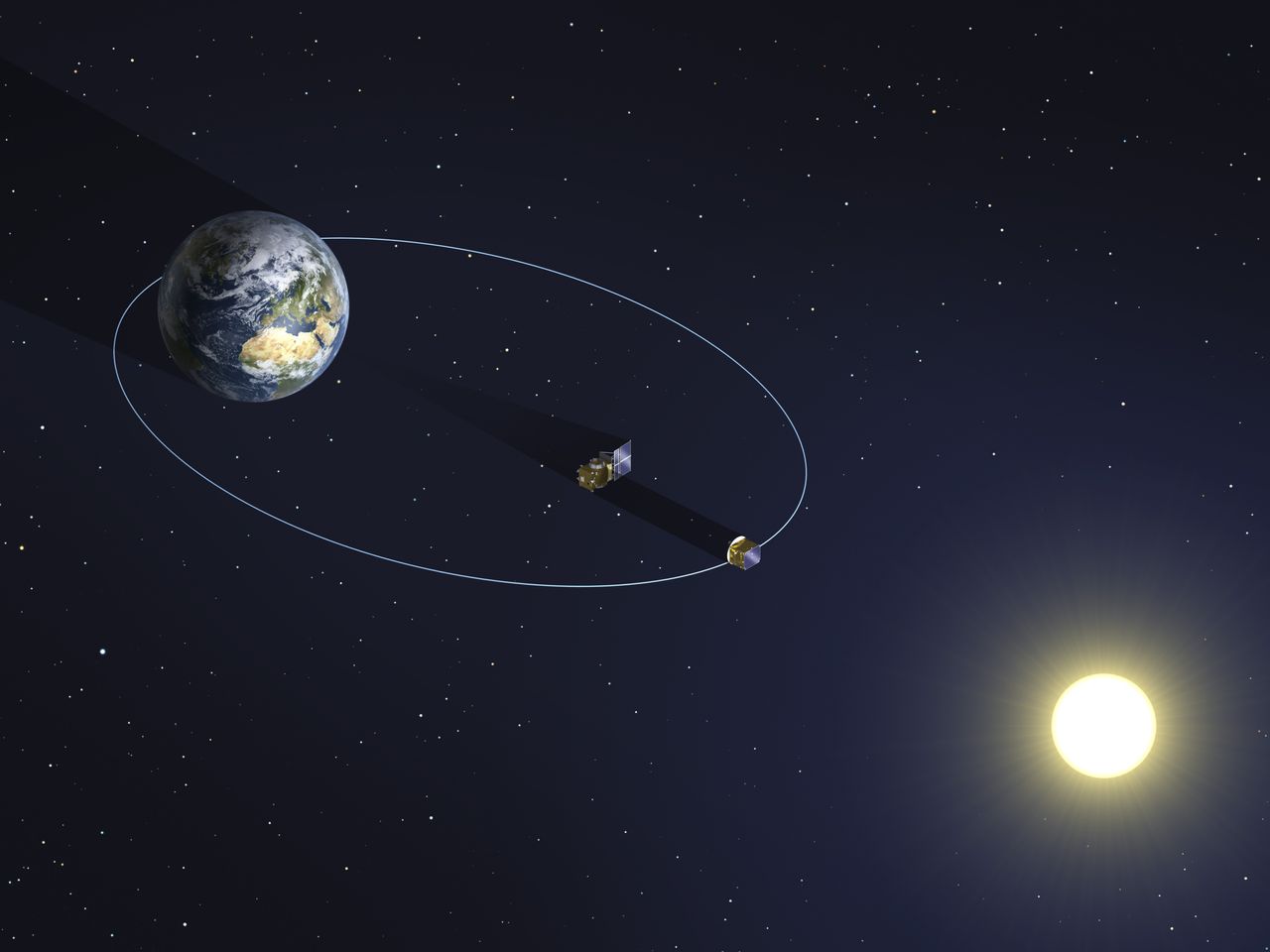
European Space Agency’s Proba‑3 mission has finally heard from its Coronagraph satellite after a month of silence, thanks to a successful data packet received from Villafranca, Spain. The satellite, knocked offline by an anomaly in mid‑February, is now stable in safe mode and is sending back key telemetry on voltage and temperature. Mission manager Damien Galano called the return “amazing news” and a great relief. Engineers are conducting health checks to assess any damage and plan the next steps.
Private South Korean rocket exploded last December due to hardware failure, investigation finds
Original Publication Date: 2026-03-19 18:00

South Korean startup Innospace has finished its investigation into the December failure of its Hanbit‑Nano rocket, which exploded less than a minute after liftoff from Brazil’s Alcantara Space Center. The probe determined a gas leak in the first‑stage combustion chamber, caused by a damaged sealing component, led to a rupture and the mission’s termination. Innospace is redesigning the affected parts and adding extra verification steps, and it plans to launch again in the third quarter of 2026 from the same site. This return‑to‑flight will be crucial for the company to prove its reliability in the competitive small‑satellite launch market.
NASA peers inside an asteroid | Space photo of the day for March 19, 2026
Original Publication Date: 2026-03-19 15:00
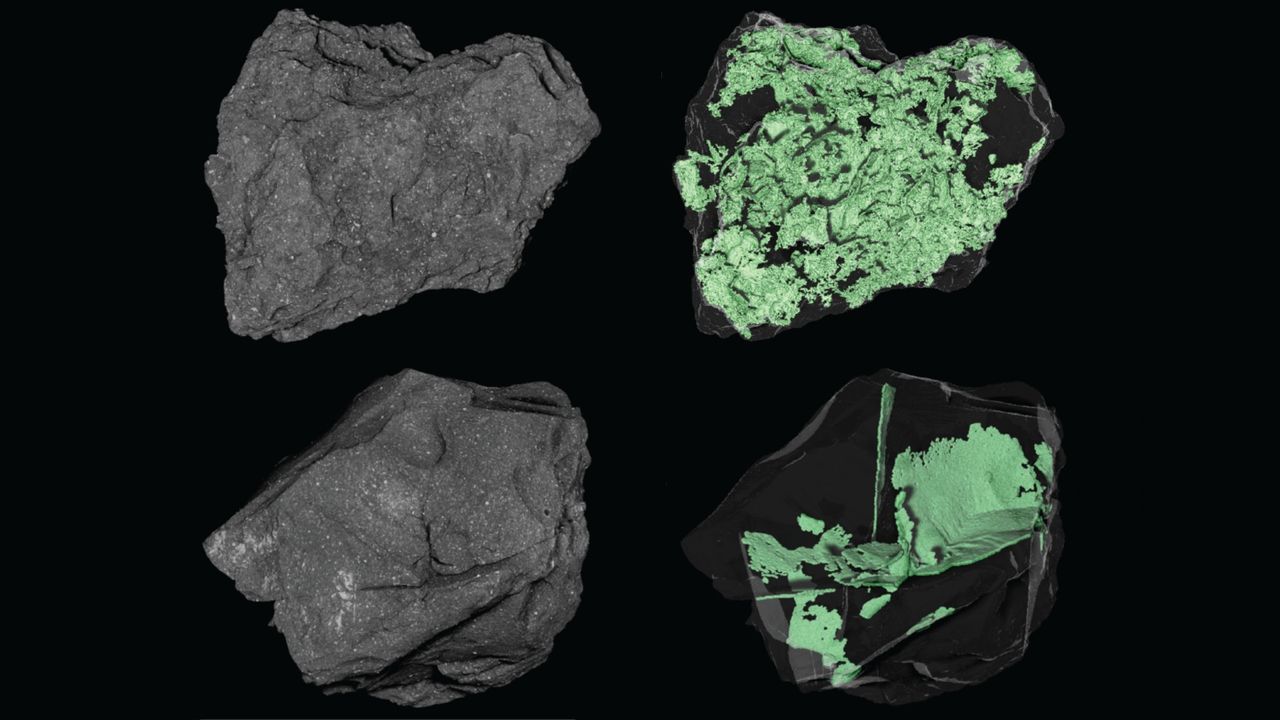
NASA scientists have used X‑ray computed tomography to peer inside samples of asteroid Bennu returned by the OSIRIS‑REx mission. The scans reveal intricate networks of fine cracks that run throughout the tiny rock particles. These fractures explain Bennu’s unusually low thermal inertia, causing its surface to heat and cool rapidly as it spins. The discovery confirms that Bennu’s porous, cracked structure was the missing piece of the puzzle in understanding its thermal behavior.
An AI cyberattack could trigger a satellite apocalypse in the next 2 years. Are we prepared?
Original Publication Date: 2026-03-19 13:00
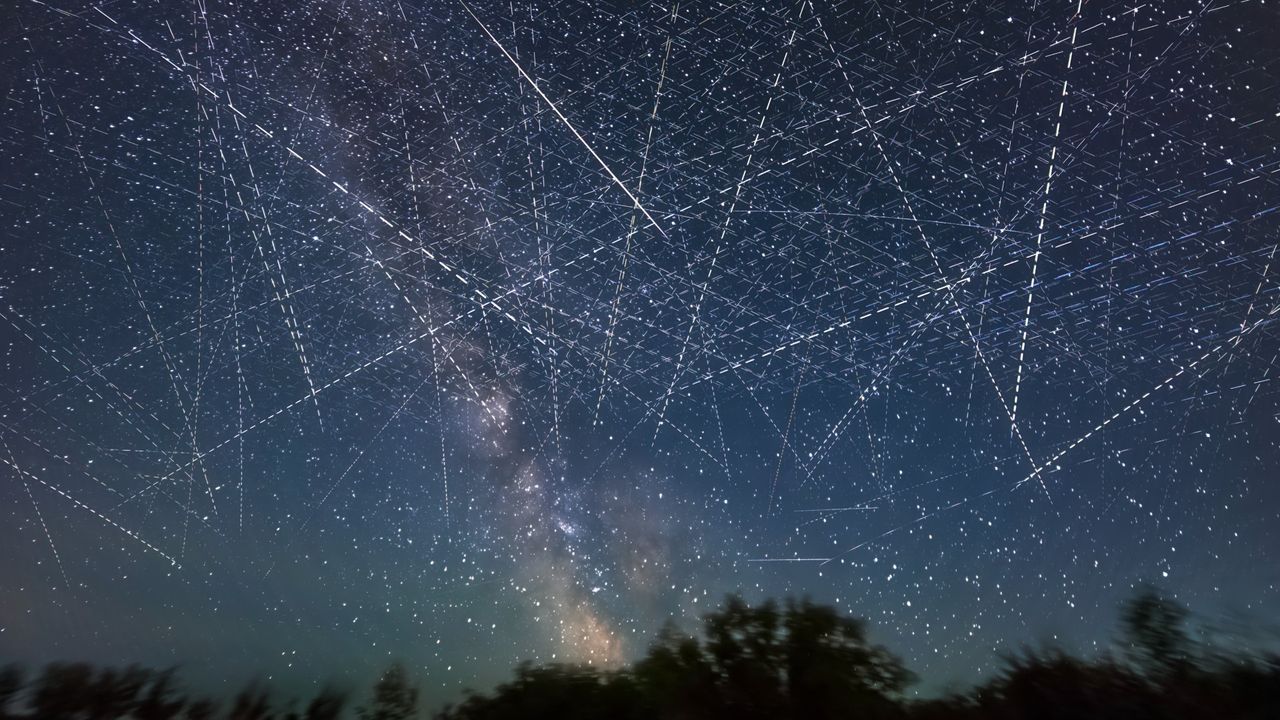
AI‑driven cyberattacks could trigger a satellite apocalypse within the next two years, experts warn, as autonomous systems rapidly discover and exploit zero‑day vulnerabilities in space hardware. Researchers note that large language models can now map satellite communications, identify weaknesses, and even generate parsers for mission data with minimal prior knowledge. State‑backed actors have already used these tools to hunt for satellite vulnerabilities, dramatically shortening the time from reconnaissance to attack. With many legacy satellites lacking cyber protection, a single compromised craft could set off a chain reaction of collisions, threatening Earth’s orbital environment for years.
Dogfighting in space won't look like the movies, but this company wants in on it
Original Publication Date: 2026-03-19 19:45
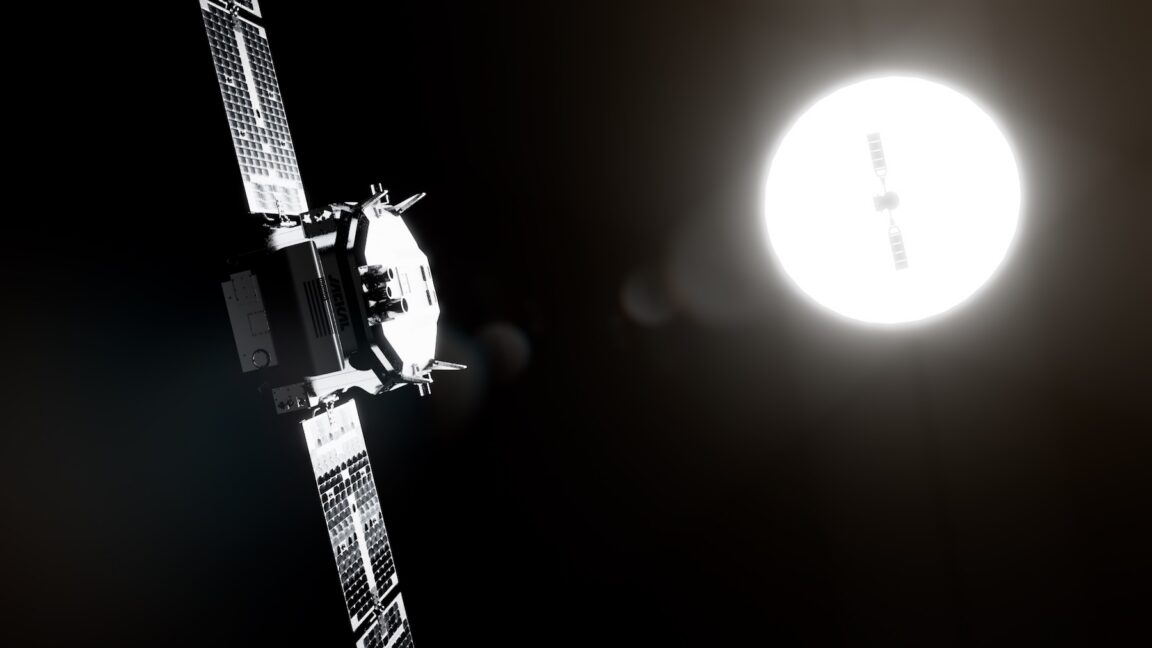
Space combat, according to True Anomaly, will be slow‑moving and cerebral, more akin to a political thriller than a Star Wars showdown. The startup, which emerged from stealth three years ago, has developed a war‑ready satellite platform called Jackal that is designed for mass production. Named after the clever, adaptable jackal, the platform aims to bring intelligence, adaptability, and hunting prowess to space warfare. True Anomaly’s Jackal could redefine how future battles are fought beyond Earth’s atmosphere.