 Spotify
 Apple Podcasts
 Podcast Addict
 Overcast
 Podcast RSS
China’s Tianwen-3 Mars sample return mission moves into spacecraft construction phase
Original Publication Date: 2026-03-12 22:23
China’s Tianwen‑3 mission is moving into flight hardware development with a planned launch in late 2028, aiming to land on Mars, collect samples, and return them to Earth by 2031. Two Long March 5 rockets will carry a lander and ascent vehicle, an orbiter, and a return capsule, while a drone will aid sample collection on the surface. The team targets at least 500 grams of Martian material, hoping to detect biosignatures and study geology and atmosphere, marking the first ever Mars sample‑return effort.
Voyager opens defense and space tech hub in Long Beach
Original Publication Date: 2026-03-12 18:00
Voyager Technologies has opened a 140,000‑square‑foot electronics and engineering hub in Long Beach, California, on March 12, bolstering its presence in the region’s growing aerospace cluster.
Another Earth raises $4 million to boost AI training with synthetic satellite data
Original Publication Date: 2026-03-12 16:10
Vienna‑based startup Another Earth has secured $4 million to expand its software platform that generates synthetic satellite imagery for AI training. The technology will help models more accurately detect environmental and operational risks. By creating realistic data, the platform sidesteps the high cost and limited availability of real satellite captures. This investment positions Another Earth as a key player in AI‑driven environmental monitoring.
The new wave of industry coming for the LEO frontier
Original Publication Date: 2026-03-12 14:57
In the latest episode of SpaceNews' Space Minds podcast, host David Ariosto interviews Jonathan Cirtain, CEO and President of Axiom Space, about the challenges and opportunities of launching a career in the rapidly evolving space industry.
Saying Goodbye to the ISS, and Hello to the Orbital Tenancy Trap
Original Publication Date: 2026-03-13 00:03
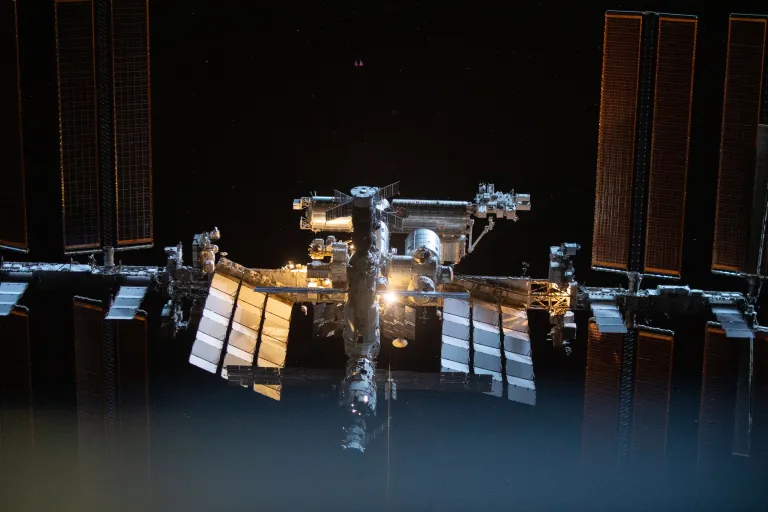
For a quarter of a century, the International Space Station has stood as a testament to post‑Cold War optimism, orbiting Earth as a collaborative laboratory and diplomatic bridge. Built through unprecedented international partnership, the ISS has hosted scientists from dozens of nations, conducting experiments in microgravity that advance medicine, materials science, and Earth observation. Despite funding challenges and evolving geopolitical dynamics, the station continues to operate, symbolizing humanity's capacity for cooperation beyond terrestrial borders. Its future will hinge on sustained investment and renewed global commitment to shared space exploration.
Your Teleport Can’t Dodge a Missile
Original Publication Date: 2026-03-12 23:40
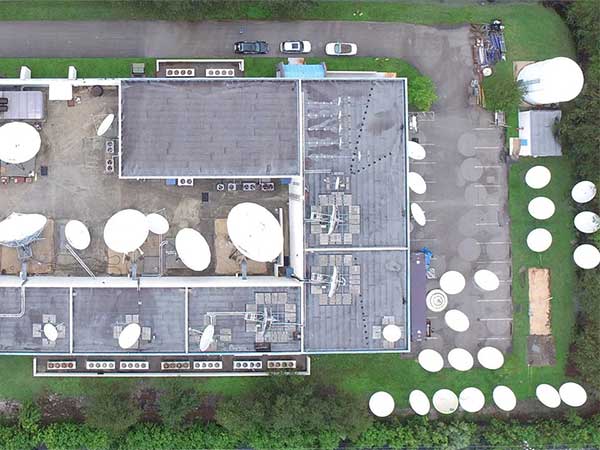
United Teleports CEO Ricardo Dias warns that the Ha'Ela teleport strike has broadened the threat model for all ground segment operators. The incident underscores that the $54 billion ground segment market, while heavily investing in cyber resilience, has largely neglected kinetic threats. Dias argues that this oversight leaves operators vulnerable to a wider array of attacks. The industry must now balance cyber defenses with robust protection against physical and kinetic risks.
Voyager Technologies Executes Strategic Investment in Max Space Expandable Habitat Architecture
Original Publication Date: 2026-03-12 21:48

Voyager Technologies announced a multi‑million‑dollar investment in Max Space on March 9, 2026. The partnership is aimed at speeding the development of expandable habitat modules for use on the lunar surface and in deep‑space missions. Max Space’s modular design promises rapid deployment and scalability for future lunar outposts. This collaboration marks a significant step toward sustainable extraterrestrial habitats.
FAA Rescinds Proposed Orbital Debris Rule Amid Industry Pressure and Regulatory Reassessment
Original Publication Date: 2026-03-12 16:07

The Federal Aviation Administration has officially withdrawn a controversial proposal that would have required commercial launch providers to remove rocket upper stages from their launch sites. The plan, aimed at reducing debris and enhancing safety, faced significant pushback from the industry over its logistical and financial challenges. In light of the concerns, the FAA will now look for alternative measures to address debris management at launch facilities. The agency’s decision marks a shift in how it will regulate post‑launch cleanup.
York Space Systems Acquires Orbion Space Technology to Deepen Vertical Integration for SDA Constellations
Original Publication Date: 2026-03-12 15:28
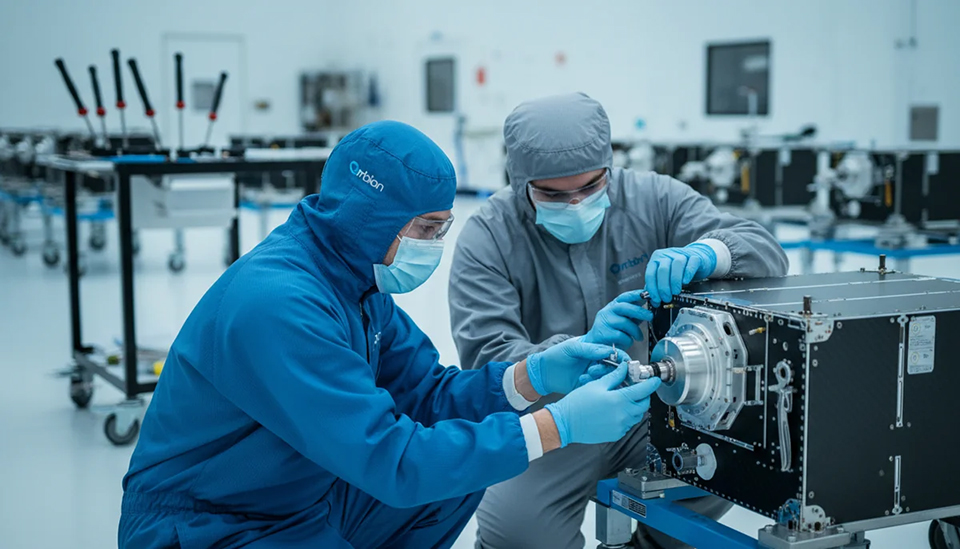
York Space Systems (NYSE: YSS) today announced it will acquire Michigan‑based Orbion Space Technology, adding a key propulsion supplier to its portfolio. The move expands York’s capabilities in rocket propulsion and strengthens its position in the commercial space market. By integrating Orbion’s technology, York aims to accelerate its product roadmap and enhance launch vehicle performance. The acquisition is expected to be completed by the end of 2026.
Eruption at Mayon
Original Publication Date: 2026-03-13 04:01

Mayon Volcano on Luzon Island has been erupting again, with PHIVOLCS raising the alert to level three after lava poured from its crater and pyroclastic flows swept down its flanks. The volcano, which has erupted 65 times in the past 5,000 years, has already sent ash and sulfur dioxide plumes that NASA satellites are tracking, with a peak of 7,633 metric tons of SO₂ on March 6. Over 73,000 residents have been evacuated from towns within a 6‑kilometer radius, and the eruption has produced 469 rockfalls and 12 major pyroclastic flows as of early March. Despite the danger, the volcano continues to emit lava and ash, keeping communities and scientists on high alert.
About Low Boom Flight Demonstrator (LBFD) Project
Original Publication Date: 2026-03-12 22:00
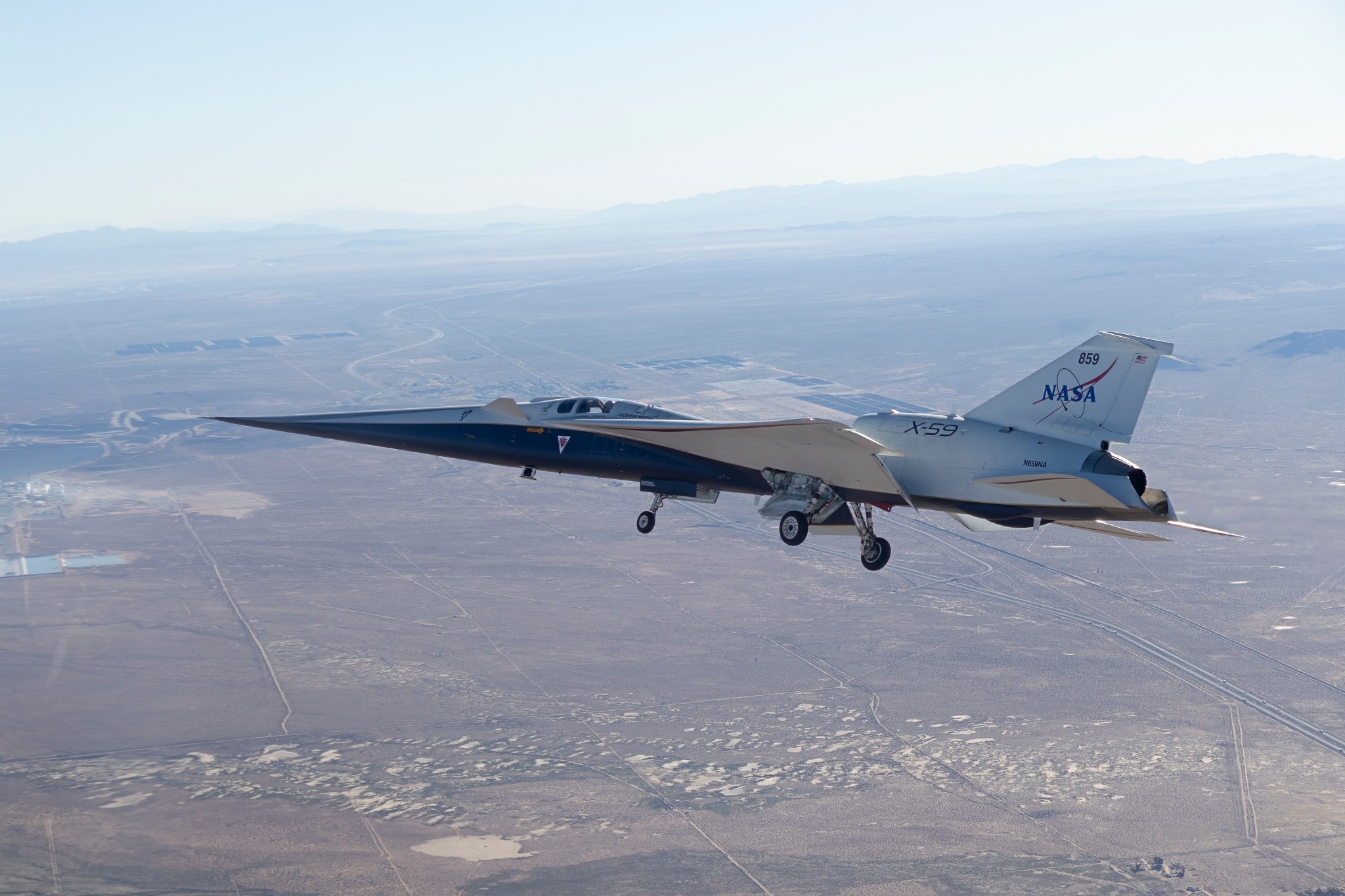
NASA’s X‑59 quiet supersonic research aircraft just completed its first flight over California, a milestone for the Low Boom Flight Demonstrator project. Powered by a GE F414 engine mounted above the fuselage, the X‑59 is engineered to cut sonic‑boom noise and could open the way for commercial supersonic travel over land. Phase 1 of the Quesst mission finished with the aircraft’s design, fabrication, and ground tests, while Phase 2 will demonstrate its quiet performance to people on the ground and confirm safety in the national airspace system.
NASA to Cover Upcoming US Spacewalks 94, 95 Outside Space Station
Original Publication Date: 2026-03-12 21:09

NASA will launch two spacewalks on March 18, 2026, to prepare the ISS for the installation of two roll‑out solar arrays, marking the 278th and 279th such operations. Jessica Meir, on her fourth EVA, and Chris Williams, on his first, will work on the 2A power channel, while a second team will ready the 3B channel for the future IROSA installation. The spacewalks, the first of 2026 and the first for Expedition 74, were shifted from January after the early departure of the SpaceX Crew‑11 mission.
About Integrated Aviation Systems Program (IASP)
Original Publication Date: 2026-03-12 21:00

NASA’s Integrated Aviation Systems Program is accelerating the transition of emerging aircraft technologies with flight demonstrations such as the Low Boom, Subsonic, and Electrified Powertrain projects. A recent milestone saw a 3‑foot‑tall cross‑flow attenuated natural laminar flow wing successfully fly on an F‑15 research jet, proving the design can reduce drag and lower fuel costs.
Tiny NASA Spacecraft Delivers Exoplanet Mission’s First Images
Also covered by: NASA
Original Publication Date: 2026-03-12 16:00
NASA’s SPARCS CubeSat has released its first ultraviolet images, confirming that its 30‑centimeter telescope, detectors, and integrated filters are functioning as designed. The mission now begins science operations, using detector‑integrated filters to capture near‑ and far‑UV light from low‑mass stars and monitor flares and sunspot activity that could strip the atmospheres of potentially habitable exoplanets. By studying the stellar behavior of the galaxy’s most common habitable‑zone hosts, SPARCS will gauge how such activity affects potential life.
ICEYE Smashes Its Own Revenue Projections
Original Publication Date: 2026-03-13 05:33
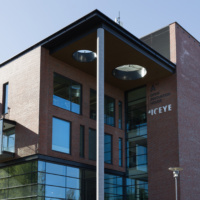
ICEYE, a Finnish SAR satellite operator, announced 2025 results that more than doubled revenue, surpassing its own projections by 25 percent. The company posted over €250 million in revenue, €100 million in EBITDA, and €350 million in cash, driven by a surge in demand amid rising geopolitical tensions. To meet a €1.5 billion backlog, ICEYE will invest in new facilities and plans to launch over 25 satellites in 2026, aiming for a 50‑satellite annual production rate next month and up to 100 in the future. These results underscore how defense spending is boosting Europe’s space capabilities while also expanding commercial and NGO uses such as deforestation and flood monitoring.
Q&A With Laurent Jaffart, ESA’s Director of Resilience, Navigation and Connectivity
Original Publication Date: 2026-03-13 05:22

Last year's ESA ministerial conference was a landmark, raising a record €22.3 billion and securing over €1.2 billion for defense projects, prompting the creation of a new Directorate for Resilience, Navigation and Connectivity (RNC). Led by Laurent Jaffart, a veteran of Airbus and NATO’s Link 16 network, the RNC aims to build a European Resilience from Space (ERS) program that integrates Earth‑observation, PNT and secure connectivity into a near‑real‑time, interoperable system.
Mantis Space Emerges from Stealth with $10M Seed
Original Publication Date: 2026-03-12 13:00
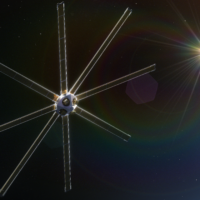
Mantis Space has emerged from stealth after securing $10 million in seed funding led by Rule 1 Ventures, and will use the capital to finish its prototype and expand its team. The startup is developing a system that beams laser‑powered solar energy from high‑altitude satellites to those in Earth’s shadow, offering 20‑30% more efficiency than direct sunlight.
Firefly’s Alpha Rocket Reaches Orbit
Original Publication Date: 2026-03-12 12:46
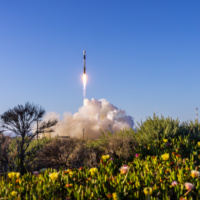
Firefly Aerospace’s Alpha rocket achieved its first fully successful flight in nearly two years, lifting off from Vandenberg Space Force Base on Wednesday night. The launch met all objectives, deploying a Lockheed Martin payload, relighting its second‑stage engine, and validating upgraded avionics and thermal protection. CEO Jason Kim praised the flawless execution and highlighted engineering, production, and testing improvements that paved the way for the upcoming Block II upgrade. The next mission will feature a taller, more reliable Block II Alpha with expanded payload capacity and new battery and avionics systems, as the company looks to fulfill a $1.3 billion backlog of launch contracts.
The Investment Theses Behind Vast and Sierra’s $500M+ Mega Rounds
Original Publication Date: 2026-03-12 12:30
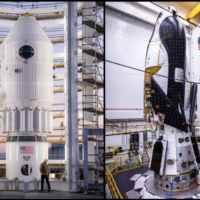
The article explores the investment logic behind Vast and Sierra’s recent $500 million-plus funding rounds, highlighting the strategic advantages and growth trajectories that drew investor interest. It outlines each company’s market positioning, key performance metrics, and the broader industry trends that justify their valuations. By dissecting the theses used by venture capitalists, the piece offers insight into how these mega rounds could reshape their respective sectors. Ultimately, the analysis underscores the pivotal role of robust growth prospects and strategic differentiation in securing such substantial capital commitments.
SpaceX plan for 1 million orbiting AI data centers could ruin astronomy, scientists say
Original Publication Date: 2026-03-13 10:00

SpaceX’s proposal to launch a million orbiting AI data centers has alarmed astronomers who warn it could devastate night‑sky observations. The plan would create tens of thousands of bright, moving objects that are visible even to the naked eye, far exceeding the mitigated brightness of the existing Starlink constellation. Because the data centers would orbit at high inclinations and remain fully illuminated by sunlight, they would be visible throughout the night, interfering with powerful ground‑based telescopes such as the Vera Rubin Observatory and the Extremely Large Telescope.
NASA says its Artemis 2 moon rocket is all fixed up. It could launch astronauts to the moon on April 1
Also covered by: SpaceNews
Original Publication Date: 2026-03-12 21:18
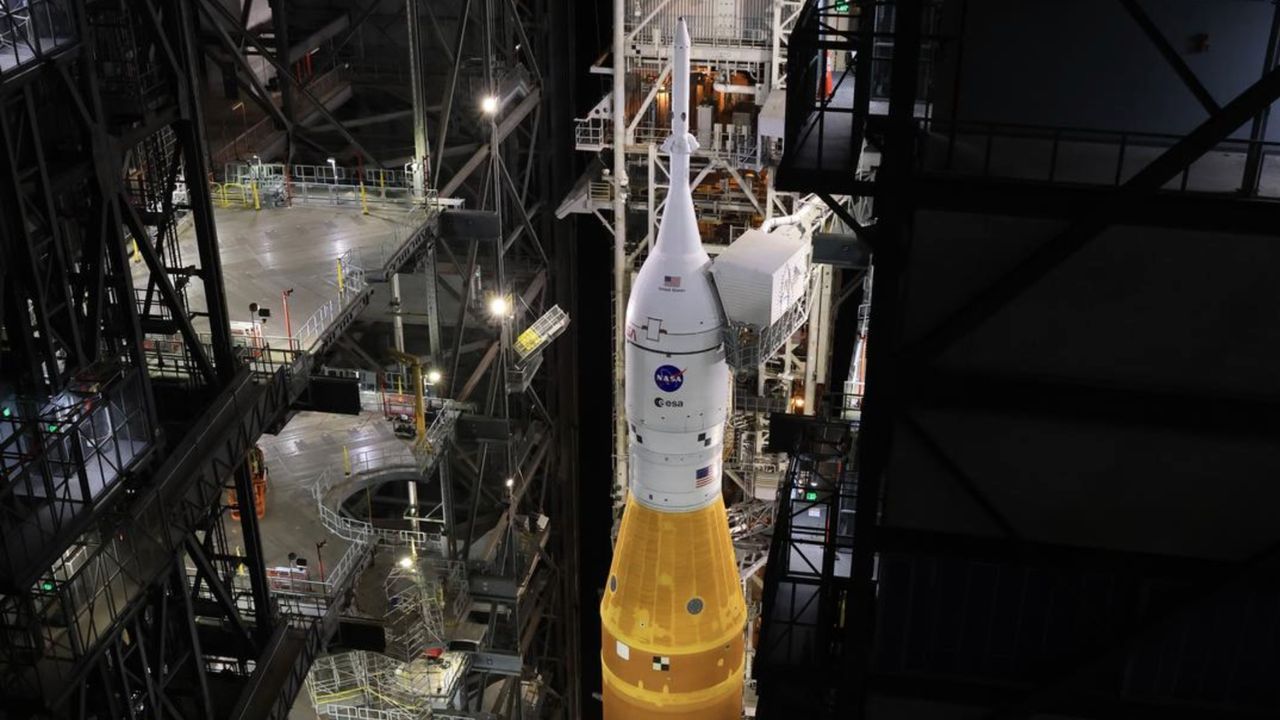
NASA is moving forward with Artemis 2, a crewed lunar fly‑by, targeting an April 1 launch after fixing a helium‑flow issue that had stalled earlier tests. The Space Launch System and Orion capsule returned to Launch Complex 39B on March 19 following a two‑day flight‑readiness review. The crew—Reid Wiseman, Victor Glover, Christina Koch, and Canadian astronaut Jeremy Hansen—will spend roughly ten days orbiting the moon before returning to Earth. NASA stresses safety as it pushes toward the first crewed lunar mission in more than five decades.
'Completely bonkers': Astronomers find evidence of a cataclysmic collision between exoplanets
Original Publication Date: 2026-03-12 21:00

Astronomers have uncovered evidence that two exoplanets collided around the distant star Gaia20ehk, an event that began to disturb the star’s steady brightness in 2016 and culminated in chaotic dimming by 2021. The flickering light is now understood to be caused by vast amounts of rock and dust from the impact passing in front of the star. This rare, real‑time observation mirrors the ancient collision that created Earth’s moon and offers a unique glimpse into planetary formation processes. The discovery, made possible by decades of data from multiple telescopes, underscores how common such cataclysmic events may be in young solar systems.
ISS astronauts take out the space trash | Space photo of the day for March 11, 2026
Original Publication Date: 2026-03-12 16:59
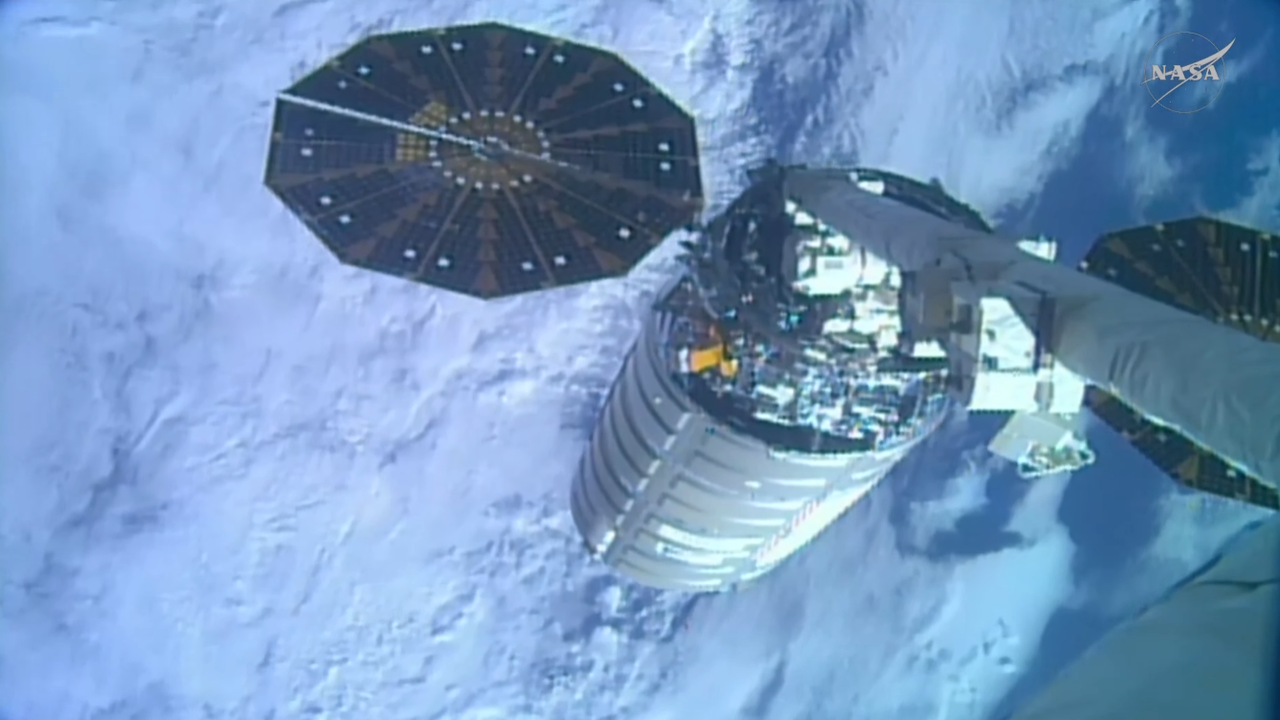
Northrop Grumman’s Cygnus XL freighter, after a seven‑month stay on the International Space Station, has been jettisoned over the South Atlantic, carrying nearly 11,000 pounds of trash that will burn up in Earth’s atmosphere. The release marks the end of the spacecraft’s service and is a routine but impressive reminder of the ISS’s complex logistics. The station, orbiting 262 miles above Earth at 17,500 mph, continues to serve as a hub for crew and cargo operations. The ISS is scheduled to move to a graveyard orbit in the Pacific by 2030.
NASA project leader blames next-generation X-ray telescope cancellation on agency mismanagement
Original Publication Date: 2026-03-12 16:00
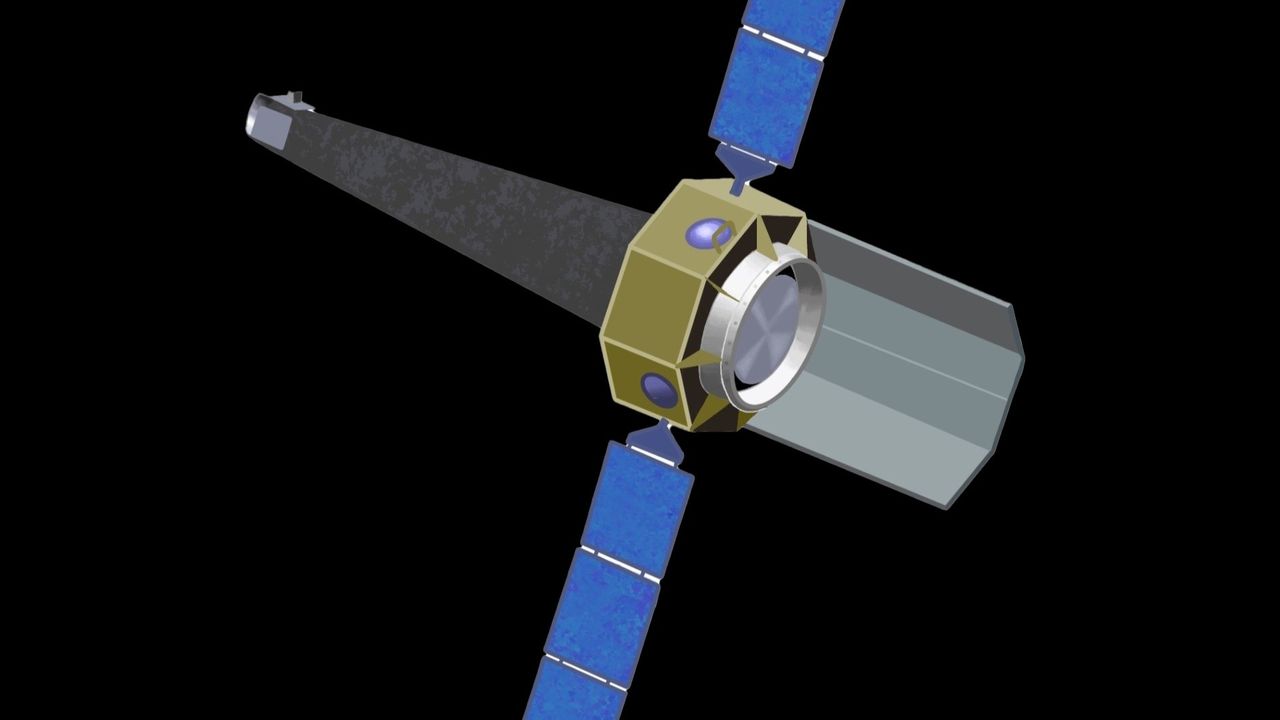
NASA has halted its Advanced X‑ray Imaging Satellite (AXIS) project, citing programmatic mismanagement rather than a science review, according to Principal Investigator Christopher Reynolds. The cancellation came after NASA Headquarters ruled the mission ineligible for selection, a decision Reynolds links to workforce losses and operational instability at the Goddard Space Flight Center during 2025. AXIS, which could have replaced the aging Chandra observatory, faced setbacks from the early retirement of key mirror‑making scientist Will Zhang and a government shutdown that furloughed core staff for weeks. The project’s abrupt end underscores the broader challenges NASA faces in maintaining long‑term astrophysics programs amid budget and staffing turbulence.