 Spotify
 Apple Podcasts
 Podcast Addict
 Overcast
 Podcast RSS
China designates space sector an “emerging pillar industry,” sets deep space ambitions in new economic blueprint
Original Publication Date: 2026-03-06 10:20
China has earmarked aerospace as an emerging pillar industry in its draft national economic plan, setting ambitious goals for the next five years. The designation signals a push to expand satellite technology, launch capabilities, and deep‑space exploration. By placing space at the center of its growth strategy, China aims to accelerate innovation, attract investment, and strengthen its global influence in the sector.
Poland-based Liftero will provide chemical propulsion for Indian firm OrbitAID’s in-orbit servicing mission
Original Publication Date: 2026-03-05 23:32
Polish chemical propulsion startup Liftero has secured a contract with India's OrbitAID to provide green chemical propulsion for its upcoming in‑orbit servicing mission. Under the agreement, Liftero will deliver two multi‑thruster BOOSTER configurations slated for deployment in the fourth quarter of 2026. This partnership marks a significant step for both companies as they collaborate on advanced propulsion technology for spacecraft maintenance. The mission will showcase Liftero’s environmentally friendly propulsion systems in space.
NASA deputy administrator nominee sails through confirmation hearing
Original Publication Date: 2026-03-05 23:14
White House nominee Matt Anderson was cleared by the Senate Commerce Committee as NASA’s deputy administrator after a largely uncontroversial hearing on March 5. The retired Air Force officer, who has led the Space Force Association, pledged to back Administrator Jared Isaacman and push for a 2028 lunar return before China’s first crewed landing. Senators lauded his readiness and urged a swift full‑Senate vote, highlighting the alignment between the administration and the committee on the NASA authorization bill. The committee will hold an executive session on March 12 to advance Anderson’s nomination.
Terran Orbital Appoints Kwon Park as Senior Director of Manufacturing Operations
Original Publication Date: 2026-03-05 21:00
Terran Orbital, a Lockheed Martin company and a leading satellite solutions provider, has named Kwon Park as its new senior director of manufacturing operations. Park will oversee the company’s manufacturing processes and help scale production of satellite components. The appointment signals Terran Orbital’s commitment to expanding its manufacturing capabilities and accelerating satellite deployment. This move positions the company to better meet growing demand for space-based services.
General Galactic aims to become “the galaxy’s energy and logistics company”
Original Publication Date: 2026-03-05 20:30
Southern California startup General Galactic is set to launch a 500‑kilogram satellite later this year to showcase its cutting‑edge multimode propulsion system. The satellite, named Trinity, will ride aboard SpaceX’s Transporter‑18 rideshare to low‑Earth orbit, with a launch window no earlier than October. During the mission, General Galactic will test its Genesis platform, which uniquely combines chemical and electric engines for more efficient space travel. The company aims to position itself as the “galaxy’s energy and logistics company” by pioneering this hybrid propulsion technology.
Times Microwave Systems Launches Levitate™ Ultra-Lightweight Cables for UAV and Defense Avionics
Original Publication Date: 2026-03-05 22:40
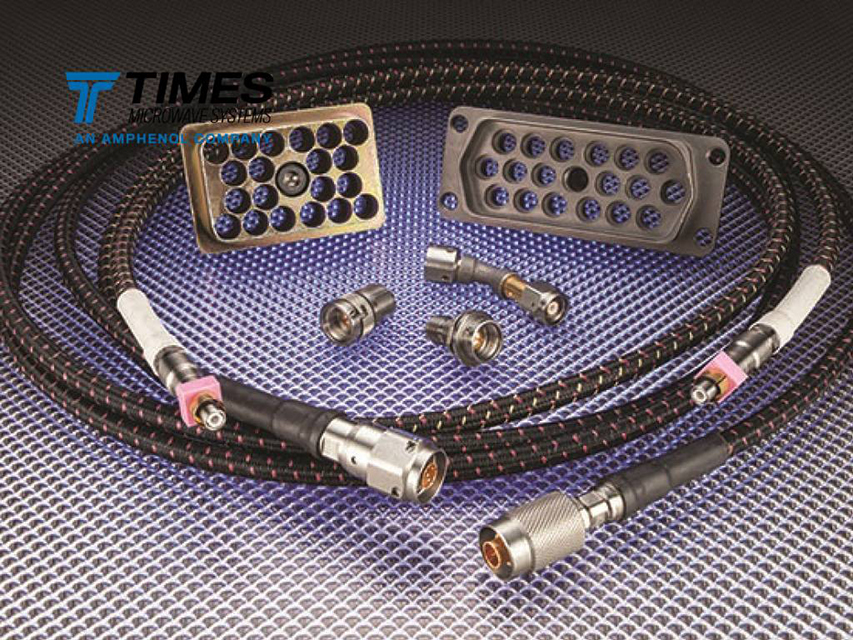
Times Microwave Systems, an Amphenol brand, announced the launch of its Levitate™ cable assembly line. The new series is engineered specifically to address the needs of the microwave market. The Levitate cable assembly line will be in production for the next two years.
Sierra Space Secures $550 Million Series C to Scale Defense-Tech and Dream Chaser Operations
Original Publication Date: 2026-03-05 17:09

Sierra Space announced on Thursday that it has closed a $550 million Series C equity round, boosting the company’s valuation to $8 billion. The funding, led by a group of investors, will accelerate development of its lunar habitat and related space infrastructure. Sierra Space has positioned itself as a key partner in NASA’s Artemis program, aiming to deliver safe, reusable habitats for the Moon. This milestone marks a significant step toward commercializing lunar operations.
Axian Telecom and AST SpaceMobile to Launch Africa’s First Direct-to-Device Mobile Network
Original Publication Date: 2026-03-05 15:51

Axian Telecom and AST SpaceMobile announced a landmark partnership to launch Africa’s first space‑based cellular broadband network, aiming to bring high‑speed internet to underserved regions. The collaboration will combine AST SpaceMobile’s low‑Earth‑orbit satellite constellation with Axian’s local infrastructure to provide coverage across Madagascar and potentially other African markets.
Orbital Edge AI: Axelera AI and ESA Partner to Standardize Space-Based Inference
Original Publication Date: 2026-03-05 15:04

ESA and AI company Axelera have announced a strategic partnership to turn raw satellite telemetry into real‑time “orbital answers.” The collaboration will use Axelera’s AI platform to process data on the ground, enabling operators to make faster, data‑driven decisions.
Rohde & Schwarz and Qualcomm Validate Advanced 5×5 MIMO for Wi-Fi 8 Networking
Original Publication Date: 2026-03-05 14:57

On March 5 in Munich, Rohde & Schwarz announced a new rapid validation platform for next
Ailing “Megaberg” Sparks Surge of Microscopic Life
Original Publication Date: 2026-03-06 05:01

NASA satellites captured a spectacular bloom of phytoplankton trailing Antarctica’s megaberg A‑23A as it melted and drifted northward in 2026. The iceberg’s meltwater, rich in iron, manganese, and other nutrients, created a stable surface layer that boosted photosynthetic activity, feeding the marine food web and helping sequester carbon. Scientists confirm the bloom’s close link to the iceberg, noting that such events may contribute up to a fifth of the Southern Ocean’s total carbon uptake. As A‑23A continues to shed mass, its ecological impact will persist until it finally disintegrates.
About Air Traffic Management and Safety Project
Original Publication Date: 2026-03-06 04:29
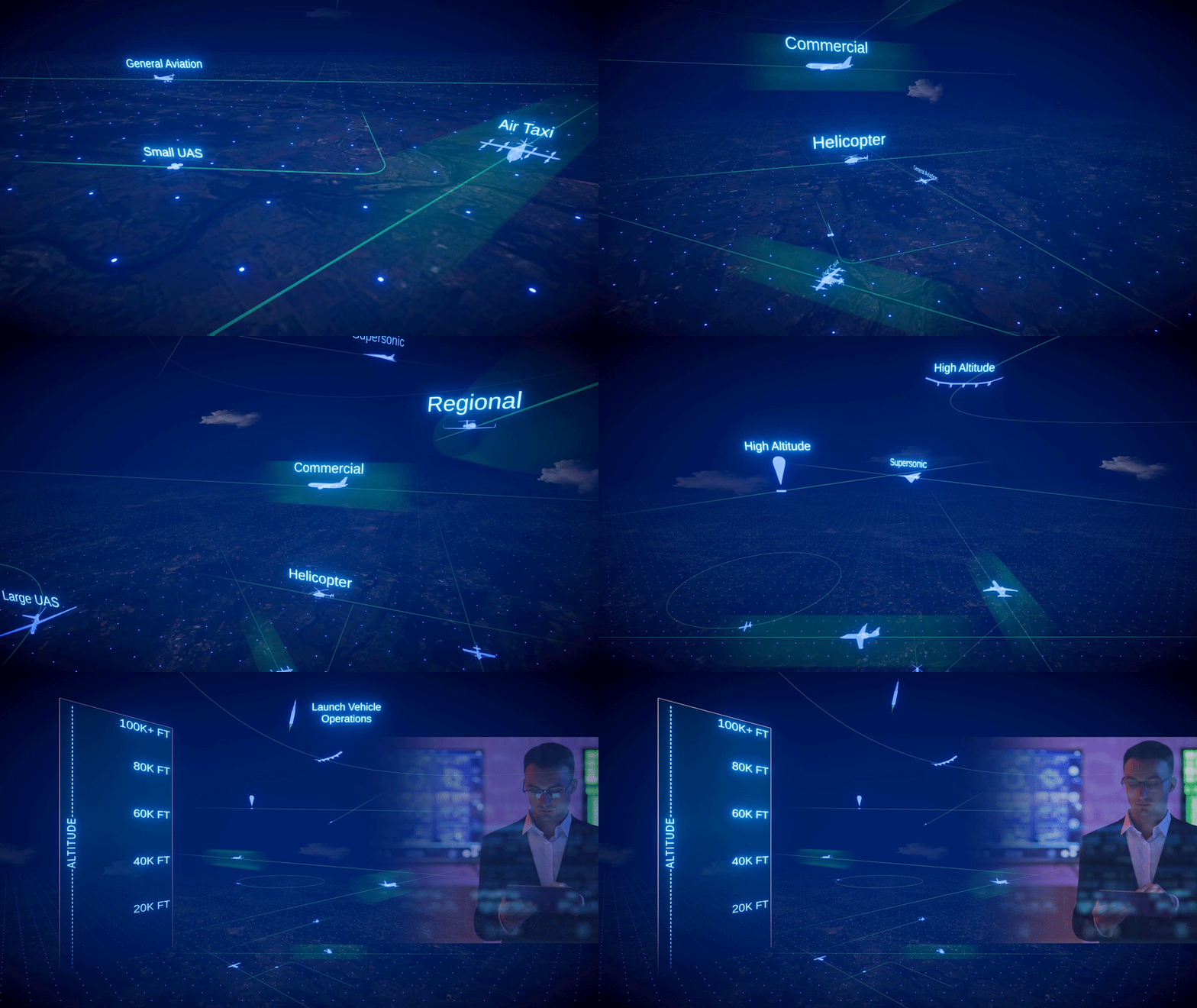
NASA’s Air Traffic Management and Safety project is shifting the nation’s airspace from reactive, tactical control to proactive, strategic management, enabling safer, more efficient flight paths for both traditional aircraft and emerging autonomous vehicles.
About Advanced Air Mobility Pathfinders Project
Original Publication Date: 2026-03-06 02:59

NASA’s Advanced Air Mobility Pathfinders (AAMP) project is accelerating the deployment of new air‑mobility technologies for wildfire mitigation and urban transportation through real‑world demonstrations and strategic partnerships.
About Airspace Operations and Safety Program (AOSP)
Original Publication Date: 2026-03-05 20:30

NASA’s Airspace Operations and Safety Program is accelerating the transformation of the National Airspace System to accommodate the growing complexity of future airspace users. By developing automation, data‑driven decision tools, and new air mobility concepts, AOSP aims to cut airline delays, lower operating costs, and ease controller workload. The program also focuses on wildfire emergency response and ensuring safe integration of drones and other advanced vehicles. With these efforts, the U.S. Seeks to maintain leadership in aviation innovation while keeping skies safe and efficient.
NASA Wallops Supports First Rocket Lab HASTE Launch of 2026
Original Publication Date: 2026-03-05 17:13
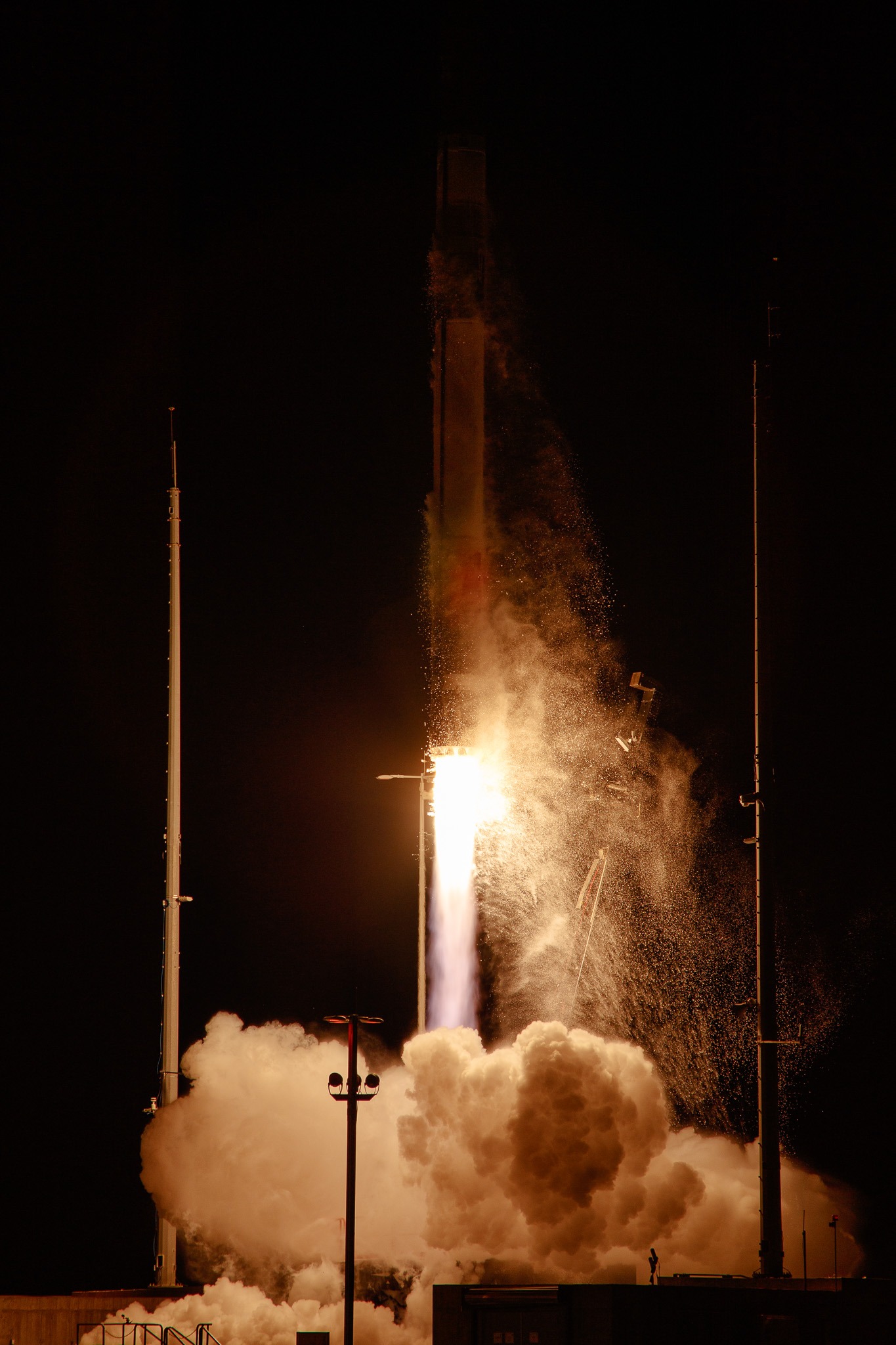
Rocket Lab’s HASTE rocket lifted off at night from Launch Complex 2 at NASA’s Wallops Flight Facility on February 27, 2026, carrying the Cassowary Vex hypersonic test platform for the Department of War’s Defense Innovation Unit. The mission relied on Wallops’ tracking, telemetry, and range‑safety services to ensure a secure flight. Wallops has long supported national‑security missions for both commercial partners and government agencies, underscoring its critical role in U.S. Aerospace operations. This launch marked another milestone in the facility’s partnership with defense and commercial spaceflight.
Seraphim Space Investment Trust Posts Record Results
Original Publication Date: 2026-03-06 04:59

Seraphim Space Investment Trust reported a 20% rise in net asset value to £337.5 million for H2 2025, with the portfolio’s fair value topping 200 % of cost and a 160 % share‑price increase year‑over‑year. The trust’s top ten holdings grew revenue by 79 % YoY, 85 % of its fair‑value assets are projected to be EBITDA‑profitable in 2026, and 77 % have a 12‑month cash runway.
Exclusive: Viasat and Space42 Share Strategy for Equatys JV
Original Publication Date: 2026-03-06 04:58

Viasat and its UAE partner Space42 unveiled plans for Equatys, a 2,800‑satellite constellation that could bring affordable, global connectivity by sharing L‑ and S‑band
FCC Wants ‘Weird Space’ Missions To Get Spectrum, Too
Original Publication Date: 2026-03-05 22:08

FCC Chair Brendan Carr announced a new proposal to grant spectrum access for “weird space” missions—such as orbital labs, in‑space repairs and commercial space stations—by updating rules for predictability and identifying new spectrum bands. The plan also aims to free up 20,000 MHz for traditional space operations, including LEO internet constellations, and to streamline licensing with a “assembly line” for faster approvals. This initiative is part of the FCC’s broader effort to support the growing space industry. The commission will vote on the proposal at its meeting later this month.
Sierra Space Closes $550M Series C
Original Publication Date: 2026-03-05 13:00
Sierra Space has closed a $550 million Series C, valuing the company at $8 billion, with LuminArx Capital leading the round. The new funding will boost production capacity and support growth beyond its current satellite and spacecraft programs, as the company pivots toward national‑security customers. With more than $1.5 billion in defense contracts since 2023, Sierra Space is positioning itself for a new era under newly appointed CEO Dan Jablonsky.
Vast Secures $500M, Including $300M Series A
Original Publication Date: 2026-03-05 13:00

Vast has raised $500 million—$300 million in a Series A led by Balerion Space Ventures and $200 million in debt—to fund its Haven commercial space station. The round also drew investors such as IQT, Qatar Investment Authority, Mitsui & Co., MUFG, Nikon, Stellar Ventures, Space Capital, Earthrise Ventures, and founder Jed McCaleb. CEO Max Haot said the company’s stations will provide safe, cost‑effective access to micro‑gravity research and in‑space manufacturing as the low‑Earth‑orbit economy expands. With a new board seat for former NASA technologist A.C. Charania, Vast continues to push toward a Q1 2027 launch of Haven‑1 after securing its first private astronaut mission to the ISS.
Watch Japan's 1st HTV-X cargo craft leave the International Space Station today
Original Publication Date: 2026-03-06 11:00
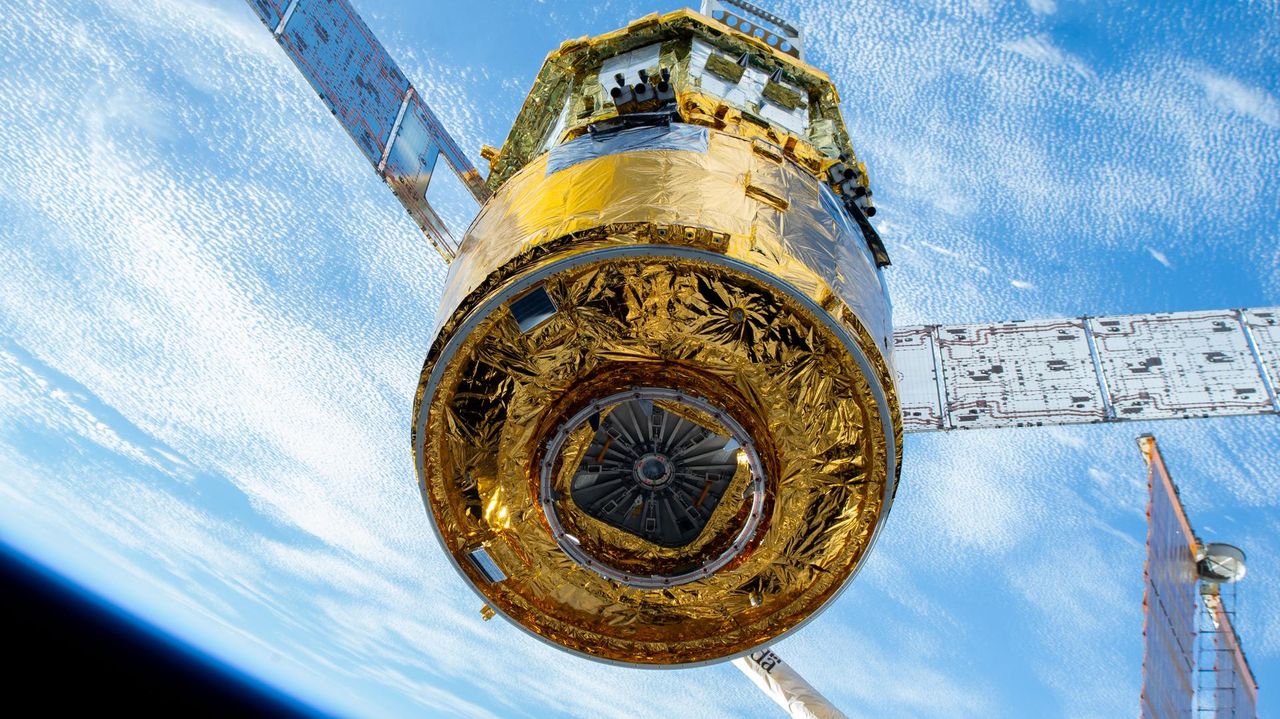
Japan’s first HTV‑X1 cargo freighter will undock from the International Space Station today at 12 p.m. ET after a four‑month stay, carrying roughly 9,000 pounds of supplies and science equipment for NASA and its partners. The Canadarm2 robotic arm will release the vehicle, which will remain in orbit for more than three months as a scientific platform before a deorbit burn disposes of several thousand pounds of trash. View the live event on Space.com or directly via JAXA’s feed, with coverage beginning at 11:45 a.m. ET. The HTV‑X1 joins Russia’s Progress, Northrop Grumman’s Cygnus and SpaceX’s reusable Dragon as the current cargo ships servicing the ISS.
Rocket Lab launches mystery satellite for 'confidential commercial customer'
Original Publication Date: 2026-03-05 20:28
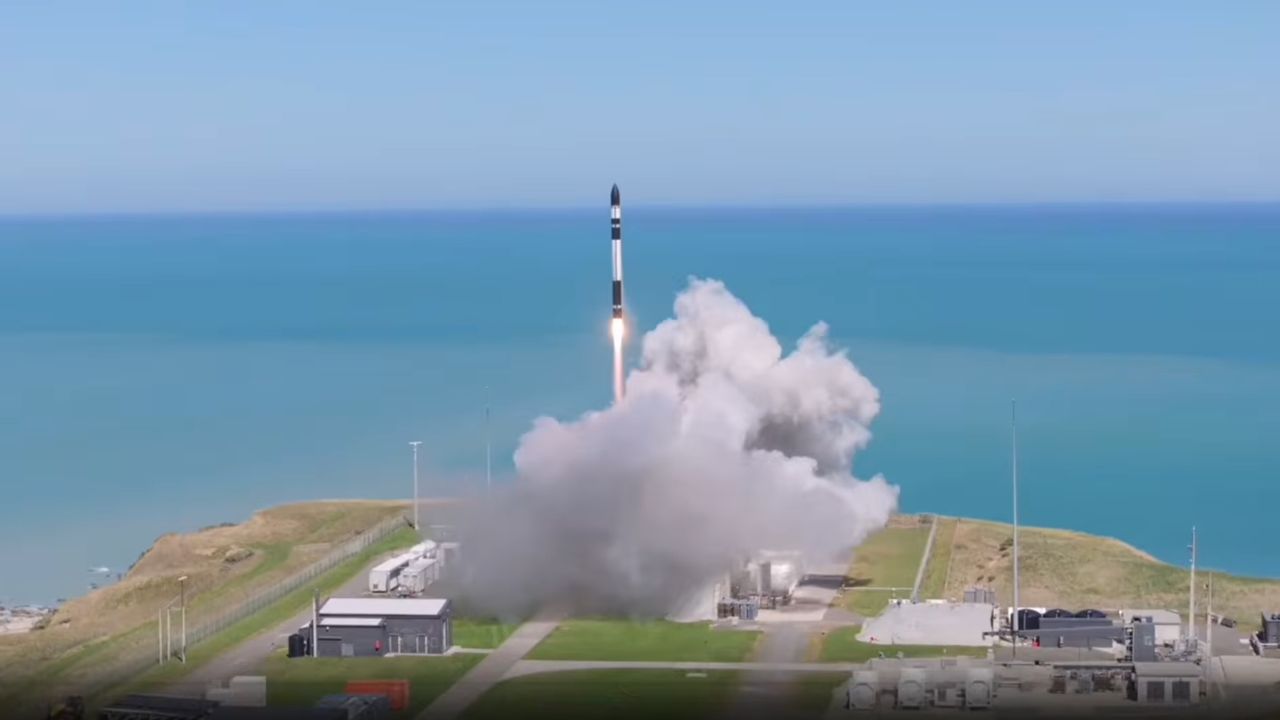
Rocket Lab’s Electron rocket lifted off from New Zealand at 6:53 p.m. ET on March 5, carrying a single satellite into a 292‑mile orbit for a confidential commercial client. The company announced the launch only hours before liftoff and ended the webcast once the satellite was deployed. Observers suspect the customer may be Earth‑observation firm BlackSky, with whom Rocket Lab has a long partnership. This marks the 76th launch of the 18‑meter Electron, a workhorse for small‑satellite rides.
Good news for the moon: Famous asteroid 2024 YR4 won't smash into it in 2032
Original Publication Date: 2026-03-05 19:47
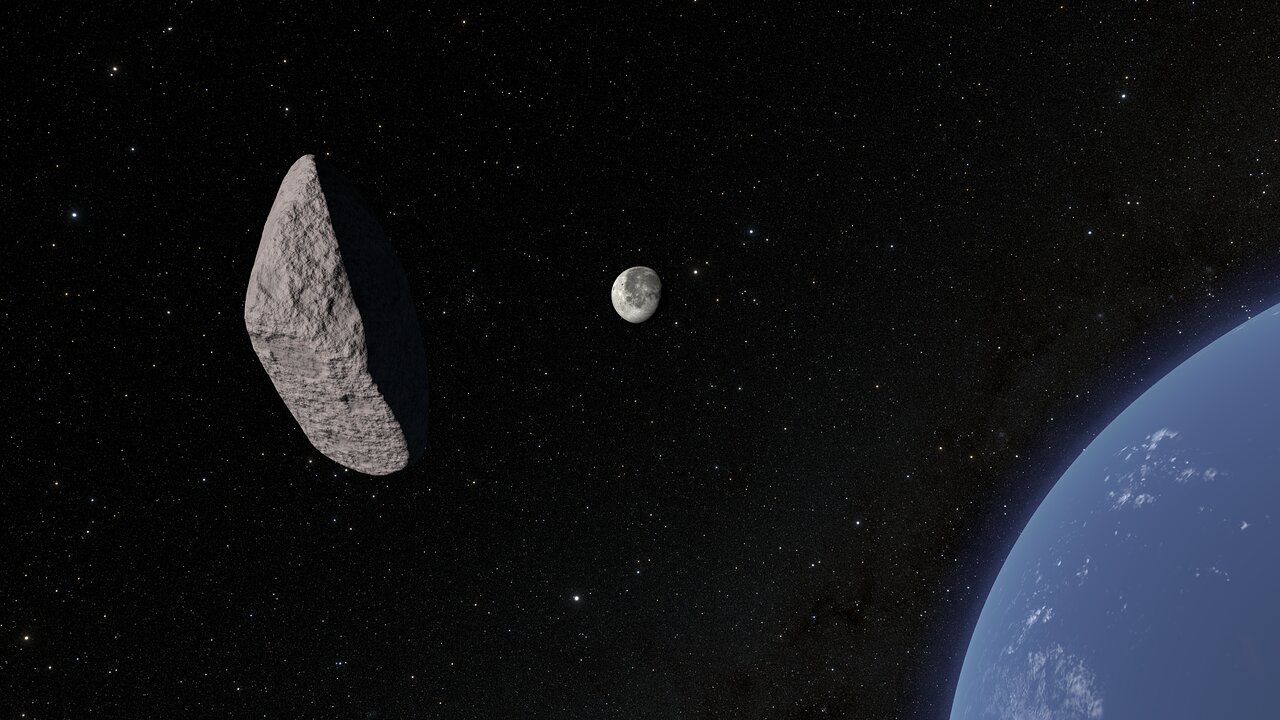
NASA’s James Webb Space Telescope has ruled out a 2032 collision between the 197‑foot asteroid 2024 YR4 and the Moon, thanks to precise observations made in February. The asteroid will pass about 13,200 miles (21,200 km) above the lunar surface, a close but harmless flyby. Had it struck, it would have produced a crater roughly a mile wide and released energy equivalent to millions of tons of TNT.
Making hummus on the moon? Scientists just grew chickpeas in simulated lunar dirt
Original Publication Date: 2026-03-05 17:25

Scientists have successfully grown chickpeas in a mix of lunar regolith simulant, worm‑made vermicompost, and arbuscular mycorrhizal fungi, marking the first step toward farming on the Moon. The experiment, led by University of Texas researcher Sara Santos, showed that chickpea plants only flowered and produced seeds when the soil mix contained no more than 75% regolith and included both compost and fungi. This breakthrough could help future lunar outposts become more self‑sufficient by producing their own food, reducing costly shipments from Earth.
Astronomers unveil largest 3D universe map of its kind, illuminating 'hidden' cosmic structures
Original Publication Date: 2026-03-05 15:03
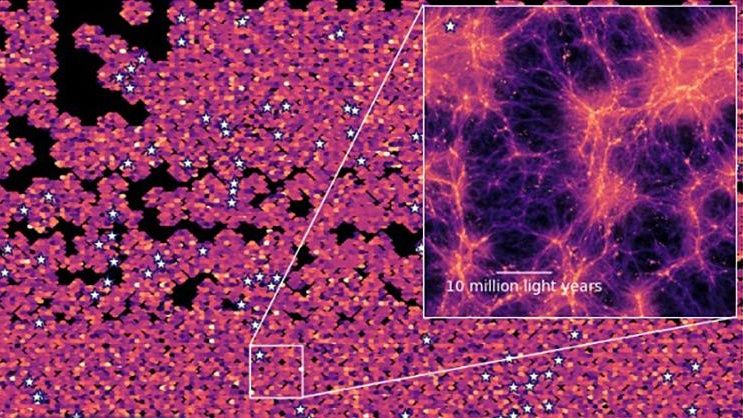
Scientists have released the most detailed 3D map yet of the early universe, revealing a vast “sea of light” of hydrogen gas between galaxies from 9 to 11 billion years ago. Using the Hobby‑Eberly Telescope Dark Energy Experiment, the team mapped Lyman‑alpha glow across the sky, uncovering faint galaxies and intergalactic gas that previous surveys missed. This new view, built from over 600 million spectra and advanced line‑intensity mapping, offers fresh clues about how galaxies drew in gas and sparked star formation during the cosmic noon.