 Spotify
 Apple Podcasts
 Podcast Addict
 Overcast
 Podcast RSS
AAC Clyde Space wins ESA contract to complete maritime-monitoring constellation
Original Publication Date: 2026-06-12 00:06
The European Space Agency has awarded AAC Clyde Space a €10.9 million contract to finish the development and demonstration of VHF Data Exchange System (VDES) satellites. These satellites will form part of a new maritime‑monitoring constellation aimed at improving sea‑traffic awareness. The deal marks a significant step in Europe's efforts to bolster maritime situational awareness. This contract underscores ESA’s commitment to advancing satellite‑based monitoring technologies.
Vandenberg offers new launch site for small and medium rockets
Original Publication Date: 2026-06-11 19:56
The U.S. Space Force has issued a request for information to identify operators for a new Space Launch Complex 9 at Vandenberg Space Force Base, targeting small and medium launch vehicles with payloads under 20,000 kilograms.
Senate NDAA backs plan to fold SDA, Space RCO into Space Force
Original Publication Date: 2026-06-11 18:40
The Senate Armed Services Committee voted 18‑9 to advance its version of the FY 2027 National Defense Authorization Act, which removes separate statutory mandates for the Space Development Agency and the Space Rapid Capabilities Office. The change lets the Air Force integrate those entities into a new Portfolio Acquisition Executive framework, streamlining Space Force acquisitions and speeding broader reforms. The bill also caps certain Pentagon funding for missile‑defense until an independent assessment of space‑based capabilities is completed, and requires defense contractors to outline capacity‑expansion plans or risk shareholder‑distribution limits. With $1.15 trillion authorized for FY 2027, the measure now moves to the Senate floor for final consideration.
ESA astronaut assignment on Artemis 3 part of negotiations on revised Artemis roles
Original Publication Date: 2026-06-11 17:33
ESA’s Luca Parmitano has been named pilot for NASA’s Artemis 3 mission, a mid‑2027 test flight that will dock Orion with lunar lander prototypes from Blue Origin and SpaceX. The assignment marks the first concrete step in ESA’s negotiations with NASA to secure European astronauts for future lunar‑surface missions now that the planned Gateway has been shelved. ESA is offering a range of contributions—including its Argonaut cargo lander, Moonlight communications satellite, rovers, and additional Orion service modules—to secure seats on upcoming Artemis landings. The agency hopes to reach a clear agreement by year‑end, cementing its role as a key partner in the U.S. Lunar return effort.
SpaceX launches 24 Starlink satellites on Falcon 9 rocket from Vandenberg
Also covered by: Space.com
Original Publication Date: 2026-06-11 10:29
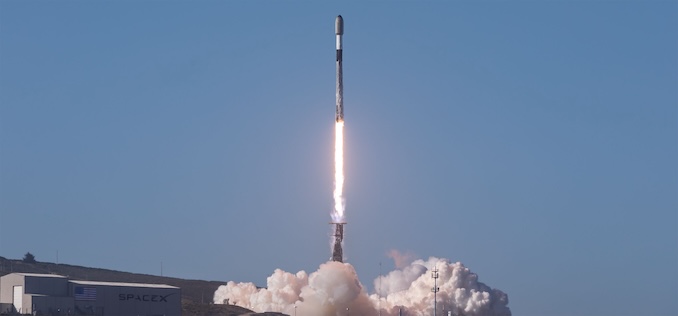
On June 11, 2026, SpaceX launched the Starlink 17‑44 mission from Vandenberg Space Force Base aboard a Falcon 9, adding 24 new broadband satellites to its low‑Earth‑orbit constellation and pushing the total count past 10,600. The first‑stage booster, B1071, completed its 34th flight and landed on the drone ship “Of Course I Still Love You” in the Pacific after a south‑southwesterly trajectory. The launch took place just a day before SpaceX’s stock opened on the Nasdaq, marking another milestone in the company’s reusable launch program.
SOMA Satellite Factory: Planet Labs Expands San Francisco HQ to Supercharge Production Pipeline
Original Publication Date: 2026-06-11 17:49

Planet Labs PBC, the global leader in daily Earth observation data, has finalized a new urban manufacturing facility in San Francisco, expanding its domestic footprint.
Software Over the Air: FatPipe Launches Acceleration Tool to Unclog Starlink and Amazon LEO Links
Original Publication Date: 2026-06-11 17:37
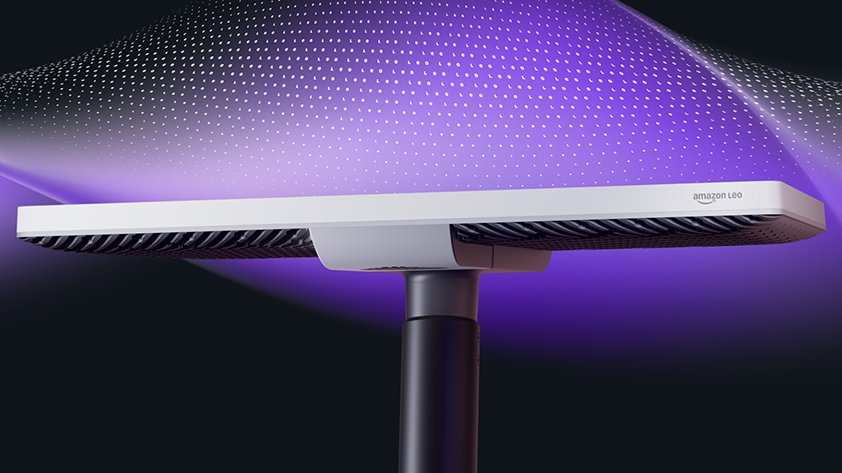
Low‑Earth‑orbit satellite internet is moving from a niche experiment to the backbone of rural connectivity, sparking a rush among ground‑segment software developers to address the technology’s challenges.
Space-Based Shield: Spire Global and Diehl Defence Partner to Build European Missile Warning Network
Original Publication Date: 2026-06-11 17:27
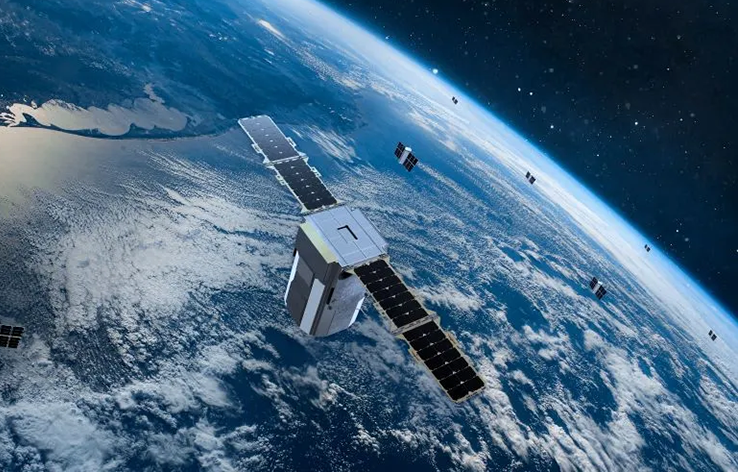
At the ILA Berlin Air Show, U.S.-based satellite intelligence firm Spire Global and German defense contractor Diehl Defence announced a memorandum of understanding to jointly develop a new satellite‑based intelligence, surveillance, and reconnaissance system for the German armed forces. The partnership will combine Spire’s global small‑satellite constellation with Diehl’s defense technology expertise to deliver real‑time battlefield data.
NASA Award Boosts Space Technology Research Capabilities
Original Publication Date: 2026-06-11 21:14
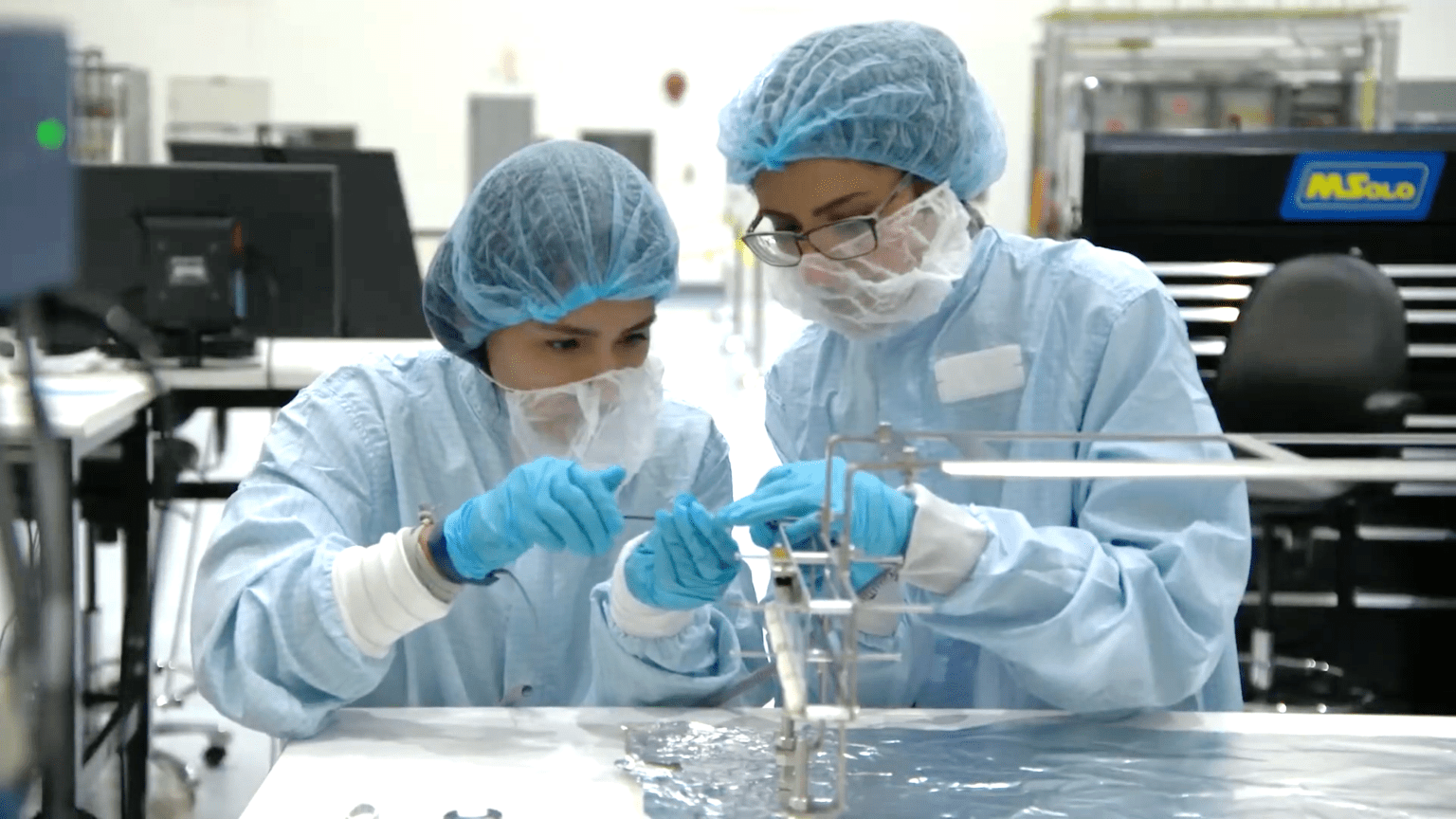
NASA has launched a new funding opportunity, the Minority University Research and Education Project Space Technology Artemis Research (M‑STAR), to accelerate academic research for lunar, Martian and deep‑space exploration. The application window closes on Tuesday, Aug. 11, and the award will help eligible institutions expand scientific and engineering capabilities, engage faculty and students, and strengthen future competitiveness for federal and commercial research. Administered by the Office of STEM Engagement and aligned with the Space Technology Mission Directorate, M‑STAR supports the development of innovative technologies that enhance space transportation, human exploration, robotic discovery and the growing space economy. Institutions can find eligibility details, help sessions, and submission instructions at go.nasa.gov/4exkPiH.
I Am Artemis: Elkin Norena
Original Publication Date: 2026-06-11 20:07
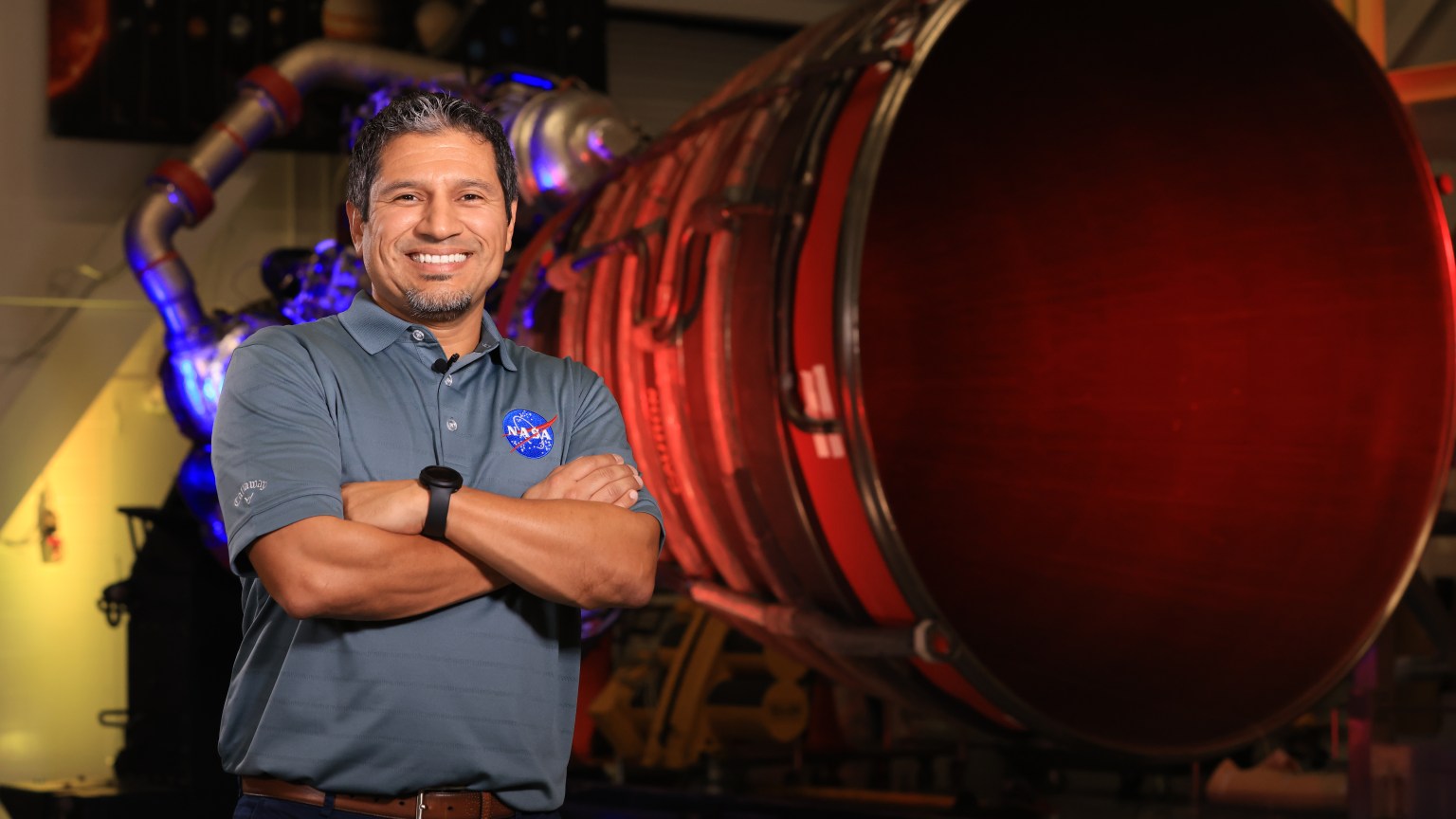
NASA’s resident management officer, Elkin Norena, has helped launch more than a dozen shuttle missions and now oversees on‑site support for the Space Launch System and Orion spacecraft at Kennedy Space Center. A Colombian native who dreamed of space as a child, Norena transitioned from electrical engineering on the Space Shuttle to a key role on the Artemis program, contributing to Artemis I, II, and the upcoming Artemis III mission. He serves as the eyes and ears for the SLS Program, coordinating between the launch pad and the program’s headquarters in Huntsville, Alabama. Norena’s passion for space continues beyond work, as he captures the Milky Way in astrophotography and encourages the next generation to reach for the stars.
NASA Robotic Tech Demo Will Advance Prototype Gamma-Ray Detectors
Original Publication Date: 2026-06-11 18:59

NASA will launch the Fly Foundational Robots mission in late 2027, carrying a new gamma‑ray sensor called AstroPix that will test technology designed to capture photons in the 20,000 to 700,000‑electron‑volt range.
Soccer Meets Space Science
Original Publication Date: 2026-06-11 16:55
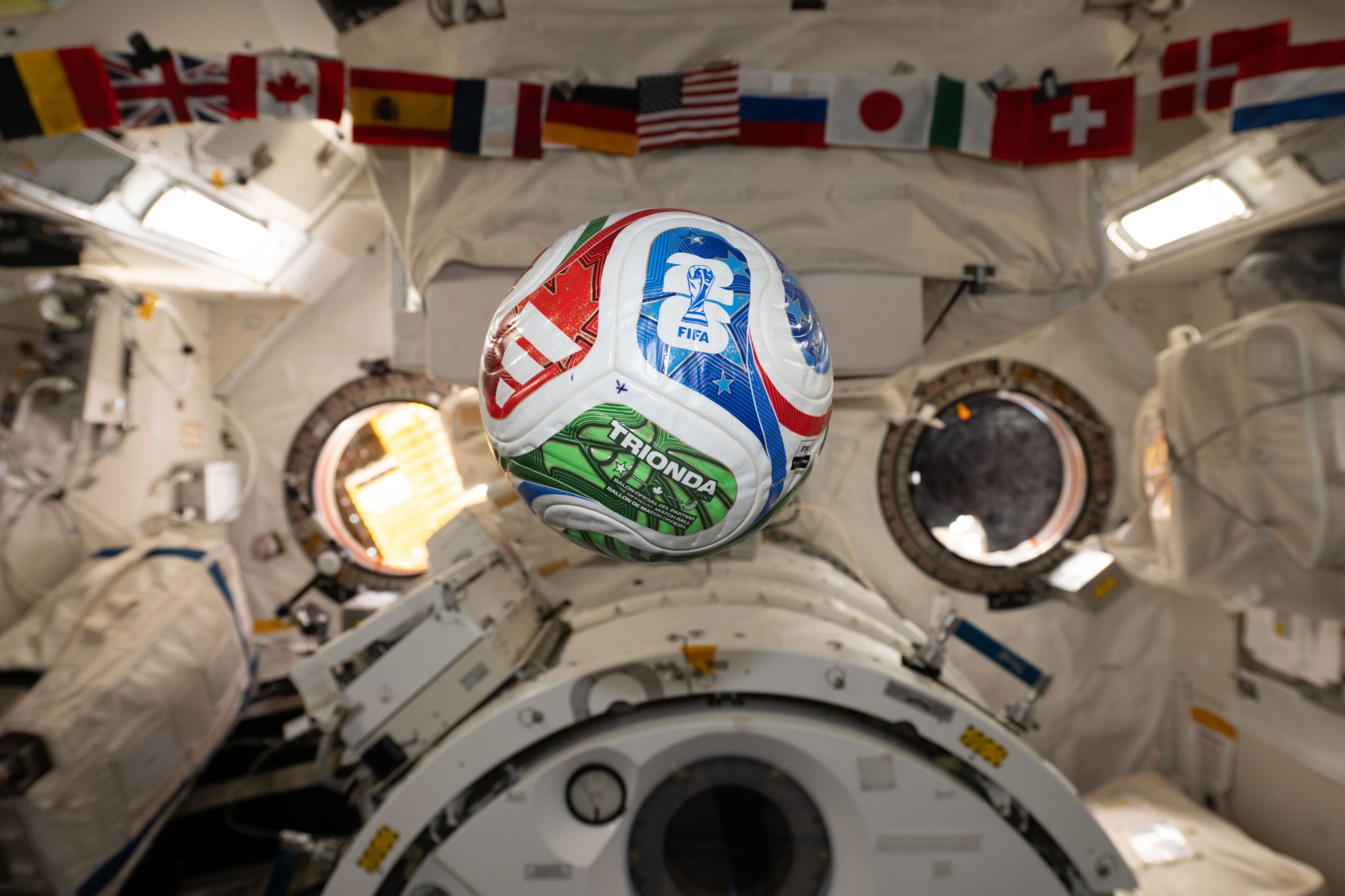
NASA scientists aboard the International Space Station conducted a unique experiment in which a soccer ball floated in microgravity, allowing them to study how internal mass affects motion and stability. The data gathered will help refine embedded sensors used in modern match balls, improving performance analysis for players and fans alike. These findings underscore how space research can translate into tangible benefits for everyday sports on Earth. NASA continues to turn extraterrestrial experiments into innovations that enhance the game of soccer worldwide.
Exclusive: Tilebox Launches AI-Focused Update
Original Publication Date: 2026-06-11 13:00
Tilebox has rolled out a new update to make AI agents more effective geospatial‑data analysts. The system sits between AI and large datasets, giving analysts a clear view of how answers are derived and addressing the black‑box problem. It equips AI tools such as Claude, Codex and others to work with Tilebox APIs, handle multiple data sources, and provide proof of their reasoning. With this update, Tilebox aims to help developers build reliable, advanced geospatial insights that can be fact‑checked and traced.
James Webb Space Telescope discovers 'galaxy-killing' wind that may explain why some early galaxies lived fast and died young
Original Publication Date: 2026-06-11 19:00
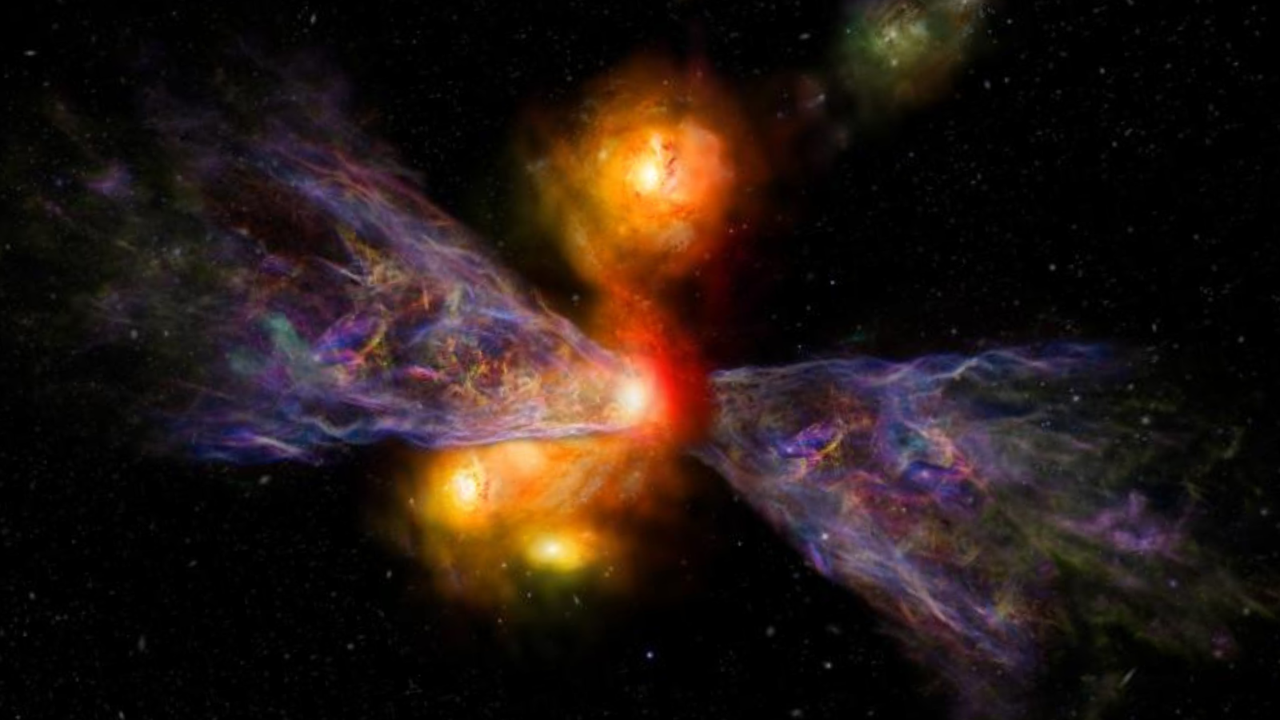
Scientists using the James Webb Space Telescope and ALMA have spotted a “galaxy‑killing” wind blowing out gas from a distant galaxy, CRISTAL‑02, just a billion years after the Big Bang. The powerful outflow is twice as fast as the galaxy’s star‑forming rate, and could strip the galaxy of the raw material needed for new stars, potentially shutting it down in under 50 million years. CRISTAL‑02 is actually a group of galaxies in the final stages of a merger, a common scenario in the early universe that may explain why many massive galaxies were already “dead” when they should have been rapidly growing. This discovery offers a natural explanation for the mysterious population of massive, short‑lived galaxies that populated the young cosmos.
Astronauts watch from space as ice splinters from a glacier | Space photo of the day for June 11, 2026
Original Publication Date: 2026-06-11 14:00
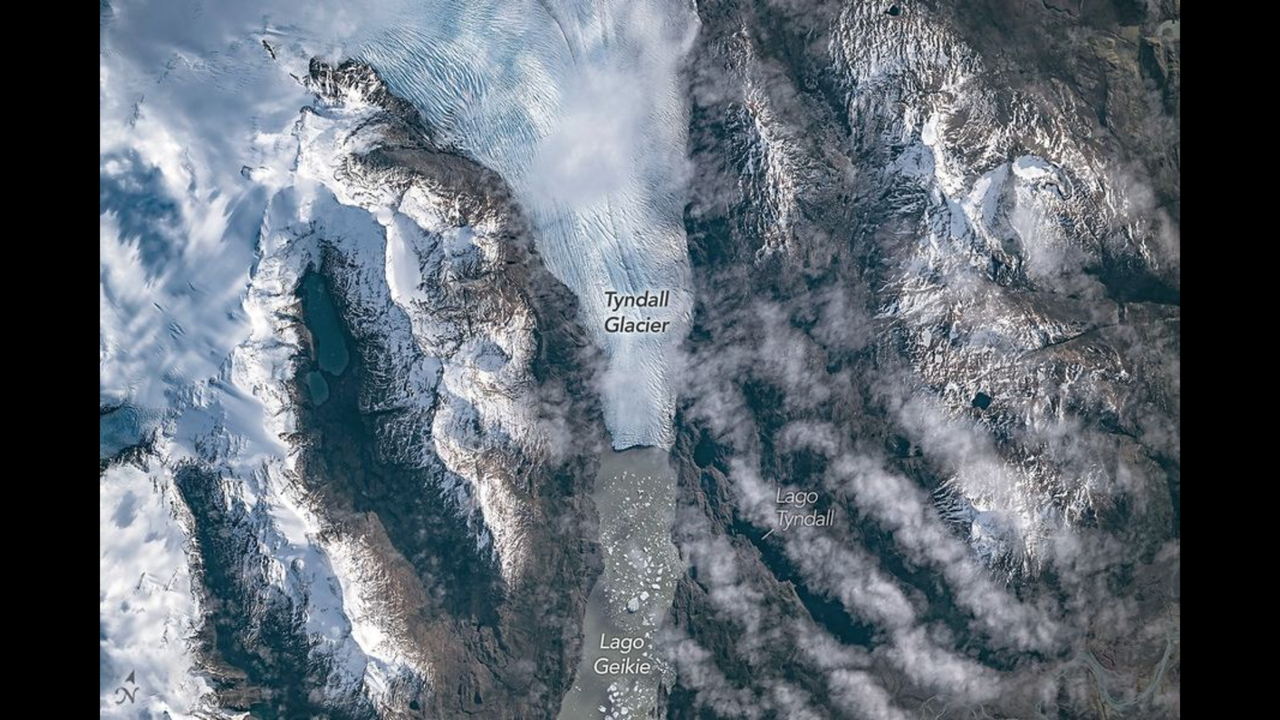
Astronauts aboard the International Space Station captured a striking image of the Tyndall Glacier in the Southern Patagonian Icefield, where ice fragments are visibly breaking off and drifting into Lago Geikie.
Elon Musk wants to put 1 million AI satellites in space. Here's how SpaceX could do it
Original Publication Date: 2026-06-11 10:00
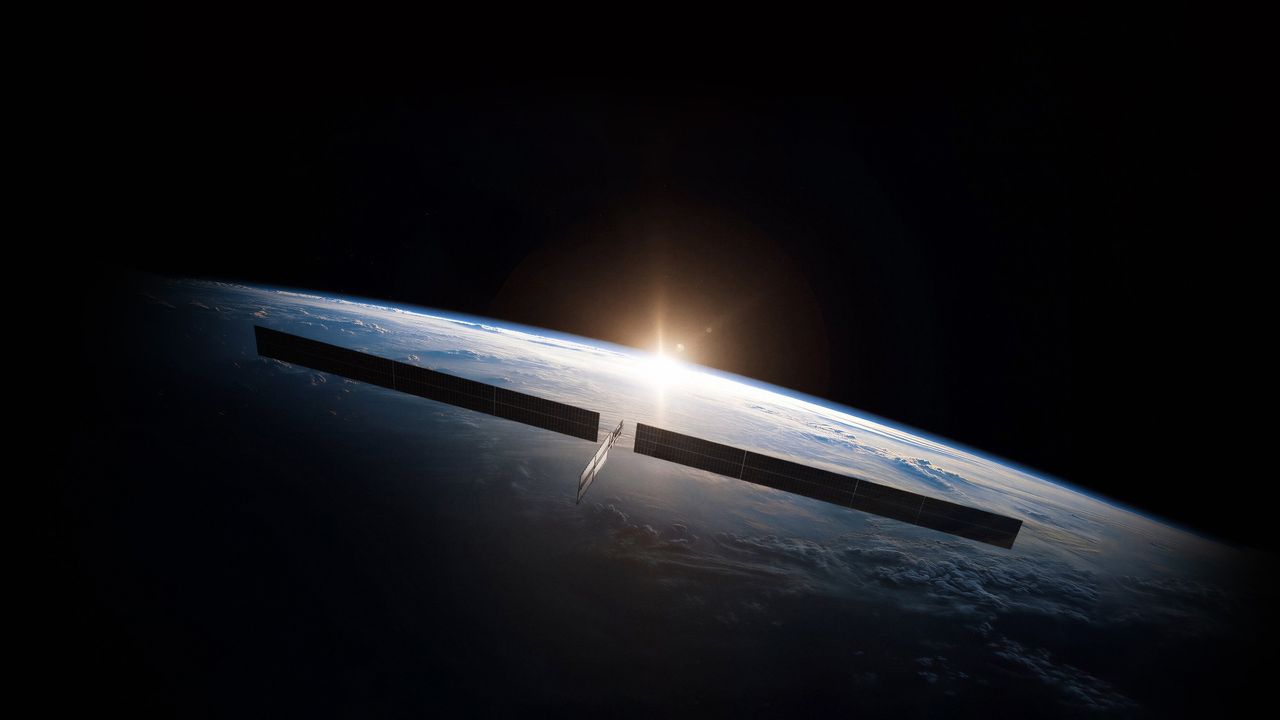
Elon Musk announced SpaceX plans to launch up to one million AI satellites, forming an orbital data‑center constellation to meet the growing demand for AI computing. The satellites, based on Starlink V3 technology, would carry racks of compute, generate about 150 kW of power, and connect via laser links to each other and to ground stations.
After nearly breaking, NASA's Deep Space Network "worked well" on Artemis II
Original Publication Date: 2026-06-11 18:34
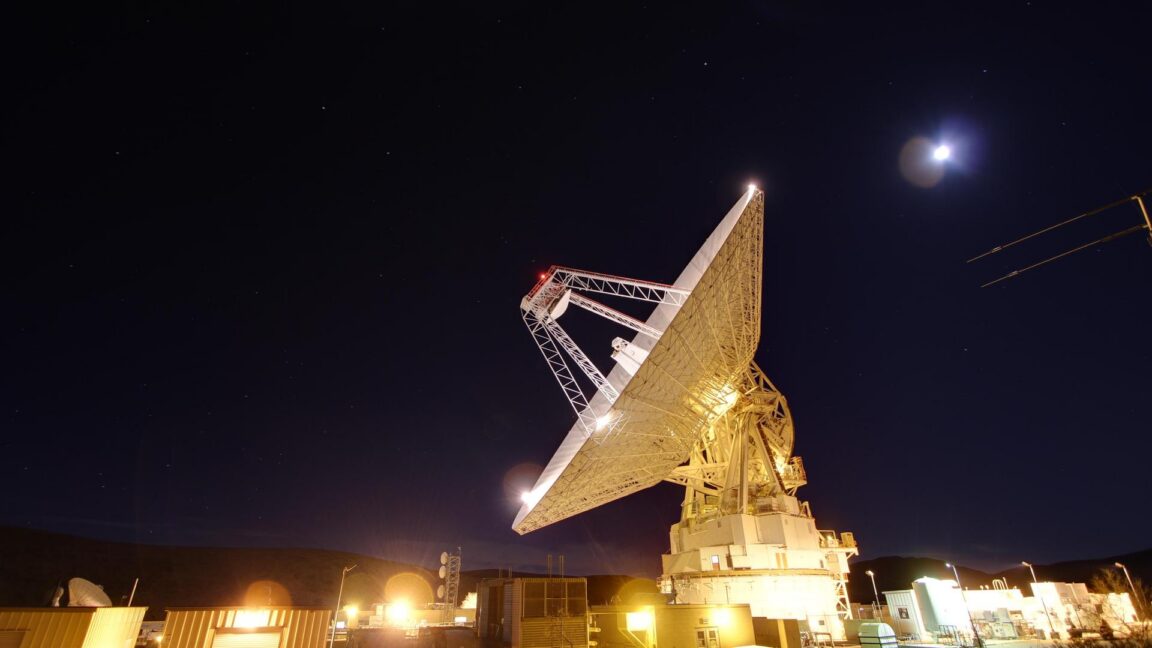
NASA’s Deep Space Network was pushed to its limits during the Artemis I mission, forcing delays for high‑profile science missions such as the James Webb Space Telescope and Mars rovers. The data‑hungry Orion capsule required priority bandwidth, which strained the global array of antennas. When Artemis II launched with a four‑person crew, the network again handled a surge of telemetry, but the mission’s shorter nine‑day duration helped ease the overload. The program also launched numerous CubeSats, many of which relied on DSN tracking and communications support.