 Spotify
 Apple Podcasts
 Podcast Addict
 Overcast
 Podcast RSS
Rules of the road needed for orbital data center constellations
Original Publication Date: 2026-07-31 00:00
Industry leaders convened in Washington to warn that the rapid rollout of orbital data‑center constellations—potentially up to a million satellites—requires urgent coordination on safety rules and traffic management. Experts cited SpaceX’s Starlink as a model for safe conjunction avoidance, but noted that the sheer scale of future constellations could mean hundreds of billions of maneuvers if not carefully managed. Proposals to place satellites in non‑intersecting dawn‑dusk orbits could allow higher densities without escalating collision risk, yet they demand a clear “side of the road” decision to avoid head‑on traffic. The panel urged operators to adopt best practices now, while regulators like the Commerce Department’s TraCSS and the Office of Space Commerce’s voluntary certification work to set global standards.
K2 Space raises $500 million for commercial, defense satellite expansion
Original Publication Date: 2026-07-30 18:42
K2 Space has just raised $500 million in a Series D round, pushing its valuation to $6.8 billion and more than doubling its worth in seven months. The new funding will help the Torrance‑based manufacturer scale production to 100 large satellites a year as it moves from orbital demos to sizable commercial and defense contracts, with its Mega‑class platform already in orbit. K2’s strategy—building bigger, higher‑power spacecraft as launch costs fall—positions it to deliver advanced communications, sensors and even space‑based computing for both commercial customers and U.S. National‑security programs. With a growing workforce of nearly 300 and a factory designed for mass production, the company is poised to meet the growing demand for large, sophisticated satellites.
Roman Space Telescope on track for late August launch
Original Publication Date: 2026-07-30 17:51
NASA’s Nancy Grace Roman Space Telescope is slated to launch from Kennedy Space Center on Aug. 30, nine months ahead of its original May 2027 schedule, thanks to meticulous planning and cost‑cap adherence. The Falcon Heavy will carry the 2.4‑meter infrared telescope to the Earth‑Sun L‑2 point, where a 100‑day commissioning phase will deploy its solar panels, antenna, and begin initial imaging. Once commissioned, Roman will conduct three large‑scale surveys over five years—targeting cosmology, exoplanets, and infrared sky mapping—complementing the Vera C.
Jim Bridenstine on his new role at Quantum Space
Original Publication Date: 2026-07-30 17:47
David Ariosto sits down with former NASA administrator Jim Bridenstine, now CEO of Quantum Space, to discuss the growing proliferation of low‑Earth‑orbit assets and the political forces that birthed the U.S. Space Force. The episode is brought to listeners by Arrow Electronics, a Fortune 500 distributor that supports aerospace and defense firms with engineering, supply‑chain and manufacturing expertise.
NASA and ISISPACE Deploy GRITSS CubeSat to Advance Orbital Reference Frame Precision
Original Publication Date: 2026-07-30 19:00
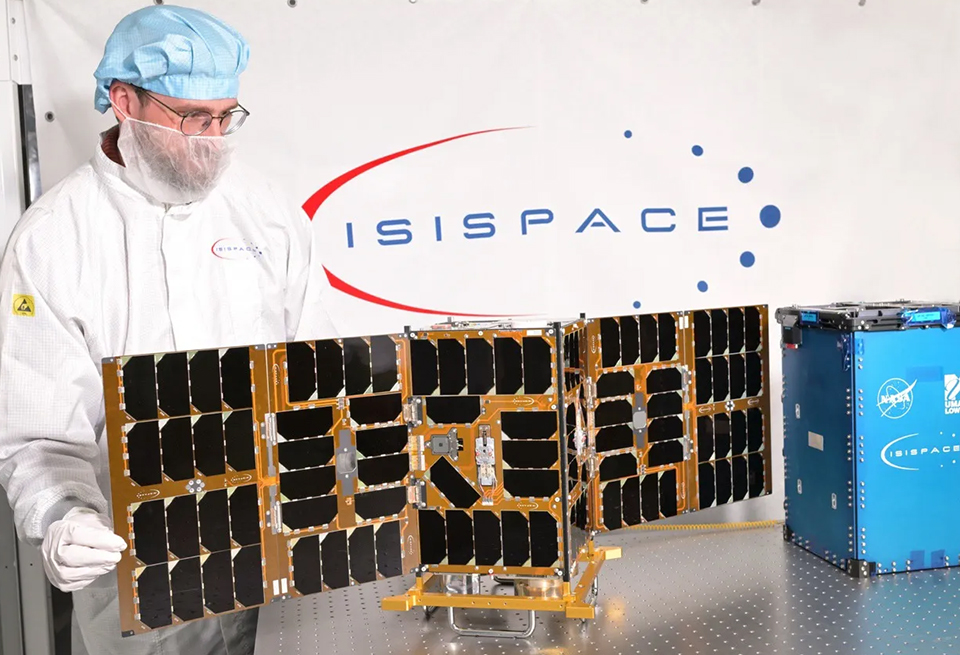
On Tuesday, July 7, 2026, NASA successfully launched its Geodetic Reference Instrument Transponder for Small Satellites (GRITSS) demonstration spacecraft into low Earth orbit from Vandenberg Space Force Base. The GRITSS mission is designed to provide precise geodetic measurements for small satellites, improving navigation and Earth observation capabilities. This launch marks a significant milestone in NASA’s efforts to advance small satellite technology and support future space missions. The spacecraft is now orbiting Earth, poised to begin its scientific operations.
Silicon Valley Space Week Speaker Focus: Col. Timothy Trimailo, Space Systems Command
Original Publication Date: 2026-07-30 18:22
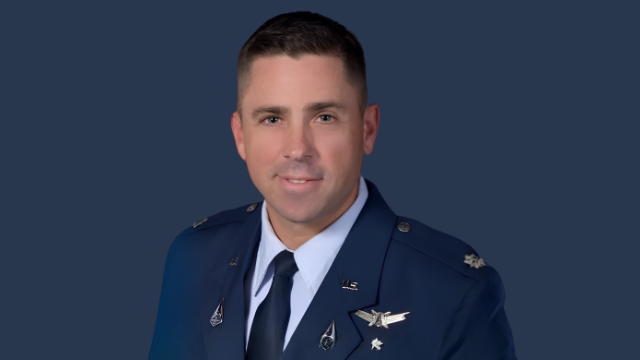
Colonel Timothy Trimailo, head of the Space Force office that converts commercial satellites into military assets, spoke twice at the MilSat Symposium on October 28. He delivered a fireside keynote on achieving space superiority while addressing the commercial satellite question, followed by a budget discussion on buy‑versus‑build with Chris Quilty. Trimailo’s dual presentations highlight the growing partnership between commercial space and national defense. The event underscored the strategic importance of integrating commercial technology into U.S. Space operations.
Momentus Vigoride 7 Completes Orbital Altitude Adjustments as Hosted Payload Testing Progresses
Original Publication Date: 2026-07-30 17:49
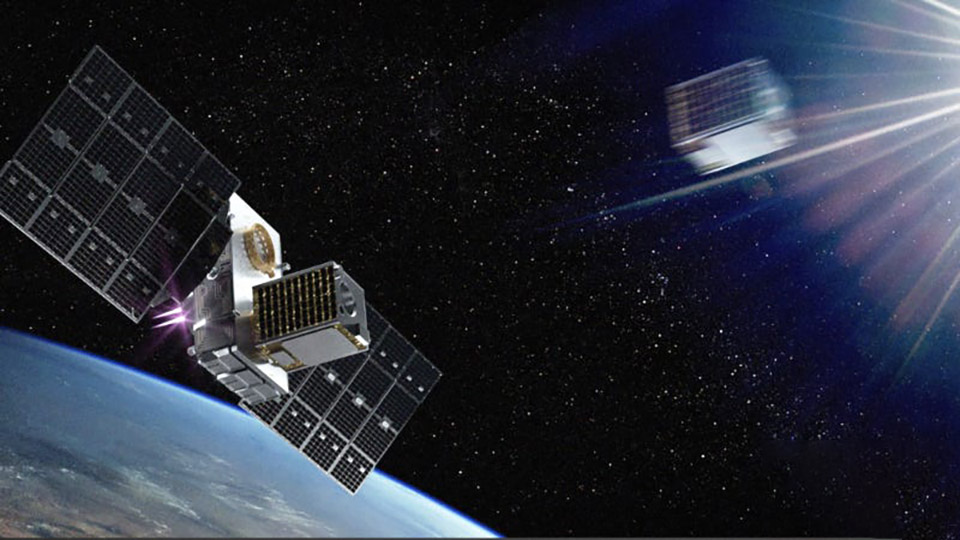
Commercial space transportation company Momentus Inc. Announced that its Vigoride 7 Orbital Service Vehicle has achieved a critical operational milestone, marking a significant step toward its goal of providing on‑orbit transportation services. The achievement demonstrates the vehicle’s ability to reach and operate in orbit, paving the way for future commercial payload deliveries and satellite servicing. Momentus plans to deploy additional OSVs to build a network that could revolutionize access to space. This milestone underscores the company’s growing presence in the emerging space logistics sector.
AccelerComm Powers Eclipse Space 5G Physical Layer Architecture for Sovereign Satellite Constellations
Original Publication Date: 2026-07-30 17:12
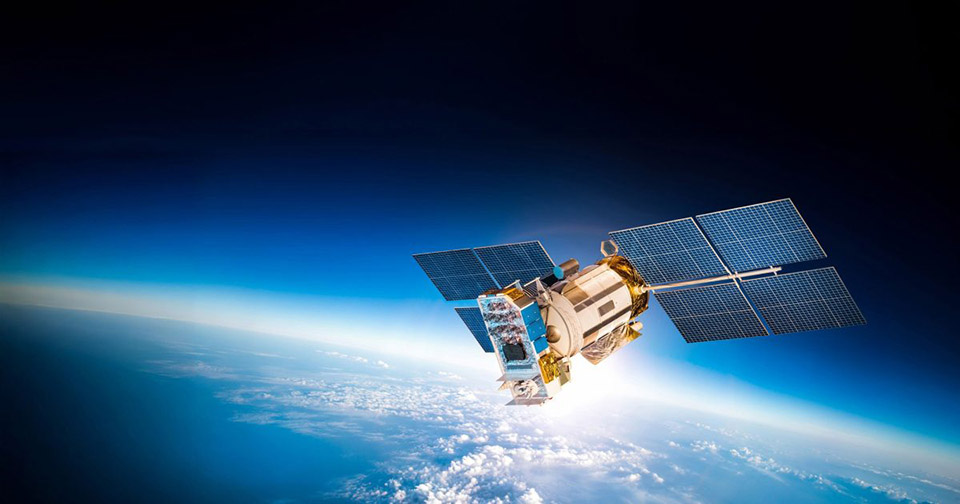
Non‑terrestrial network technology provider AccelerComm announced on July 30 that it has successfully completed two consecutive engineering engagements with Eclipse Space. The projects focused on designing and deploying advanced satellite communication systems to support Eclipse’s upcoming constellation.
Farnborough International Airshow Pivot Driven by Soaring Global Defense Spending
Original Publication Date: 2026-07-30 14:30
The 2026 Farnborough International Airshow, held from July 20 to 24, marked a pivotal shift in its 78‑year legacy, placing a stronger emphasis on military technologies and defense electronics. The event showcased cutting‑edge aerospace innovations and highlighted the growing role of advanced electronics in modern warfare. Organizers introduced a new structure aimed at fostering collaboration between defense contractors and government agencies. This evolution signals a broader trend toward integrating technology and strategy in the global defense arena.
Destructive Fires Char Western Europe
Original Publication Date: 2026-07-31 04:01
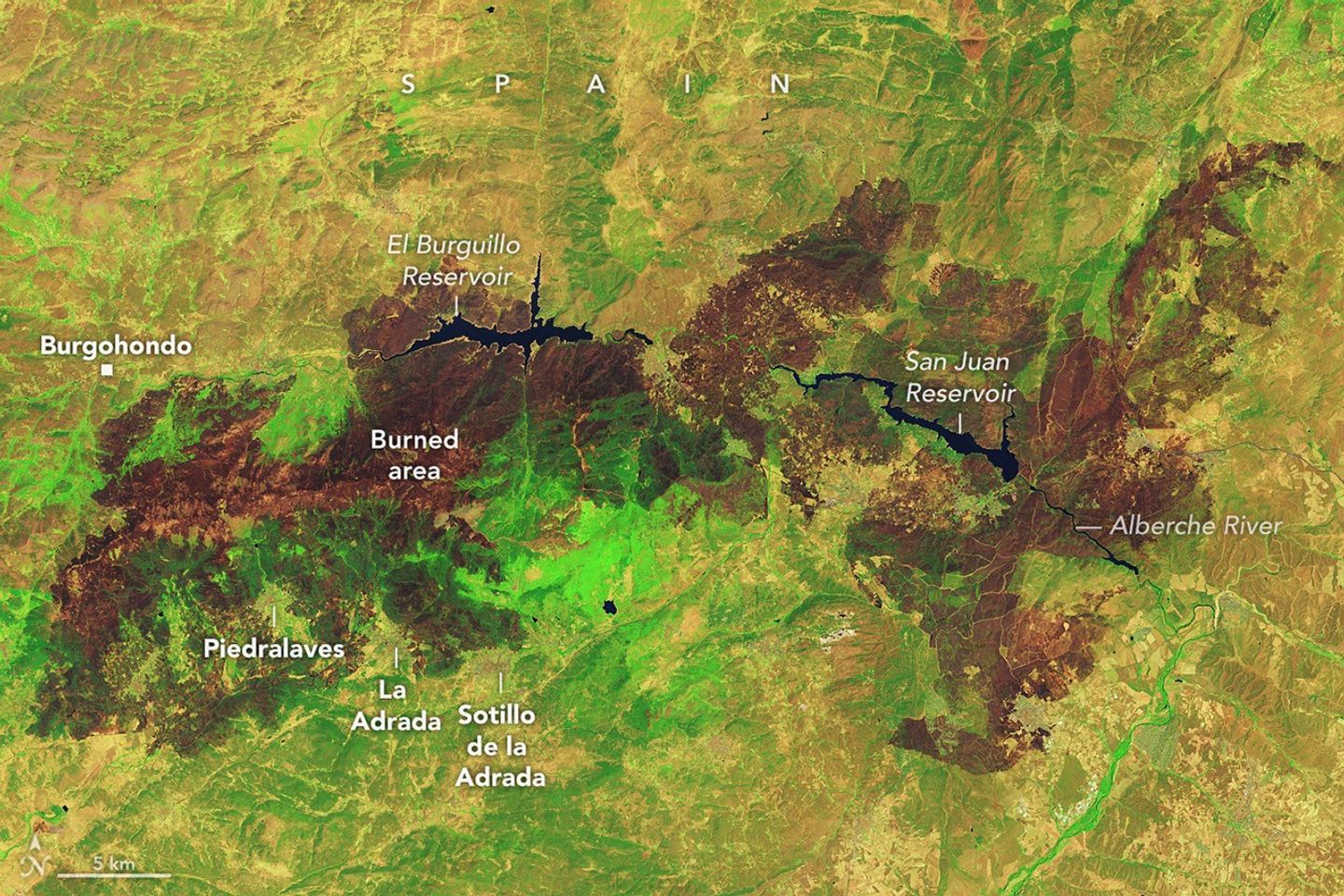
July 2026 saw the largest wildfires in Spain and France in decades, with the Ávila blaze consuming over 50,000 hectares and the southwestern France fires scorching more than 42,000 hectares, forcing hundreds of thousands to evacuate and destroying countless homes. NASA’s Landsat 9 and other satellite tools tracked the fires in real time, revealing a record‑setting pyrocumulonimbus cloud over France and highlighting the extreme heat, drought, and wind that fanned the flames. Firefighters, supported by aircraft and ground crews, eventually gained the upper hand, lifting evacuation orders, but officials warn that hot, dry conditions still pose a high risk for further outbreaks.
Students Take on Airborne Field Research with NASA
Original Publication Date: 2026-07-30 20:36

NASA’s Student Airborne Research Program (SARP) just wrapped up its summer session, with 48 undergraduates launching ozonesondes from the Texas Gulf Coast to measure atmospheric ozone. Working alongside scientists on five NASA aircraft, the students filled helium balloons, monitored data, and cross‑checked their results with satellite missions, gaining hands‑on experience in Earth system science. After two weeks, the cohort split into teams that traveled to California and Virginia to continue field research, while celebrating their first flight with a NASA worm.
NASA Assigns Astronaut Deniz Burnham to First Space Station Mission
Original Publication Date: 2026-07-30 16:11
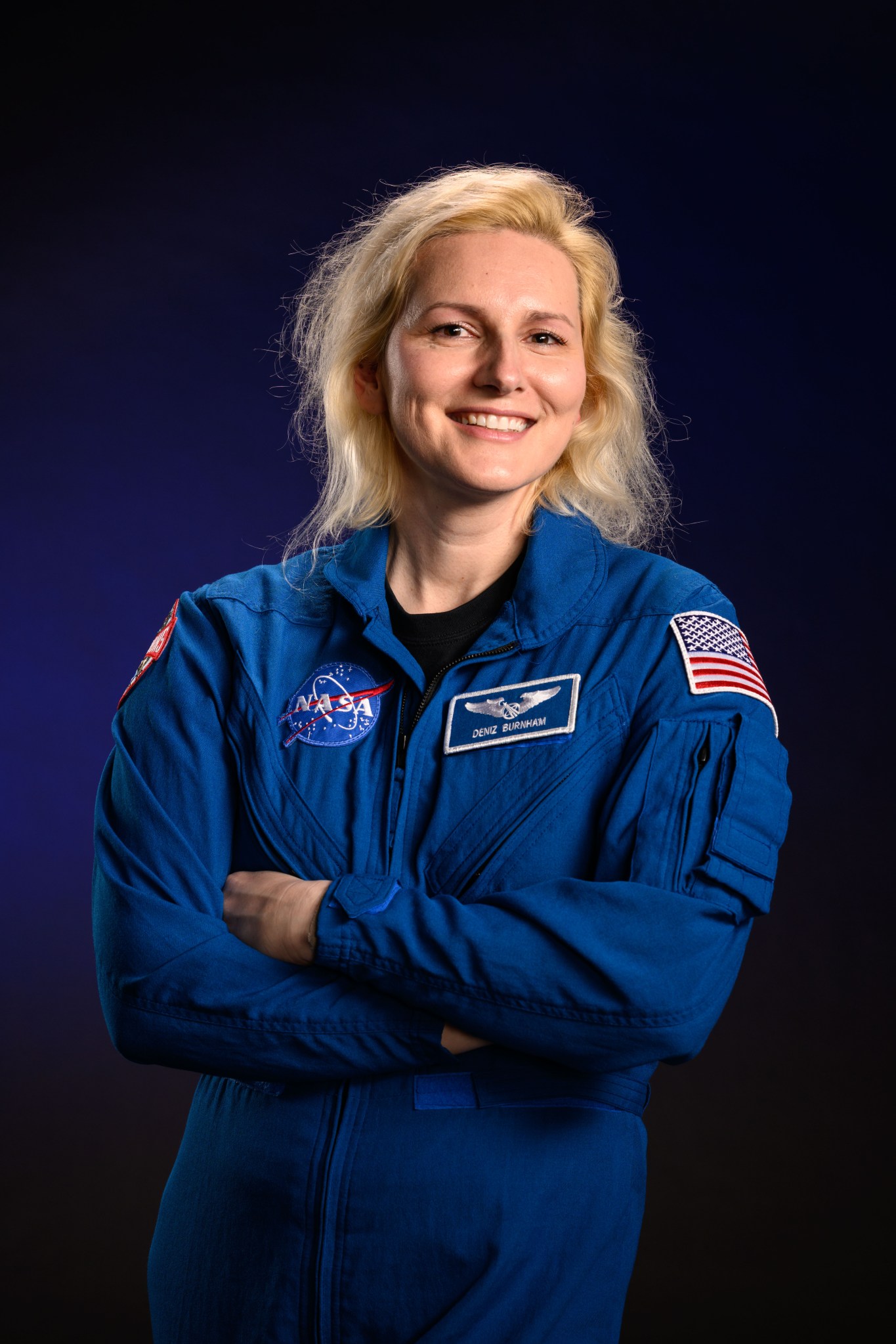
NASA astronaut Deniz Burnham will launch in March 2027 aboard Soyuz MS‑30 to serve as flight engineer on Expedition 76 of the International Space Station. The Turkish‑born astronaut, selected in 2021 and graduated with NASA’s 23rd class in 2024, will spend roughly seven months conducting scientific investigations and technology demonstrations that help prepare humanity for future Moon and Mars missions. Burnham brings a unique blend of experience, having earned degrees in chemical and mechanical engineering, spent a decade managing oil‑rig drilling operations, and served as a U.
Starburst Galaxy Centaurus A
Original Publication Date: 2026-07-30 14:24
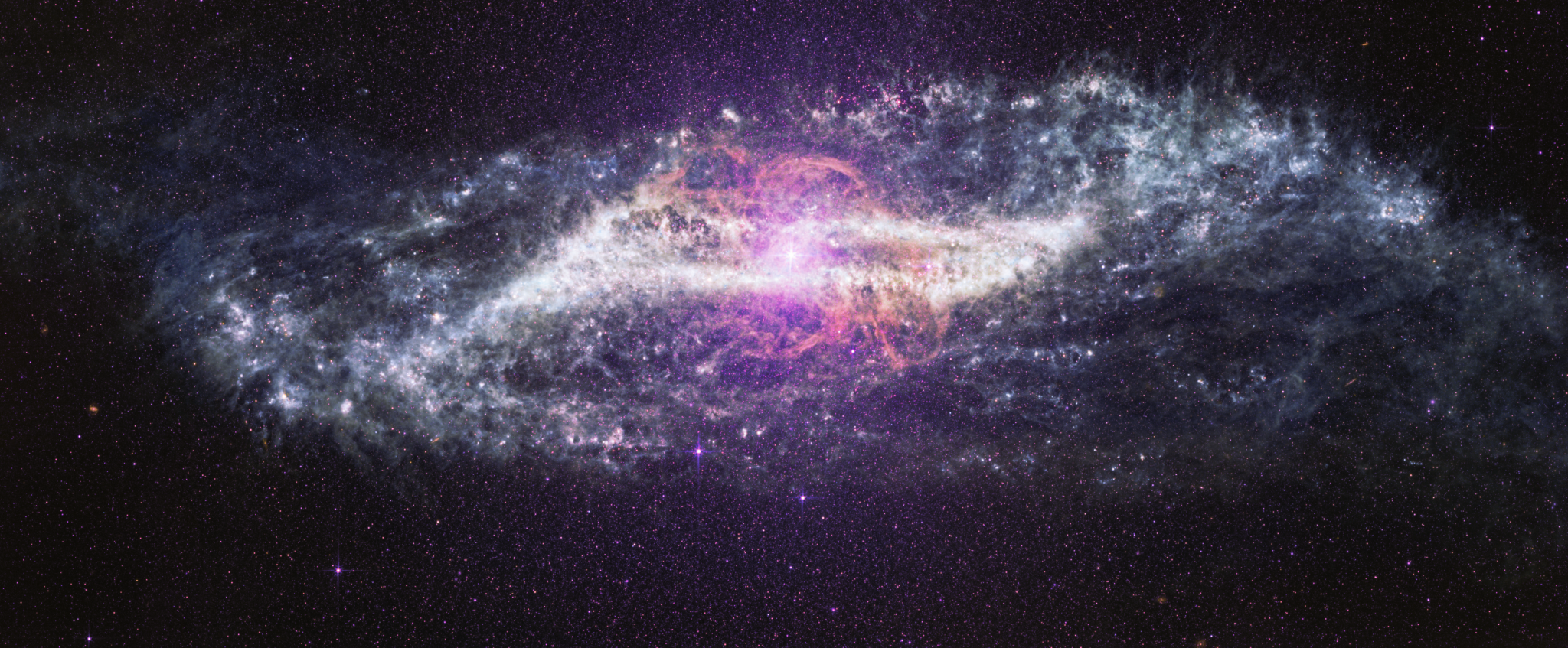
NASA’s James Webb Space Telescope has captured a stunning mid‑infrared image of the nearby galaxy Centaurus A, revealing intricate dust lanes and hidden energetic processes. Located just 11 million light‑years away, this galaxy is unusually active, making it a prime laboratory for studying how galaxies and their central black holes grow together. The image, produced by the MIRI instrument and processed by teams from NASA, ESA, and the Canadian Space Agency, offers new insights into the complex interplay between dust, stars, and black hole activity.
Payload Field Guide: European Launchers
Original Publication Date: 2026-07-31 05:52
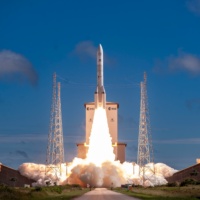
Europe is accelerating its space ambitions, with Arianespace and Avio already launching multiple missions a year and Avio set to fire off its next launch on September 14 from Kourou, carrying Copernicus Sentinel‑3C and ESA’s FLEX satellite. Arianespace’s heavy‑lift Ariane 64 debuted in February and will launch Ariane 6 on August 27, while its parent, ArianeGroup, is testing the low‑cost reusable Themis rocket. The European Launcher Challenge has earmarked €902 million for five startups, yet progress remains uneven—Orbex has gone insolvent, RFA and Isar faced launch setbacks, and PLD Space and Maiaspace are still building infrastructure for future flights. Despite these hiccups, Europe’s launch ecosystem is growing, with numerous other firms—HyPrSpace, Sirius Space Services, Alpha Impulsion, Skyrora, and more—pushing the frontier toward the first orbital launch in the next few years.
Hop Aero Wants to Deliver Cargo via Rocket
Original Publication Date: 2026-07-30 12:45
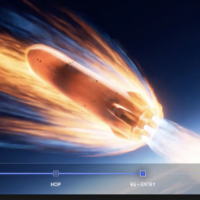
Hop Aero has unveiled its Rook suborbital rocket, aiming to deliver freight in minutes by launching from a standard 12‑meter shipping container and landing on unprepared surfaces. The first model, Rook Two, stands about six meters tall, carries 250 kg of cargo, and can travel roughly 750 km in a 15‑minute flight between Okinawa and Taiwan. The company has already hot‑fired its engine, completed a tether test of a prototype, and secured a $1.25 million Direct‑to‑Phase‑II SBIR award from AFRL for rapid point‑to‑point operations. By bypassing the need for orbital launches and constellations, Hop Aero seeks to offer a cost‑effective, high‑speed logistics solution for military and commercial markets alike.
Payload Pioneers: Where Are They Now?
Original Publication Date: 2026-07-30 12:33
The Payload Pioneers program has spotlighted 90 young leaders in the space industry, and three years later their careers are soaring. Many have launched new ventures, published books—from Harvard Business School research to children’s space tales—and secured high‑profile roles, including senior advisory positions at NASA and strategic positions at Blue Origin and Axiom Space. Others have moved into product, engineering, and policy roles across the sector, while a few even joined Payload as reporters. The program will welcome a new class of Pioneers in October, inviting nominations for the 2026 list.
The US government wants to bypass environmental laws for commercial launches and spacecraft reentries
Original Publication Date: 2026-07-30 21:00
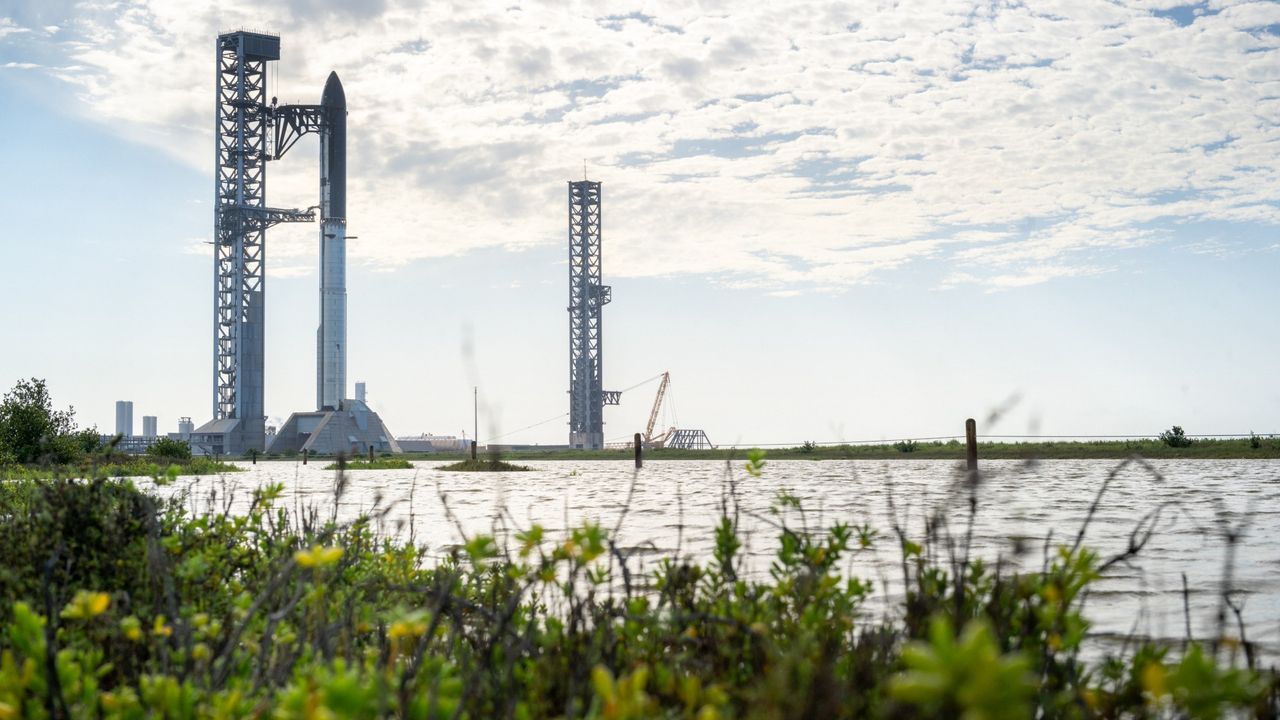
The FAA has proposed a rule that would waive 13 federal environmental laws for commercial rocket launches and spacecraft re‑entries, speeding up licensing amid a growing backlog of missions. The waiver would cover the National Environmental Policy Act, Endangered Species Act, Clean Water and Clean Air Acts, and the National Historic Preservation Act, among others. While the move is touted as a boost to U.S. Innovation and satellite constellations like SpaceX Starlink, critics warn it could harm ecosystems and public health. The proposal is open for 30 days of public comment and could significantly reshape U.S. Space policy if adopted.
On this day in space! July 30, 1610: Galileo sees Saturn's rings for the 1st time
Original Publication Date: 2026-07-30 14:00
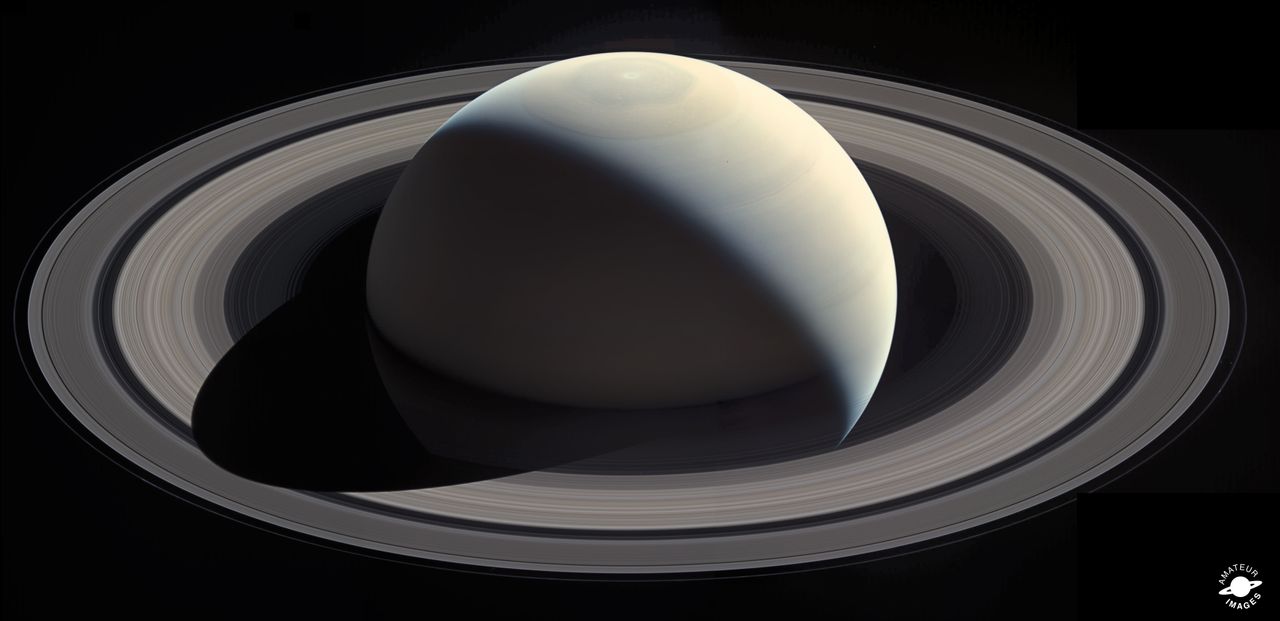
On July 30, 1610, Galileo Galilei became the first to glimpse Saturn’s rings, mistaking them for “love handles” or moons. Using a newly invented telescope from 1608, he noted the planet’s odd shape, sparking curiosity that would reshape our view of the solar system. It wasn’t until 1659 that Christiaan Huygens confirmed the rings were a distinct, spectacular feature of Saturn. This early observation marked a pivotal moment in astronomy, proving that planets could possess complex structures beyond their visible bodies.
A SpaceX rocket will crash into the moon next week, and scientists aren't sure what to expect
Original Publication Date: 2026-07-30 10:00
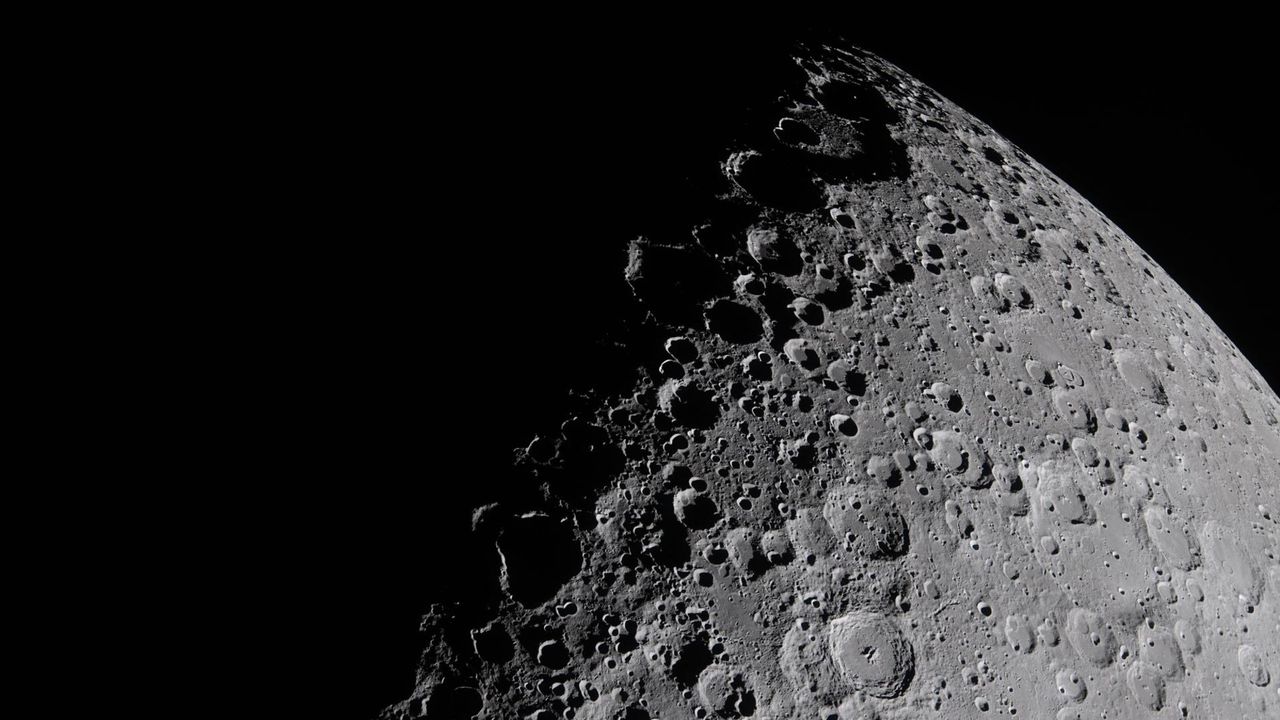
A spent SpaceX Falcon 9 upper stage is slated to crash into the Moon on August 5, 2026, near the Einstein and Bell craters on the western limb. Scientists predict the impact will produce a bright ejecta plume that could be visible for minutes against the dark lunar sky, offering a rare chance to study artificial impact physics. Observatories and the Lunar Reconnaissance Orbiter will monitor the event, providing data that could help calibrate models for future lunar missions and assess debris hazards for astronauts.