 Spotify
 Apple Podcasts
 Podcast Addict
 Overcast
 Podcast RSS
Air Force takes over troubled military GPS receiver program
Original Publication Date: 2026-07-24 09:00
The U.S. Air Force has taken over the Pentagon’s long‑delayed effort to field jam‑resistant GPS receivers, aiming to close the gap between development and deployment across the military. This move places the Air Force Life Cycle Management Center in charge of the first two increments of the Military GPS User Equipment (MGUE) program, while the Space Force will keep operating the satellite constellation.
NASA programs feel effects of workforce reductions
Original Publication Date: 2026-07-23 21:31
A GAO report reveals that 25 of NASA’s 36 major projects feel the impact of a 22% loss of civil‑servant staff last year, with centers like Goddard losing 34% and Orion losing 10%, sparking concerns over staffing gaps and program delays. The Space Launch System and Orion programs already face cost overruns, while missions such as DAVINCI and Psyche have experienced launch delays and added expenses. NASA is responding by converting contractors into civil servants, launching the “NASA Force” talent partnership, and planning to hire more staff in the spring. However, proposed cuts for fiscal year 2027 could worsen workforce reductions and threaten further delays, leaving the agency’s future capacity in jeopardy.
Mark Matossian co-founds Whipsmart Ventures to fund space and deep tech
Original Publication Date: 2026-07-23 19:23
Space startup veteran Mark Matossian has teamed up with a software engineer and a best‑selling author to launch Whipsmart Ventures, a new venture capital fund headquartered in San Francisco. The fund will focus on investing in space and deep‑tech startups, aiming to accelerate the next wave of innovation in the sector. By combining industry experience, technical expertise, and storytelling acumen, the trio hopes to identify and nurture high‑potential ventures.
Will Bruey on rethinking the role of pharmaceuticals in low Earth orbit
Original Publication Date: 2026-07-23 15:13
At the Ascend conference, David Ariosto interviewed Varda CEO Will Bruey about the company’s plans to link medicine with low‑Earth orbit and its recent successful re‑entry of a space vehicle over Australia. Varda aims to become a key player in the evolving space sector, offering solutions that connect orbital technology with healthcare applications. The segment was sponsored by Arrow Electronics, a Fortune 500 distributor that supports innovators in aerospace, AI, and industrial automation.
NNSA Delivers Fifth Next-Generation Global Burst Detector Payload to U.S. Space Force for GPS Integration
Original Publication Date: 2026-07-23 20:40
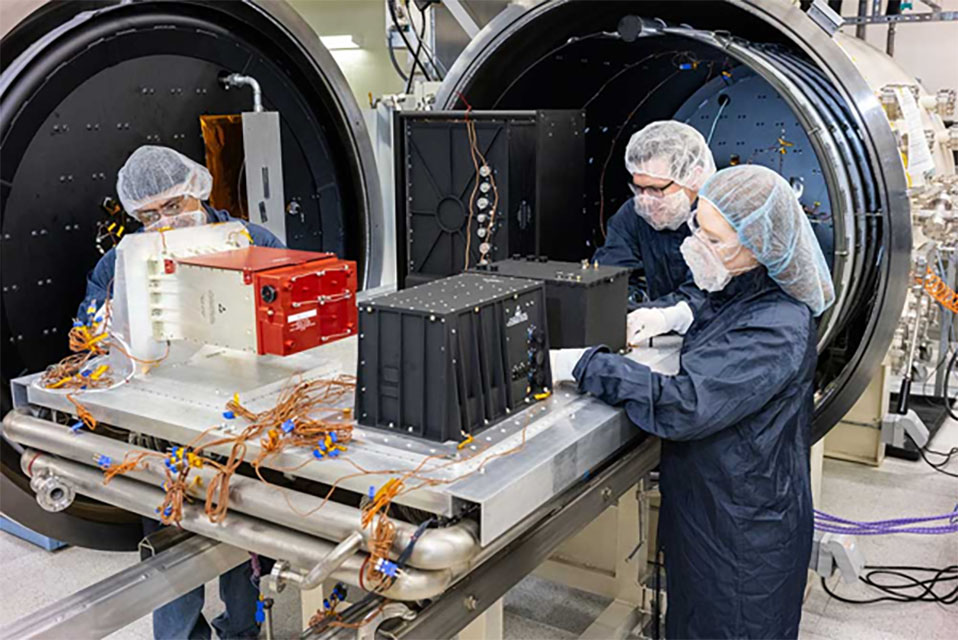
On Thursday, July 23 2026, the National Nuclear Security Administration announced that it had delivered its fifth next‑generation Global Burst Detector (GBD) sensor payload to the U.S. Space Force. The GBD system is designed to detect and locate nuclear explosions from space, enhancing the nation’s early‑warning capabilities. This delivery marks a key milestone in the deployment of advanced sensors that will bolster national security and space situational awareness. The Space Force will now integrate the new payload into its existing monitoring network.
Intellian Unveils CM100 GMDSS Terminal Built for Iridium Certus 100 Safety Network
Original Publication Date: 2026-07-23 20:25

Intellian Technologies broadened its maritime safety‑of‑life lineup with the launch of its CM100 GMDSS terminal on July 23, 2026. The compact, standalone device taps the Iridium Certus 100 network to deliver global voice and data connectivity for vessels. Designed for reliability in harsh sea conditions, the CM100 promises robust emergency communications and situational awareness for maritime operators. This new terminal underscores Intellian’s commitment to enhancing safety at sea.
ALL.SPACE Hydra MAX Terminal Receives Certification for SES O3b mPOWER Multi-Orbit Network
Original Publication Date: 2026-07-23 14:38
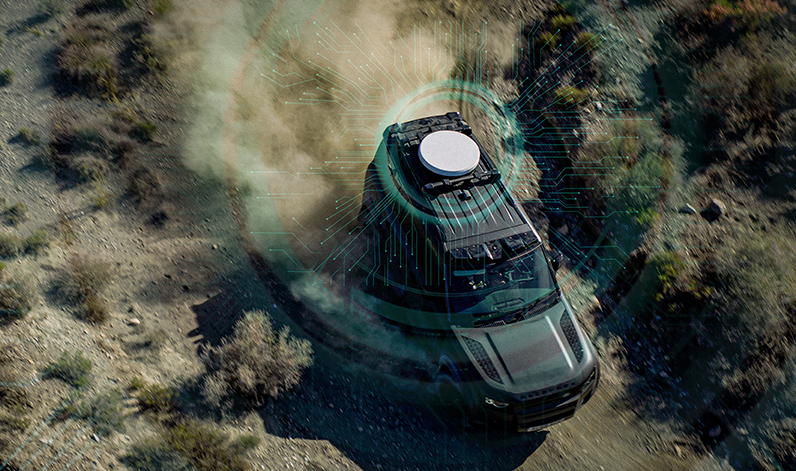
Multi‑link terminal developer ALL.SPACE announced on July 22, 2026 that its second‑generation Hydra MAX terminal has earned operational certification for resilient, on‑the‑move communications in contested environments. The Hydra MAX builds on the company’s first‑generation platform, offering enhanced bandwidth, secure connectivity, and rapid deployment capabilities. Certification confirms the system meets stringent military and commercial standards for performance and reliability.
A Million-Panel Project
Original Publication Date: 2026-07-24 04:01
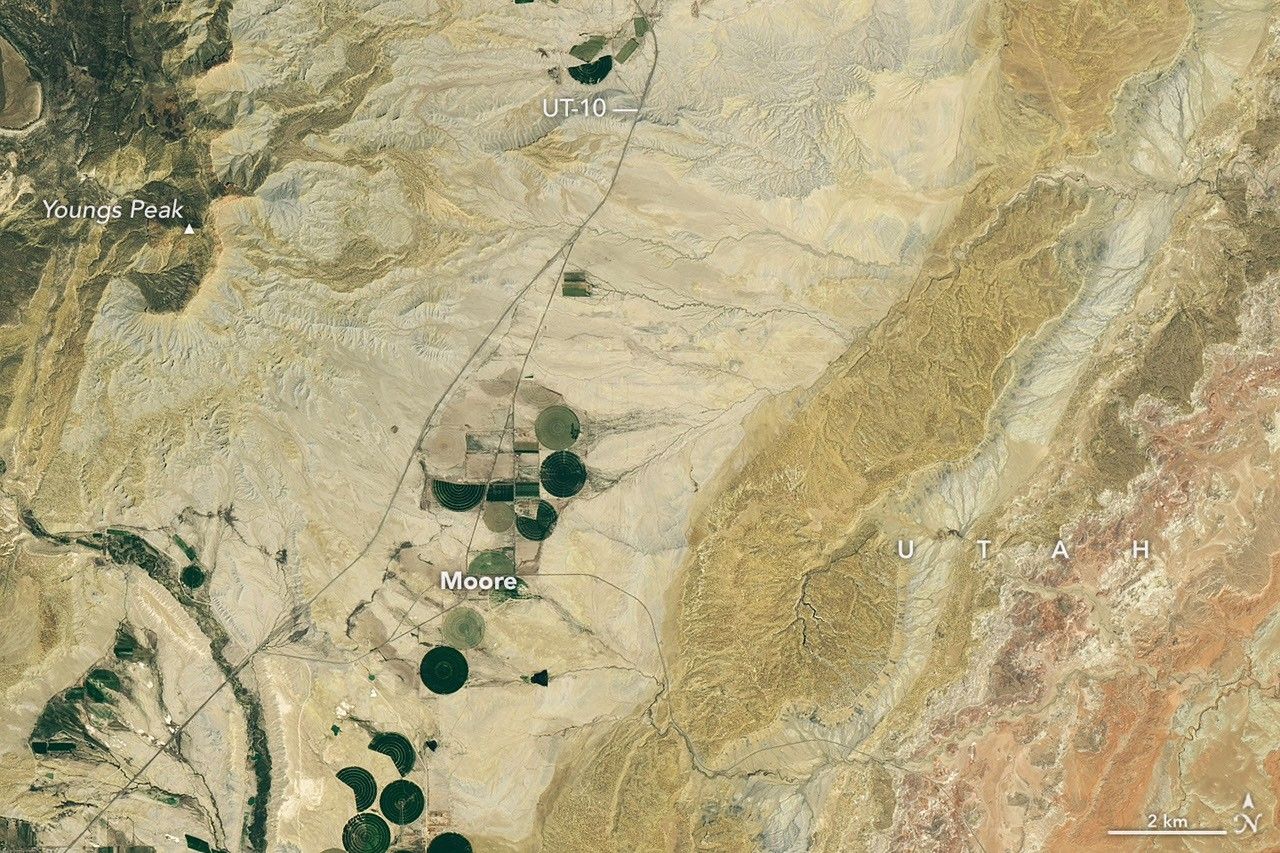
Utah’s Green River Energy Center, a sprawling 400‑megawatt solar farm with an equal battery storage capacity, opened in Castle Valley in June 2026, replacing a historic coal hub with a clean‑energy powerhouse. The facility spans several square miles, housing nearly one million photovoltaic panels and roughly 500 batteries, and is poised to power over 100,000 homes, including Salt Lake City, around the clock. By repurposing existing transmission lines built for coal plants, the project leverages the region’s energy legacy while boosting solar’s share of Utah’s power mix to about 14 percent. Satellite imagery from Landsat 8 has tracked the development, illustrating how remote sensing aids planners in monitoring renewable adoption and performance.
Look for NASA+ Now Streaming on Amazon Fire TV
Original Publication Date: 2026-07-23 19:11
NASA has added NASA+ to Fire TV Channels, letting viewers stream space content via Alexa on compatible devices. Upcoming programming will showcase live mission launches, test flights for lunar rendezvous, robotic deliveries, and the first crewed Artemis mission to the Moon. The service remains free and ad‑free on the NASA app and website, fulfilling the agency’s pledge to share space exploration with a broad audience. This partnership supports NASA’s 2026 Ignition plans to boost Artemis missions and build a Moon base, offering transparent coverage that inspires the next generation.
FCC Filings Show Eutelsat is Working on a New 528-sat Constellation Beyond OneWeb
Original Publication Date: 2026-07-24 05:47
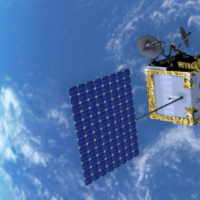
Eutelsat has filed with the FCC to launch a new 528‑satellite low‑Earth orbit constellation, dubbed Eutelsat Next, that would operate alongside its existing OneWeb network. The plan calls for 24 orbital planes at 1,220 km altitude, using Ku‑ and Ka‑band frequencies and 5G‑compatible technology, with up to 50 global gateway stations and potential optical inter‑satellite links. While the company says the project is still in design and that funding is secured through 2030, it has not confirmed launch dates, full deployment or how the network will mesh with Europe’s sovereign IRIS² system. For now, Eutelsat Next appears more like a regulatory roadmap than a finalized rollout plan.
NASA Puts $2B Price Tag on Nuclear Mars Mission
Original Publication Date: 2026-07-23 12:45

NASA has unveiled the Space Reactor‑1 (SR‑1) mission, a fission‑powered spacecraft slated to launch to Mars in late 2028 at a projected cost of over $2 billion. The ship will carry the SkyFall helicopter, which will launch from Mars orbit, deploy into the atmosphere, and map subsurface ice to identify future crewed landing sites.
Intel Authorization Act Proposes Limiting Commercial EO Access
Original Publication Date: 2026-07-23 12:41

A new 2027 Intelligence Authorization Act would give the U.S. Government the power to block commercial Earth‑observation satellite operators from sharing “sensitive imagery” that could threaten national security. The bill comes as geospatial data has become a key tool for U.S. And allied forces, helping spot troop movements and assess damage in conflict zones like Ukraine and Iran, while also informing media coverage. While most U.S. EO companies have not yet responded, some, like ICEYE, say the proposal could strengthen ties with the Department of Defense if the oversight process protects both security and commercial interests. The act also includes measures to better align commercial remote sensing with intelligence needs and to expand enterprise services in geospatial intelligence.
Vulcan Centaur swapped out again: NASA goes with SpaceX Falcon Heavy rocket for launch of space weather mission
Original Publication Date: 2026-07-23 21:00
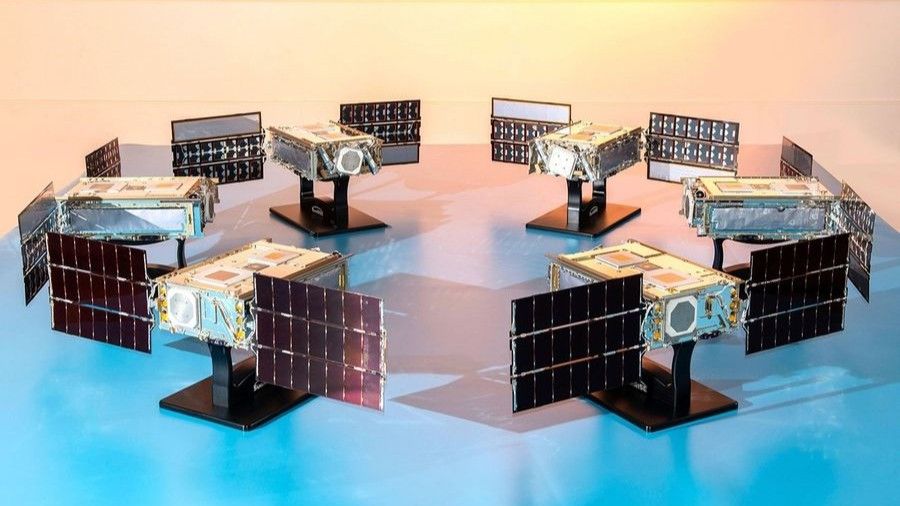
NASA’s SunRISE mission, a six‑satellite constellation that will serve as an early warning system for solar storms, has switched launch vehicles from ULA’s Vulcan Centaur to SpaceX’s Falcon Heavy after recent booster problems. The mini‑constellation will orbit about 22,000 miles high, forming a giant “X” pattern that acts as a single radio telescope to track solar radio bursts that precede damaging space weather. The switch comes amid the U.S. Space Force’s pause on Vulcan launches following repeated solid‑rocket‑booster anomalies, prompting a shift to Falcon Heavy rideshare. The exact launch window is still to be announced, but the mission is slated to lift off later this year.
Scientists may have finally solved the mystery of the sun's missing silver
Original Publication Date: 2026-07-23 20:00
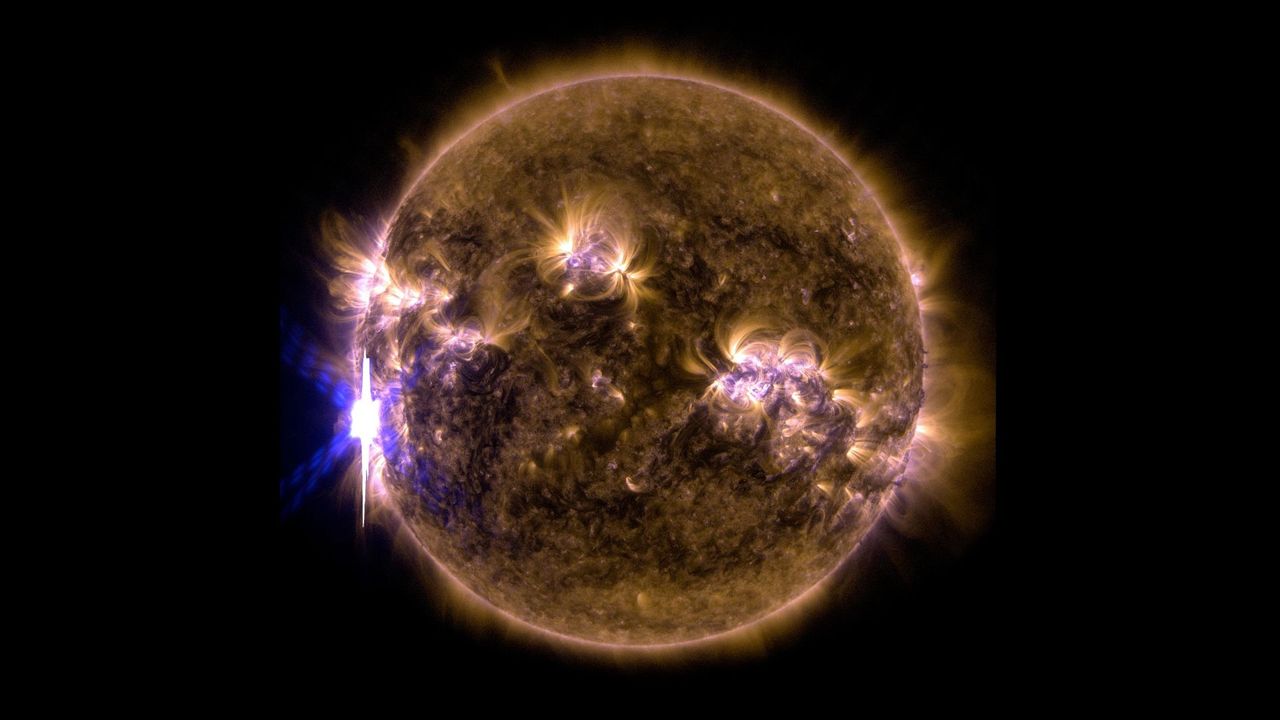
Scientists have finally cracked the mystery of the Sun’s missing silver, revealing that the element has been hiding in plain sight all along. Using advanced computer simulations that account for complex non‑equilibrium effects, researchers found the Sun actually contains about 55% more silver than previously measured. The discovery, published in Astronomy & Astrophysics, shows that the silver is not lost but obscured by subtle physics in the solar atmosphere. This breakthrough opens the door to tracing the element’s origins from supernovae across the Milky Way.
NASA's retired astronauts are hitting the road to get young people to vote: 'one small step for you, and one giant leap for our country.'
Original Publication Date: 2026-07-23 16:00
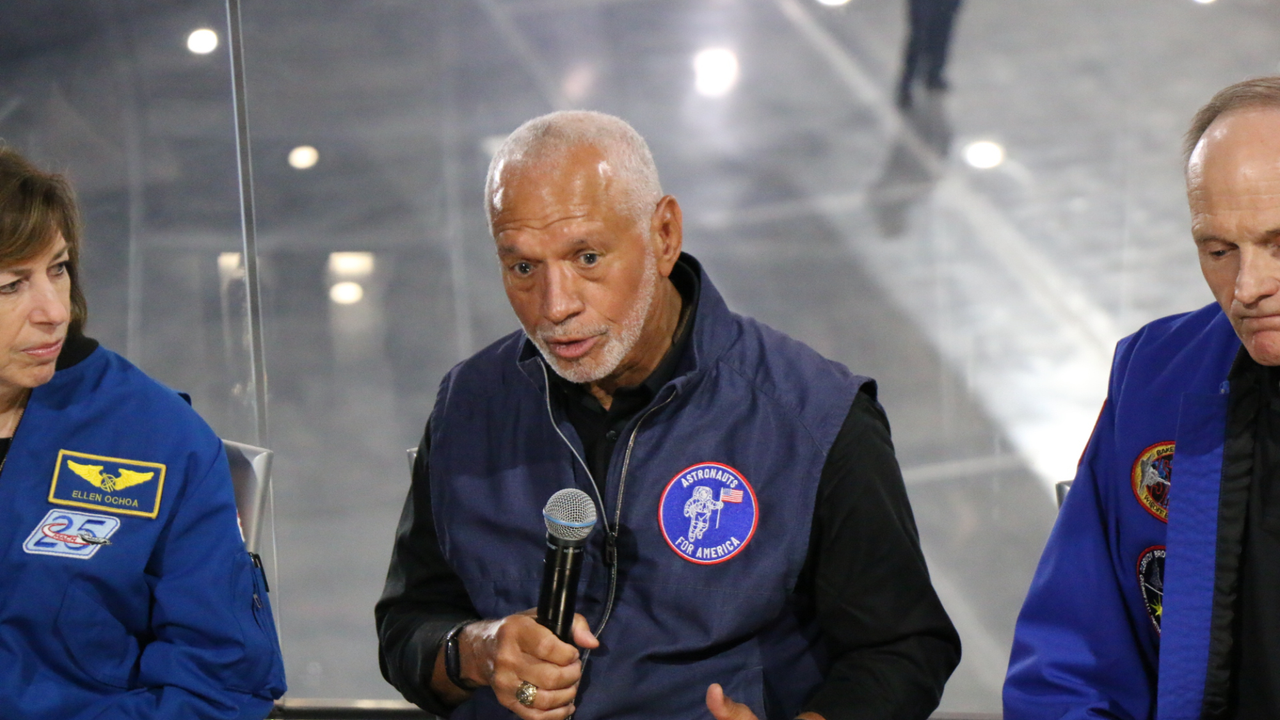
Retired NASA astronauts have launched a non‑partisan campaign called Astronauts for America, touring colleges across the country to urge young voters to head to the polls before the November midterms. Using their status as role models and their commitment to science and the rule of law, the group—led by former Apollo 9 pilot Rusty Schweickart—plans to visit community colleges, state fairs, and town halls in a four‑month road trip titled “Vote for Freedom.” The astronauts emphasize that voting is a civic mission as vital as any space mission, citing recent Supreme Court rulings that protect absentee voting rights.
Satellite spots a 'hummingbird' in Antarctica | Space photo of the day for July 23, 2026
Original Publication Date: 2026-07-23 14:00

NASA and India's ISRO satellite NISAR captured a striking radar image of an Antarctic mountain that, to the eye, resembles a hummingbird. The “bird” is actually Nunatak Zaterjavshijsja, with its crevasses and ice stream forming the feathers and tail. The image showcases NISAR’s powerful radar, which can peer beneath snow and ice to reveal glacier dynamics. Data from the mission is now publicly available, allowing scientists worldwide to study and protect our changing planet.
Should Artemis IV astronauts actually land near the moon's south pole? Artemis II pilot says the lunar equator might be better
Original Publication Date: 2026-07-23 12:00
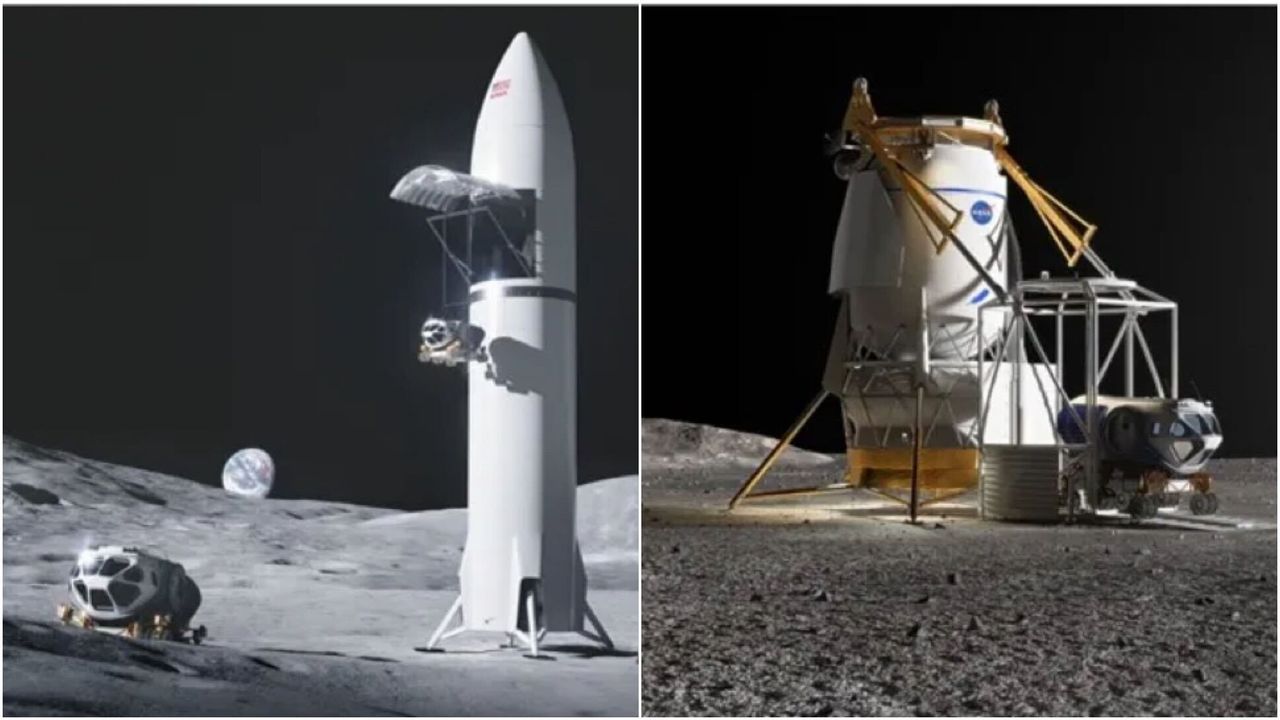
NASA astronaut Victor Glover, who piloted Artemis II, has urged the agency to aim for a near‑equatorial landing instead of the moon’s south pole, citing better daylight and quicker emergency transfers. The south pole remains the prime target because it holds valuable water‑ice that could fuel future lunar and Martian missions, but the U.